Inspiration
With climate change accelerating, pollution levels rising, and deforestation increasing, we wanted to create a smart, AI-powered solution to monitor and reduce environmental impact. Current monitoring systems are either too expensive or inaccessible, so we aimed to build an open-source, AI-driven platform that enables individuals, researchers, and policymakers to track environmental sustainability in real-time.
What it does
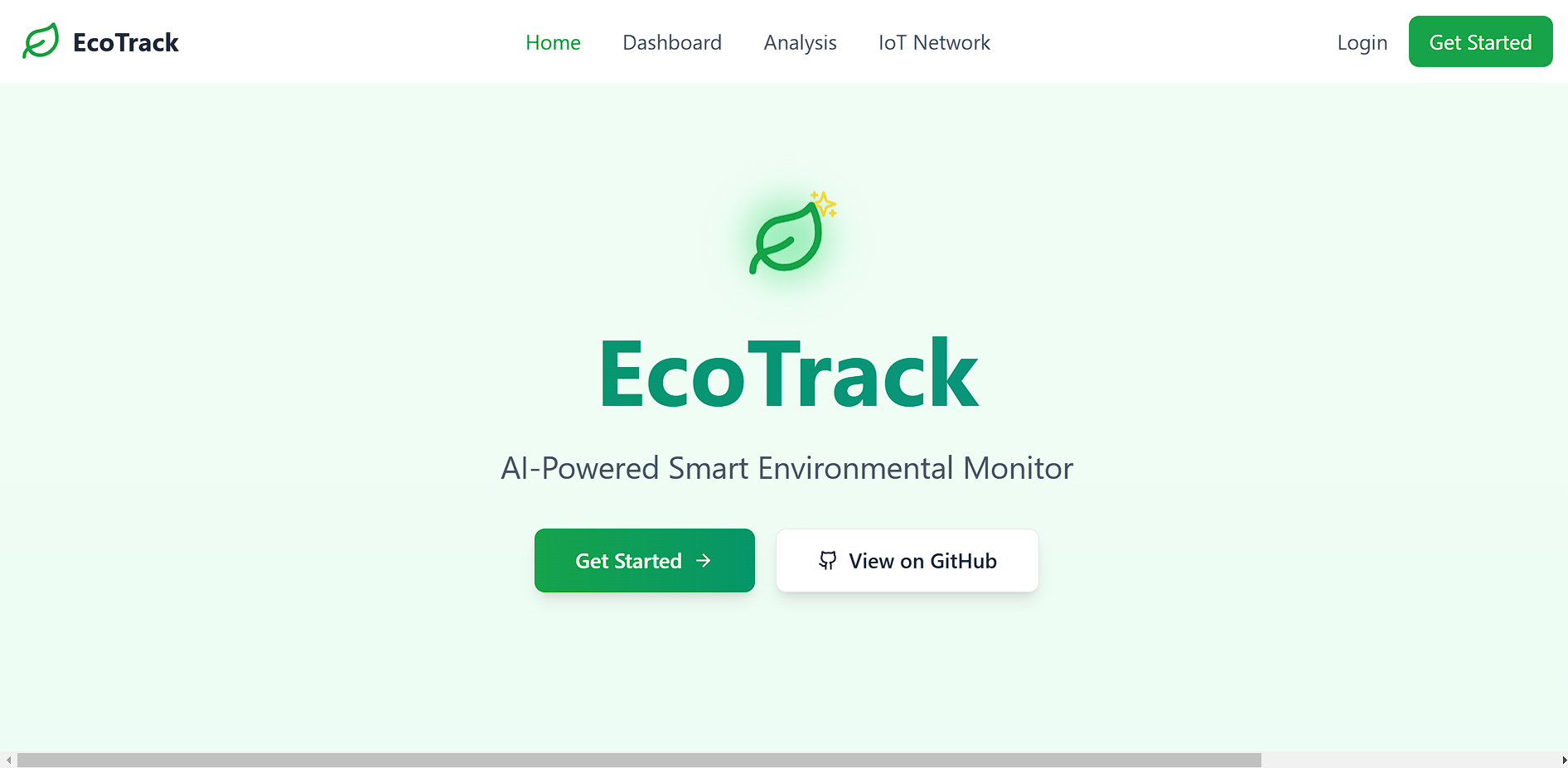
EcoTrack is a web-based platform that:
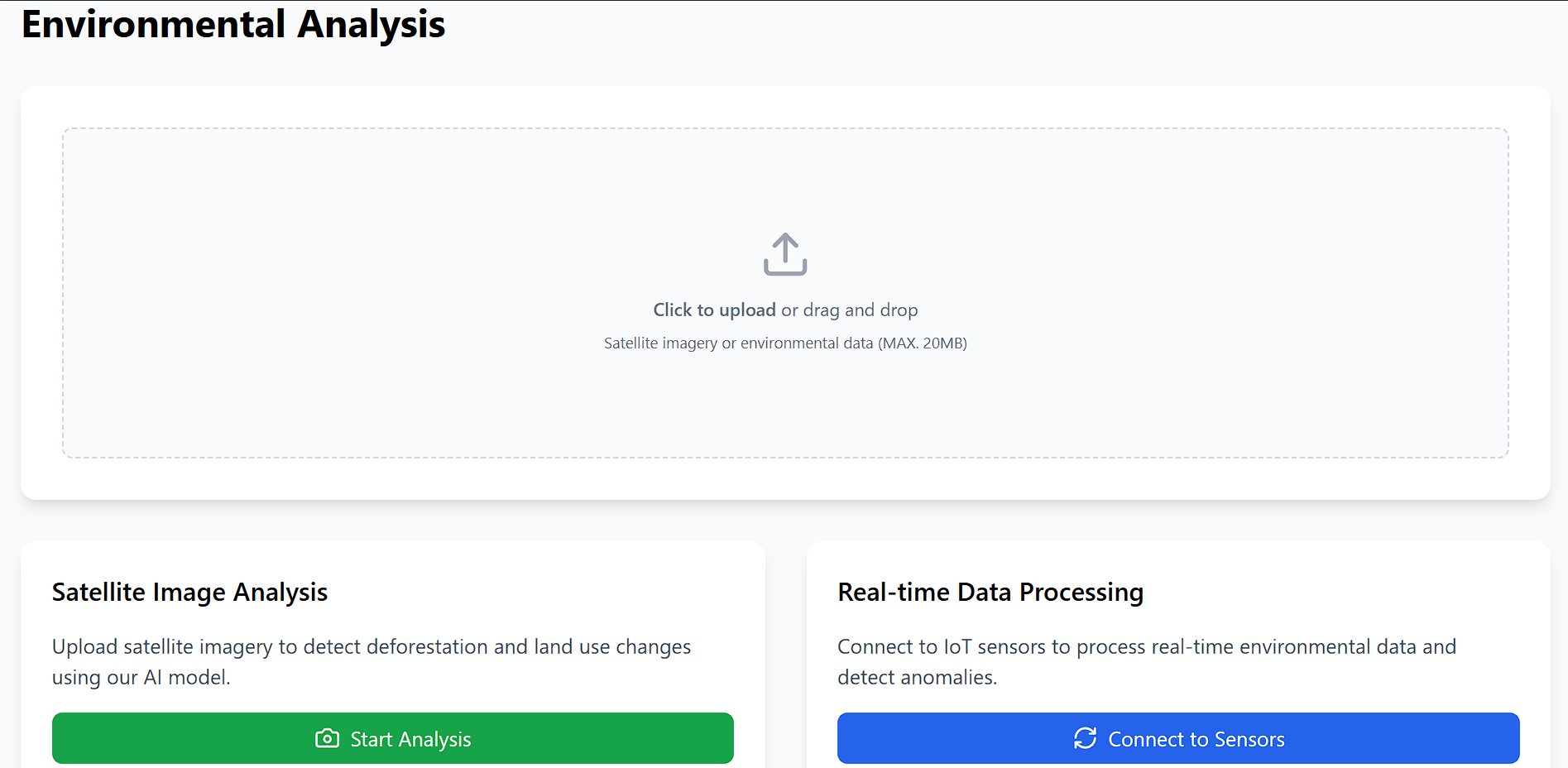
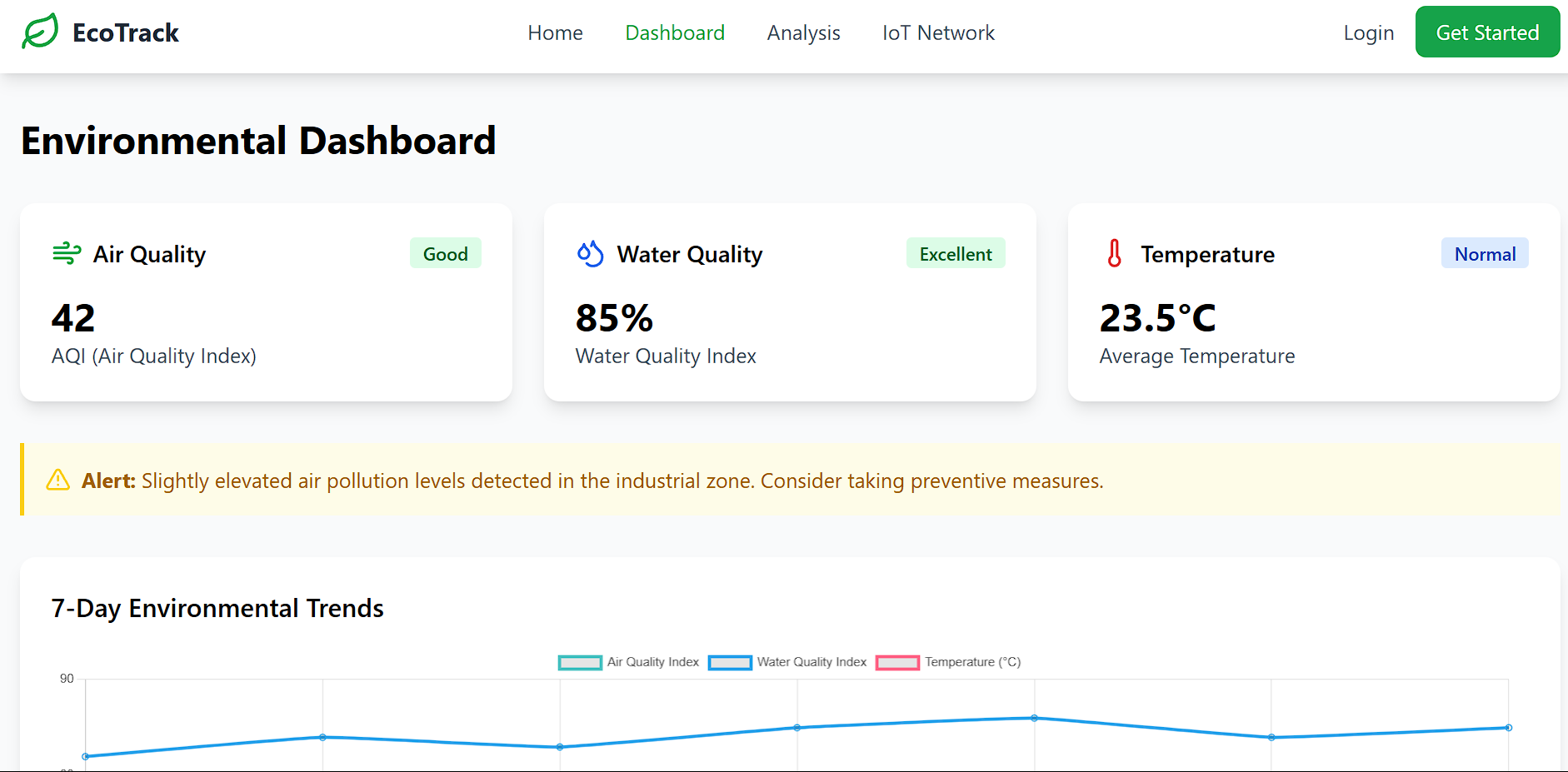
- Uses AI to analyze air pollution, water quality, and deforestation through satellite and IoT sensor data.
- Provides an interactive map to visualize pollution levels and environmental trends.
- Offers a carbon footprint calculator to help users track and reduce their emissions.
- Uses blockchain for transparent carbon credit tracking.
- Allows crowdsourced environmental reporting, where users can submit pollution data from their locality.
How I built it
- Frontend: React.js for an interactive and intuitive UI.
- Backend: FastAPI with Python to process environmental data.
- AI/ML Models: TensorFlow and OpenCV for image classification (deforestation, pollution detection).
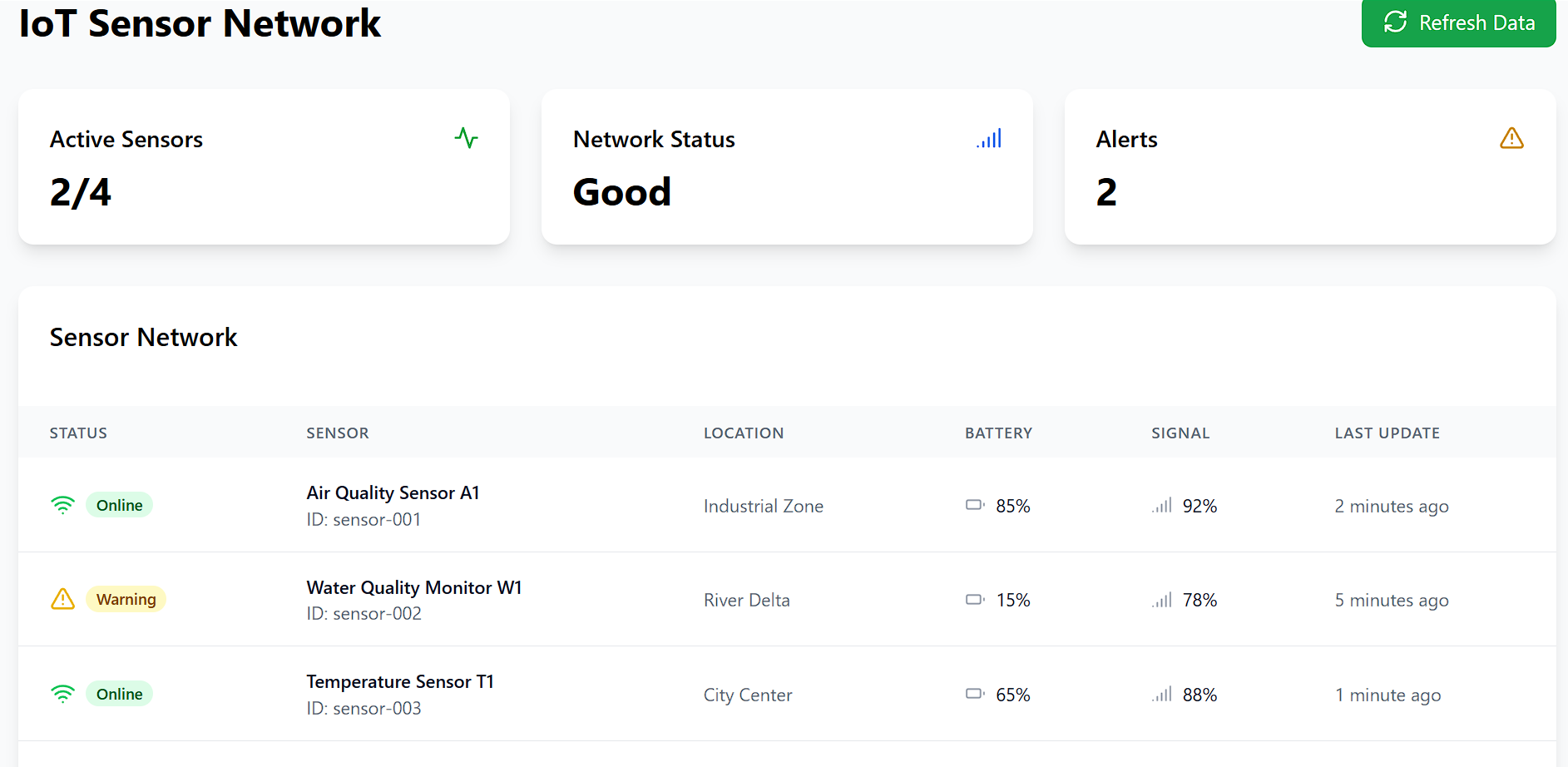
- IoT Integration: Raspberry Pi & ESP32 sensors for real-time pollution tracking.
- Cloud Storage: Firebase for storing user-generated reports.
Challenges I ran into
- Data Collection – Finding reliable, real-time environmental datasets was difficult.
- IoT Integration – Calibrating sensors for accurate air & water quality monitoring required extensive testing.
- AI Model Accuracy – Training models to recognize pollution patterns with high precision took significant effort.
Accomplishments that I'm proud of
- Built a fully functional AI-powered environmental monitoring platform.
- Integrated real-time IoT-based pollution sensors.
- Developed an interactive and user-friendly web dashboard.
What I learned
- How to use AI for satellite and environmental image analysis.
- The complexities of IoT sensor integration for pollution tracking.
- Implementing smart contracts for transparent carbon credit tracking.
- The importance of real-time environmental data and accessibility.
What's next for EcoTrack
- Scaling up – Expand to more cities and integrate with NASA and ESA satellite data.
- Advanced AI models – Improve accuracy in detecting pollution and deforestation.
- More IoT devices – Deploy low-cost, open-source environmental sensors for wider adoption.
- Mobile App – Build an Android/iOS app for real-time tracking and reporting.
- Government & NGO Partnerships – Collaborate with organizations for real-world implementation.
Built With
- ai
- css
- fast
- github
- html
- javascript
- typescript
- vercel


Log in or sign up for Devpost to join the conversation.