-
-
-
-
-
-
-
-
-
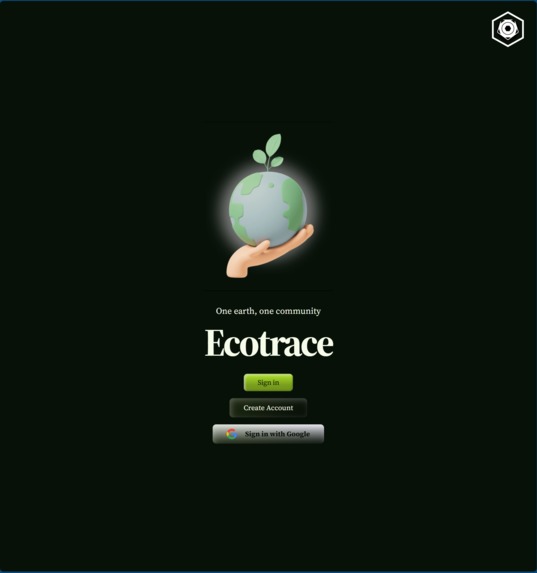
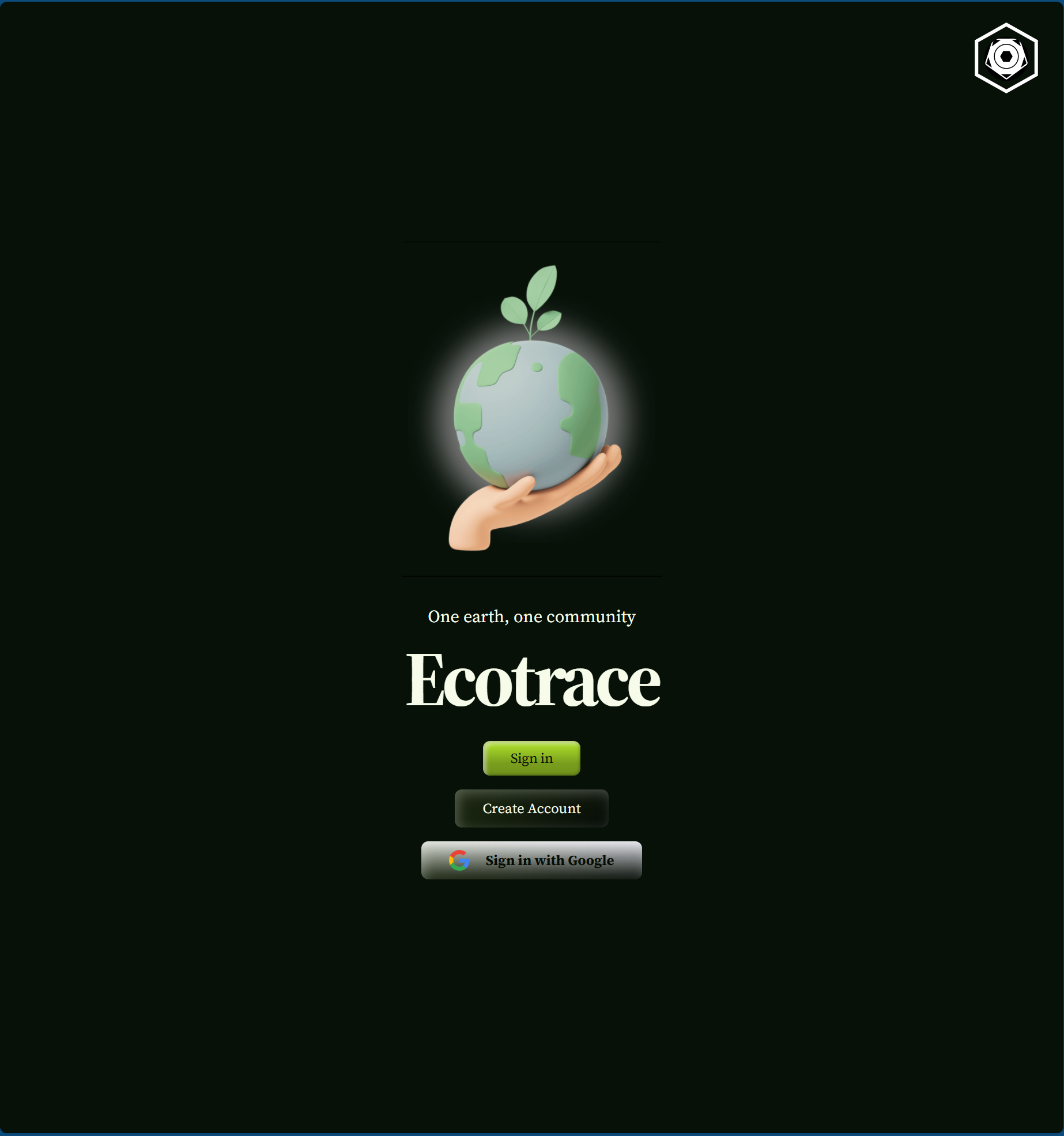
Landing page
-
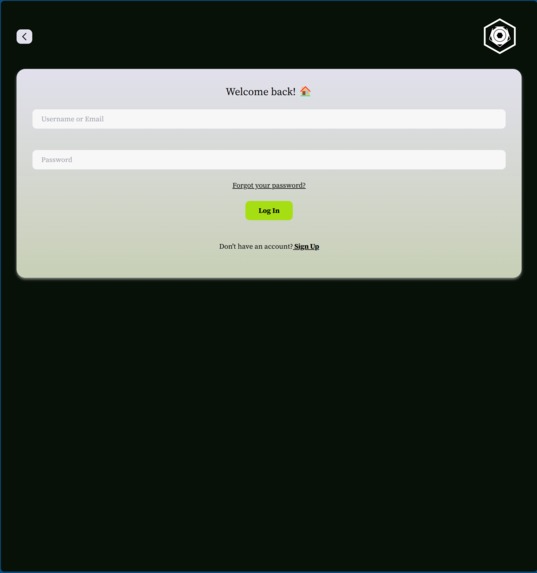
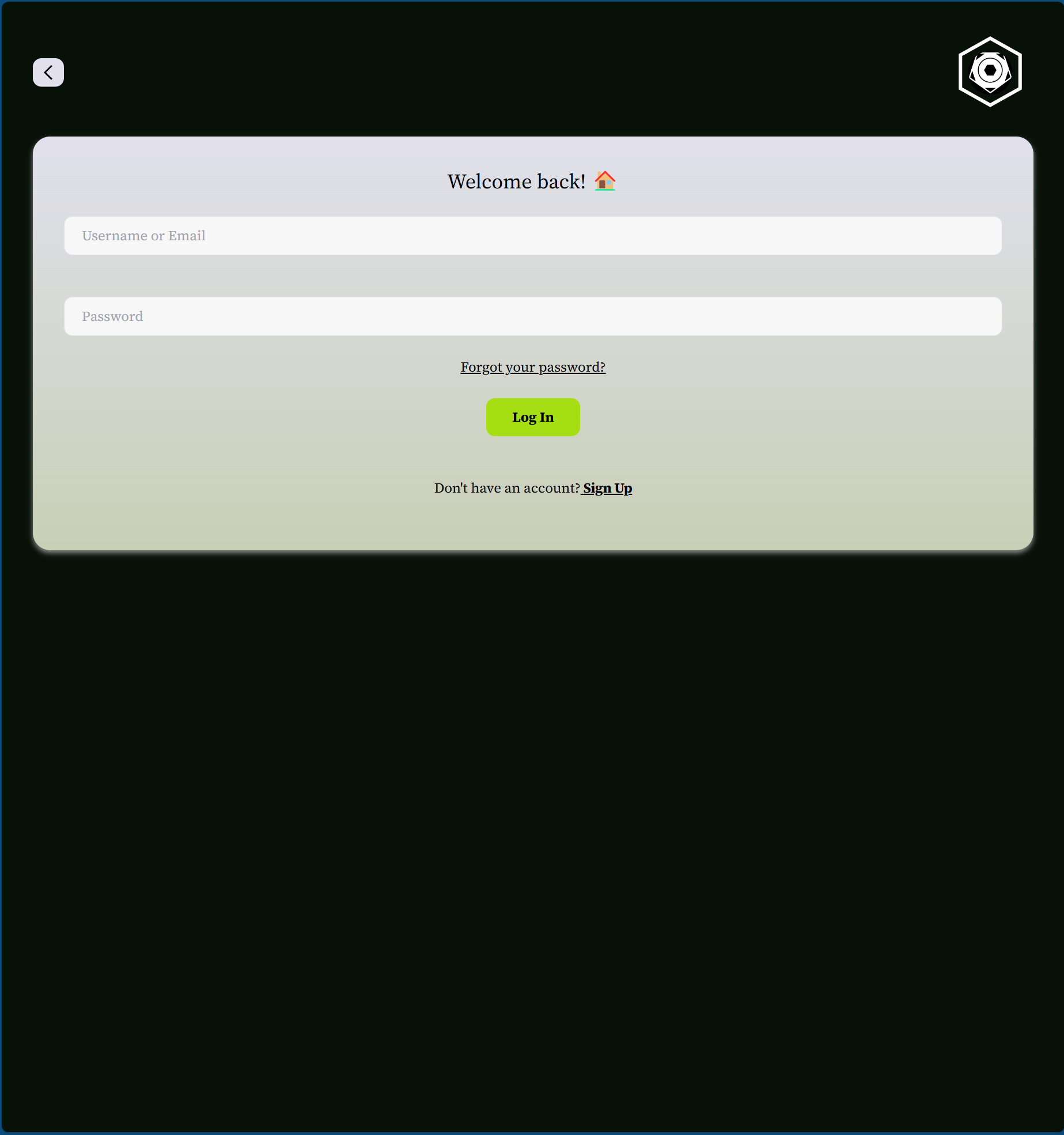
Sign-In page
-
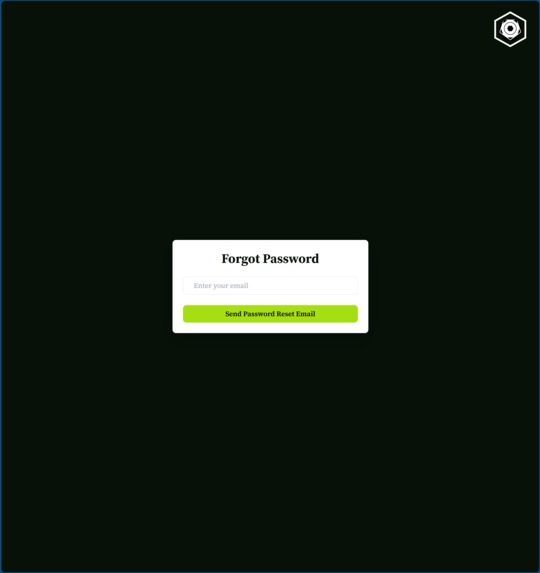
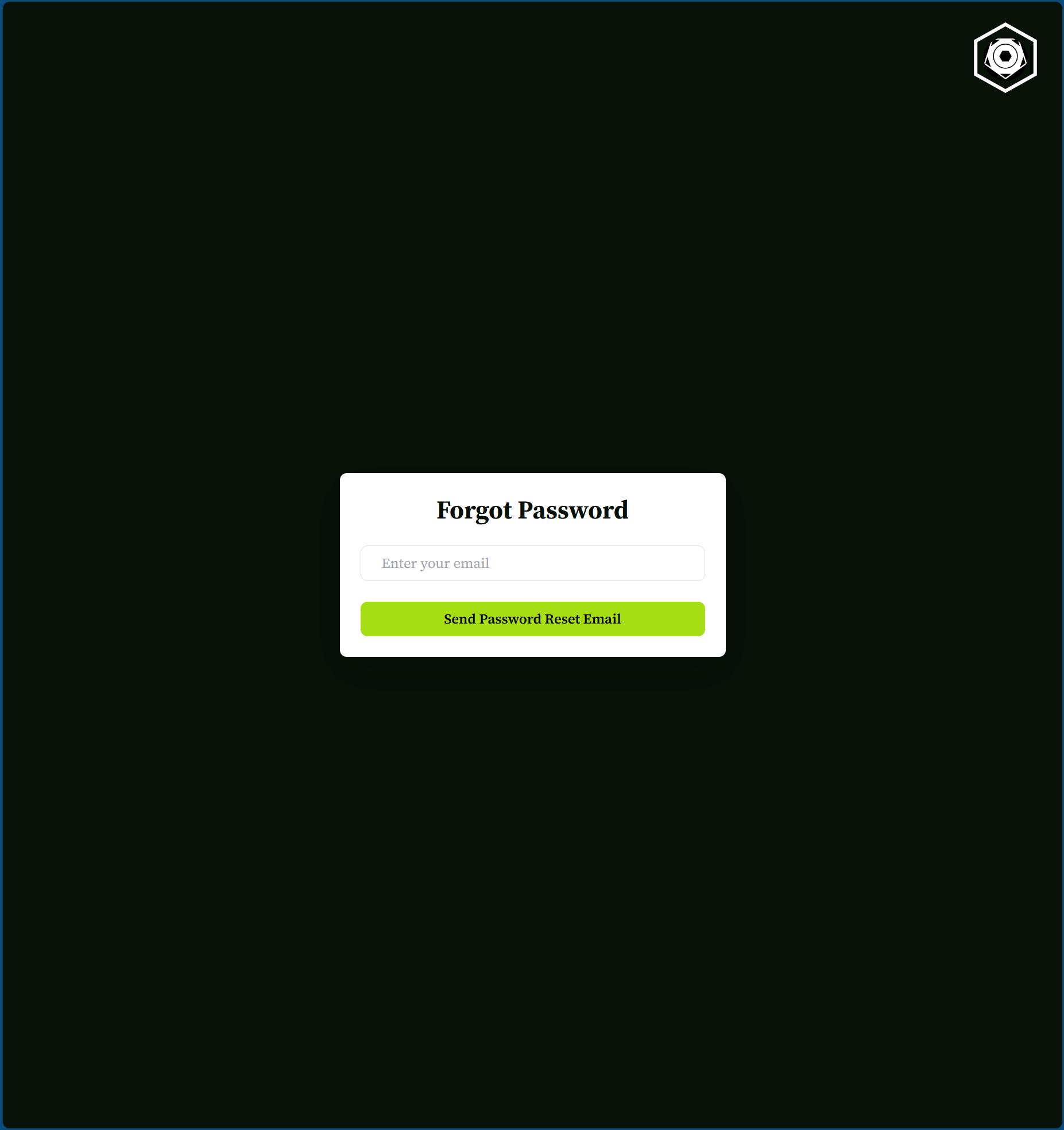
forgot password page: User will have to provide email in order to get reset password link in email.
-
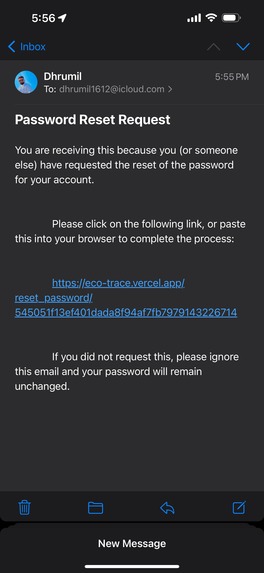
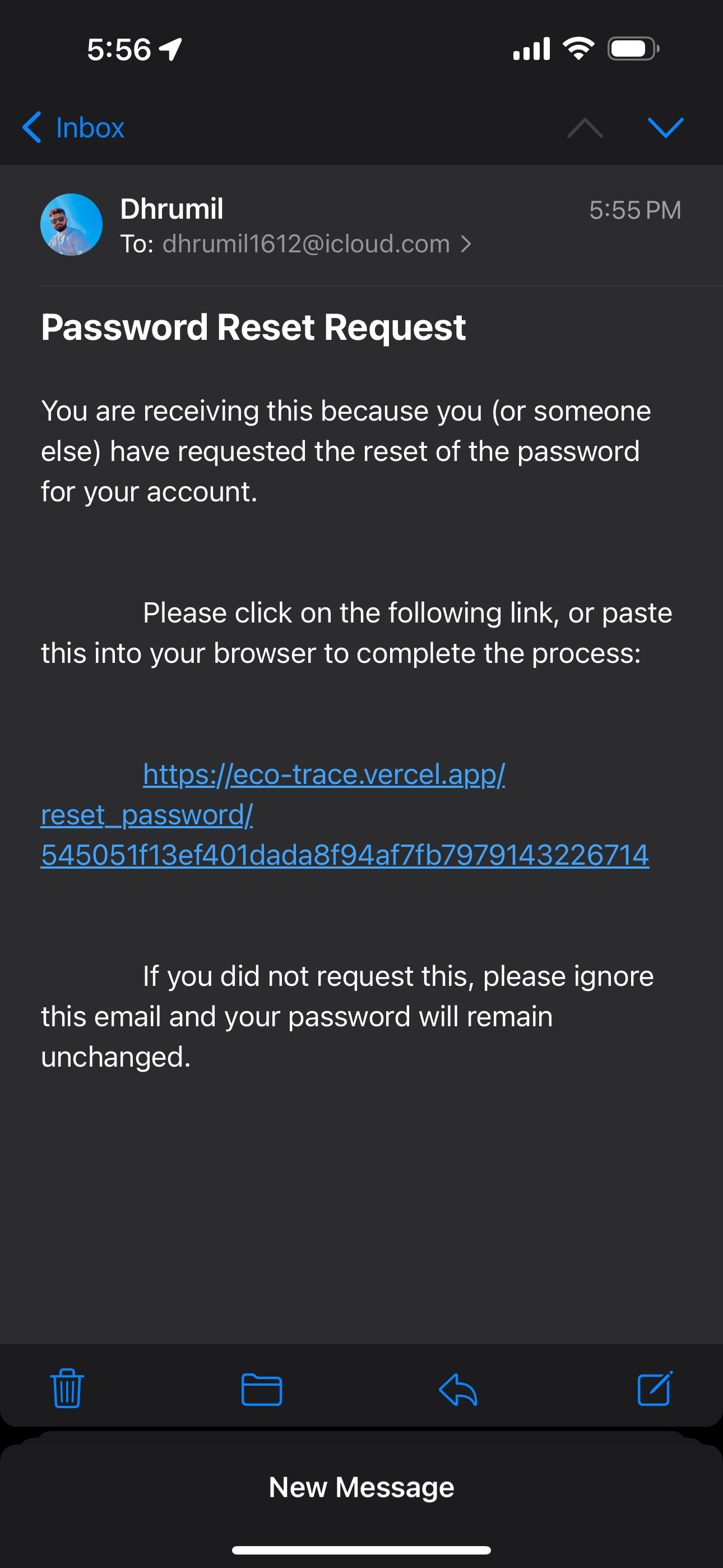
The email: Which user gets after filling forgot password form.
-
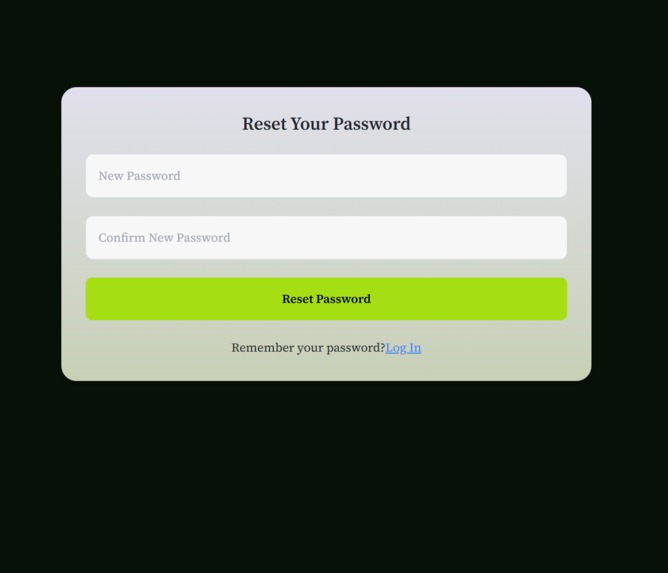
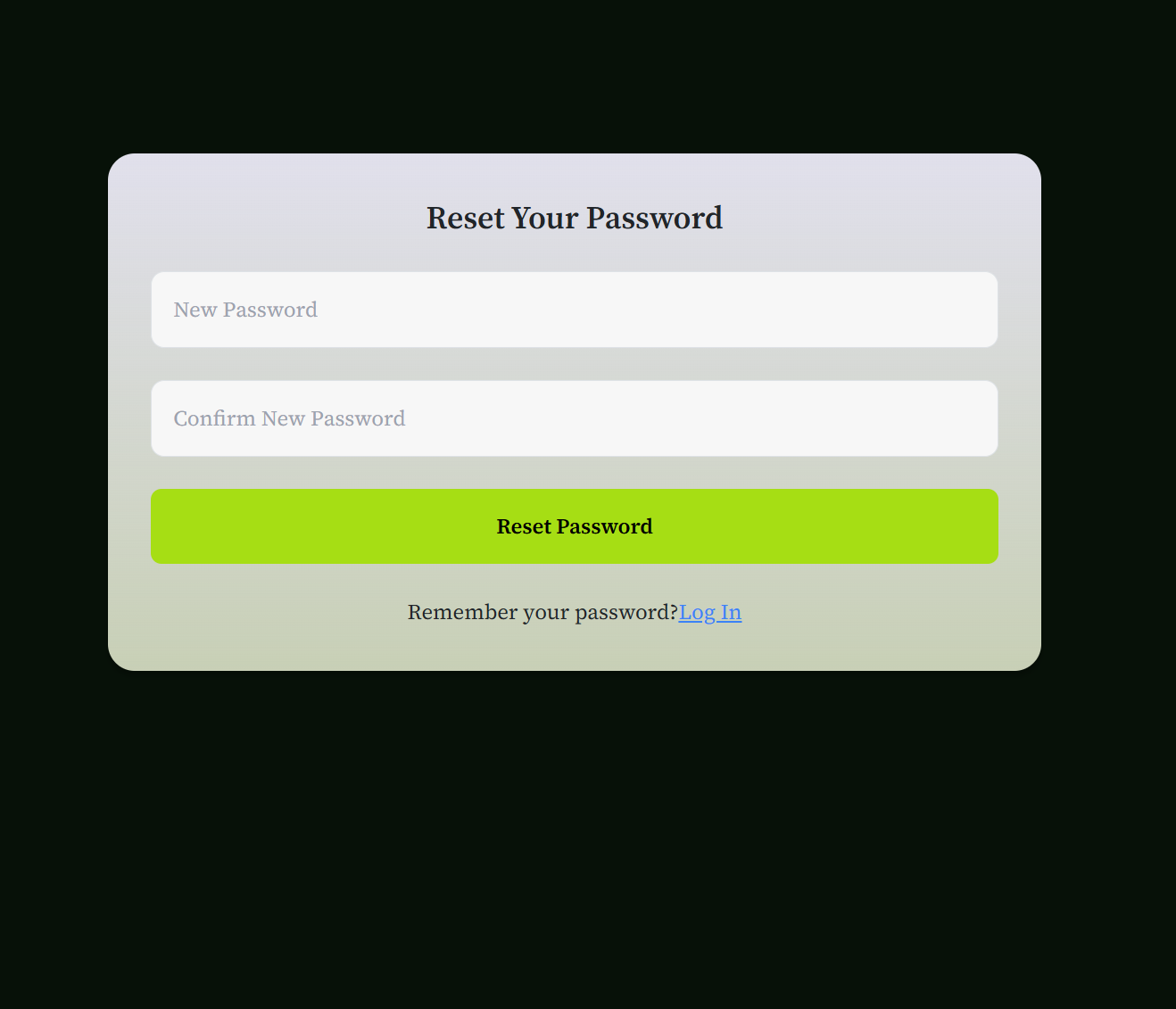
Reset password page which u get after clicking on reset password link.
-
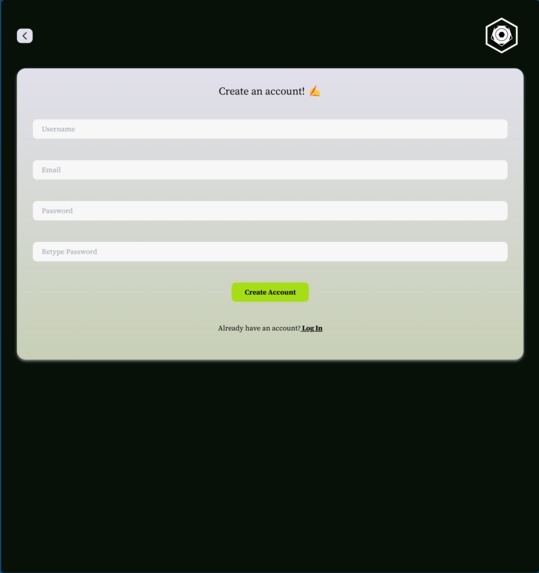
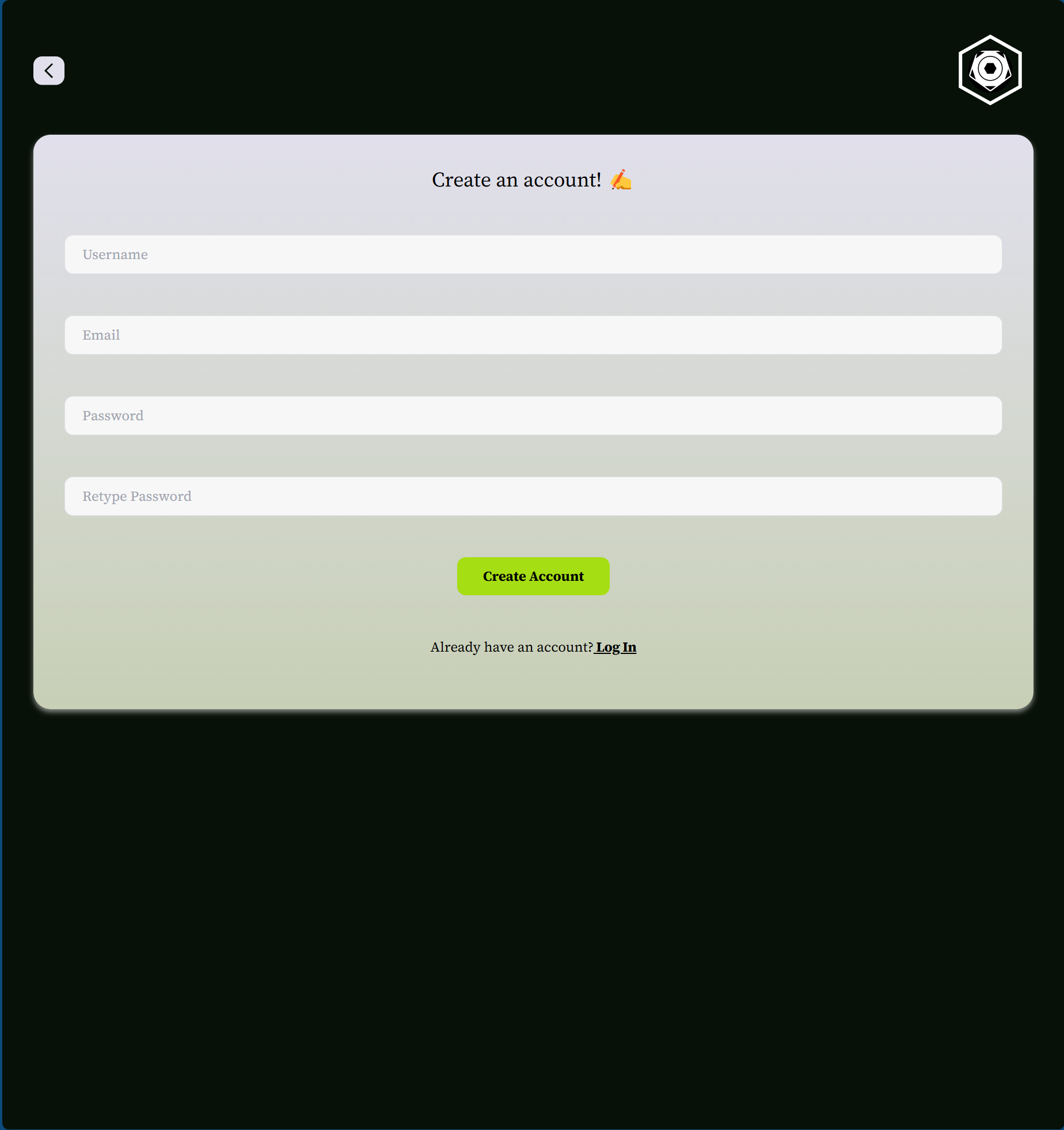
Sign-up page
-
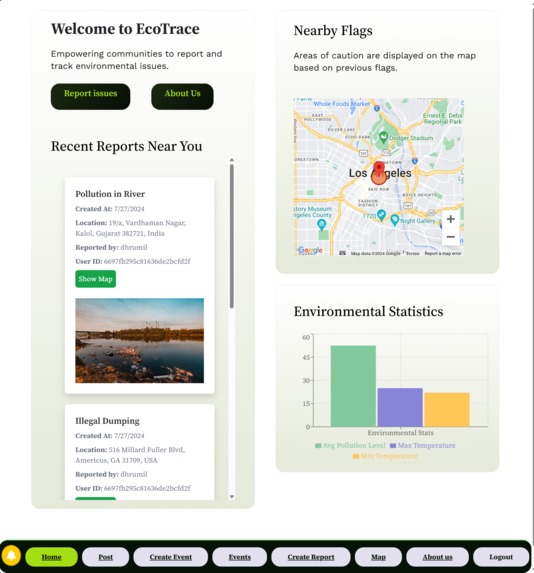
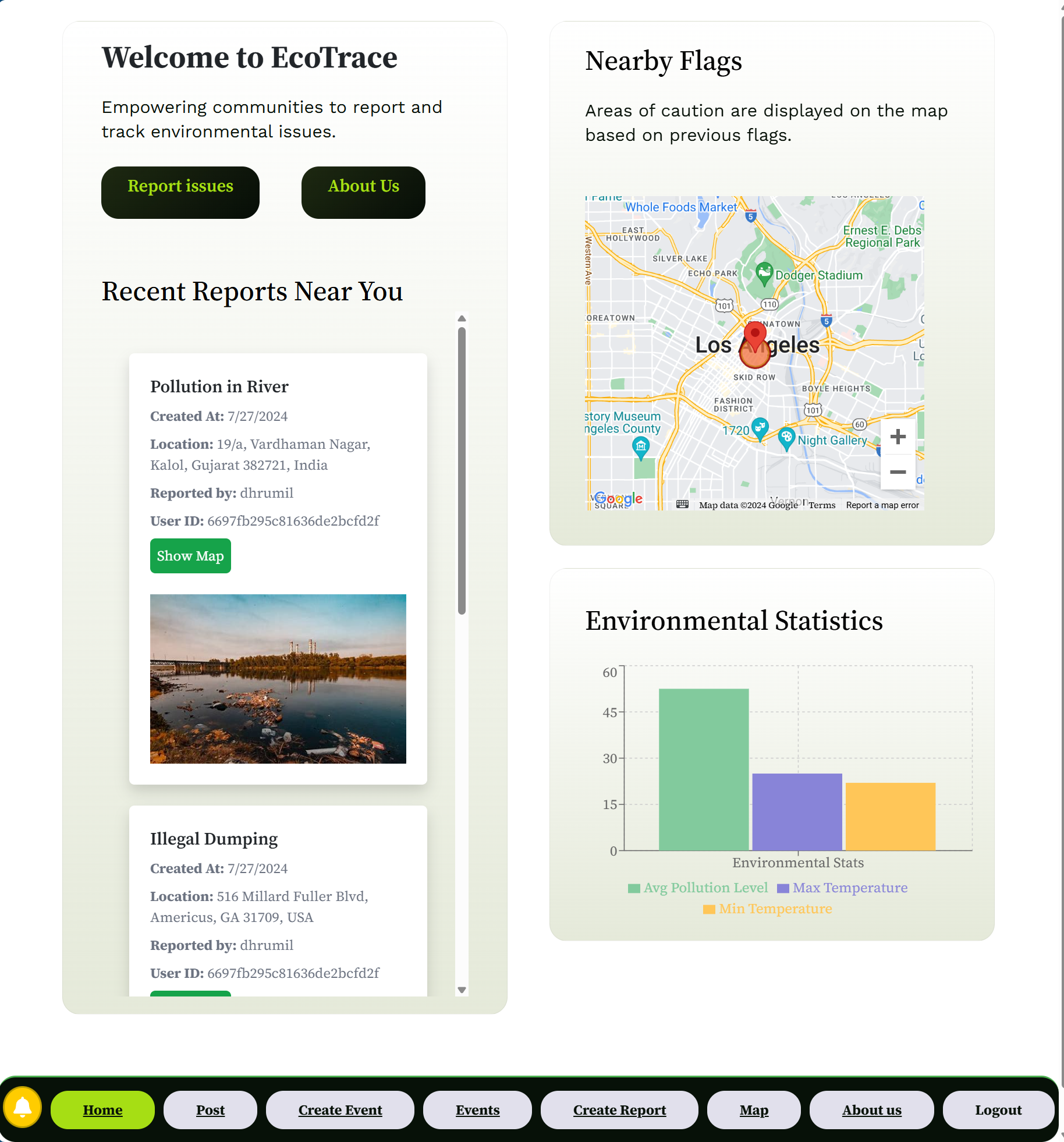
Home page
-
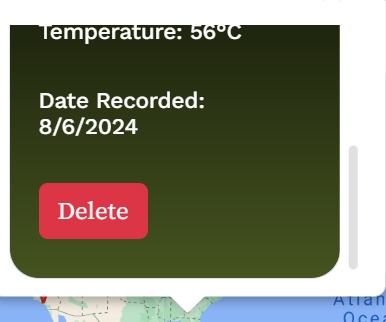
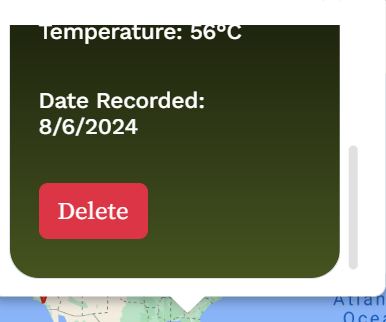
Delete button to delete the flags. It will be shown to the user who has created it.
-
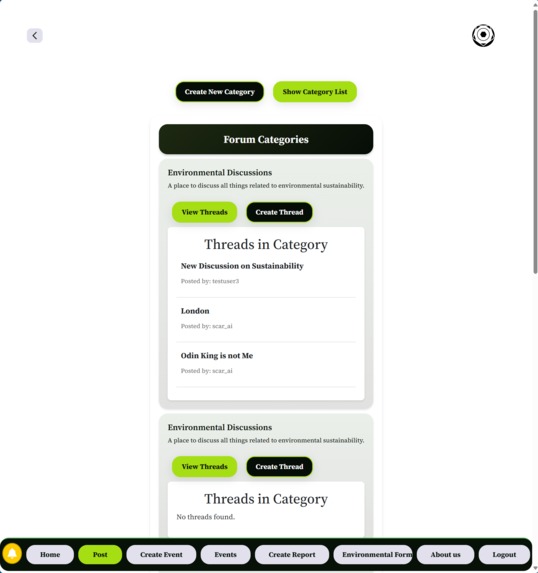
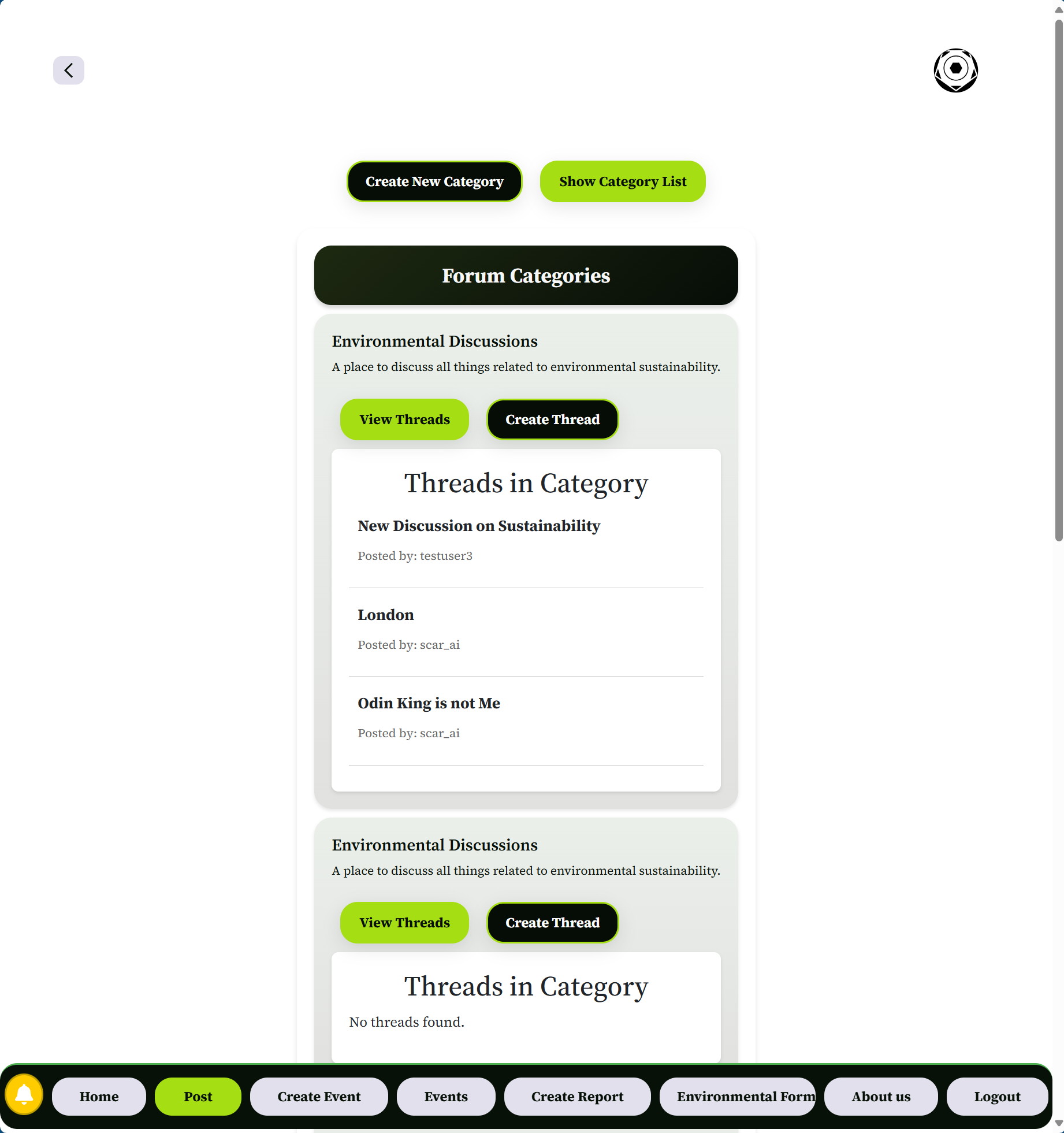
Post page
-
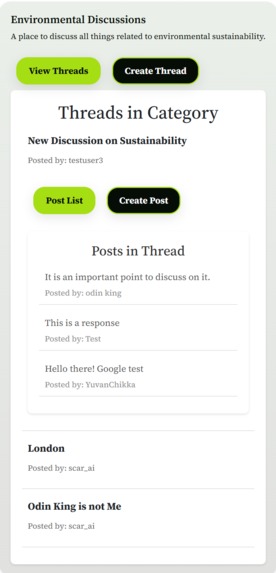
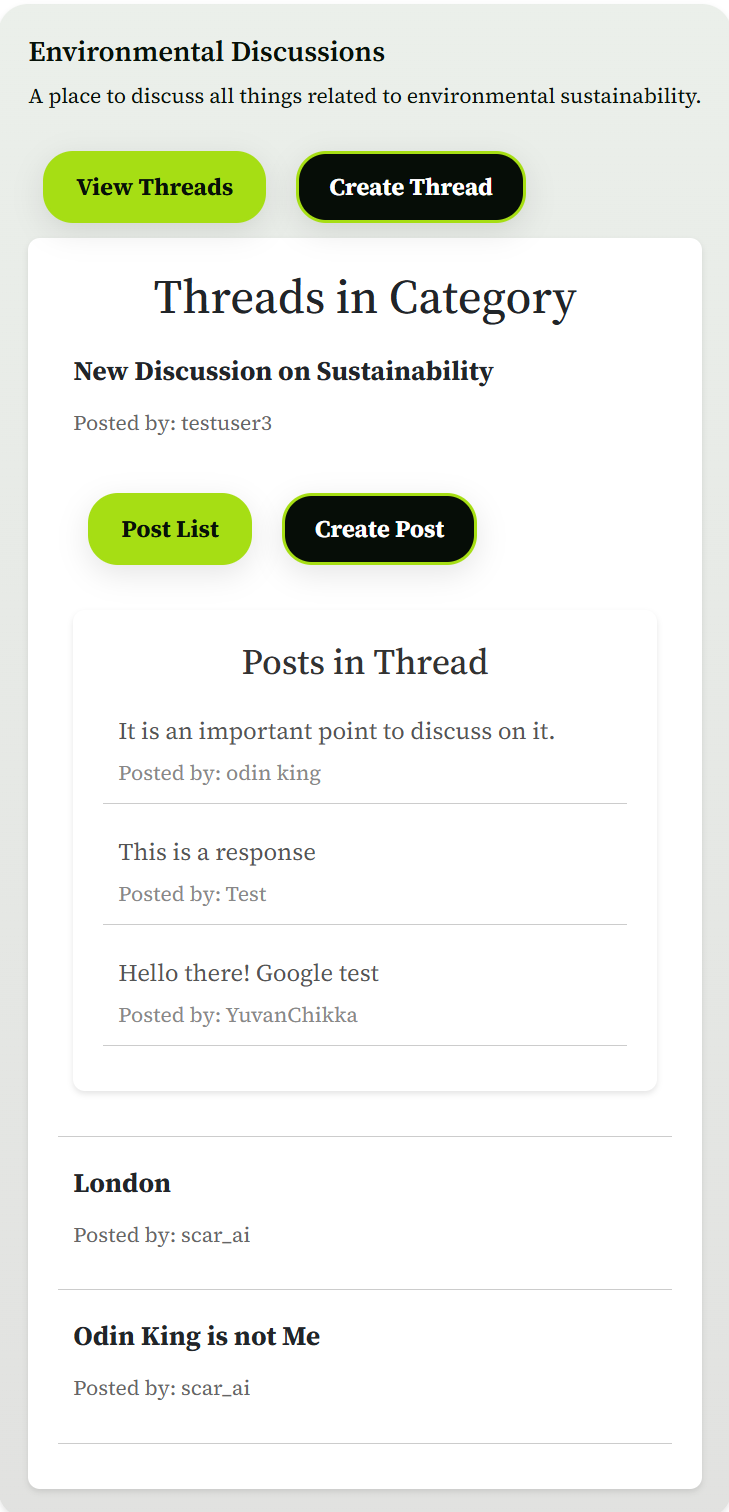
Design of single forum category.
-
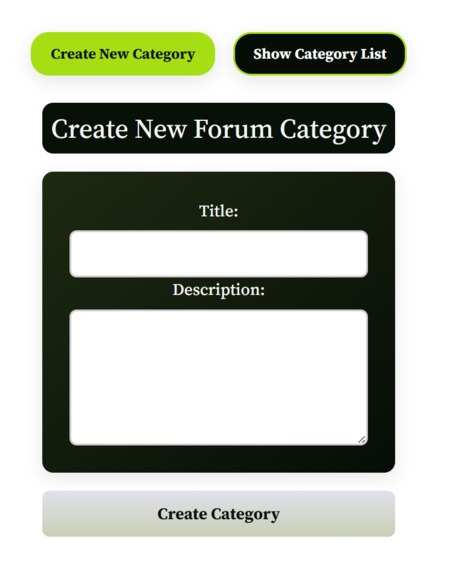
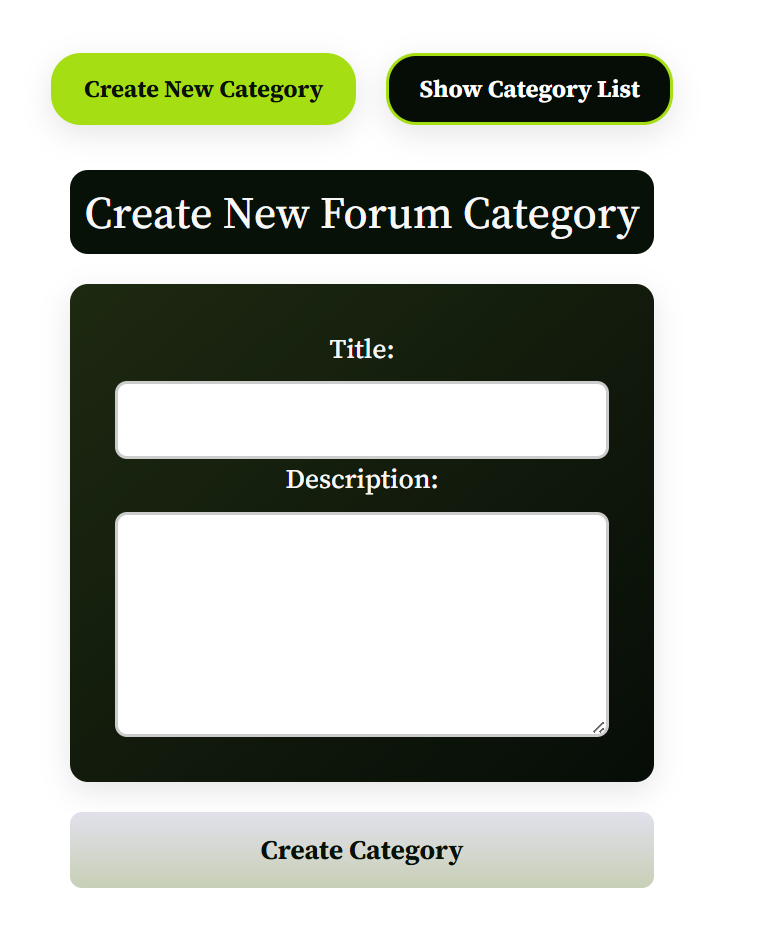
User can create new forum category.
-
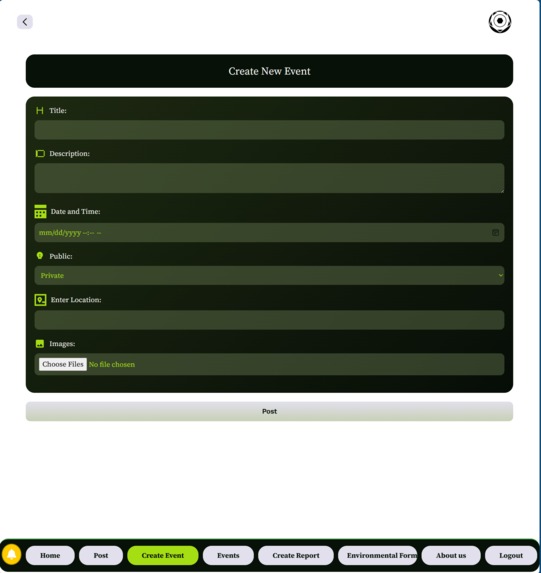
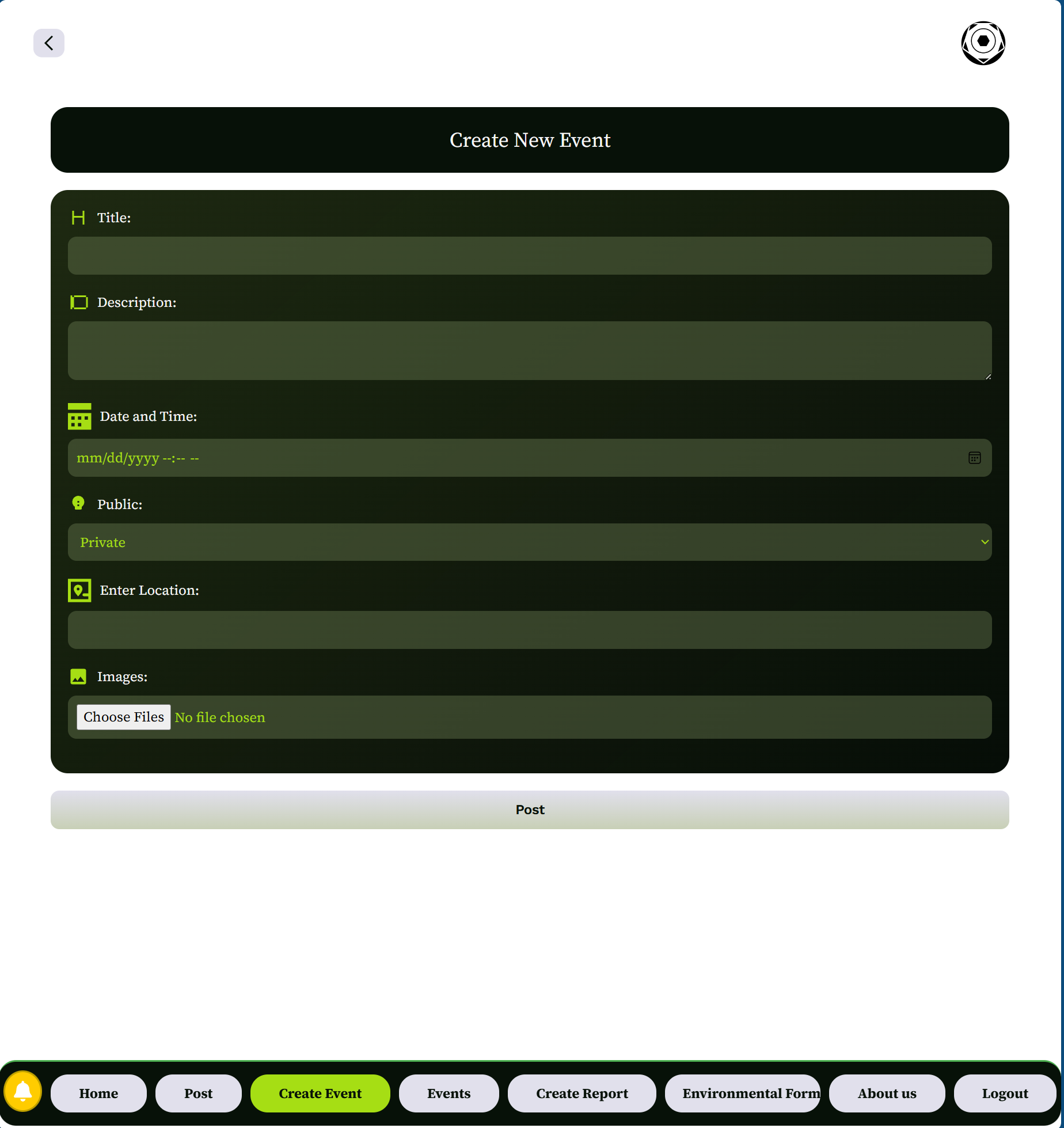
Create Event page
-
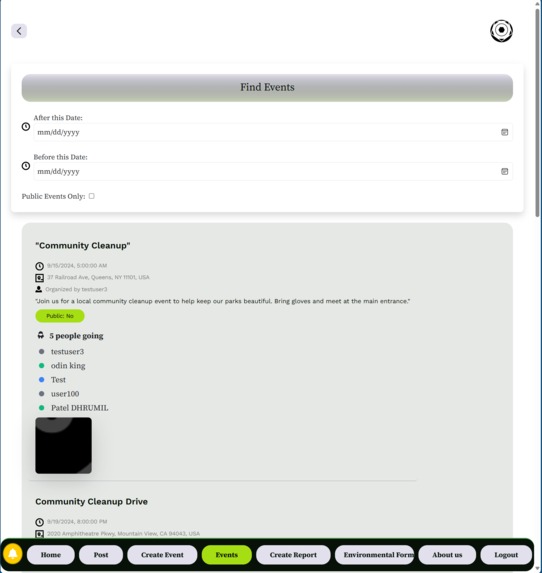
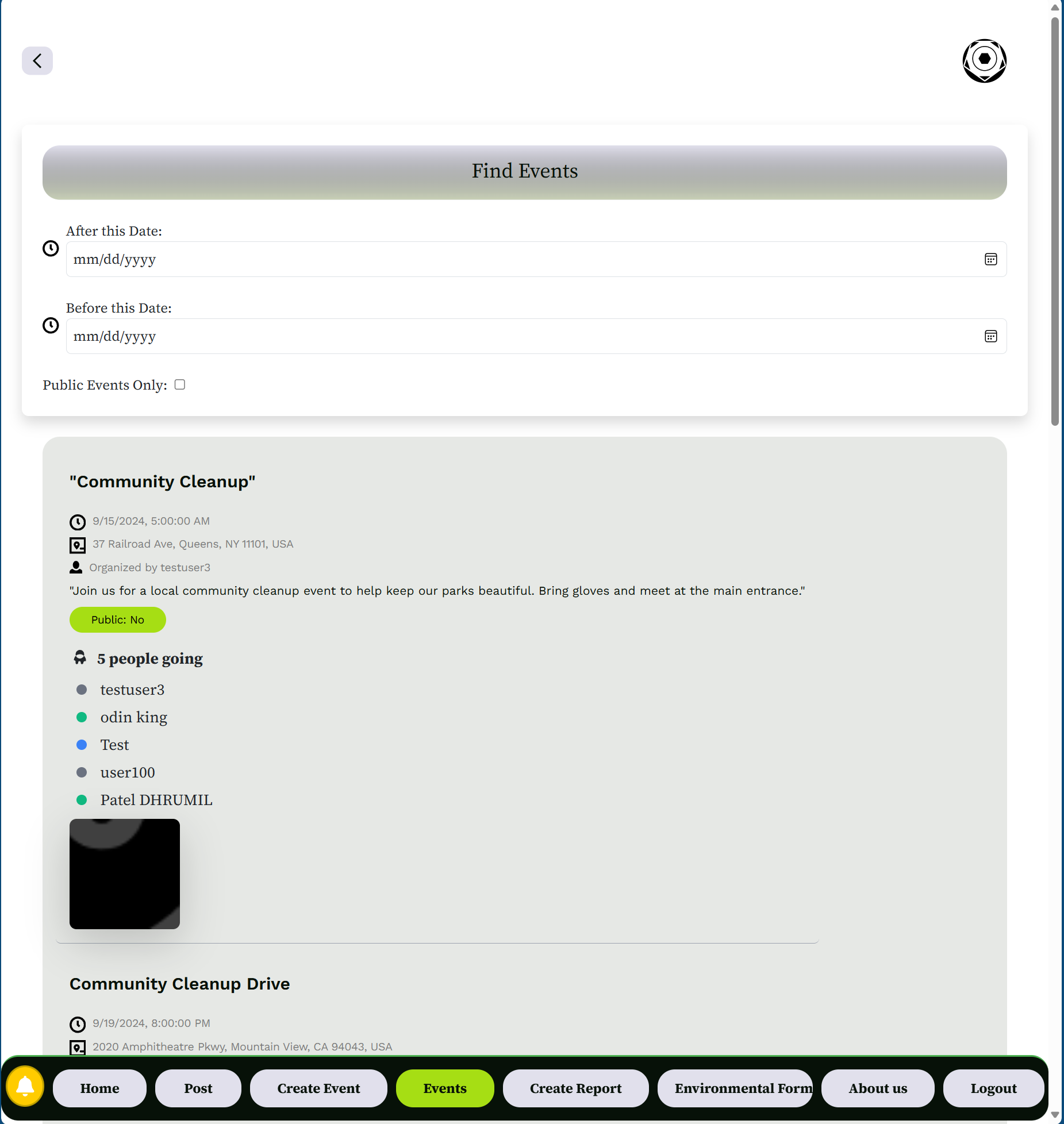
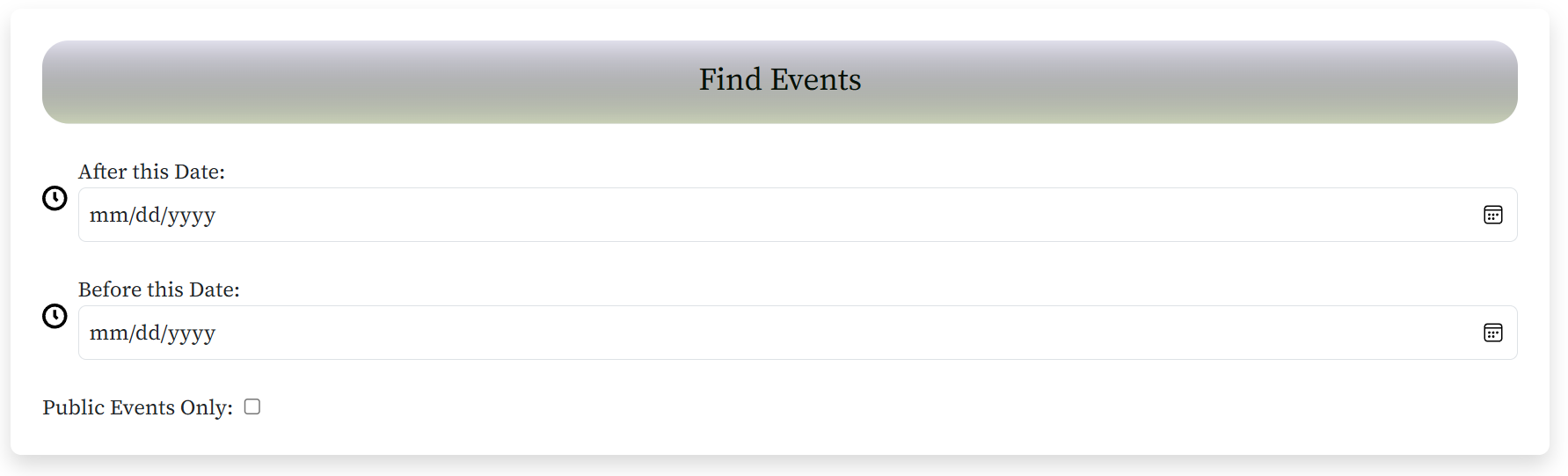
Events page
-

User can get result according to their queries.
-
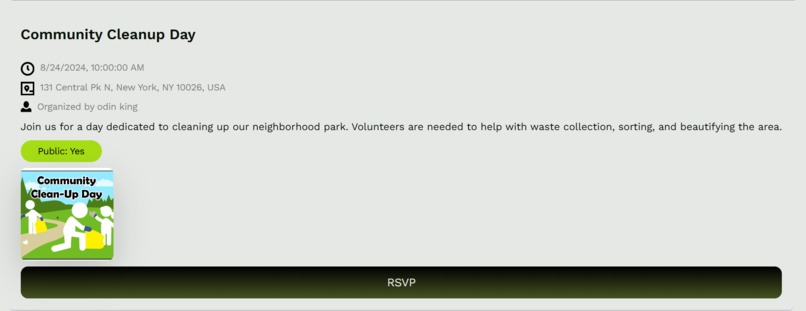
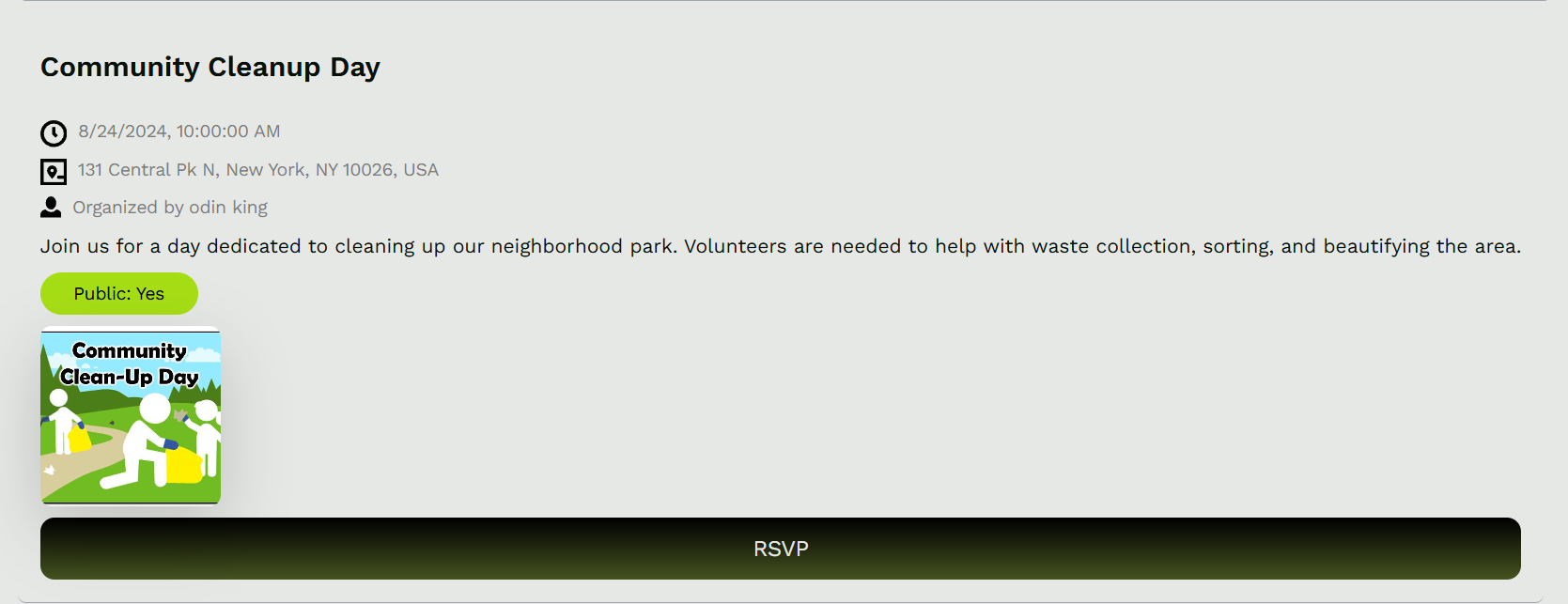
Design of single event.
-
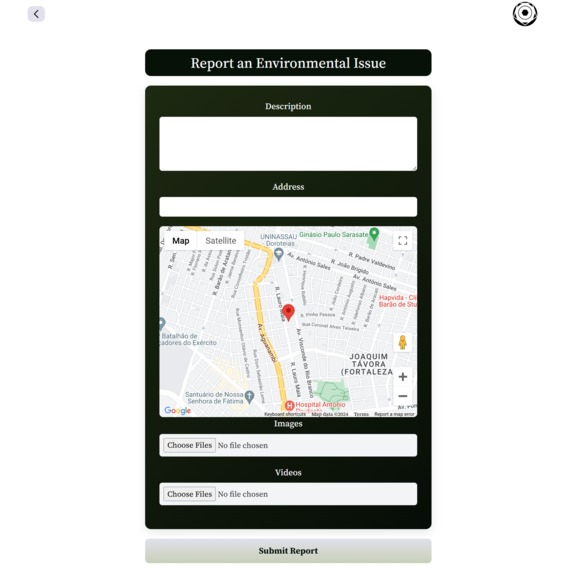
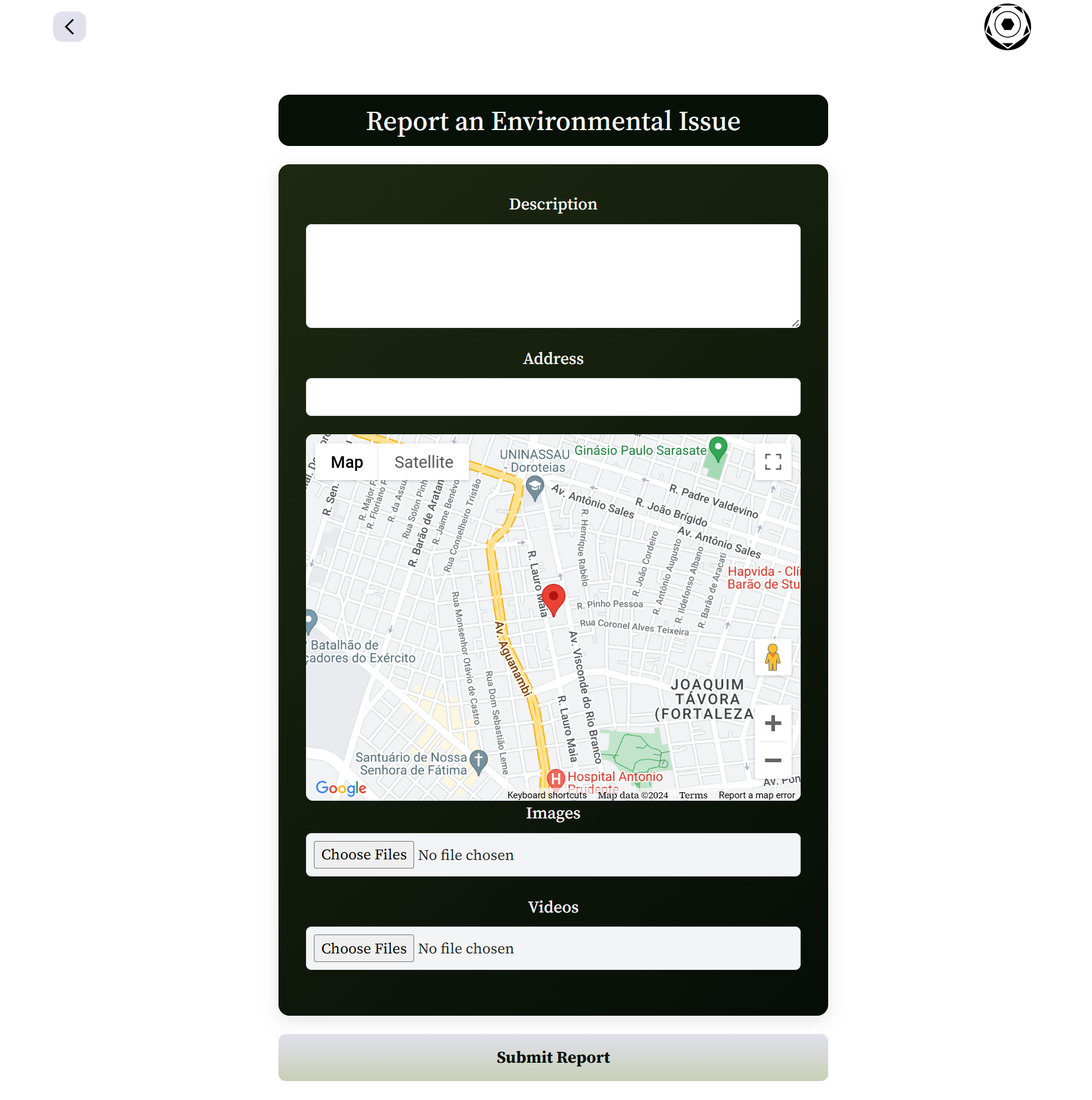
Form to create new report.
-
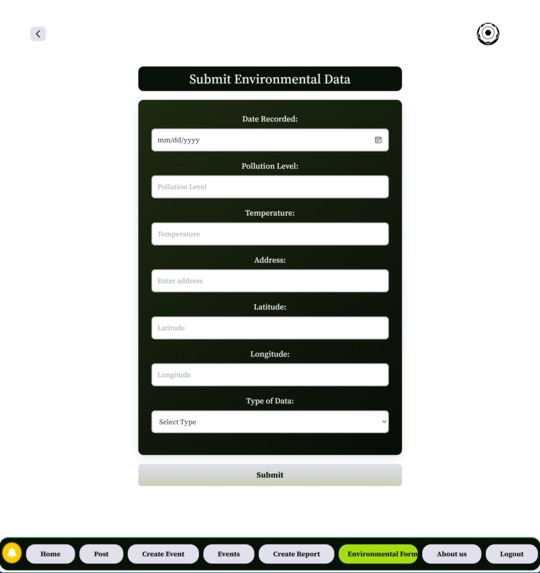
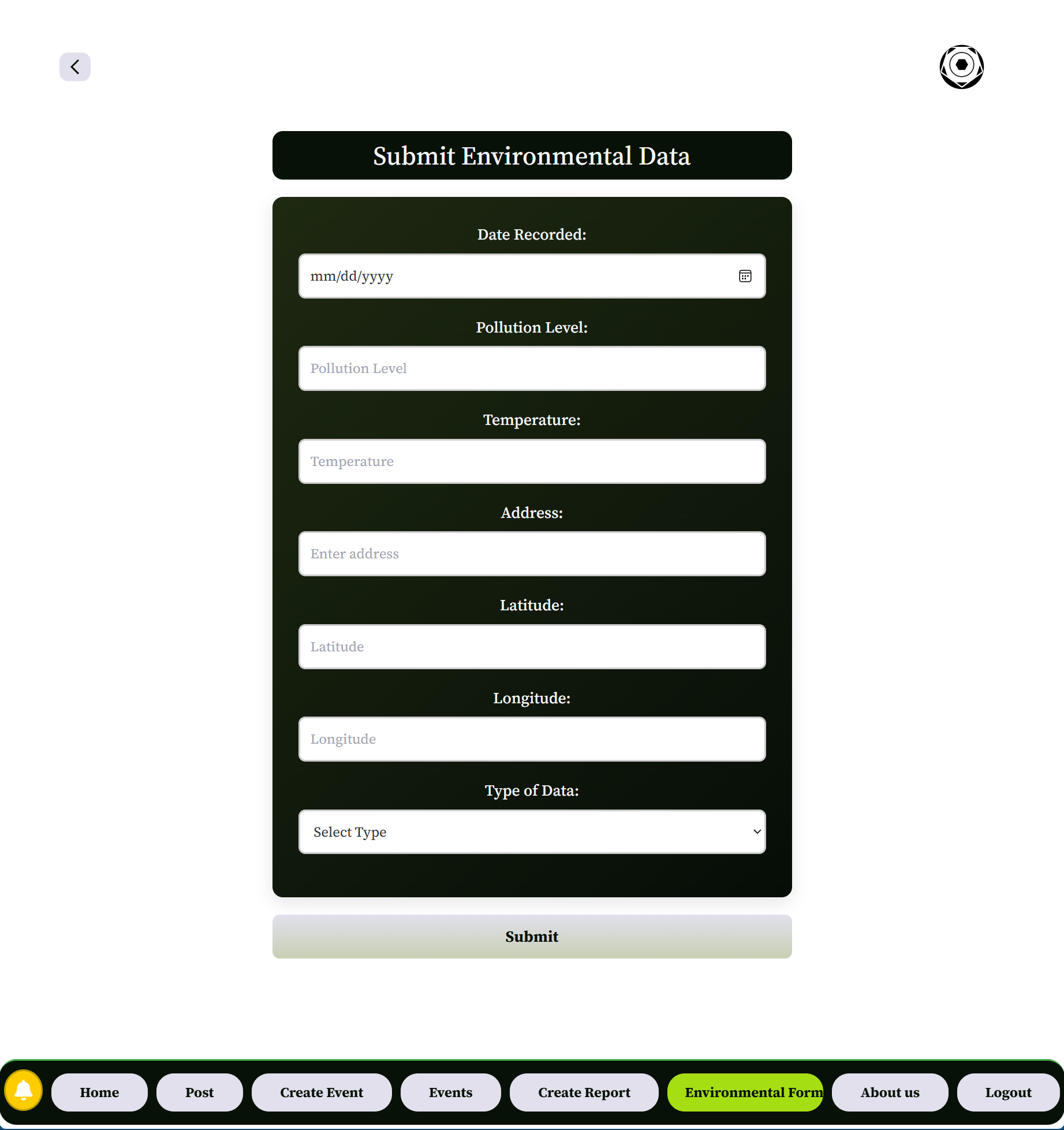
Form to create new environmental flag.
-
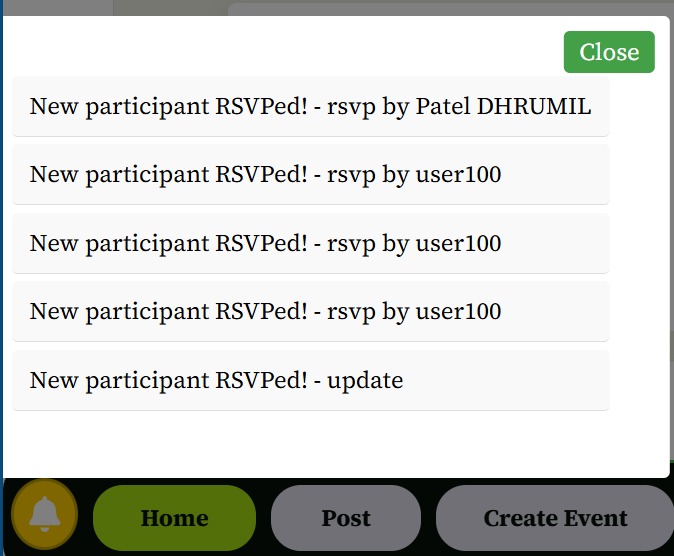
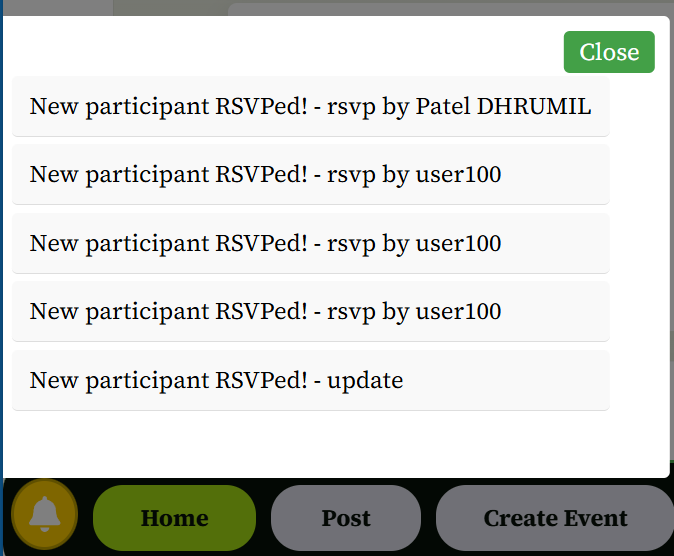
Notifications.
-
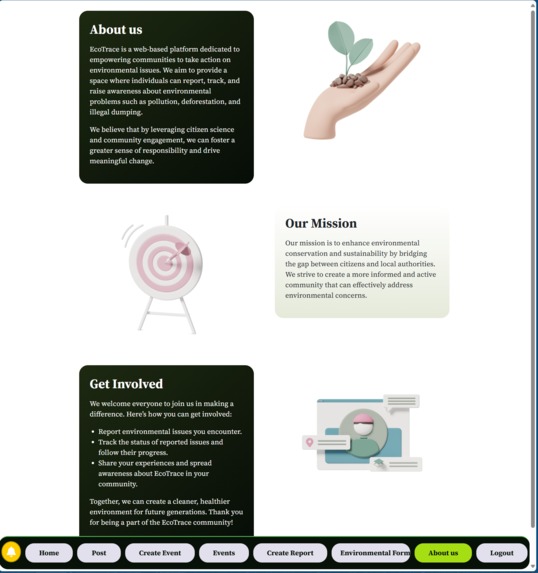
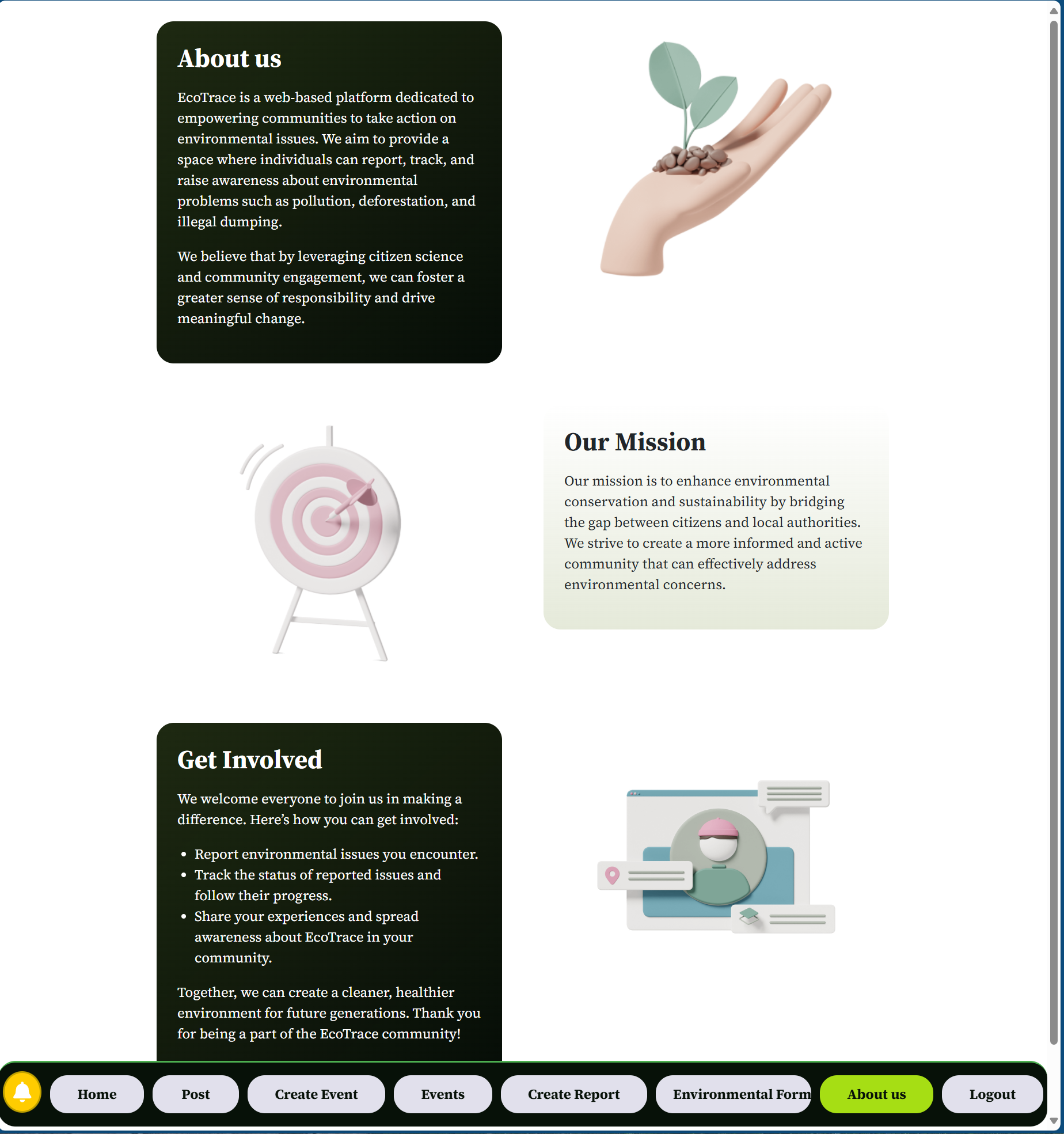
About us.
Inspiration
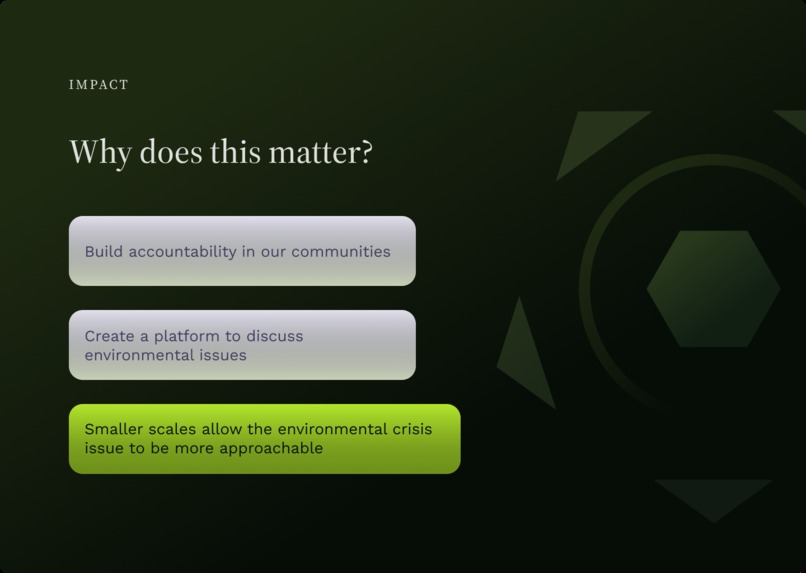
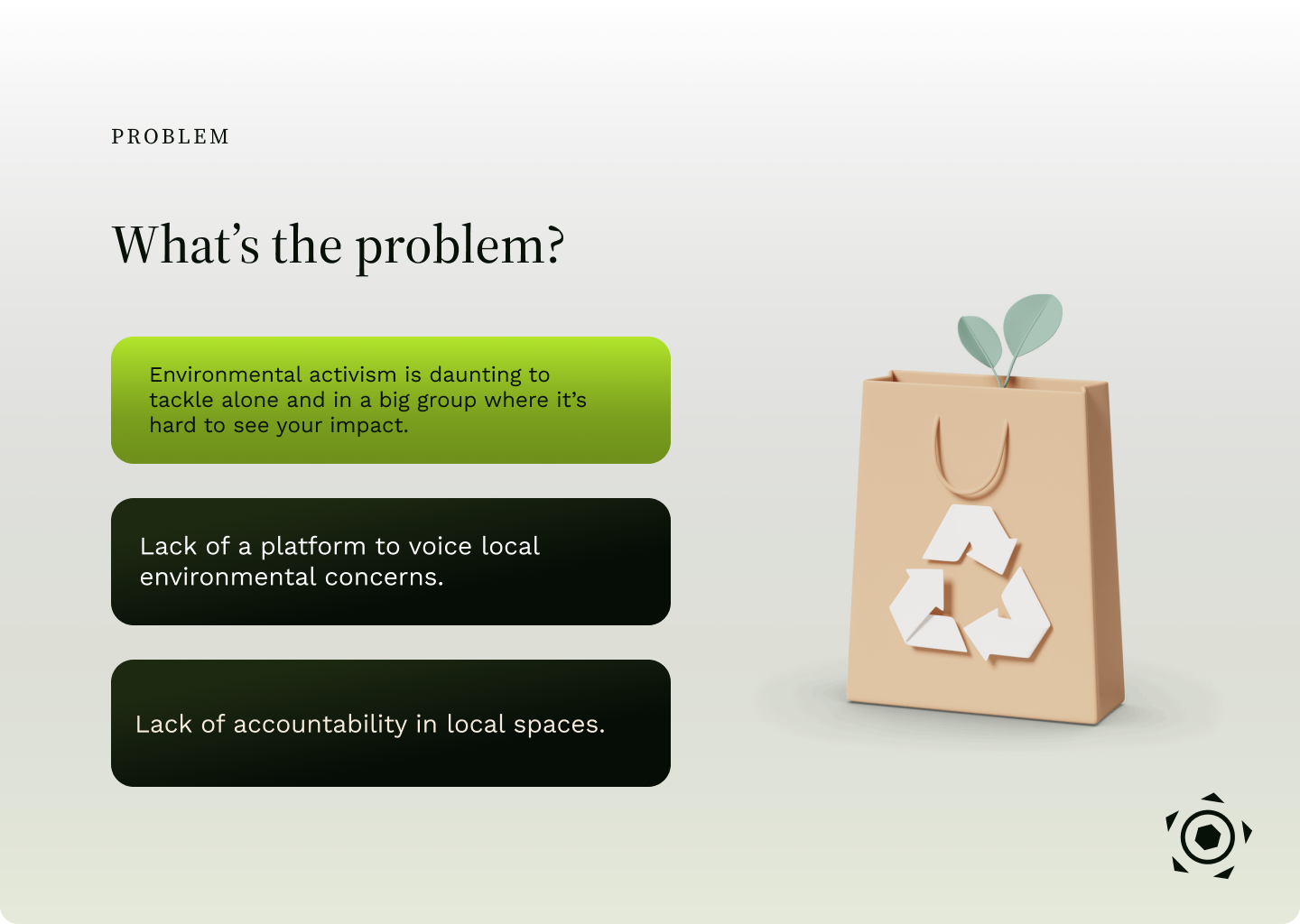
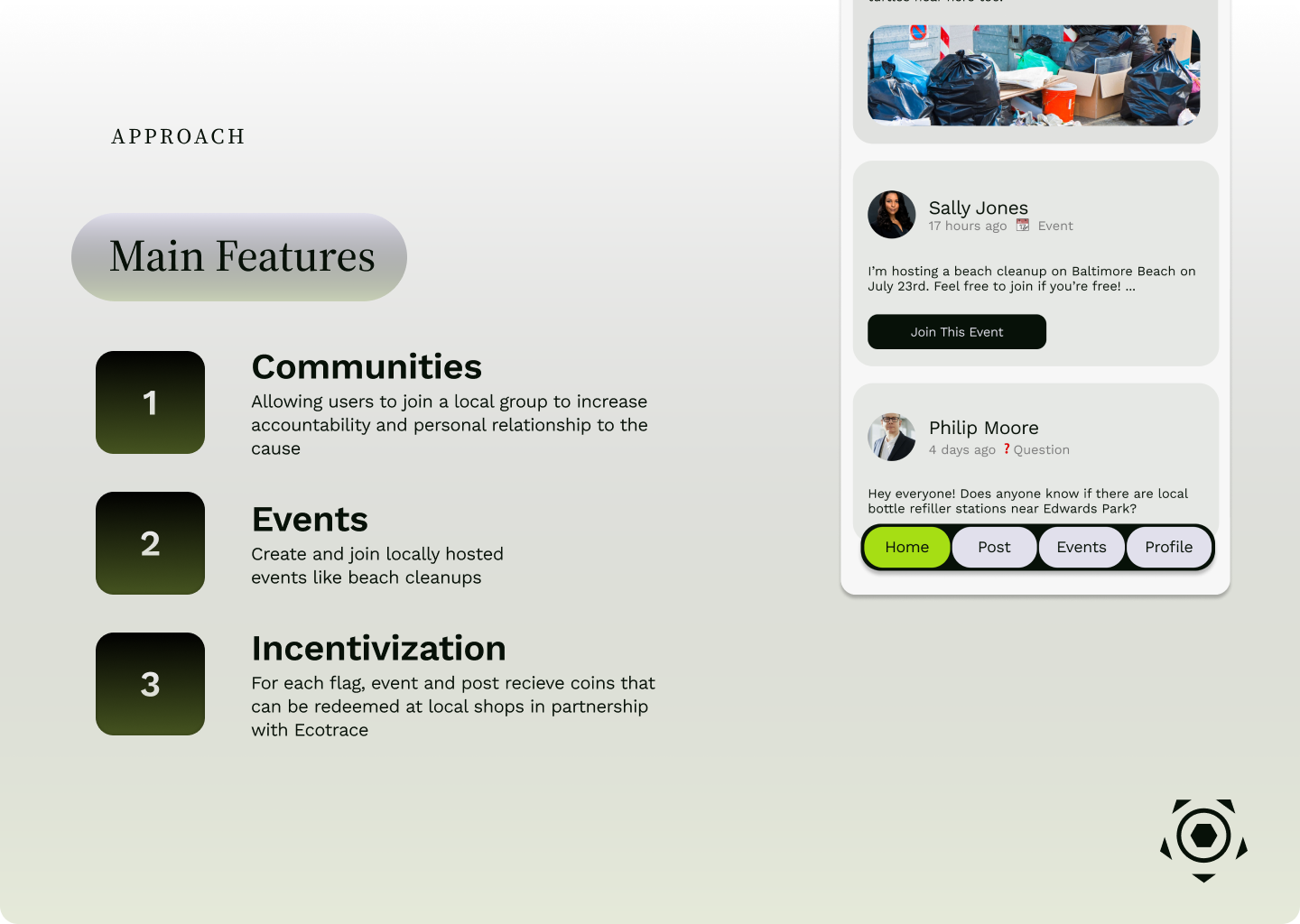
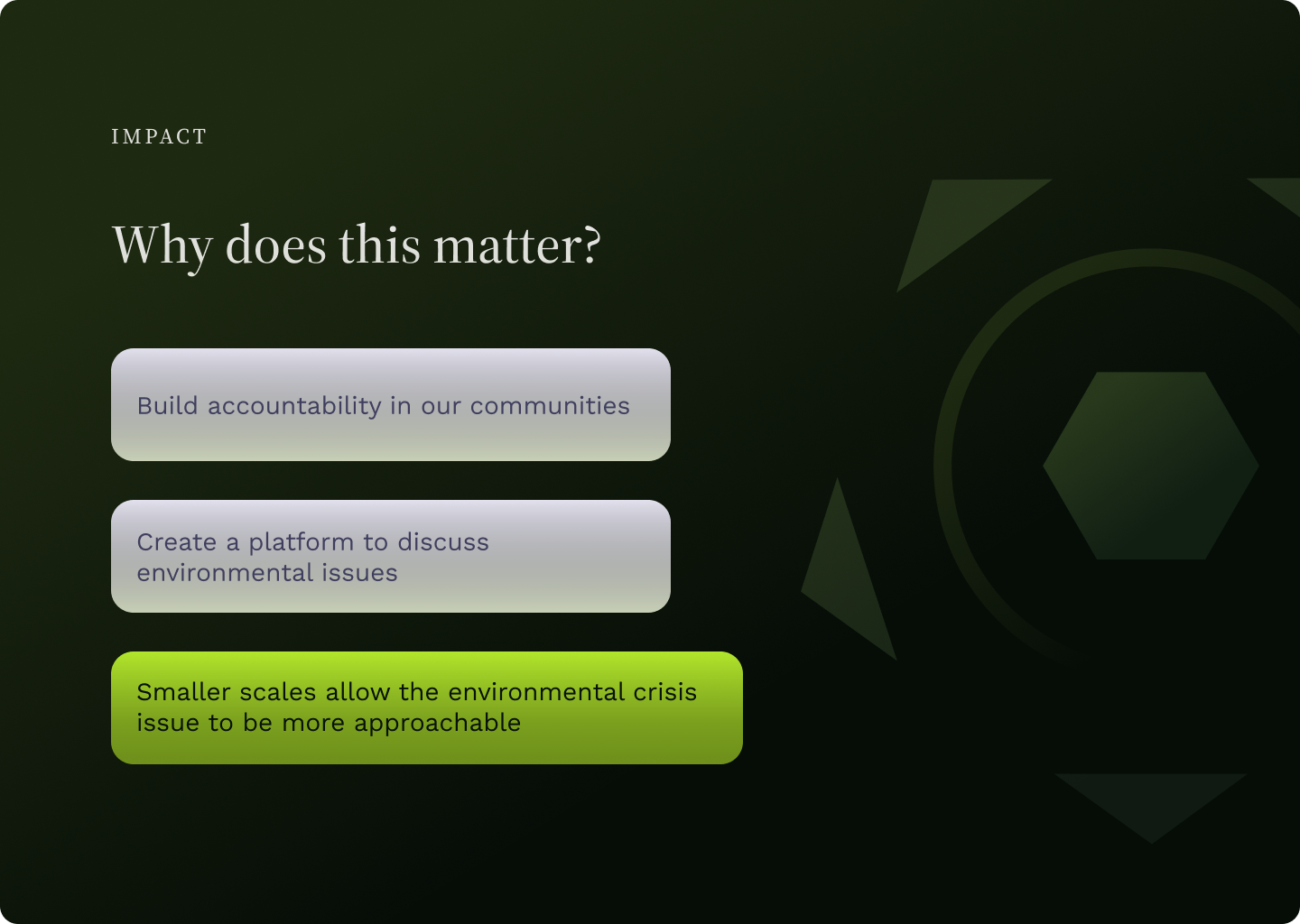
Feeling concerned for the environment and empowered by community-driven action was the birth of an inspiration for EcoTrace. In a world where environmental degradation, things like pollution, deforestation, and illegal dumping, has continued to rise, we have seen the need for a platform where communities would give reports on these issues but with active participation in their solution.
EcoTrace is founded upon the idea of citizen science - that ordinary citizens might become reporters in large-scale environmental monitoring. It is giving communities the power to take care of their local environments by offering tools necessary for users to report environmental issues with real-world data and multimedia. This grassroots approach does not only enhance awareness; it creates proactive action toward sustainability and conservation.
Features from badges to leaderboards within the gamification of the platform stimulate continuous participation and engagement in a rewarding, community-building activity for environmental activism. These features intend to shift what is often an overwhelming narrative about environmental degradation into an enabling one that is action-oriented in a positive way. In other words, EcoTrace is a platform inspired by the fact that if equipped with proper tools and incentives, communities can become very effective agents of environmental change. This resonates perfectly with the hackathon's theme to blend technology with activism towards changing pressing social issues.
What It Does
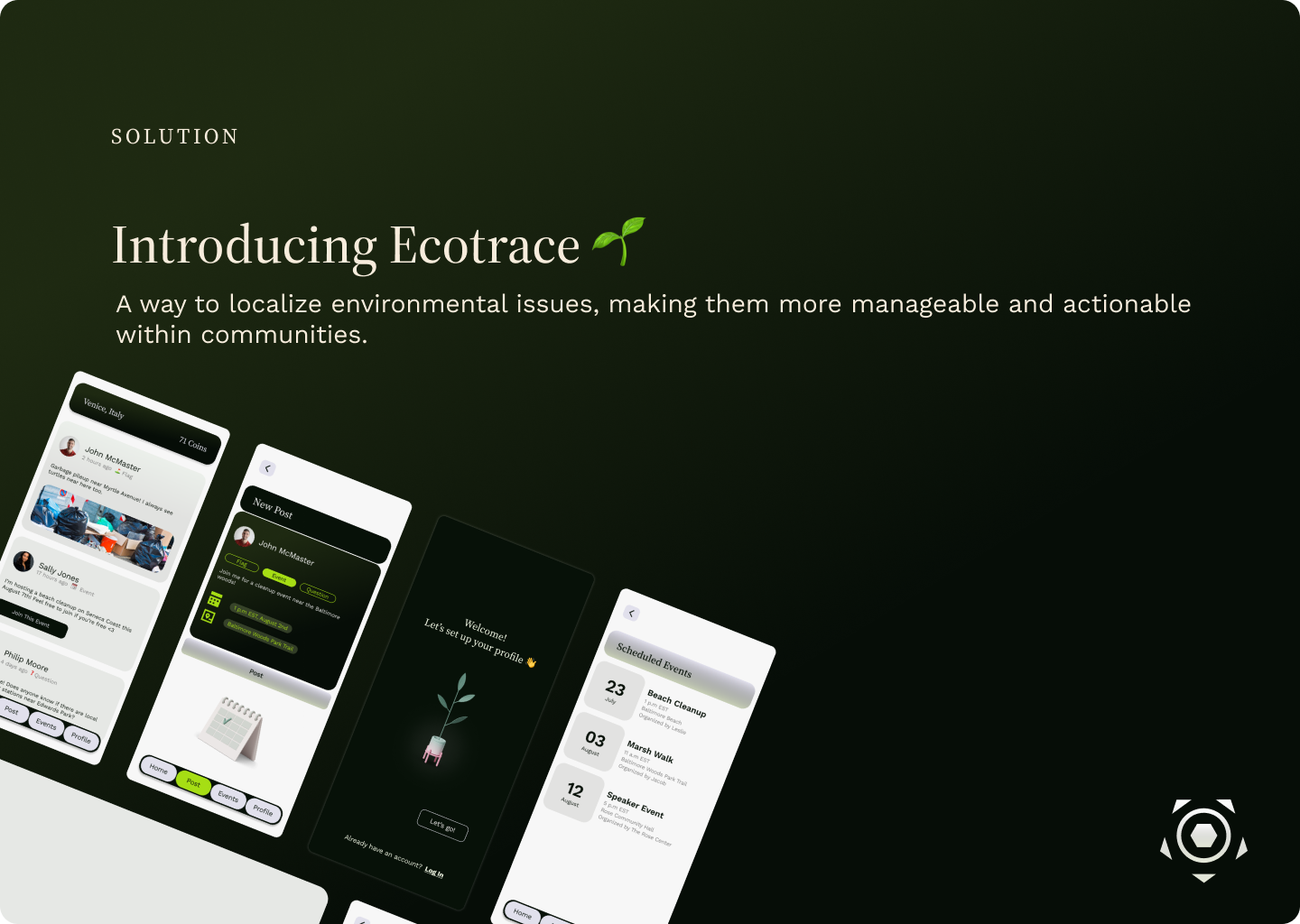
EcoTrace is an integrated community engagement, environmental monitoring, and educational resources platform in the struggle to solve environmental problems. The following is a more detailed look at its functionalities and services:
Issue Reporting
This simple and intuitive interface allows users of EcoTrace to directly report environmental issues. Besides, users can attach multimedian evidence in the form of photos and videos, together with detailed descriptions enhancing credibility and usefulness to the reports. Using GPS data to pinpoint the issue at hand, the system shall automatically tag every report with a geographical location. This feature enables the location of such environmental concerns by community members and local authorities to act on them.
Data Visualization
The platform delivers interactive maps and dashboards, utilising the latest state-of-the art GIS technologies. The tools can also be used to draw out real-time environmental data and trends so that users can understand the effects of different issues in their surrounding environments. Filtering by date, type of issue, location, among many other variables, makes this dataset both a powerful tool for education and action planning.
Community Engagement
EcoTrace offers a place for discussions, updates, and organization of local environmental actions. The platform provides forums within which this can be done: to discuss environmental matters, provide updates on projects underway, and arrange either community activities such as cleanups or workshops. The feature not only enhances bonding but also amplifies the collective impact on local environments.
Educational Resources
The platform contains a rich variety of educational materials focused on different topics regarding the environment. The educational resources are designed to help educate users on sustainability practices, the importance of conservation, and how one person can make a difference. With an eye towards empowering its users with knowledge, EcoTrace desires to drive more informed and effective community actions towards the stewardship of the environment.
Gamification
Gamification elements within the user experience are built into EcoTrace to maintain user engagement and motivation. In exchange for active participation, users will receive badges that are indicative of their commitment - and continue raising their own personal bar - but also display on a user's profile, adding to ranking on leaderboards to introduce an element of competition that encourages continued participation in this fun, rewarding environment. Basically, EcoTrace bridges the gap between the individual act and collective impact by providing tools and incentives so one's simple concern gets translated into an active environmental activism.
How We Built It
Technology Stack
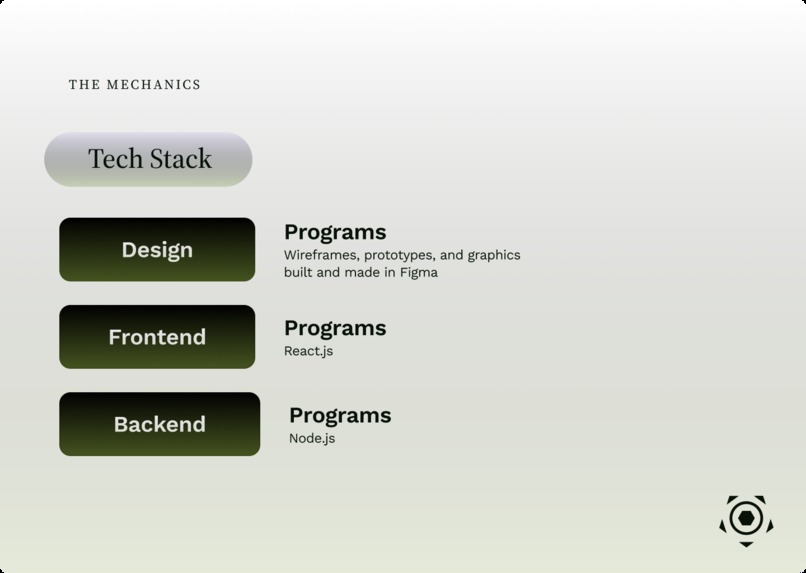
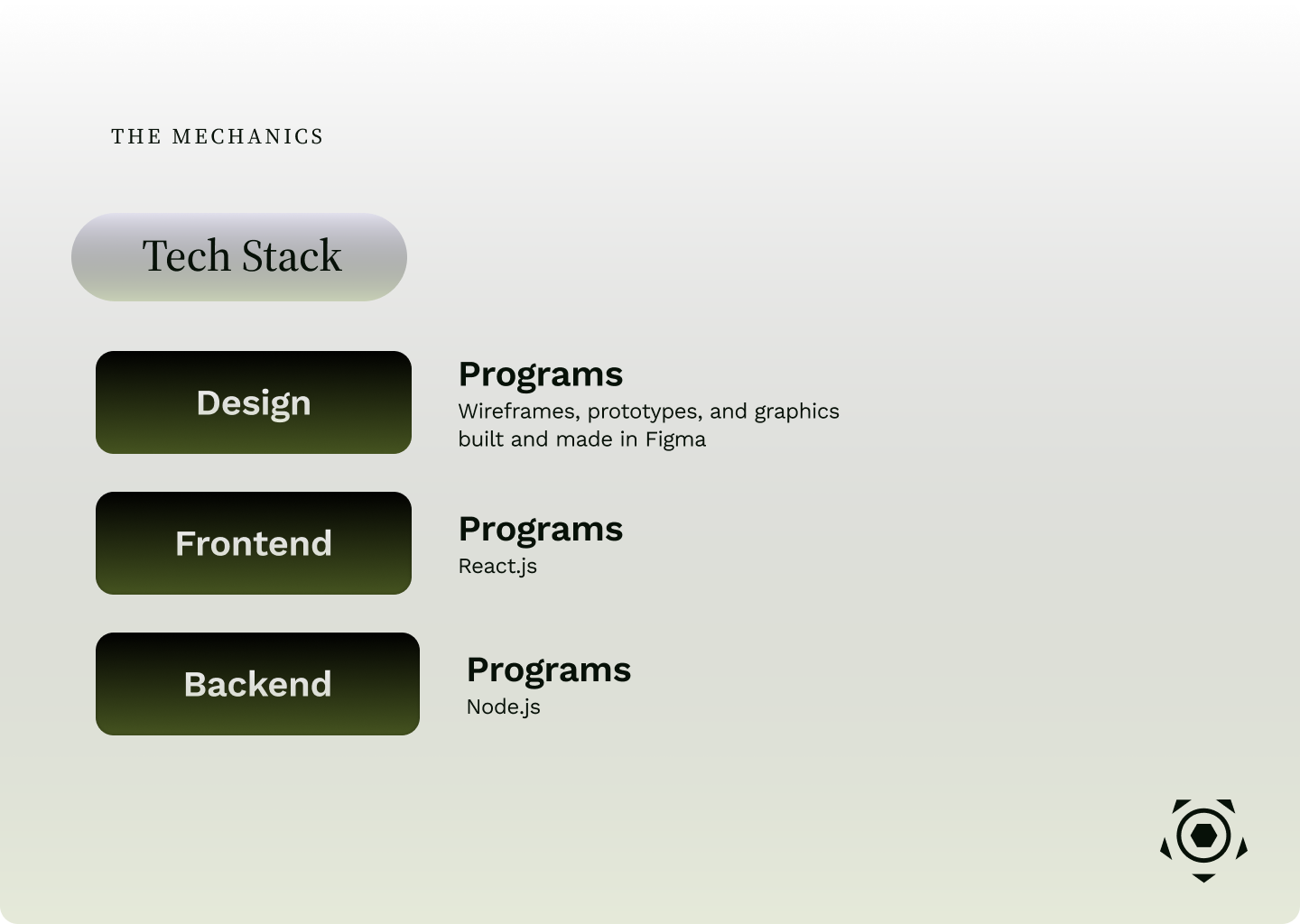
They built the EcoTrace platform by applying a robust yet versatile technology stack, specifically designed to undertake tasks that would arise during activities of data management and user interaction.
Frontend: The user interface was built with React, where we capitalized on its component-based architecture to drive responsiveness and interactivity in the frontend. It is designed intuitive and accessible so that users of all skill levels can easily move around and use the platform.
Backend: Node.js was the obvious choice to host our server side since it is non-blocking I/O and event-driven in nature, well-suited in itself for our data-intensive interactions. Express.js, the Web App Framework of Node.js, eased and simplified the process of creating server routes and API endpoints.
Database: For this, I used a NoSQL database called MongoDB. A reason for choosing a database would be due to its flexibility related to the schema of documents. This shall support all sorts of our data, which range from user profiles to environment reports and interaction logs.
Handling Geospatial Data: We integrated PostgreSQL with PostGIS, a package extending the object-relational database for support of geographical objects. In this way, we provided management and querying over geospatial data efficiently. This setting will let us do complex geographic queries necessary for mapping and tracking environmental issues.
Cloud Storage: AWS S3 functions to the storing of multimedia files, allowing users to attach images and videos with which environmental reports can be uploaded. This choice ensures the scalability and accessibility of large files.
Authentication: JSON Web Tokens provided secure authentication mechanisms, making sure that a user session is safe.
Development Process
The creation of EcoTrace was based on an agile methodology so that there can be flexibility and iteration through iterative testing along the process:
Planning and Design: Detailed planning of the application architecture and user experience was done in the earlier phases. Wireframes and mockups were created upon detailed thinking about the interface and interaction flows.
Environment Setup: We ensured that the development environment was set up, with dependencies and tools ready to roll by any member, so that everybody could dive in and start contributing right away.
Core Development:
Backend: We developed RESTful APIs that do user registration, report issues, retrieve data, and so forth. APIs interface with a MongoDB database for data persistence and query a PostGIS installation for spatial data operations.
Frontend: At the same time, the frontend team worked on implementing the designs with React. State management was handled using Redux to maintain state consistency throughout the app, with efficient update and render processes.
Integrating the frontend and the backend: It was continuous. Both teams worked closely to ensure everything flowed seamlessly between the client and the server.
Testing and Iteration: Incremental testing of the platform was done through both automated unit tests and manually by the team. Feedback was incorporated iteratively for refining the functionalities.
Deployment and Monitoring: The application was later tested and deployed to a cloud server. We used Docker containers for an easier deployment of the service, Nested, and for consistency in various environments. We implemented continuous monitoring to handle any production issues arising after launch.
Challenges Overcome
During the course of development, we have encountered numerous problems related to efficient processing of extensive geospatial data and maximizing the speed of multimedia uploads. Proper selection of technologies and optimization of our database queries significantly increased performance and user experience. We designed EcoTrace to be a strong tool in empowering communities to actively take action for the protection of the environment by bringing state-of-the-art technologies together and following a rigorous development process.
Challenges We Ran Into
The development of EcoTrace presented several technical and logistical challenges that tested our problem-solving skills and required creative solutions. Here are some of the key challenges we encountered and how we addressed them:
1. Handling Geospatial Data
Challenge: One of the core features of EcoTrace involves processing and querying large sets of geospatial data to track environmental issues. Handling this data efficiently while ensuring fast response times was a significant challenge, given the complexity and volume of the data involved.
Solution: We opted to use PostgreSQL with the PostGIS extension, which is specifically designed for handling geospatial data. This allowed us to perform complex geographic queries more efficiently. We also implemented spatial indexing to speed up query times, ensuring that users experience minimal latency when accessing geospatial information.
2. Scalability of Storage Solutions
Challenge: EcoTrace allows users to upload images and videos related to environmental issues, which quickly escalates the amount of data stored. Managing this data while ensuring quick access and scalability posed a substantial challenge.
Solution: We integrated AWS S3 for storing multimedia files. S3 provides robust scalability and data availability, which means we can store large amounts of data without compromising on performance. The use of S3 also simplifies data management and integration with other AWS services for further processing and analysis.
3. User Authentication and Security
Challenge: Ensuring that user data is secure and that the authentication process is both secure and user-friendly was crucial. We needed a solution that could handle secure password storage and support seamless authentication processes.
Solution: We implemented JSON Web Tokens (JWT) for handling user authentication. This method allows us to maintain a stateless server architecture, which is beneficial for scalability and security. Passwords are hashed using bcrypt before they are stored in the database, providing robust protection against unauthorized access.
4. User Interface Usability
Challenge: Designing an intuitive user interface that could be easily navigated by users of varying technical skill levels, especially considering the complex data involved in environmental reporting.
Solution: We conducted multiple user testing sessions to gather feedback on our UI/UX designs. Based on this feedback, we made iterative improvements to ensure that the interface is user-friendly. We used React along with a suite of modern UI development tools to create a responsive and accessible design.
5. Real-time Data Processing
Challenge: EcoTrace needed to handle real-time data processing to provide users with timely updates about environmental issues and reports. Managing these real-time updates efficiently was challenging, especially with multiple users accessing the system simultaneously.
Solution: We utilized Node.js for its non-blocking I/O and event-driven architecture, which is ideal for handling real-time data processing. This setup helps in managing large volumes of requests without slowing down the server response times.
6. Cross-Platform Compatibility
Challenge: Ensuring that the application runs smoothly across various devices and platforms was crucial to reaching a broader audience.
Solution: We used a combination of responsive design principles and extensive cross-platform testing to ensure compatibility. React’s ability to maintain performance across different devices was instrumental in achieving this goal.
By overcoming these challenges, we have enhanced the robustness, usability, and effectiveness of the EcoTrace platform, making it a valuable tool in environmental conservation efforts.
Accomplishments That We're Proud Of
The development of EcoTrace has been a journey filled with learning and achievements that have significantly shaped the project's impact and our team's growth. Here are some accomplishments that stand out:
1. Advanced Geospatial Functionality
We are particularly proud of implementing advanced geospatial features in EcoTrace. The ability to accurately track and display environmental data on a map interface allows users to visually understand and interact with the data. This feature is crucial for identifying trends and areas of concern, enhancing the application's utility for effective environmental monitoring and action.
2. Efficient Data Management
Successfully integrating AWS S3 for multimedia storage and PostgreSQL for handling complex queries, including geospatial data, was a significant achievement. These technologies have provided us with a robust backend capable of scaling and handling large volumes of data efficiently, ensuring that EcoTrace remains responsive and reliable as our user base grows.
3. Seamless User Experience
Creating a user-friendly interface that simplifies complex processes was a critical goal for us. We are proud of the intuitive design and smooth navigation we achieved, which make the platform accessible to users with varying levels of tech-savviness. This accessibility is key to engaging a broader audience in environmental conservation efforts.
4. Real-Time Updates and Notifications
Implementing a system that manages real-time data and notifications smoothly was a challenging but rewarding accomplishment. EcoTrace can now send timely updates to users, keeping them informed about environmental events or changes in their area of interest. This functionality increases user engagement and promotes timely responses to environmental issues.
5. Robust Security Measures
We take pride in our robust security measures, including secure authentication via JWT and secure password handling with bcrypt. These features ensure that user data is protected, building trust and integrity within the EcoTrace community.
6. Positive User Feedback
Receiving positive feedback from early users who tested the platform has been incredibly rewarding. Their input helped us refine EcoTrace and confirmed the value of our efforts. Knowing that the community finds the tool useful and effective is a significant validation of our work.
7. Contribution to Environmental Awareness
Finally, we are proud of the potential impact EcoTrace has on promoting environmental awareness and action. The platform not only informs but also empowers users to contribute to environmental conservation, making it a powerful tool for change.
These accomplishments reflect our commitment to delivering a high-quality, impactful service. Each milestone has strengthened our team and brought us closer to our goal of making a significant positive impact on the environment.
What We Learned
The development of EcoTrace has been a profound learning experience for our team. Here are some of the key insights and skills we gained throughout this project:
1. Advanced Technical Skills
We significantly improved our proficiency in several technologies, including AWS services for data storage and management, and PostgreSQL for advanced data querying, particularly with geospatial data. The hands-on experience with these tools provided us with valuable insights into building scalable and efficient applications.
2. Geospatial Analysis
Implementing geospatial functionalities taught us how to handle and analyze geographic data effectively. This was crucial for the project as it allowed us to visualize environmental data in a meaningful way, helping users and researchers understand spatial patterns and phenomena.
3. Real-Time Data Handling
Learning to manage real-time data flow was a challenge that taught us a lot about performance optimization and efficient data handling. We explored different architectures and frameworks to ensure that EcoTrace could handle simultaneous user interactions and data updates without a hitch.
4. User-Centric Design
Focusing on user experience was enlightening, as it made us consider the application's usability from various perspectives. This approach helped us design a more intuitive and accessible interface, which is crucial for engaging a diverse user base.
5. Security Best Practices
We delved deeper into web security best practices, learning to implement robust authentication mechanisms and data encryption. This was pivotal in ensuring that user data remained secure and that the platform could be trusted by its users.
6. Feedback Integration
We learned the importance of user feedback in the development process. Engaging with early users and incorporating their insights helped us make EcoTrace more user-friendly and relevant. This iterative process of development was invaluable for refining our features and functionalities.
7. Team Collaboration and Management
Working on EcoTrace enhanced our skills in project management and team collaboration. We learned to synchronize our tasks efficiently, communicate effectively, and leverage each team member's strengths. This experience has been instrumental in fostering a productive and harmonious work environment.
8. Environmental Awareness
Lastly, working on an environmental project deepened our understanding of ecological issues and the role technology can play in addressing them. We gained a greater appreciation for the environment and learned about the various ways data can be used to aid conservation efforts.
Overall, the journey of building EcoTrace has been as enriching as it has been challenging. The skills and knowledge we acquired are invaluable and will undoubtedly influence our future projects and professional development.
What's Next for EcoTrace: Community-Driven Environmental Monitoring Platform
As we look to the future of EcoTrace, our vision is to expand and enhance the platform to become an even more comprehensive tool for community-driven environmental monitoring. Here are the key areas we aim to focus on:
1. Enhanced Data Collection Capabilities
We plan to integrate more diverse data sources, including satellite imagery and IoT sensor data, to provide a richer and more detailed view of environmental conditions. This will allow users to access real-time data on air quality, water quality, and wildlife activity, broadening the scope of our monitoring capabilities.
2. Community Engagement and Collaboration Tools
To foster a more active community, we intend to develop features that facilitate collaboration and communication among users. This includes forums for discussion, tools for organizing local environmental initiatives, and features that allow users to share their findings and insights directly on the platform.
3. Mobile Application
Developing a mobile version of EcoTrace will be a priority to ensure that the platform is accessible on-the-go. This will enable users to report environmental issues, view data, and receive notifications directly from their mobile devices, increasing the platform’s usability and engagement.
4. Advanced Analytics and Reporting Tools
We aim to incorporate more advanced analytics tools that can provide predictive insights and trend analysis. This will not only help in understanding the current environmental conditions but also in predicting future trends, which is crucial for planning and decision-making.
5. Educational Resources and Gamification
To educate users about environmental conservation and promote active participation, we plan to expand our educational resources. This includes interactive tutorials, gamified challenges that reward users for their contributions, and educational campaigns that raise awareness about environmental issues.
6. Partnerships with Environmental Organizations
By partnering with local and global environmental organizations, we can enhance the credibility and impact of EcoTrace. These partnerships will help in aligning our efforts with broader conservation goals and in mobilizing resources and expertise.
7. Global Expansion
Finally, we aim to scale the platform to serve global users by localizing the content and features to suit different regions and environmental conditions. This will involve adapting the platform to multiple languages and regional data sets to ensure EcoTrace is useful and relevant across the world.
8. Open Source Development
Considering making EcoTrace an open-source project to leverage the community's potential to improve and innovate. This step would encourage developers from around the world to contribute to its development, enhancing the platform's features and scalability.
With these developments, EcoTrace aims to empower communities to monitor and protect their environments actively. Our goal is to make EcoTrace a tool that not only provides data but also brings people together to foster a sustainable future.
Built With
- amazon-web-services
- express.js
- google-auth
- google-maps
- javascript
- mongodb
- node-mailer
- node.js
- react
- render
- vercel



Log in or sign up for Devpost to join the conversation.