-
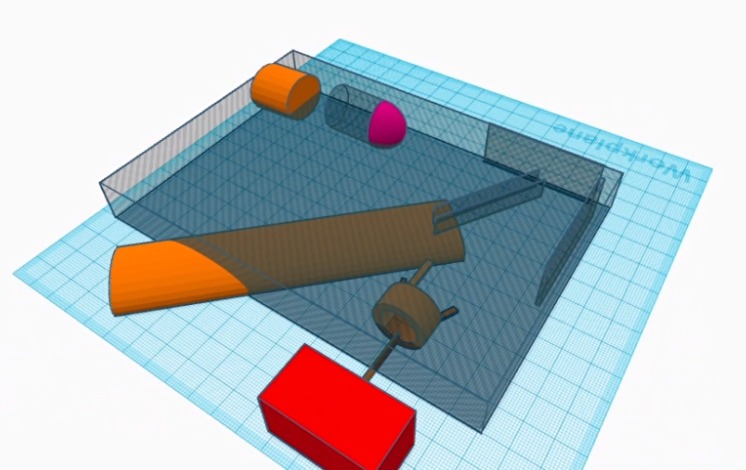
3 d model
-
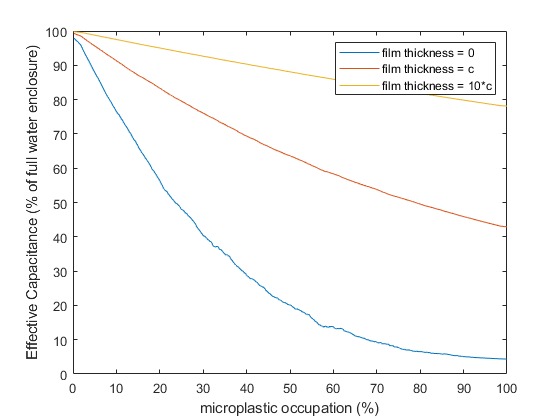
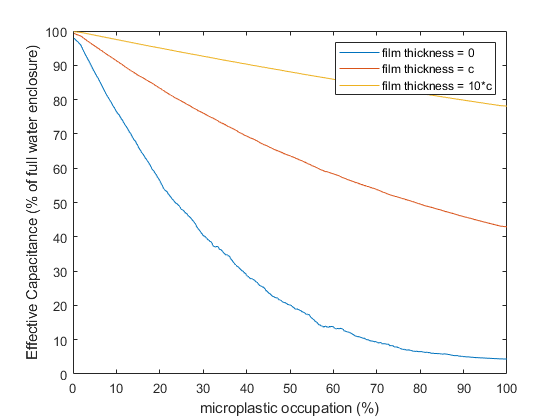
flim thickness
-
lOur Team Name: Team EcoTech
Our Problem: Microplastics today are among the greatest threats to the marine environment and by extension to us. They cause biomagnification by entering the body of fishes and then pose a severe threat to lives of all organisms in the food chain by causing cell death and allergic reactions. Recent studies show that fish found in coastal areas have microplastics of size lesser than 50 pm microns have been found in their gastrointestinal tract and the gills. Therefore it is necessary that this threat is neutralized. We hold the speedy and efficient detection of microplastics as of highest priority.
Our Solution: We have developed a novel method of detection of microplastics whereby the principles of Infrared Spectrometry are applied to detect certain levels of chemicals associated with microplastics in the water. When installed, our product will detect and then supply the data to the local monitoring systems based on which proper action can be taken for the treatment of water.
Our Product: (Insert 3D screen record of prototype) The parts involved in our product are: Infrared Source- It emits infrared rays Monochromatic System- The source beam separates into monochromatic components. Splitter-It absorbs half the IR radiation and reflects the other half. Detector-It reacts to the IR radiation obtained after splitting which will include water to be tested.The thermal effects of the incident IR radiation can be followed through many temperature dependent phenomena. Recorder- It records the concentration of chemicals found in the spectrometer. Water pipes-Used to supply small samples of water for testing near the splitter
Working: The infrared radiations are emitted by the IR source which passes through the monochromatic system. This system emits a single monochromatic( one color) light and absorbs all others. The sample water is supplied through the pipe near the beamsplitter. The beamsplitter reflects half of the monochromatic beam and transmits the other half to the detector for precision of observation. The pyroelectric detector is an infrared sensitive optoelectronic component which are specifically used for detecting electromagnetic radiation in a wavelength range from 2 to 46 µm
Technical difficulties. There is a 4 µm margin of error since our device can detect a maximum of 46 µm. It was difficult to import the code into spectrometry software. Designing the prototype using CAD(Computer Assisted Design) was slightly challenging Designing the application of the monochromatic system and the splitter was time-consuming. The program was difficult and time-consuming to code in MATLAB and it needed a number of trials.
Technical Information:-
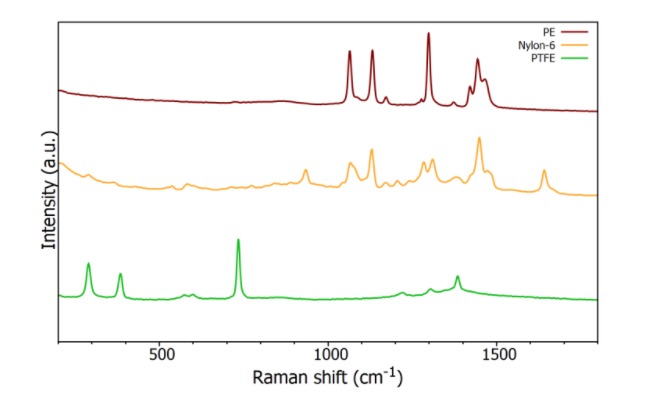
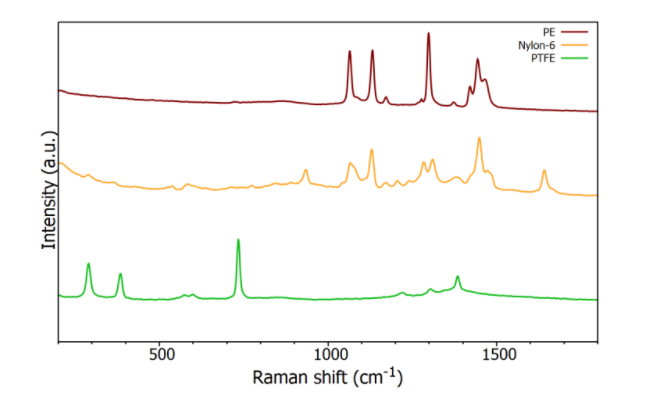
Raman spectra of polymers and filter
Raman spectra of unknown water sample
An unknown micro plastic water sample was simulated by adding 1 mg of each plastic to 500 mL of water. This sample was filtered and left to dry. The filter was then investigated under the Raman microscope, in total 25 particles were selected to have their Raman spectra measured. The spectra contained both peaks attributed to the polymer and the filter.
Dielectric Film is used for confinement

Log in or sign up for Devpost to join the conversation.