-
-
-
-
https://youtu.be/Lvkt5tcgTBM
-
Inspiration
EcoSync was inspired by the urgent need to address carbon pollution. Through our research and surveys, we validated the real problem and found that while health and environmental concerns drive people to adopt eco-friendly habits, barriers like lack of knowledge, time, and cost hinder progress. Respondents expressed a strong interest in tools that can track and support sustainability efforts in real time, as well as community-based initiatives that help visualize and measure progress. These findings inspired us to create EcoLyfe, a platform that helps users reduce their carbon footprint while overcoming these challenges.
What it does
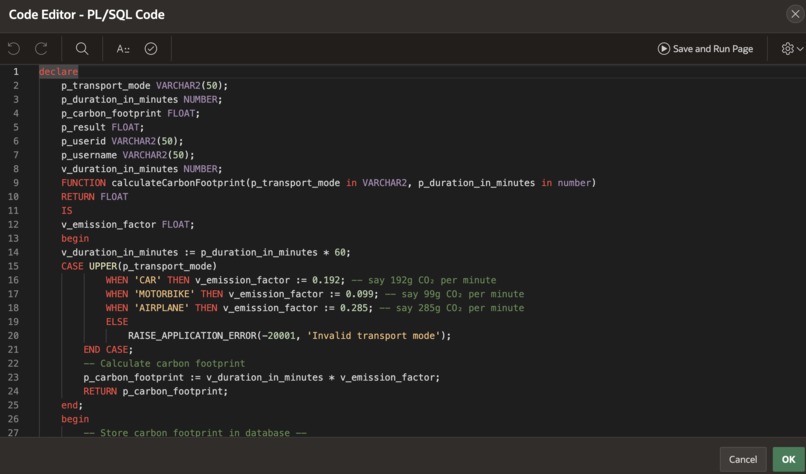
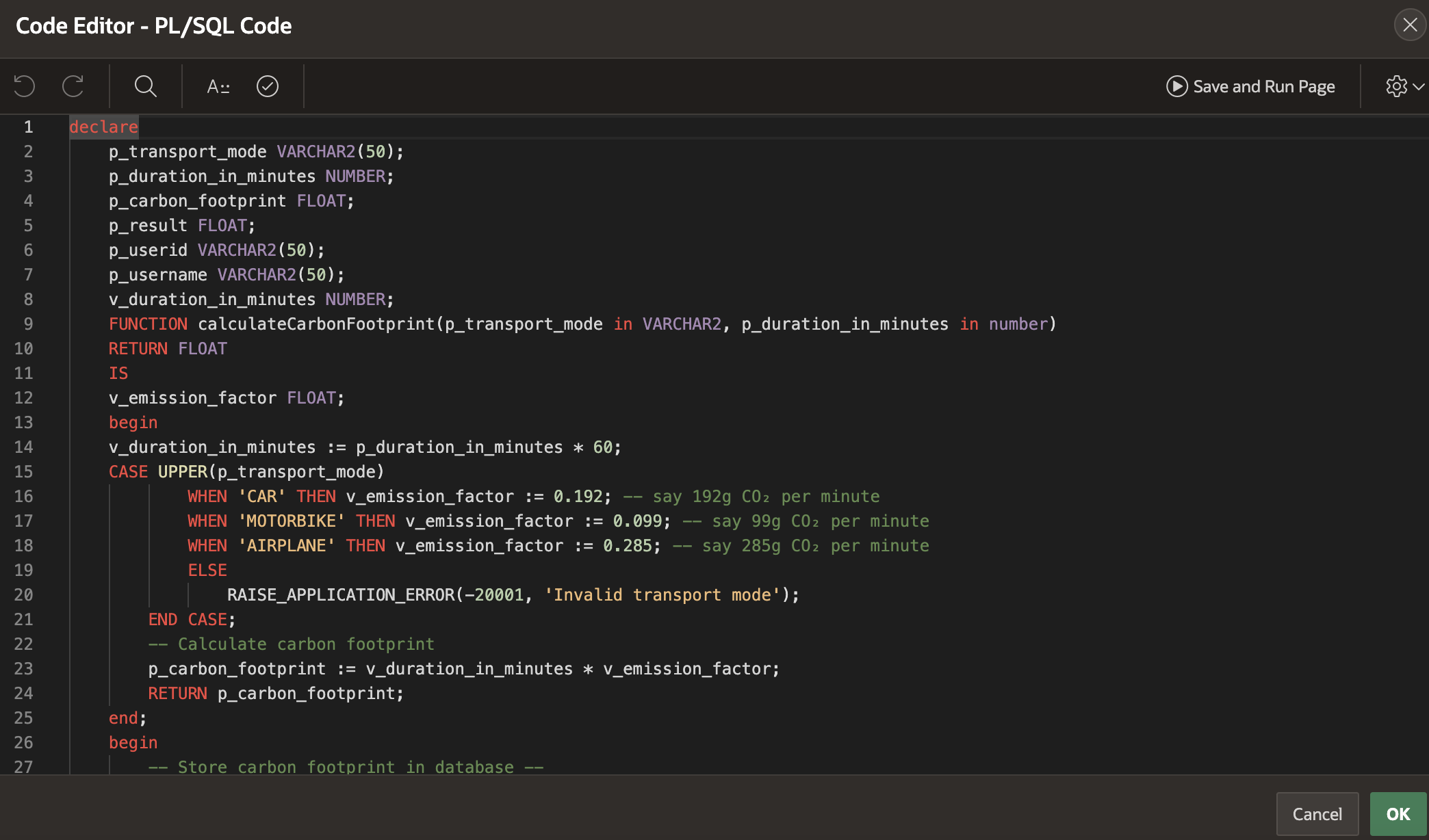
EcoSync is designed to tackle the climate crisis by providing an intuitive platform that helps individuals and organizations reduce their carbon footprint. Using Oracle APEX for development, EcoSync enables manual tracking and integrates with EcoLyfe to empower users to make informed decisions, track their progress, and take action toward reducing the carbon impact of their transportation and product choices.
How we built it
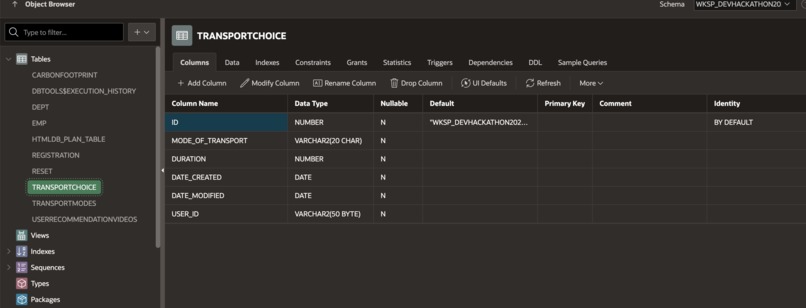
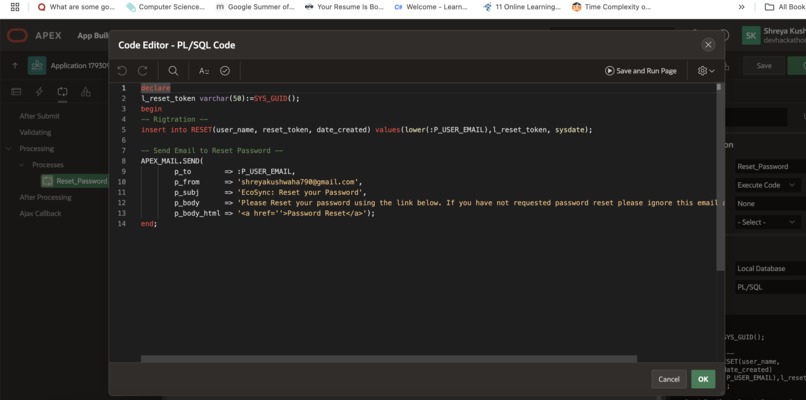
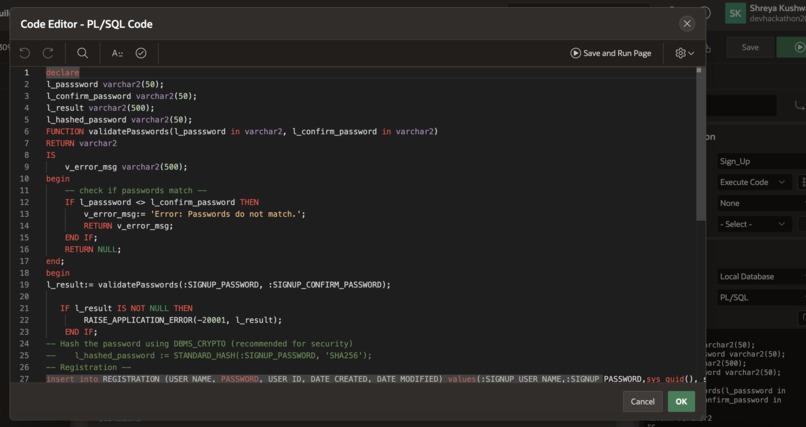
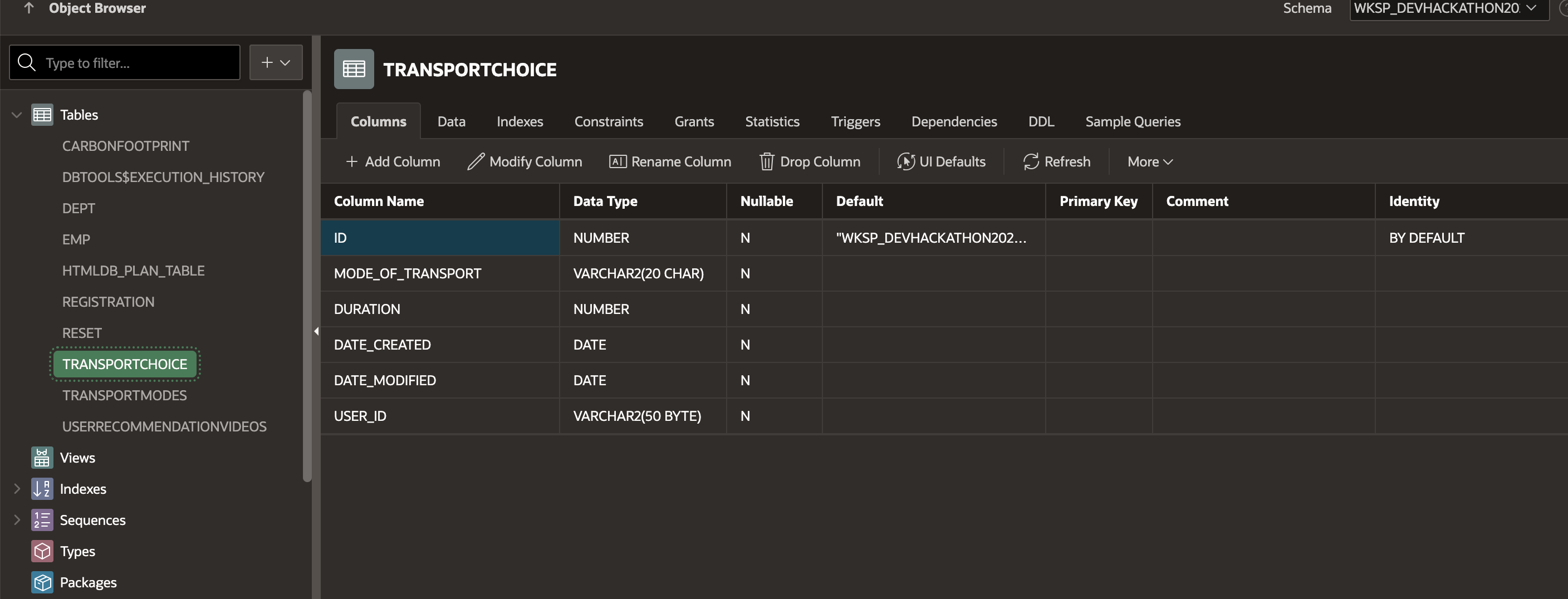
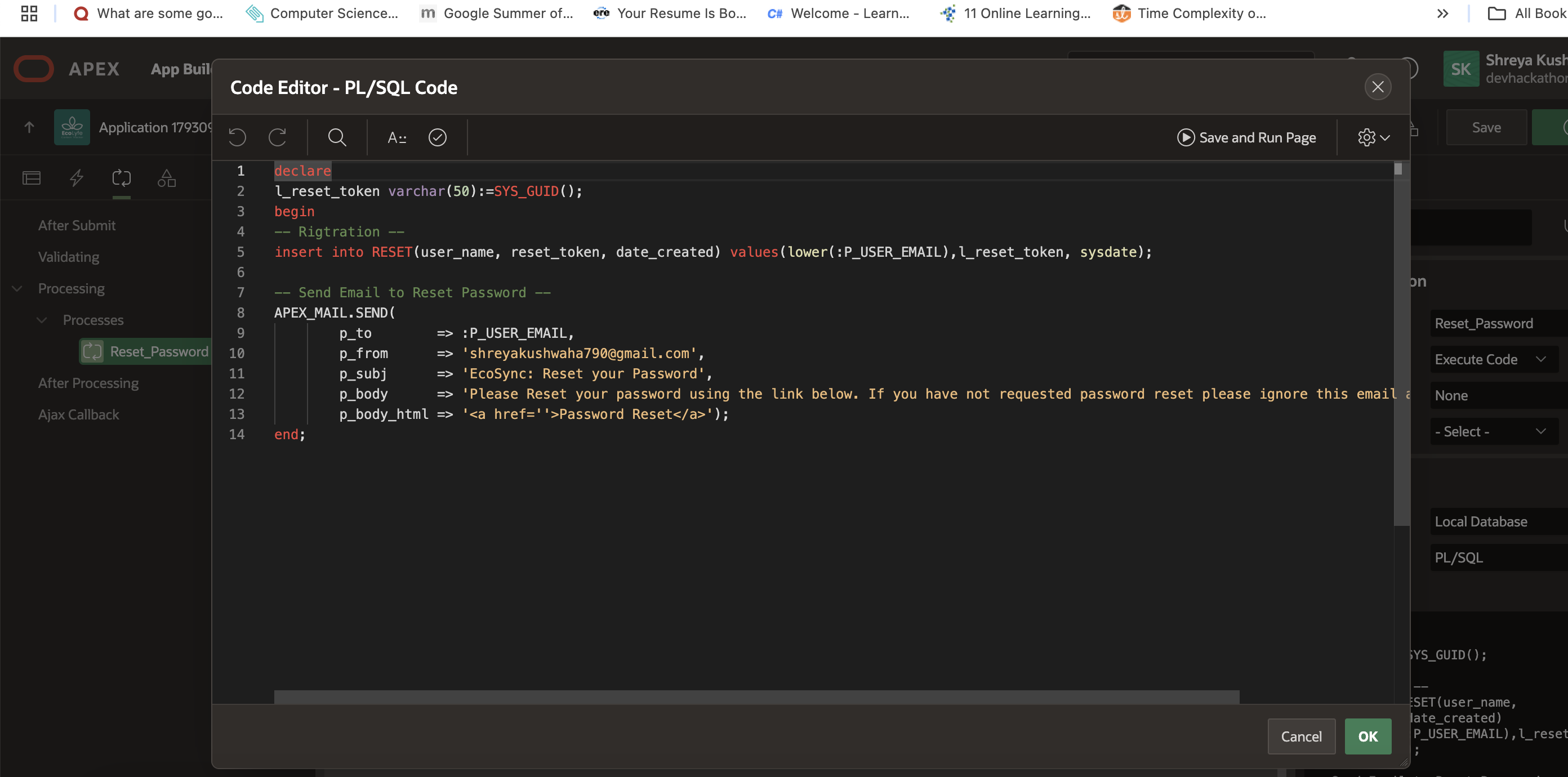
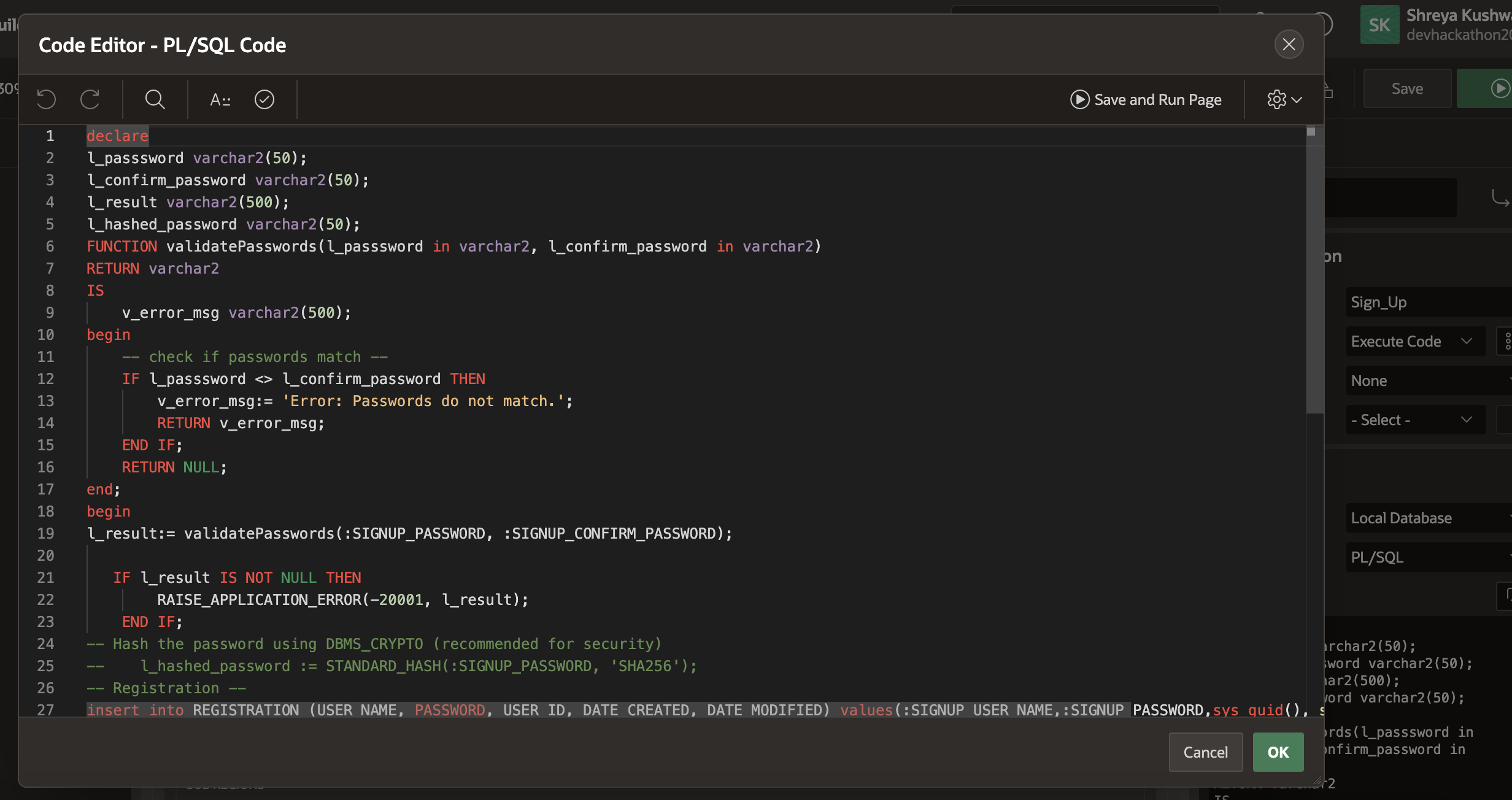
We built Ecolyfe with the Oracle Apex platform. We used and researched its various services on low code for developing frontend, implementing authentications, creating Database schemas, creating event processes, and its features to create end points and storing data.
Challenges we ran into
One of the challenges we ran into when working on this project was learning how to use Oracle APEX for the first time. Our team was not very familiar with low-code development so working with Oracle APEX was a learning challenge for us. To overcome this, our team got familiar with documentation provided by Oracle on how to use the APEX platform, as well as through trial and error while using the platform. Another challenge was, using Oracle Apex we found that it has some limitations to implement complex designs. We started with some figma designs for our product but realized soon that it was hard to implement those designs with Oracle Apex. So, we used designs available through Apex platform and instead focused on functionalities.
Accomplishments that we're proud of
Learning the Oracle Apex low code platform was fascinating. Seeing how we could easily develop a product with few configurations and settings encourages us to further explore it and have another skill under our belt. Teamwork was great, we worked together through research, planning and implementation phases in limited time to come up with a functioning product.
What we learned
We learned about low-code development and the benefits of it as well as drawbacks. Oracle APEX lets developers create web applications in far less time, and with essentially no coding involved. We learned about how such a platform works, how everything is essentially stored in the database and brought to life through the APEX platform. The drawbacks include a bit of limitations when it comes to customizability. APEX provides plenty of templates and default styles, but you are limited to the components that are provided. We also learned how to plan out and develop a project in a limited time.
What's next for EcoLyfe
There are definitely some features that we couldn’t get to, such as tracking other forms of carbon output. This can be added to the current application and worked on further to make the application more fully fledged out. The inclusion of an AI assistant is also a potential addition that can be made to the application. With the data that's already stored in the database, we can generate suggestions for each user based on their various forms of carbon output on what they can do to reduce it.


Log in or sign up for Devpost to join the conversation.