Inspiration
Every day, people stand in front of recycling bins wondering where their waste belongs. Even with recycling symbols and disposal instructions, determining the correct bin can be confusing because regulations vary across municipalities. Incorrect disposal can contaminate recycling streams and undermine sustainability efforts.
We wanted to make responsible waste disposal simpler, more interactive, and more accessible.
What if throwing something away was as simple as pressing a button?
That question inspired EcoSort.
What it does
EcoSort is an edge-AI-powered waste-sorting assistant that combines computer vision, location-specific disposal rules, and physical hardware to guide users toward responsible waste disposal.
EcoSort can:
- Identify everyday waste items and their materials using AI.
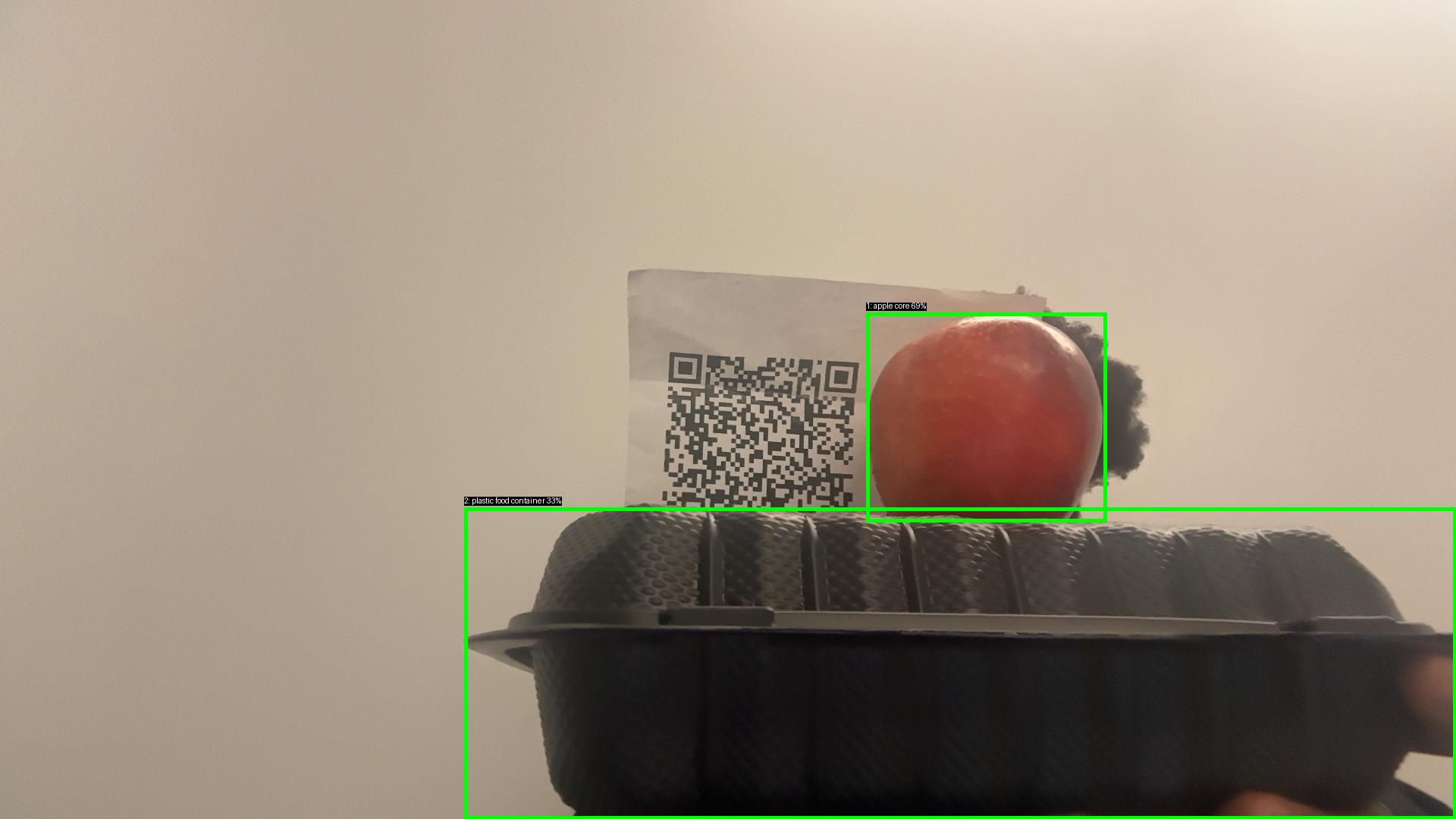
- Detect and classify multiple objects within a single image.
- Evaluate disposal recommendations using a separate, source-backed rules engine.
- Ask clarification questions when an item's identity, material, or condition is uncertain.
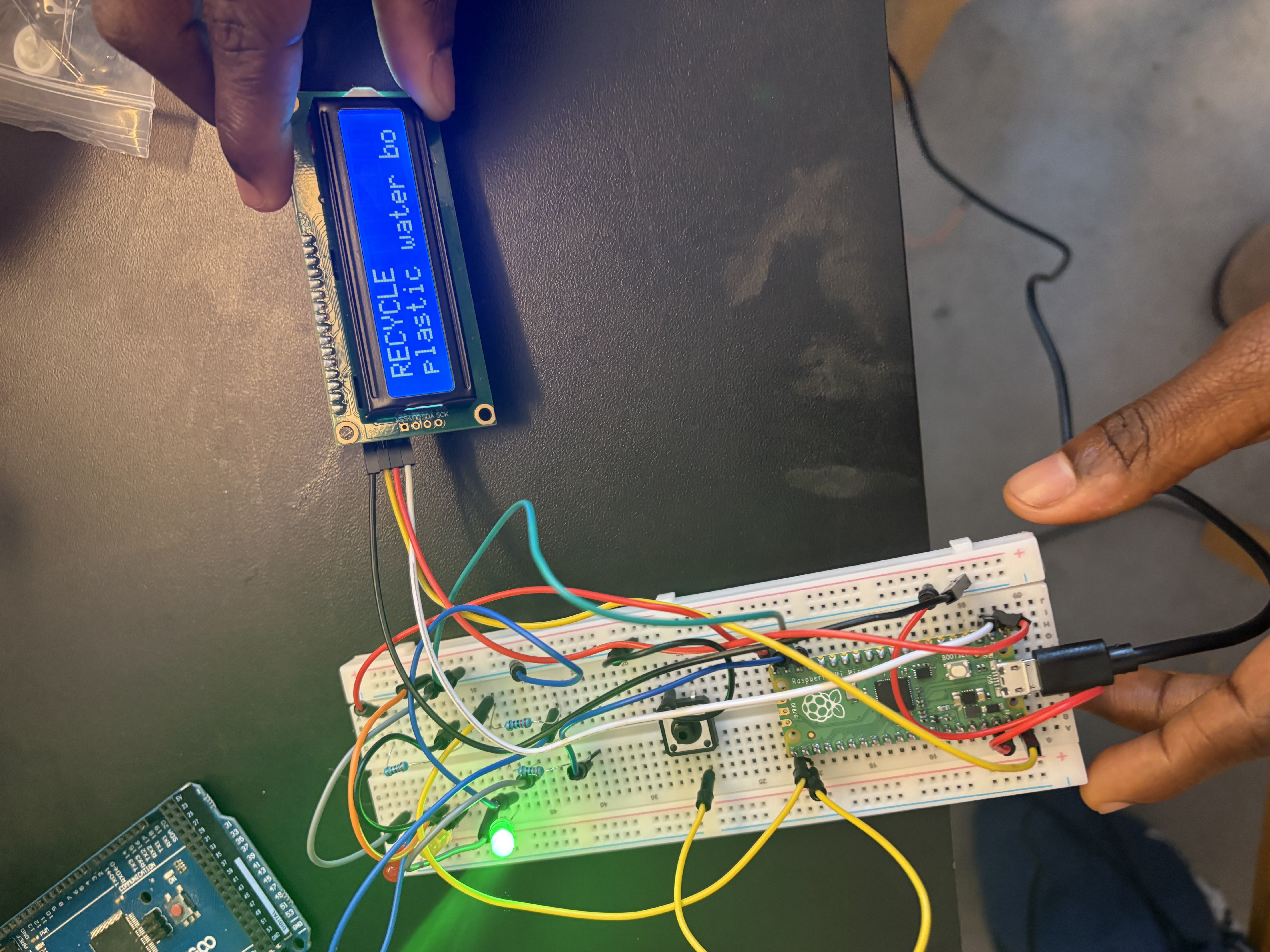
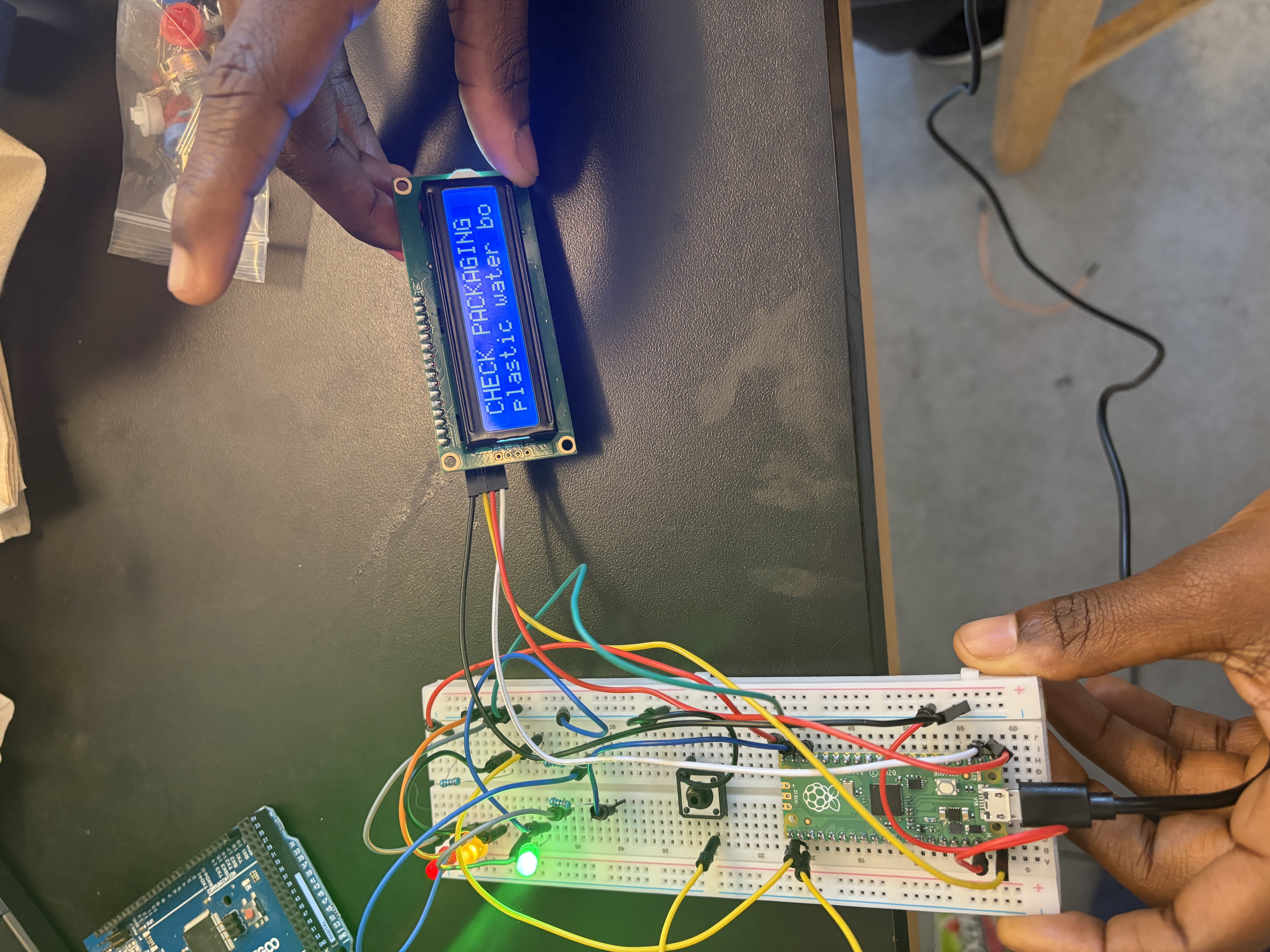
- Communicate disposal recommendations through an interactive web dashboard, physical LED indicators, and an LCD display.
- Perform AI inference locally without relying on cloud-based AI services.
Unlike traditional waste classifiers, EcoSort separates recognizing an object from determining where it belongs.
When EcoSort is uncertain, it doesn't guess—it tells users what to check.
How we built it
We developed EcoSort by integrating four major components:
Artificial Intelligence: We implemented CLIP for zero-shot object and material classification and OWLv2 for multi-object detection. Our model fusion pipeline compares predictions, evaluates confidence scores, and flags disagreements to prevent unreliable disposal recommendations.
Rules Engine: We developed a Pennsylvania-focused disposal rules engine that evaluates recognized items independently of AI predictions. It incorporates source references, verification dates, local collection requirements, and user-confirmed conditions.
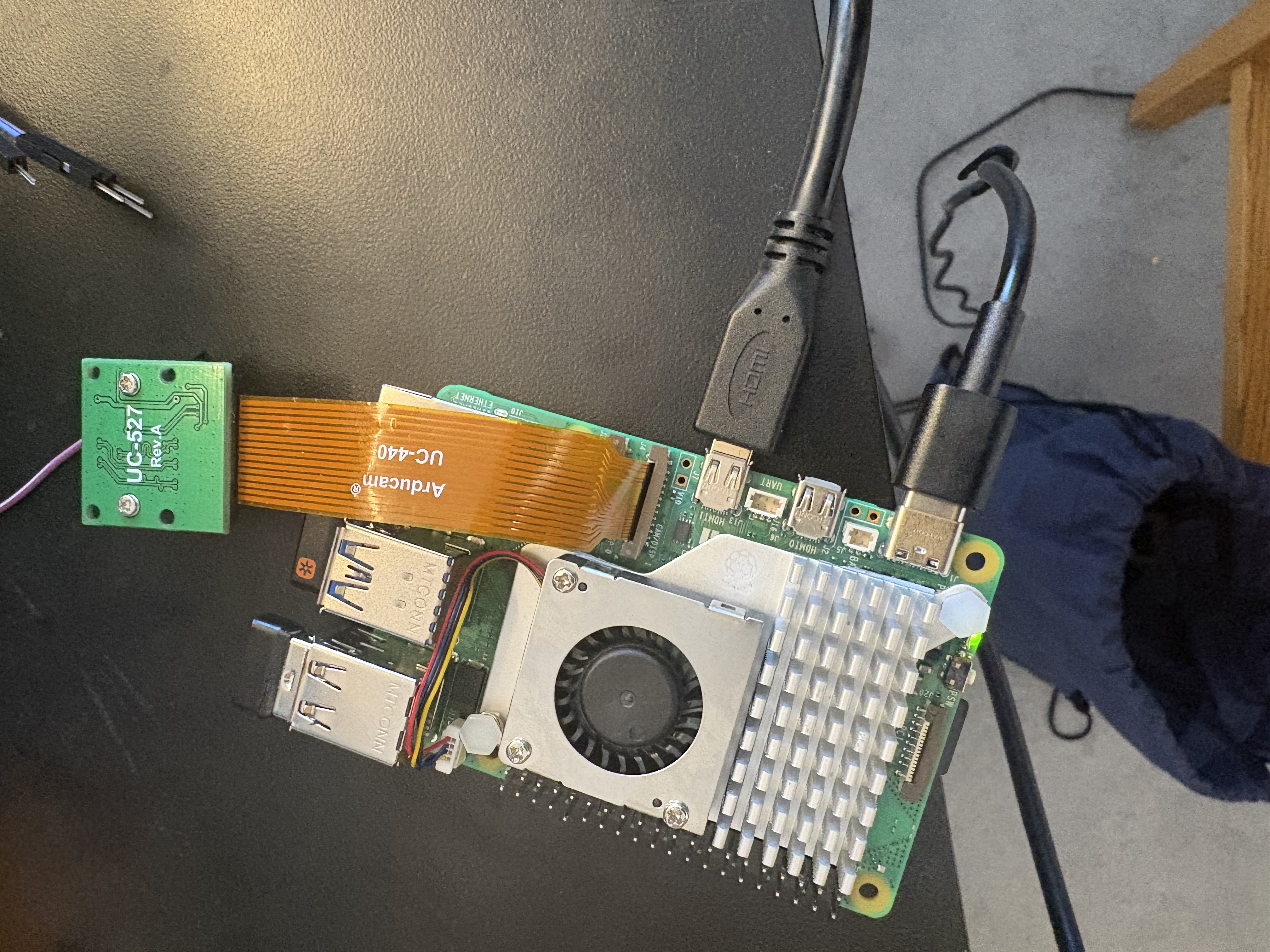
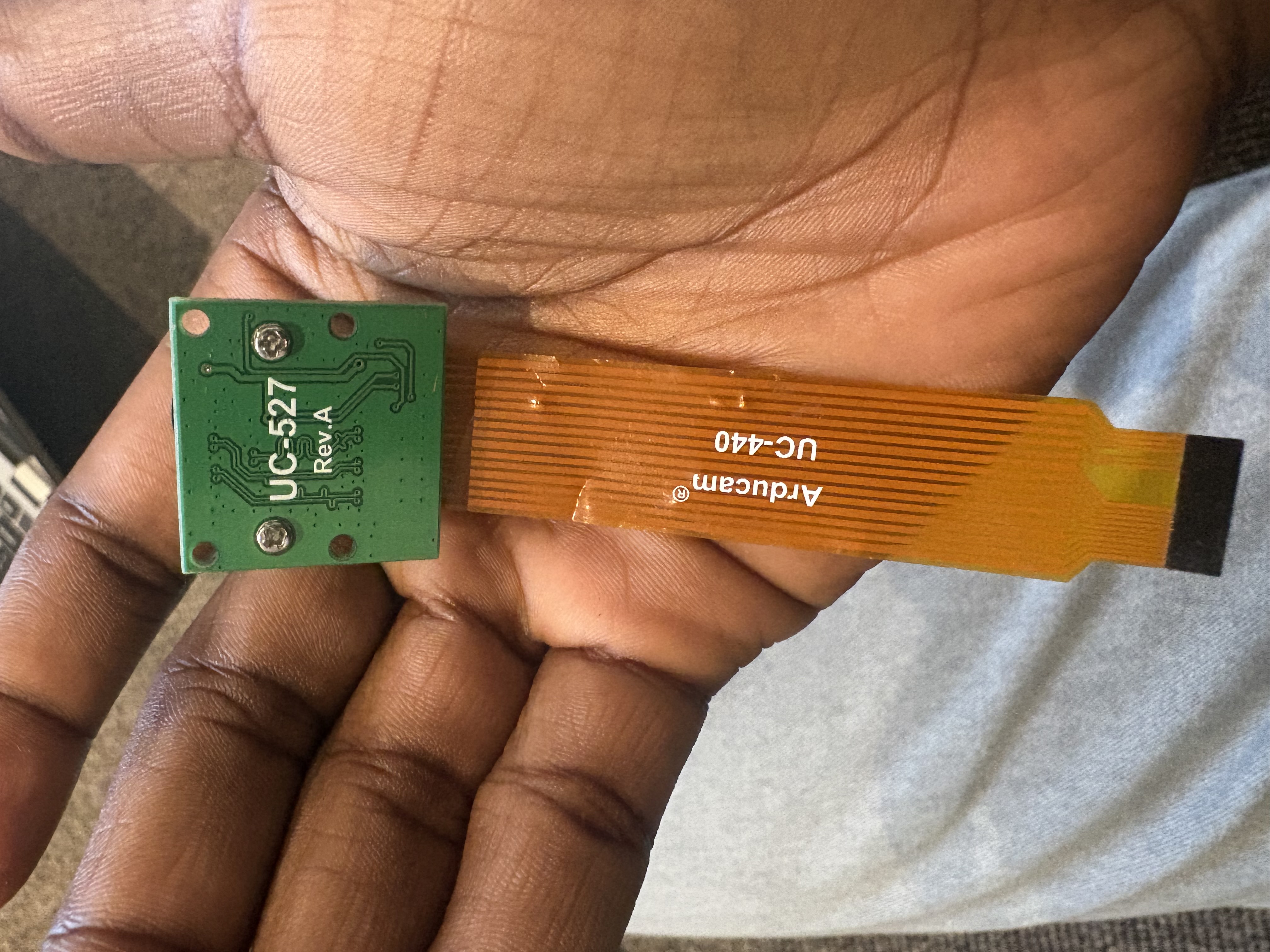
Hardware: We incorporated a Raspberry Pi 5, Raspberry Pi Pico, camera, push button, LED indicators, and a 1602 LCD display. The LEDs represent recycling, composting, landfill, and uncertainty, while the LCD provides additional feedback.
Frontend and Backend: We built an interactive web interface using HTML, CSS, and JavaScript, connected to a Python FastAPI backend. The backend integrates AI recognition, policy evaluation, and hardware communication.
Challenges we ran into
- Distinguishing visually similar materials, such as plastic wrappers and composite packaging.
- Detecting multiple objects without producing duplicate or conflicting predictions.
- Reconciling differences between the two AI models.
- Handling disposal regulations that vary across local recycling programs.
- Troubleshooting hardware wiring, LCD power delivery, and serial communication.
- Integrating independently developed AI, frontend, backend, and hardware components within the hackathon timeframe.
Rather than forcing predictions, we designed EcoSort to acknowledge uncertainty and request additional information.
Accomplishments that we're proud of
- Implementing both single-object and multi-object AI recognition locally.
- Developing a model fusion pipeline that identifies prediction disagreements.
- Successfully connecting actual AI models to our interactive website.
- Passing 58 automated tests and three additional subtests during software integration.
- Validating independent clarification handling for multiple detected objects.
- Overcoming LCD and hardware troubleshooting challenges.
- Bringing artificial intelligence, embedded systems, web development, and environmental sustainability together in a single prototype.
Most importantly, we built a system that prioritizes responsible decision-making over simply producing an answer.
What we learned
We learned that identifying an object is fundamentally different from understanding how it should be disposed of.
Building EcoSort taught us about zero-shot computer vision, model fusion, edge computing, embedded systems, serial communication, API development, and the importance of designing AI systems that communicate uncertainty.
We also learned how effective teamwork and modular system design can bring together different technical disciplines under tight time constraints.
What's next for EcoSort
We envision EcoSort being deployed in university dining halls, schools, offices, and public spaces.
Future improvements include:
- Expanding verified disposal rules to more municipalities.
- Optimizing AI inference for low-power embedded devices.
- Improving recognition of mixed-material packaging.
- Adding accessibility features, including audio feedback.
- Providing waste-sorting analytics to help institutions identify contamination patterns.
- Developing a compact, affordable, and fully self-contained station.
Our goal is to make responsible waste disposal effortless, educational, and accessible to everyone.
EcoSort — Smarter Sorting. Greener Living.
No cloud-based inference. No guesswork. Just smarter sustainability at the edge.
