-
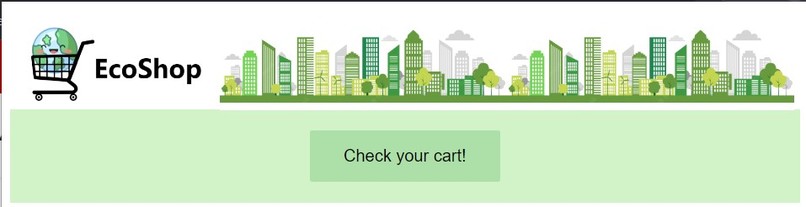
Friendly user interface
-
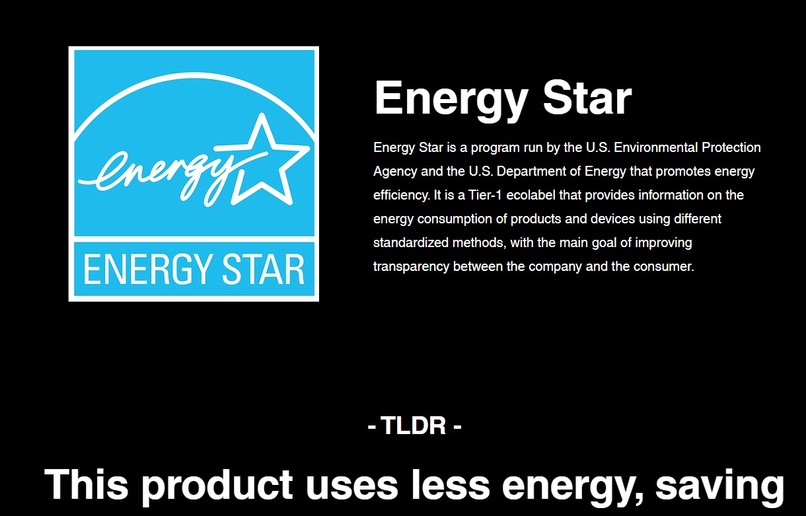
Learn more about the certification!

Inspiration
Our main inspiration was Honey, the star of YouTube advertisements, as we recognized the convenience of seeing information about your shopping list right in the browser. More people would buy sustainable products if there was an indicator that they are, which is why ecolabels exist and are used widely. However, the rise of e-commerce has weakened the impact of printed symbols on packaging, and researching each product is a pain. Instead, we thought up a way to bring ecolabels to the attention of online shoppers right at checkout.
What it does
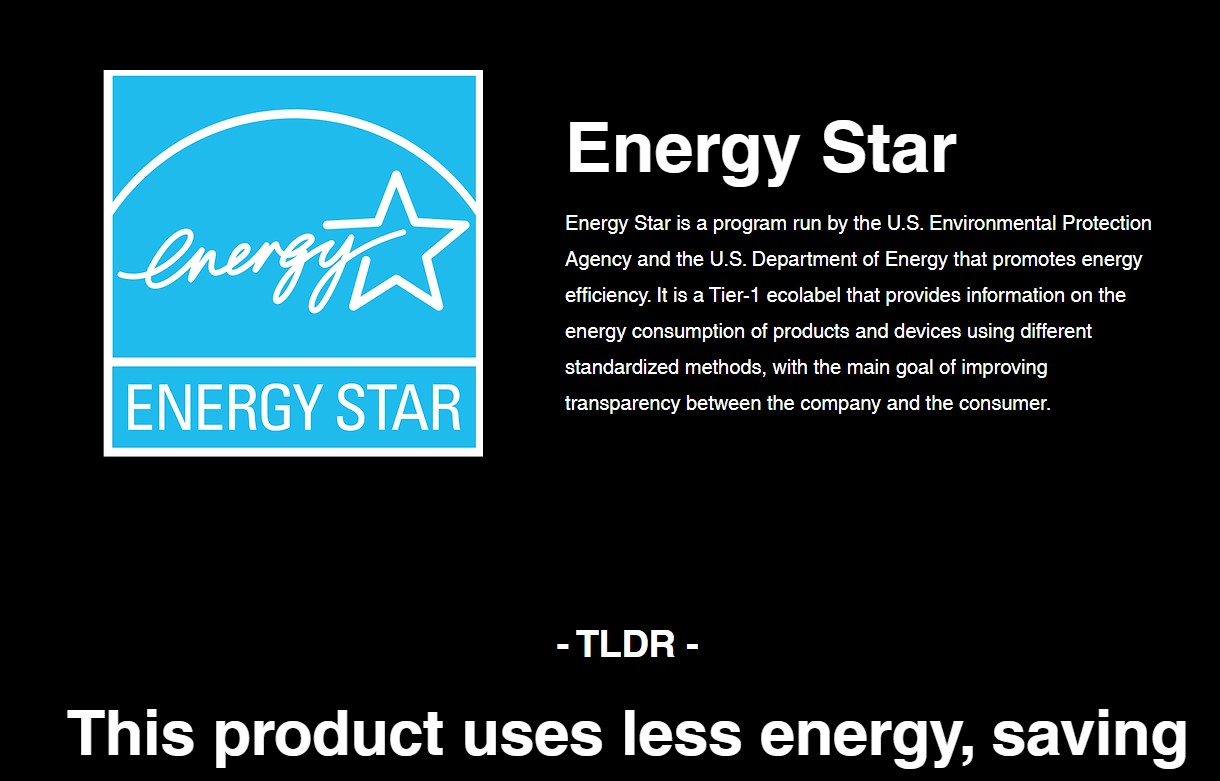
EcoShop uses various web databases and APIs to read the product names on an online shopping cart (currently limited to Target). It then displays what sustainable certifications the products have earned through Type 1 programs, which are accredited through a third party. Upon clicking on the ecolabel, users are also provided with a detailed view of the certification, the qualifications necessary to earn it, and what that means about their product.
How we built it
By using Target's Red Circle API, we were able to scrape data on products in a user’s shopping cart from the site. This data includes the UPC (Universal Product Code), which is compared to pre-acquired datasets from various certification organizations such as EPEAT (Electronic Product Environmental Assessment Tool), Energy Star, TCO, etc. The certification data, gathered through Javascript, was sent back to the extension which displayed the product list and corresponding certifications it has earned.
Challenges we ran into
The majority of product certification datasets weren't available to the public since they either aren't digitized or needed a paid license to access. The data that was available for free use took hours to format, let alone process. Many also didn’t include a product's UPC, due to the lack of legal requirements for information on non-retail products. Target's Red Circle API was also not optimized enough for operating under a short time constraint, and we had to determine a way to efficiently and securely access the site data of the user.
Accomplishments that we're proud of
We’re proud of the functionality that our product provides, even given the lack of time, experience, and resources our team struggled with. Our extension is only limited by the number of free, public datasets for sustainable product certifications, and can easily be expanded to other consumer categories and ecolabels if they become available to us. From our logic to our UI, our extension to our website, we’re psyched to be able to successfully inform online shoppers about whether they're shopping sustainably and influence them to get better at it.
What we learned
Although some of us have had a surface-level experience with web development, this was the first time we took a deep dive into developing a web app. This was also the first time for all of us to learn how to make chrome extensions and use a REST API.
What's next for EcoShop
We plan to extend EcoShop to all online shopping sites, certifications, and categories of consumer products. Given more data and time, we hope to provide a cumulative sustainability grade tailored for the user, as they can toggle through the sustainable development goals that they care about most. We also plan on implementing a recommendation system to ensure that shoppers are aware of more sustainable alternatives. And for further convenience for consumers, an iOS application could provide a simplified version of EcoShop to give more information about ecolabels directly in stores.
Built With
- chrome
- css
- html
- javascript
- json
- redcircleapi

Log in or sign up for Devpost to join the conversation.