Inspiration
The fashion industry is the second largest polluter in the world. According to the UNEP (United Nations Environment Programme), the global fashion industry emits 1.7 billion tons of CO2 per year - more than the amount produced by international flights and shipping. A big contributor to this issue is the concept of fast fashion, where clothes are made quickly to fit a trend and sold for affordable prices. This entices people into buying a large amount of clothing that they wear rarely and causes a great waste of resources such as water, forests, oil, and so on. It is difficult for everyday consumers to change their habits of buying from these harmful stores since there is no incentive to do otherwise. Thus, we wanted to gamefy improving their habits for the greater good of the environment.
What it does
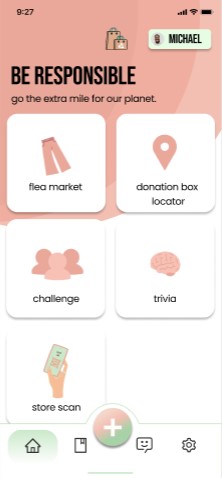
ecoshop is a data-first approach that makes the transition to ethical shopping easier. The app consists of five major components:
The
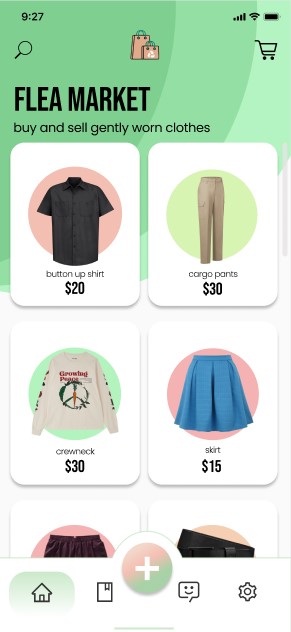
Flea Market:is a place for users to buy and sell their worn clothes. When they do this, they are granted a number of points for each transaction (either buying or selling). This allows users to sell clothing that they only wore a few times and no longer like to other people that would much rather own that piece of clothing. This reduces the demand for fast fashion since clothing is being cycled back around between consumers and helps reduce the impact on natural resources and the environment. Upon checkout, the user is rewarded for their choice in buying second hand clothes by being shown the amount of resources that were saved as a result of their purchase as opposed to buying brand new from a major store.The
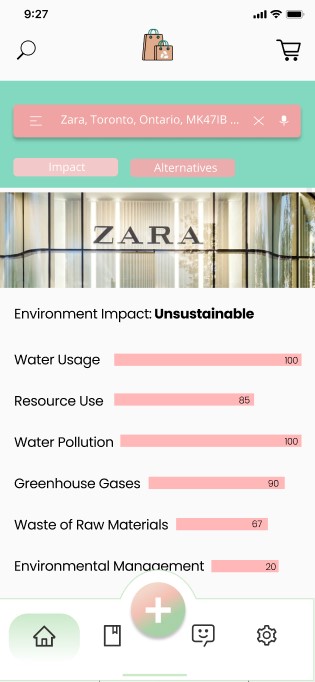
Donation Box Locator:uses Google Maps API to find the nearest location for users to donate their clothes. Clothing donation helps reduce waste of clothing by helping the clothes go to those that need it more. This also further helps reduce the waste of natural resources like electricity, water, oil and so on that would be used to manufacture brand new clothes.Store Scan:provides users with the option to learn about how their store selection is impacting the environment. Once the user takes a picture of the store, the app converts the data that it receives from the photo into text using computer vision technology. The store location can then be identified, and users are provided with information about how sustainable the store is. This is determined through numerous factors, such as water usage, resource use, environmental management, waste disposal, and much more. In addition, the user can look at alternative ethical store options, which helps to ease the transition to ethical shopping by helping them to make a better choice in where to purchase from.In the
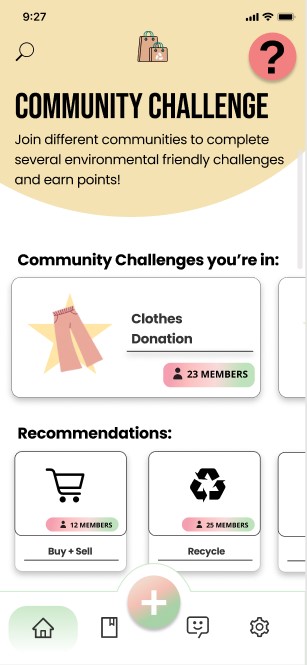
Community Challenge,the user can join different communities and complete challenges that help the environment. Once members of the community reach their goal, they not only help the environment, but they can also earn points. The more challenges the user participates in, the more points they can accumulate which will increase their rank on the leaderboard. This in turns allows them to earn a reward such as the ability to donate $50 to a climate change initiative of their choice.Triviaallows users to learn about how fashion contributes to the depletion of natural resources at an alarming rate and also allows them to earn points once per day upon login. These points contribute towards their overall challenge.
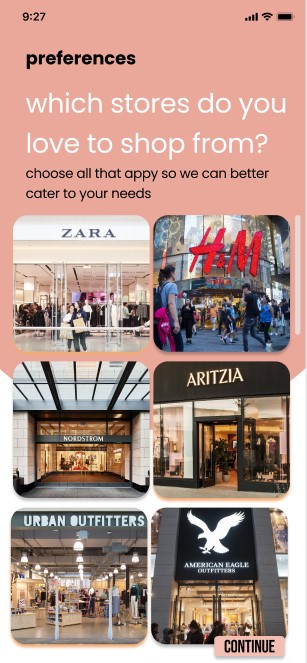
In addition to all this, when the user first launches the app, they’re asked to select stores that they normally shop from. This is done so that the app can understand the preferences of the user and deliver a personalized experience that suggests stores that offer similar products to the stores that they are accustomed to. Data is collected through the store scan feature to assess how users of one major retail store switch to an eco-friendly option. For example, if regular Zara customers scan the logo and buy from Frank and Oak, the app will collect that data and use it to improve suggestions of alternatives. This is to incorporate user data in a way that improves the user experience and makes it more likely for them to stick with the app and use more eco-friendly options instead of going back to their previous habits.
How we built it
We built this application using Figma!
Challenges we ran into
Our biggest challenge was the design of ecoshop. We were required to spend time to research design practices so that we could create a visually pleasing and user-friendly application. We also did not have much experience with Figma, thus, we were required to spend a couple of hours to become familiar with its features. Being a two member team, we struggled with time management. However, we were able to successfully design all our app features in the given time frame!
Accomplishments that we're proud of
We are incredibly proud that we created a prototype that can help improve the environment in a positive way. We realize that the fashion industry plays a large role in harming the environment, and hope that this app can prevent users from shopping at unsustainable stores. We are also super proud with the UI/UX design of our application, especially because we decided to challenge ourselves by using technologies that we have never worked with before.
What we learned
While brainstorming ideas, we learned a lot about how the fashion industry affects the environment. We also learned a lot about UI/UX design by researching design practices, attending workshops, and watching numerous video tutorials. :)
What's next for ecoshop
We want to make a functioning app for users, so that they can help the environment and make a positive change!
Sources
- https://www.sustainyourstyle.org/old-environmental-impacts
- https://www.bbc.com/future/article/20200310-sustainable-fashion-how-to-buy-clothes-good-for-the-climate
- https://www.weforum.org/agenda/2020/01/fashion-industry-carbon-unsustainable-environment-pollution/
- https://www.resourcepanel.org/reports/global-resources-outlook
- https://www.theworldcounts.com/stories/depletion-of-natural-resources
Built With
- audacity
- canva
- figma
- finalcutpro
- photoshop


Log in or sign up for Devpost to join the conversation.