Inspiration
The project is inspired by the Global Methane Pledge made at COP26 which agrees to reduce global methane emissions by at least 30% by 2030. The project focuses on reducing landfill emissions caused by paper, plastic and biowaste degrading without oxygen, as this emits huge amounts of methane. This is important as methane has a global warming potential 30 times greater than CO2 over 100 years so preventing uncontrolled emission from landfills is key
What it does
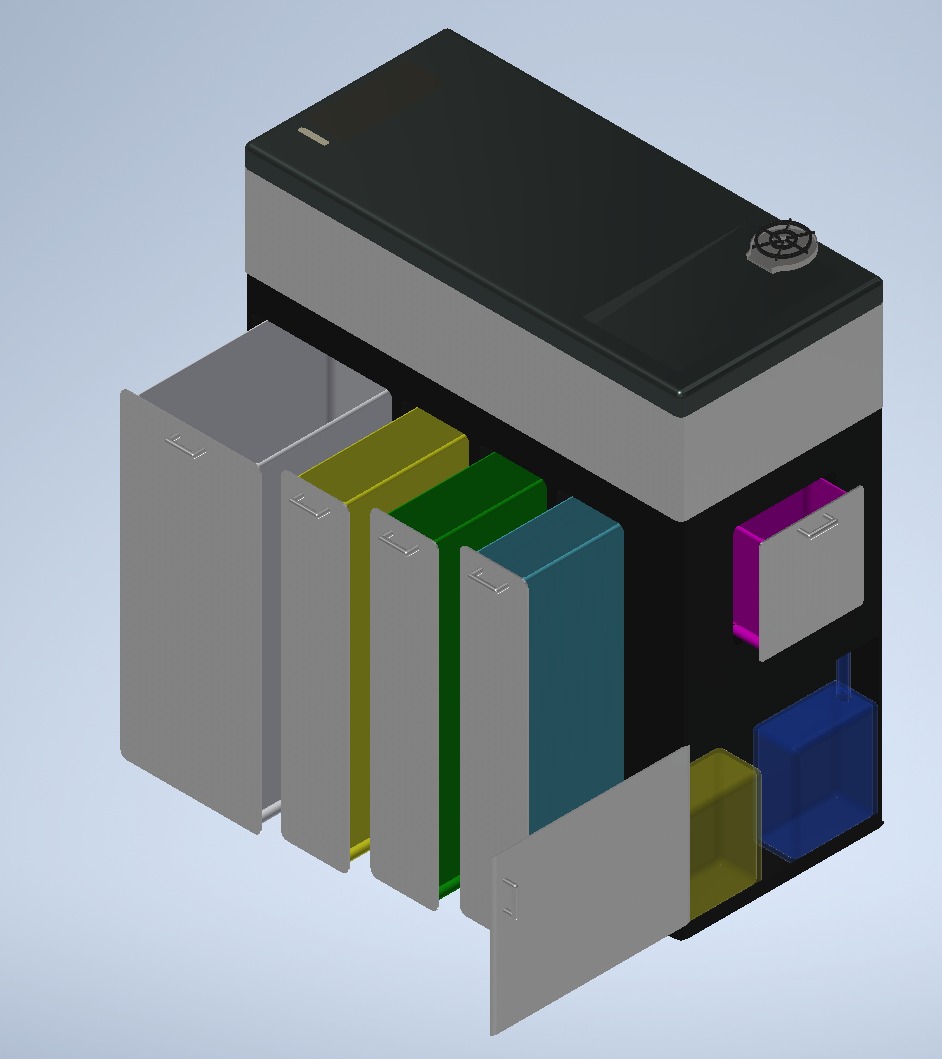
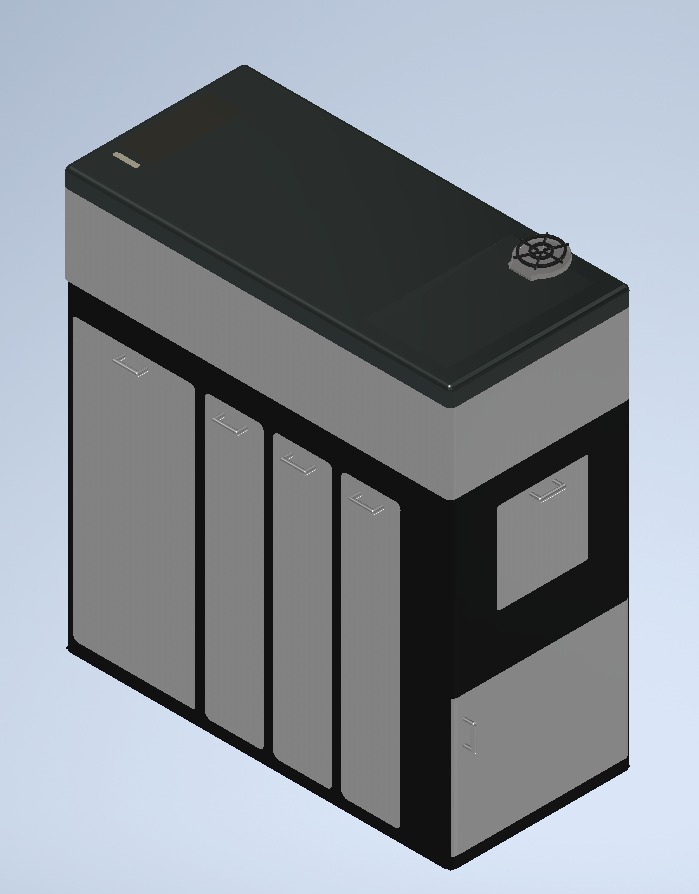
Automatically detects, sorts, and cleans recyclables like plastic, metal, and glass to prevent contamination and improve recycling efficiency and methane emissions from landfill waste
How we built it
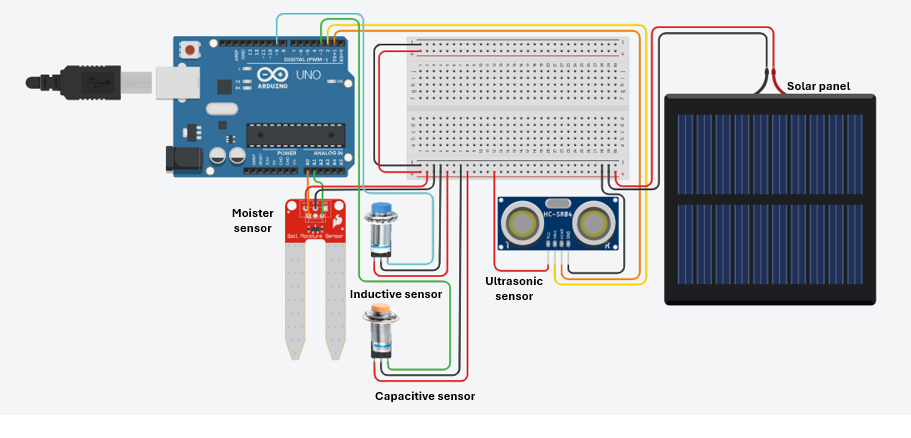
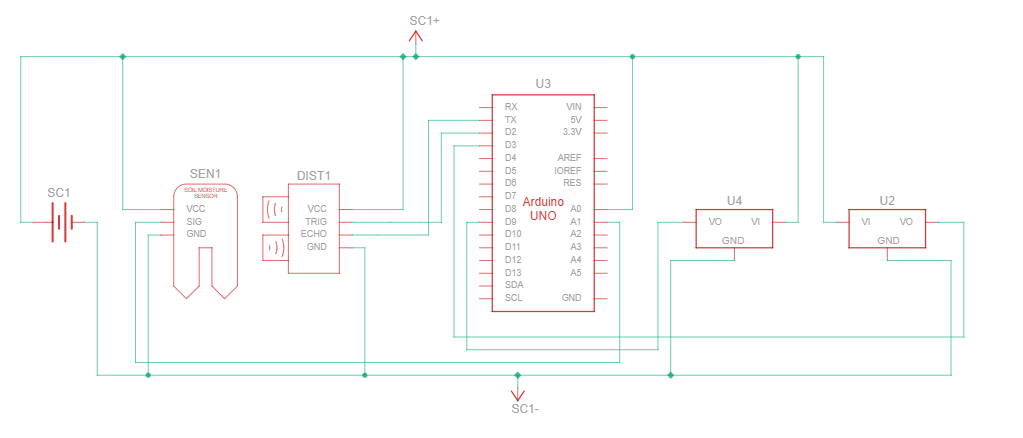
We developed a sensor-driven system integrated with algorithms that identify and sort materials, ensuring the bin works efficiently while maintaining affordability for users. The system is designed to prevent food waste and recyclables from contributing to methane emissions.
Challenges we ran into
The key challenge was ensuring the sensor's accuracy to differentiate between materials while keeping the system cost-effective and scalable for widespread use. We also had to ensure that the bin could handle diverse waste types, particularly unwashed recyclables.
Accomplishments that we're proud of
Washing system, CAD designs and solutions to sensor issues
What we learned
We learned about material detection algorithms and the challenges of planning for varied use (ie. a load of things go in bins)


Log in or sign up for Devpost to join the conversation.