Inspiration
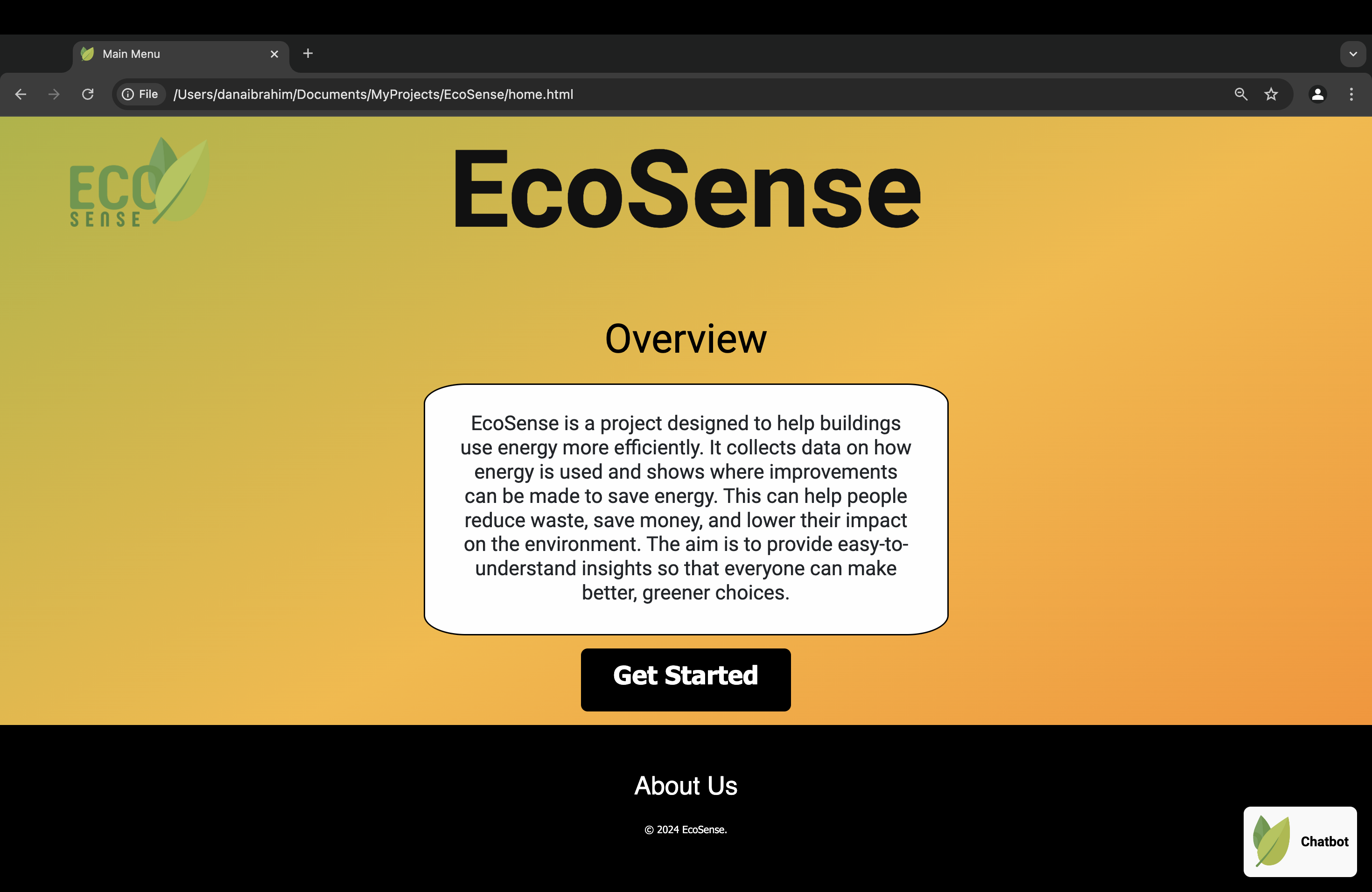
The inspiration behind EcoSense came from the pressing need to optimize energy efficiency and reduce the carbon footprint of buildings. By leveraging data analysis, we aim to empower users to make informed decisions to minimize energy consumption, enhance efficiency, and promote sustainable practices.
What it does
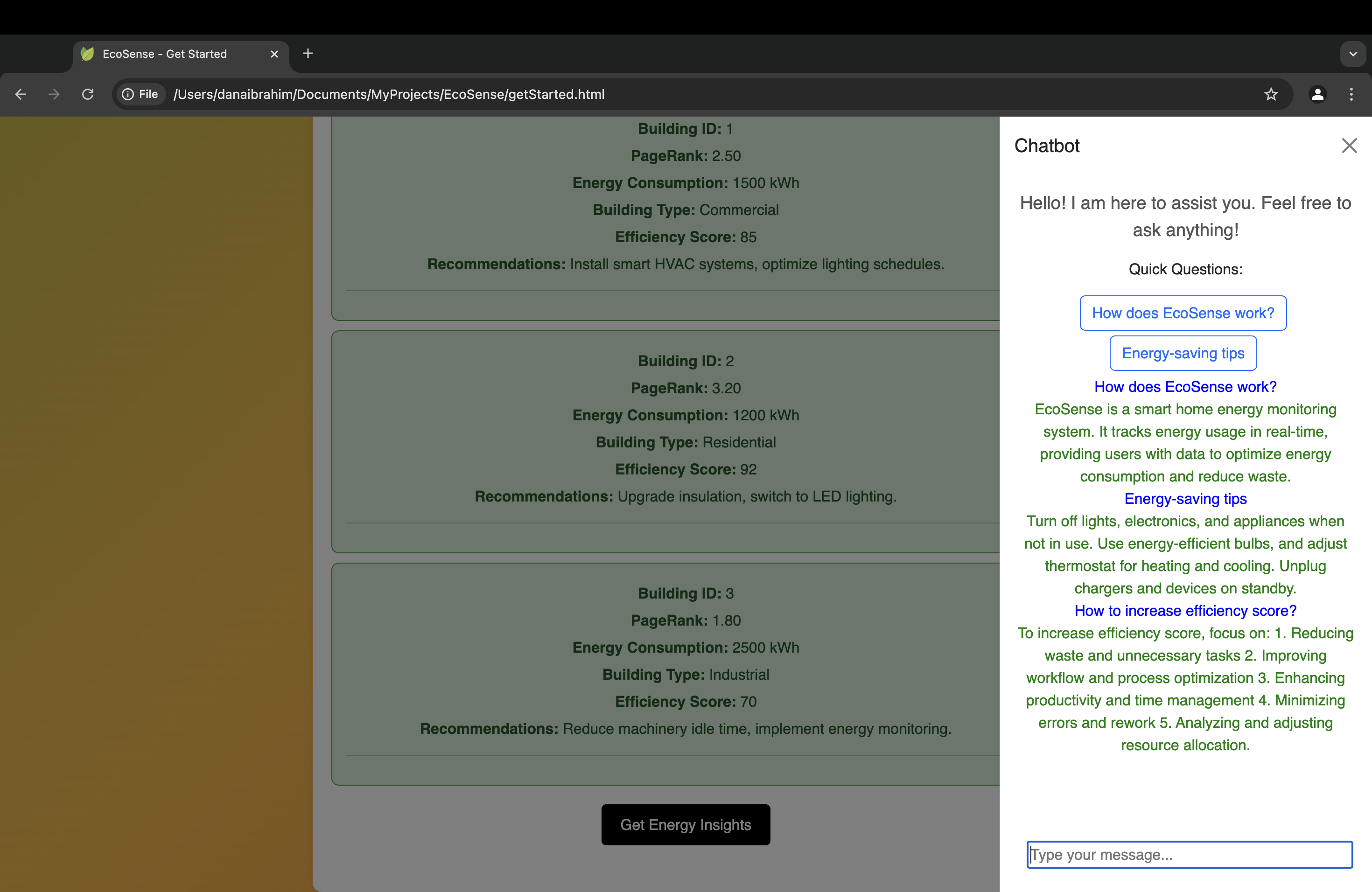
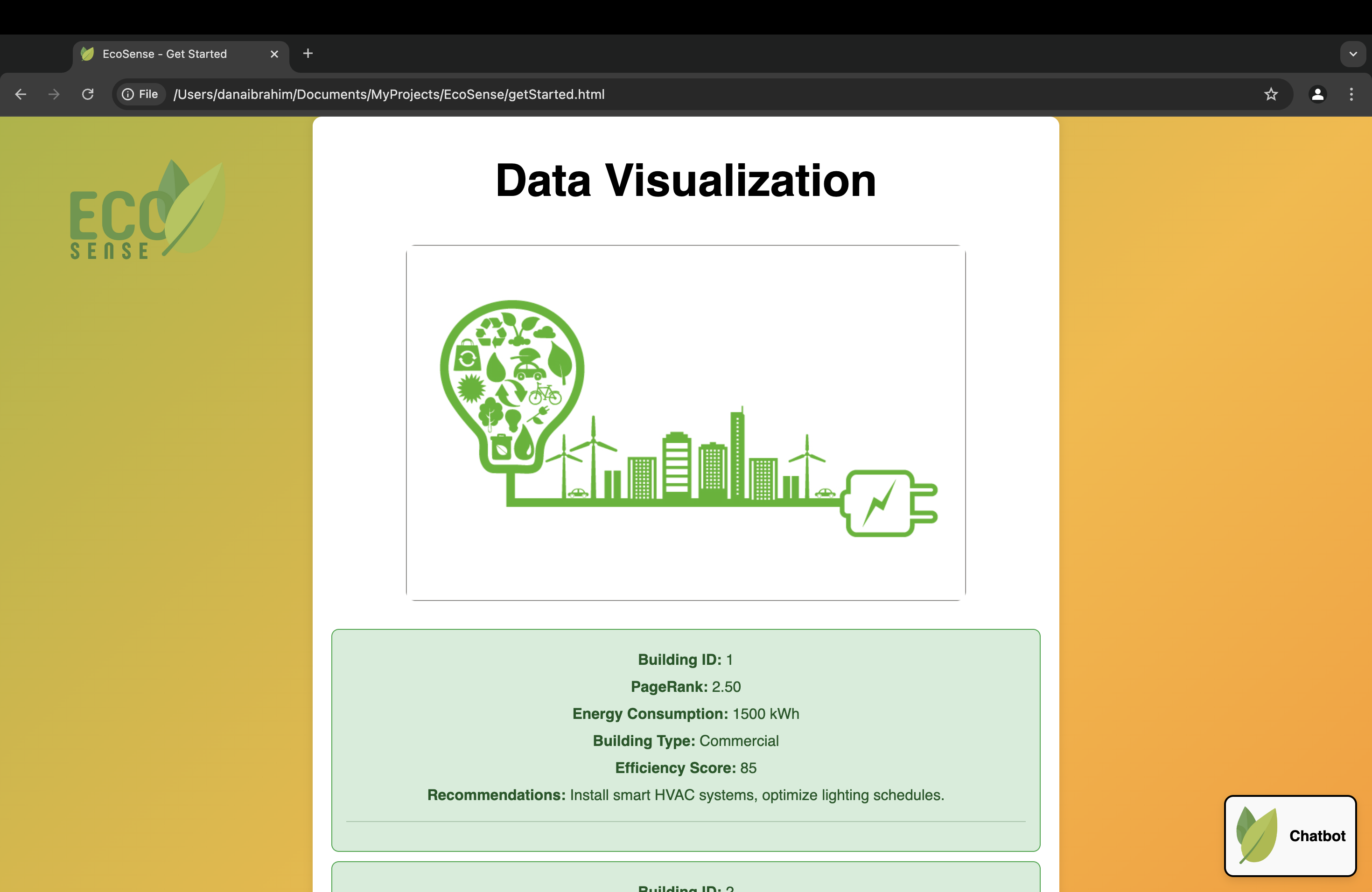
EcoSense is a platform designed to provide actionable insights on building energy efficiency. It uses simulated data to analyze metrics like energy consumption, efficiency scores, and optimization recommendations. The platform displays these insights through a user-friendly dashboard, helping users make data-driven decisions for improved energy management.
How we built it
- FastAPI: Used to create a robust backend API that serves the simulated energy data.
- Python: Leveraged for data simulation, processing, and managing insights.
- Docker: Containerized the application to ensure a seamless and reproducible deployment process.
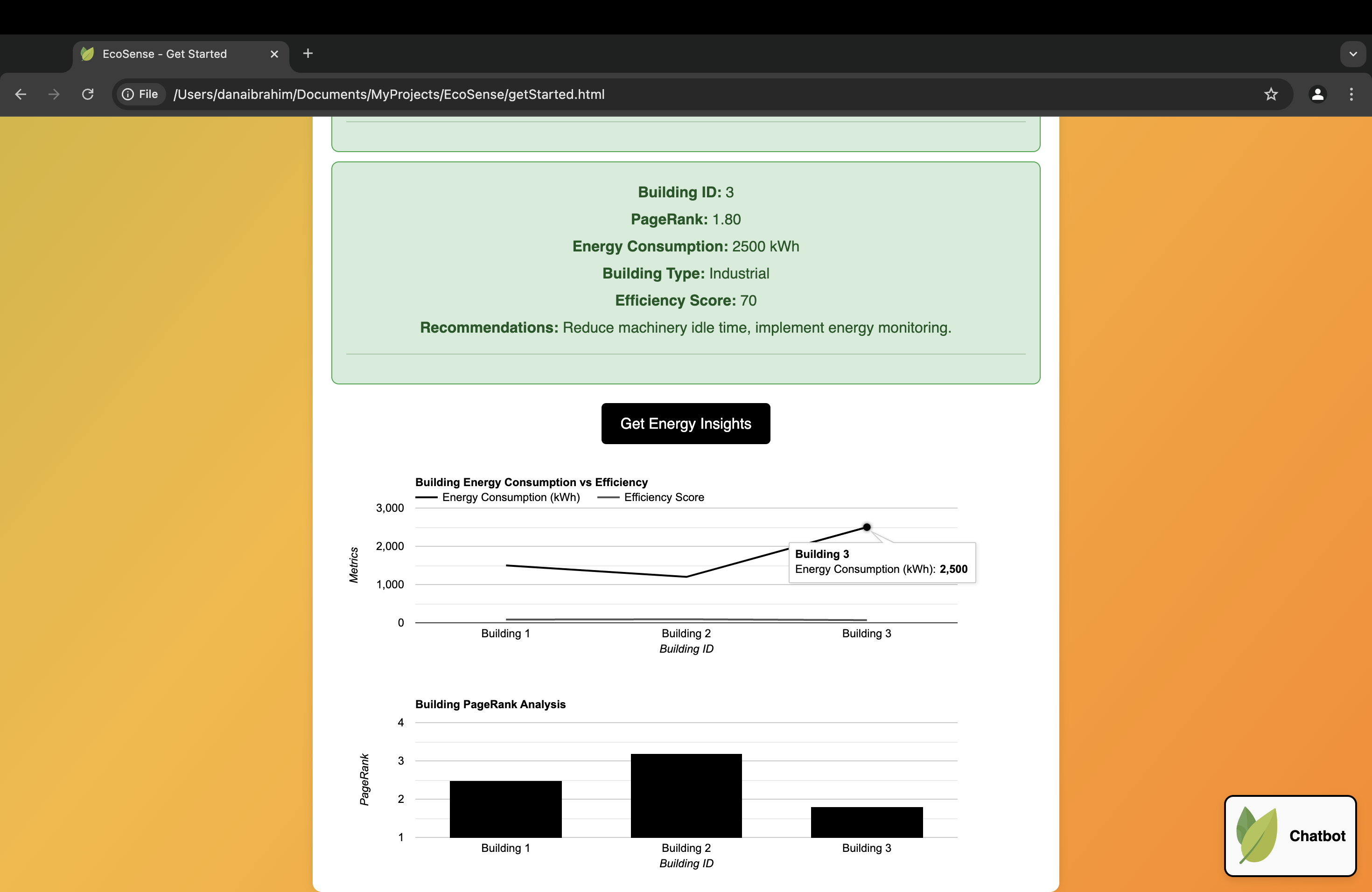
- Google Charts API: Implemented to visualize the data insights on a dynamic dashboard.
- HTML/CSS & JavaScript: Frontend technologies used to create a clean and responsive user interface.
Challenges we ran into
- Data Simulation: Creating realistic energy consumption data while keeping it consistent was challenging.
- Data Visualization: Integrating Google Charts API to display the insights required learning new techniques to make the visualizations clear and engaging.
- Containerization: Setting up Docker to run multiple components together (like the FastAPI backend and frontend) presented some initial hurdles.
- Frontend Integration: Ensuring that the data fetched from the backend was displayed properly on the frontend and that the UI remained responsive.
Accomplishments that we're proud of
- Developed a user-friendly dashboard with clear visualizations for energy insights.
- Successfully containerized the entire application using Docker, making it easy to deploy and share.
- Achieved a smooth integration between the FastAPI backend and the Google Charts frontend.
- Created a scalable architecture that can be extended with real-time data sources in the future.
What we learned
- How to build a full-stack application using FastAPI, Docker, and JavaScript.
- The importance of data visualization in conveying insights effectively.
- Gained experience in containerization with Docker to streamline development and deployment.
- Enhanced skills in frontend-backend integration and API development.
What's next for EcoSense
- Expanding the data sources to include real-time IoT data for a more dynamic dashboard.
- Adding predictive analytics to forecast energy consumption patterns and provide proactive recommendations.
- Enhancing the user interface with more customizable charts and filters.
- Exploring database integration (like Apache Cassandra or PostgreSQL) for persistent data storage.
- Implementing machine learning models to generate more personalized efficiency recommendations.


Log in or sign up for Devpost to join the conversation.