-
-
Logo
-
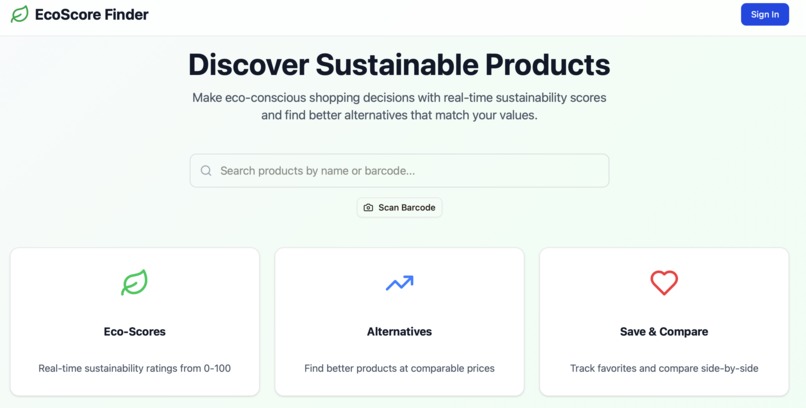
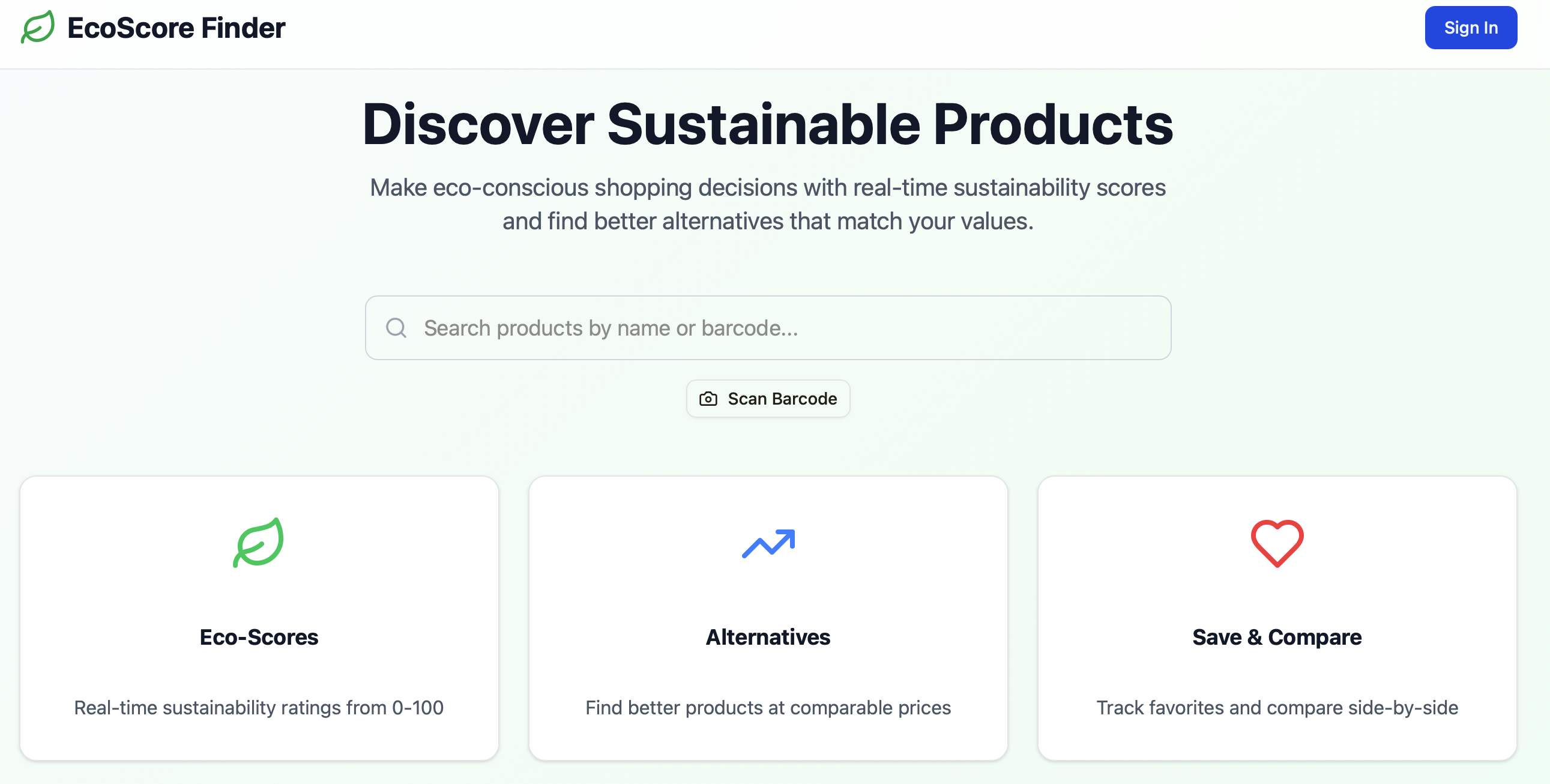
Main webpage
-
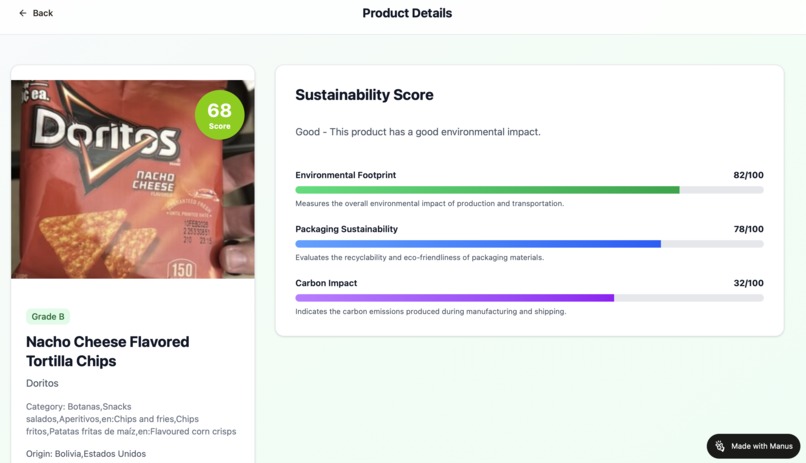
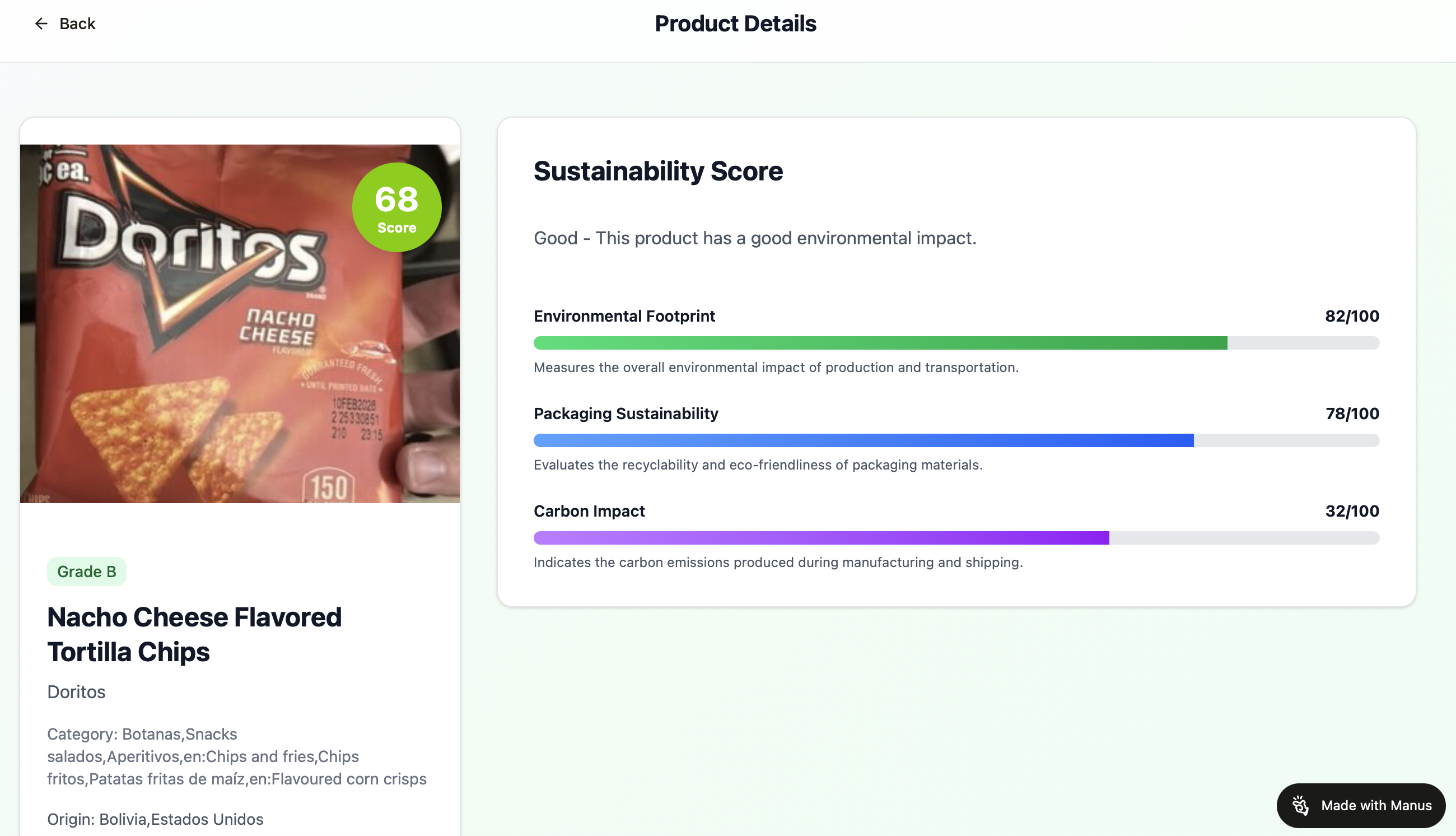
Scanned product details
-
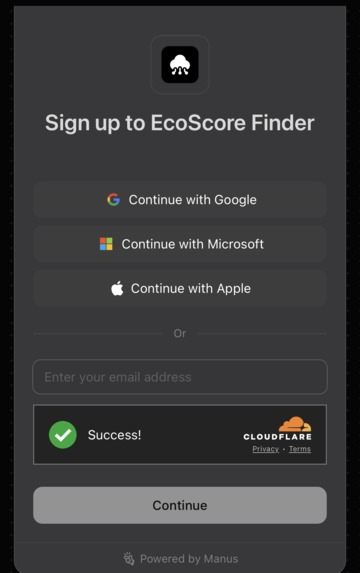
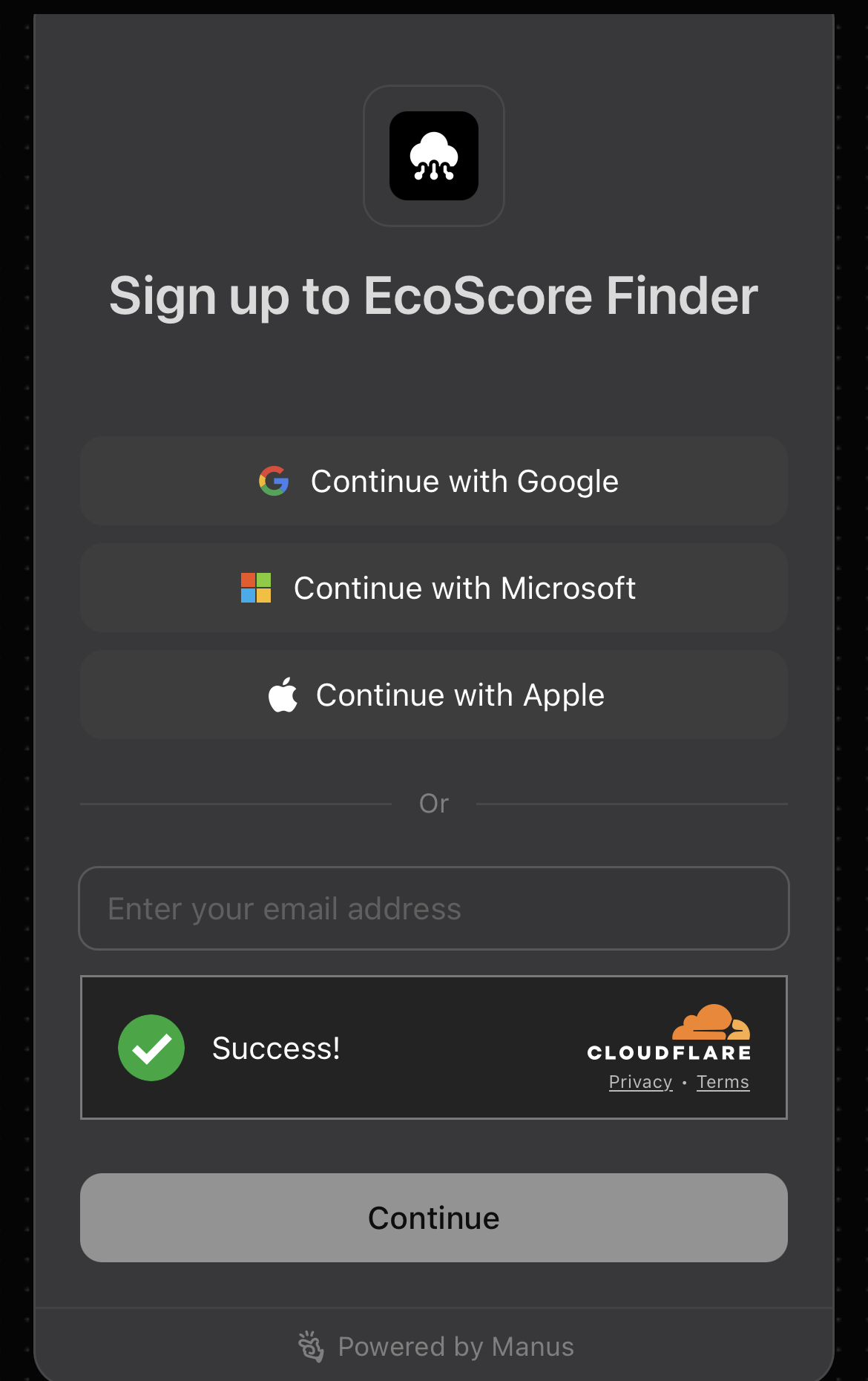
Sign in page
-
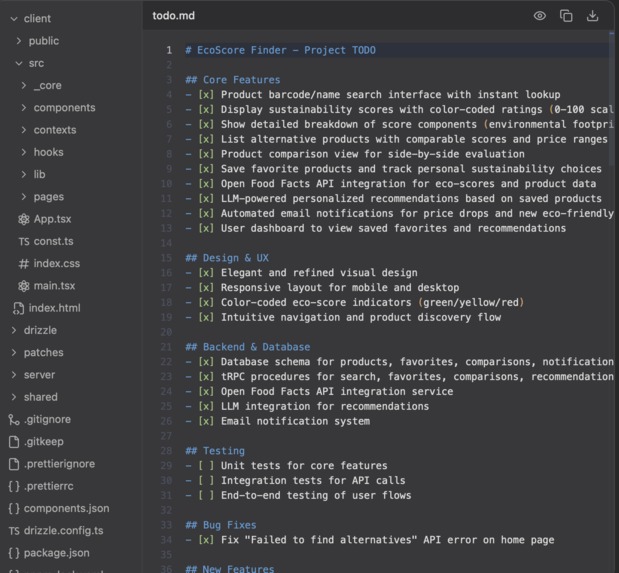
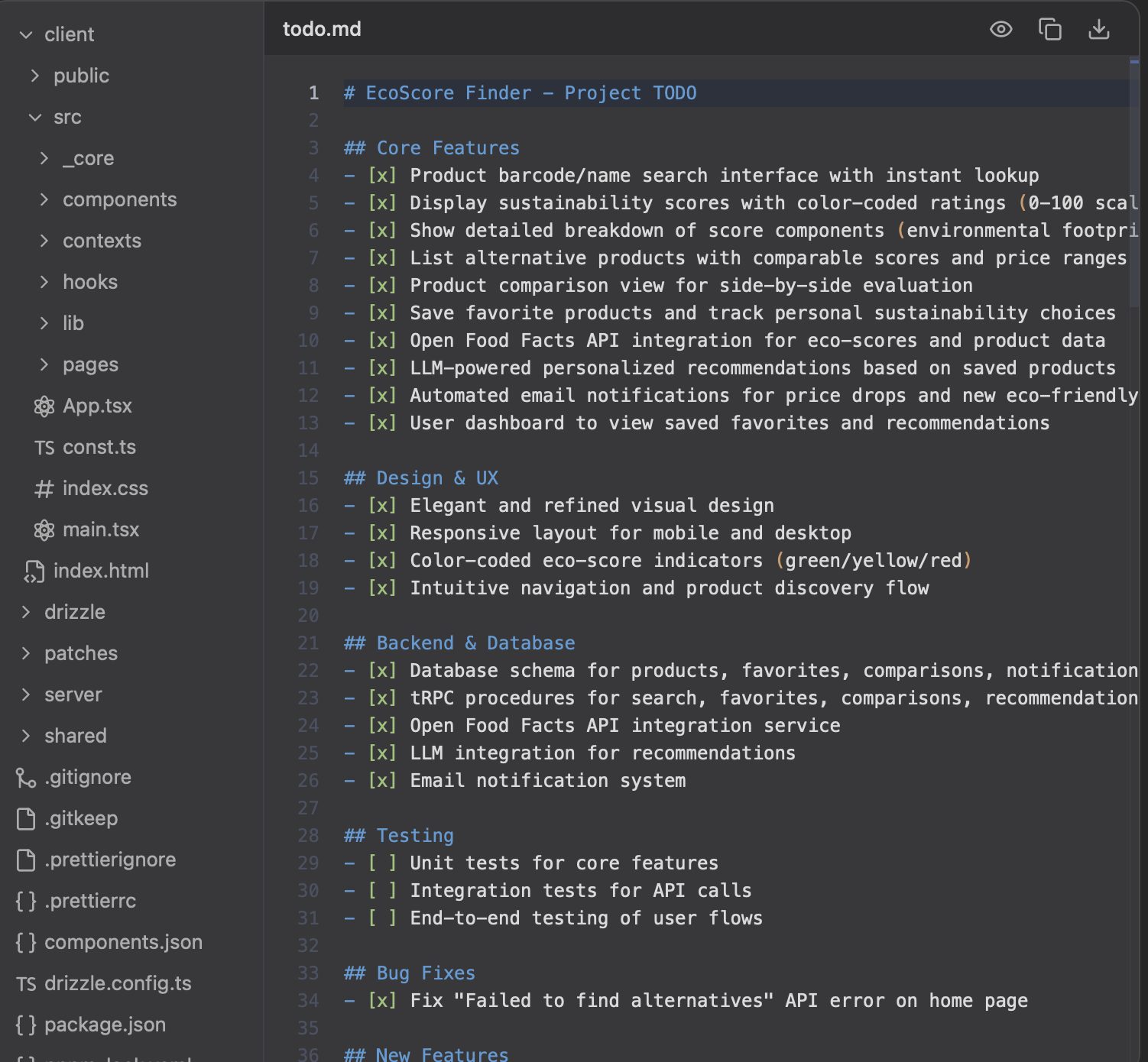
Code Used
-
Inspiration
We were inspired by apps like Yuka that empower consumers to make healthier choices, but we noticed a gap in sustainability-focused product comparison. With climate change accelerating and greenwashing becoming more prevalent, we wanted to create a tool that cuts through marketing claims and gives people honest, data-driven insights about the environmental impact of their everyday purchases. Our goal was to make sustainable shopping accessible and affordable—proving that better choices don't have to cost more.
What it does
EcoScore analyzes products across multiple sustainability dimensions—carbon footprint, water usage, packaging recyclability, ingredient sourcing, and ethical practices—then generates an overall score from 0-100. But we go beyond just scoring: the platform recommends concrete alternatives at similar price points, showing users exactly how much better each option is. For example, if you scan Nutella, we'll show you that Nocciolata Organic has a 43% better sustainability score for just 50 cents more. This empowers conscious consumerism without the premium price barrier.
How we built it
We built EcoScore as a responsive web application using Manus, which implemented vanilla HTML, CSS, and JavaScript to ensure fast performance and accessibility. The frontend features a nature-inspired design with earthy colors, smooth animations, and an intuitive interface. Manus created a mock database structure that demonstrates how real environmental impact data would be organized—pulling from categories like carbon emissions, water consumption, packaging materials, and supply chain transparency. The scoring algorithm weighs these factors to produce actionable sustainability ratings.
Challenges we ran into
Our biggest challenge was determining how to weigh different sustainability factors fairly. Is carbon footprint more important than water usage? How do we account for regional differences in impact? We also grappled with data accuracy—real-world implementation would require partnerships with environmental databases, certification bodies, and lifecycle assessment organizations. Another challenge was balancing information density with usability; we wanted to provide detailed metrics without overwhelming users. Finally, ensuring price parity in alternatives required careful consideration of value propositions beyond just cost.
Accomplishments that we're proud of
We're proud of creating an interface that makes complex environmental data feel approachable and actionable. The design strikes a balance between being informative and beautiful—using organic aesthetics that reinforce the sustainability message without feeling preachy. We're especially proud of the alternative recommendation system, which doesn't just show "better" options but contextualizes them with specific improvements and honest pricing. The smooth animations and responsive design create an experience that feels polished and professional, demonstrating that sustainability tools can be as refined as mainstream shopping apps.
What we learned
We learned that sustainability is multidimensional and nuanced—there's rarely a "perfect" product, just better trade-offs. We discovered the importance of transparency in scoring systems; users need to understand why a product scores the way it does. From a technical perspective, we learned how to create data visualizations that communicate complex information quickly through color coding, progress bars, and hierarchical information design. We also learned that price sensitivity is real, and sustainable alternatives must be financially accessible to drive real change.
What's next for EcoScore
Next, we plan to integrate with real environmental databases like Ecoinvent and the Environmental Working Group, and partner with certification bodies for verified data. We want to add barcode scanning functionality using device cameras for seamless in-store use. A personalized recommendation engine could learn user preferences and dietary restrictions. We're exploring a browser extension that shows EcoScores while shopping on Amazon or grocery delivery apps. Community features like user reviews, photos, and local alternative suggestions would add crowdsourced intelligence. Long-term, we envision B2B partnerships with retailers to integrate EcoScore directly at the point of sale, and a mobile app with offline functionality for areas with poor connectivity. Our ultimate goal is to make sustainable choices the default, not the exception.
Built With
- manus


Log in or sign up for Devpost to join the conversation.