Inspiration: When we hear "sustainability" or "climate change," we always imagined it in a global spectrum. However, we realized our actions also impact the environment. Therefore, we decided to create a web application for users to understand the impact they, individually, have on the environment and how they can reduce their impact.
What It Does: The challenge with sustainability we addressed is the lack of understanding of how much one person impacts the environment. We believe that small steps to achieve environmental justice become great when multiplied by seven billion, but for that to happen, people need to realize the impact they are individually causing to the environment. We address this challenge by creating a personalized dashboard for users to locate their carbon footprint, water usage, and plastic waste; by understanding the impact people have on the environment, as individuals, we can show people how they can benefit the environment, and work closer together to improve our environment.
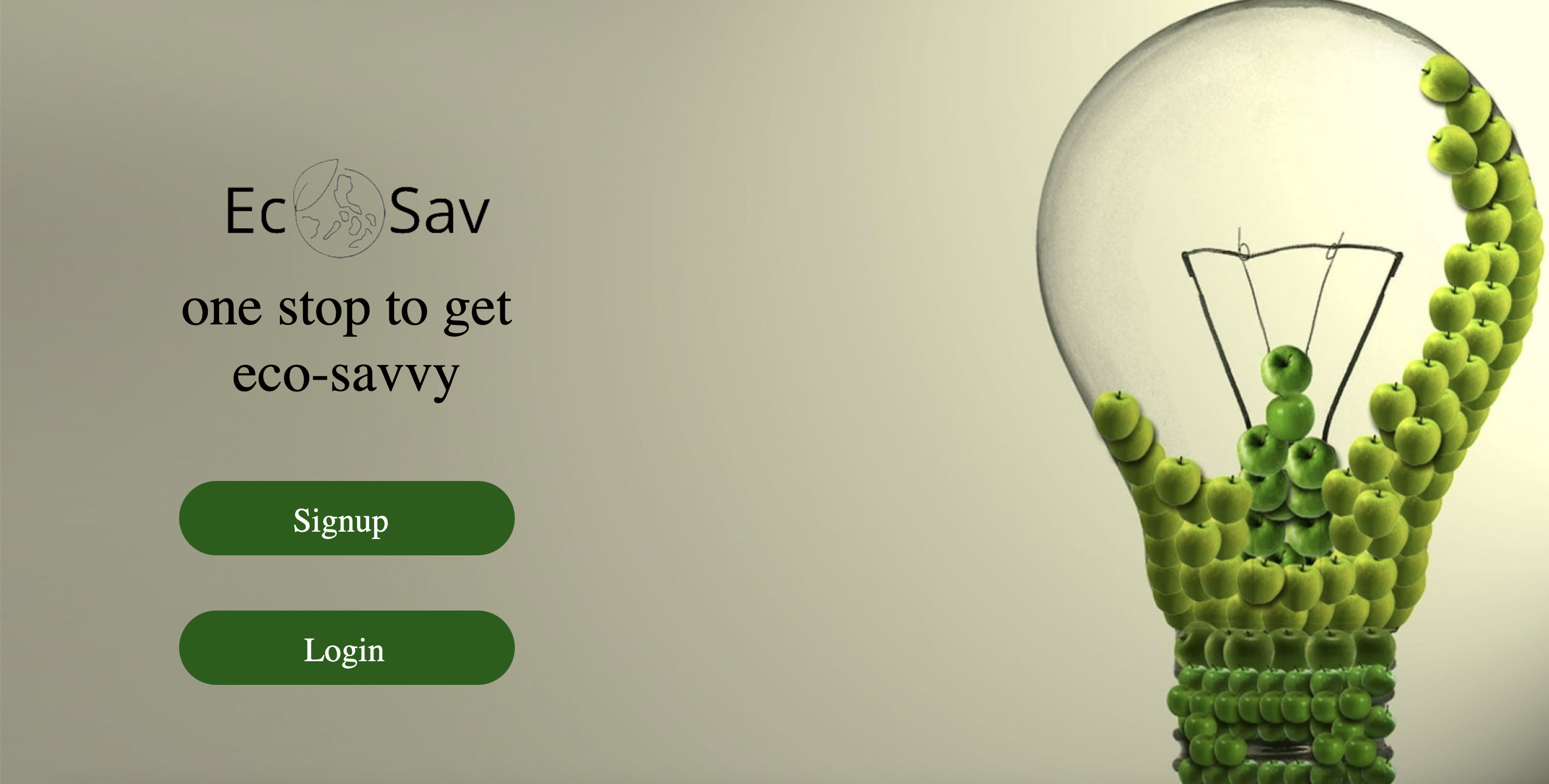
We used HTML, CSS, and JavaScript in Glitch to create our webapp. First, we have our homepage where people can login or create an account, as well as learn about carbon footprint, water use, and plastic waste. Since our login system is very simple, anyone, starting from kids to adults, can use our webapp to track their impact on the environment. The webapp is self explanatory and doesn’t require training to use. The feasibility and availability of our webapp is very high.
Users can either create an account or login. Next, we are taken to a dashboard where we can select from measuring our carbon footprint, water use, and plastic usage.
First, in the Carbon Footprint page, there is a quiz the user can fill out every day or once in a while to track their carbon footprint overtime. The quiz is helpful because it doesn’t harm the environment in any way; instead, this quiz informs people of their impact on the environment as an individual and what options will decrease their carbon footprint.
Next, there is a water use tracker. As default, we have 4 liters of water as the target but users can change their target. This page allows the user to track how much water they are using up in a day. Many people, especially in cities, take water for granted, but by measuring how much water is used, our webapp illustrates an individual's impact on the environment without harming the environment. By tracking water usage, users will also try to reduce their water consumption seeing how much water they’re using.
Finally, we have a page for users to track plastic waste near them. By seeing how much plastic is near them, in their oceans and rivers, users will understand that they are also contributing to the global plastic waste, inspiring them to reduce their plastic usage. Let’s demo: first, we can select what we want to see and view the legend for that item. Next, we can search our location. For example, if the user lives in Manila, Philippines, they can search it and plastic results in that location will come up.
How We Built It: HTML, CSS, JavaScript, Glitch, Figma
Our Experience: Our biggest challenge for this project was designing the webapp, such that it is easily accessible and user friendly. To achieve this we used Figma to design our web application and then coded it. This event, and our project, taught us when trying to make an impact, always start from the smallest level, which in this case are individuals. By overlooking the smallest level causing an issue, the benefits of our solution may not be equivalent to the effort, and we avoided that in our project.
When we mention climate change, or environmental sustainability, people are mainly looking for solutions to directly help the environment. However, our webapp, ecosav trains users to become eco-savvy by learning their impact on the environment. By illustrating individuals’ impact on the environment, we can inspire them to take actions reducing their impact, an instance that is always overlooked. We address the misconception that one person doesn’t play a big role in climate change because small steps to achieve environmental justice become great when multiplied by seven billion.
What's Next For EcoSav: An add-on to the dashboard for users to see how their carbon footprint, water usage, and plastic waste in their area has changed over time, and more tracking of more elements of sustainability.


Log in or sign up for Devpost to join the conversation.