Inspiration
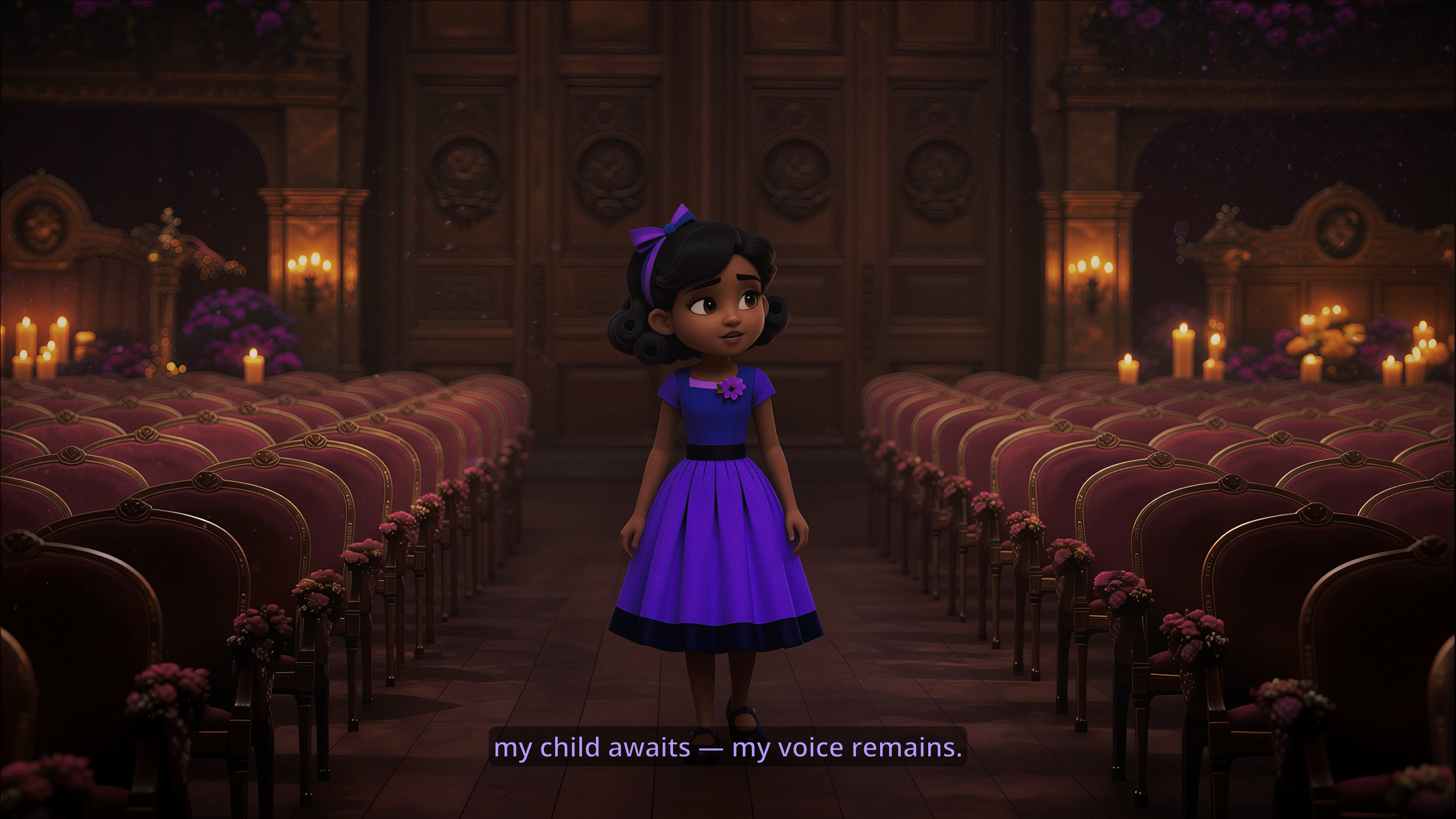
This short film was inspired by a question that stayed in my head for years: What happens to our voice when someone we love is gone?
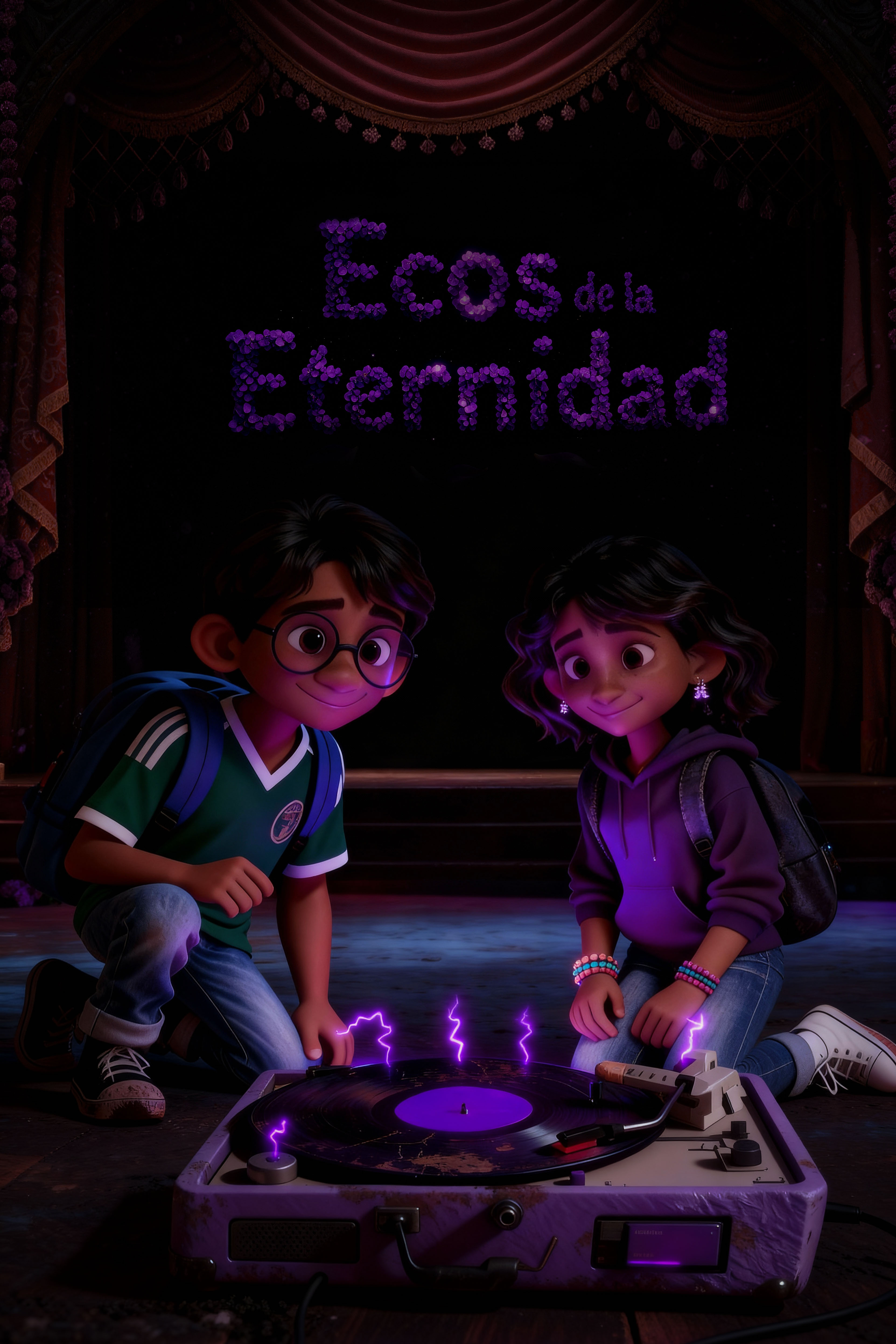
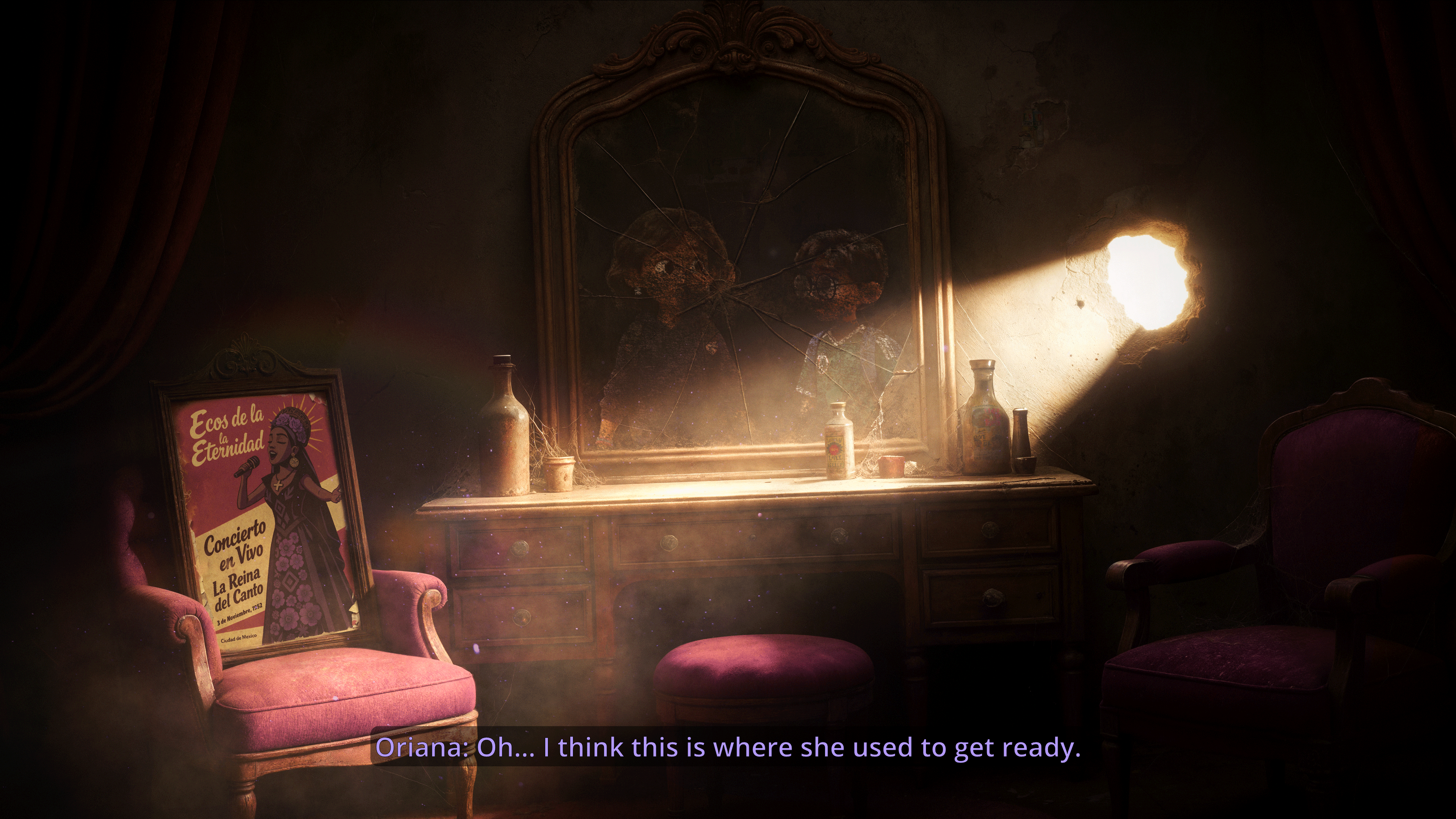
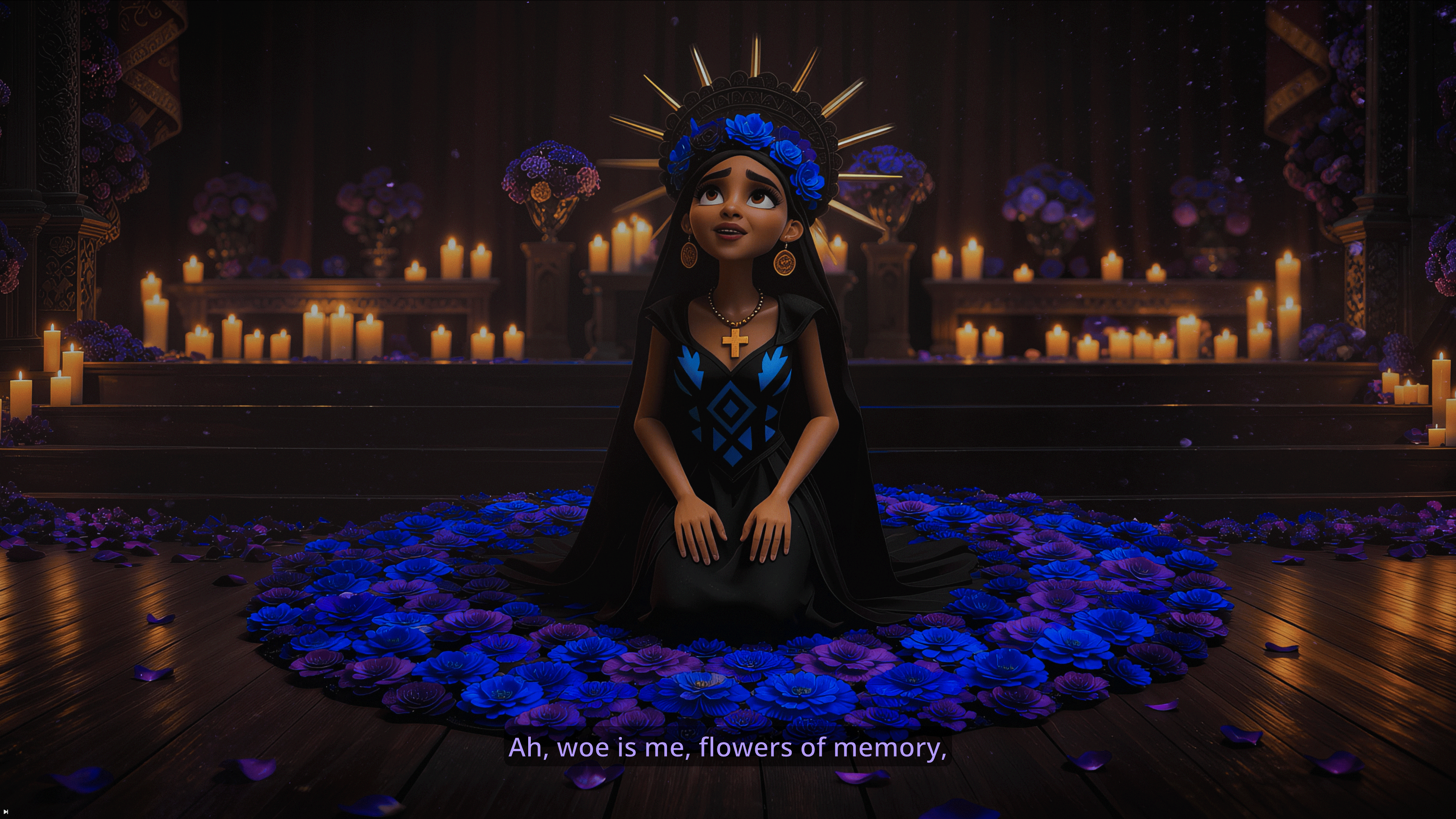
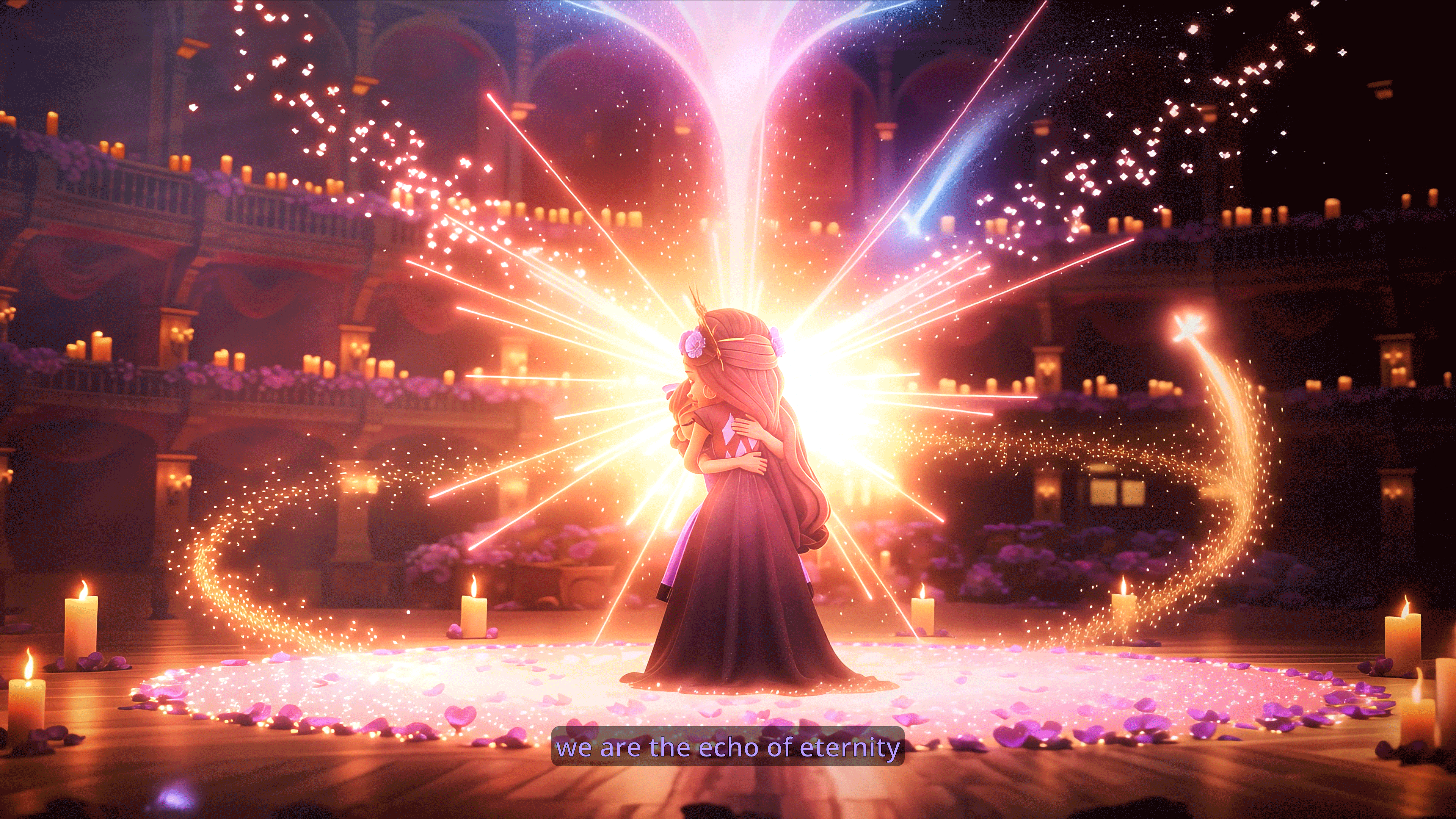
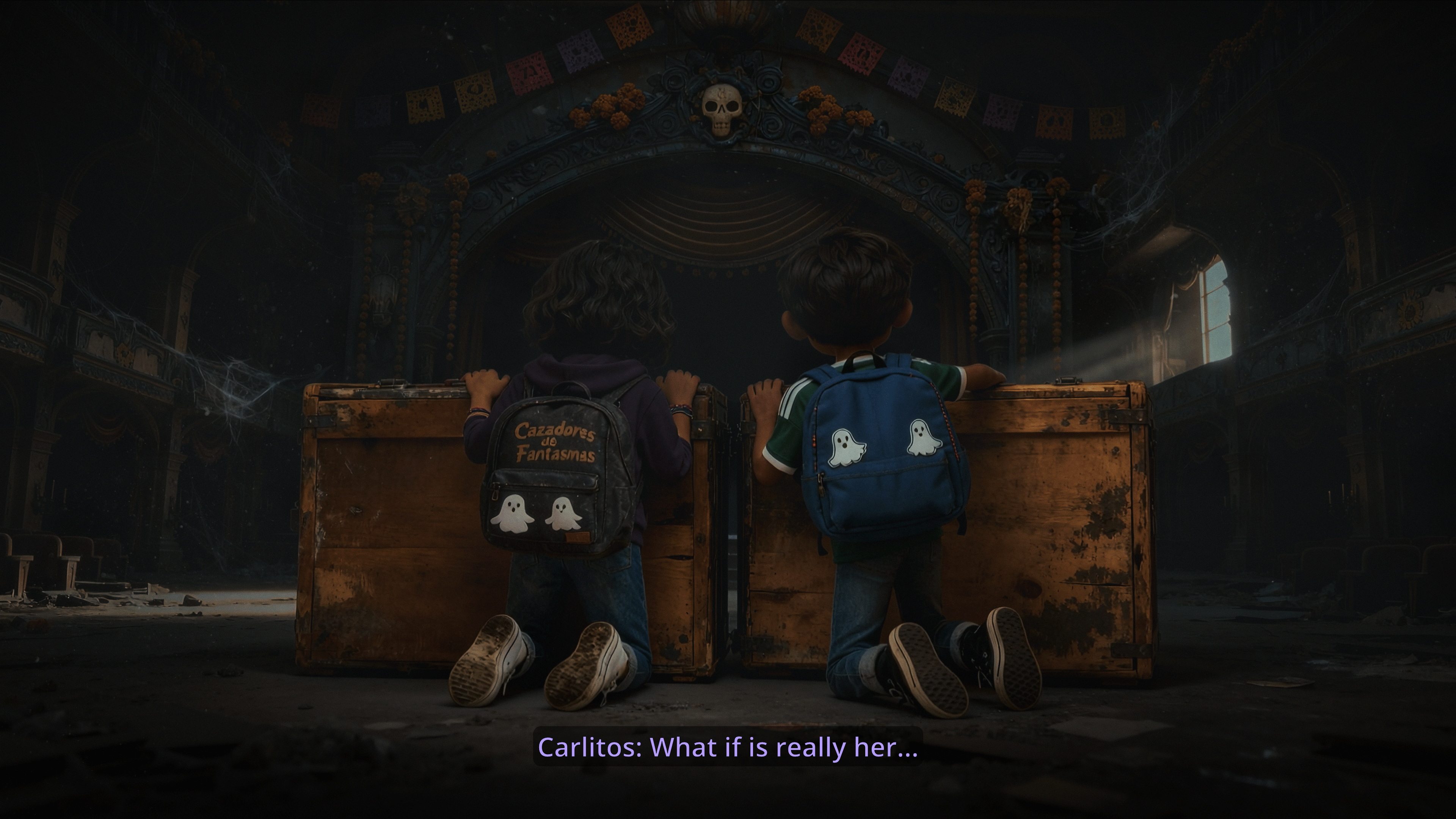
Growing up in a Latin culture, music and memory are deeply tied to grief. We don’t just mourn — we sing. Ecos de la Eternidad (Echoes of Eternity) was born from the idea that a song can travel beyond life, and that memories might be the real bridge between worlds. It blends poetic storytelling with Día de Muertos symbolism and modern technology.
How I Built It
The film was created using a hybrid AI and cinematic workflow, with Griptape Nodes at the center to orchestrate tools, prompts, logic, and visual consistency. From there, I combined multiple AI models with traditional film software to build a structured pipeline capable of artistic control and emotional storytelling.
Core Pipeline
Griptape Nodes – used to connect tools, manage prompts, automate iterations, and structure JSON-based shot instructions.
GPT – for writing prompts, character development, dialogue adaptation, and refining cinematic language.
Kling AI & VEO 3.1 – for video generation and key emotional performance shots.
FLUX, Seedream & Qwen Nano Banana – for character visuals, atmosphere, and 3D painterly style image generation.
Voice and Sound
ElevenLabs – to generate voice acting with emotional performance.
Suno AI – used to compose an original soundtrack with Latin influence and poetic mood.
Visual and Post-Production
Photoshop – for asset cleanup, matte painting, and visual refinement.
DaVinci Resolve – for composition, grading, and final assembly of the film.
This approach allowed me to maintain artistic intent while using AI tools as collaborators rather than replacements, merging cinematic storytelling with emerging generative technologies.
Challenges
Training AI models to maintain character consistency across scenes Keeping the emotion natural while using synthetic animation Finding a visual language for grief without showing violence or sadness directly Building a pipeline that combines AI tools + traditional film techniques Making a 3D spirit character that felt gentle, magical, and human
What I Learned AI is not replacing creativity — it augments it when the intention is strong. Emotion can be translated into data if the cinematic language is clear. The future of filmmaking will be a conversation between artists and algorithms. A good story still starts with a pencil and a question: “What if memory could speak?”

Log in or sign up for Devpost to join the conversation.