-
-
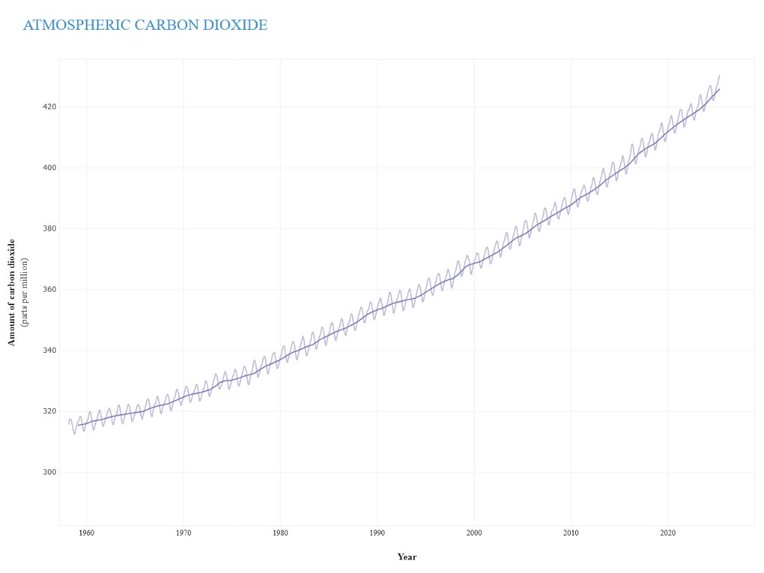
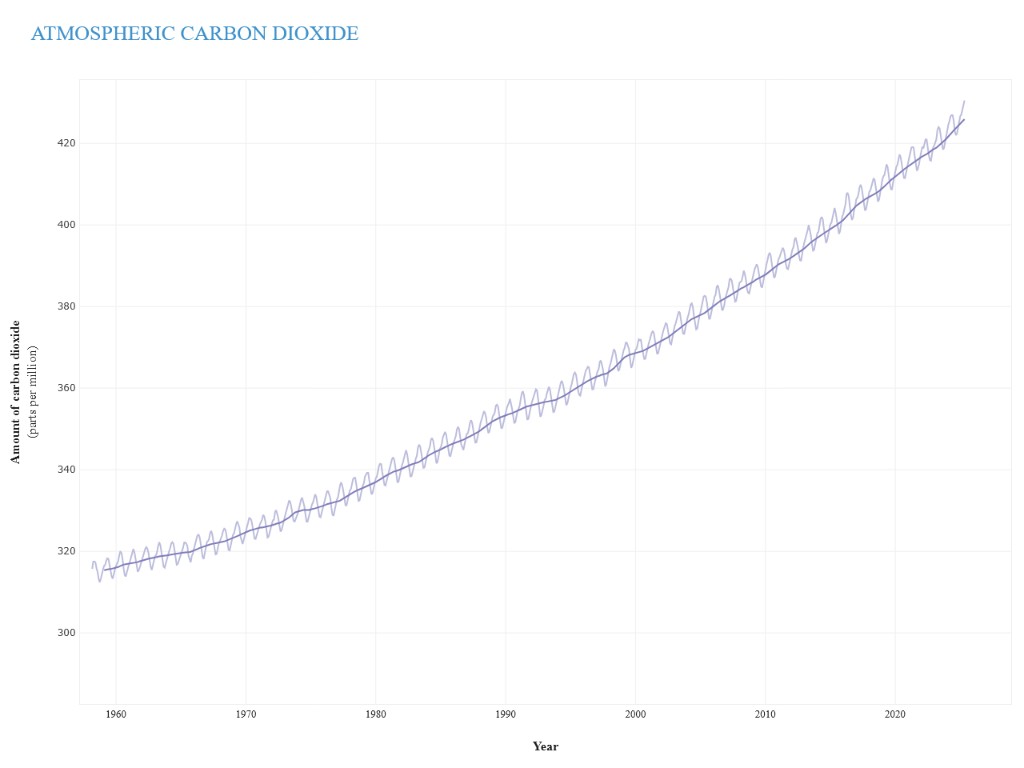
co2 emission over the years
About the Project
Inspiration
Climate change is often discussed at a global scale, using large statistics such as total emissions or rising temperatures. However, there is a disconnect between this global perspective and individual understanding. Most people are aware that climate change is a serious issue, but they do not clearly understand how their everyday choices—such as commuting or food habits—contribute to it.
This gap between awareness and actionable understanding inspired us to build a system that translates daily behavior into measurable environmental impact.
What We Built
We developed CarbonSense AI, an intelligent carbon footprint analysis platform that helps users understand and reduce their environmental impact.
The system allows users to:
- Input daily habits related to transport and food
- Calculate their carbon footprint using real-world emission factors
- Simulate changes in behavior and observe their impact
- Receive personalized, data-driven recommendations
- View their impact through an eco score and structured insights
The goal was to move beyond simple calculation and provide a tool that supports informed decision-making.
How We Built It
The project combines data modeling, simulation, and AI-driven insights into a single system.
We implemented:
- A carbon calculation engine based on standard emission factors
- A simulation model to evaluate the impact of behavioral changes
- A scoring system to quantify sustainability levels
- An AI-powered explanation layer to make results easier to understand
- A responsive interface with dynamic visual feedback
All components are designed to work together, ensuring that outputs remain consistent and logically derived from user inputs.
What We Learned
This project helped us understand how to translate complex environmental data into practical applications.
We learned:
- How to design systems that balance accuracy with usability
- The importance of structuring data to support both computation and explanation
- How AI can be used to enhance clarity rather than replace logic
- The role of user experience in influencing behavior and engagement
Challenges We Faced
One of the primary challenges was maintaining accuracy while keeping the system simple and intuitive.
We needed to:
- Ensure emission calculations remained realistic
- Avoid oversimplification of environmental data
- Maintain consistency across calculations, simulations, and outputs
- Integrate multiple components into a seamless workflow
Another challenge was making the system engaging without compromising clarity, which led us to incorporate structured insights and visual feedback.
What We Achieved
The final system includes:
- A real-time carbon footprint calculator
- A behavioral simulation engine
- A structured recommendation system
- An AI-based explanation component
- An interactive dashboard for visualization
The result is a tool that helps users understand not only their impact, but also the specific steps they can take to reduce it.
Final Goal
The objective of this project is to enable individuals to make informed decisions about their environmental impact.
By connecting personal behavior with measurable outcomes, the system aims to encourage practical and scalable changes that contribute to reducing overall carbon emissions.

Log in or sign up for Devpost to join the conversation.