-
-
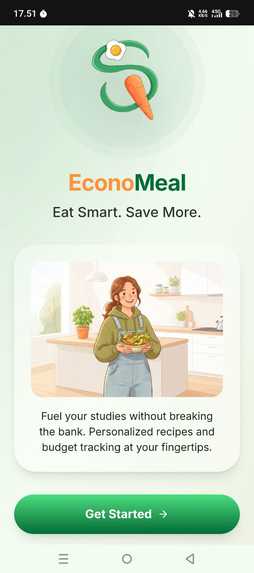
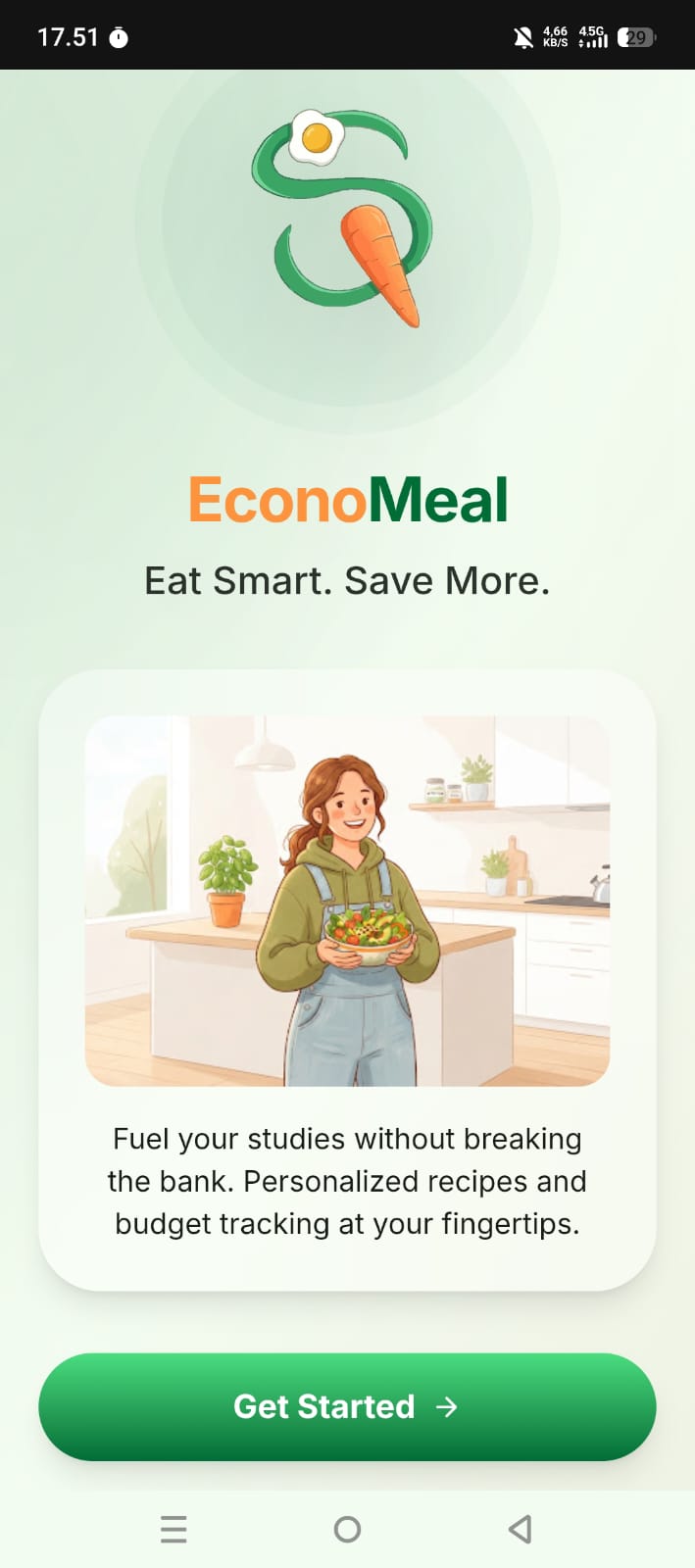
splash screen
-
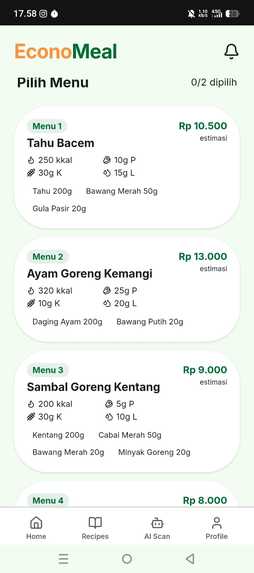
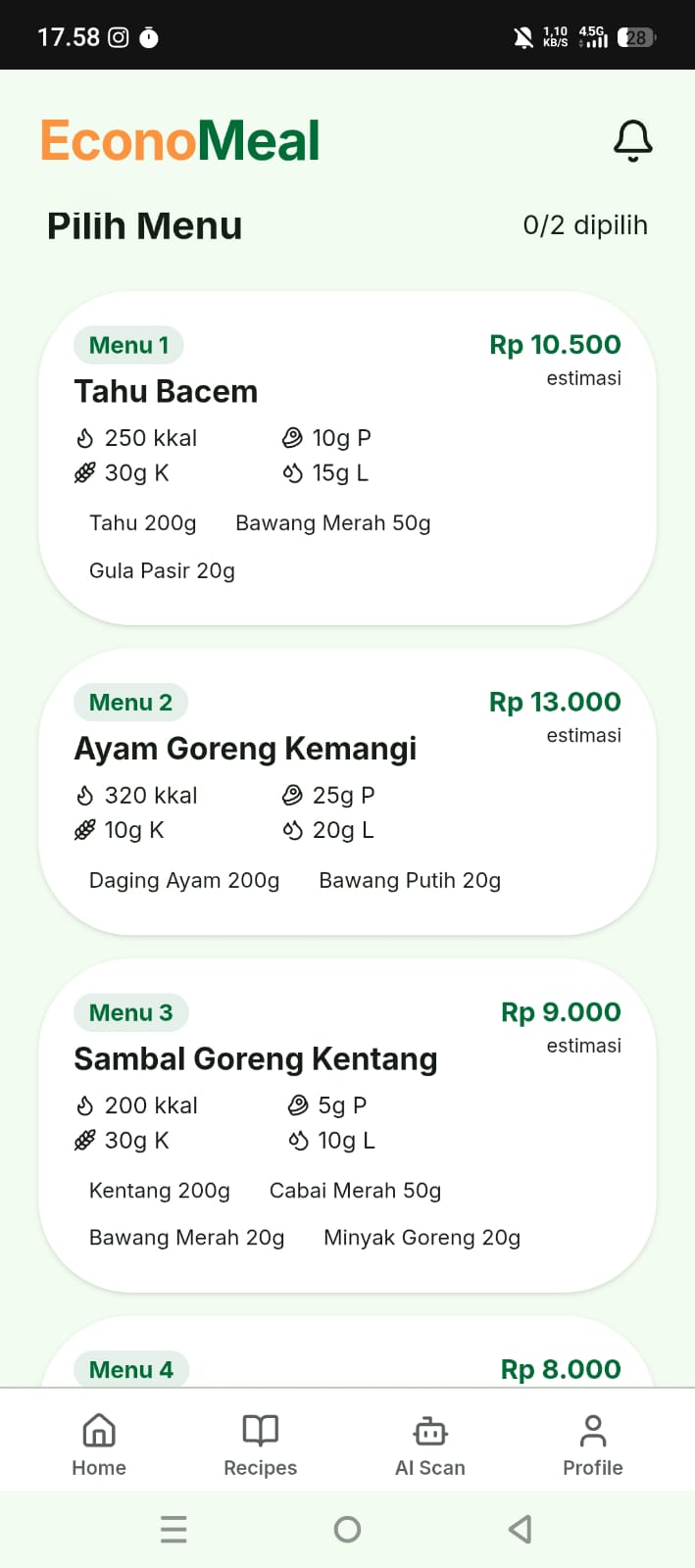
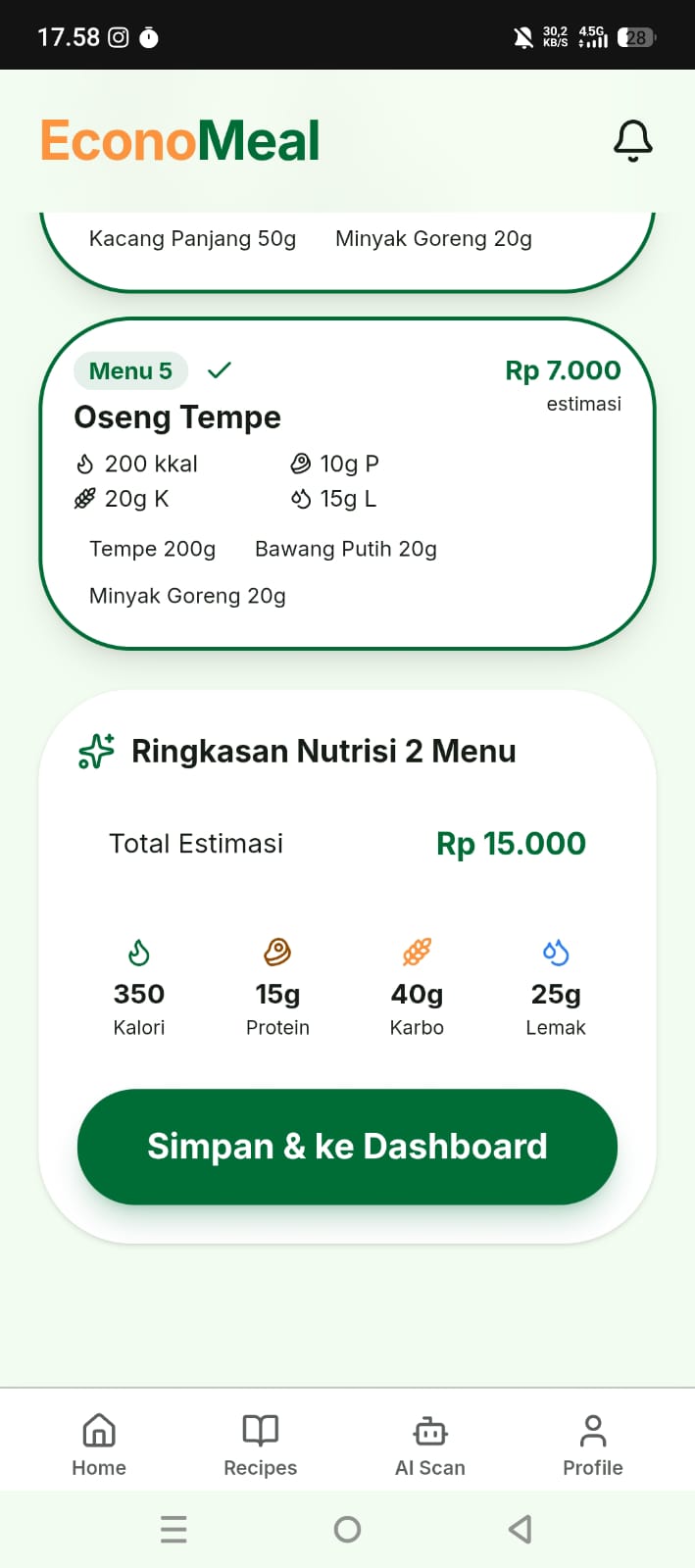
menu recommendation
-
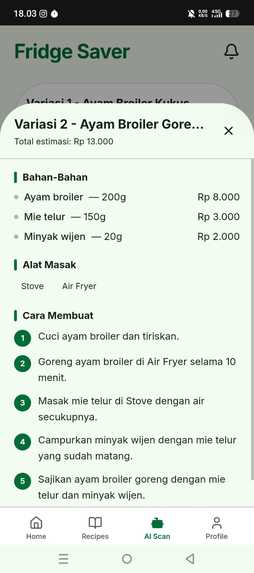
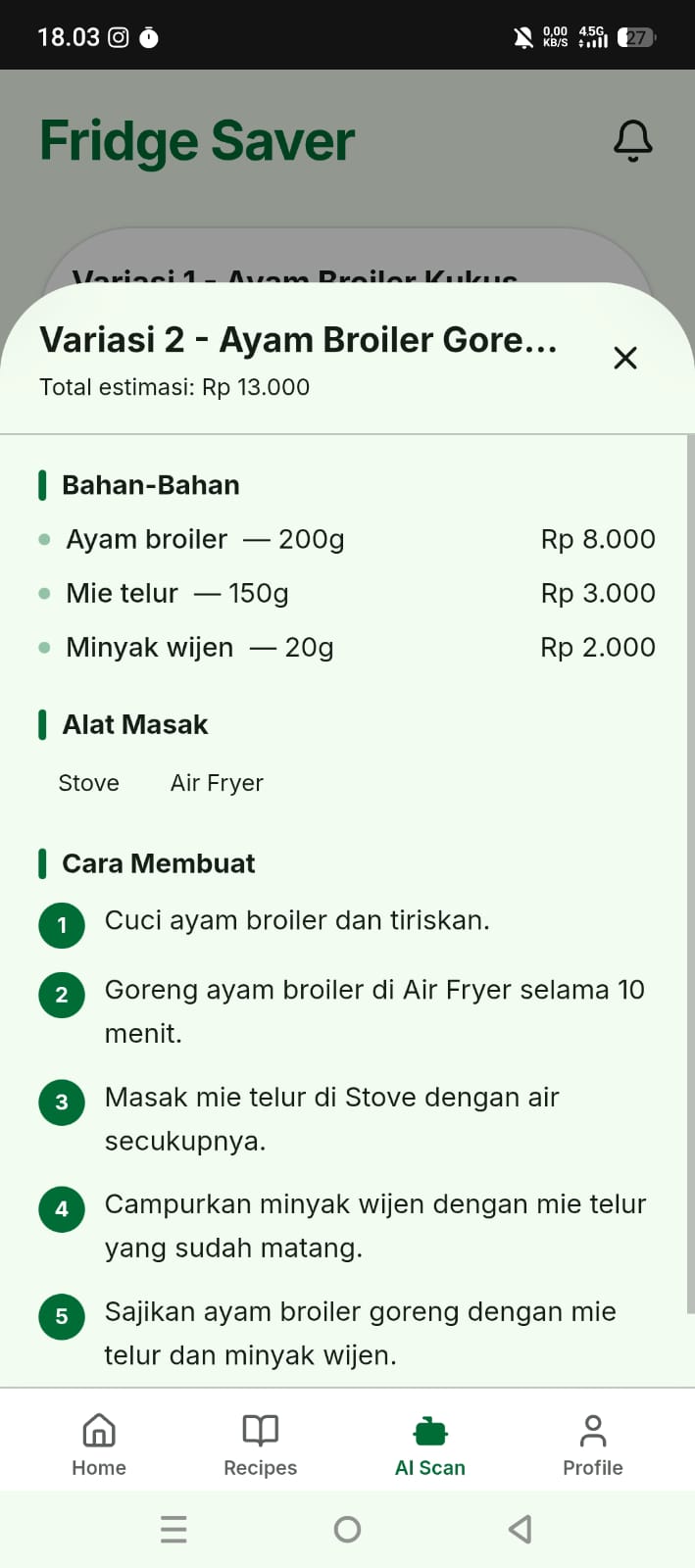
recipe
-
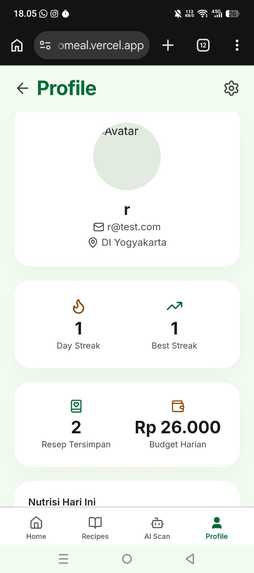
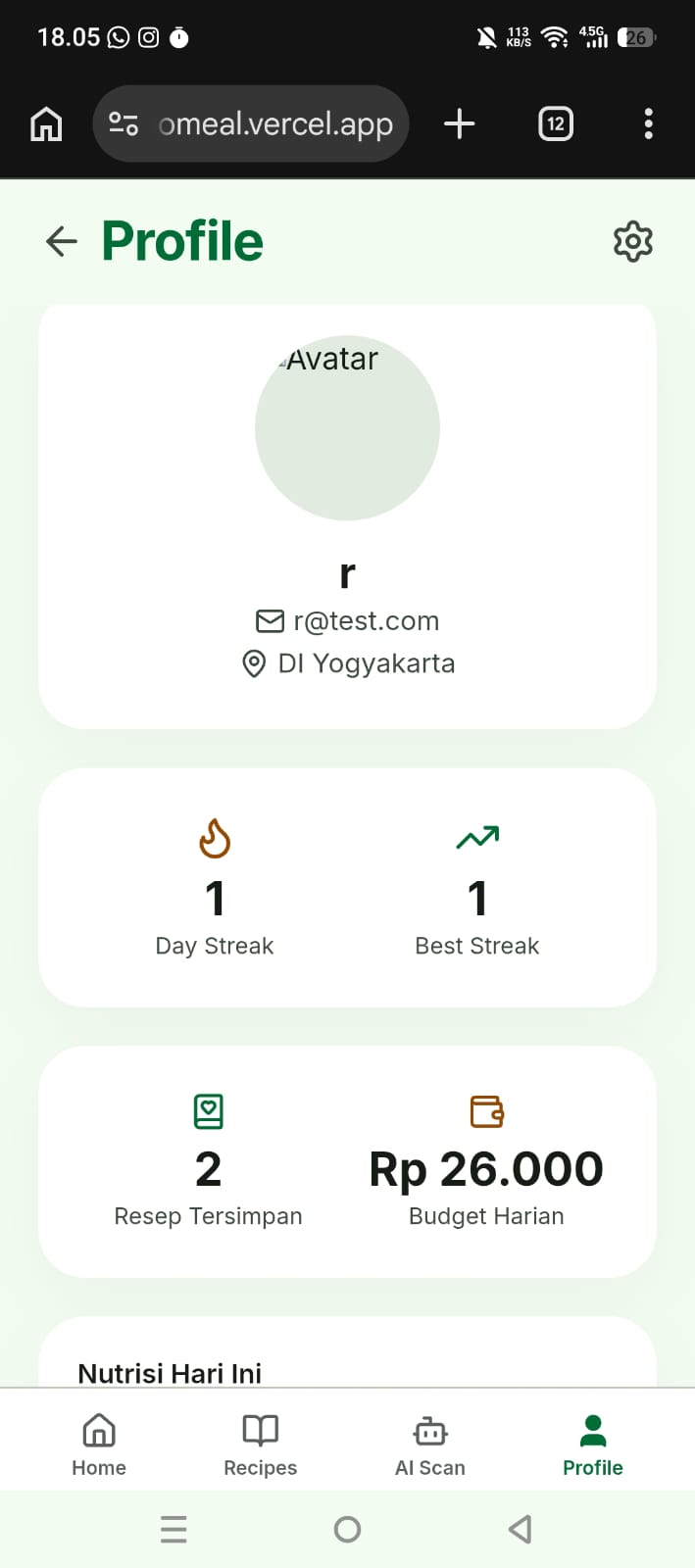
profile page
-
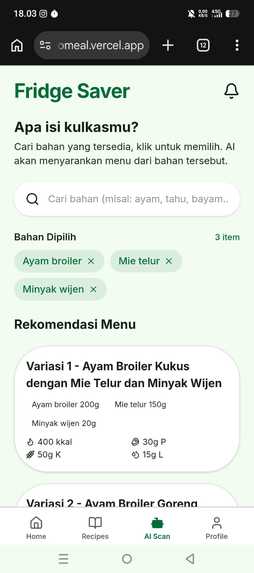
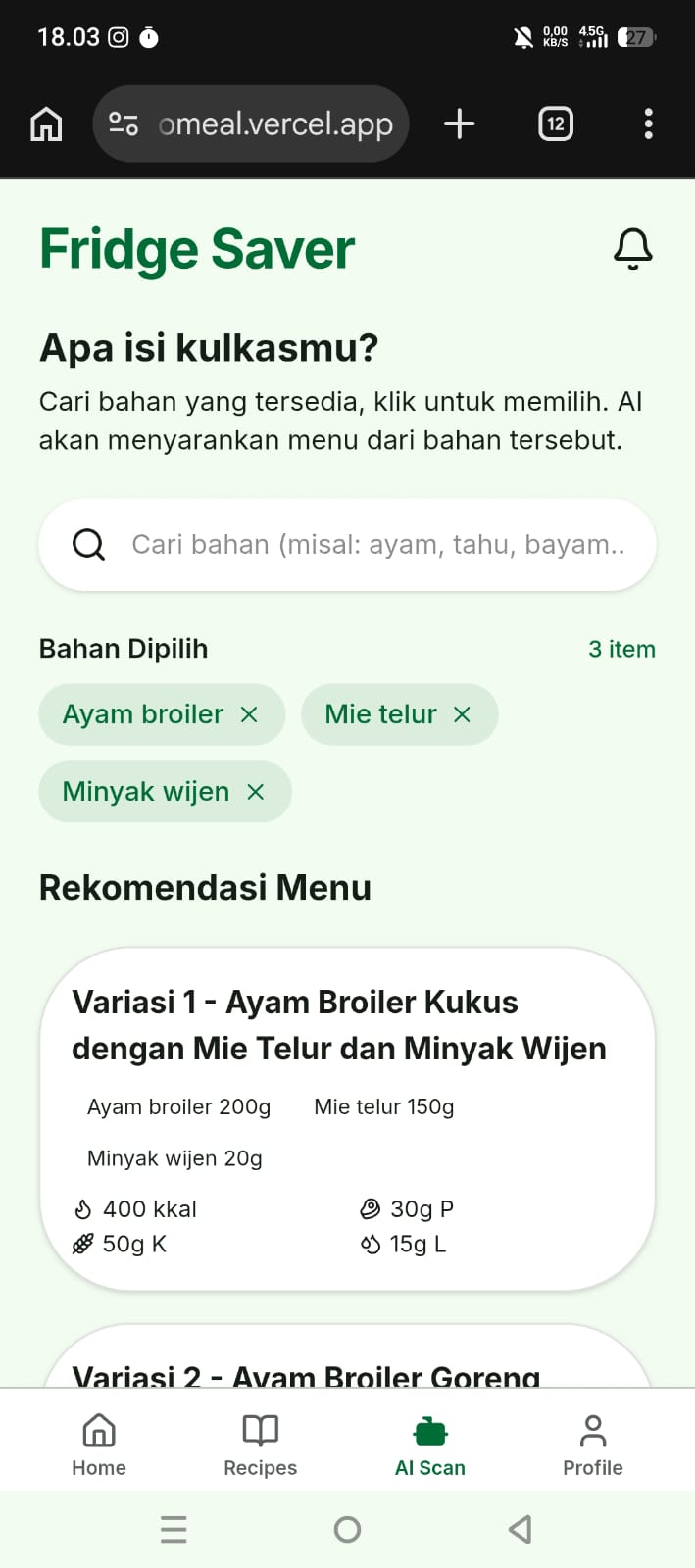
fridge saver screen
-
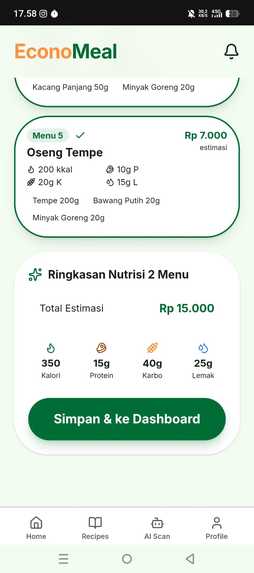
selecting menu to get
-
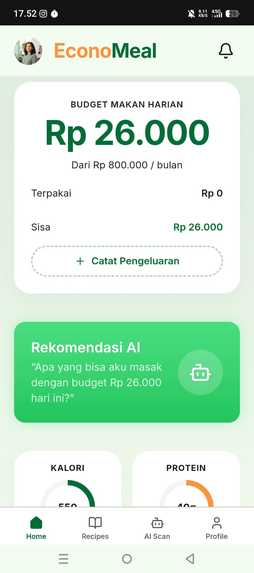
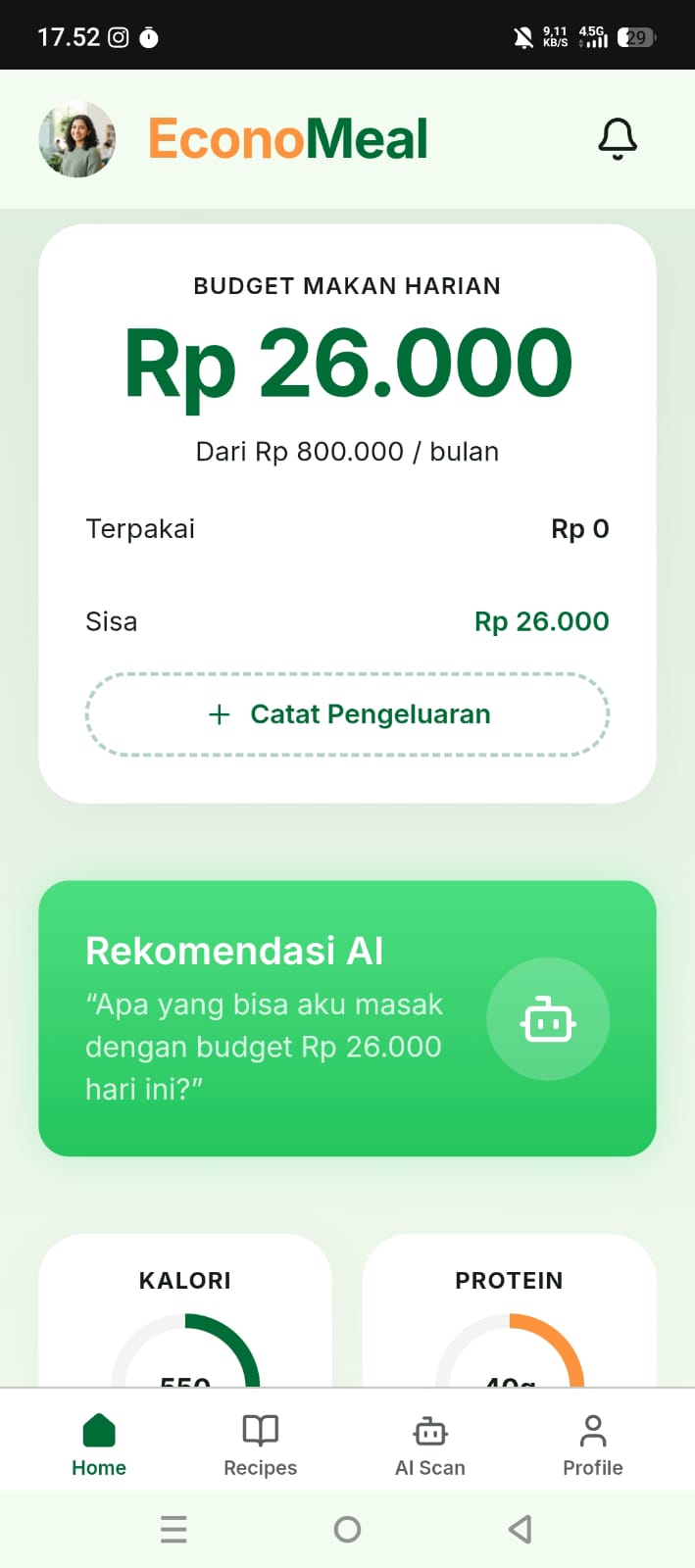
main dashboard
Inspiration
EconoMeal was inspired by the desire of university students and those living in shared housing who often operate on tight budgets to maintain a healthy diet. Towards the end of the month, many are forced to rely on instant noodles because their funds have run low due to inefficient monthly food budgeting. We wanted to create a smart assistant that bridges the gap between financial constraints and healthy eating.
What it does
EconoMeal is an AI-powered web application that provides meal recommendations based on individual dietary preferences and daily food budgets.
The app works simply: users input their monthly food budget, which is then divided by the number of days in the month to establish a realistic daily budget. Users can also specify preferences such as allergies, vegetarian requirements, and more. The app tracks four key nutritional components: calories, protein, carbohydrates, and fat. Its core feature is an AI engine that selects meal recommendations tailored to the user's daily budget. Additionally, users can select ingredients currently in their fridge, and the AI will recommend healthy recipes based on those items. Finally, users can save specific recipes from the recommendations to their personal list.
How we built it
For the frontend and UI/UX, we used Next.js and Tailwind CSS. For the backend, we utilized Supabase and PostgreSQL. We employed the openrouter API for the AI engine. To calibrate costs, we used a regional food price API based on average market prices across various Indonesian provinces.
Challenges we ran into
We faced challenges in accurately calculating recipe costs and encountered difficulties during deployment. Fine-tuning the AI logic to ensure it provided accurate, relevant recipes rather than random suggestions was also a significant challenge.
Accomplishments that we're proud of
We successfully built an application capable of generating meal recommendations based not only on daily budgets but also on user preferences and the ingredients currently available in their refrigerators.
What we learned
We learned about prompt engineering, creating products that solve specific problems, designing user workflows, the importance of product direction, and how to collaborate to build an innovation.
What's next for EconoMeal
Establishing a community where users can share recipes with one another. This platform could also be used to provide more localized pricing details by leveraging user-submitted data on ingredient costs in specific areas.
Built With
- claude
- deepseek
- gemini
- google-stitch
- infinitestudio
- next.js
- openrouter
- pihps-api
- postgresql
- shadcn
- supabase
- tailwind
- typescript
- vercel
- vscode

Log in or sign up for Devpost to join the conversation.