-
-
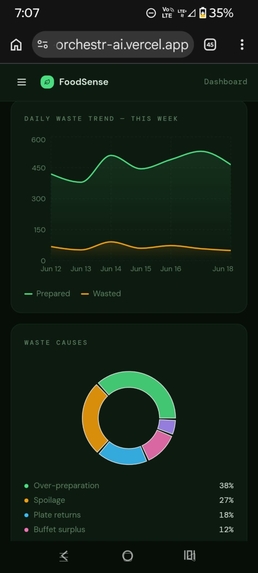
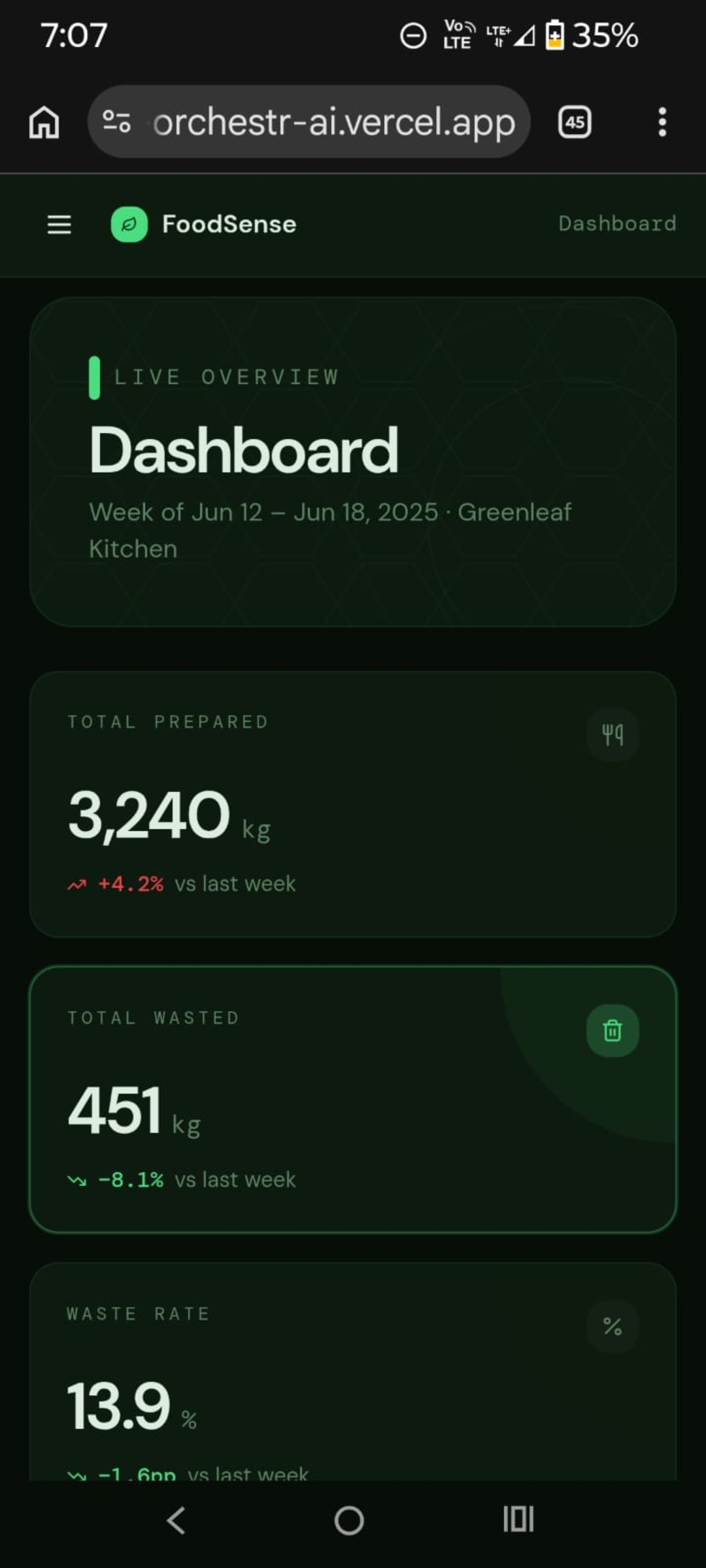
Dashboard details
-
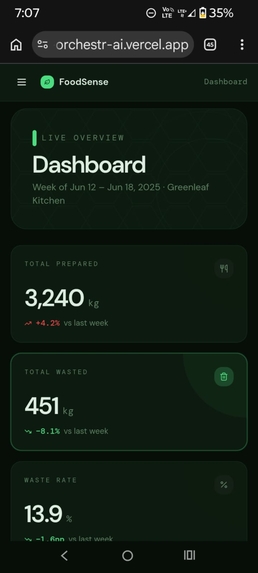
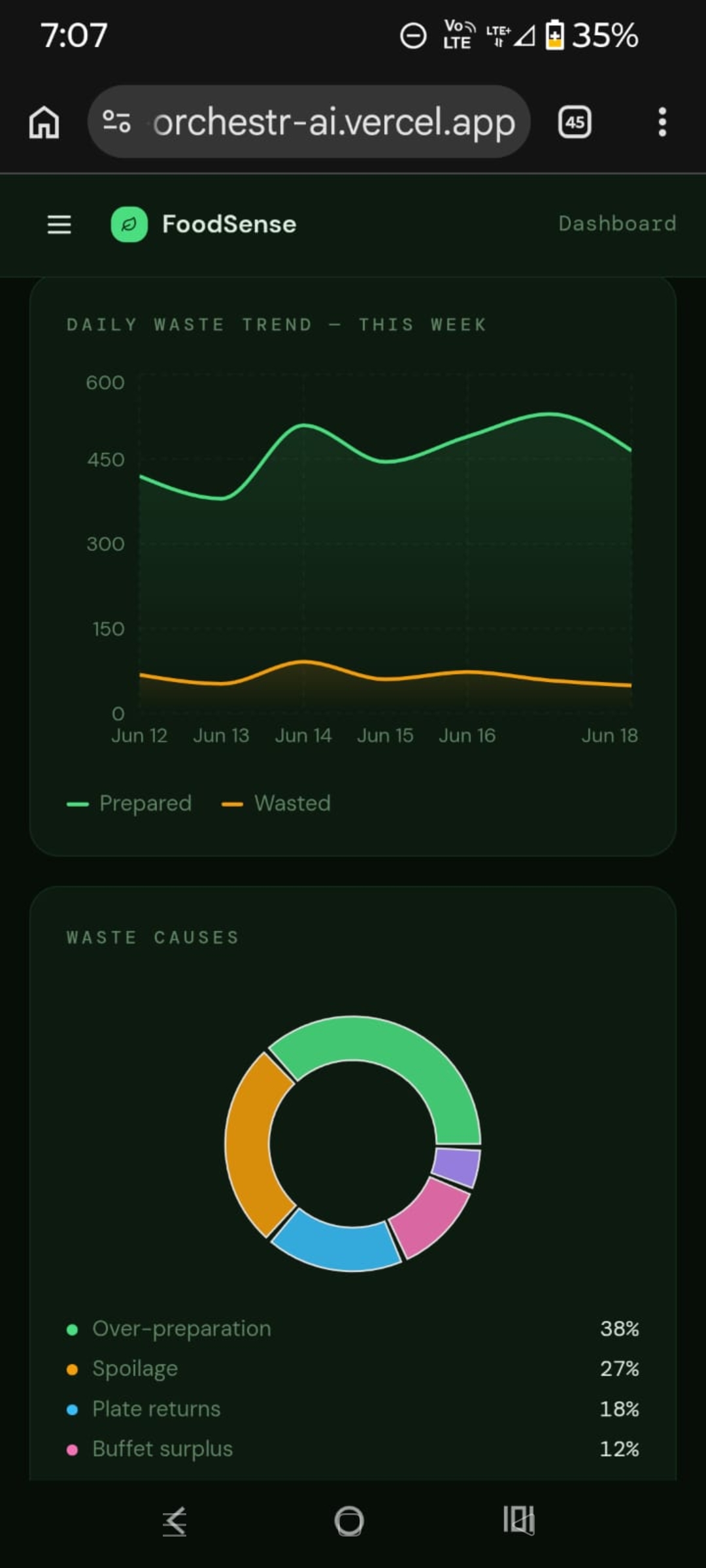
Dashboard
-
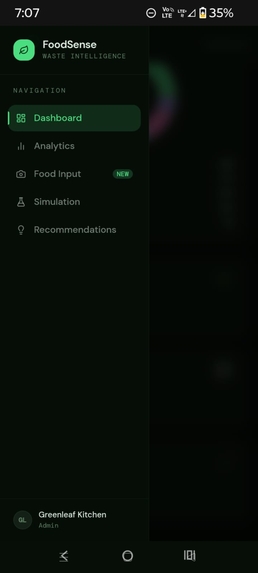
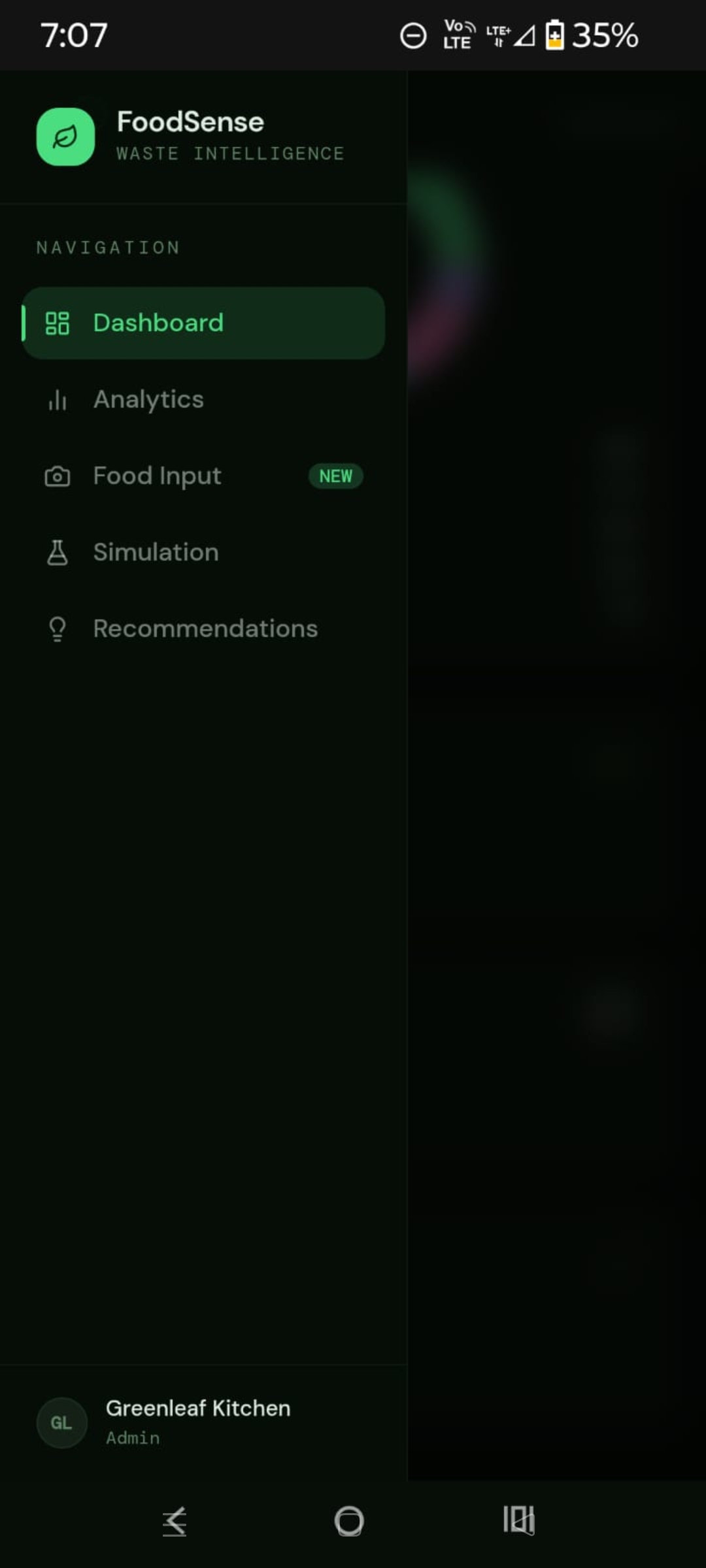
Panel bar
-
-
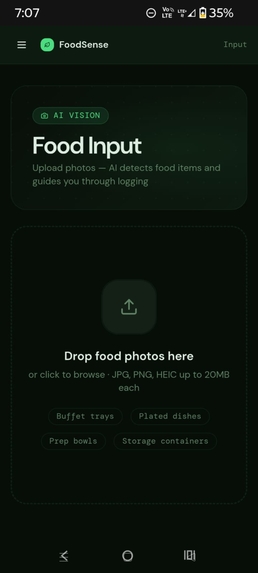
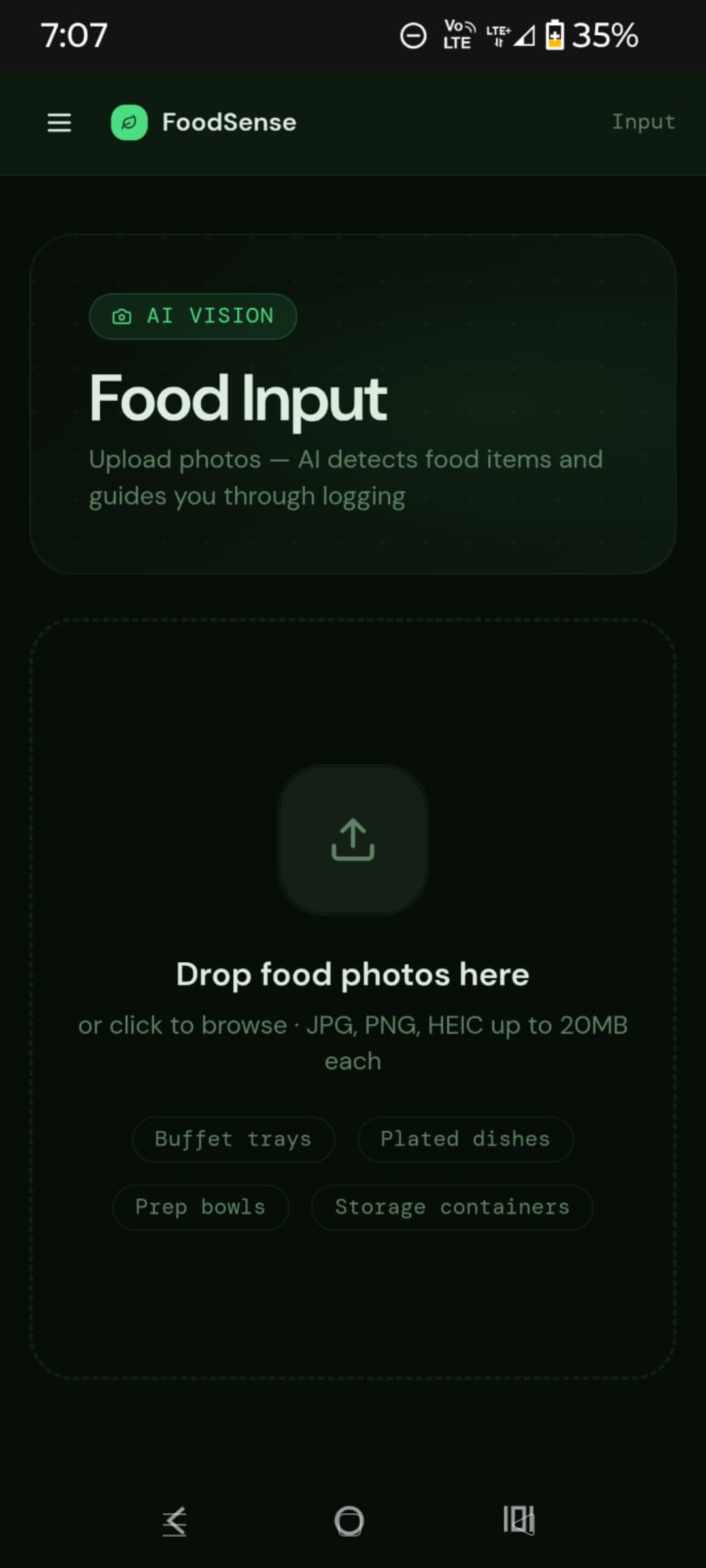
Food input section
-
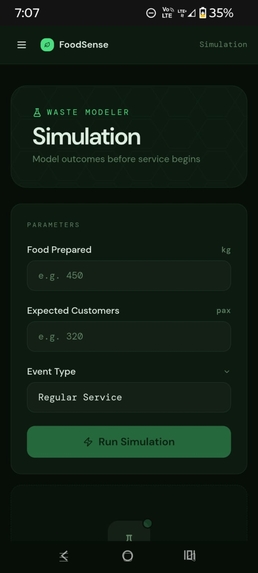
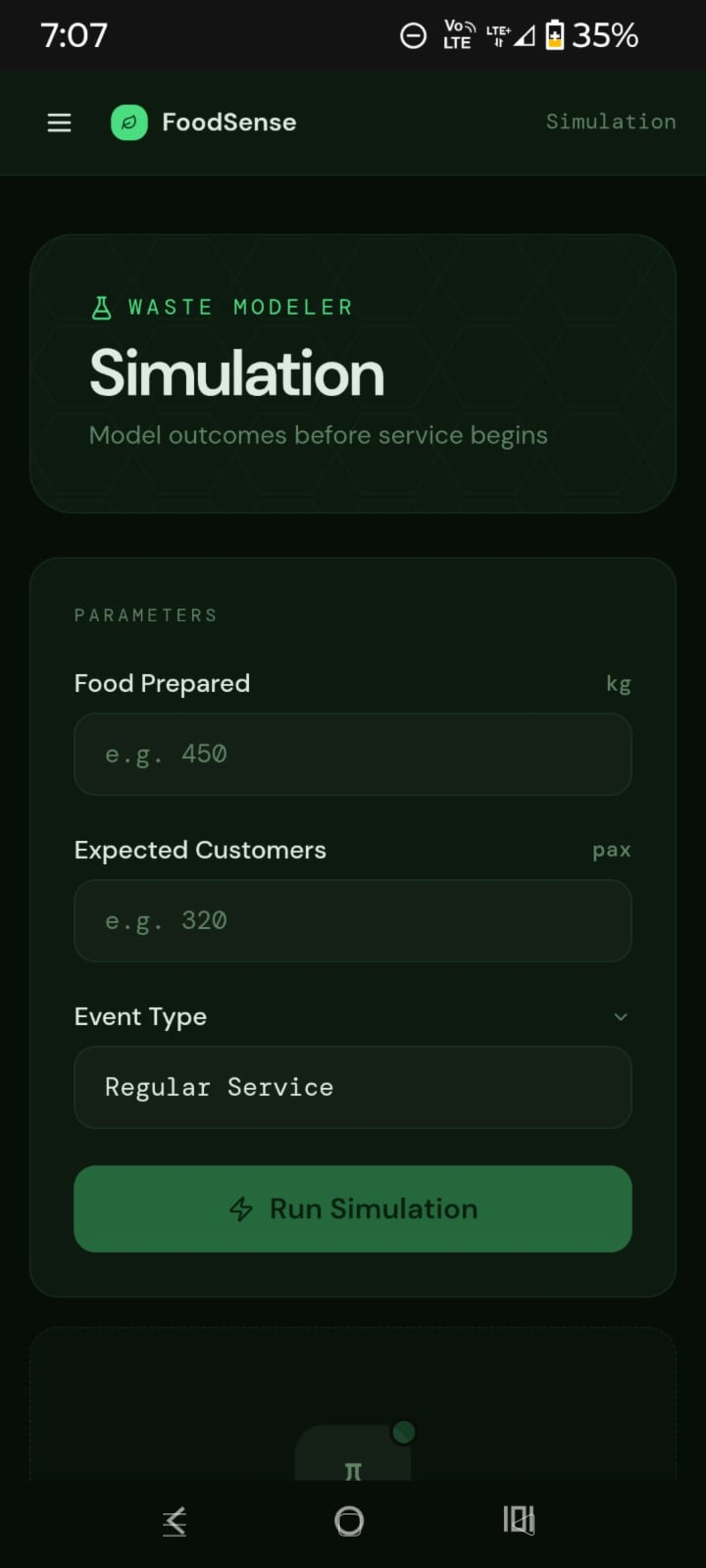
Simulation page
-
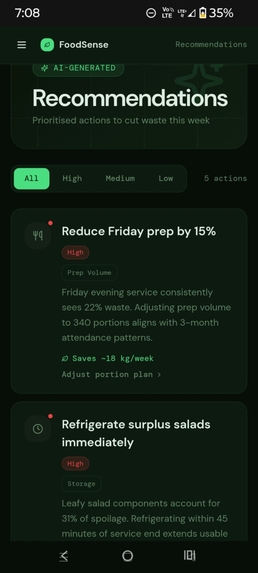
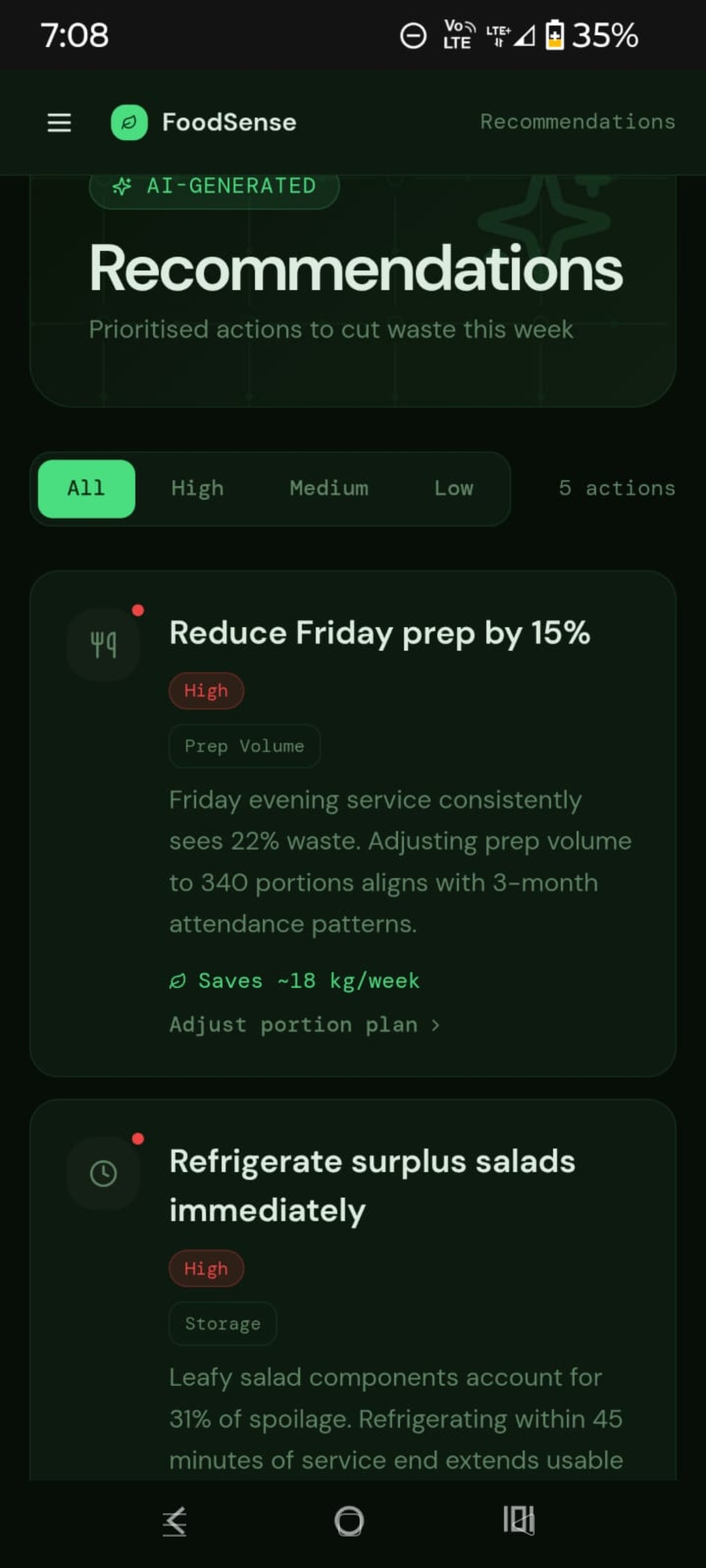
Recommendations page
Inspiration
Every day, school cafeterias throw away significant amounts of edible food through student plate waste, service-line leftovers, and kitchen preparation waste. While schools work hard to provide nutritious meals, they often lack the tools to accurately measure, understand, and predict food waste. As a result, waste reduction efforts are frequently based on assumptions rather than data.
Food waste is not only an economic burden for schools—it is also an environmental challenge that contributes to unnecessary resource consumption, greenhouse gas emissions, and inefficient food production.
We were inspired by a simple question:
What if schools could measure, analyze, and reduce food waste with the same precision that organizations use to track finances and operations?
This idea became EcoNom—an AI-powered food waste intelligence platform designed to help schools transform food waste into actionable insights and data-driven decisions.
What it does
EcoNom helps schools identify, analyze, predict, and reduce food waste through AI-powered food recognition, adaptive questioning, waste analytics, forecasting, recommendations, and simulation.
Students and cafeteria staff can:
- Upload images of food waste.
- Automatically identify food items using AI-powered image analysis.
- Verify and enrich detected information through guided human review.
- Track waste quantities and categories.
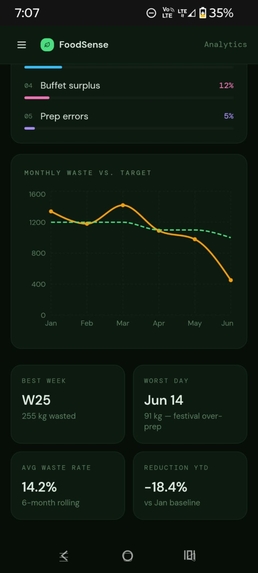
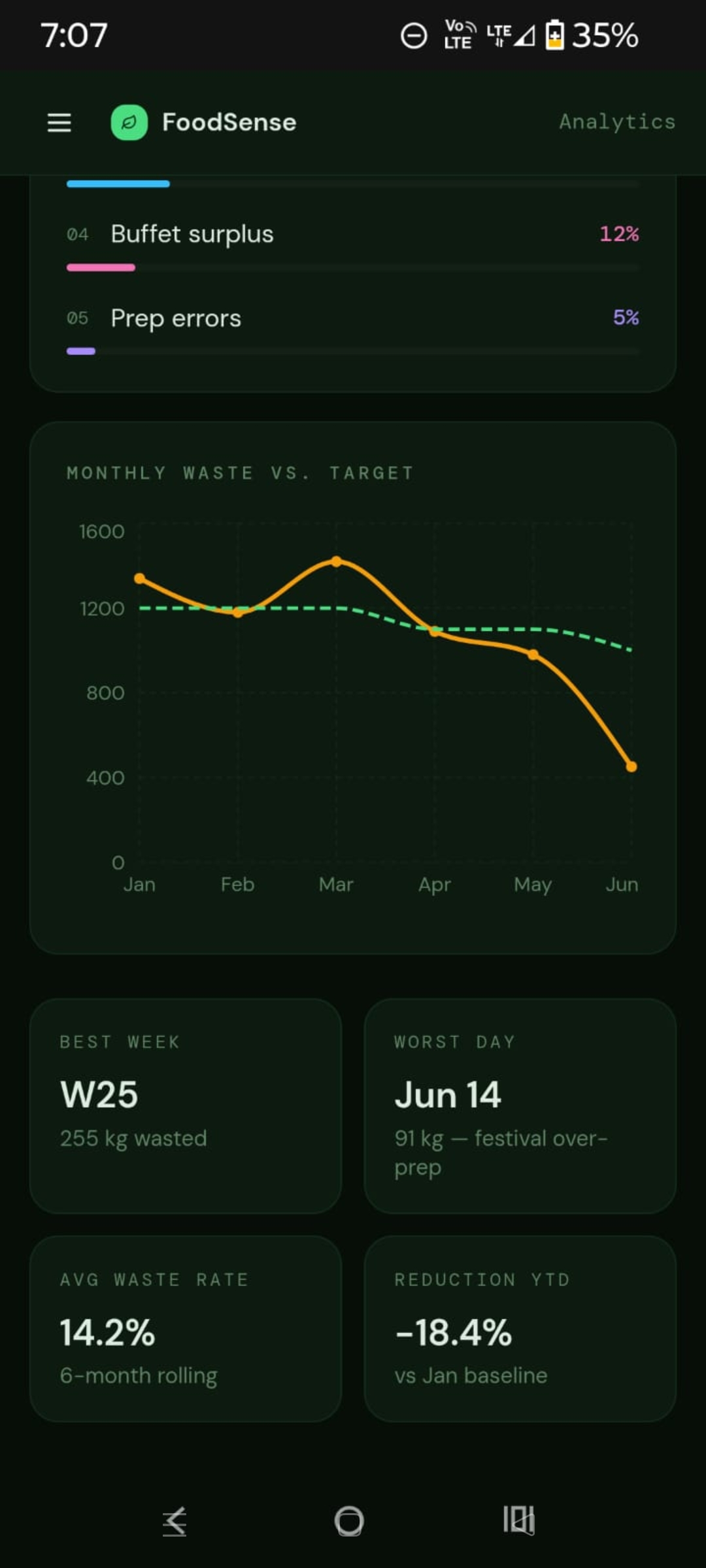
- Generate analytics and waste reports.
- Receive AI-generated recommendations to reduce future waste.
- Simulate waste-reduction scenarios and estimate potential savings.
- Forecast future waste trends using historical data.
- Understand the operational and environmental impact of waste patterns.
Instead of simply recording waste, EcoNom helps schools understand why waste occurs, where it occurs, and how it can be prevented.
How we built it
EcoNom combines modern web technologies with AI-powered analysis and a modular intelligence architecture.
Frontend
- React
- TypeScript
- Vite
- Interactive dashboard
- Food input and image upload workflow
- Guided verification interface
- Analytics visualizations
Backend
- Python
- Flask
- REST APIs
- Modular service-oriented architecture
Core Intelligence Engine
EcoNom is powered by a multi-service orchestration architecture that coordinates:
- Food recognition
- Analytics engine
- Prediction engine
- Recommendation engine
- Simulation engine
- AI insight generation
AI Layer
- AI-powered food identification
- Human-in-the-loop verification workflow
- Waste forecasting
- Intelligent recommendations
- Operational insights
System Design
The platform follows a scalable architecture where analytics, prediction, simulation, recommendations, and AI insights work together to transform raw food waste data into meaningful and actionable intelligence.
Challenges we ran into
One of our biggest challenges was balancing AI automation with real-world reliability.
Food waste environments are highly variable:
- Different food types
- Mixed meals
- Inconsistent lighting conditions
- Different serving styles
- Varying image quality
Another major challenge was integrating multiple services into a unified workflow while ensuring reliable communication between analytics, prediction, recommendation, and simulation components.
We also faced the challenge of designing a system that remains useful even when AI confidence is uncertain. To address this, we implemented a human verification workflow that allows users to validate and improve AI-generated results before they influence analytics and recommendations.
Finally, working within a limited hackathon timeline required us to carefully prioritize functionality, usability, and system integration while maintaining a scalable architecture.
Accomplishments that we're proud of
- Built a complete end-to-end food waste intelligence platform.
- Developed an AI-assisted food waste logging workflow.
- Designed a scalable multi-service architecture.
- Integrated analytics, forecasting, recommendations, and simulation into a unified system.
- Implemented human-in-the-loop verification for greater reliability and trust.
- Created a solution that addresses both financial and environmental sustainability challenges.
- Built a platform capable of transforming school food waste data into actionable decision-making insights.
Most importantly, we transformed a complex real-world sustainability challenge into a practical tool that schools can use to reduce waste, save resources, and make smarter decisions.
What we learned
Throughout this project, we learned that successful AI systems are not only about model performance—they are about creating workflows that people can trust and use effectively.
We gained experience in:
- AI-assisted product development
- System architecture and orchestration
- Frontend-backend integration
- Human-in-the-loop AI systems
- Data analytics and forecasting
- Rapid prototyping under time constraints
- Building technology around real-world sustainability challenges
We also learned that meaningful environmental impact often comes from combining technology, data, and human decision-making rather than relying on automation alone.
What's next for EcoNom
Our vision is to evolve EcoNom into a comprehensive food waste management platform for schools and educational institutions.
Future plans include:
- Real-time food waste monitoring
- More advanced computer vision models
- Multi-school analytics dashboards
- Inventory management integrations
- Cost and environmental impact calculations
- Predictive purchasing recommendations
- Automated sustainability reporting
- Mobile applications for cafeteria staff
- Real-time cafeteria waste alerts
- School-wide benchmarking and sustainability tracking
Ultimately, we want EcoNom to help schools waste less, save more, and operate more sustainably through intelligent, data-driven decision making.
Built With
- api
- css
- flask
- gemini
- github
- logmeal
- postgresql
- python
- react
- tailwind
- typescript
- vite


Log in or sign up for Devpost to join the conversation.