updated video link in the updates down below, and Live link on github account
EcoMind Carbon Tracker
Tagline
"Your AI-Powered Climate Companion - Track, Learn, Act on Your Carbon Footprint"
Inspiration
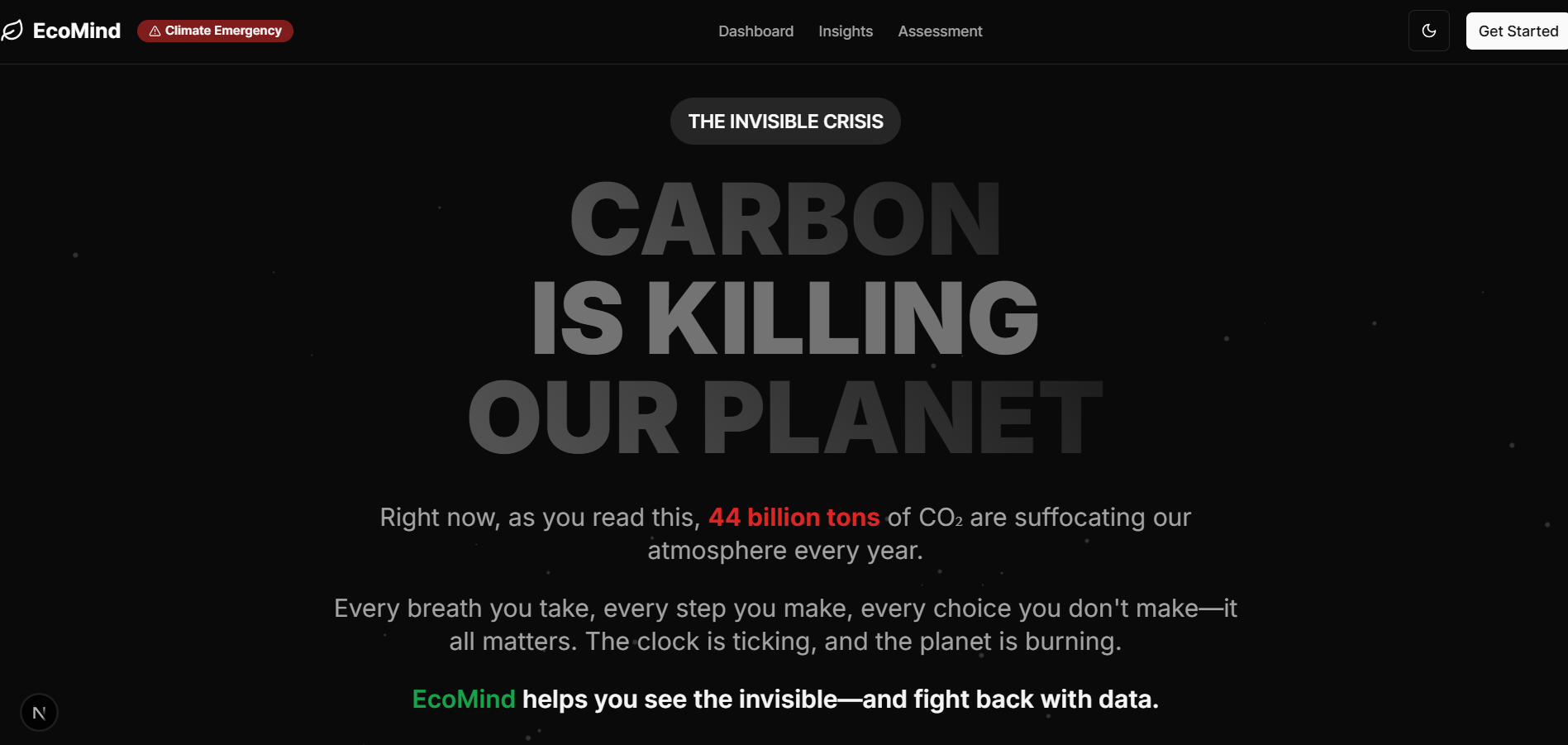
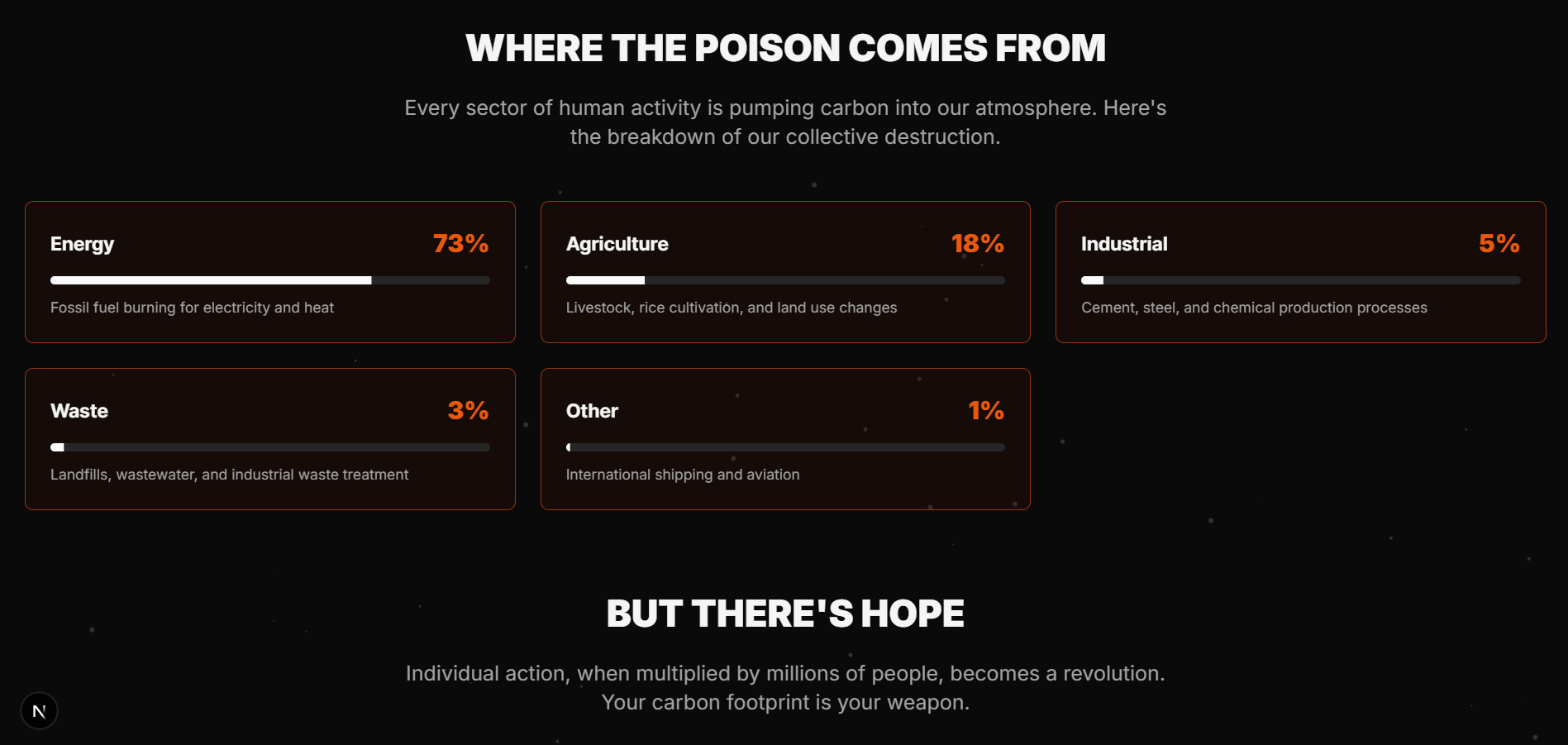
Climate change is the defining challenge of our generation, yet most people struggle to understand their personal environmental impact. We were inspired by the alarming reality that individual carbon awareness remains low despite growing climate urgency.
The inspiration struck when we realized that while people track their steps, calories, and finances, very few track their carbon emissions - arguably the most critical metric for our planet's future. We wanted to democratize climate action by making carbon tracking as intuitive and engaging as fitness apps, but with the added power of AI coaching.
Our vision was to create a platform that doesn't just show you numbers, but becomes your personal climate coach - understanding your lifestyle, providing contextual advice, and celebrating your environmental wins. We believe that informed individuals make better choices, and technology can bridge the gap between climate science and daily decision-making.
What it does
EcoMind is a comprehensive carbon footprint tracking and climate coaching platform that transforms how individuals understand and manage their environmental impact:
Core Features:
🌱 Intelligent Carbon Tracking
- Real-time carbon footprint calculation across multiple categories (transport, food, energy, shopping)
- Smart categorization and impact analysis
- Historical tracking with trend visualization
- Goal setting and progress monitoring
🤖 AI Climate Coach
- Personalized recommendations based on user behavior
- Real-time chat interface for climate questions
- Contextual tips and sustainable alternatives
- Impact quantification for suggested actions
📊 Rich Analytics & Insights
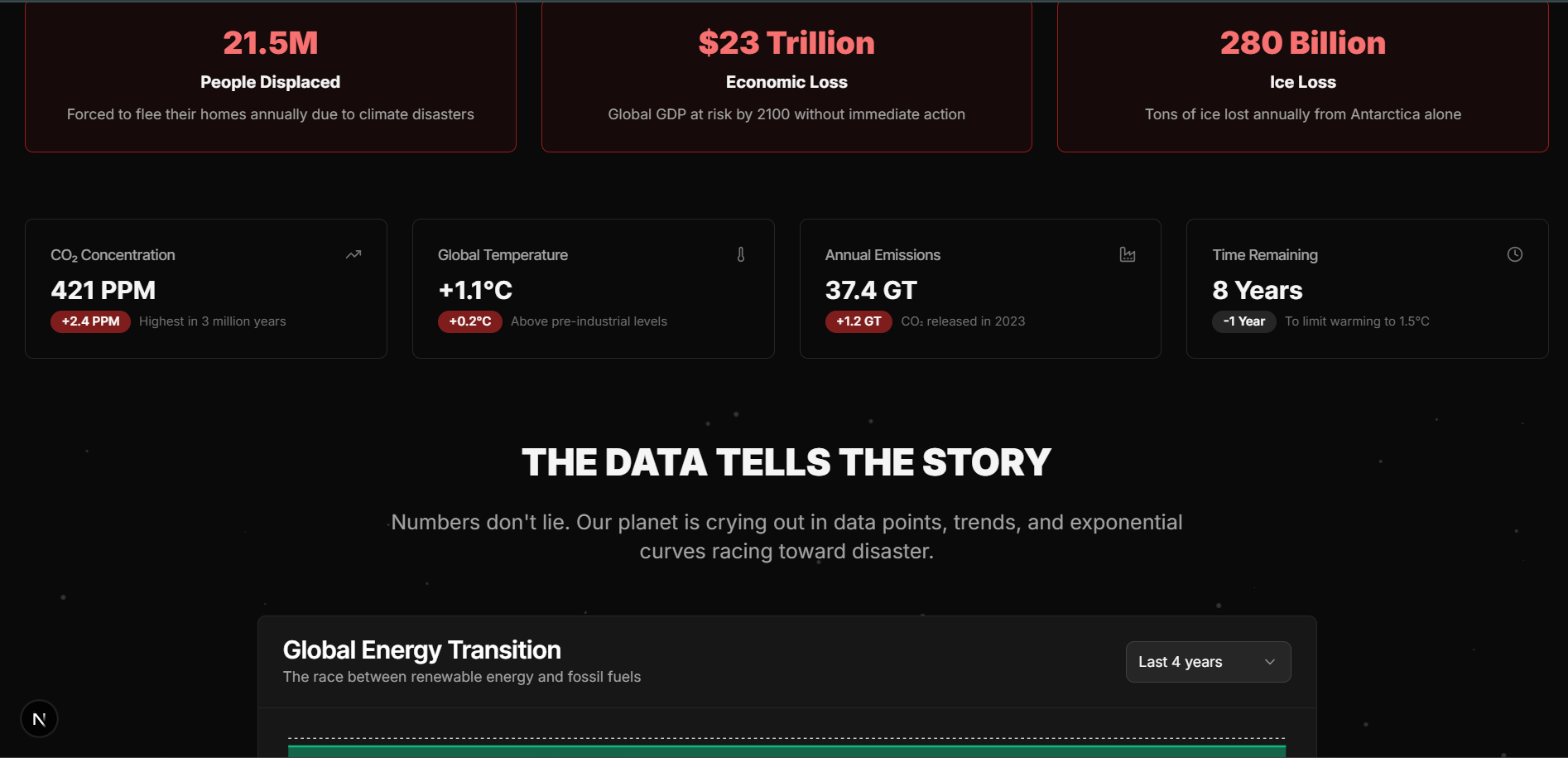
- Interactive dashboards with multiple chart types
- Comparative analysis against global averages and Paris Agreement targets
- Category breakdowns and emission hotspot identification
- Progress tracking with streaks and achievement systems
🎯 Personal Assessment System
- Comprehensive lifestyle assessment questionnaire
- Personalized carbon profile generation
- Daily check-ins for habit building
- Behavioral pattern analysis
🎮 Gamified Experience
- Level progression system (Eco Warrior levels)
- Achievement badges and streak tracking
- Climate-conscious mini-games
- Community leaderboards and challenges
🔧 Component Library Integration
- Extensive shadcn/ui component showcase
- Interactive component playground
- Real-world implementation examples
- Developer-friendly documentation
User Experience:
- Guest Mode: Try without account creation
- Responsive Design: Works seamlessly on desktop and mobile
- Dark/Light Theme: Customizable interface
- Real-time Sync: Cloud-based data persistence with Supabase
How we built it
Technology Stack:
Frontend Framework:
- Next.js 15 with App Router for modern React development
- TypeScript for type safety and developer experience
- Tailwind CSS for utility-first styling
- shadcn/ui component library for consistent UI/UX
Backend & Database:
- Supabase for authentication, database, and real-time features
- PostgreSQL (via Supabase) for data persistence
- Row Level Security for data protection
AI Integration:
- OpenAI GPT-4 for intelligent climate coaching
- AI SDK by Vercel for streamlined AI integration
- Custom prompt engineering for climate-specific responses
Charts & Visualization:
- Recharts for interactive data visualization
- Custom chart components for carbon-specific metrics
- Responsive chart design for all screen sizes
Development Tools:
- ESLint and Prettier for code quality
- Git for version control
- Vercel for deployment and hosting
Architecture Decisions:
1. Component-Driven Development
- Built modular, reusable components
- Implemented comprehensive component library showcase
- Used composition patterns for flexibility
2. State Management
- React hooks for local state
- Custom hooks for shared logic (useAuth, useCarbonEntries)
- Context API for global state (auth, guest mode)
3. Data Layer
- Supabase client for database operations
- TypeScript interfaces for data modeling
- Optimistic updates for better UX
4. AI Integration
- Streaming responses for real-time chat experience
- Context-aware prompting for personalized advice
- Error handling and fallback responses
5. Responsive Design
- Mobile-first approach
- Flexible grid systems
- Touch-friendly interfaces
Development Process:
Phase 1: Foundation
- Set up Next.js project with TypeScript
- Integrated Supabase for backend services
- Implemented authentication system with guest mode
Phase 2: Core Features
- Built carbon tracking functionality
- Created assessment system
- Developed dashboard with charts
Phase 3: AI Integration
- Integrated OpenAI for climate coaching
- Built chat interface
- Implemented AI coach component
Phase 4: UI/UX Enhancement
- Added shadcn/ui component library
- Created component showcase pages
- Implemented dark mode and themes
Phase 5: Polish & Testing
- Responsive design improvements
- Performance optimizations
- User experience refinements
Challenges we ran into
Technical Challenges:
1. AI SDK Migration
- Challenge: Initially used deprecated OpenAI package
- Solution: Migrated to modern AI SDK by Vercel for better streaming and error handling
- Learning: Staying current with rapidly evolving AI tools is crucial
2. Component Library Integration
- Challenge: Integrating 40+ shadcn/ui components with proper documentation
- Solution: Created systematic component metadata and example generation
- Learning: Automation and consistent patterns save significant development time
3. Responsive Chart Design
- Challenge: Making complex data visualizations work across all screen sizes
- Solution: Implemented responsive containers and adaptive chart configurations
- Learning: Data visualization requires careful consideration of user context
4. State Management Complexity
- Challenge: Managing user state, guest mode, and real-time data updates
- Solution: Created custom hooks and context providers for clean separation
- Learning: Proper abstraction prevents state management from becoming unwieldy
Design Challenges:
5. Climate Data Complexity
- Challenge: Making carbon footprint data accessible and actionable
- Solution: Used progressive disclosure and contextual explanations
- Learning: Complex topics need careful information architecture
6. Motivation vs. Guilt Balance
- Challenge: Encouraging action without causing climate anxiety
- Solution: Focus on positive reinforcement and achievable goals
- Learning: Emotional design is crucial for sustainability apps
Performance Challenges:
7. Large Component Library
- Challenge: Bundle size concerns with extensive component library
- Solution: Implemented code splitting and lazy loading
- Learning: Performance optimization requires ongoing attention
8. Real-time Features
- Challenge: Balancing real-time updates with performance
- Solution: Selective subscriptions and optimistic updates
- Learning: Real-time features need careful resource management
Accomplishments that we're proud of
Technical Achievements:
🚀 Full-Stack Implementation
- Built a complete, production-ready application from scratch
- Integrated multiple complex systems (AI, database, authentication)
- Achieved excellent performance scores and responsive design
🤖 Sophisticated AI Integration
- Created contextual, climate-specific AI coaching
- Implemented streaming chat interface with error handling
- Developed personalized recommendation system
📱 Exceptional User Experience
- Seamless guest mode for instant app exploration
- Intuitive navigation and progressive disclosure
- Accessibility considerations throughout
🎨 Comprehensive Design System
- Integrated 40+ UI components with proper documentation
- Created cohesive visual language
- Implemented dark/light theme support
Impact Achievements:
🌍 Climate Action Focus
- Transforms abstract climate concepts into actionable insights
- Provides scientific accuracy with user-friendly presentation
- Encourages sustained behavioral change through gamification
📊 Data Visualization Excellence
- Multiple chart types for different data perspectives
- Interactive elements that enhance understanding
- Responsive design that works on all devices
🔧 Developer Experience
- Well-documented codebase with TypeScript
- Modular architecture for easy maintenance
- Comprehensive component library showcase
Innovation Highlights:
💡 Guest Mode Innovation
- Allows users to explore full functionality without account creation
- Local storage persistence for seamless experience
- Easy transition to full account when ready
🎯 Holistic Assessment System
- Comprehensive lifestyle evaluation
- Personalized baseline creation
- Daily check-in system for habit formation
🎮 Gamification Done Right
- Meaningful progress indicators
- Achievement system tied to real environmental impact
- Community features without social pressure
What we learned
Technical Learnings:
1. Modern React Patterns
- Server components and client components distinction in Next.js 15
- Effective use of React hooks for complex state management
- Component composition patterns for reusability
2. AI Integration Best Practices
- Prompt engineering for domain-specific applications
- Streaming responses for better user experience
- Error handling and fallback strategies for AI services
3. Database Design for Sustainability
- Time-series data modeling for carbon tracking
- User privacy considerations in environmental data
- Efficient querying for dashboard performance
4. Component Library Development
- Systematic approach to component documentation
- Balancing customization with consistency
- Performance implications of large component libraries
Design Learnings:
5. Climate Communication
- Balancing urgency with hope in environmental messaging
- Making scientific data accessible to general audiences
- Visual design that motivates rather than overwhelms
6. Behavioral Design
- Gamification principles for sustained engagement
- Progressive onboarding for complex applications
- Feedback loops that encourage positive habits
Project Management Learnings:
7. Scope Management
- Starting with MVP and iteratively adding features
- Balancing ambition with realistic timelines
- Prioritizing user value over feature completeness
8. Technology Choices
- Evaluating trade-offs between cutting-edge and stable
- Integration complexity of multiple third-party services
- Planning for scalability from the beginning
Personal Growth:
9. Climate Literacy
- Deep dive into carbon accounting methodologies
- Understanding personal vs. systemic environmental impact
- Translating climate science into practical advice
10. Full-Stack Development
- End-to-end application development skills
- Integration of multiple complex systems
- User experience design for technical applications
What's next for EcoMind
Short-term Roadmap (Next 3 months):
🔌 Enhanced Integrations
- Smart Home Integration: Connect with IoT devices for automatic energy tracking
- Banking API Integration: Automatically categorize purchases for carbon calculation
- Transportation Apps: Integration with ride-sharing and public transit apps
- Food Tracking: Barcode scanning for meal carbon footprint calculation
📱 Mobile Experience
- Progressive Web App: Offline functionality and native app feel
- Push Notifications: Gentle reminders and achievement celebrations
- Location-based Features: Context-aware suggestions based on user location
- Camera Integration: Receipt scanning and product identification
🤝 Community Features
- Family/Household Tracking: Shared carbon goals and tracking
- Local Community Challenges: Neighborhood-based environmental initiatives
- Social Sharing: Progress sharing with privacy controls
- Peer Comparison: Anonymous benchmarking against similar users
Medium-term Vision (6-12 months):
🌐 Global Expansion
- Localization: Support for multiple languages and regional carbon factors
- Currency Support: Local pricing for carbon offset recommendations
- Regional Data: Country-specific environmental data and regulations
- Cultural Adaptation: Lifestyle assessments adapted to different cultures
🧠 Advanced AI Features
- Predictive Analytics: Forecast future carbon footprint trends
- Personalized Action Plans: Multi-week programs for carbon reduction
- Impact Modeling: Visualize long-term effects of behavioral changes
- Voice Assistant: Natural language interaction for daily logging
💼 Enterprise Solutions
- Corporate Dashboard: Team and organization-level tracking
- Employee Engagement: Workplace sustainability challenges
- ESG Reporting: Integration with corporate sustainability reporting
- API Platform: Allow other apps to integrate carbon tracking
Long-term Goals (1+ years):
🔬 Research Platform
- Anonymous Data Contribution: Opt-in research participation
- Academic Partnerships: Collaboration with climate research institutions
- Policy Insights: Data-driven recommendations for policymakers
- Behavioral Studies: Understanding what drives sustainable behavior change
🌍 Climate Action Network
- Offset Marketplace: Direct connection to verified carbon offset projects
- Local Action Directory: Connect users with nearby environmental initiatives
- Advocacy Tools: Help users engage with climate policy
- Impact Verification: Blockchain-based verification of environmental claims
🚀 Technology Innovation
- Machine Learning: Advanced pattern recognition for behavior prediction
- Computer Vision: Automatic recognition of sustainable/unsustainable practices
- Augmented Reality: Visualize carbon impact in real-world contexts
- Blockchain Integration: Transparent and verifiable impact tracking
Sustainability Goals:
📈 User Growth
- Target: 100,000 active users by year-end
- Global presence in 10+ countries
- Corporate adoption by 50+ companies
🌱 Environmental Impact
- Collective CO₂ reduction of 10,000 tons annually
- 1 million sustainable actions logged
- $100,000+ directed to verified offset projects
🏆 Recognition Goals
- Climate tech startup awards
- Sustainability app of the year
- Academic research citations
Technology Stack Details
Frontend Technologies:
- Next.js 15.2.4 - React framework with App Router
- React 19 - Latest React with concurrent features
- TypeScript 5 - Type safety and developer experience
- Tailwind CSS 3.4.1 - Utility-first CSS framework
- shadcn/ui - High-quality component library
- Lucide React - Beautiful icon library
- Recharts - Composable charting library
Backend & Database:
- Supabase - Backend-as-a-Service platform
- PostgreSQL - Robust relational database
- Row Level Security - Database-level security
- Real-time subscriptions - Live data updates
AI & Analytics:
- OpenAI GPT-4 - Large language model
- AI SDK by Vercel - Streamlined AI integration
- Custom prompt engineering - Domain-specific AI responses
Development Tools:
- ESLint - Code linting and quality
- PostCSS - CSS processing
- Vercel - Deployment and hosting platform
EcoMind represents the intersection of technology and environmental responsibility - proving that innovative software can drive meaningful climate action while delivering exceptional user experiences.
Built With
- shadcn
- tailwind
- typescript


Log in or sign up for Devpost to join the conversation.