Inspiration
We were inspired by the urgent need to make climate education accessible, engaging, and actionable for young people. While climate science is often explained in technical or overwhelming ways, we wanted to create a tool that translates complex ideas into clear, interactive, and motivating learning experiences. Our mission is to spark curiosity and empower learners to understand not just the problem, but their role in the solution.
What it does
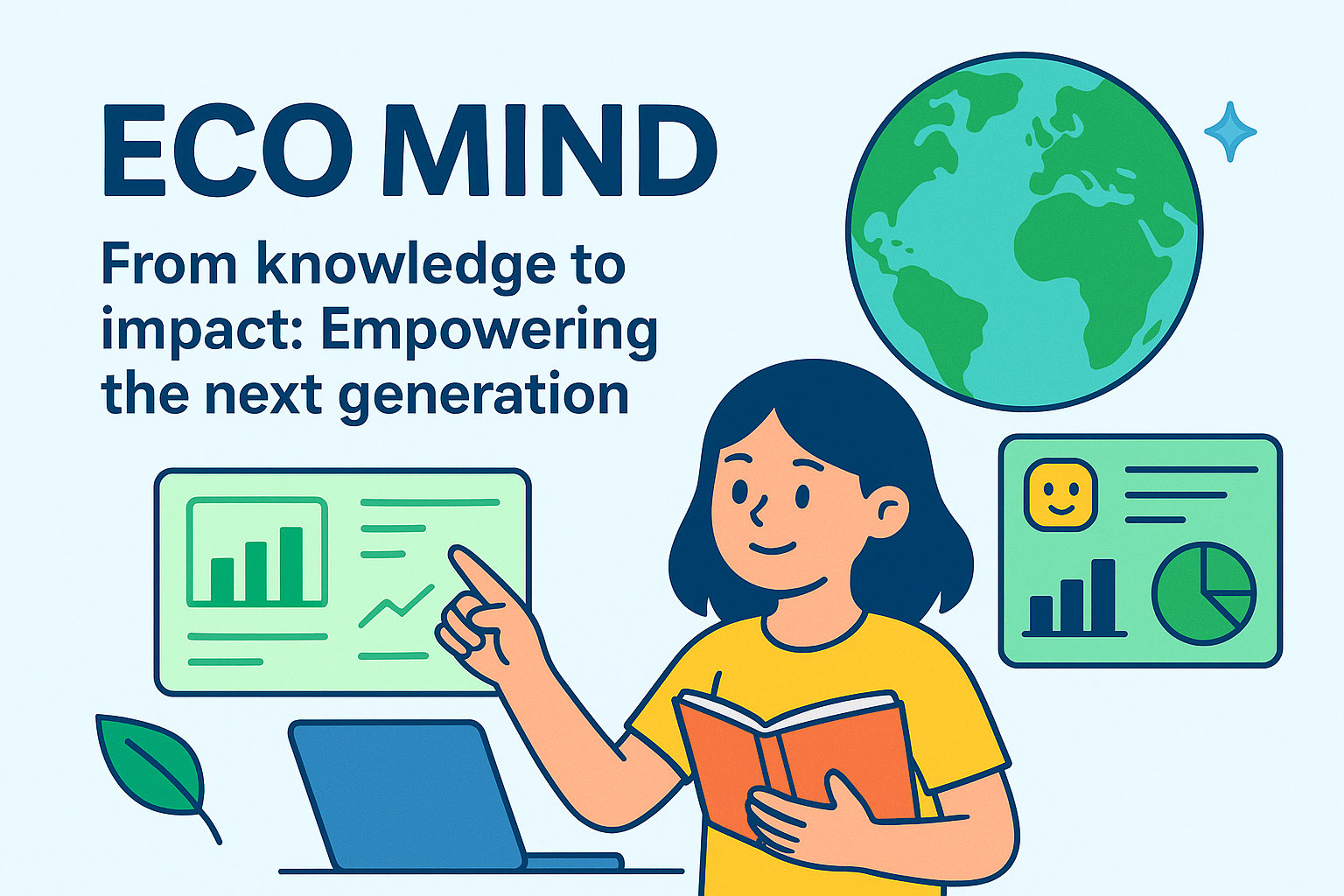
EcoMind is an AI-powered learning platform that helps young people explore climate change in simple and engaging ways. It features an AI tutor that answers questions at different age levels, an interactive dashboard that shows the impact of daily choices on CO₂ emissions, and gamified quizzes that build knowledge through personalized feedback.
How we built it
We built the MVP using React, TypeScript, Vite, Tailwind CSS, and shadcn-ui for the frontend. The AI tutor and quiz personalization are powered by NLP models and mock APIs to simulate adaptive learning. The platform was designed to be mobile-first, multilingual, and low-bandwidth friendly to reach underserved communities.
Challenges we ran into
The main challenge was balancing ambitious features like personalization and multilingual support with the need to keep the MVP simple and demo-ready. We also faced hurdles in simulating AI models without a full backend while maintaining a realistic user experience.
Accomplishments that we're proud of
We created a functional prototype that demonstrates AI-driven climate education in just a short time. EcoMind already allows learners to ask climate questions, test their knowledge, and visualize the impact of lifestyle choices. We are proud that the project connects technology with social good in a meaningful way.
What we learned
We learned how to design educational tools that are not only informative but also engaging and accessible. We gained insight into applying AI for personalization, accessibility, and multilingual learning while keeping user experience simple. We also deepened our understanding of climate literacy as both a scientific and social challenge.
What's next for EcoMind
Next, we aim to integrate real AI APIs for the tutor and translation, expand the quiz system with adaptive learning paths, and partner with schools and nonprofits to bring EcoMind to classrooms. In the long term, we envision adding community-driven storytelling features and scaling the platform globally to support climate literacy at every level.
1-page pdf overview link - https://pdfcandy.com/share/484c6g0d620d3i5i.html


Log in or sign up for Devpost to join the conversation.