-
-
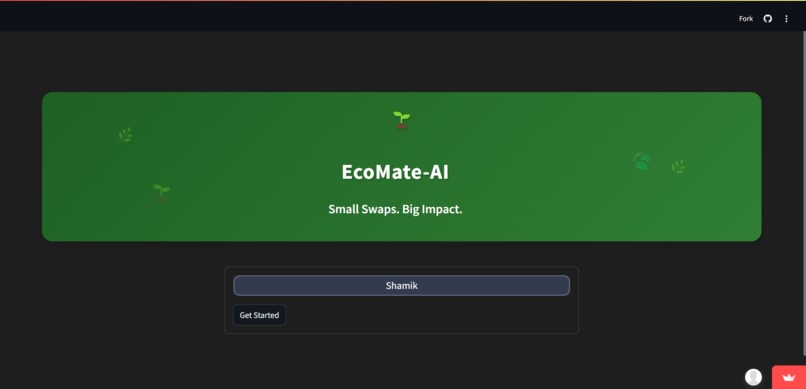
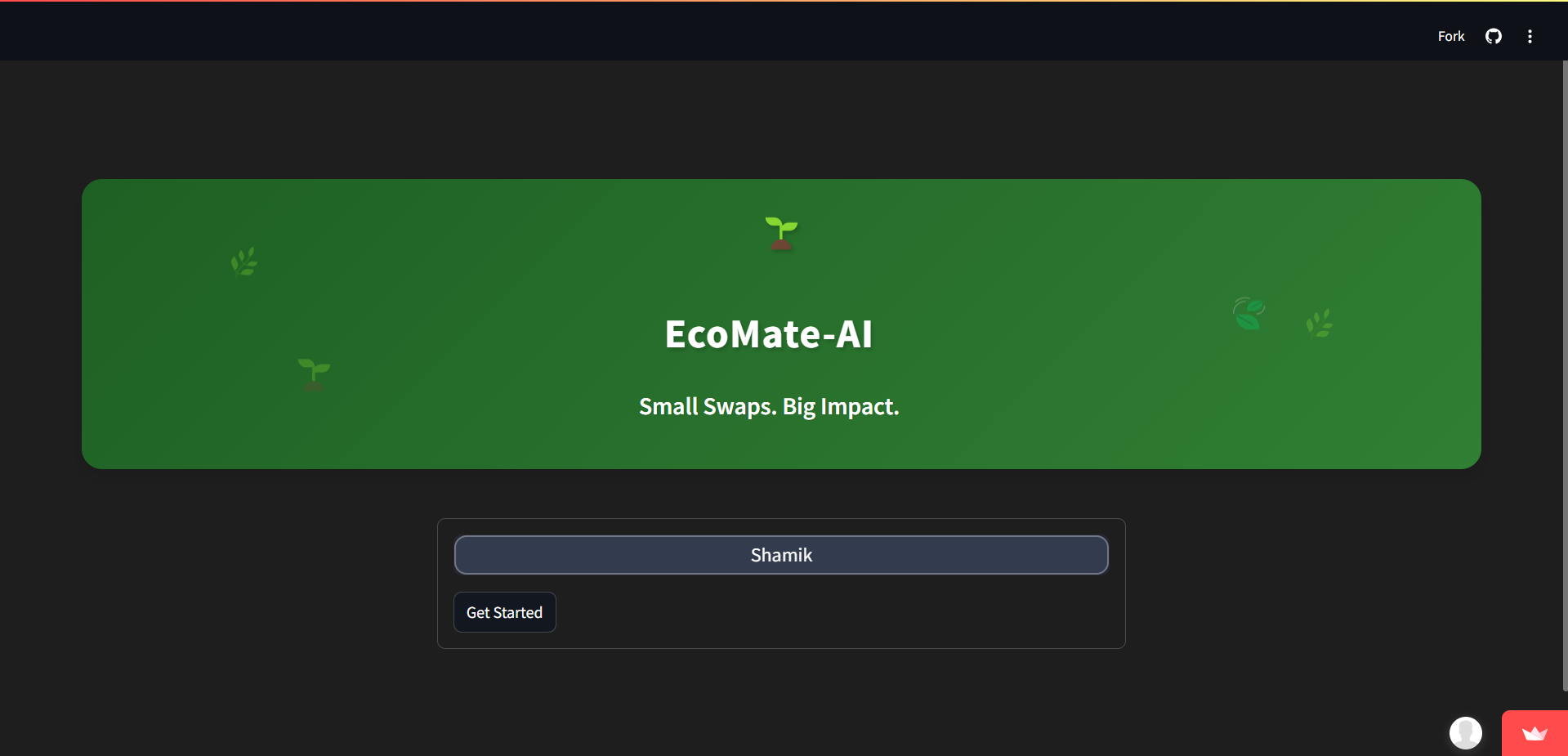
Welcome Screen
-
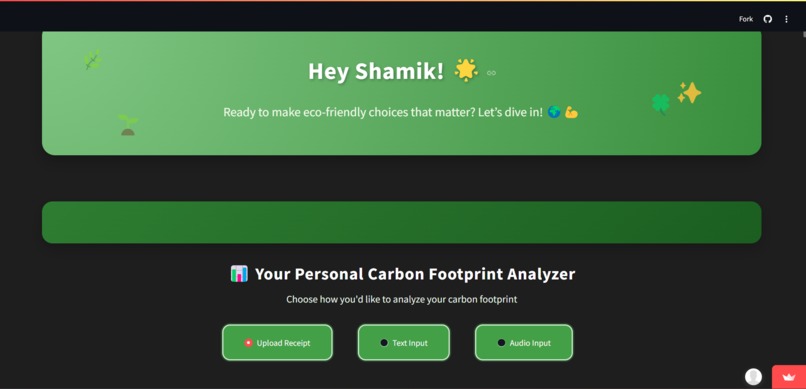
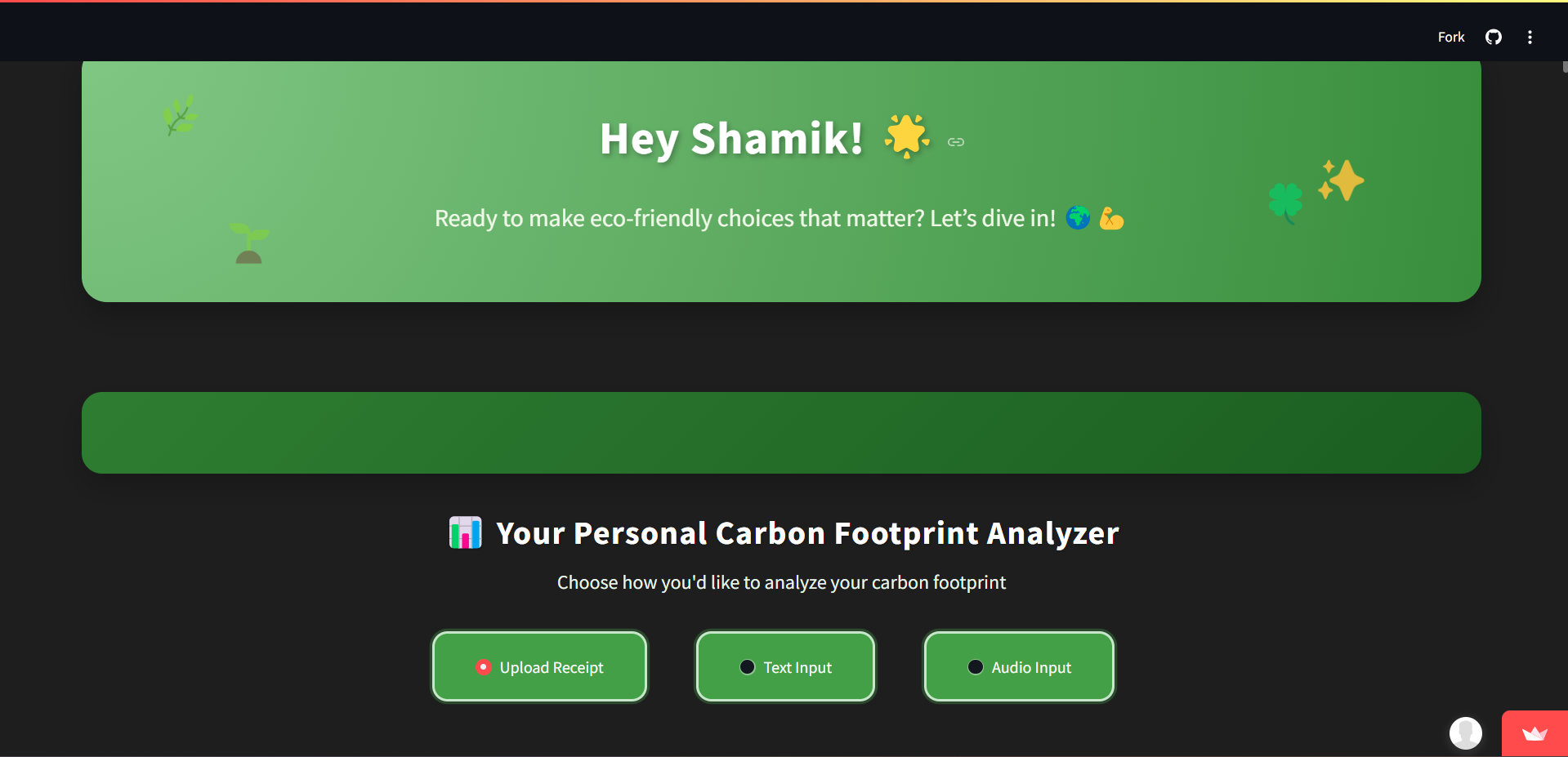
Input Screen
-
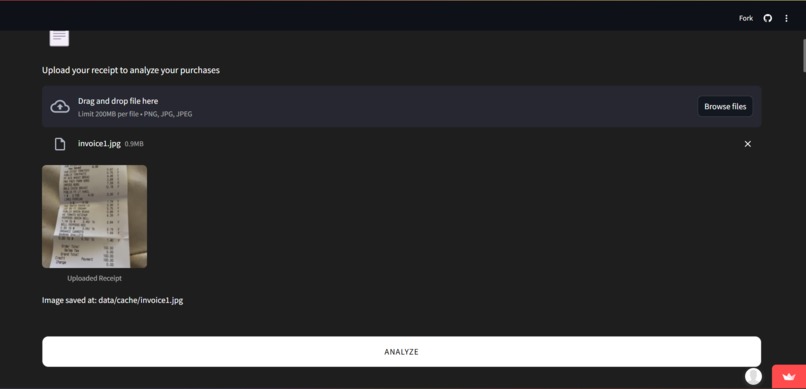
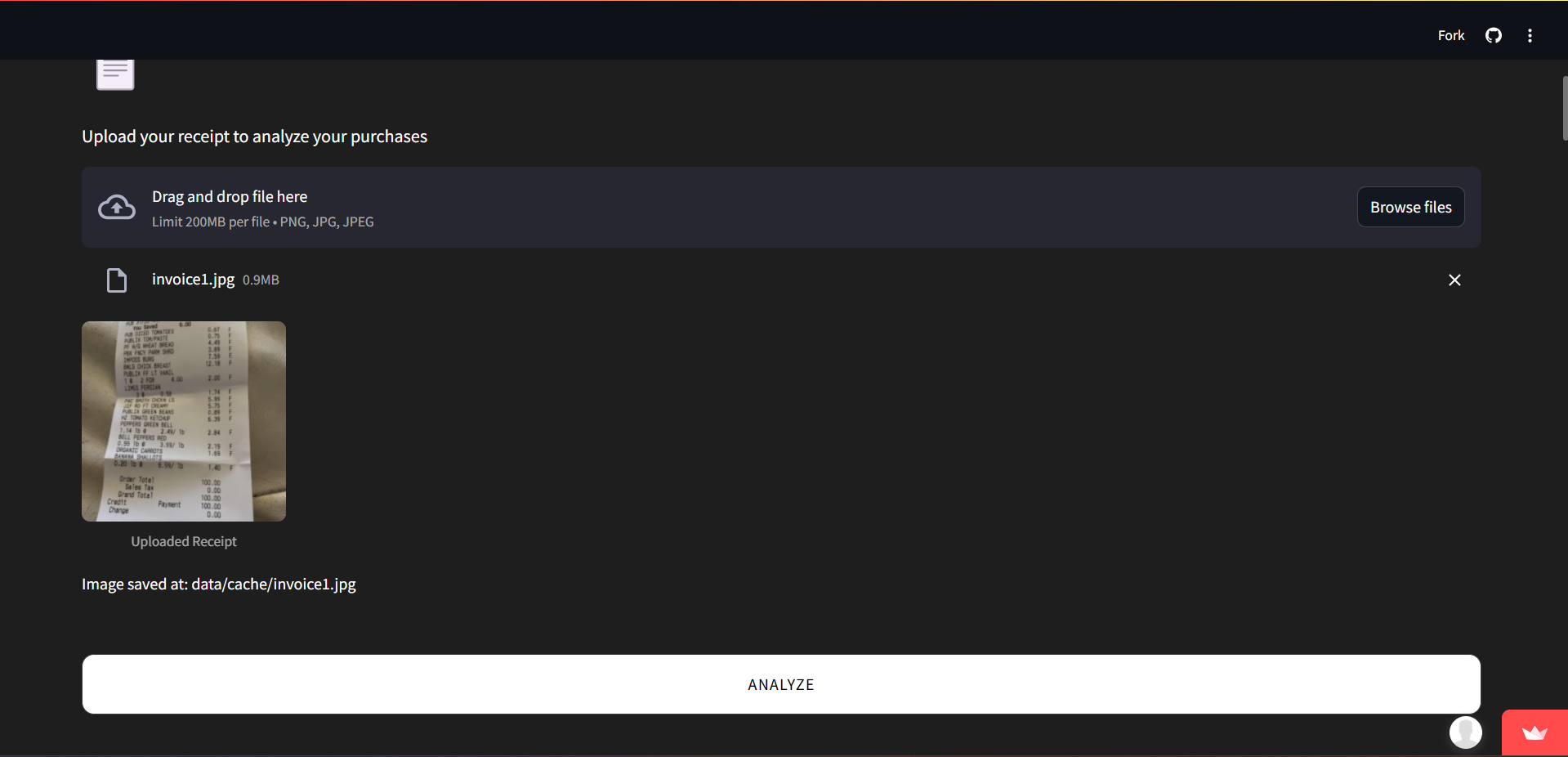
Receipt Upload Area
-
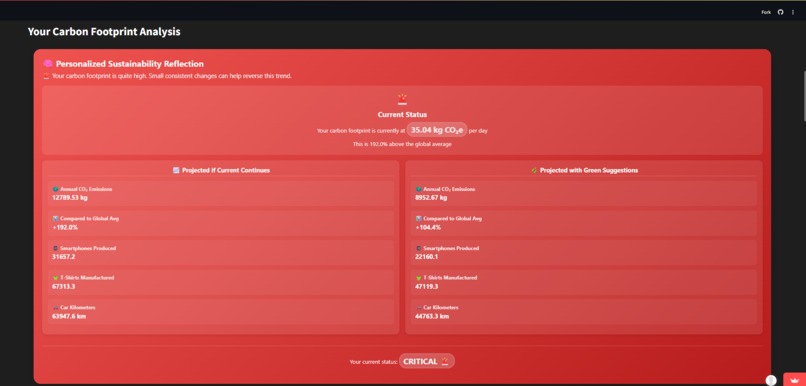
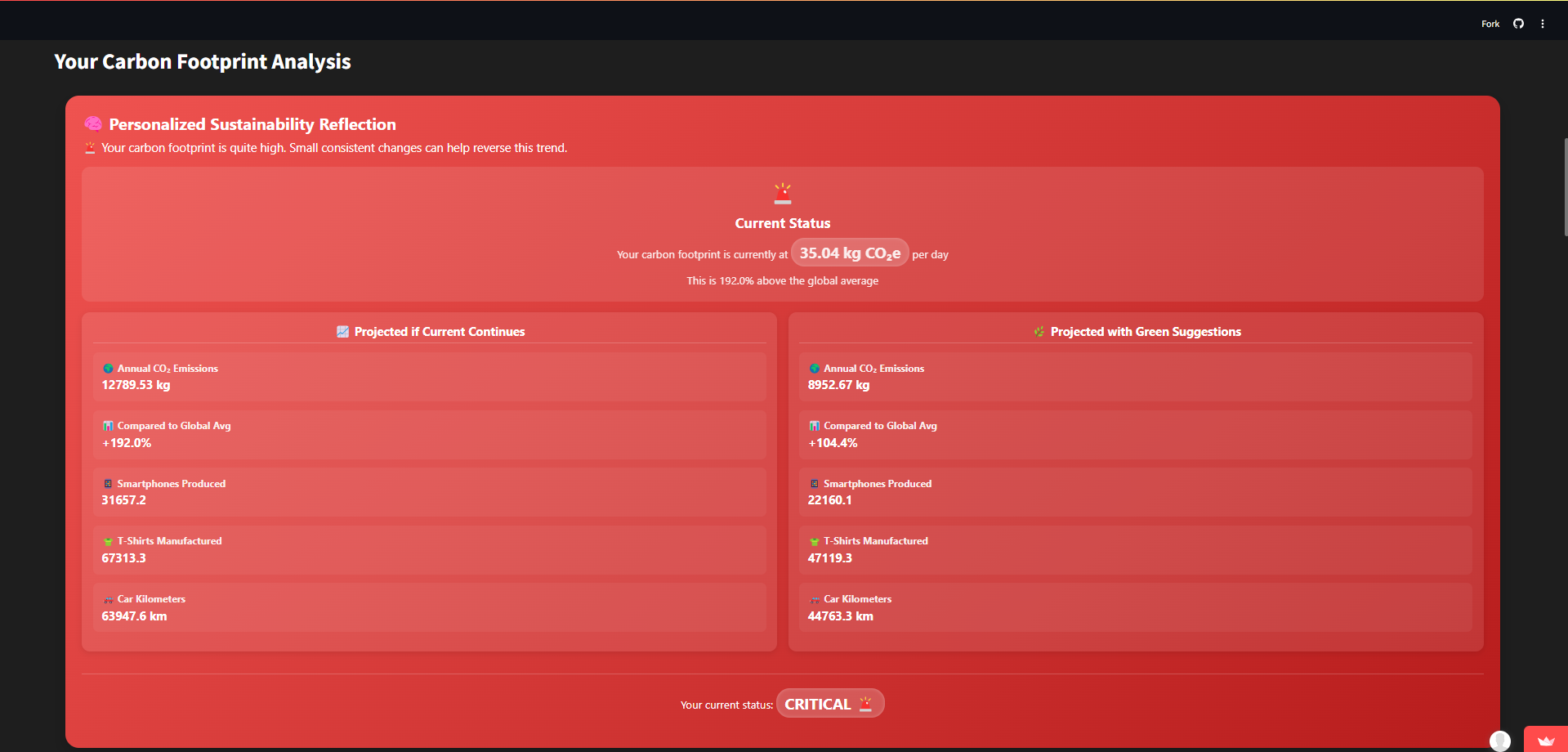
Personalized Sustainability Reflection Summary
-
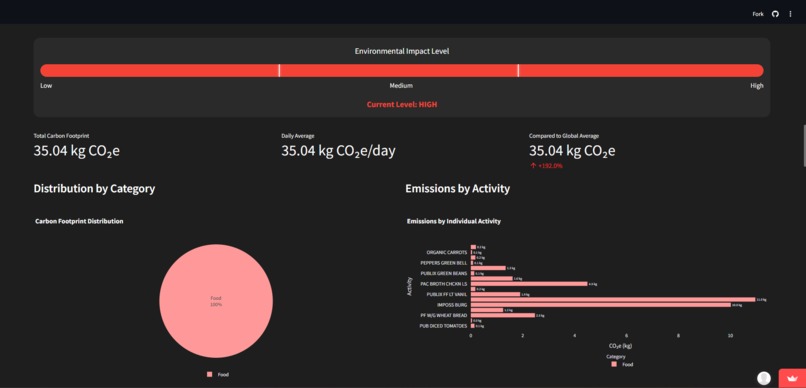
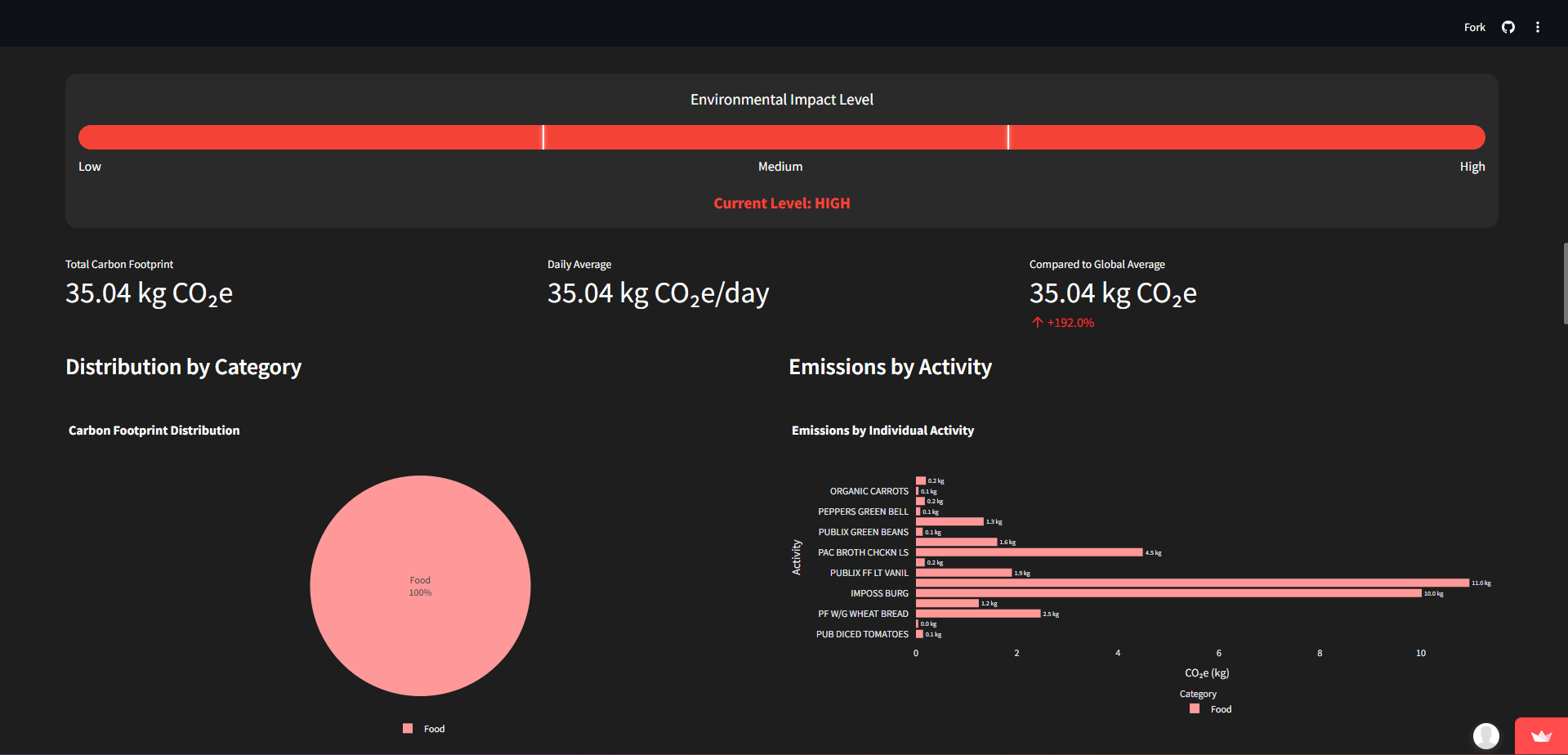
Personalized Sustainability Inforgraphics
-
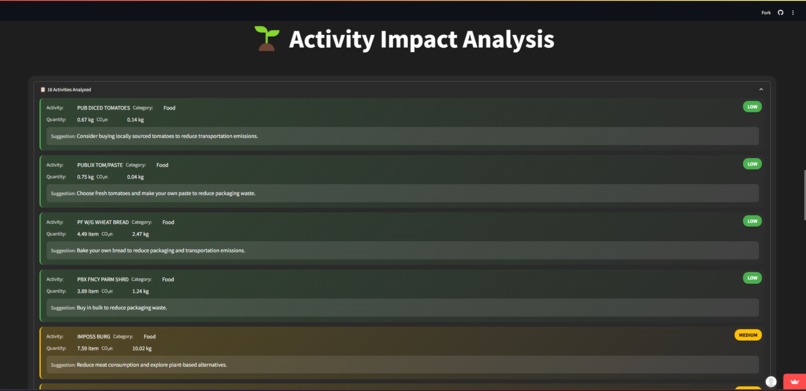
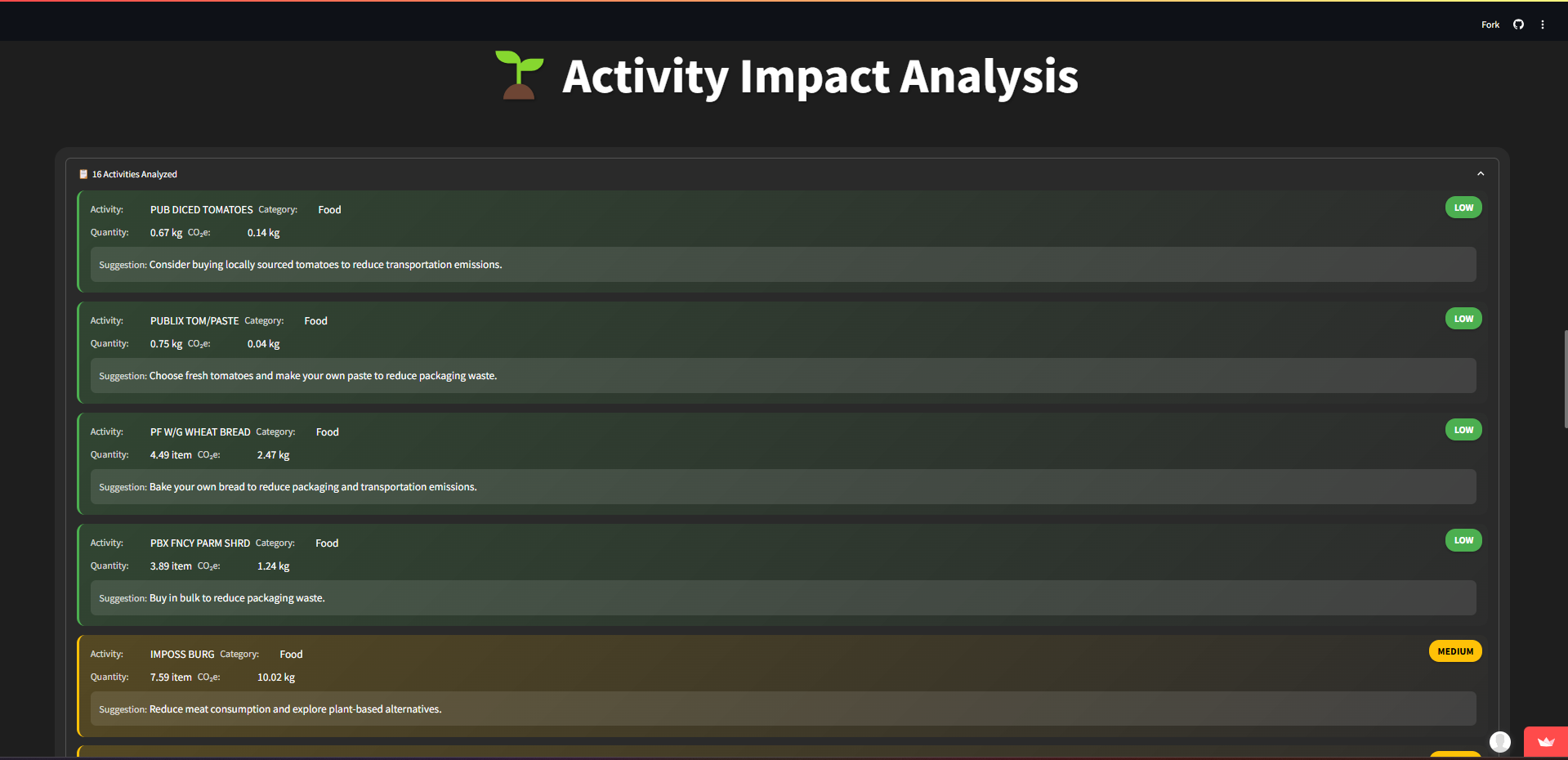
Activity Impact Analysis
-
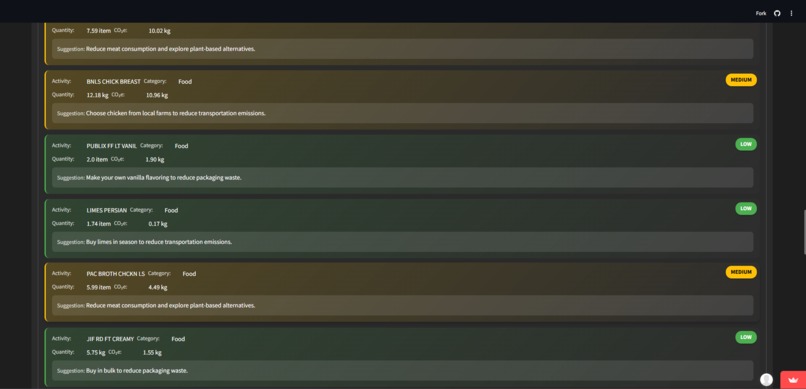
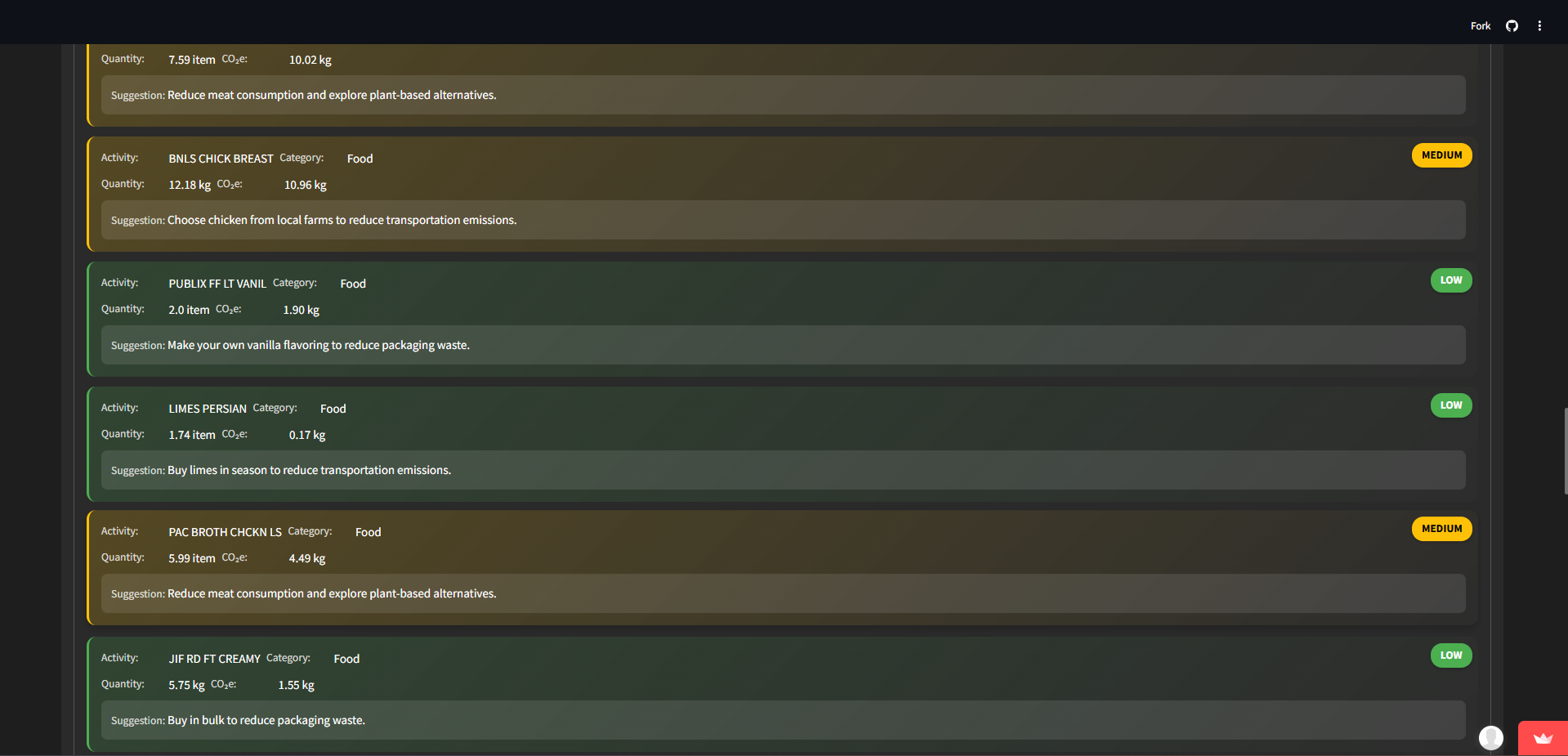
Activity Impact Analysis Continued
-
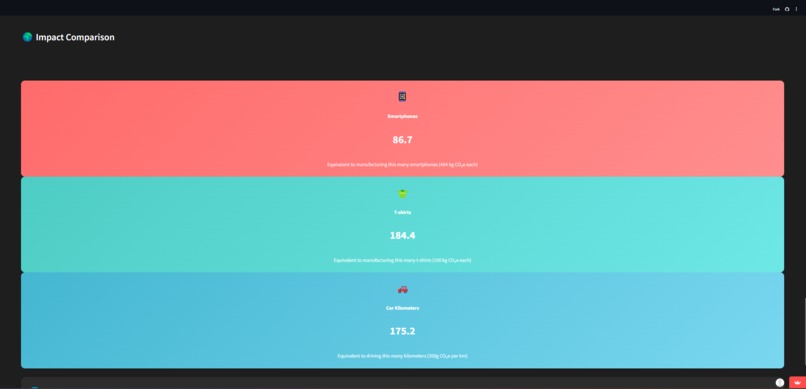
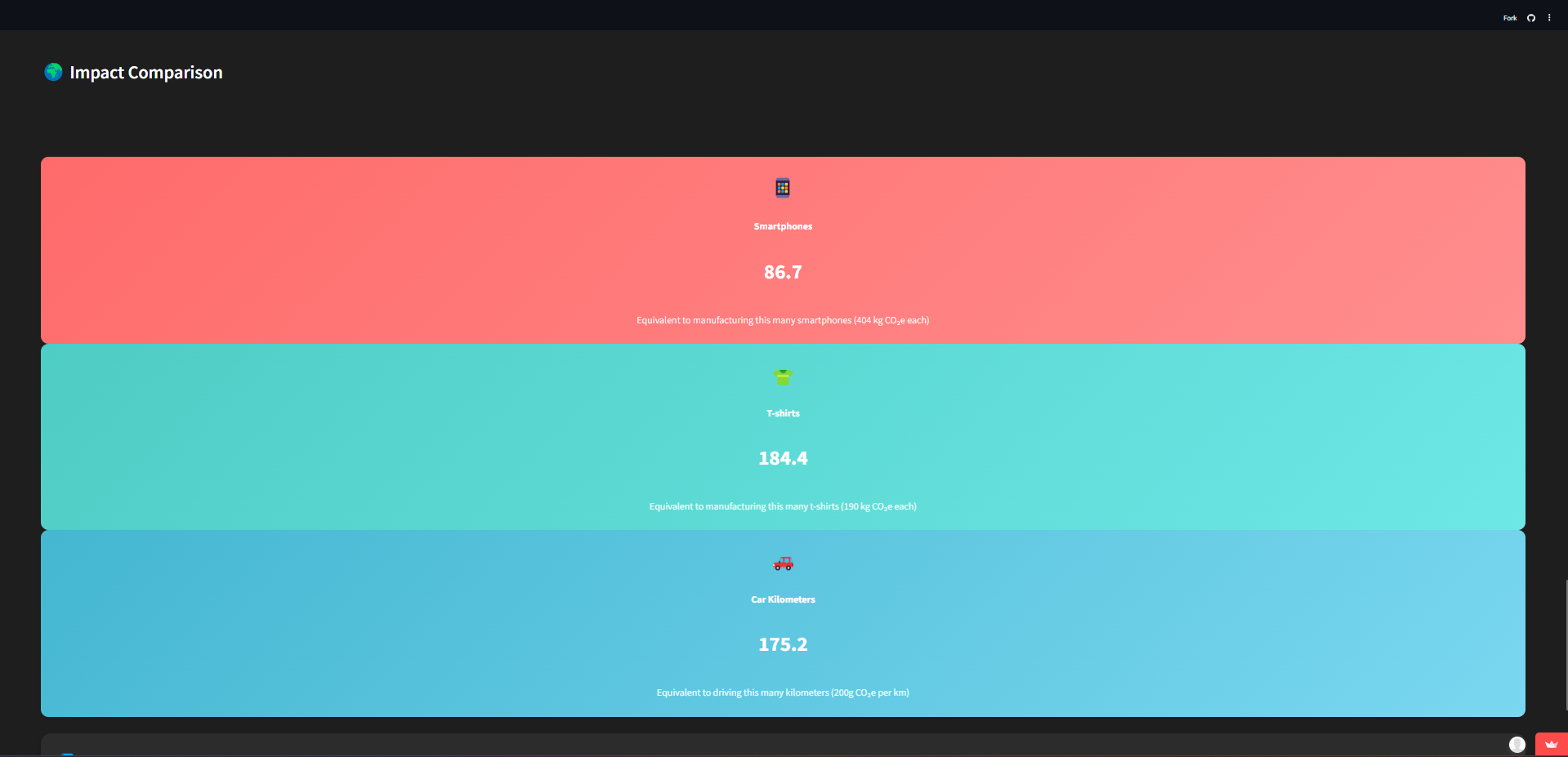
Impact Comparison
-
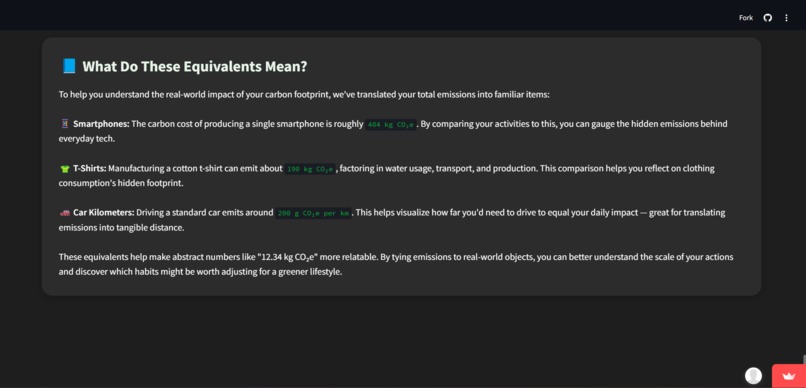
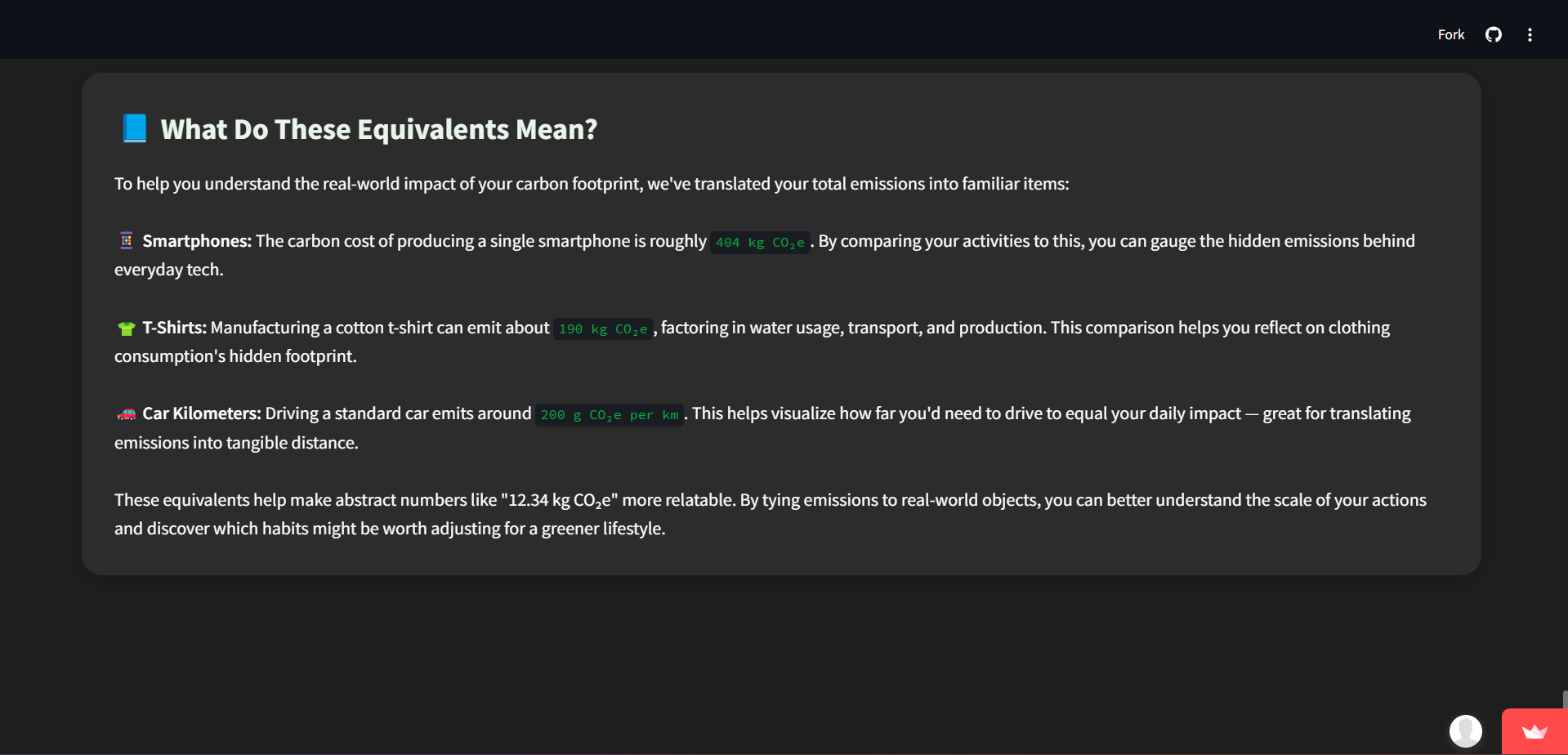
Impact Comparison Explanation
Inspiration
In a world where climate change is becoming increasingly urgent, we realized that many individuals want to live more sustainably—but don't know where to start. Sustainability is often framed in abstract terms or complex data, making it inaccessible to the everyday person. Our inspiration came from a simple question: “What if sustainability could be personalized, practical, and as easy as tracking your calories?” That’s how EcoMate-AI was born—a smart companion that empowers users to understand and reduce their carbon footprint, one small habit at a time.
What it does
EcoMate-AI is an AI-powered web application that helps users measure and reduce their carbon footprint based on daily activities. It supports three types of input:
🧾 Receipt Upload (OCR-based purchase parsing)
📝 Text Input (natural language activity description)
🎙️ Voice Input (speech-to-text with semantic parsing) (Beta)
Using a structured emissions dataset, the app breaks down a user’s footprint into four categories: Food, Transport, Energy, and Shopping. It then delivers:
A visual carbon footprint summary Personalized green suggestions Real-world impact comparisons (e.g., smartphones, t-shirts, kilometers) Activity impact analysis with tips for improvement
All of this is presented in a clean, interactive dashboard that encourages sustainable behavior without overwhelming the user.
How we built it
We built EcoMate-AI using the following tools and technologies:
Frontend: Streamlit (for a fast, responsive web UI)
Backend: Python, Pandas, and OpenAI/GenAI for text/voice processing
Image Processing: Gemini OCR for extracting text from uploaded receipts
Speech-to-Text(Beta): Whisper API for audio input parsing
Database: A structured CO₂ emissions dataset with fields like Activity, Item, Unit, and kg CO₂e
Visualization: Dynamic cards, bar charts, and real-world equivalents calculated live
The app uses modular logic to identify activities, estimate emissions based on predefined schemas, and present impact using both metrics and analogies.
Challenges we ran into
Parsing diverse inputs: Accurately mapping natural language and OCR outputs to structured emissions data was tricky.
Data consistency: Harmonizing units (e.g., kg vs item vs km) across food, transport, and energy required normalization.
Visual storytelling: Designing UI that conveys environmental impact in a relatable way (not just numbers) took several iterations.
Time constraints: Building multimodal input support (text, audio, image) within 72 hours was intense!
Accomplishments that we're proud of
Built a fully functional AI-powered carbon analyzer from scratch in just two days
Implemented three input modalities (OCR, NLP, voice) seamlessly
Designed an intuitive, gamified UI that makes climate data approachable and actionable
Visualized carbon emissions in real-world equivalents—helping users see the impact of their daily choices
Created a tool that is scalable, educational, and instantly usable
What we learned
Simplicity drives adoption—making sustainability feel achievable is just as important as the data itself
Leveraging AI with purpose (not overengineering) enhances user experience and accuracy
Real-world analogies (e.g., CO₂ = smartphones) dramatically improve user understanding
Collaboration, quick decision-making, and design-thinking are essential in hackathon settings
What's next for EcoMate-AI
📱 Convert into a mobile-friendly Progressive Web App (PWA)
🔌 Integrate real-time energy data (via APIs like ElectricityMap)
🌍 Add region-specific datasets and carbon offset recommendations
🧠 Launch an AI-powered sustainability coach for live chat suggestions
🏆 Introduce gamified challenges, streaks, and leaderboards to engage communities
🤝 Partner with schools, universities, and corporate CSR programs to scale impact


Log in or sign up for Devpost to join the conversation.