-
-
The materials problem
-
The AI dashboard
-
Results and optimization
EcoFibre AI: AI-Powered Discovery of Sustainable Bio-Composites
Inspiration
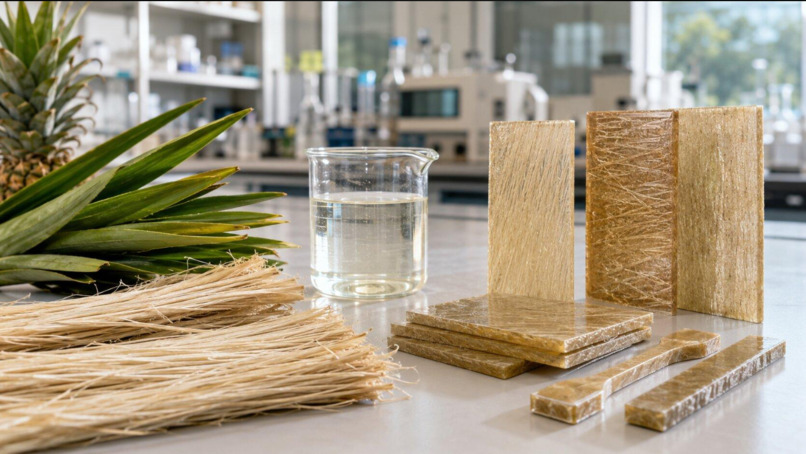
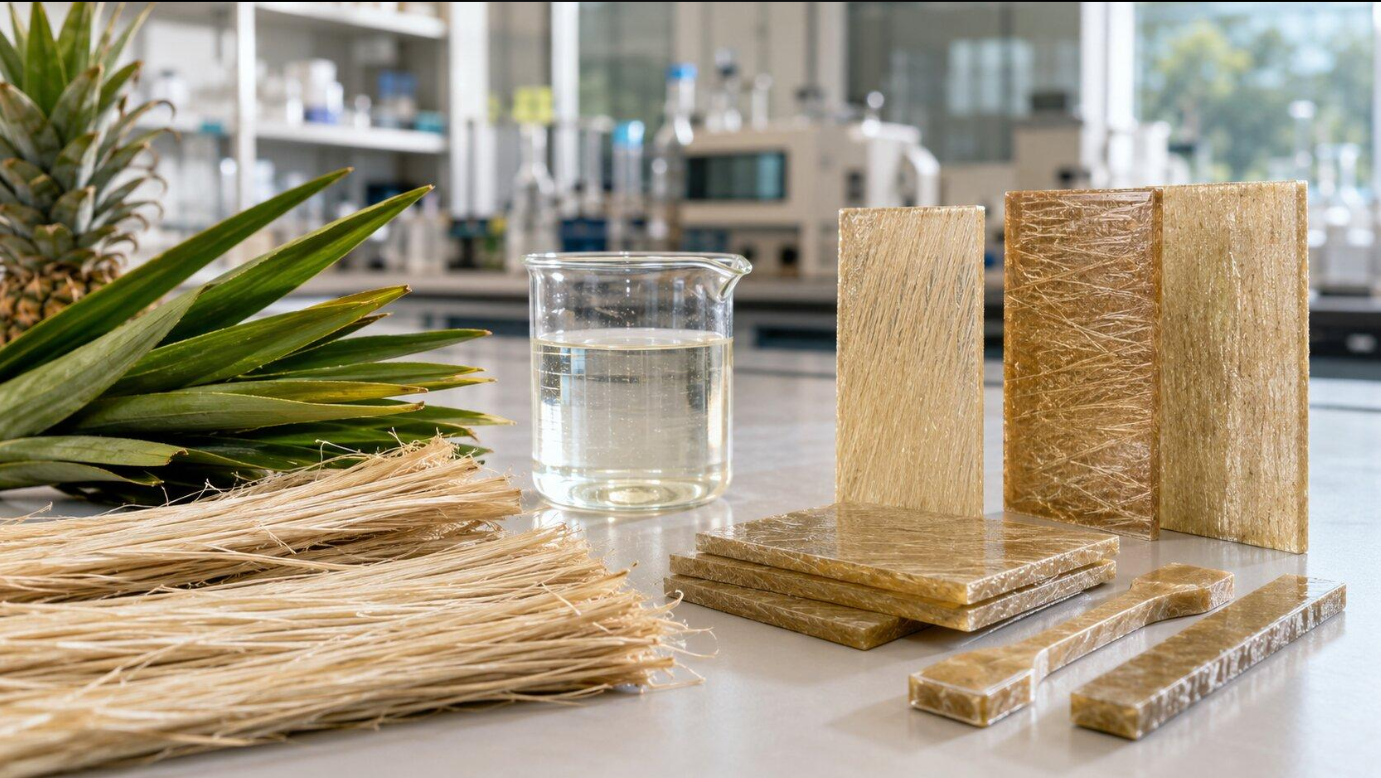
Invasive plant species can create ecological challenges, while natural fibres offer opportunities for developing more sustainable composite materials. And of a personal reason, this particular invasive plant(Ipomoea carnea) have been a huge issue in my native place have been a huge nuisance even 40 to 50 years back, and with my interest towards sustainable materials, inspired us to explore whether fibres from Ipomoea carnea (Seemai Agathi), an invasive shrub found in parts of Tamil Nadu, could be transformed into useful fibre reinforced composites.
Our project combines sustainable materials research with Artificial Intelligence to investigate a key question: Can AI help researchers predict and identify promising formulations for natural fibre composites?
What It Does
EcoFiber AI is an AI-assisted material exploration platform designed to connect experimental materials science with machine learning.
The project focuses on:
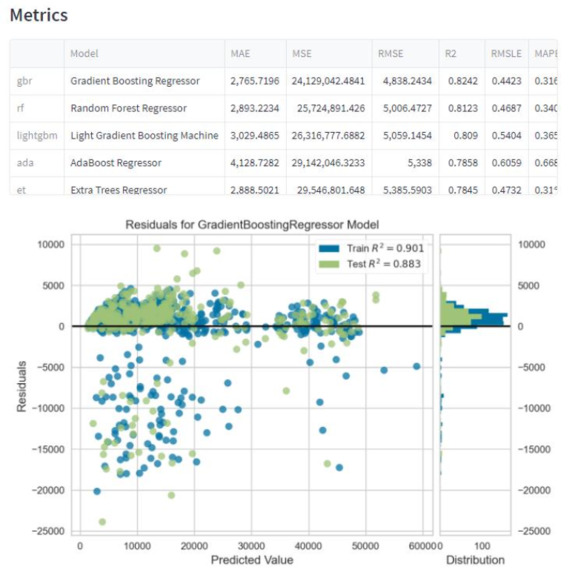
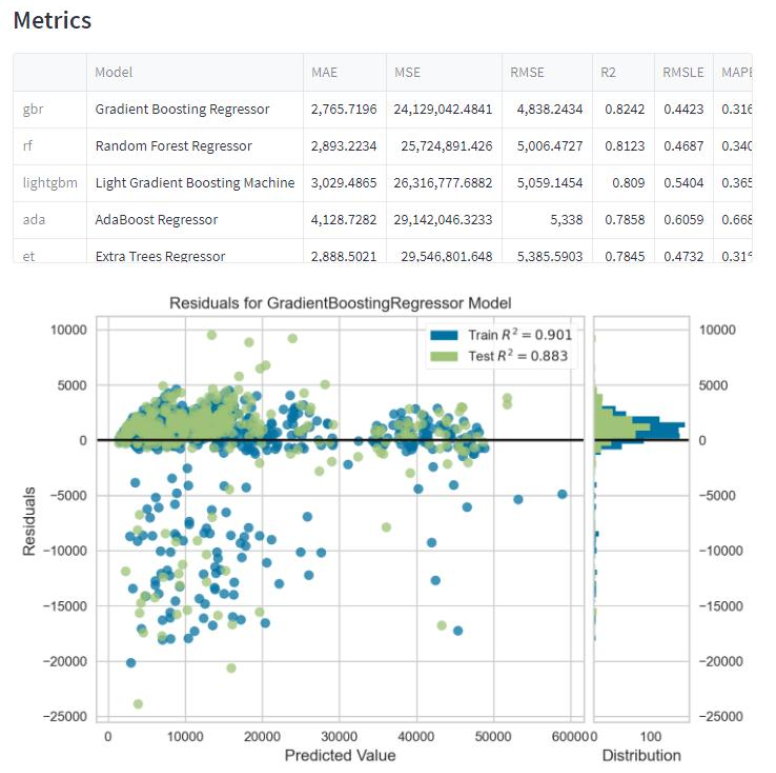
- Material Property Prediction: Using machine learning to estimate composite properties from fabrication parameters and experimental data.
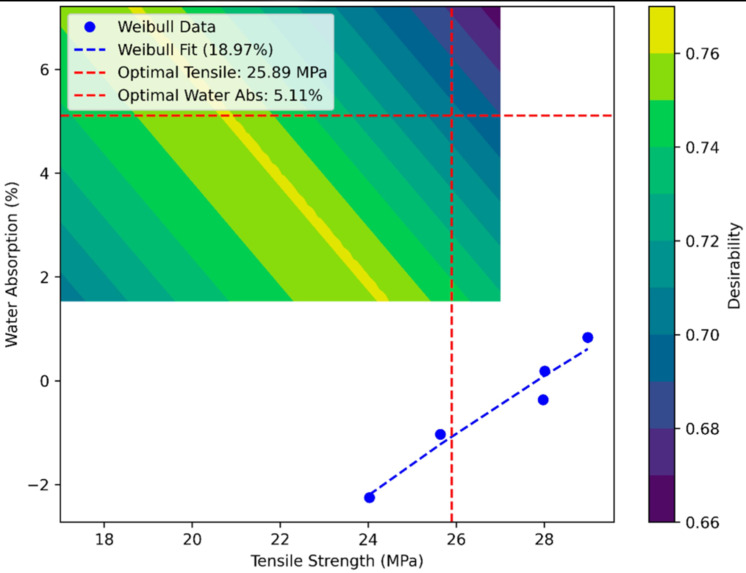
- Formulation Comparison: Comparing fibre-treatment conditions and their potential effects on mechanical strength and water absorption.
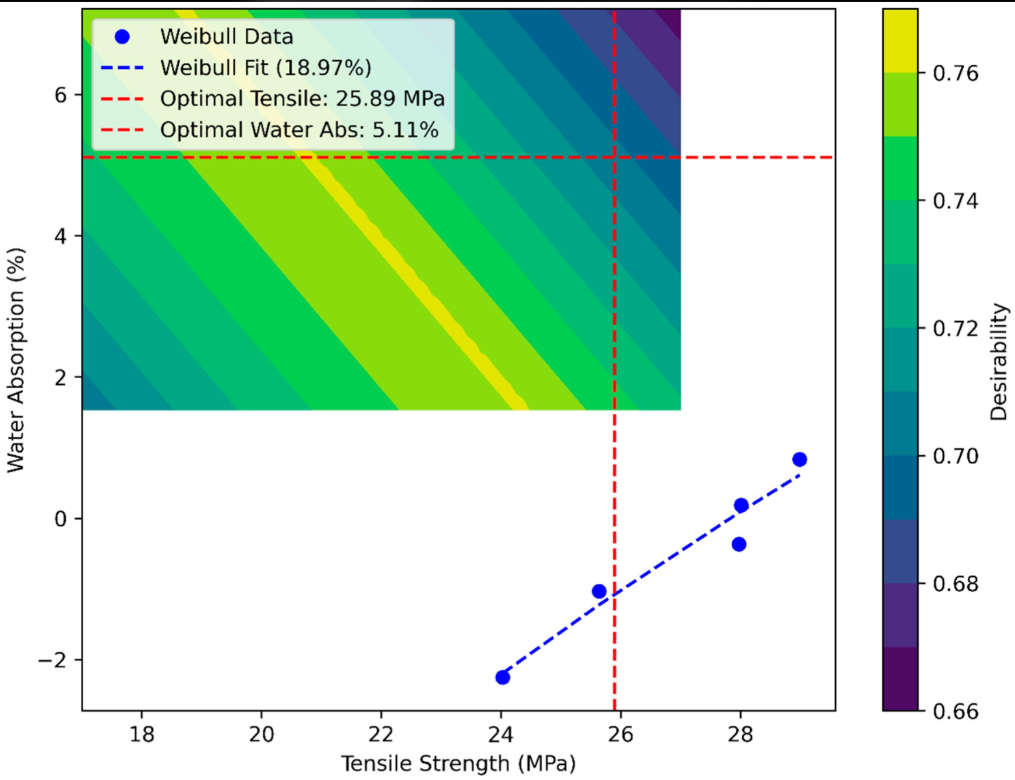
- Data Driven Optimization: Identifying promising candidate formulations for further experimental testing.
- Sustainability Exploration:Investigating the potential of invasive plant biomass as a reinforcement material for non structural composite applications.
Our underlying materials experiment investigates epoxy composites reinforced with Ipomoea carnea fibres treated with different sodium hydroxide (NaOH) concentrations: 0%, 3%, and 5%.
How We Built It
Our planned technical approach combines Python based data processing, machine learning, and an interactive dashboard.
- Python and pandas for organizing and preprocessing experimental and published research data.
- scikit-learn for training and evaluating regression models.
- Streamlit for creating an interactive user interface.
- Plotly and Matplotlib for visualizing material-property trends and model predictions.
Published experimental data will be screened for compatibility with our epoxy composite system. Our own laboratory measurements will be incorporated as they become available. Model performance will be evaluated against actual measurements rather than assumed results.
Challenges We Faced
One of the main challenges is the limited availability of experimental data for composites reinforced specifically with Ipomoea carnea. Data from other natural fibres can differ significantly because of the fibre type, matrix material, treatment conditions, and testing methods.
Another challenge is avoiding misleading predictions when the dataset is small. We therefore aim to distinguish between experimentally measured properties, model predictions, and recommendations that still require laboratory validation.
What We Learned
This project explores how AI can support materials research by connecting experimental observations with predictive modelling. It also highlights the importance of data quality, scientific validation, and sustainability when developing AI solutions for real world engineering problems.
Future Scope
Future development could incorporate additional fibre types, larger experimental datasets, explainable AI, and multi-objective optimization to balance mechanical performance and moisture resistance.
Our long term vision is to make sustainable composite development more data driven and help researchers identify promising material formulations for experimental investigation.
Built With
- artificial-intelligence
- data-visualization
- machine-learning
- materials-science
- natural-fibres
- numpy
- pandas
- predictive-analysis
- python
- scikit-learn
- streamlit
- sustainability

Log in or sign up for Devpost to join the conversation.