-
-

E-Com Pipeline
-
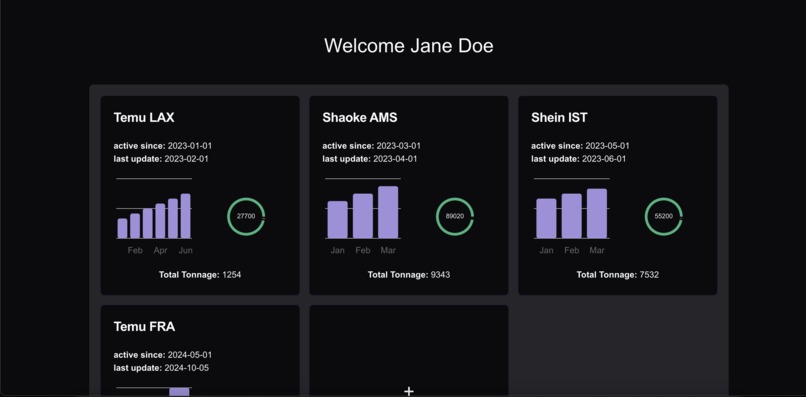
General Overview
-
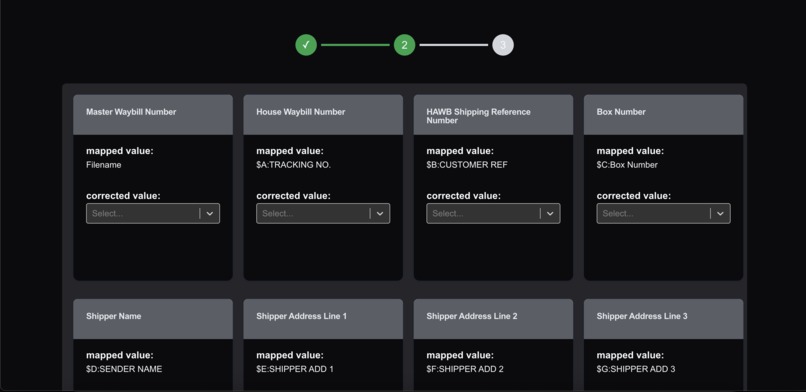
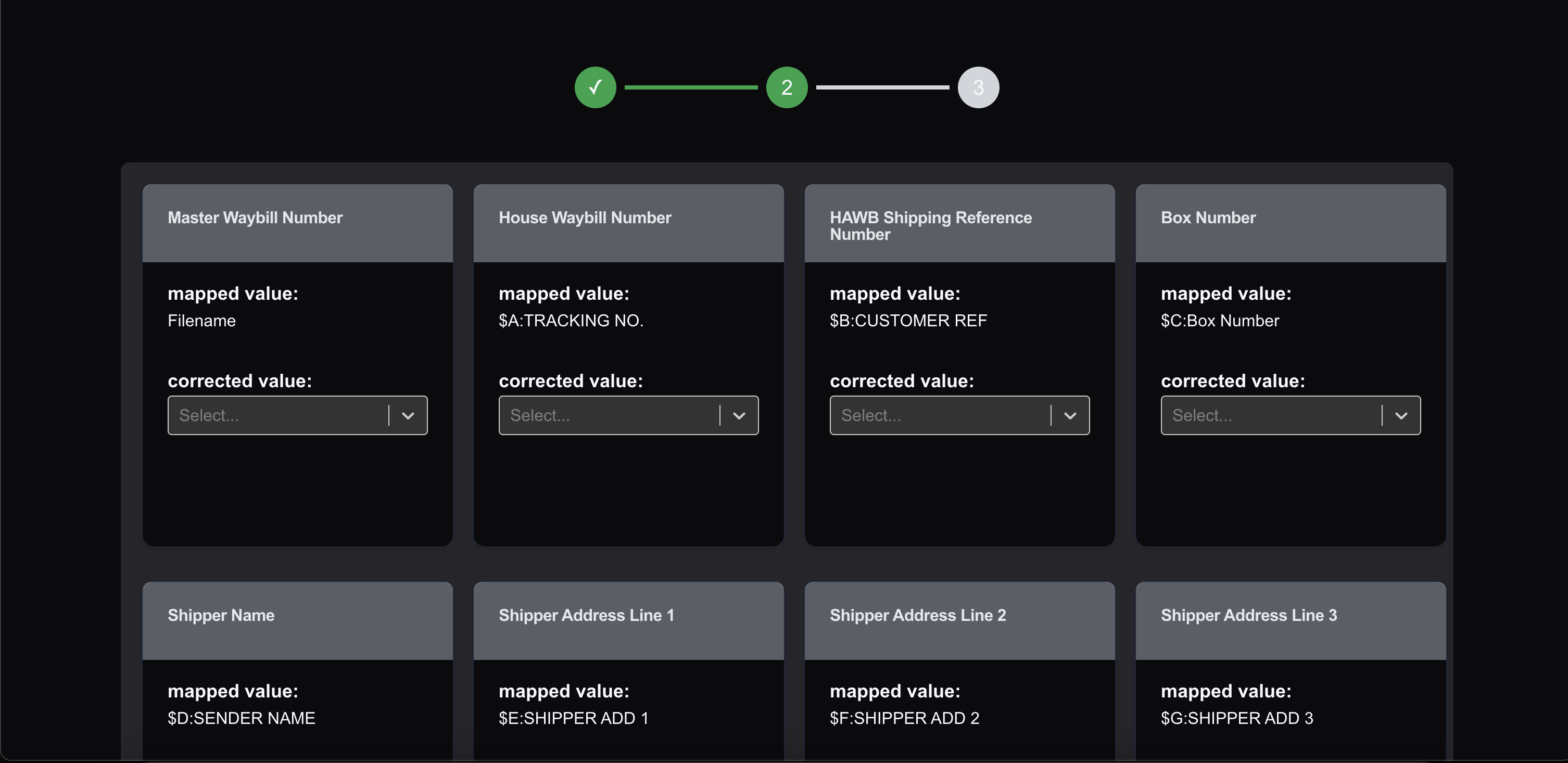
Mapping Overview
-
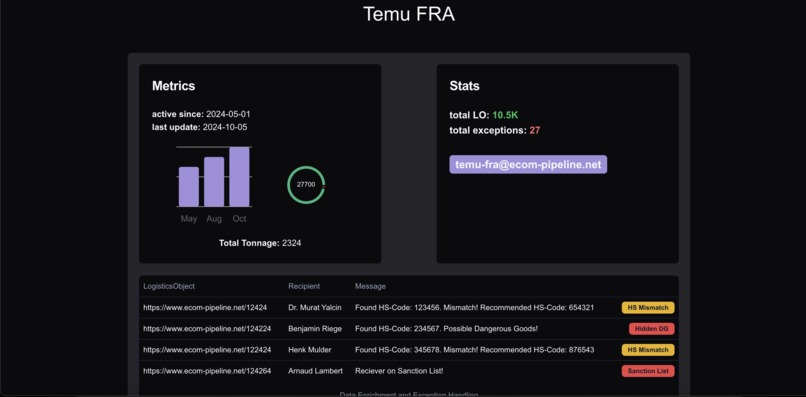
Pipeline
-
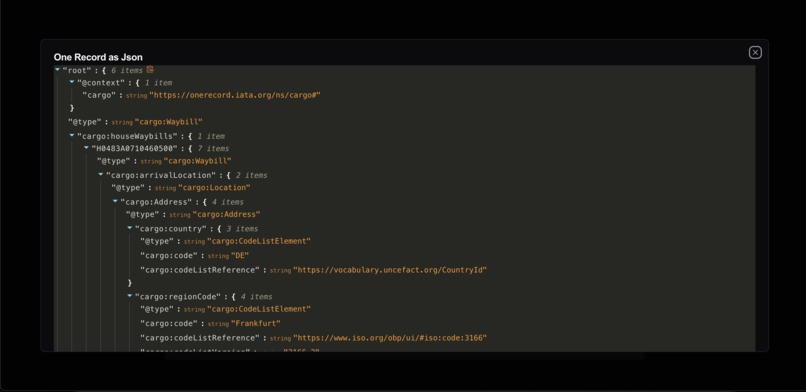
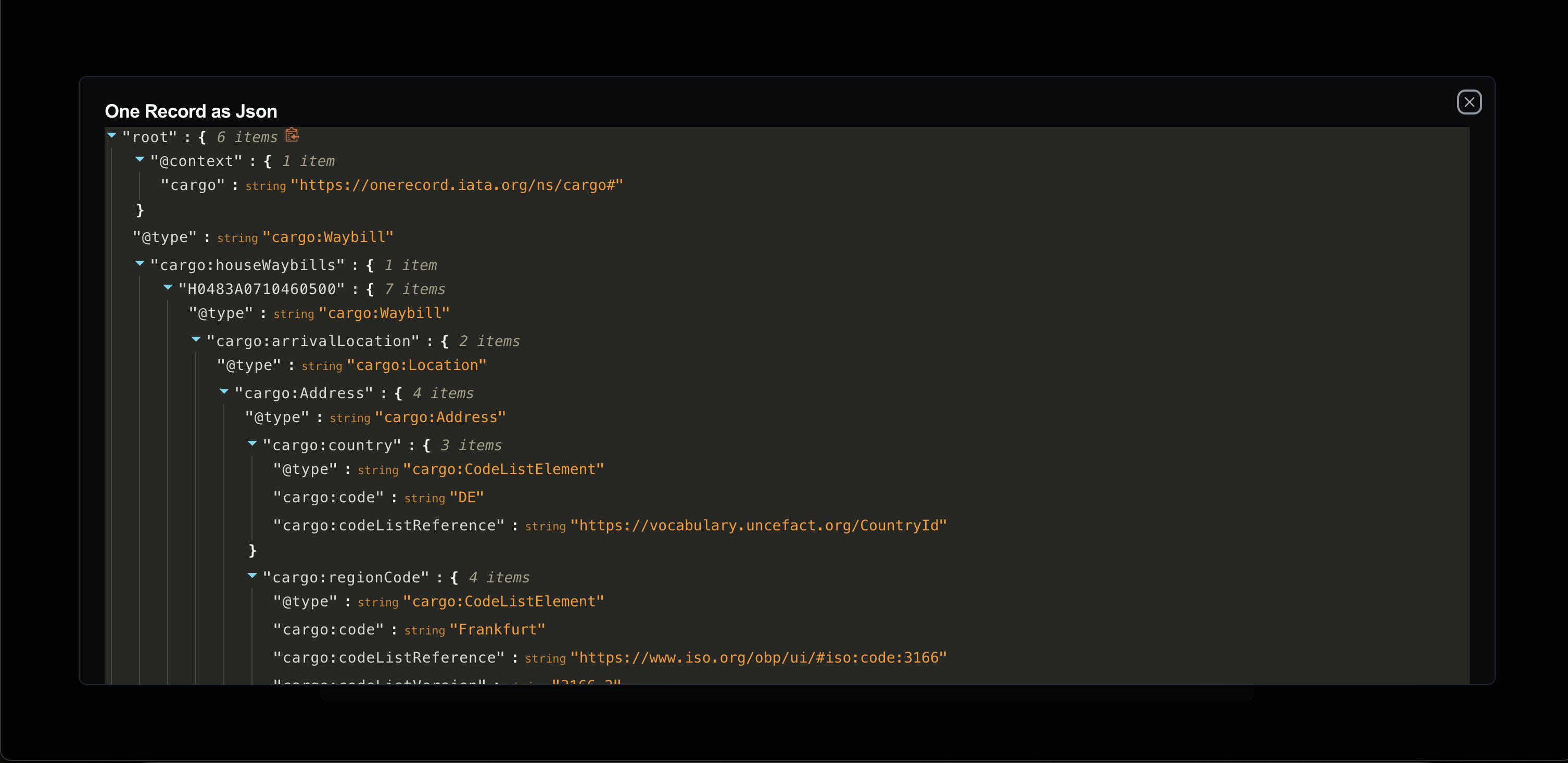
JSON-LD ONE:Record
-
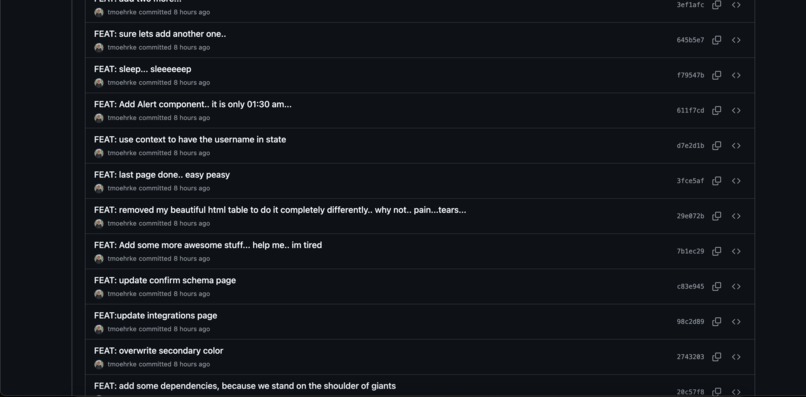
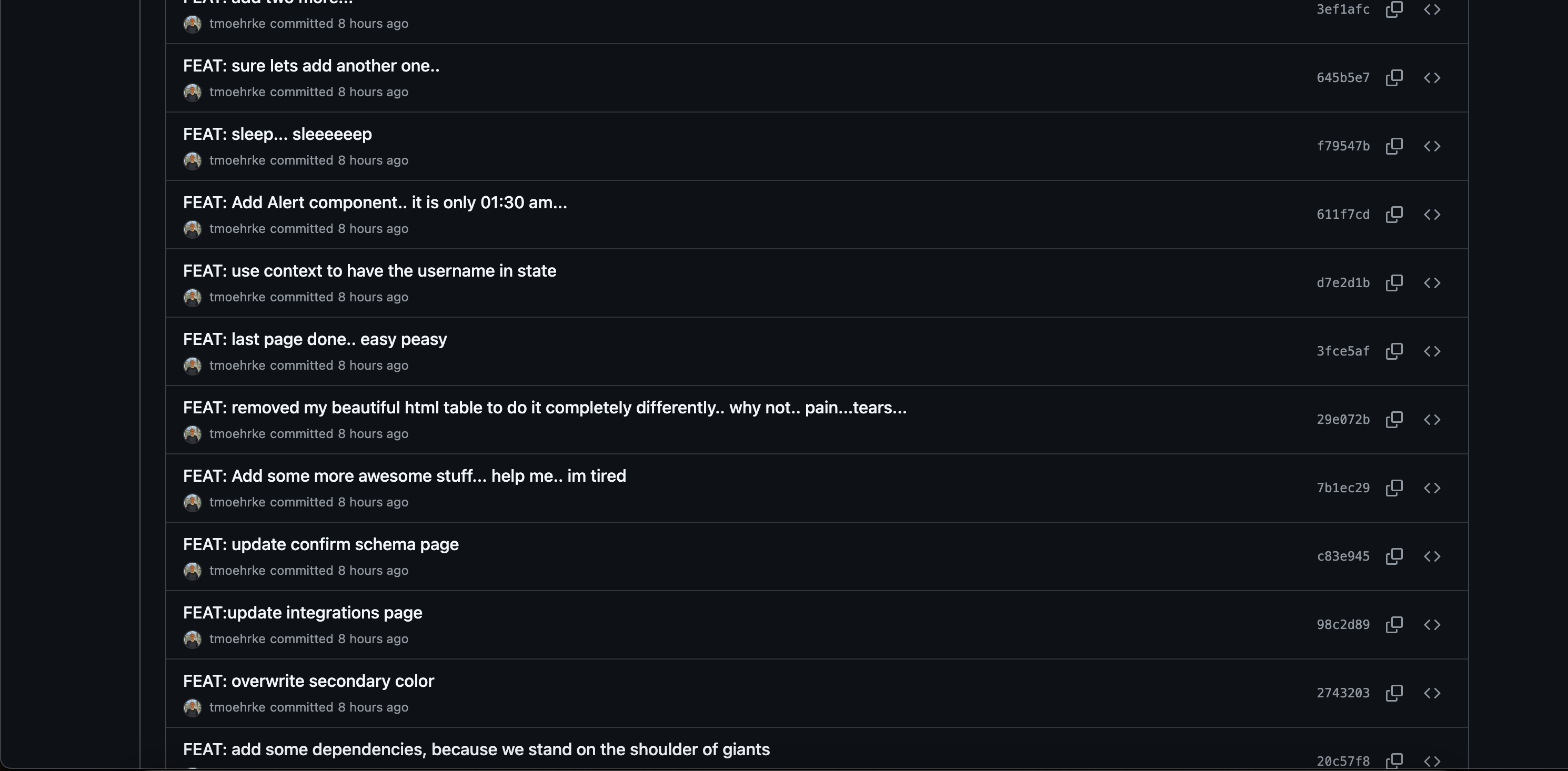
Commits
-
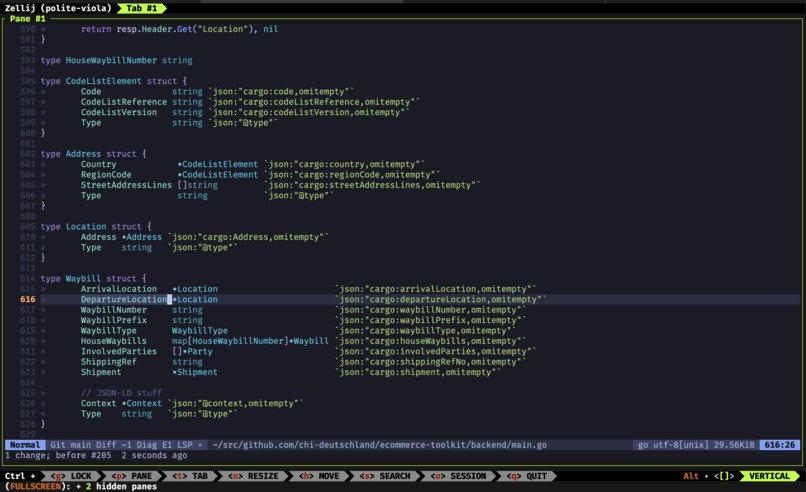
backend_02
-
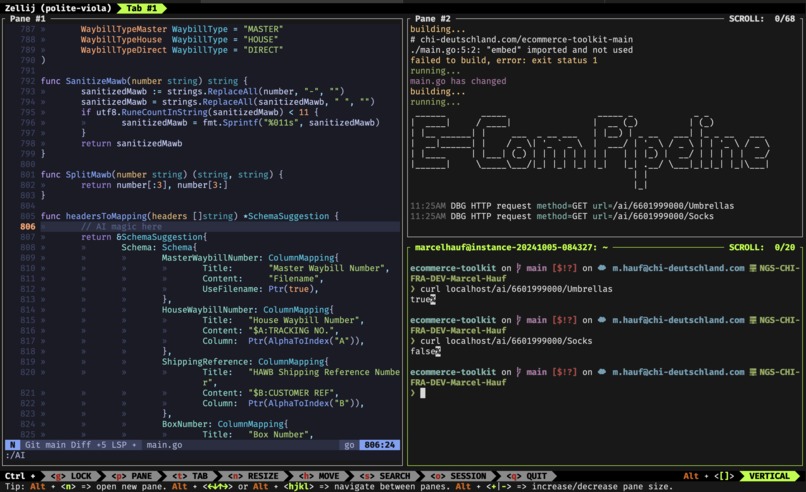
backend_01

Inspiration
Integrating air cargo data from various sources is a complex task. Let's face it: most e-commerce plattforms still heavily rely on Excel to aggregate their shipment data. Not only this, but they don't use a unified format and often share the data via email, adding another layer of complexity to the process.
ONE:Record delivers the unity, but the volume of e-commerce data makes it difficult to implement it overnight, unless there was a tool to assist people to connect their current reality with ONE:Record, without missing out on any bussiness opportunities.
This inspired us to create the E-Com Pipeline.
NOTE: Backup Link if Youtube is not working: https://www.icloud.com/iclouddrive/025etBS05ee0s1zE8m6Dafw9A#HackathonISTFinal
The E-Com Pipeline
Our E-Com Pipeline takes data from these commonly used Excel files and transforms it into ONE:Record data structures. Regardless of the Excel data structure, headers and column order, we ensure that all data is standardized into ONE:Record and sent to a NE:ONE server. We take this one step further by enhancing the data with AI and cross-referencing it to customs information and sanction lists to assist on the early detection of potential problems.
Simply drag-and-drop your Excel file into our app and let us handle the rest. You still get the chance to verify and adjust the data mapping done by AI to the ONE:Record structure. That's it. Now your pipeline is set up and you can connect your e-commerce platform with the provided email address to the pipeline, perfectly tying together the status quo, with where we want to get to.
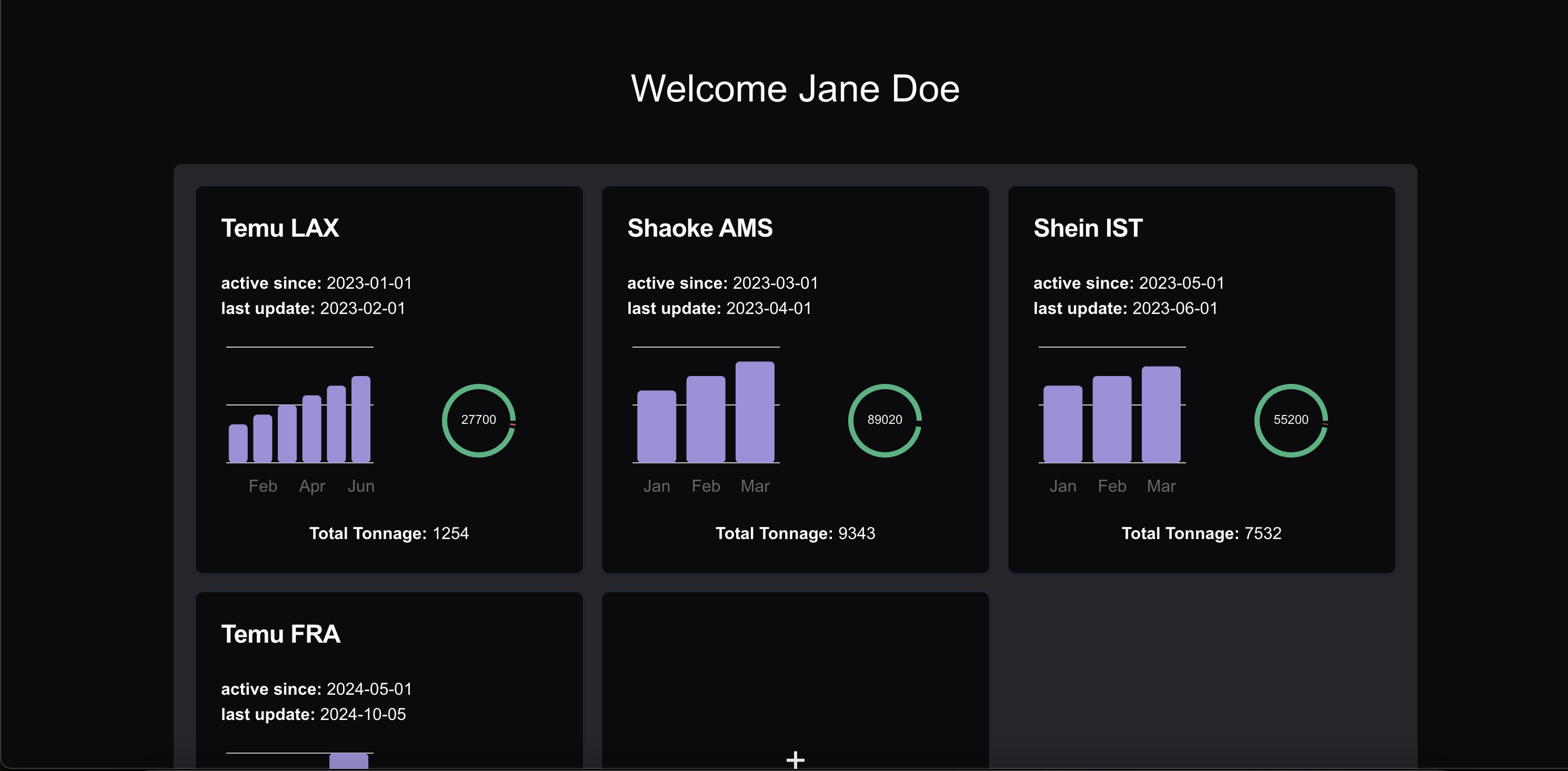
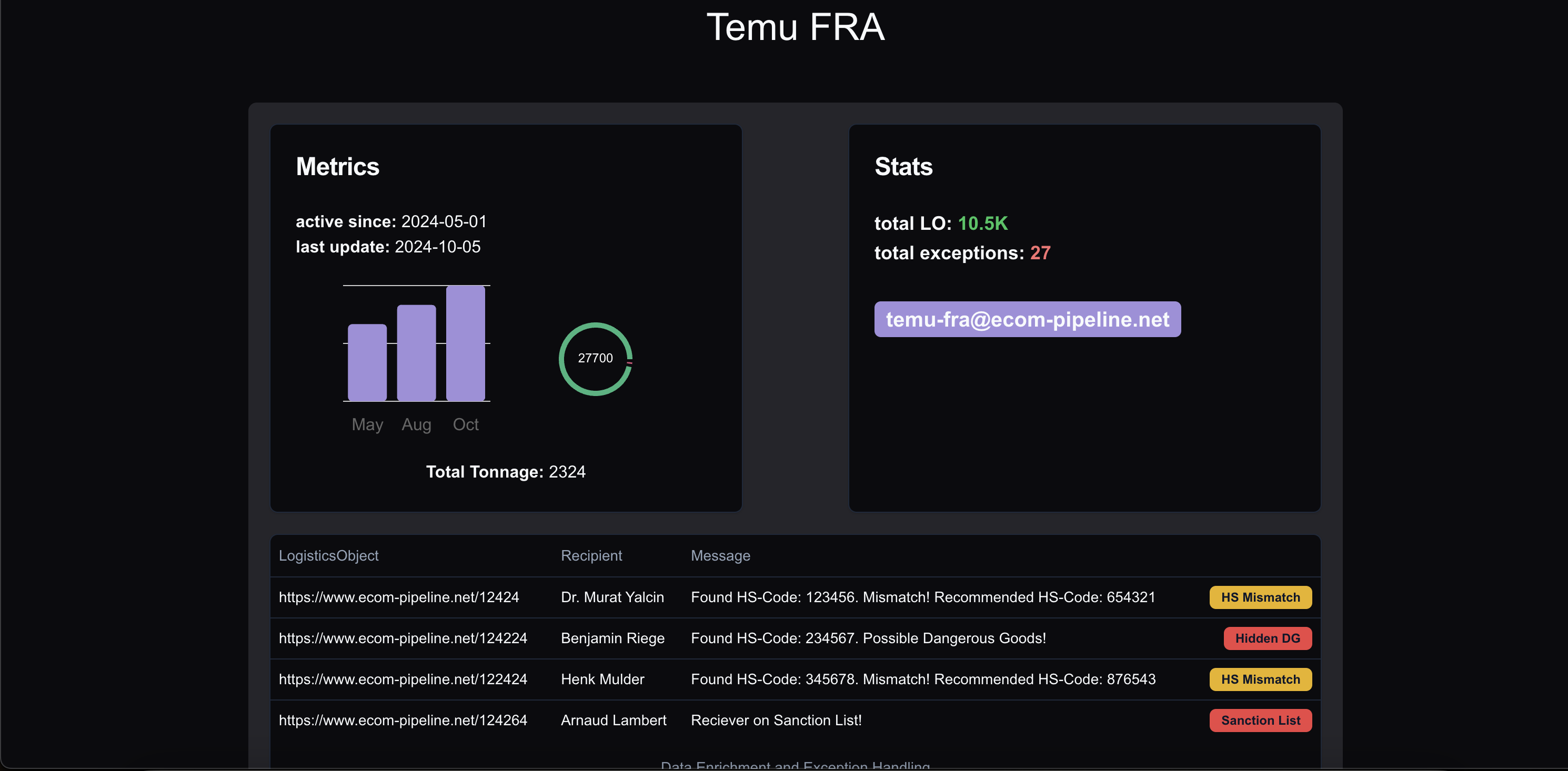
You can continue to use our User Interface to view statistics and alerts, such as when we detect a match between the recipient and a sanction list, an HS Code and dangerous goods or a simple mismatch betweeen product description and HS Code.
Tackling Key Challenges
Our E-Com Pipeline is designed to address the E-Commerce, ONE:Record, and Open Challenges, ensuring that our solution is robust, future-proof, and capable of handling the evolving demands of the air cargo industry.
Challenges we faced
During our project, we encountered several challenges. For some team members, this was their first experience participating in a hackathon. It was also our first practical encounter with the NE:ONE platform, requiring us to quickly adapt and learn. Creating a user interface for the video presentation became a significant dependency throughout the process, and the missing pieces in the video planning turned this into a major pain point. Additionally, staying focused on the hackathon while being in the beautiful city of Istanbul was an unexpected challenge.
How We Built Our Project
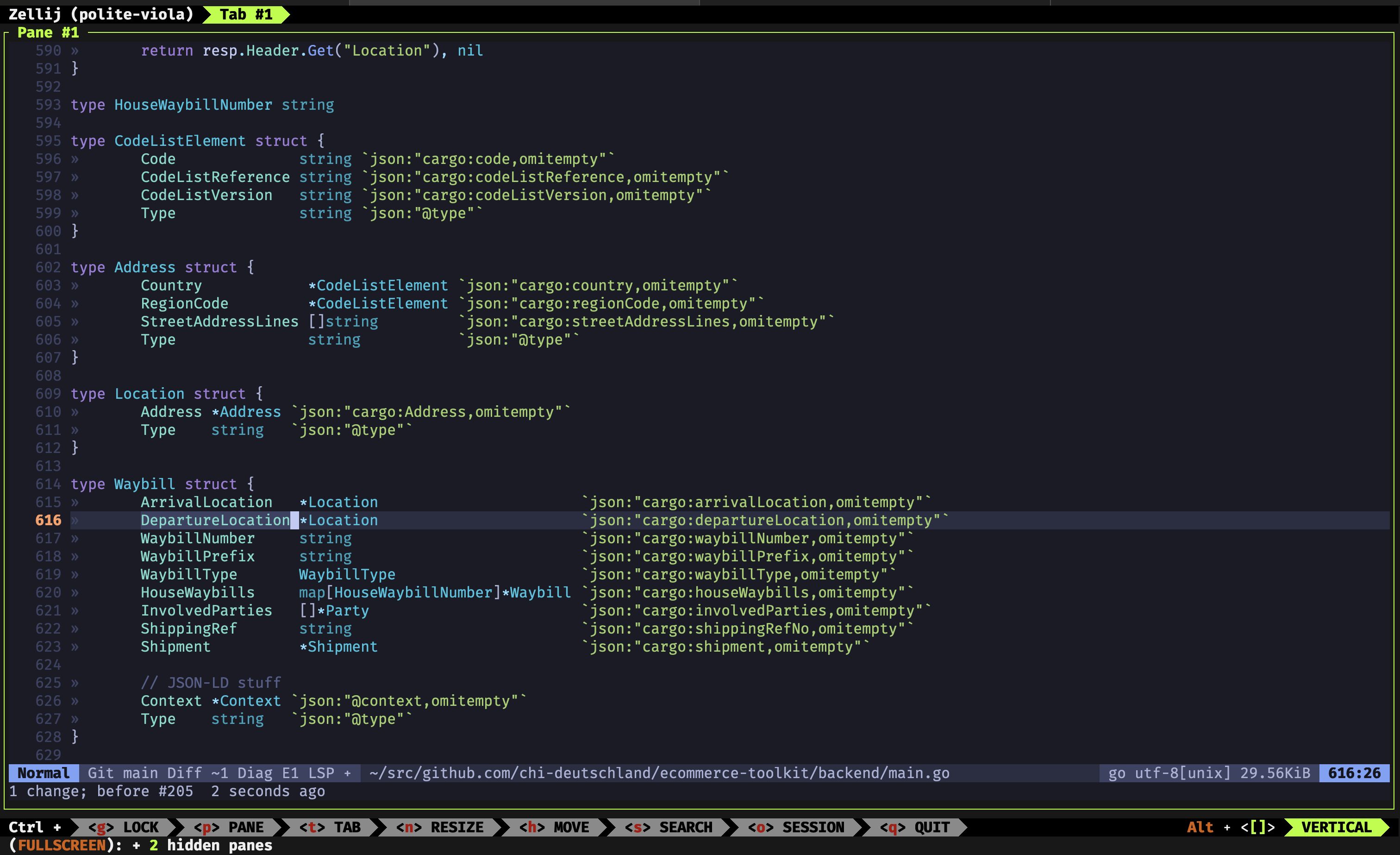
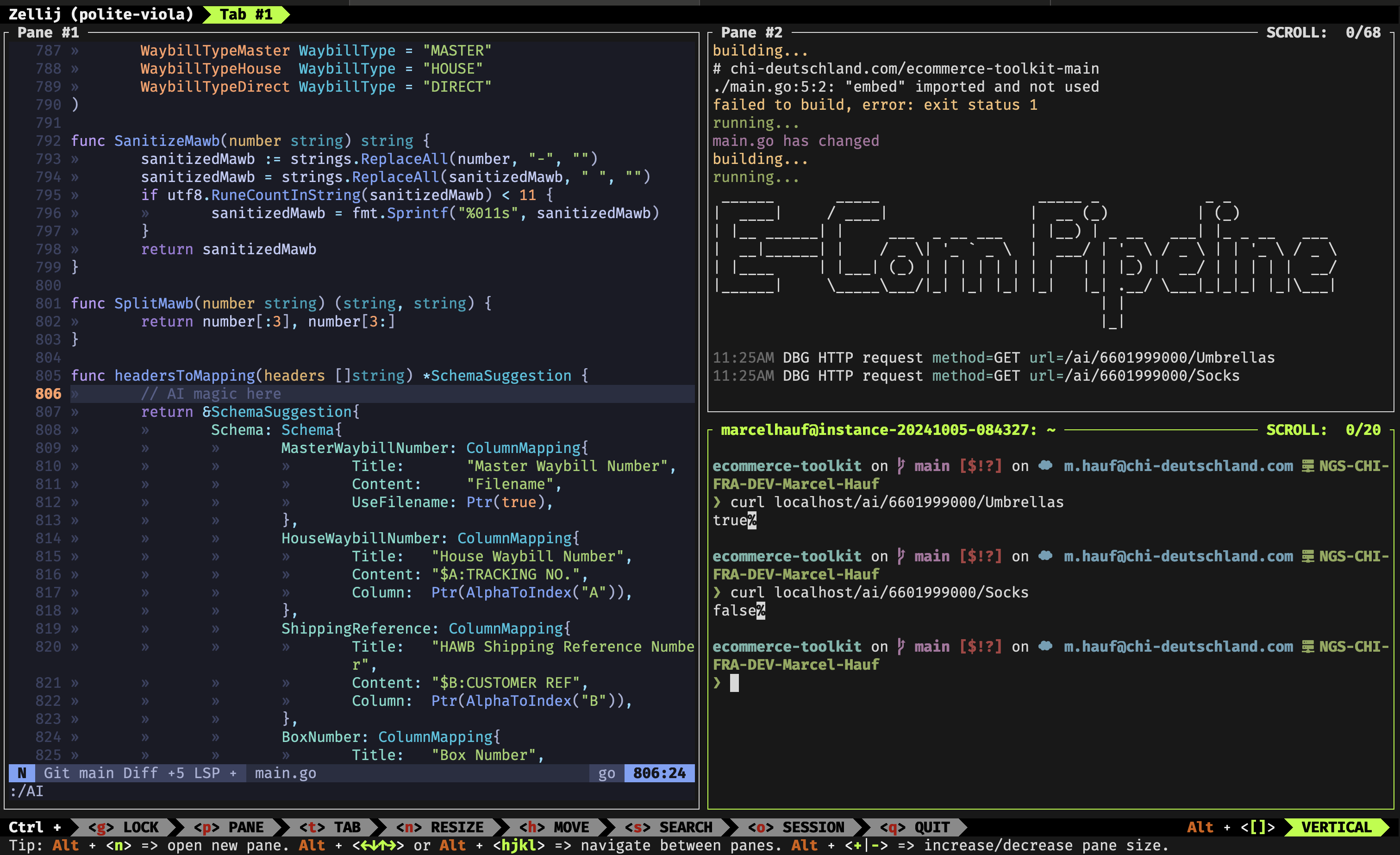
We built our project using React, Tailwind, NextJS, shadcn, Go and the NE:ONE server. We were happy with the technologies we chose: the safe choice of the ones we already knew and the serendipity brought by the ones we learned.
What We Learned
Throughout this journey, we learned how to flatten the learning curve for the ONE:Record standard, making it more accessible for everyone. Integrating with the ONE:Record standard proved to be a significant step for the future of digital air cargo. We are now even more confident to integrate ONE:Record into everyday solutions.


Log in or sign up for Devpost to join the conversation.