-
-
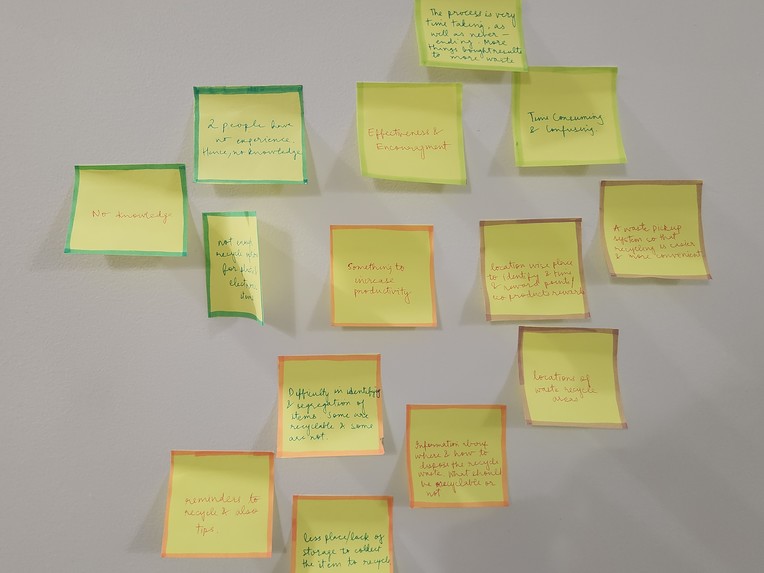
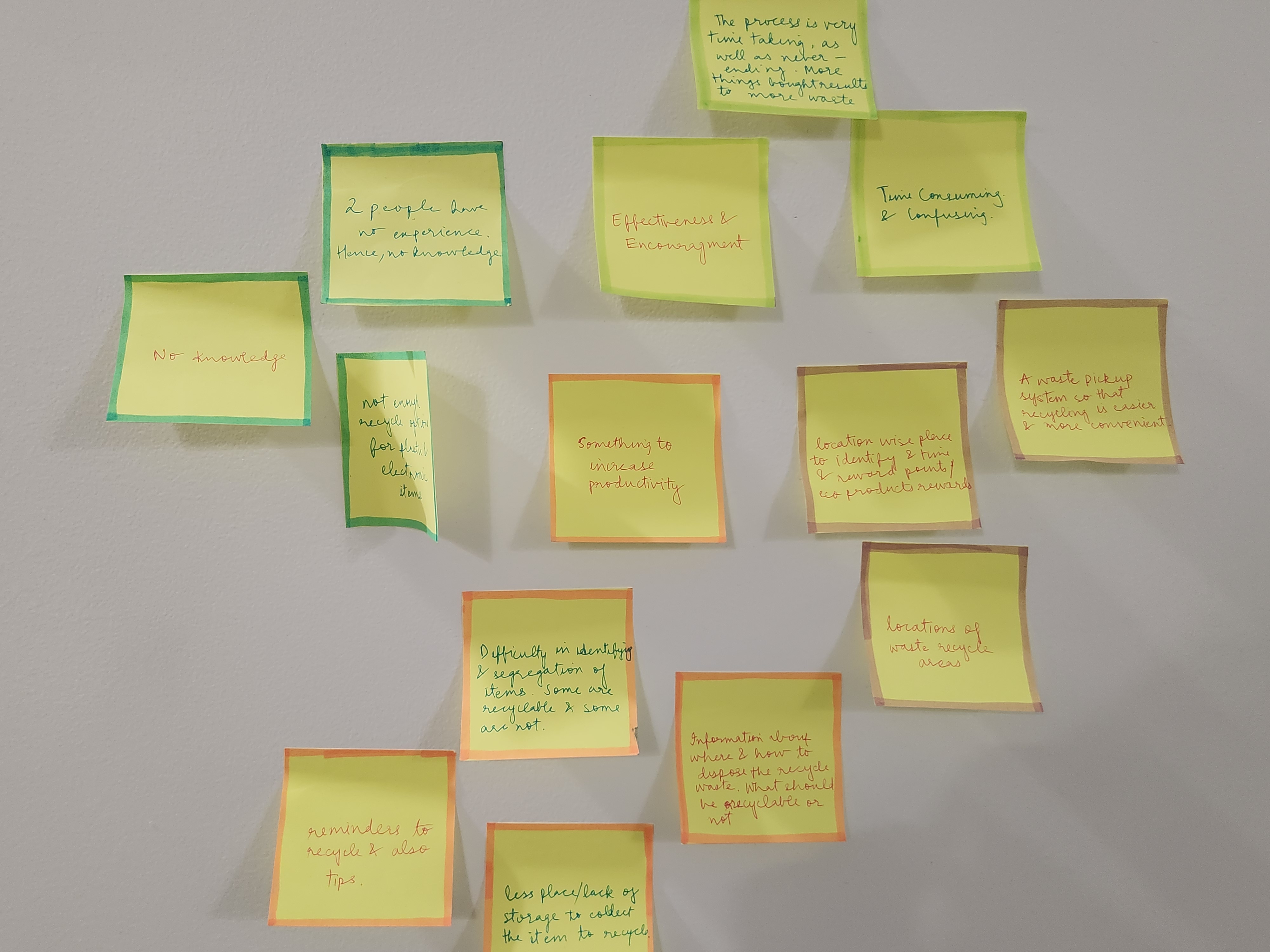
card sorting
Inspiration
The topic of this project is personal to me, as it addresses an issue I've encountered firsthand. Throughout our school years, we've been educated about the environmental damage caused by improper waste disposal and the importance of recycling. However, despite this awareness, the lack of accessible information and support regarding how and where to recycle has consistently troubled me. Recognizing that I wasn't alone in facing this challenge, I felt compelled to delve into research and seek solutions to address this issue.
What it does
Ecoloop essentially collects segregated recycled waste from homes and establishments that have booked the service. Then, it recycles the collected waste to create useful materials across sectors, all while providing employment opportunities. For example, it creates plant humus from recycled organic waste and sells it at a slightly lower price rate in the agriculture sector. Additionally, by supplying companies manufacturing plastic with recycled materials, Ecoloop supports their production and packaging processes. This allows these companies to incorporate recycled materials into their products, contributing to sustainability efforts.
How we built it
The initial stages of the project involved conducting surveys and virtual meetings via Google Surveys and Google Meet to gather insights into people's habits and attitudes towards waste recycling. Data was manually recorded in notebooks and analyzed using sticky notes to identify patterns. Subsequently, the ideation phase commenced, leading to the creation of numerous sketches accompanied by information architecture and journey mapping exercises, all conducted manually on paper.
Transitioning to digital tools, I utilized Figma to develop mid-fidelity prototypes. These prototypes were then tested with two users, incorporating feedback and making necessary adjustments. Once the prototypes were refined, I proceeded to finalize the project, resulting in its current state.
Challenges we ran into
One of the main challenges I encountered was understanding the concept behind the company's altruistic approach. It seemed almost too good to be true for a company to invest so much effort without expecting anything in return while providing extensive services to users through the application. From a business standpoint, it was difficult to comprehend. To gain a better understanding, I engaged in a discussion with my older sister. This conversation proved invaluable in helping me overcome this challenge and gain deeper insights into the business model.
Built With
- figma

Log in or sign up for Devpost to join the conversation.