-
-
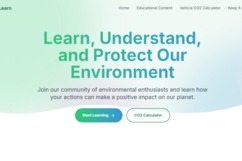
HomePage
-
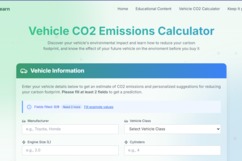
Co2 predictor
-
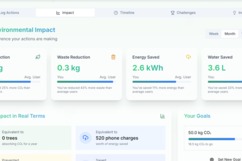
Keep it green tracker

Inspiration
Our inspiration came from the urgent need to raise environmental awareness and empower individuals to make meaningful changes. We wanted to create a platform that simplifies climate-conscious living by combining education, actionable insights, and technology. We believe that small steps, when taken collectively, can lead to big changes — and our platform is designed to make those steps easier and more impactful.
What it does
Eco Learn is an interactive platform that helps people make better environmental choices. It features:
- Interactive Content with a Smart Chatbot: Users engage with educational content and solve quizzes guided by a conversational chatbot that answers questions and provides insights.
- Vehicle CO2 Emission Predictor: A powerful Machine Learning tool with 99.5% accuracy that helps users estimate their vehicle's environmental impact and discover greener alternatives.
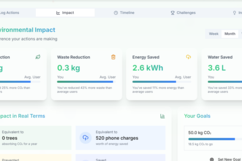
- Eco-Tracker: Encourages users to log their sustainable actions — like recycling or taking public transport — and shows their collective impact.
- Impact Insights: Visualizes how user actions contribute to reducing CO2 emissions, inspiring ongoing efforts.
- Smart Impact Chatbot: Tracks user progress, celebrates milestones, and offers personalized tips to encourage sustainable habits.
How we built it
- Frontend: We used Next.js with a clean, nature-inspired design to reflect our environmental focus.
- Backend: Built with Python (FastAPI) to manage data, process predictions, and handle insights
- Machine Learning: We trained an Xgboost regression model to predict CO2 emissions with high accuracy.
- Data: We incorporated real-world environmental data to ensure insights are relevant and actionable.
Challenges we ran into
- Data Complexity: Finding reliable datasets and ensuring the accuracy of CO2 emission predictions was challenging.
- Balancing Content and Design: Creating a user-friendly interface while ensuring the educational content remained engaging required multiple design refinements.
- Gamification Implementation: Designing meaningful challenges, badges, and reward systems to engage users in sustainable learning proved challenging. Ensuring that these features motivated behavior change rather than feeling superficial required thoughtful design.
- Integrating Multiple Features: Combining prediction models, interactive content, and an eco-tracker into a seamless experience was a complex technical challenge.
- User Retention: Encouraging users to return consistently and build long-term eco-friendly habits required creative content and engagement strategies.
Accomplishments that we're proud of
- Achieving 99.5% model accuracy for our CO2 predictor was a major success.
- Successfully combining education, engagement, and actionable insights in a unified platform.
- Creating an intuitive design that motivates users to make eco-friendly choices without feeling overwhelmed.
What we learned
- Interactive content can be incredibly powerful in educating users about sustainability.
- Combining data-driven insights with a user-friendly interface can make environmental awareness more accessible.
- Providing users with clear feedback on their impact encourages long-term behavior change.
- Gamification elements, such as progress tracking, achievement badges, and friendly competitions, can significantly improve user engagement and retention.
What's next for Eco Learn
- AI-Powered "What If?" Scenarios: A feature where users can visualize the environmental impact of hypothetical global changes (e.g., "What if the world switched to electric vehicles?").
- Community Challenges: Gamified challenges that encourage users to adopt eco-friendly habits together.
- Expanded Impact Data: Enhancing our eco-tracker with even more insights into user contributions and their real-world impact.
- Learning Progression System: A tiered system that unlocks new content, challenges, and rewards as users complete actions and learn more about sustainability.
Built With
- fastapi
- gemini-api
- javascript
- machine-learning
- next.js
- scikit-learn
- xgboost

Log in or sign up for Devpost to join the conversation.