


Inspiration
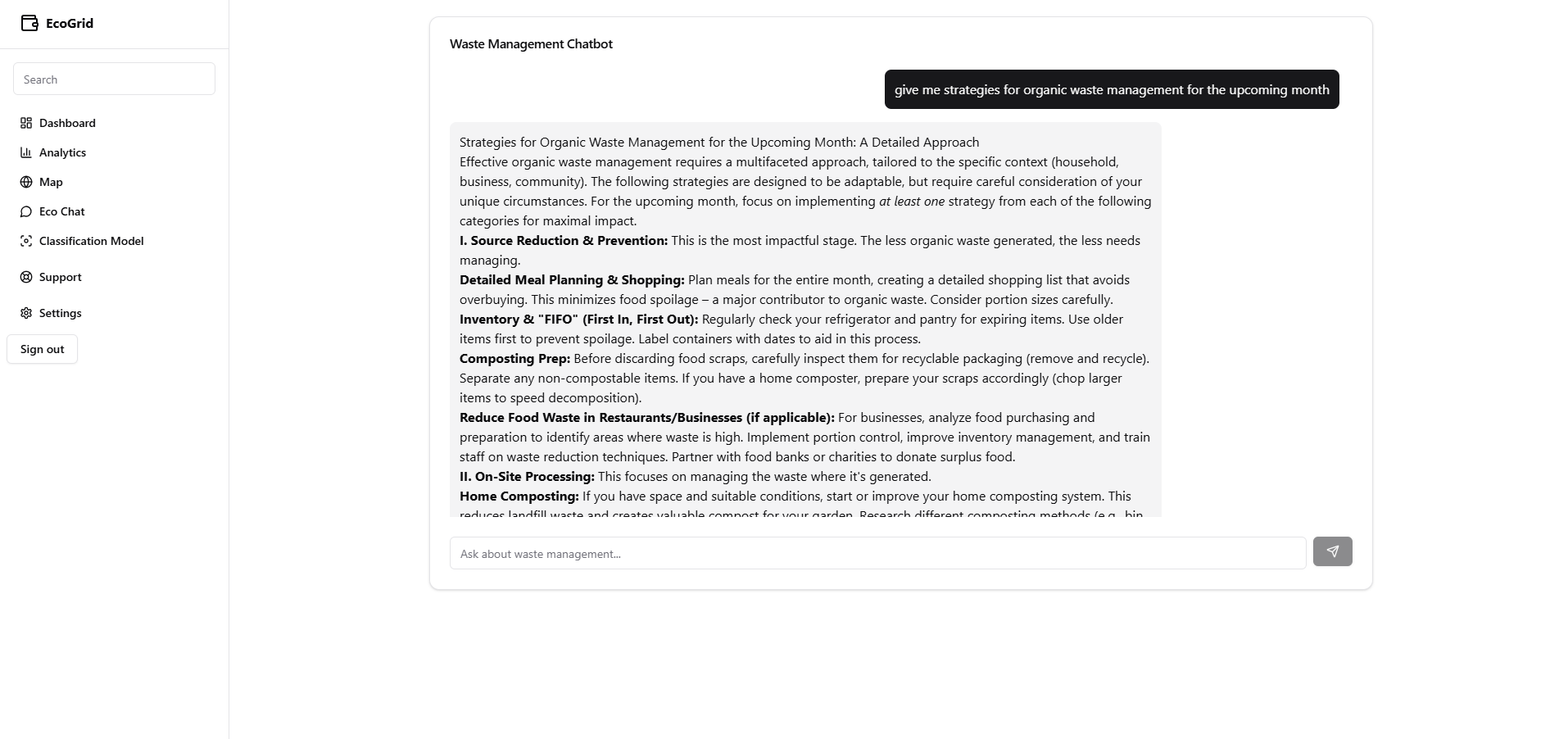
The project was inspired by the urgent need for efficient, AI-powered waste management to tackle overflowing bins, inefficient collection, and poor waste segregation. By leveraging AI, IoT, and smart logistics, we aim to create cleaner cities and promote sustainability.
What it does
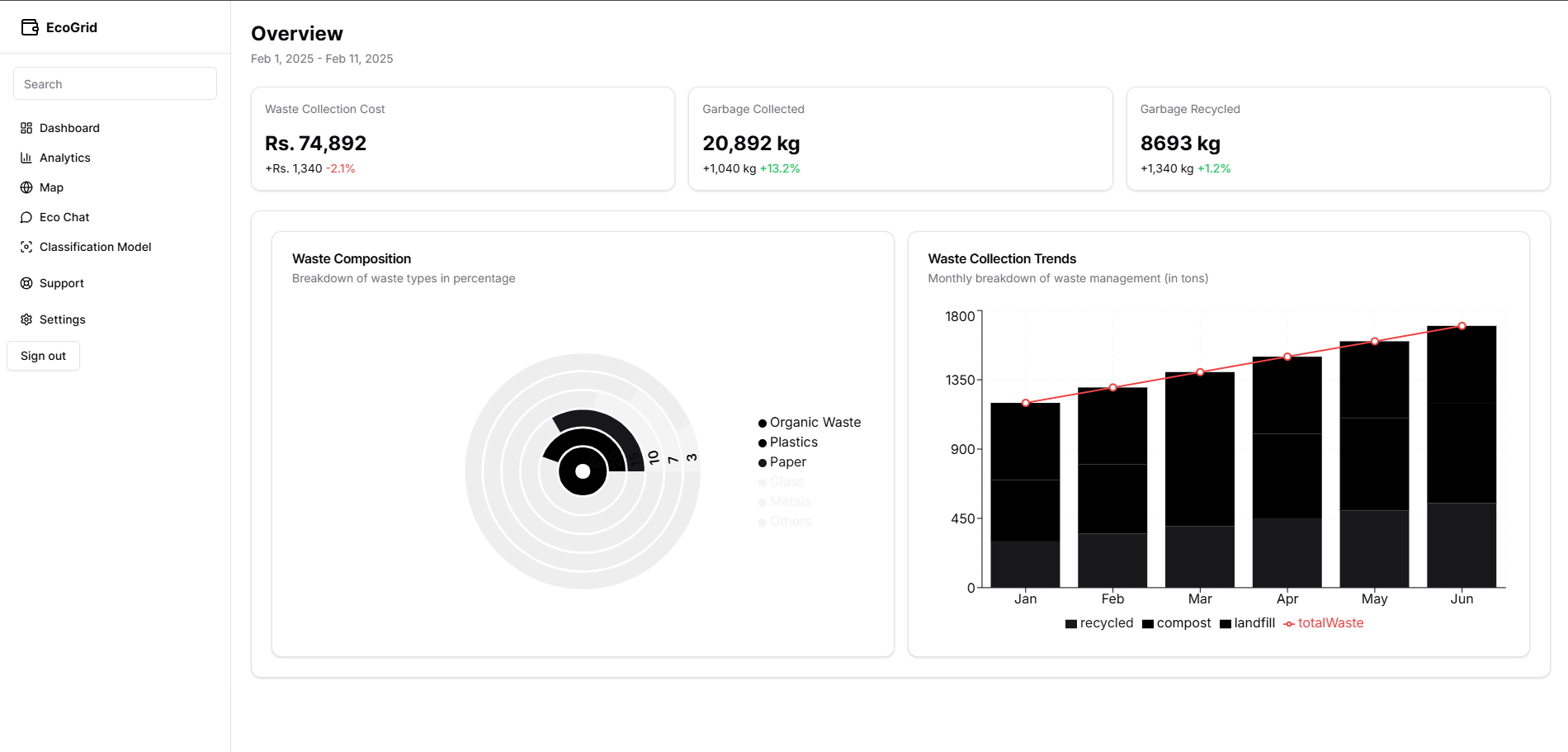
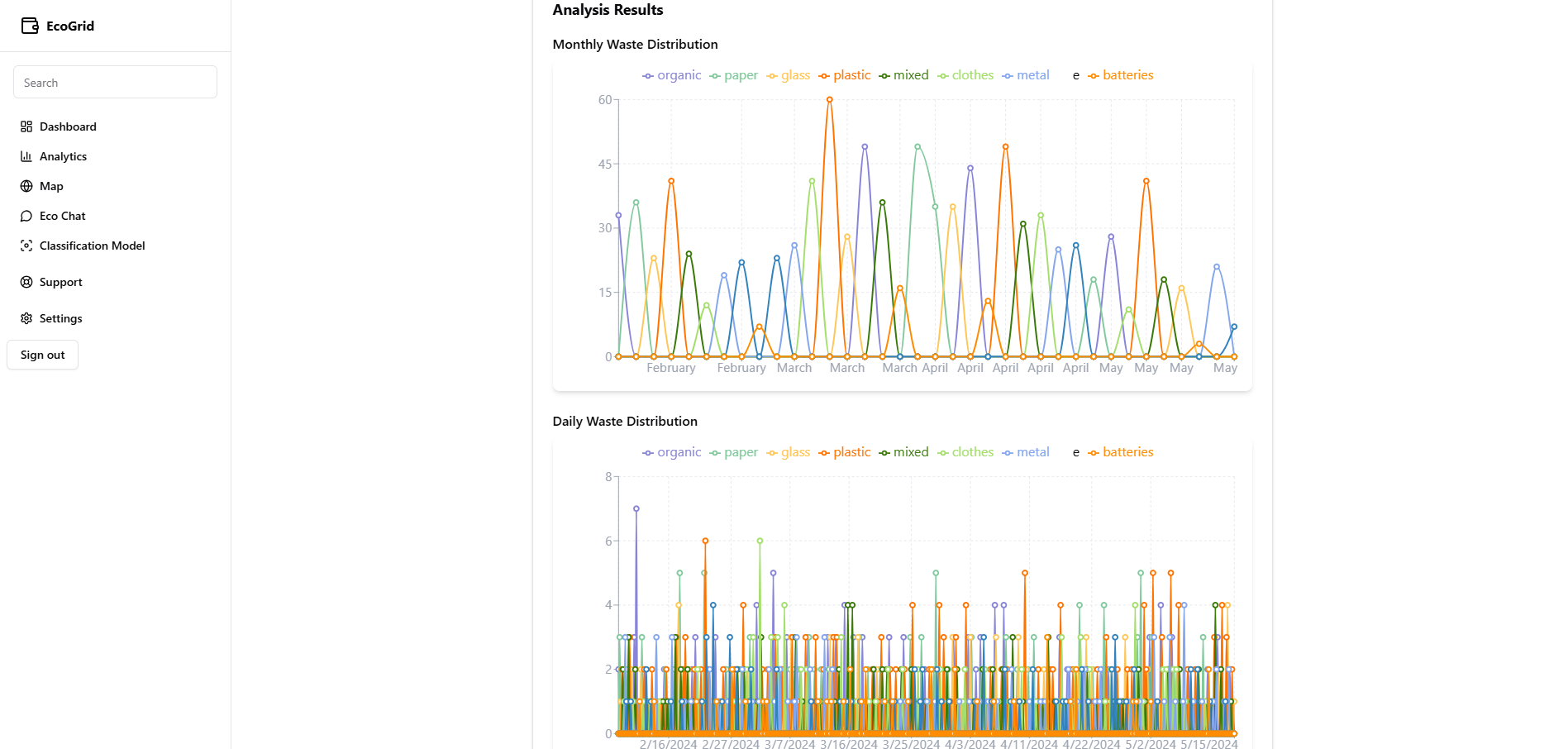
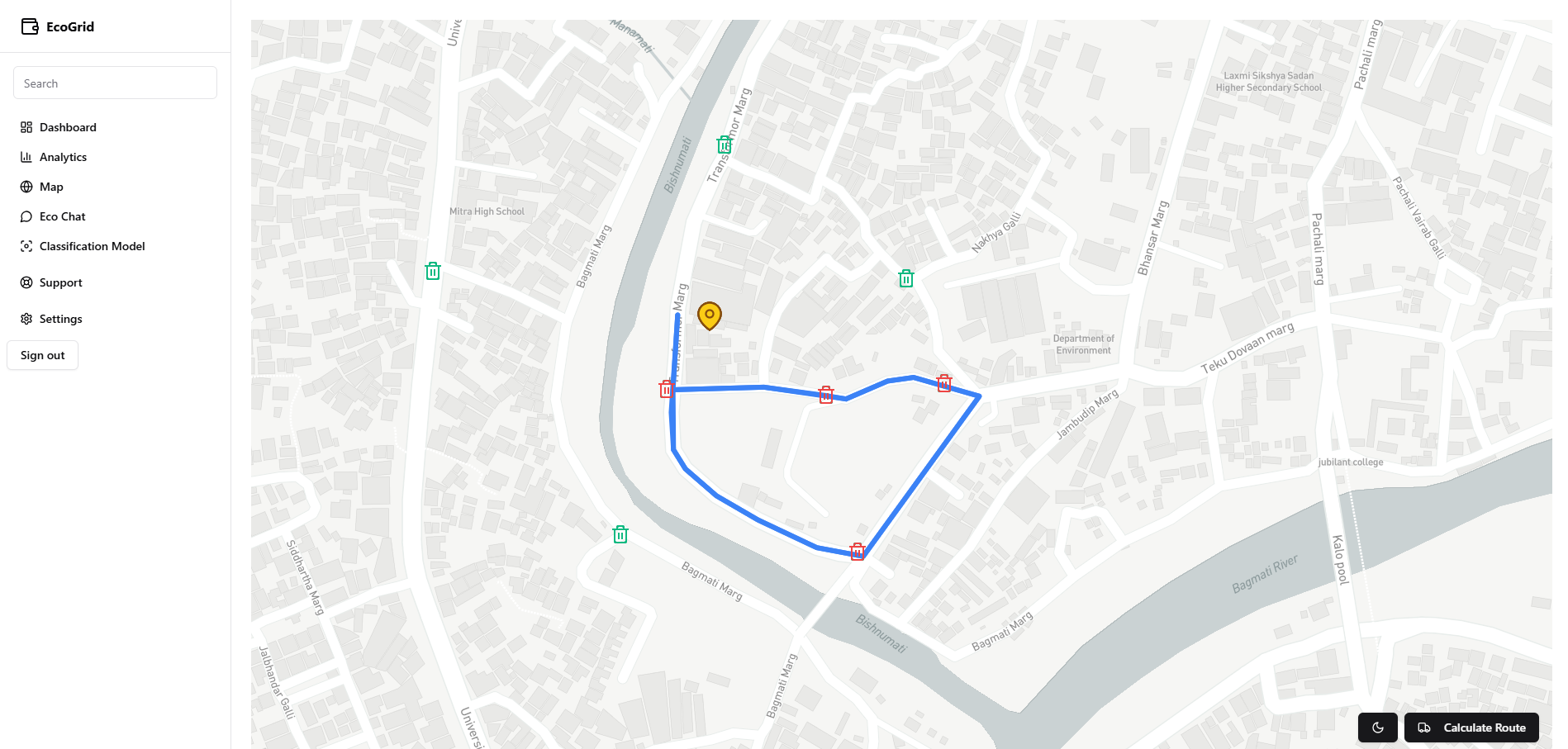
Our system detects waste bin overflow, optimizes collection routes, classifies waste using AI, and predicts waste trends to improve recycling and energy conversion. It ensures smarter, faster, and greener waste management.
How we built it
We combined Next.js (frontend) with Mapbox for mapping, a Python backend running an AI model, and smart sensors in bins to detect waste levels. The system integrates real-time alerts and route optimization for waste collection trucks.
Challenges we ran into
- Optimizing AI models for fast and precise waste classification.
- Integrating real-time mapping and route optimization seamlessly.
Accomplishments that we're proud of
- Successfully built a real-time smart waste tracking system.
- Developed an AI model that predicts waste trends for better planning.
- Optimized waste collection routes, reducing fuel consumption and costs.
What we learned
- The importance of real-time data processing for urban management.
- Challenges in integrating AI with IoT for large-scale solutions.
- How policy and technology intersect in waste management.
- The potential of AI in sustainability and resource optimization.
What's next for EcoGrid
- Expand deployment to more cities.
- Improve AI classification for better recycling efficiency.
- Integrate machine learning for predictive waste trends.
- Explore blockchain-based tracking for transparency in waste disposal.


Log in or sign up for Devpost to join the conversation.