-
-
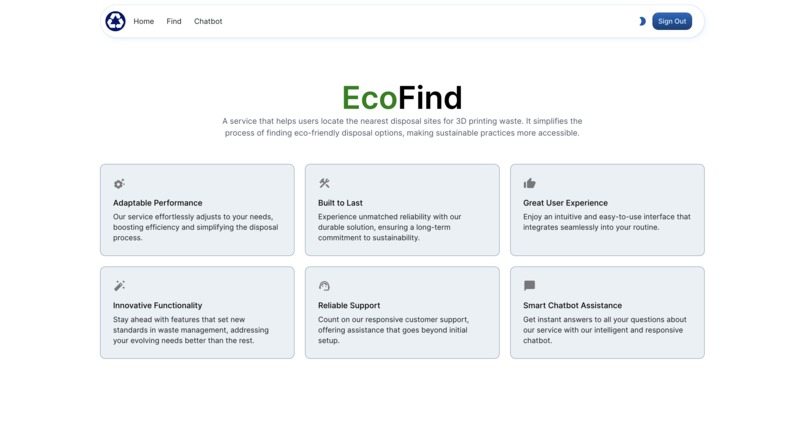
Home Page (Light Theme)
-
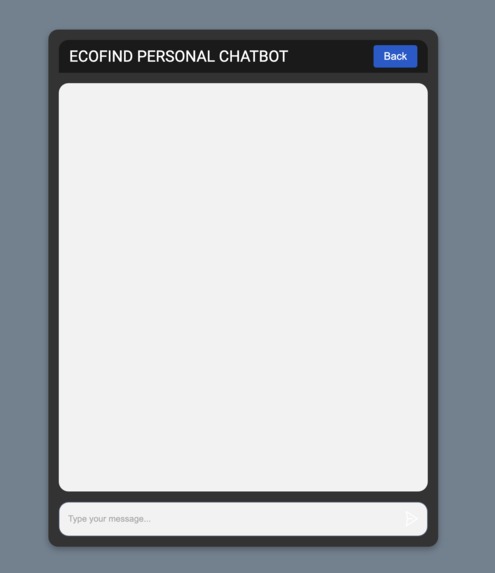
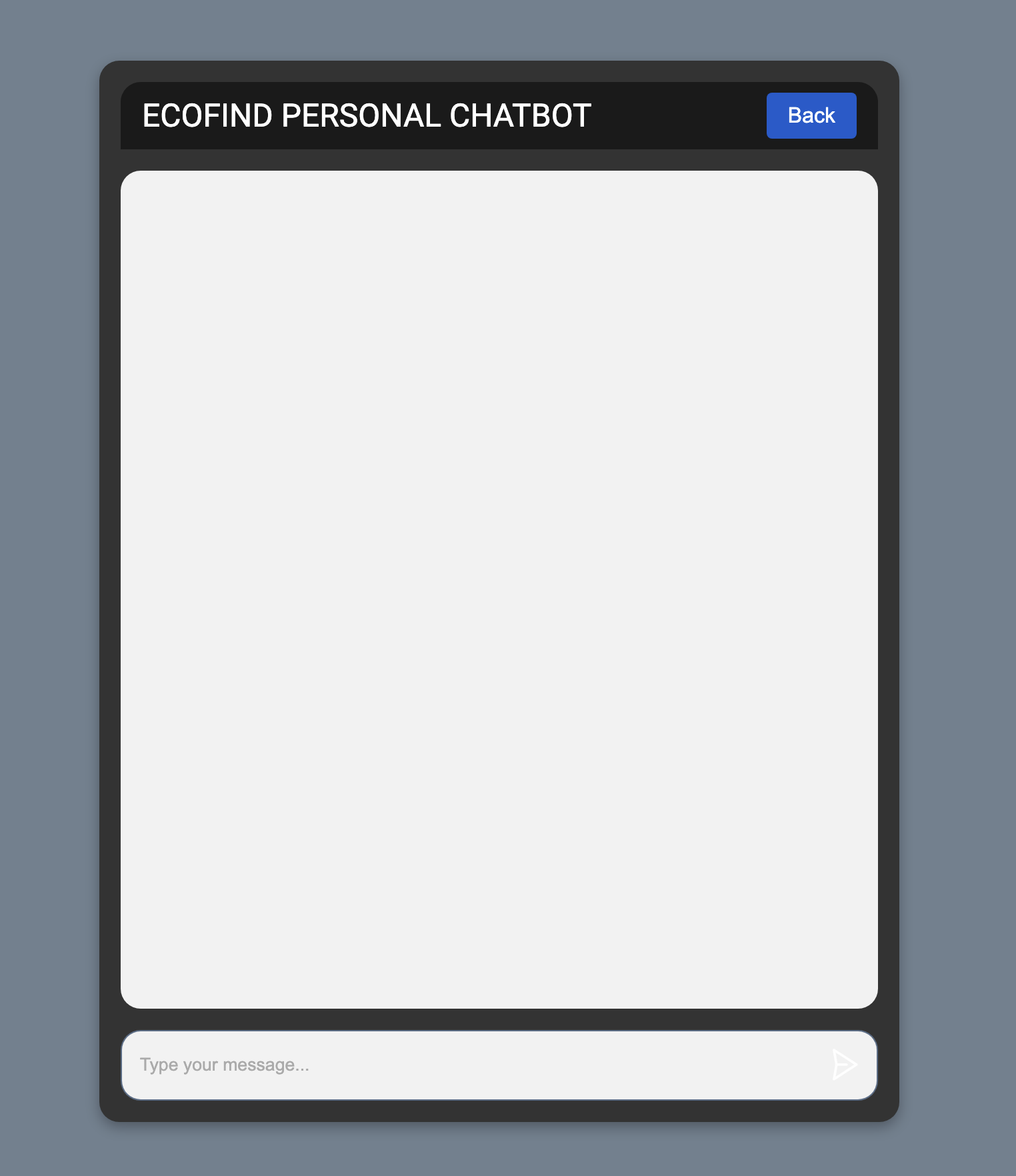
Custom EcoFound AI Chatbot
-
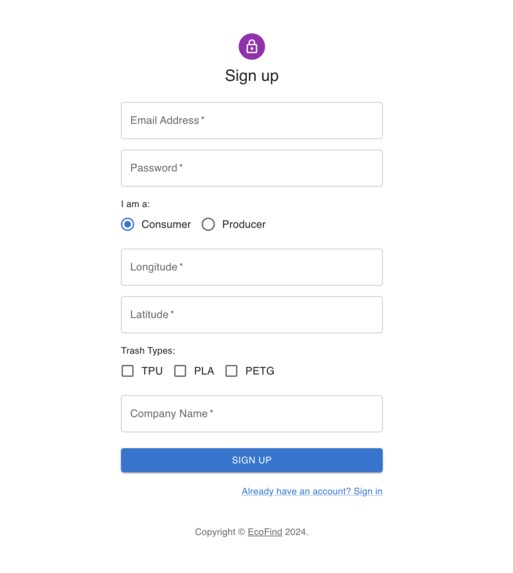
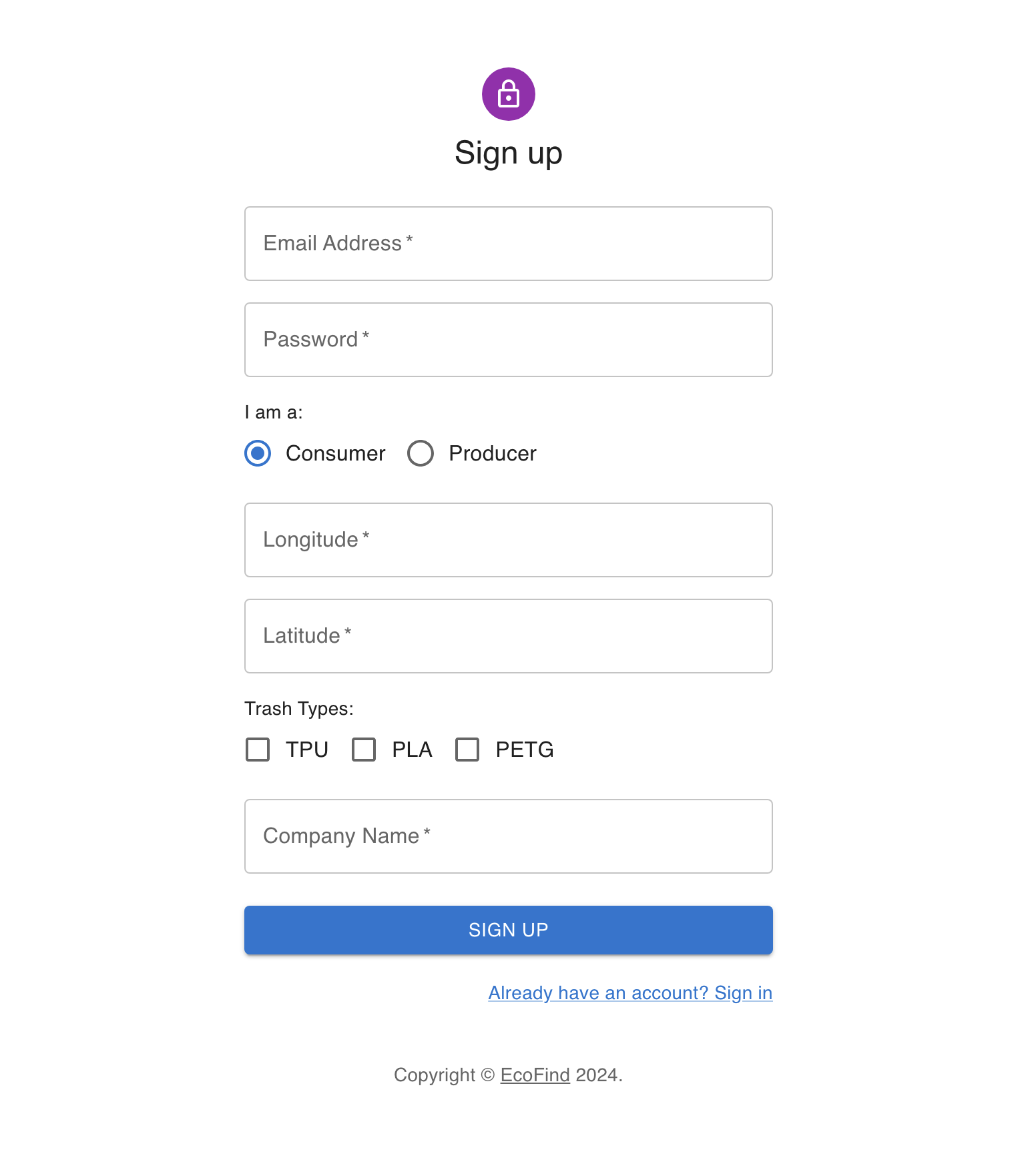
Sign Up Page
-
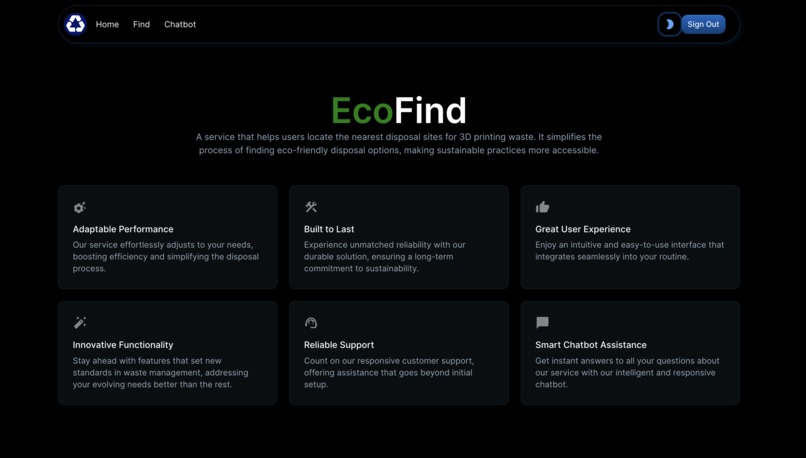
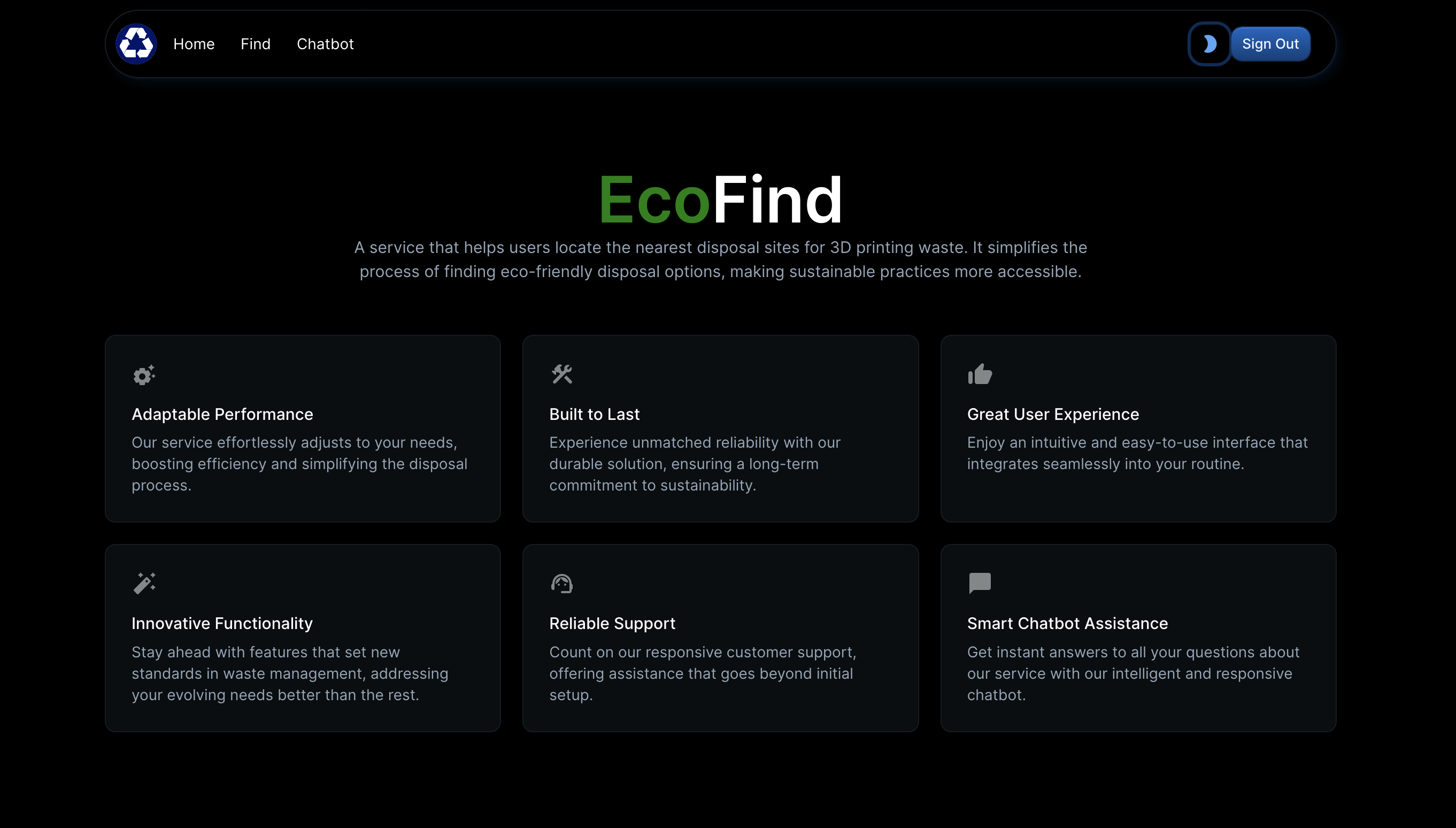
Home Page (Dark Theme)
-
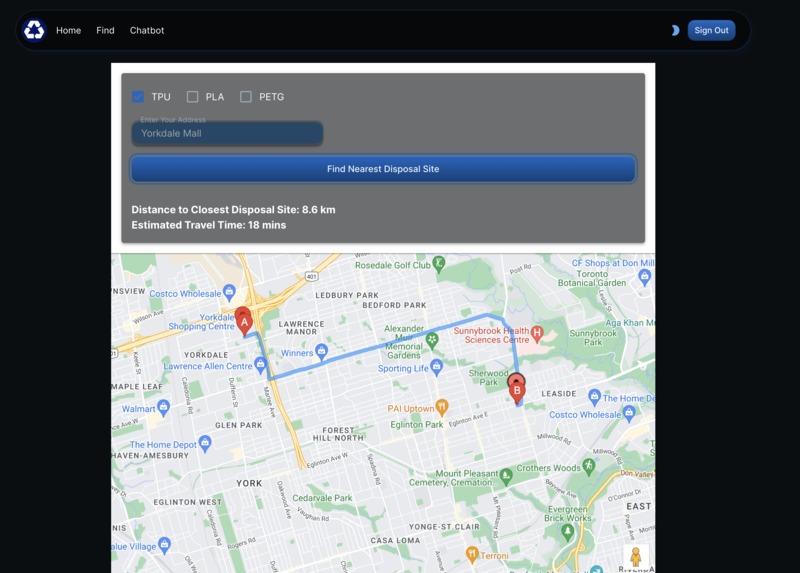
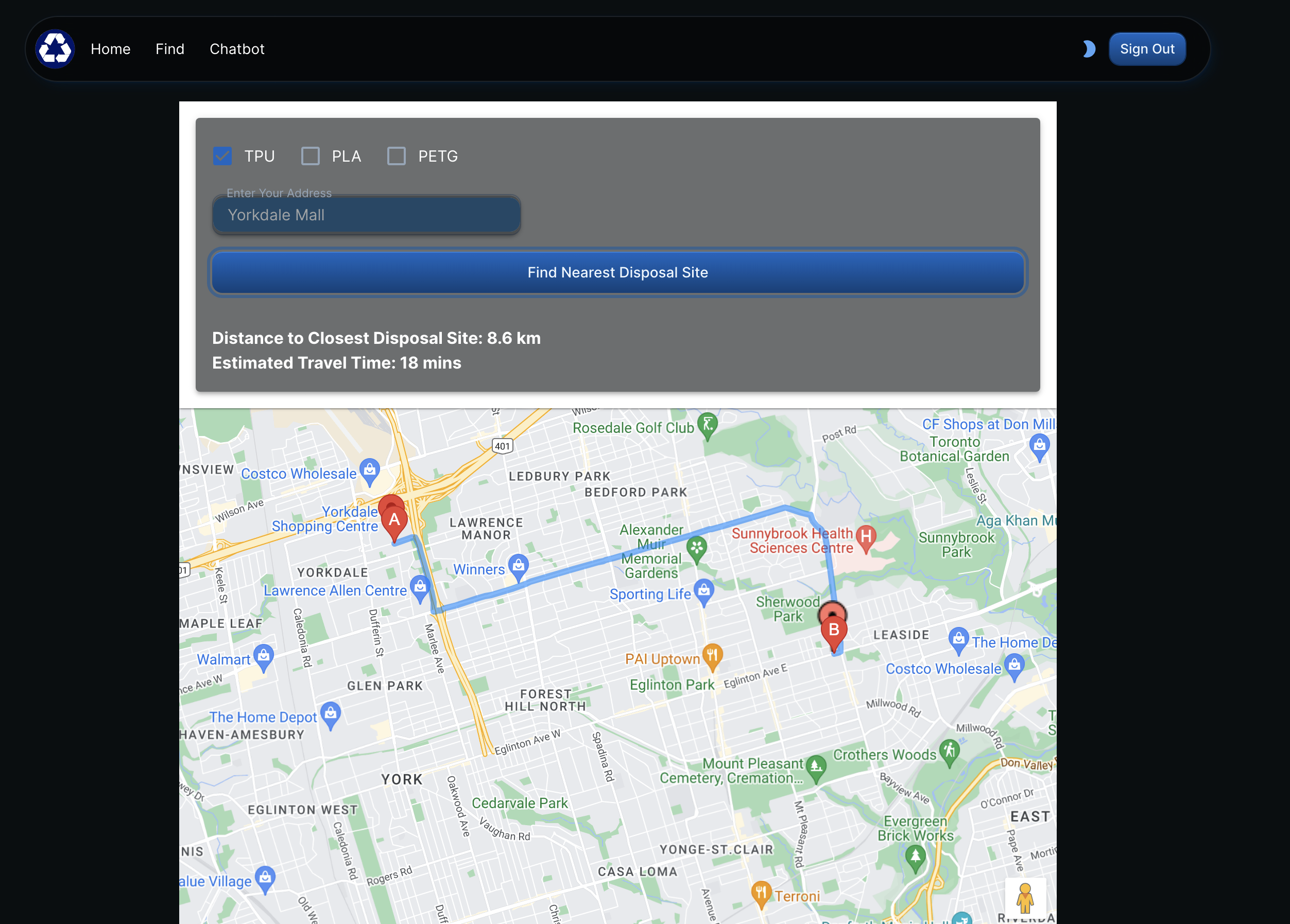
Disposal Finder
-
EcoFind Logo
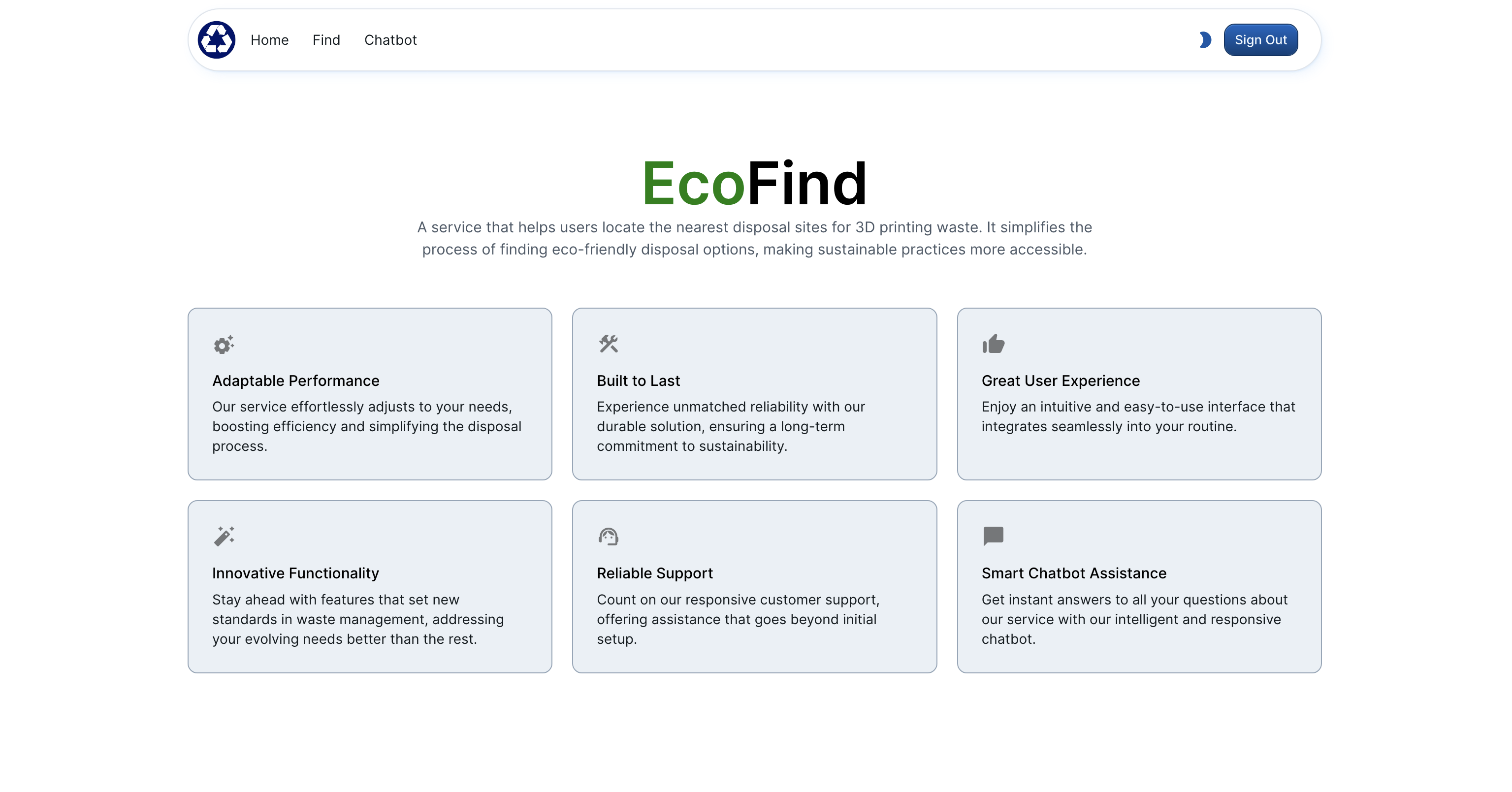
Ecofind: Revolutionizing 3D Printing Sustainability
Inspiration: Ecofind was born out of a pressing need to address the environmental impact of 3D printing plastics. While the 3D printing revolution has empowered creators and innovators, it has also introduced challenges in managing plastic waste. Traditional recycling methods are not equipped to handle many 3D printing materials, leading to increased landfill waste. EcoFind aims to bridge this gap by creating a dedicated platform that connects 3D printing enthusiasts with recycling and processing services capable of managing these materials effectively.
What it Does: Ecofind is an innovative application designed to facilitate guilt-free 3D printing by providing a solution for the disposal and recycling of 3D printing plastics. It connects users—those who print with materials like PLA, ABS, TPU, and PETG—with facilities and organizations that can properly recycle and process these plastics. By doing so, Ecofind helps reduce the environmental impact of 3D printing and ensures that valuable resources do not end up in landfills.
How We Built It: The development of Ecofind involved several key steps: Research and Planning: We conducted extensive research to understand the recycling capabilities for various 3D printing plastics and identified the gaps in current recycling infrastructure. Design and Prototyping: We designed the application interface to be user-friendly and intuitive, ensuring that both 3D printing enthusiasts and recycling facilities could easily navigate the platform. Development:
To create Ecofind, we leveraged a modern technology stack to ensure both efficiency and scalability. Here’s a closer look at our development approach:
Serverless Backend with AWS: 1.AWS Lambda: We utilized AWS Lambda for serverless computing, allowing us to run backend code in response to events without managing servers. This approach offers scalability and cost-effectiveness. 2.Amazon API Gateway: Used to create, publish, and manage APIs that interact with our AWS Lambda functions, enabling secure and efficient communication between the frontend and backend. 3.Amazon DynamoDB: Chosen as our NoSQL database solution, providing low-latency data access and high scalability. 4.AWS Cognito: Used for user authentication and authorization, ensuring secure access and management of user identities.
Frontend Development with Next.js: 1.Next.js: Chosen for its server-side rendering (SSR) and static site generation (SSG) capabilities, which optimize performance and deliver fast, interactive user experiences. 2.Responsive Design: Ensured compatibility and functionality across various devices and screen sizes to enhance user experience.
Geolocation and Maps Integration: 1.Google Maps API: Integrated to provide users with interactive maps, enabling them to find nearby recycling facilities easily. This includes features like geocoding, place searches, and dynamic map rendering to improve the overall user experience. 2.Geolocation Services: Utilized browser-based geolocation APIs in conjunction with Google Maps API to accurately match users with recycling facilities based on their current location.
Custom LangChain Chatbot AI: 1.LangChain Integration: Developed a custom chatbot using LangChain AI, designed to interact with users and provide information about Ecofind. 2.Document Feeding: Fed a comprehensive document about Ecofind into the LangChain model, allowing users to ask questions related to the application’s features, functionality, and sustainability goals. Using Supabase to store AI knowledge as vector database. 3.Interactive Support: The chatbot provides real-time assistance, answering user queries, guiding them through the application, and offering insights into how Ecofind works.
Accomplishments That We're Proud Of: We proudly launched Ecofind, a groundbreaking platform that addresses the critical need for recycling 3D printing plastics, leveraging serverless technology for scalability and efficiency. Our integration of AWS, Next.js, Google Maps API, and a custom LangChain chatbot AI ensures a seamless and interactive user experience. By promoting responsible recycling practices, Ecofind contributes positively to environmental sustainability and supports the 3D printing community.
What We Learned: Collaborating as a team to have a perfect plan with hourly sprints.
What's Next for Ecofind: Expansion: We plan to expand the network of recycling facilities and enhance the application's features based on user feedback. Awareness Campaigns: Launch initiatives to raise awareness about the importance of recycling 3D printing plastics and how Ecofind can help. Advanced Features: Explore incorporating features like material-specific recycling tips, educational resources, and partnerships with more industrial composting facilities. Ecofind is not just a tool but a movement towards more sustainable 3D printing practices. By addressing the critical issue of plastic waste in the 3D printing industry, we hope to foster a more environmentally responsible community and contribute to a healthier planet.


Log in or sign up for Devpost to join the conversation.