-
-
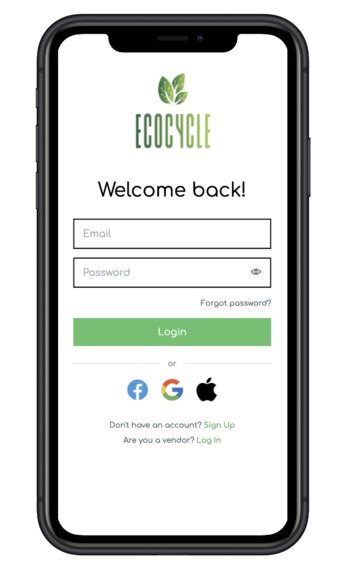
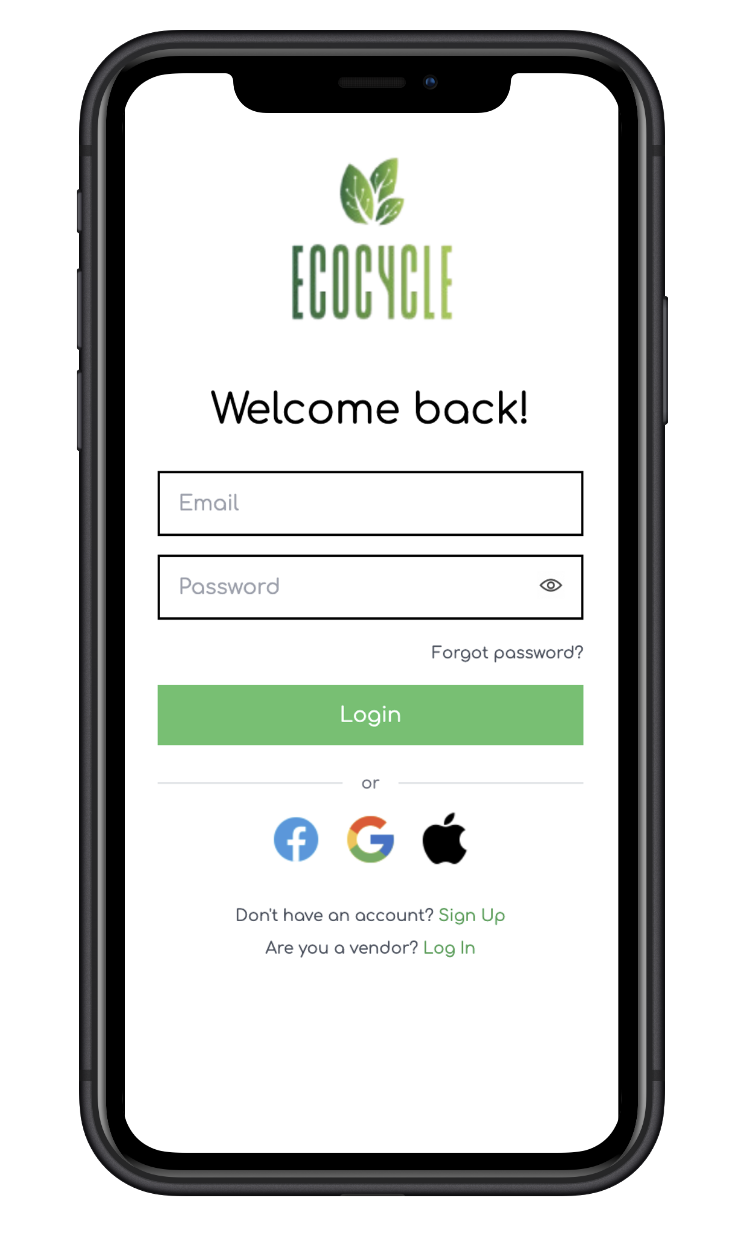
Login Page
-
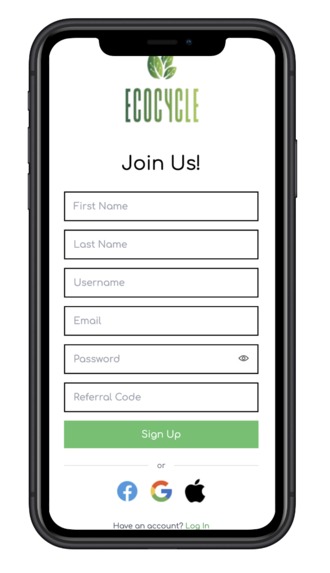
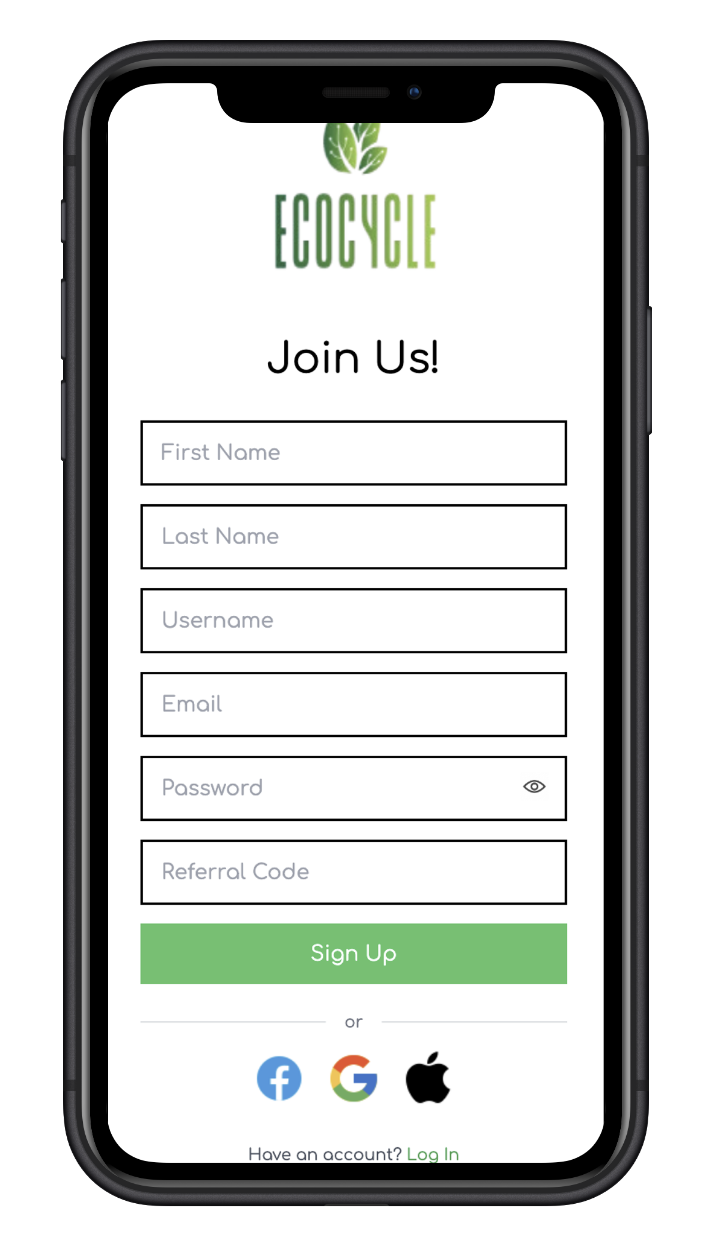
SignUp page
-
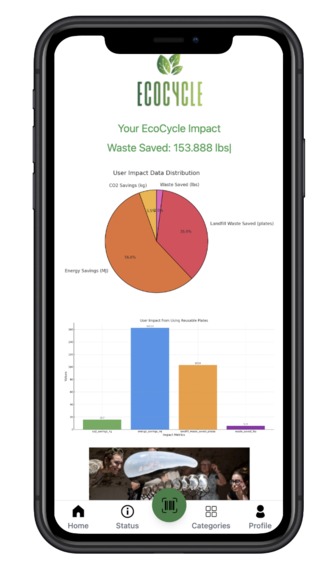
Homepage
-
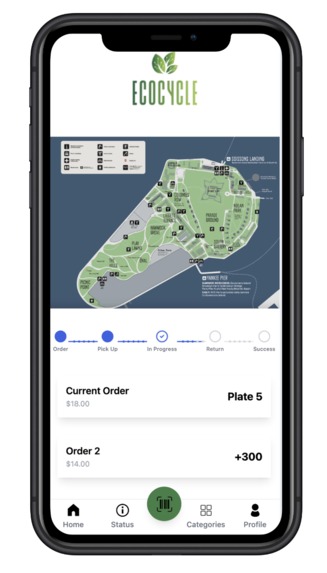
Order Status Page
-
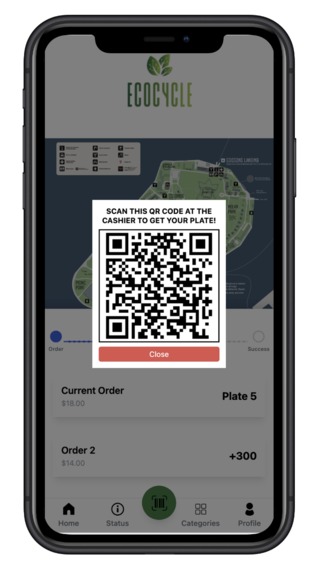
Scan QR Code
-
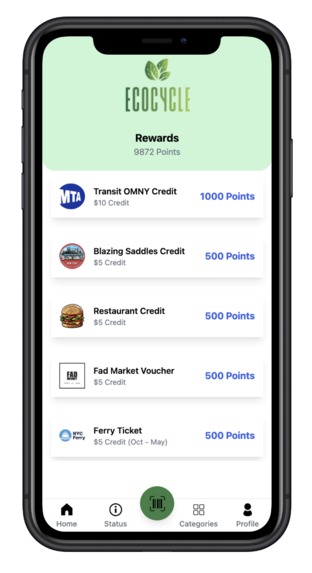
Redeem Rewards Page
-
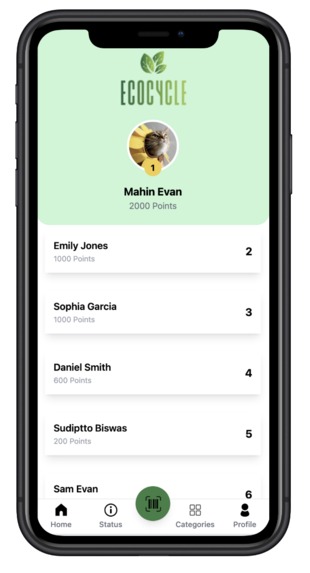
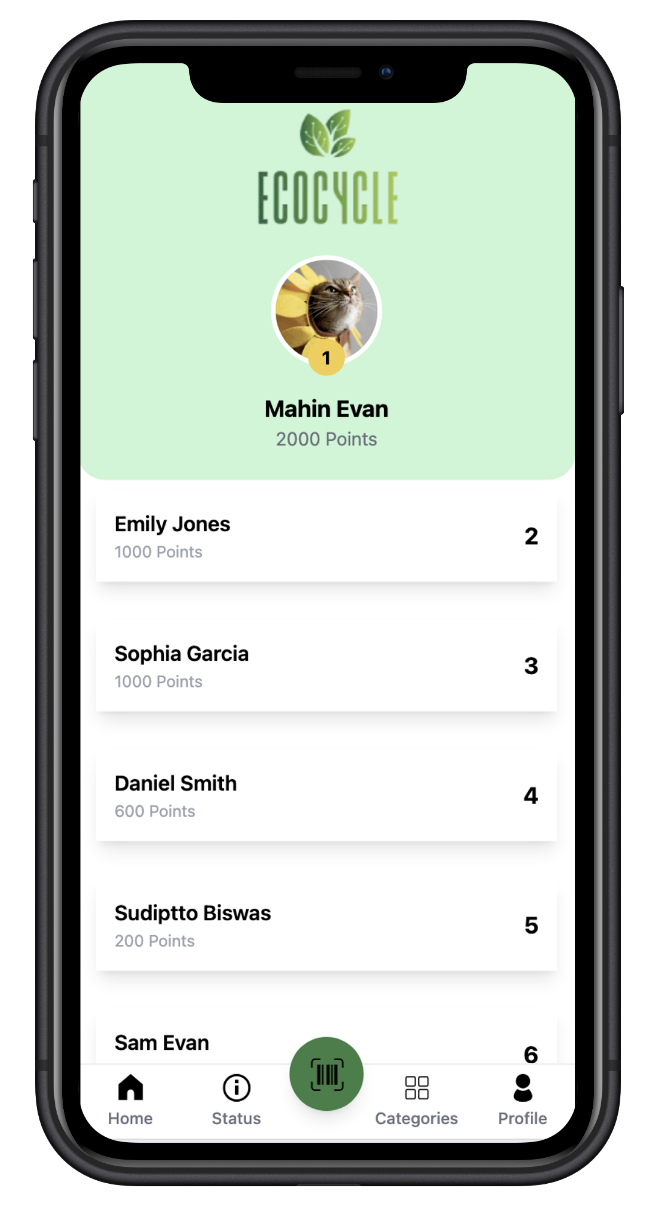
Leaderboard Page
-
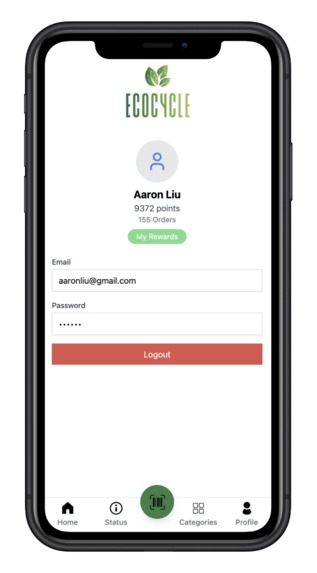
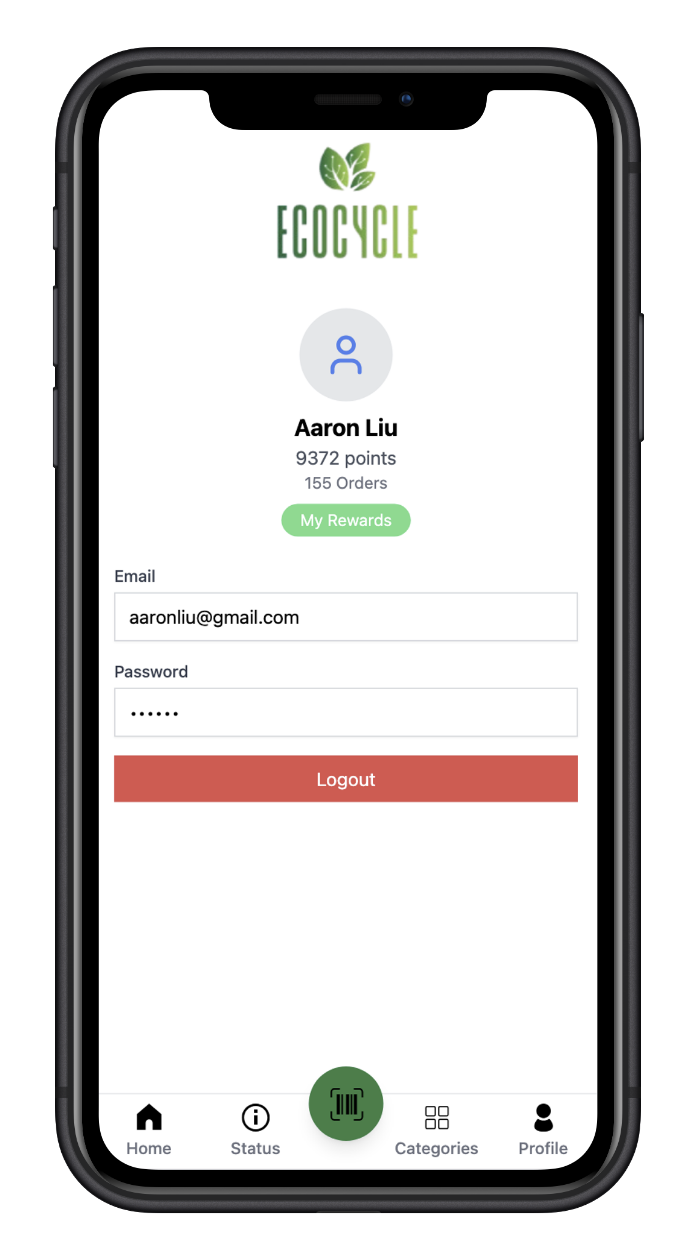
Profile Page
-
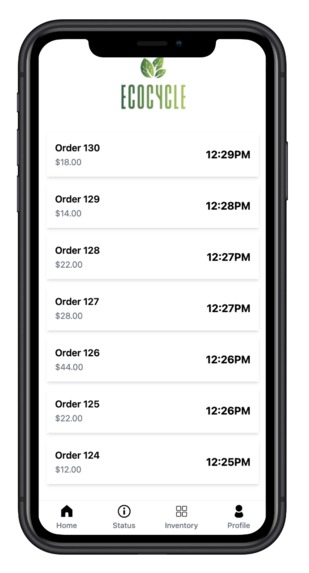
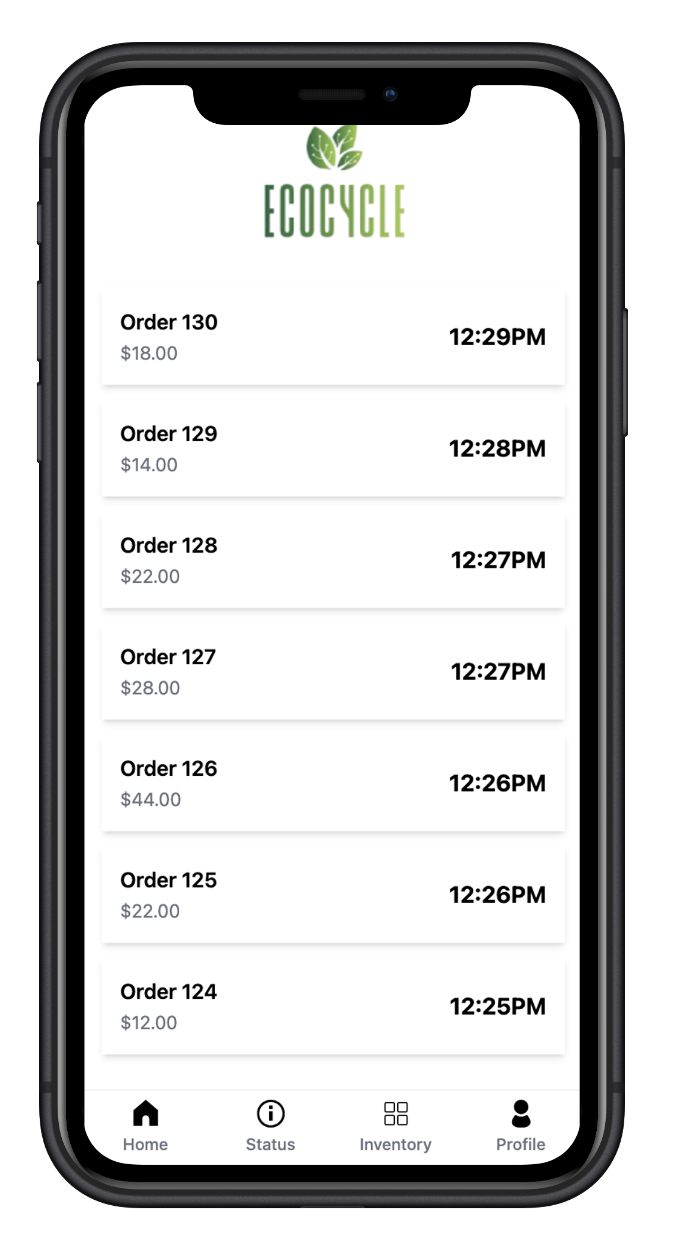
Orders Page (Vendor)
-
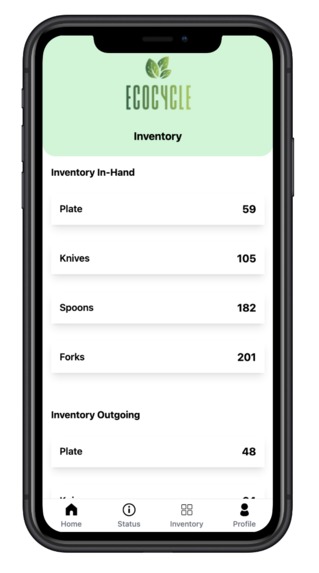
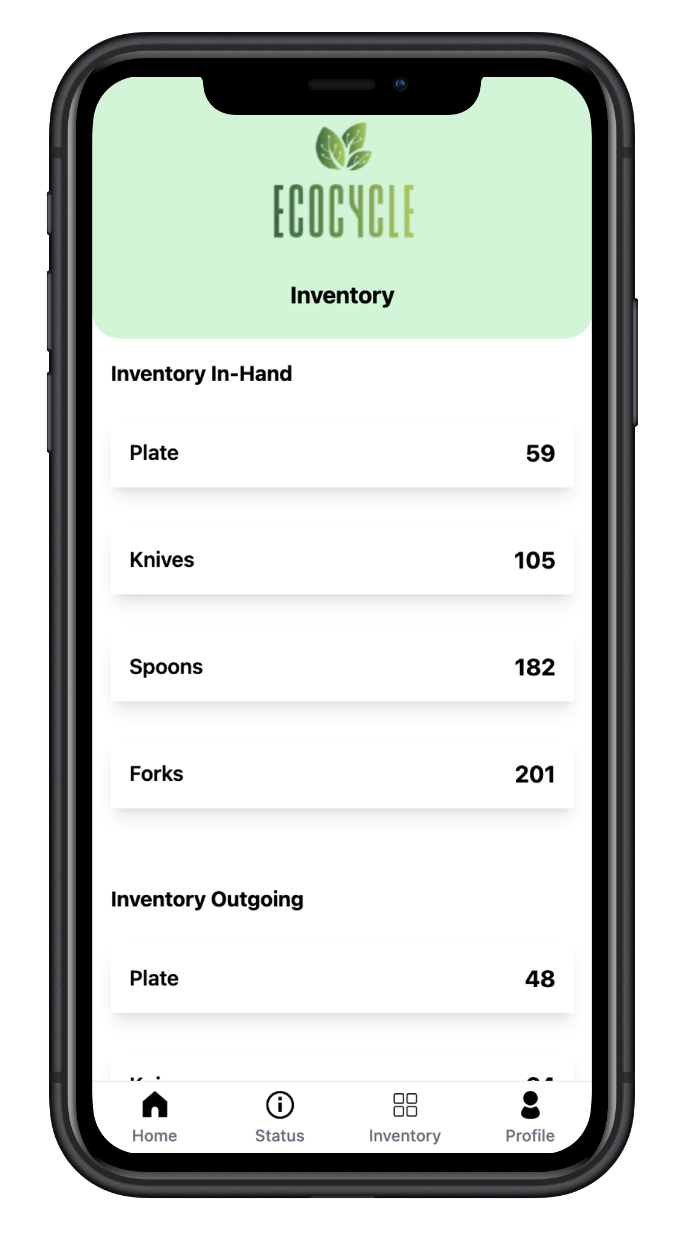
Inventory Page (Vendor)
Inspiration
Governors Island is a vibrant hub for culture, recreation, and community in New York City. However, the influx of visitors brings a significant environmental challenge: the accumulation of disposable food service ware waste. Witnessing the piles of single-use plastics and paper products littering the picturesque landscapes of the island inspired us to seek a sustainable solution. We envisioned an app-based system that not only reduces waste but also actively engages both customers and vendors in environmental stewardship.
Our inspiration stems from successful referral and rewards systems like Temu, which effectively incentivize user participation. Also the referral system is low cost and has high marketability as people reach out to other people, creating a huge group of people that know. We aimed to create a platform that seamlessly integrates sustainability into the dining experience, making it both convenient and rewarding for everyone involved. By leveraging technology and community engagement, we believe we can transform waste management on Governors Island and set a precedent for eco-friendly practices in similar venues worldwide.
What It Does
EcoCycle is a comprehensive mobile application designed to replace disposable food service ware with reusable alternatives on Governors Island. The app creates a closed-loop system that benefits customers, vendors, and the environment. Here's how it works:
User Registration and Profiles: Users can sign up via Firebase Authentication or Auth0, creating personalized profiles. The app tracks their usage, returns, and rewards, providing a transparent view of their environmental impact and incentives earned.
Inventory Management for Vendors: Vendors have access to a dedicated dashboard built with React.ts. They can manage their inventory of reusable service ware, receive low-stock alerts, and track items that need cleaning. Real-time updates ensure efficient operations and optimal stock levels.
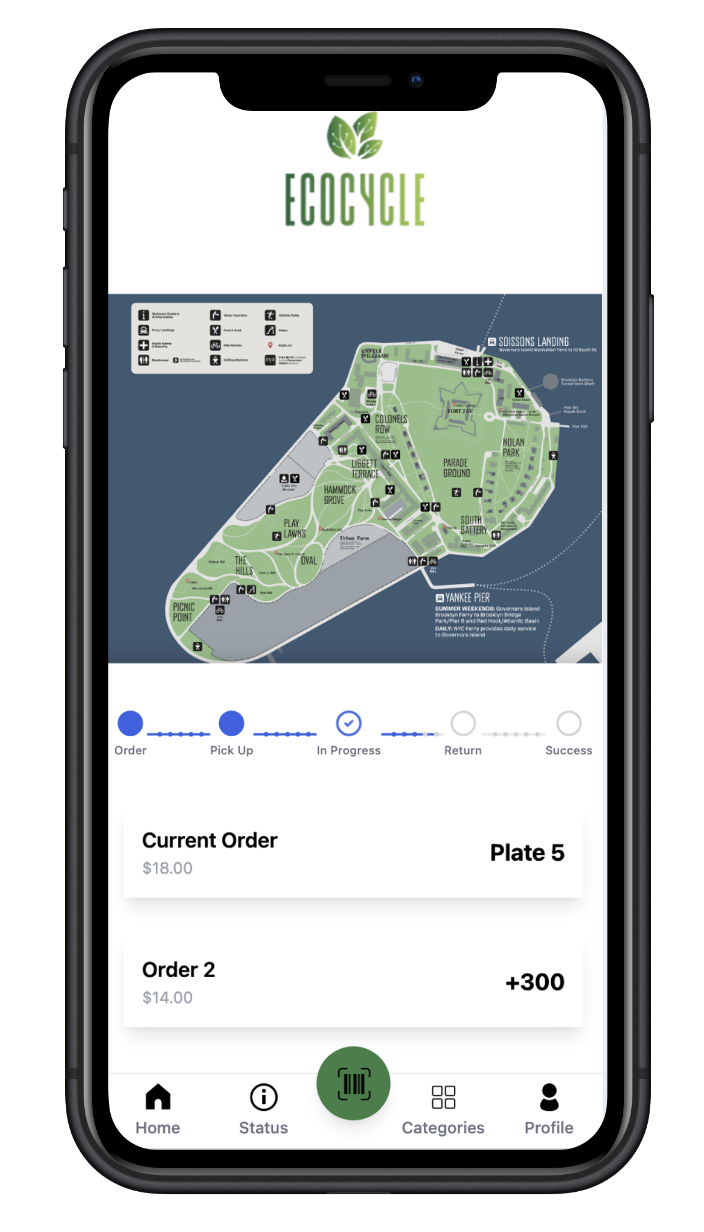
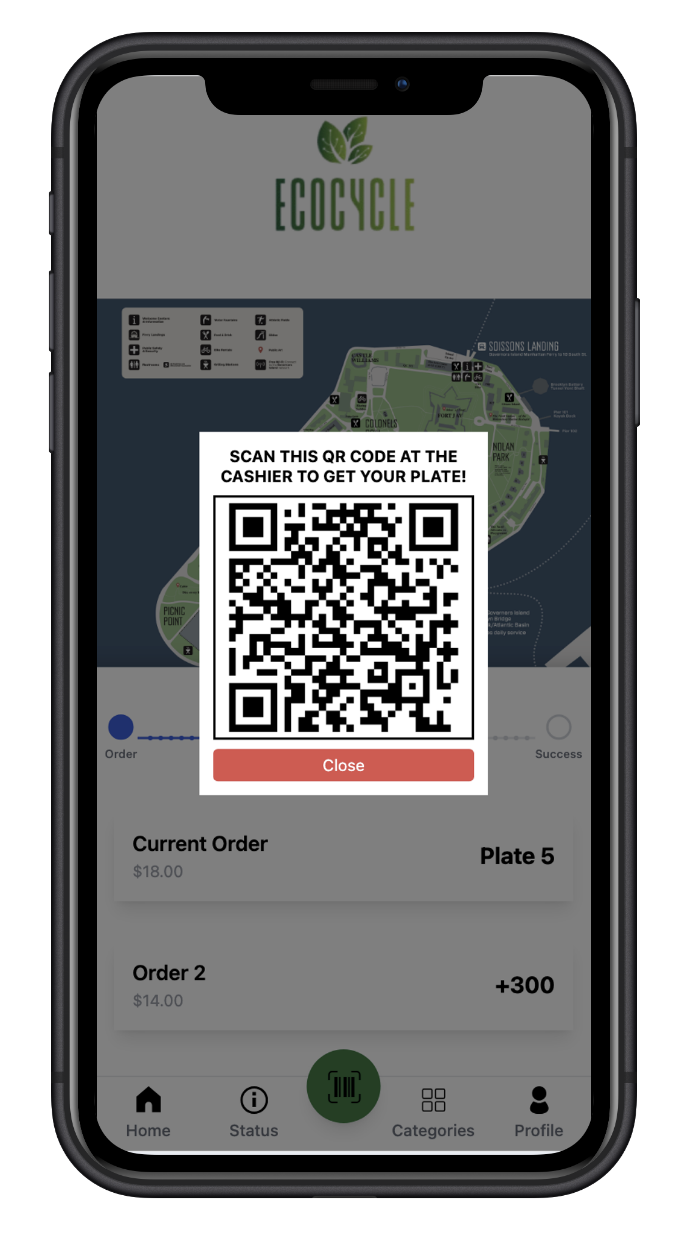
Return Stations and QR Codes: Designated return stations equipped with QR codes facilitate easy logging of returned items. Users scan the QR code upon returning their service ware, updating their profile and the vendor's inventory simultaneously. This system ensures accountability and streamlines the return process.
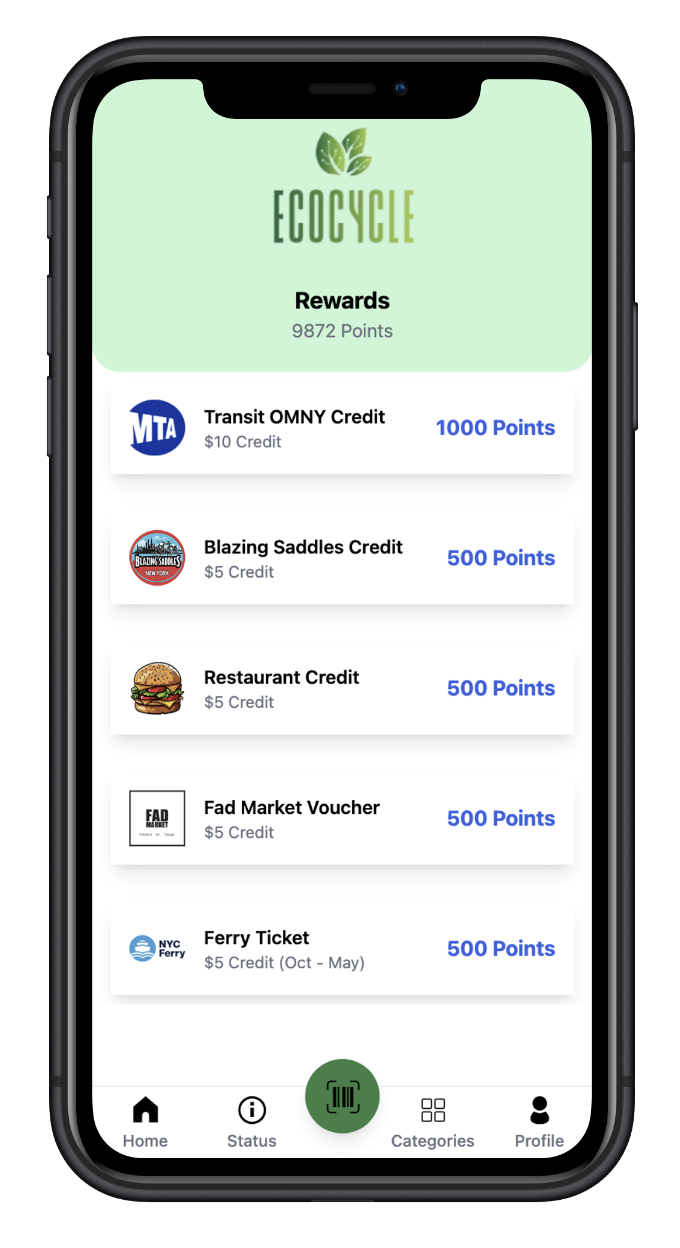
Rewards and Incentives: EcoCycle employs a robust rewards system to motivate user participation. Users earn points for every return, which can be redeemed for discounts at local vendors, free items, or services like bike rentals from Blazing Saddles Bike Rentals. The app also features a referral system akin to Temu's model, where users earn additional rewards for bringing new participants onboard.
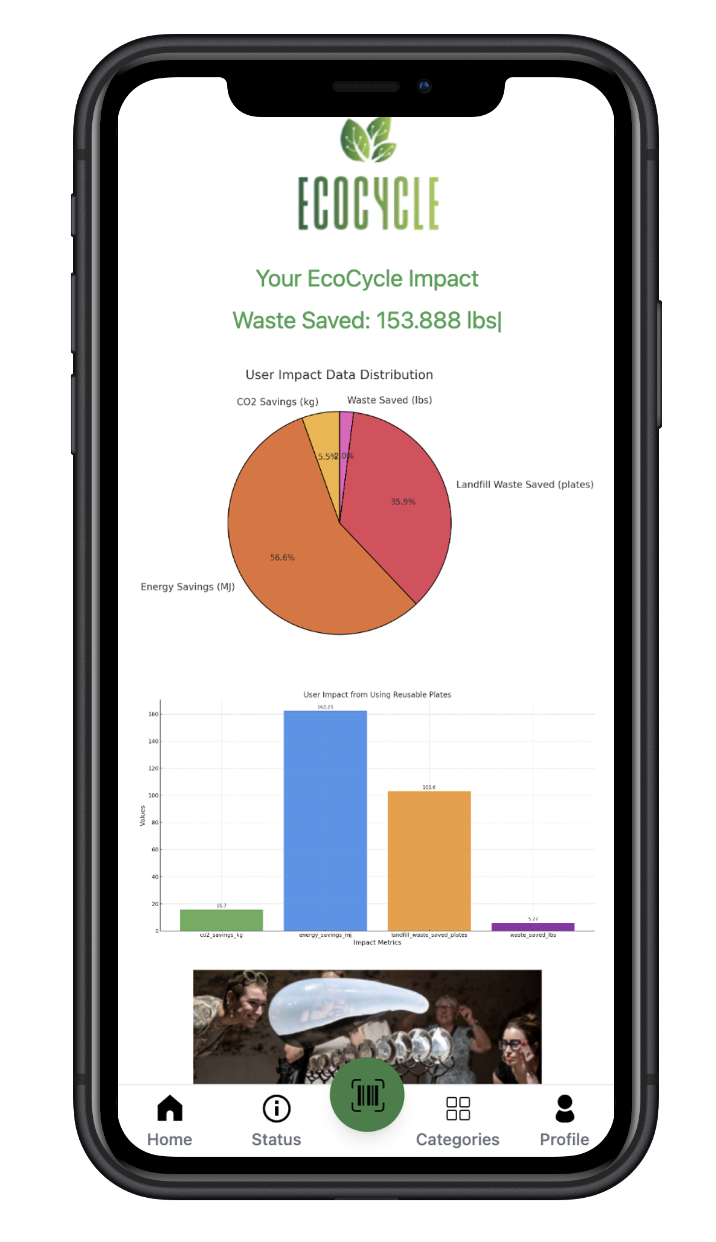
Sustainability Metrics: The app tracks and displays key sustainability metrics such as waste reduction, carbon footprint saved, and overall environmental impact. These metrics are presented through engaging charts and visualizations using Chart.js, fostering a sense of accomplishment and ongoing motivation among users.
Marketing Plan: Our marketing strategy focuses on leveraging social media platforms, on-site promotions, and partnerships with local businesses. By highlighting exclusive discounts and rewards, we aim to encourage widespread adoption among both users and vendors.
How We Built It
Our development process followed the Software Development Life Cycle (SDLC) phases, ensuring a structured and efficient workflow:
Planning and Design:
- User Experience (UX) Design: Using Figma, we created detailed wireframes and mockups for both user and vendor interfaces. This visual planning helped us streamline the user flow and enhance usability.
- Database Schema: We designed a relational database using SQLite, outlining classes for Users, Vendors, Plates in Use, Banned Users, and Inactive Plates. This schema facilitates efficient data retrieval and management.
Technology Stack:
- Frontend:
- React.ts: Used for the vendor dashboard, providing a responsive and intuitive interface.
- Backend:
- Flask: To handle server-side operations and API development.
- SQLITE: For a flexible and scalable database solution.
- Third-Party APIs: Integrated QR code generator API
- Frontend:
Implementation:
- User and Vendor Flowcharts: Developed detailed flowcharts outlining the user journey from registration to rewards redemption, and the vendor process for inventory and user management.
- App Development: Coded the application features, integrating the frontend designs with backend functionalities. Emphasis was placed on creating a seamless experience between the user app and vendor dashboard.
- Testing: Conducted rigorous testing to identify and fix bugs, ensure data integrity, and validate user interactions.
- Separation of Concerns: Separated the front-end to the backend, using CRUD APIs being called from the React front-end
Challenges We Ran Into
- First-Time Use of Figma: Navigating Figma for the first time presented a learning curve. Crafting precise and interactive mockups required time and experimentation to master the tool's capabilities.
- Database Complexity: Designing a relational database that accurately reflects the complex relationships between users, vendors, plates, and rewards was challenging. Ensuring data normalization and avoiding redundancy required careful planning.
- QR Code Integration: Implementing a reliable QR code system for real-time tracking of returns and inventory updates involved overcoming technical hurdles, especially in ensuring seamless scanning across different devices.
- Referral System Implementation: Developing a fair and engaging referral system similar to Temu's required intricate logic to track referrals accurately and prevent potential abuses.
- User Experience Optimization: Balancing a feature-rich application with an intuitive user interface was challenging. We aimed to prevent overwhelming users while providing all necessary functionalities.
- Failed API: We tried to use the IMGBB api to upload images but the imgbb was blocked on the Hunter College wifi, not working so we had to pivot out of that
Accomplishments That We're Proud Of
- Comprehensive App Design: Successfully creating a holistic app that addresses the needs of customers, vendors, and the environment is a significant achievement.
- Robust Rewards System: Implementing a multi-tiered rewards and referral system that motivates user engagement and promotes sustainability goals.
- Detailed Flowcharts and Schemas: Developing thorough user and vendor flowcharts, along with a well-structured database schema, laid a strong foundation for the application's functionality.
- Strategic Partnerships/Marketing: Planning collaborations with local businesses like Blazing Saddles Bike Rentals enhances the value proposition for users and supports the local economy.
- Sustainability Impact Visualization: Effectively conveying the environmental benefits through real-time metrics and visualizations to educate and inspire users.
What We Learned
- Team Collaboration: Working as a cohesive team allowed us to leverage each member's strengths and fostered a collaborative environment conducive to innovation.
- Technical Skills: Gained proficiency in tools like Figma, React and Flask and learned best practices in app development and database management.
- User-Centric Design: Understanding the importance of user experience in driving engagement and how design decisions impact usability.
- Sustainability Practices: Deepened our knowledge of environmental issues related to waste management and the impact of collective action.
- Marketing Strategies: Learned how to develop effective marketing plans that align with product goals and resonate with the target audience.
What's Next for EcoCycle
- Deployment on Governors Island: Collaborate with the island's management and vendors to pilot EcoCycle, gather feedback, and make necessary adjustments.
- Scaling to Other Locations: Adapt and expand the application to other venues facing similar waste management challenges, such as festivals, campuses, and urban centers.
- Feature Enhancements:
- Advanced Analytics: Introduce more detailed analytics for vendors to optimize inventory and for users to see deeper insights into their environmental impact.
- Gamification Elements: Incorporate badges, levels, and challenges to further engage users and encourage sustained participation.
- Social Sharing: Enable users to share their achievements and sustainability milestones on social media platforms.
- Partnership Expansion: Seek additional collaborations with businesses and organizations to broaden the rewards ecosystem and enhance user incentives.
- Continuous Improvement: Regularly update the app based on user feedback, technological advancements, and changing environmental needs to ensure EcoCycle remains effective and relevant.


Log in or sign up for Devpost to join the conversation.