-
-
Our Project
-
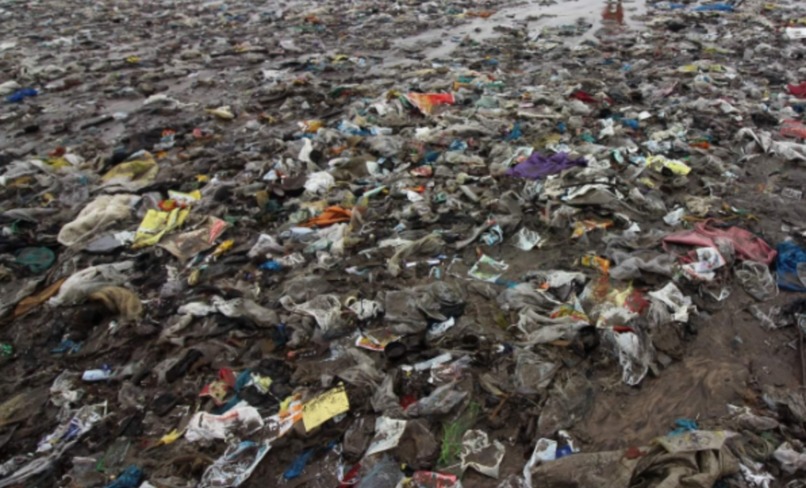
Large amounts of plastic waste
Inspiration
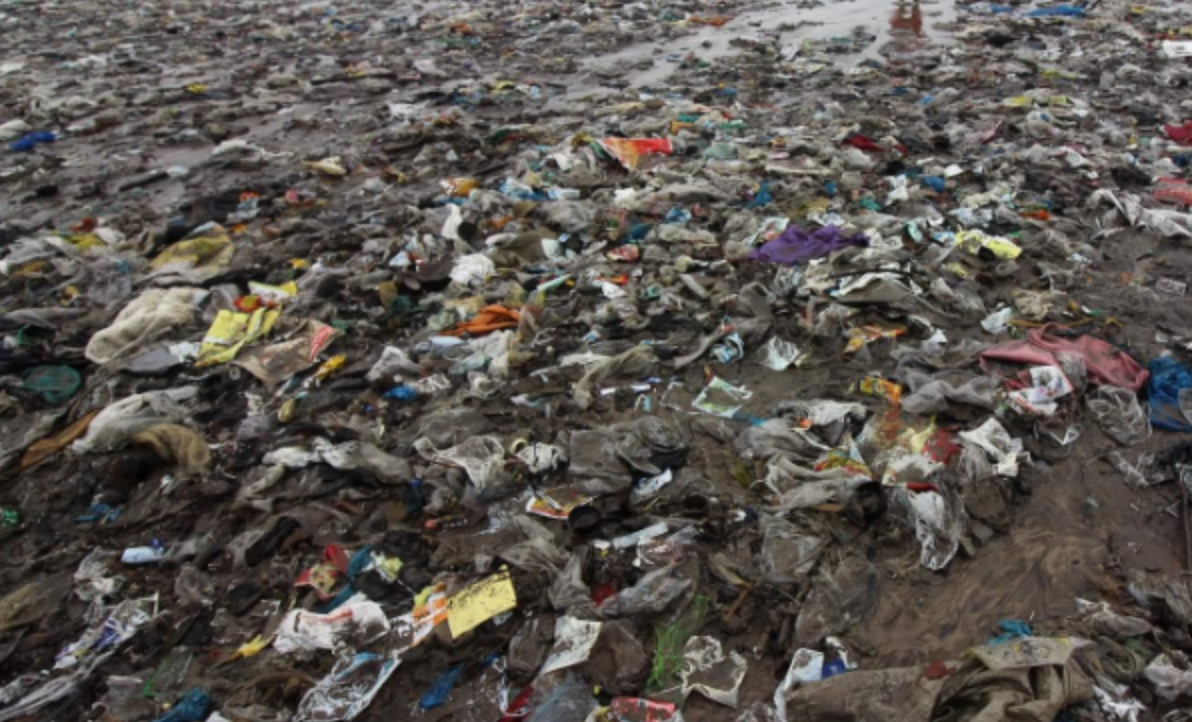
There's 8.3 billion metric tons of waste per year 6.3 billion of which is plastic waste. The vast majority - 79% is accumulated in landfills. 91% of plastic is not properly recycled. Plastic Pollution can have detrimental effects such as:
Human Habitats - Plastic degrades coastal communities and makes them uninhabitable for humans
Marine Biodiversity - Plastic Pollution has caused 700 Marine species to go extinct
Safety - Plastics in the Ocean’s break down into microplastics which absorb toxic chemicals from pesticide and metals which are eaten by fish and eventually humans
We are often told about the problems of plastic plaguing our world with pollution, however we are never told about how significant exactly of a problem it is. At the same time, we often overlook the problem because we feel as though its too big a problem to solve. researching how big this problem was, we were inspired to use our web development and ML skills in order to solve the recycling problem. However, with EcoCycle we successfully made a product by focussing on the basics: by using core tenants of ML, Neural Networks, and Data cleaning and we were able to combine all these elements in such a way as to create a cost-effective product that can solve the plastic problem at a mass scale.
What it does
EcoCycle is to easy to use cost effective website which utilizes a web camera in order to identify whether objects are trash, recyclables, or compost. Behind the scenes, however, there is an ML model trained to identify the different types of waste using a strong dataset in incorporation with a website created on glitch using code. EcoCycle can be used as a mass scale because the entire application costs 0.79 cents per each webcam meaning it can be used in airports, malls, and other large venues to sort trash or tell customers which bin to use.
How we built it
Ecocycle is a Machine Learning application that makes disposing of products easier. Our process can be split into 4 parts:
- Compiling Dataset
- Creating Neural Network Model
- Training ML Model
- Designing and Coding a Website
Originally, taking data from Google Search Query, we selected thousands of images for each recyclables, trash, and compost making sure to find material images and not diagrams. We then used the process of data cleaning to get rid of extraneous images.
Using this dataset, we created a CNN (Convolutional Neural Network), a Neural Network used for image classification, using TensorFlow to analyze products and tell users how to dispose of them.
We then trained the Machine Learning Model using our dataset to distinguish into 3 categories: Compost, Recyclables, or Trash.
We created a website using HTML and CSS which showcases a web camera which will distinguish an object into the 3 categories above.
Challenges we ran into
We had a difficult time with incorporating our ML Model into our website. Originally we tried using direct TensorFlow code for a python GUI but it didn’t work. We eventually used glitch which we were able to incorporate the model on using javascript.
We also had problems incorporating the domain from domain.com to our project. We bought the domain ecocycle.tech, we had problems accessing it with our devices and unfortunately couldn’t use it.
Note: our domain for this project was going to be ecocycle.tech
Accomplishments that we're proud of
We are proud of making a working website that incorporates a neural network, and also making the dataset and sorting through data for the model.
What we learned
We learnt how to make datasets, create neural networks, and train ML models. The EcoHacks video on ML also helped us a lot in making our project.
What's next for EcoCycle
In the future we can find the exact percentage of recyclables, trash, and compost just by pointing the camera at a recycling bin or trash bin. This will help identify the exact amount of trash and make the process of removing trash much easier. However, this will also require lots more training and data.
We can also find a way to incorporate this smart camera feature in public trash cans, so that people can identify their trash before putting it in the wrong bin.
Built With
- cnn
- css3
- github
- glitch
- html5
- javascript
- keras
- machine-learning
- python
- tensorflow


Log in or sign up for Devpost to join the conversation.