-
-
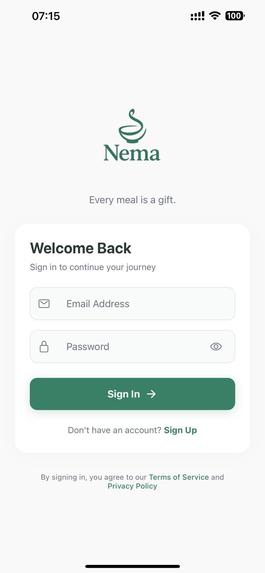
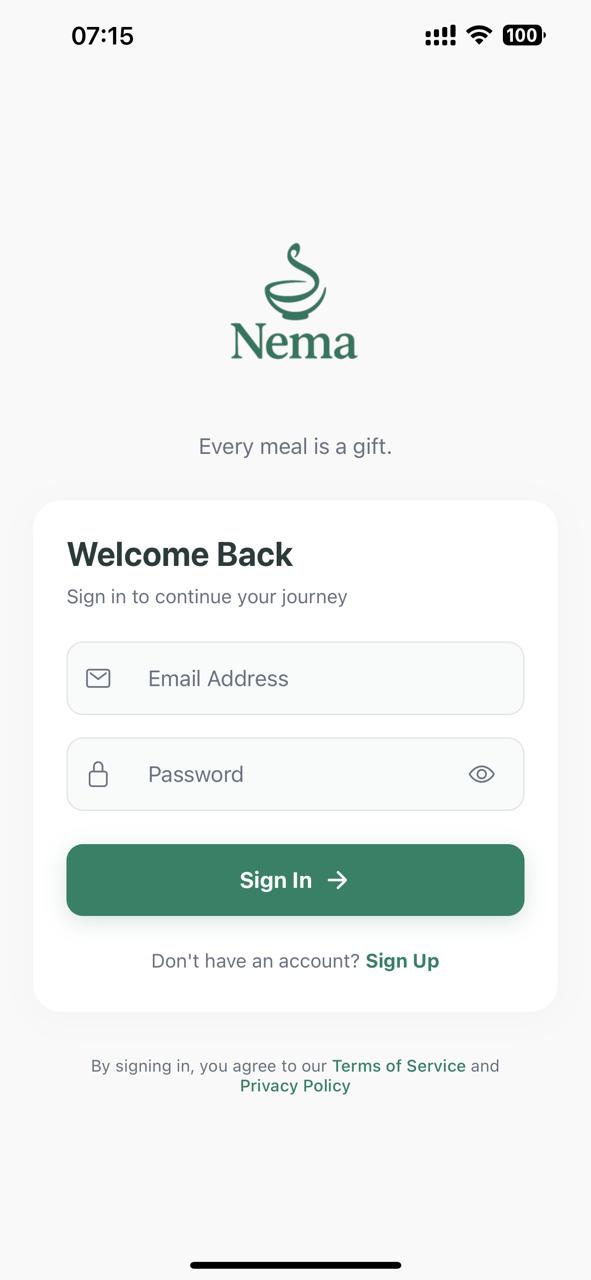
Welcome Page for logging in
-
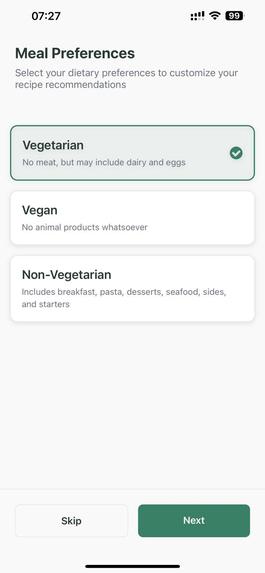
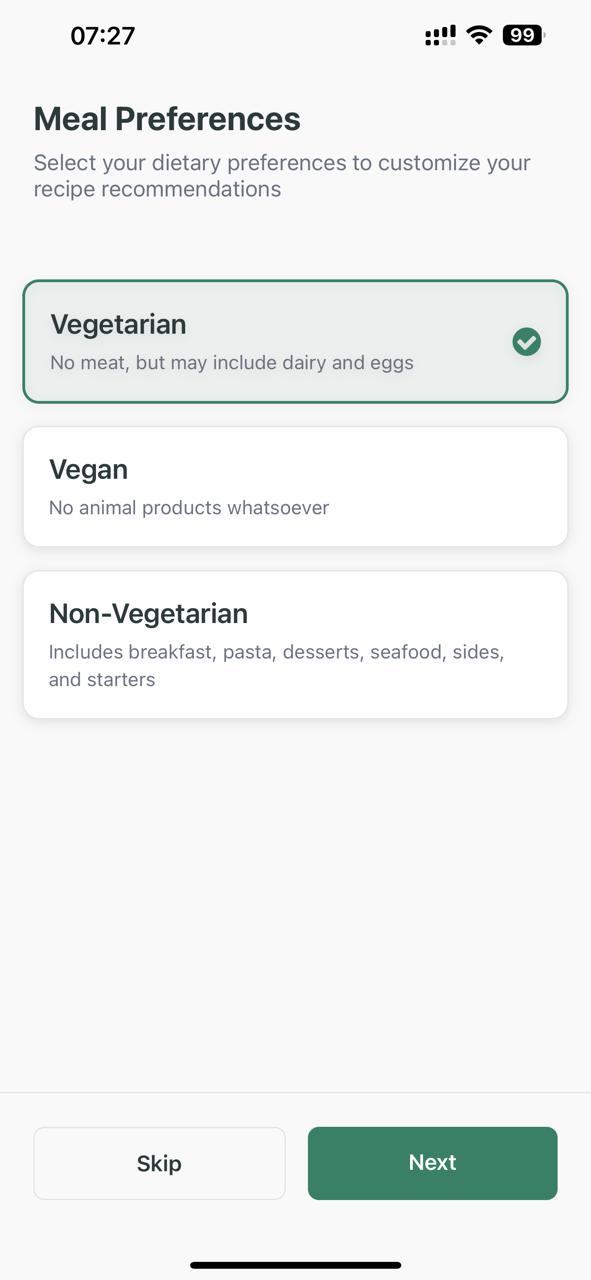
Meal Preference - To find recipe
-

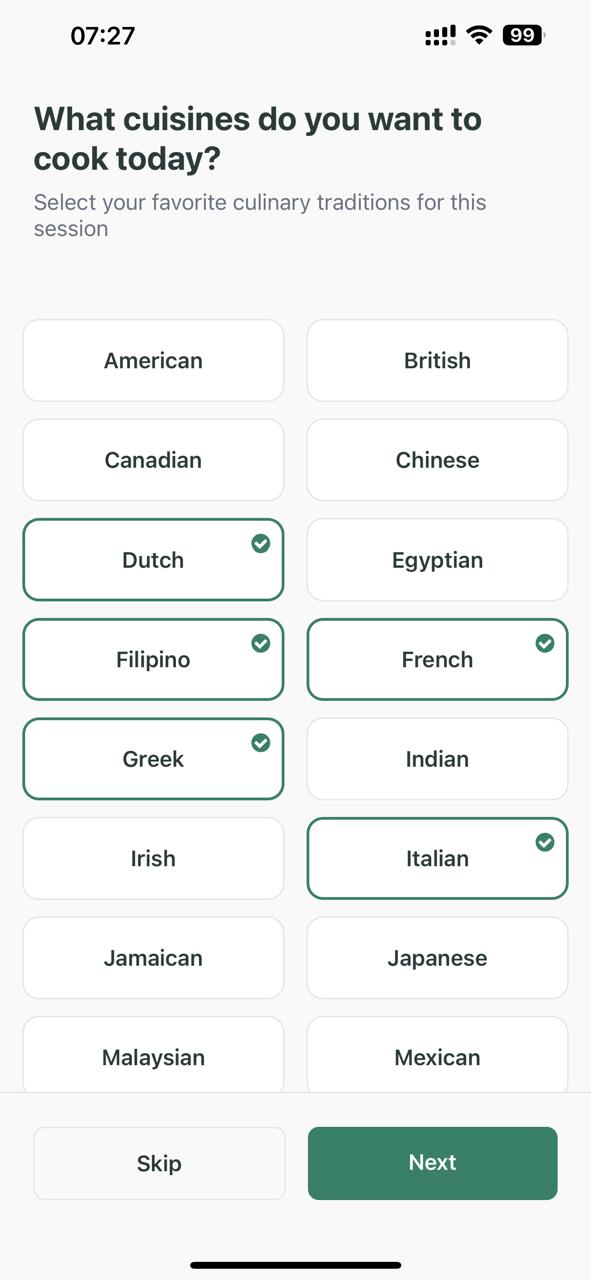
Cuisine Preference - To find recipe
-
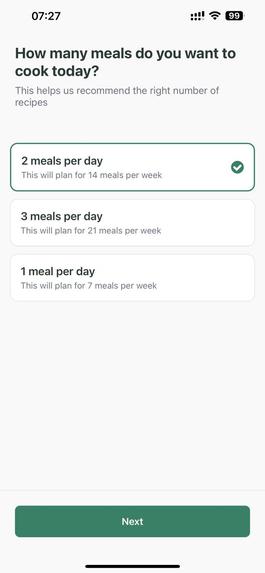
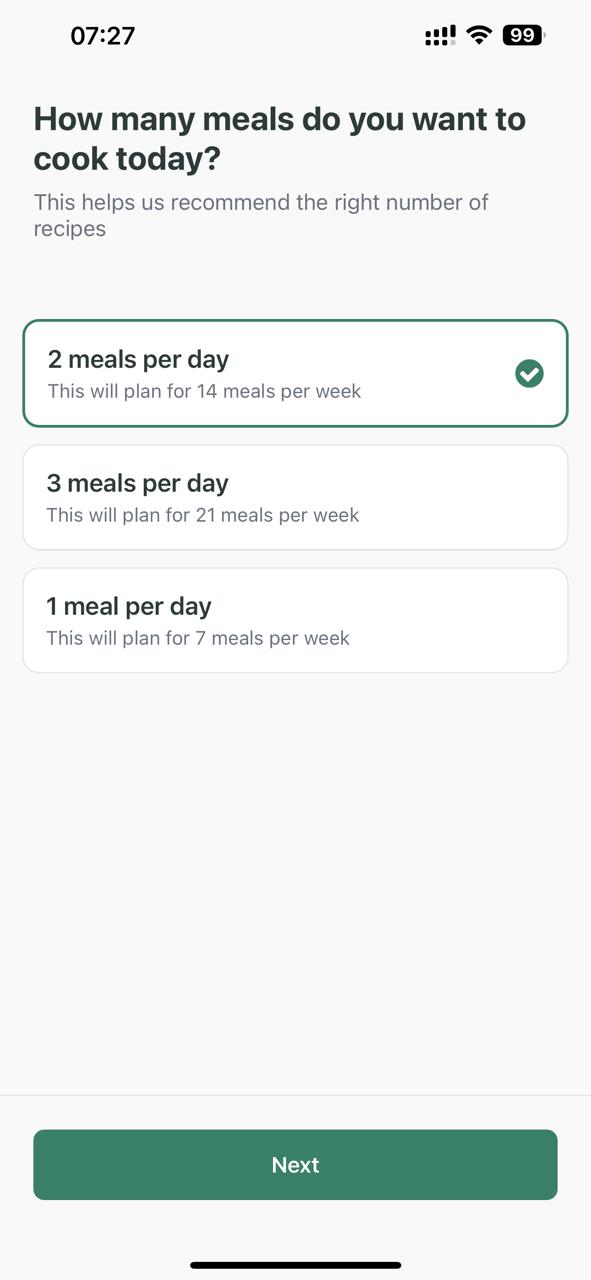
Meals per day - To create the weekly meal plan
-
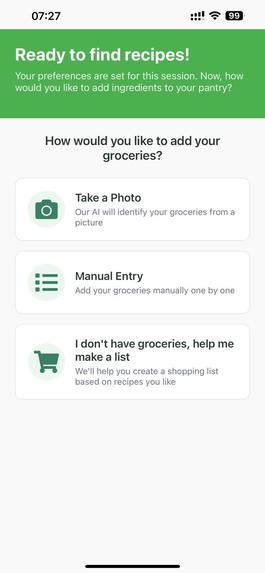
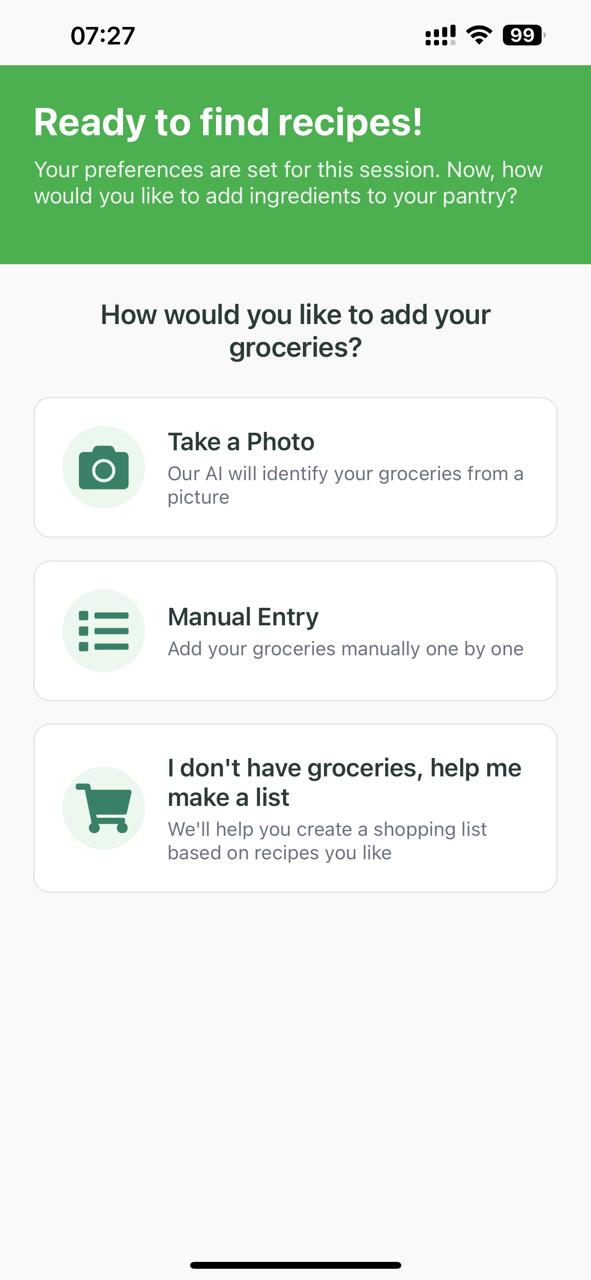
Pantry Input - Multiple options to add existing pantry, or skip if not pantry to add
-
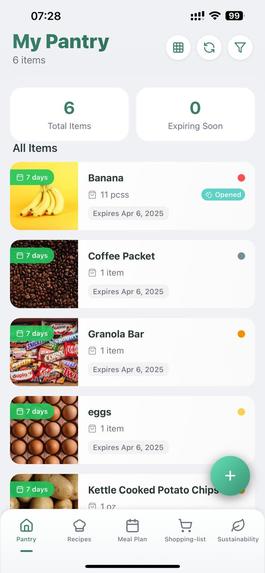
Pantry Page - List of pantry of the user
-
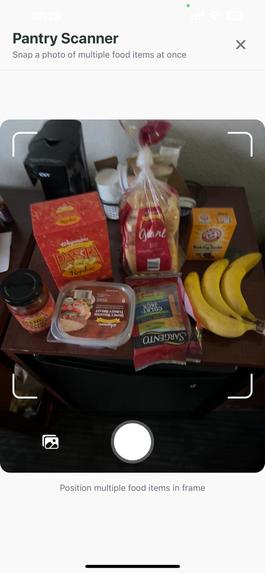
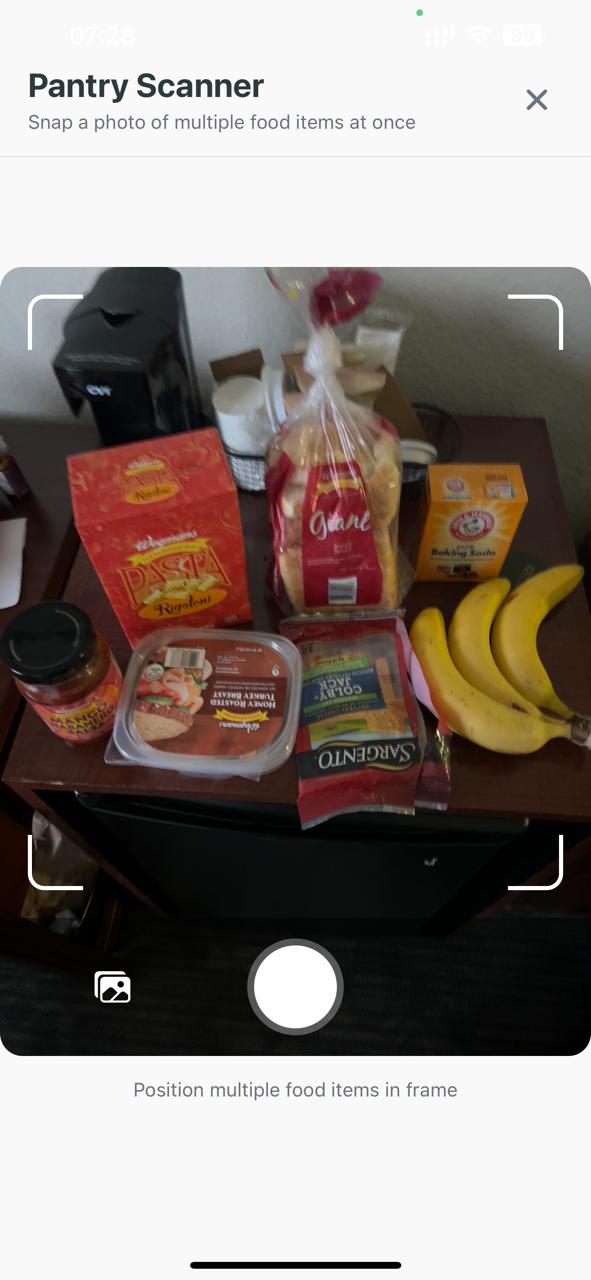
Pantry Scanner - Scanning multiple items to log the pantry easily
-
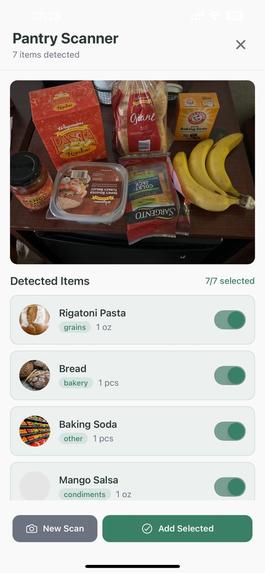
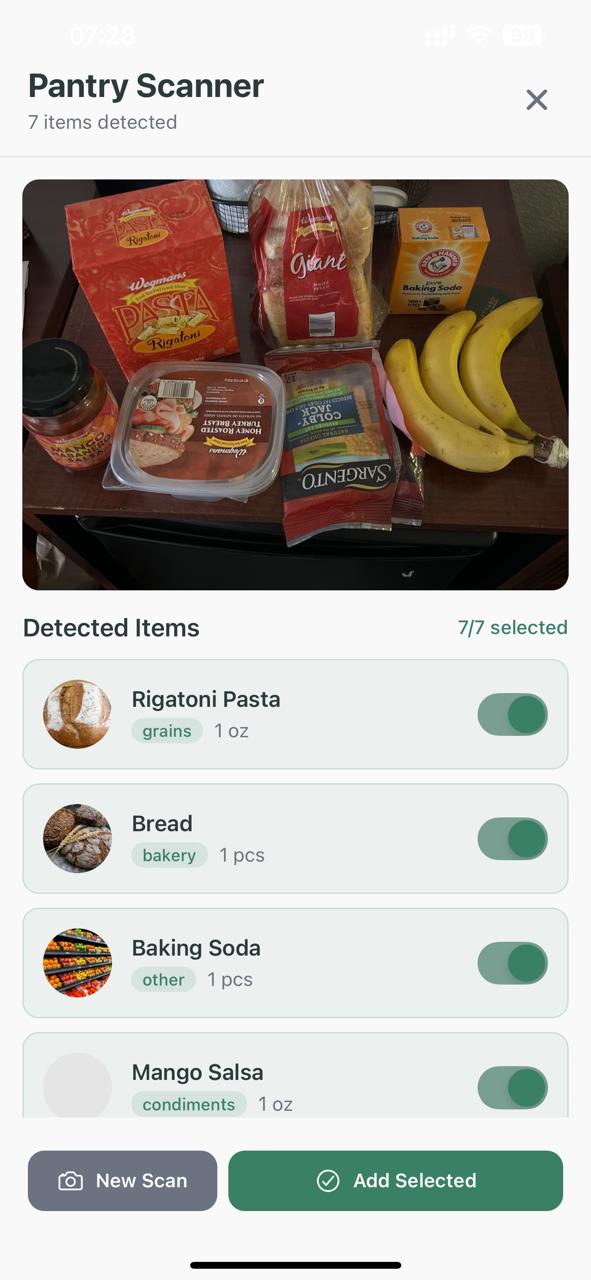
Scanner Result - AI identification and editing options for the user for flexibility
-
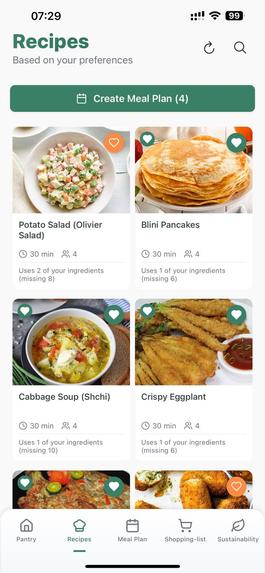
Recipe Selection - Tailored recommendation based on the preferences and existing pantry. Here, to select the recipes of choice.
-
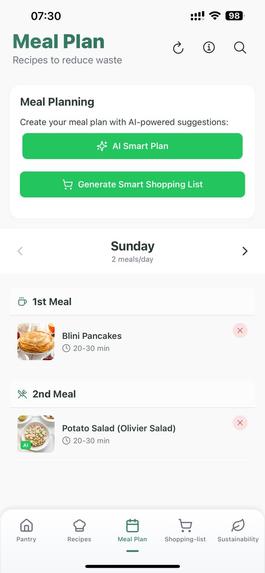
Meal Plan - Generated and optimized to reduce food waste and utilize the pantry, preferences, and recipe choices.
-
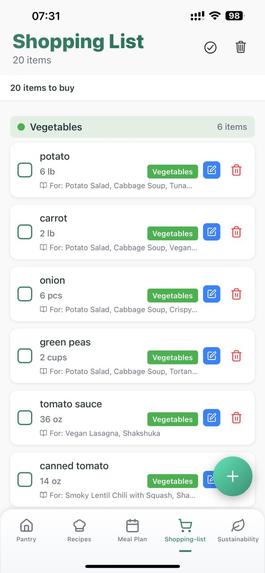
Shopping List - Calculating the groceries that will be necessary to cook all the meals for the week, optimized to not waste food.
-
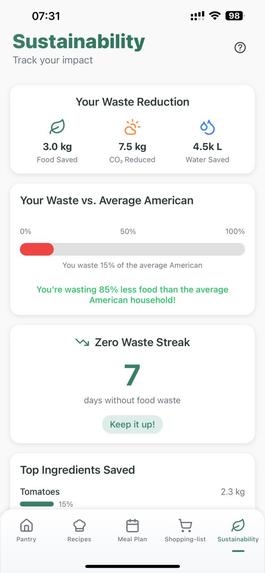
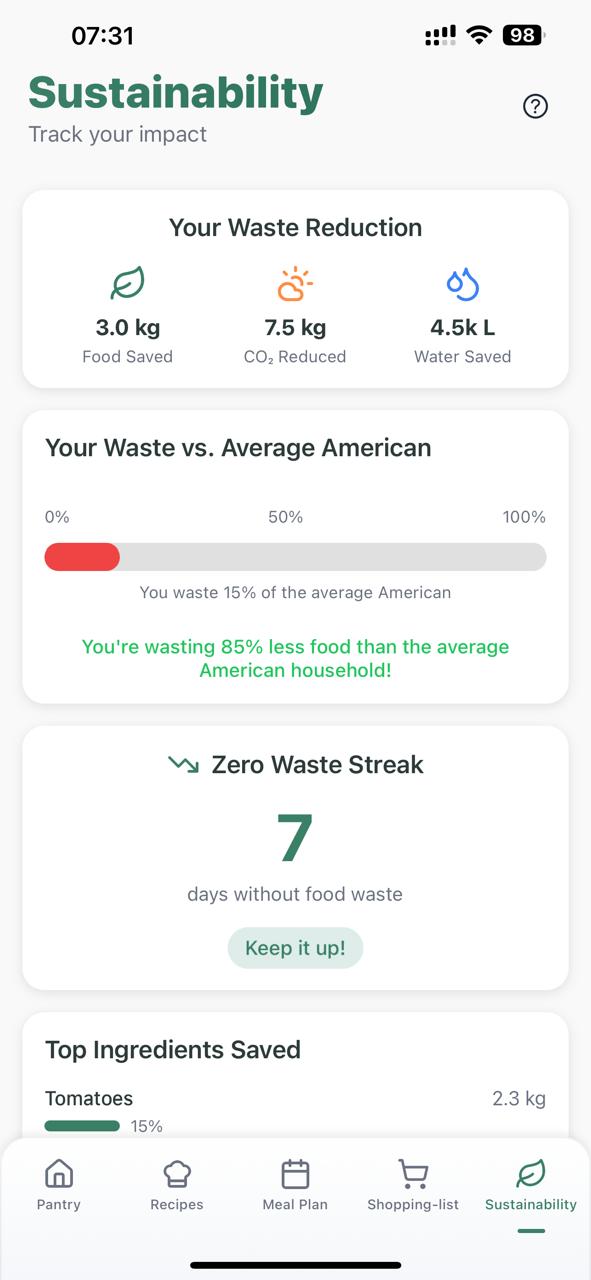
Sustainability Impact - Food waste tracker and impact visualization with comparison.



Inspiration
Our inspiration for Nema stemmed from personal experiences as students living in dorms. With busy academic and social lives, meal planning became challenging, often leading to purchasing groceries we never fully used. The pain of watching food expire and the frustration of wasted money was a common theme among us and our peers. After digging deeper through research, we discovered that food waste isn't just a student issue—it's a widespread problem affecting people across all demographics, including adults and families. Recognizing that food waste significantly contributes to environmental harm motivated us to develop an all-in-one, practical solution that anyone could easily adopt.
What Nema Does
Nema is an AI-powered platform that helps households eat smarter, save money, and reduce food waste.
By turning your existing groceries into an intelligent digital pantry, Nema streamlines meal planning and grocery shopping while promoting sustainable kitchen habits.
Key Features
AI-Powered Pantry from Photos
Upload photos of your fridge or pantry, and Nema automatically detects, categorizes, and tracks your ingredients — including quantity and expiration dates.Smart Meal Planning
Personalized weekly meal plans based on your dietary preferences and what's already in your pantry — minimizing waste and maximizing use.Expiration-Aware Prioritization
Nema automatically prioritizes ingredients that are close to expiring, ensuring they're used first in upcoming meals to prevent spoilage.Ingredient Overlap Optimization
Recipes are selected to share ingredients, helping you use up what you already have and reducing the need to buy extra items.Automated, Smart Grocery List
Nema subtracts what’s already in your pantry and generates a minimal, cost-effective shopping list tailored to your meal plan.Intelligent Ingredient Substitution
If multiple recipes call for similar ingredients (like different types of pasta), Nema suggests the most versatile option — reducing grocery costs, simplifying your list, and preventing ingredient leftovers that go unused.Budget- and Eco-Friendly by Design
Every decision Nema makes is optimized not just for convenience, but for savings and sustainability — helping you lower your carbon footprint while saving time and money.
How We Built It
We began with comprehensive research and planning—talking to peers, family, and friends, and performing secondary market research. Next, we focused on designing a user-friendly interface accessible to people of all ages and technical abilities.
For development, we chose React Native with Expo because mobile apps provide constant accessibility and convenience. The Expo workshop at the hackathon encouraged and empowered us to implement this technology for the first time. We integrated APIs, such as OpenAI for intelligent meal planning and TheMealDB for recipe suggestions, alongside efficient user data management. Rigorous testing ensured app functionality, reliability, and smooth user experience, and iterative improvements were made based on ongoing user feedback and testing insights.
Challenges We Ran Into
The main challenges included:
- Steep Learning Curve: As our first mobile development experience, React Native and Expo presented significant learning and debugging challenges.
- API Integration: Testing multiple APIs to find reliable and efficient ones required substantial trial and error, particularly when combining OpenAI with recipe databases.
- Complex State Management: Managing intricate app states across numerous components demanded careful planning and execution.
- Performance Optimization: Ensuring the app remained fast and responsive while managing numerous API calls and real-time updates required dedicated effort and precise coding.
Accomplishments We're Proud Of
We're particularly proud that Nema transcends typical sustainability solutions, which can often be niche or unattractive to broader audiences. Our app delivers substantial practical value—saving users money, reducing decision fatigue, and improving convenience—all while significantly reducing food waste. Even individuals who aren’t explicitly motivated by sustainability find Nema valuable, inadvertently adopting eco-friendly practices. This universal appeal represents a significant accomplishment in promoting everyday sustainability.
What We Learned
Beyond the technical knowledge gained—from React Native and Expo to API integration—we learned about teamwork, resilience, and innovation under pressure. Initially, creating a fully functional mobile app in just 36 hours felt daunting. However, by staying persistent and collaborative, we transformed what seemed impossible into a reality. We discovered the profound potential for tech-driven solutions to solve everyday problems and learned to appreciate rapid prototyping and iterative improvement as powerful methods for innovation.
What's Next for Nema
Inspired by the hackathon keynote speakers who emphasized turning ideas into reality, we are committed to commercializing Nema. We aim to finalize our minimum viable product (MVP), recruit beta testers, refine the product based on user feedback, address any existing bugs, and officially launch Nema as a market-ready application. The positive feedback and genuine market need drive our enthusiasm to build Nema into a sustainable and impactful business.

Log in or sign up for Devpost to join the conversation.