-
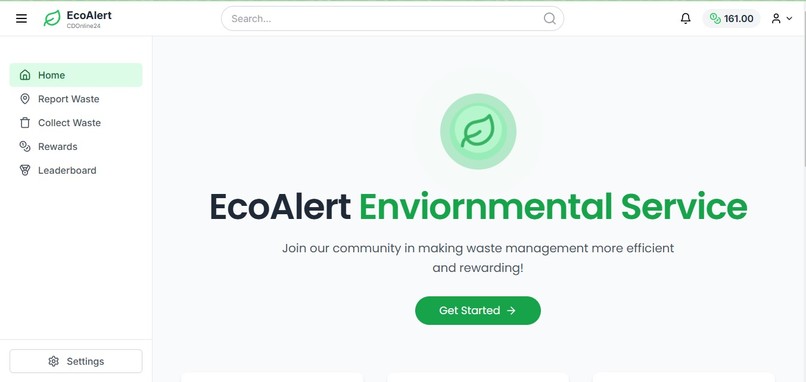
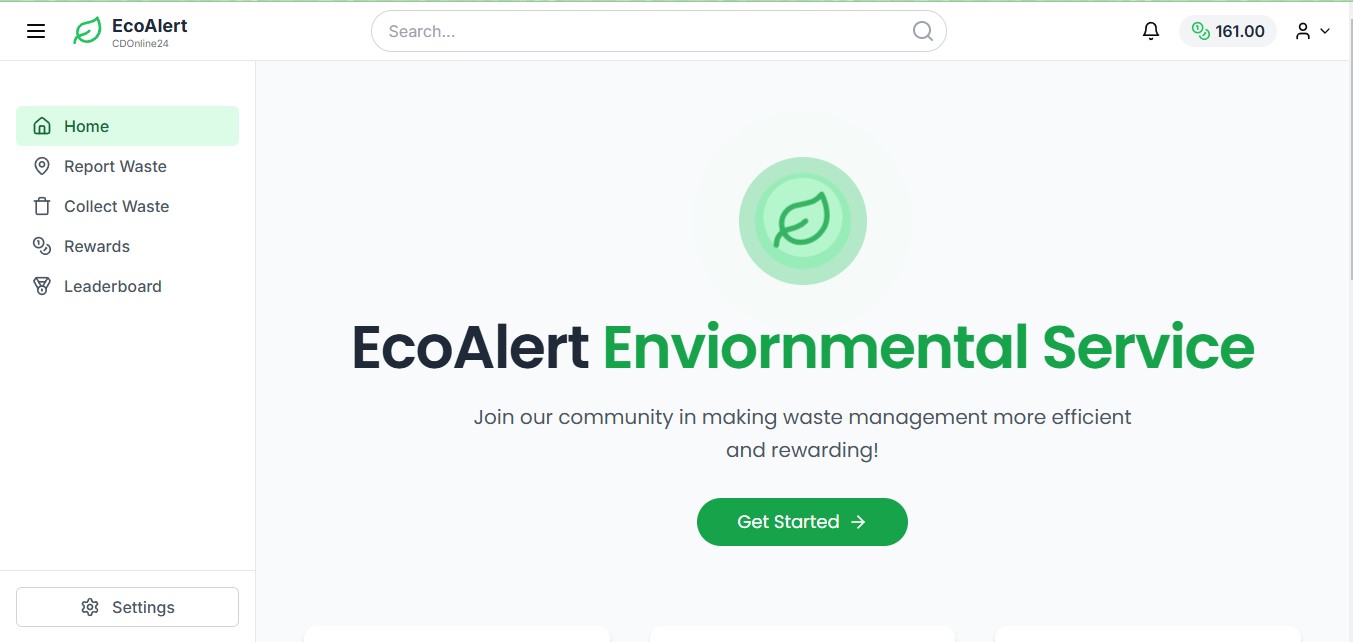
Home
-
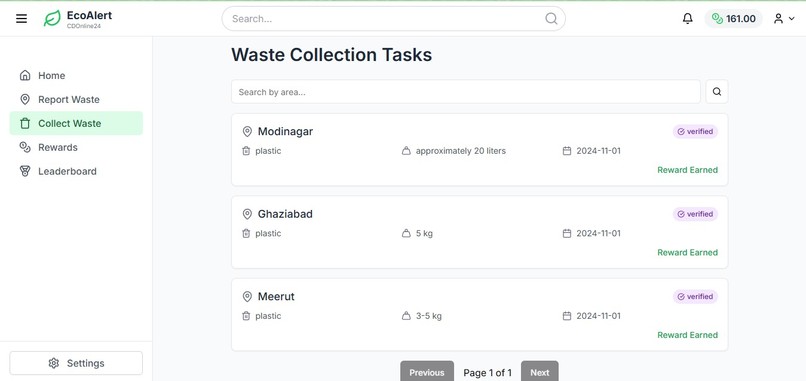
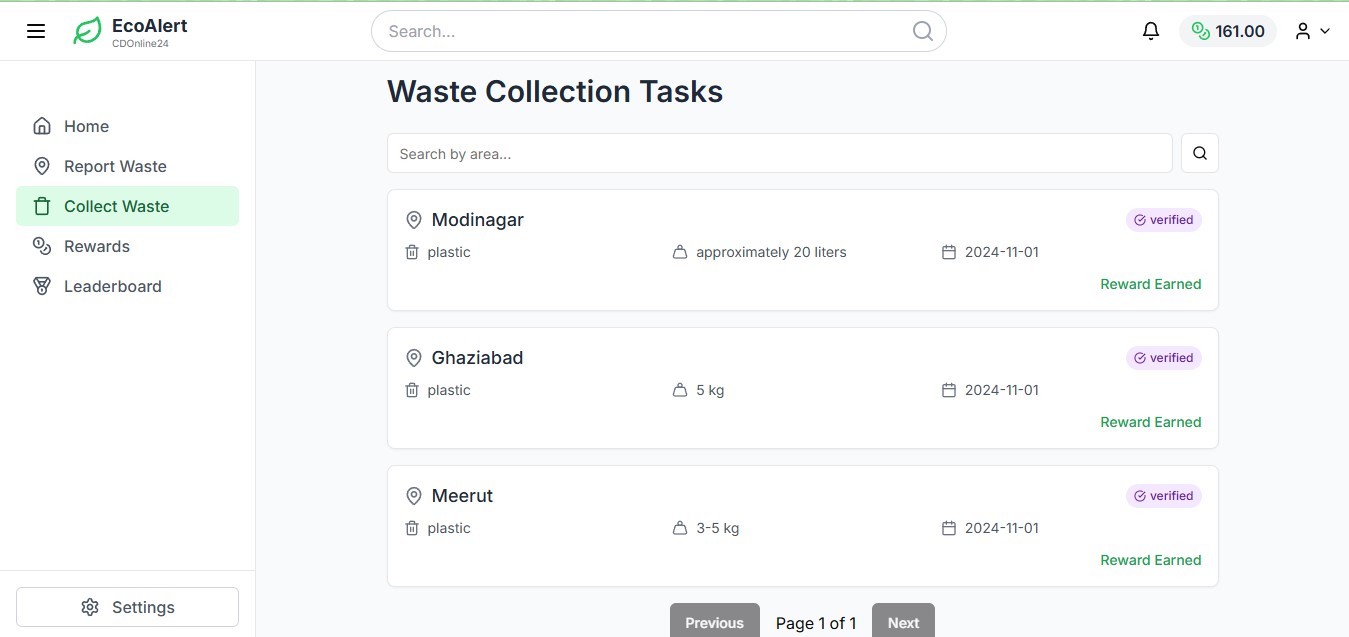
Collect Waste
-
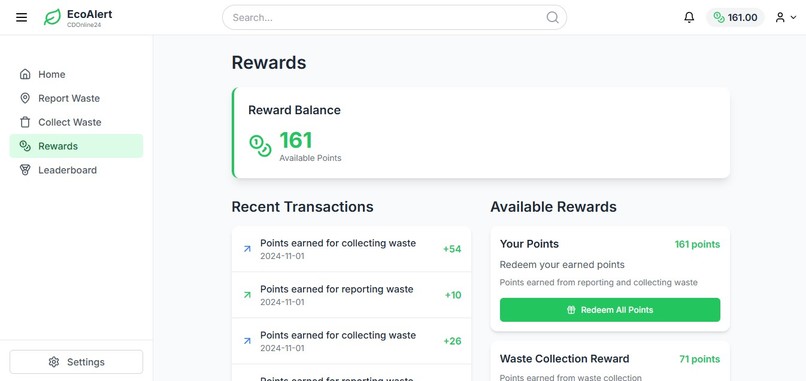
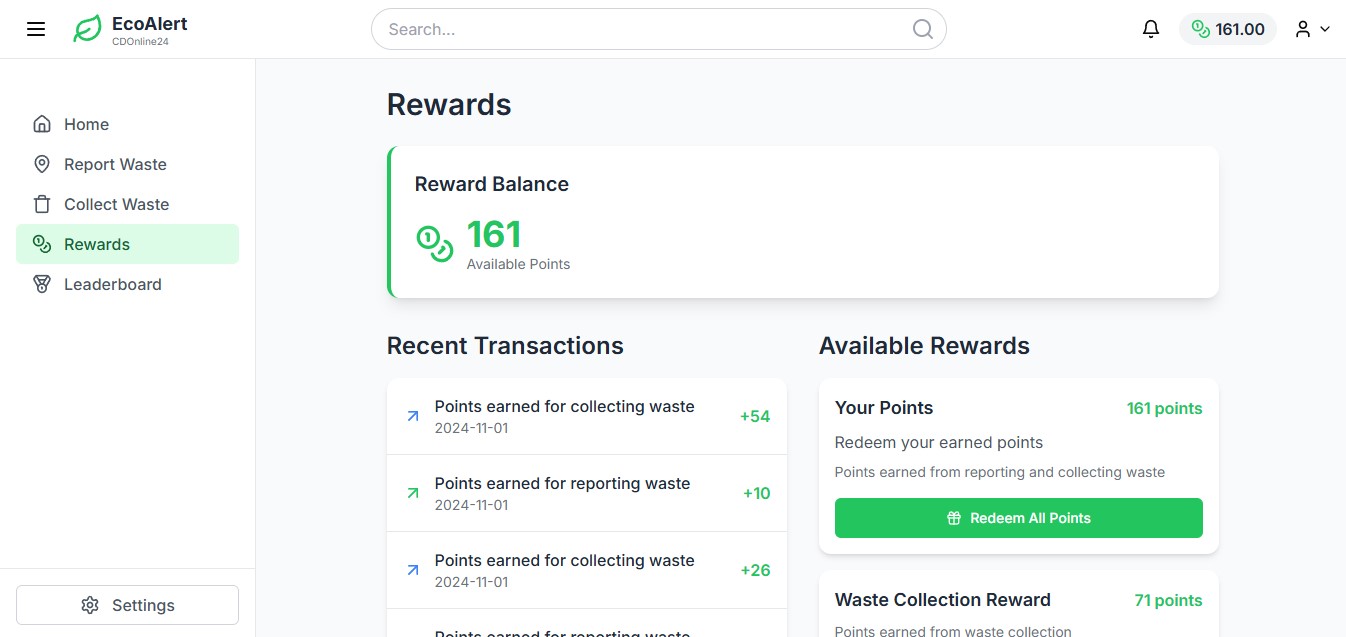
Rewards
-
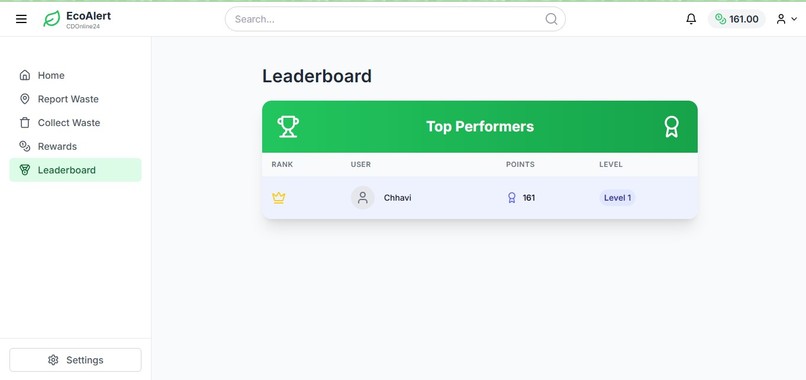
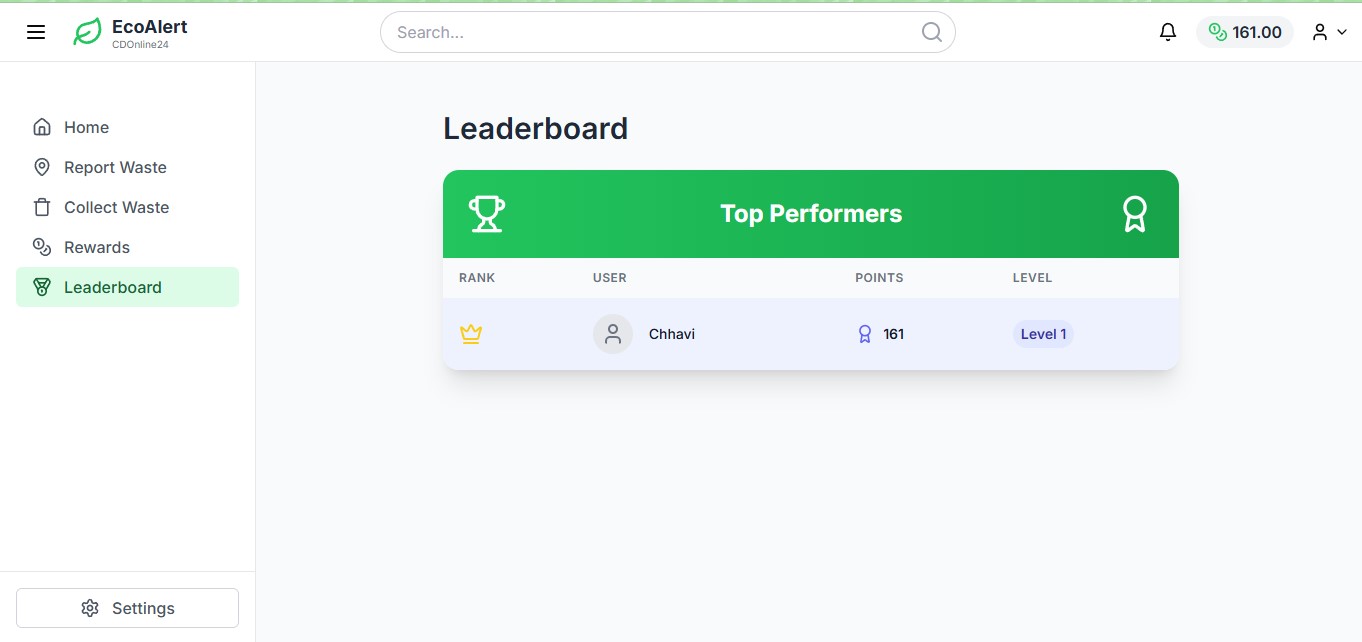
LeaderBoard
Inspiration
Waste management is a significant challenge faced by communities worldwide. Many people lack awareness of the types of waste they are disposing of and the appropriate ways to handle them. Additionally, there is a need for systems that incentivize individuals to actively participate in waste collection and recycling efforts.
What it does
EchoAlert addresses these challenges by allowing users to:
Capture and Verify Waste: Users can take pictures of waste items, which are then processed by the Gemini AI to identify the type of waste, estimate the quantity, and provide a confidence level for the assessment. This ensures accurate reporting and educates users about proper waste classification.
Report Submission: Once verified, users can submit their waste reports through a user-friendly interface. Each report not only contributes to community awareness but also earns users valuable points.
Incentivized Participation: Users can earn points by both submitting waste reports and participating in waste collection activities. This gamification element motivates individuals to take action for their environment.
Leaderboard: The platform features a leaderboard that showcases top users based on their accumulated points. This fosters a sense of community and friendly competition, encouraging more users to engage with the platform and contribute to environmental efforts.
How we built it
EchoAlert is built using:
- Next.js: A powerful framework for server-rendered React applications, enabling seamless user experiences.
- TypeScript: Ensures type safety and enhances code quality, making the development process more efficient.
- Web3 Authentication: Facilitates secure user profile creation and management, empowering users with control over their data.
- AI: Analyzes images of waste to provide real-time verification and insights, bridging the gap between users and waste management knowledge.
Challenges We Ran Into
1. Image Verification Accuracy
Ensuring that the AI accurately identifies the type of waste and estimates quantities posed a significant challenge. We had to fine-tune the AI model to handle various waste types and image qualities effectively.
2. User Engagement
Encouraging users to actively participate in waste reporting and collection required thoughtful design and gamification strategies. Balancing points allocation to motivate users without overwhelming them was a constant consideration.
3. Data Privacy and Security
Implementing Web3 authentication raised concerns about user data privacy and security. We had to ensure that user profiles were securely managed while still allowing for easy access and interaction with the platform.
4. Technical Integration
Integrating multiple technologies (Next.js, TypeScript, AI services) presented compatibility challenges. We had to ensure smooth communication between these components, which required thorough testing and debugging.
5. Scalability
As the user base grows, maintaining performance and scalability became a priority. We needed to design the system architecture to handle increased traffic without compromising user experience.
Despite these challenges, our team remained committed to refining the platform, ultimately creating a solution that empowers individuals to contribute to environmental sustainability.
Accomplishments That We're Proud Of
1. Successful AI Integration
We successfully integrated Gemini AI to analyze waste images, providing accurate identification, quantity estimates, and confidence levels. This feature enhances user understanding of waste management and contributes to more informed recycling practices.
2. User-Centric Design
Our team developed an intuitive and engaging user interface that simplifies the process of reporting waste. The design encourages user interaction and feedback, making it easy for anyone to participate in waste management efforts.
3. Gamification Elements
The implementation of a points system and leaderboard fostered a sense of community and friendly competition among users. This gamification approach has significantly increased user engagement and participation in waste reporting activities.
4. Robust Technology Stack
Building the platform using Next.js and TypeScript has resulted in a fast, responsive application. The use of Web3 authentication ensures secure user profiles, enhancing trust and security within the app.
What We Learned
Throughout the development of EchoAlert, we learned the vital importance of user feedback in creating a user-friendly experience, as iterative testing allowed us to refine features effectively. We encountered the complexities of integrating AI, which highlighted the need for thorough testing and continuous improvement to ensure accuracy. Balancing gamification with genuine utility was crucial, as we aimed to make users feel their contributions were meaningful. We also gained insights into technical integration challenges with our stack, emphasizing the significance of scalability from the outset. Effective community engagement strategies became apparent, underscoring the necessity of clear communication and trust-building. These lessons will guide our future projects and initiatives in creating impactful solutions for environmental sustainability.
What's next for EcoAlert: Enviornmental Services
As we look to the future of EcoAlert, our primary goal is to enhance the platform's features and expand its reach For Example.
- Educational Resources: Create in-app resources to inform users about sustainability practices and responsible waste disposal.
- Mobile App Improvements: Focus on enhancing the mobile experience, making it easier for users to access and report waste from their devices.


Log in or sign up for Devpost to join the conversation.