-
-
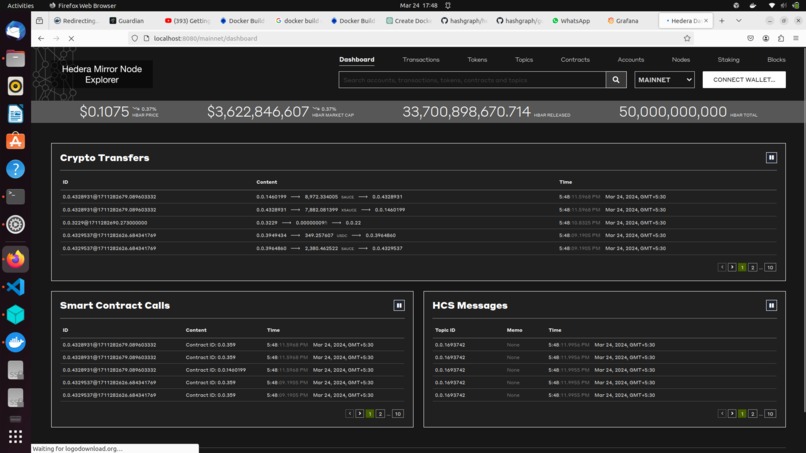
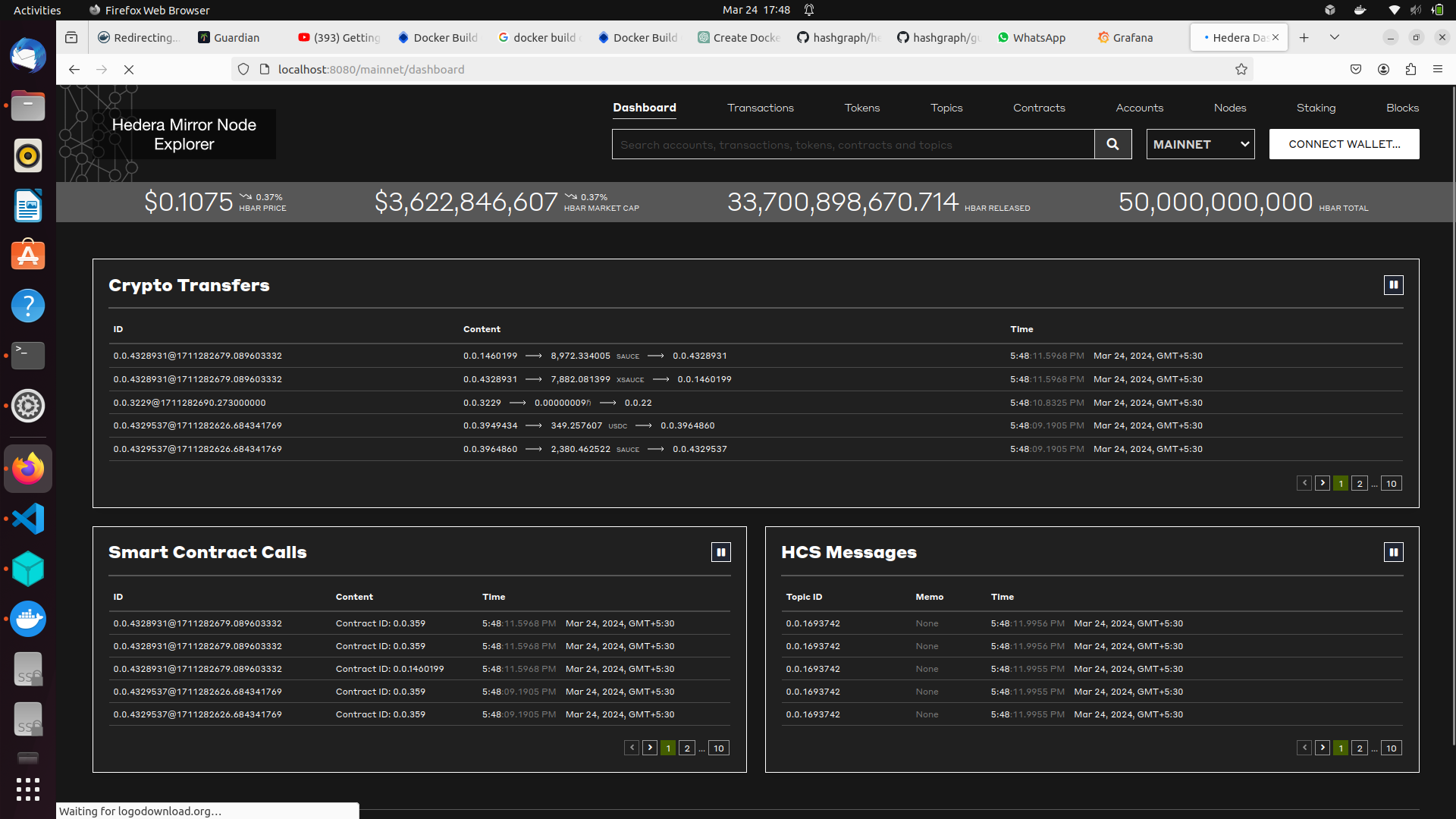
hedera-port 8080
-
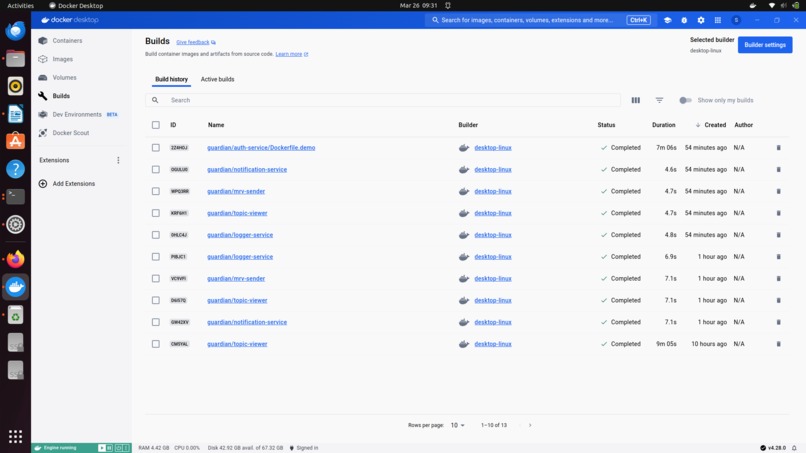
-
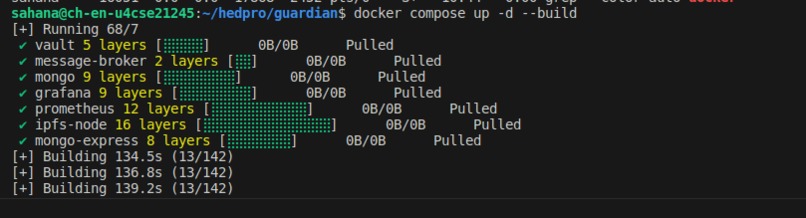
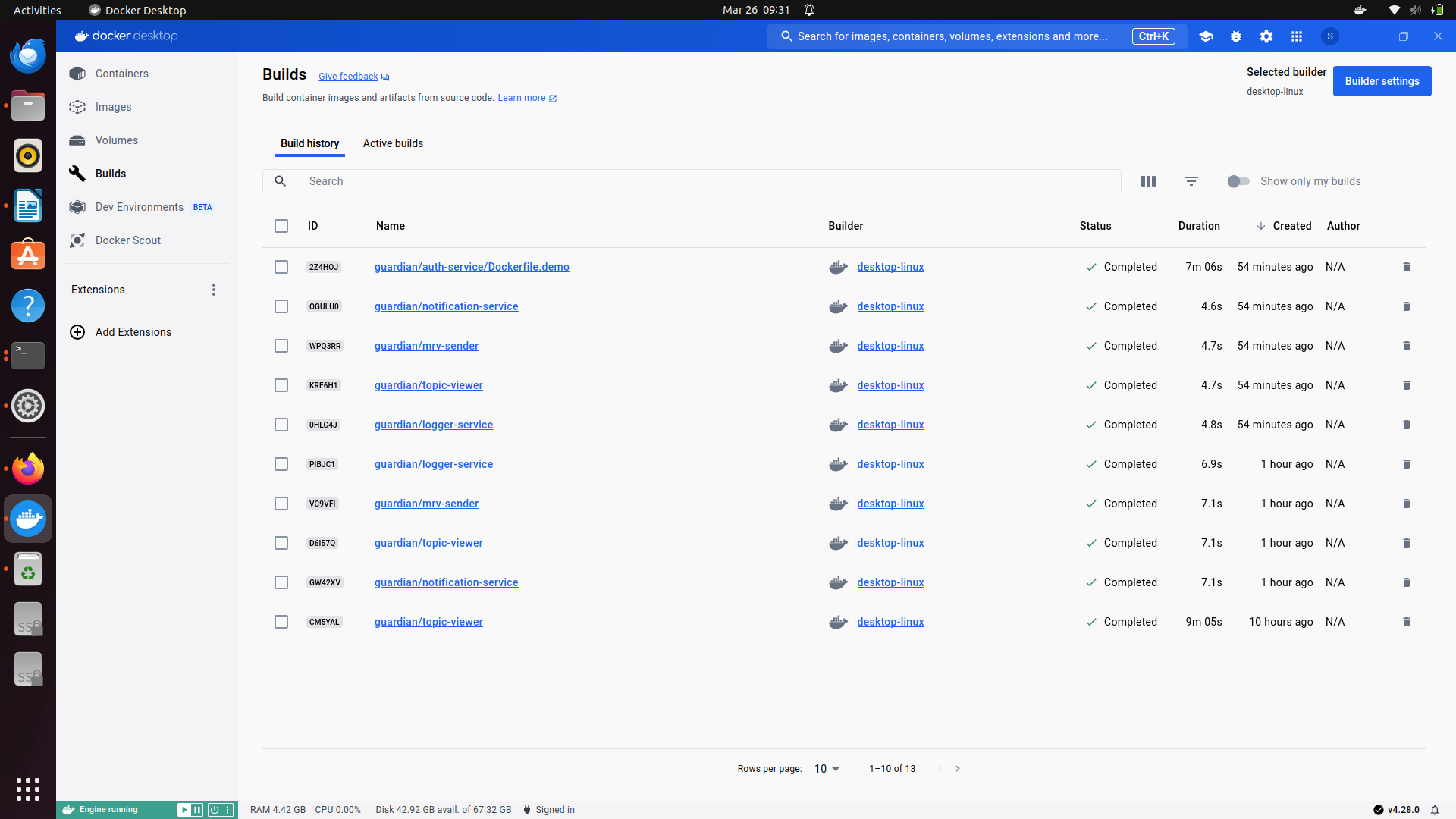
docker build
-
-

Eco-Trace Documentation 🌿🌎
Inspiration 💡
Eco-Trace was inspired by the growing awareness and demand for sustainable products among consumers. With increasing concerns about environmental impact and ethical sourcing, there's a need for transparent systems that allow consumers to make informed choices about the products they purchase. Leveraging blockchain technology provided by Hedera Guardian, Eco-Trace aims to revolutionize supply chain transparency and enable consumers to trace the sustainability footprint of products with ease.
What it does ℹ️
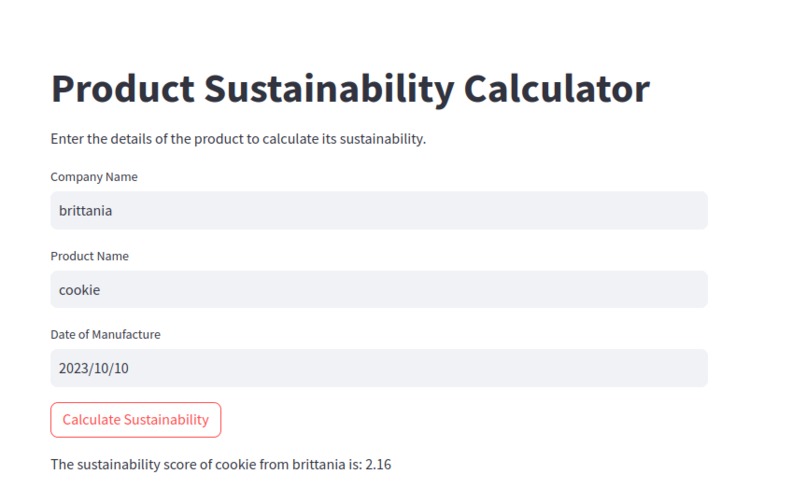
Eco-Trace is a decentralized application (DApp) that empowers consumers to trace the sustainability footprint of products. By leveraging the robust features of Hedera Guardian and Docker for containerization, Eco-Trace provides an immutable and transparent ledger for tracking the journey of products from their source to the consumer's hands. Through the Eco-Trace DApp, users can enter product details such as brand name and date of manufacture to retrieve comprehensive sustainability information in real-time. This transparency fosters trust between consumers and producers, driving the demand for more sustainable and ethical products.
How we built it 🏗️
Eco-Trace was built using cutting-edge blockchain technology provided by Hedera Guardian and containerization technology like Docker. The development team utilized smart contracts to create an immutable ledger that records every transaction and interaction within the supply chain. By integrating with Hedera's distributed ledger technology and leveraging Docker for deployment, Eco-Trace ensures the integrity and security of the data, preventing tampering or fraud while maintaining scalability and flexibility.
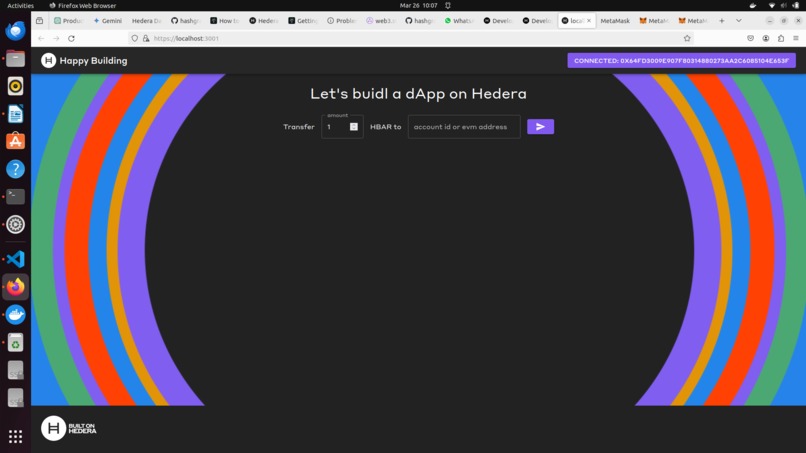
The Eco-Trace DApp was developed with a user-friendly interface to make it accessible to consumers of all technical backgrounds. Users can easily enter product details such as brand name and date of manufacture to retrieve sustainability information in real-time.
Challenges we ran into ⚠️
During the development of Eco-Trace, the team encountered several challenges, including:
- Integration Complexity: Integrating with Hedera Guardian's blockchain technology and Docker for containerization posed technical challenges that required innovative solutions to ensure seamless functionality.
- Data Accuracy: Ensuring the accuracy and reliability of sustainability data within the blockchain presented challenges related to data verification and validation.
- User Experience Design: Designing an intuitive and user-friendly interface that caters to the diverse needs of consumers while providing comprehensive sustainability information was a significant challenge.
Despite these challenges, the team persevered and successfully addressed each obstacle to deliver a robust and functional solution.
Accomplishments that we're proud of 🏆
The development team of Eco-Trace is proud of several accomplishments, including:
- Successful Implementation: Successfully implementing a decentralized application that leverages blockchain technology and Docker for containerization to promote supply chain transparency and sustainability.
- User Adoption: Garnering positive feedback and high user adoption rates for the Eco-Trace DApp, indicating its effectiveness in addressing consumer demands for sustainability.
- Partnership with Hedera Guardian: Establishing a strategic partnership with Hedera Guardian to leverage its advanced blockchain infrastructure, enhancing the credibility and reliability of Eco-Trace.
What we learned 📚
Through the development of Eco-Trace, the team gained valuable insights into various aspects of blockchain technology, supply chain management, containerization, and user experience design. Key learnings include:
- Blockchain Integration: Deepening our understanding of blockchain technology and its potential applications in promoting transparency and accountability in supply chains.
- Sustainability Metrics: Enhancing our knowledge of sustainability metrics and best practices for collecting, analyzing, and presenting sustainability data to consumers.
- User-Centric Design: Recognizing the importance of user-centric design principles in developing intuitive and accessible applications that cater to diverse user needs.
What's next for Eco-Trace 🔜
Looking ahead, the future roadmap for Eco-Trace includes several exciting developments, such as:
- Enhanced Features: Continuously improving the Eco-Trace DApp with additional features and functionalities to provide users with more comprehensive sustainability information.
- Expansion: Expanding the Eco-Trace ecosystem to include partnerships with more producers, retailers, and other stakeholders to increase the availability of sustainable products on the platform.
- Community Engagement: Engaging with the community to gather feedback, suggestions, and ideas for further enhancing the Eco-Trace platform and driving awareness of sustainable consumption practices.
Eco-Trace remains committed to its mission of promoting transparency, sustainability, and ethical consumption through innovative blockchain solutions, and we look forward to realizing this vision in the future. 🌱✨


Log in or sign up for Devpost to join the conversation.