-
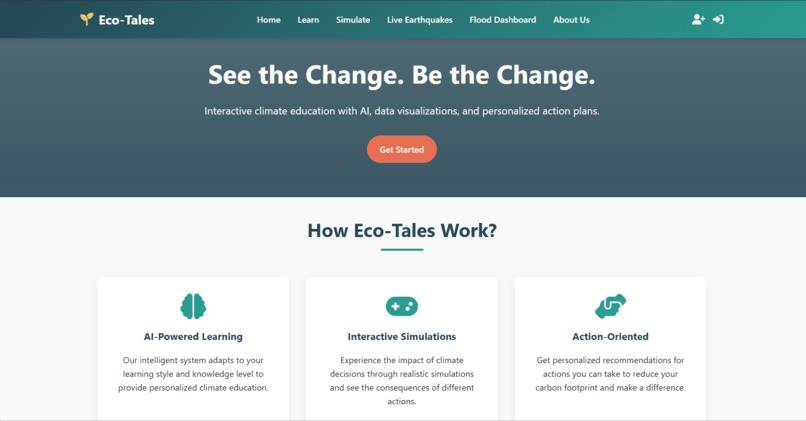
HomePage
-
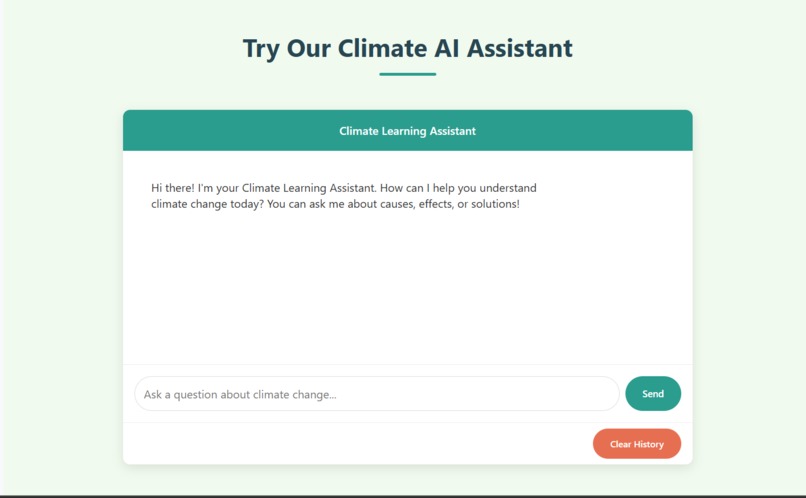
AI-Assistant
-
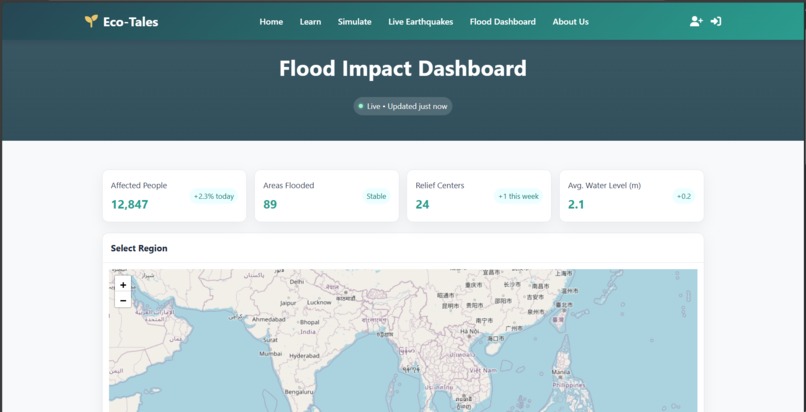
FloodDashboard
-
EcoTales: The Project Story
🌍 What Inspired Us
"In Pakistan, we're not just talking about climate change, we're living it."
I witnessed devastating floods that displaced millions, heard people call it "Allah ka azaab" (God's punishment), and realized the heartbreaking truth: this isn't divine wrath, it's climate consequences meeting climate illiteracy. When homes washed away and livelihoods disappeared, I saw that what we lacked wasn't just infrastructure but understanding.
The inspiration struck me watching children playing in floodwaters, oblivious to the climate mechanisms that brought destruction to their doorstep. I thought: What if we could make climate education as accessible as those floodwaters? But instead of destruction, it brings understanding?
This personal encounter with climate tragedy birthed EcoTales. We're creating what we wish existed during those floods: a bridge between complex climate science and the people living its consequences.
📚 What We're Building
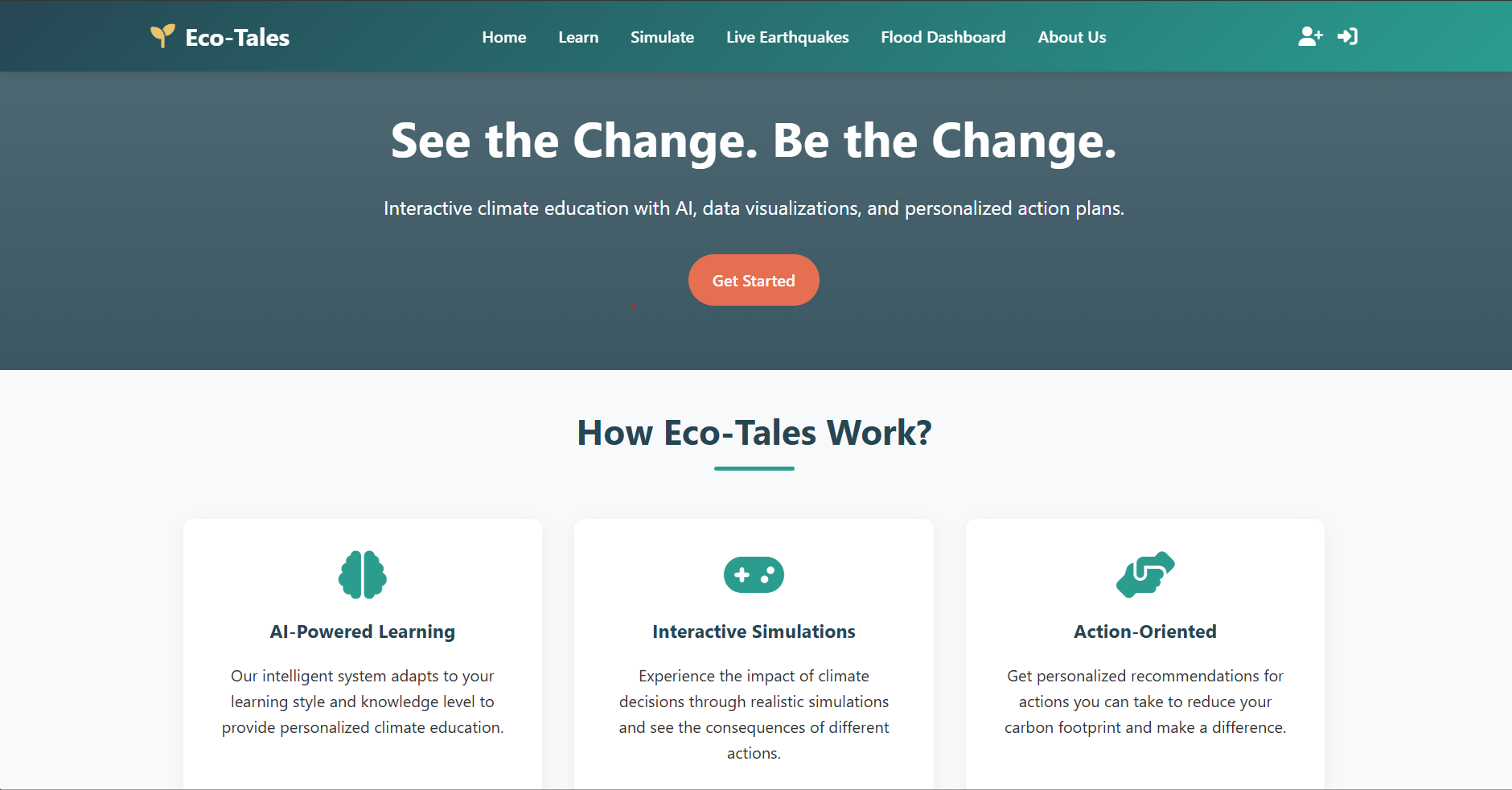
EcoTales isn't another educational app, it's a conversational journey through climate understanding. We're building:
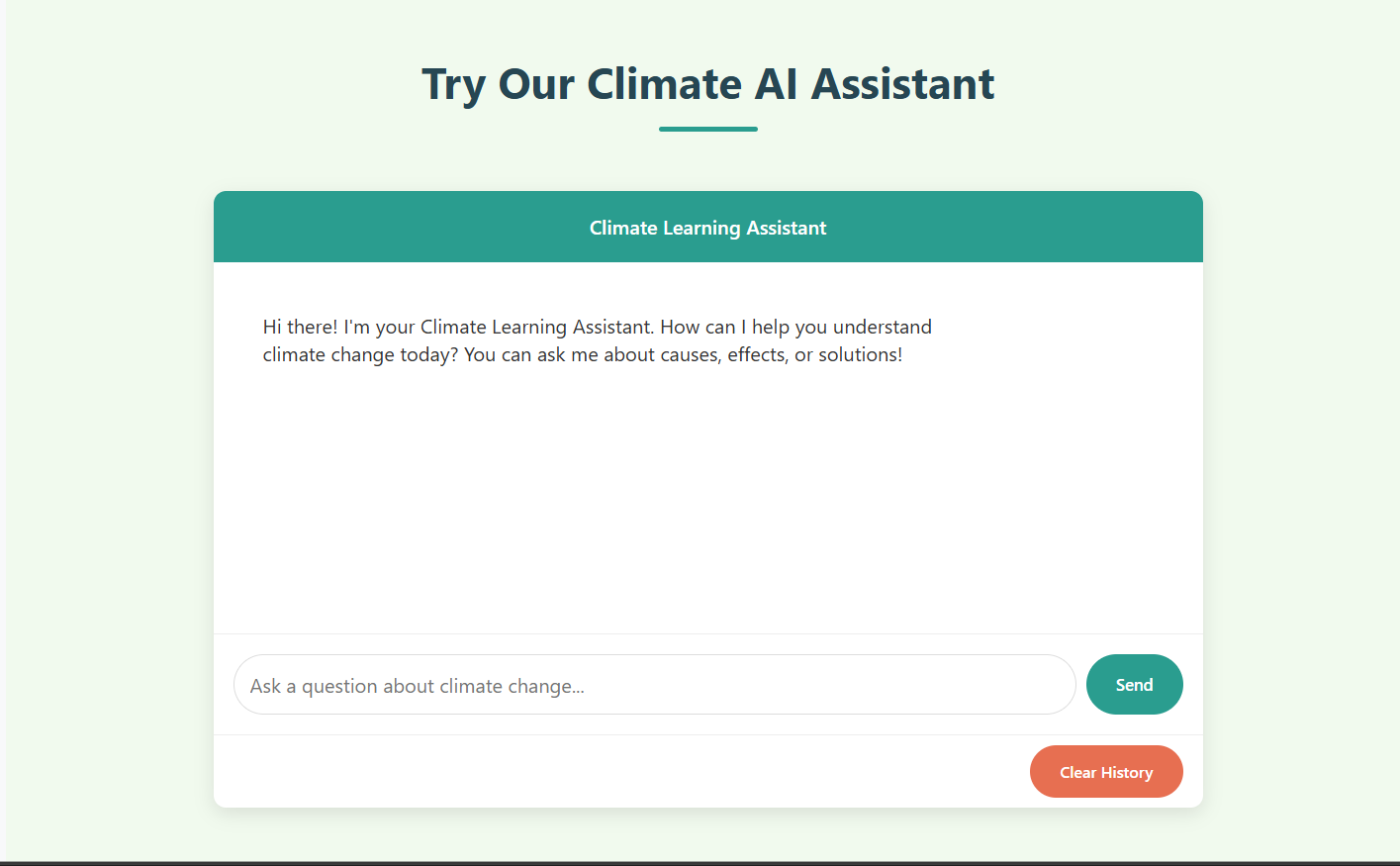
- AI-Powered Climate Conversations: Making learning feel like chatting with a knowledgeable friend rather than reading a textbook
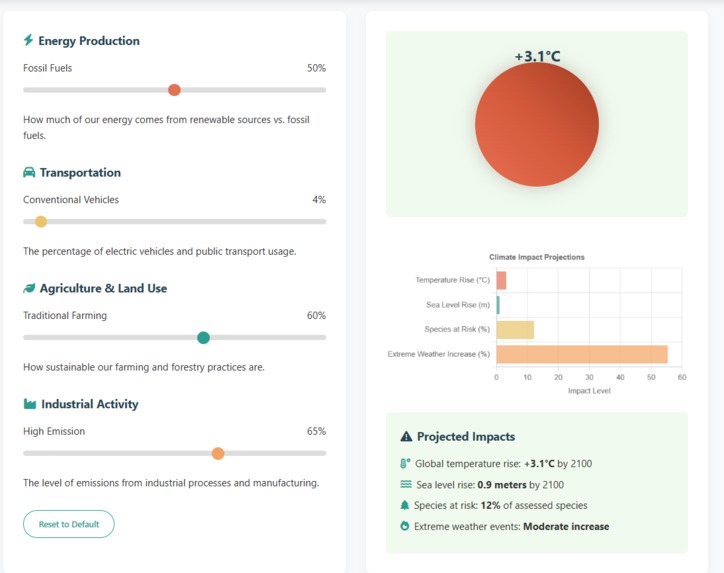
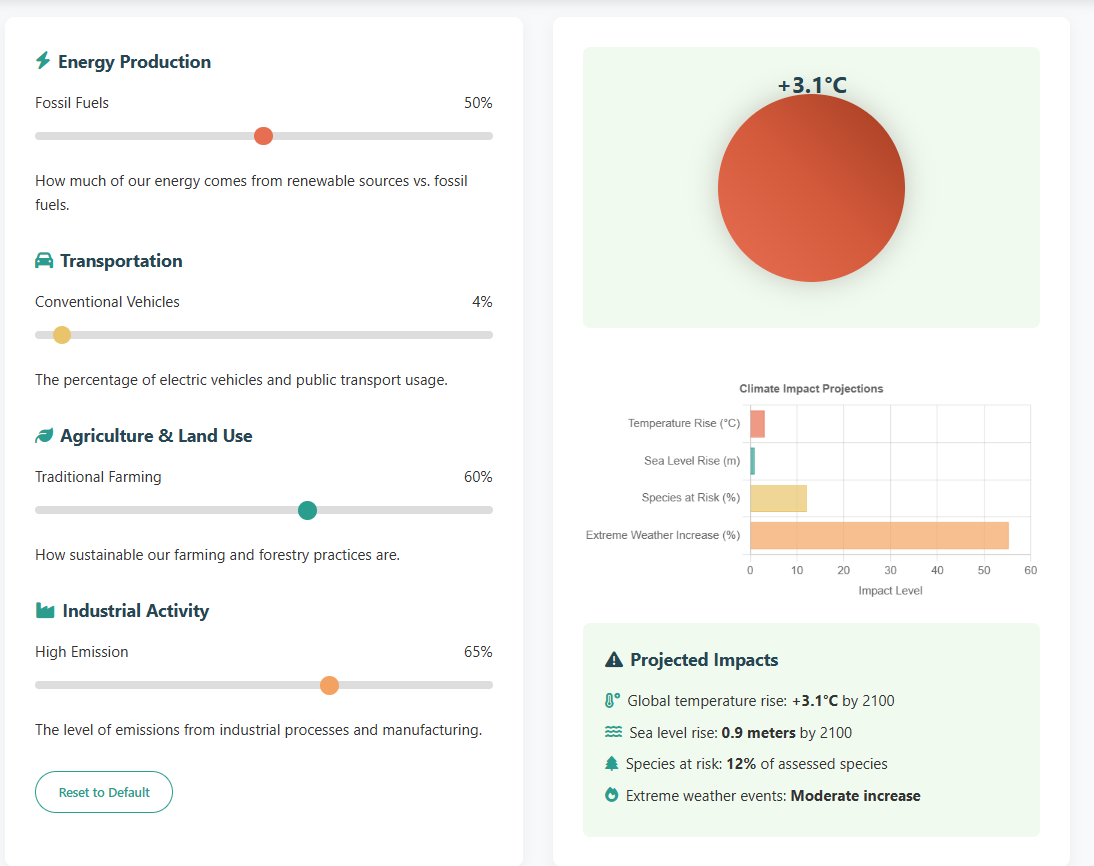
- Visual Climate Calculators: Helping users see how small changes create big impacts (like Khan Academy but for climate)
- Multilingual Accessibility: Bringing climate education to people in their native languages, starting with Urdu
- Personalized Learning Paths: Adapting to each user's context—whether they're a student, farmer, or concerned parent
Our vision extends beyond the current implementation to a full series:
- Consumerism & Climate: How shopping choices ripple across ecosystems
- The Recycling Reality: Visualizing the complete lifecycle of materials
- Localized Content: Pakistan-specific climate stories and solutions
- Children's Edition: Gamified climate learning for the next generation
🛠 How We Built It
Technical Architecture
We constructed EcoTales using a modern full-stack approach:
**Frontend**: React.js + Context API for state management
**Backend**: Node.js/Express.js server with session authentication
**Database**: MongoDB with Mongoose ODM for user data and chat history
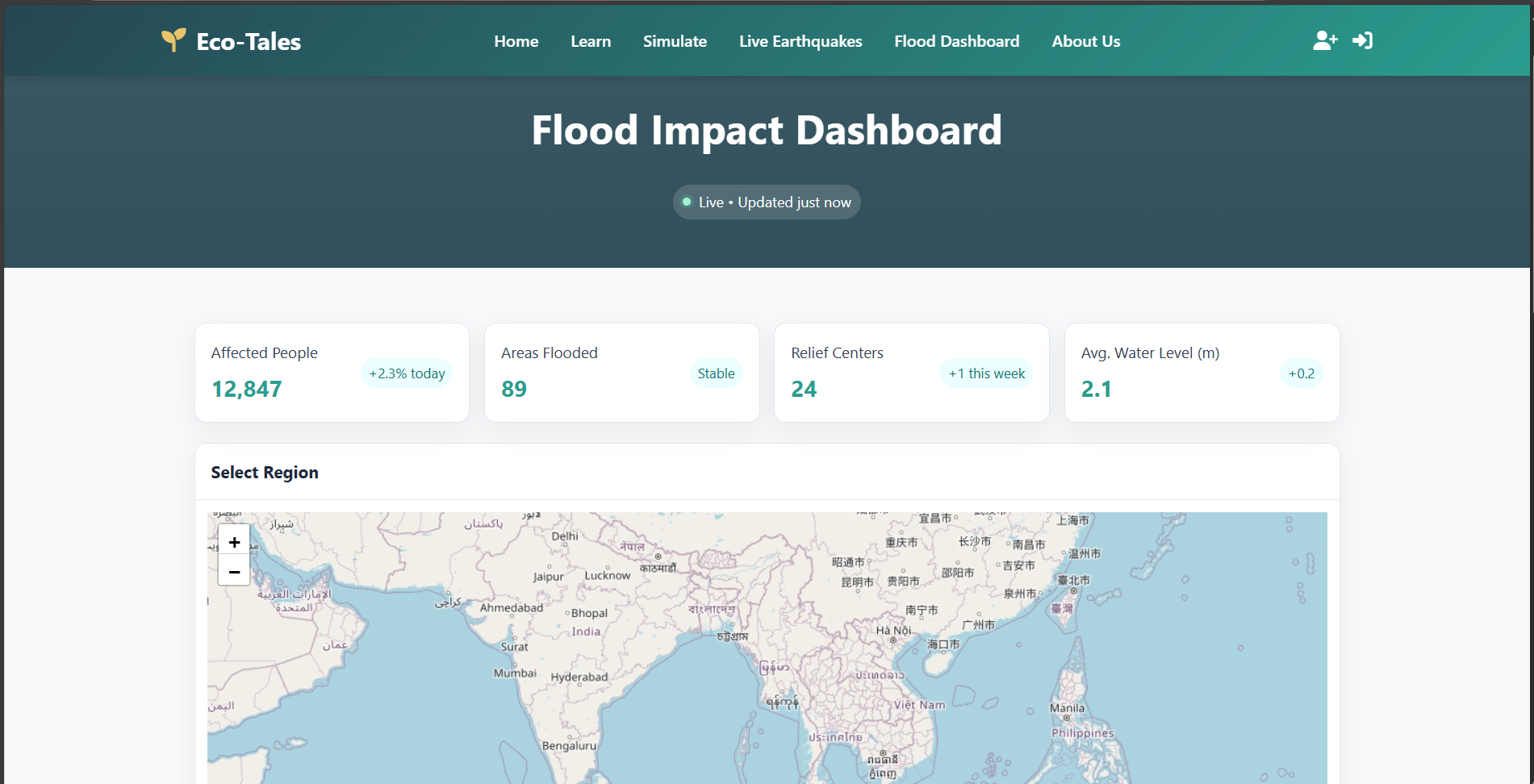
**Real-time Data**: API integrations for live climate information
**Deployment**: Render.com for seamless hosting
The Development Journey
- Problem Mapping: Started by identifying specific climate education gaps in Pakistan
- Prototyping: Built initial chatbot interface focused on flood education
- Authentication System: Implemented secure user accounts to save progress
- Data Integration: Connected real-time climate APIs for current information
- Localization: Began Urdu language support implementation
Technical Learning
This project taught us:
- How to integrate multiple data sources into a cohesive educational experience
- The challenges of making complex scientific concepts accessible through UI
- Session management and data persistence for educational progress tracking
- Balancing simplicity with depth in climate communication
⚔️ Challenges We Faced
Technical Hurdles
- AI Integration Complexity: Making conversational AI both accurate and accessible
- Data Visualization: Transforming complex climate data into understandable visuals
- Multilingual Support: Ensuring accurate climate terminology translation
- Performance Optimization: Keeping the app responsive with real-time data
Content Challenges
- Simplifying Without Diluting: Making climate science accessible without losing accuracy
- Cultural Contextualization: Adapting content for Pakistani cultural context
- Balancing Urgency with Hope: Addressing climate urgency without creating despair
Infrastructure Limitations
- Internet Accessibility: Designing for regions with limited connectivity
- Device Compatibility: Ensuring functionality across diverse devices
- Scalability Concerns: Preparing for widespread adoption
🌱 What We Learned
Technical Insights
- Conversational UI requires different design thinking than traditional educational content
- Real-time data integration dramatically increases engagement with climate topics
- Progressive enhancement is crucial for accessibility in underserved regions
Climate Communication Lessons
- Personal stories resonate more than statistics alone
- Visualizing impacts makes abstract concepts concrete
- Local context transforms global issues into relatable challenges
Cultural Realizations
- Religious framing needs careful handling when discussing climate causes
- Community-based examples work better than abstract scenarios
- Hope-oriented messaging inspires action where fear creates paralysis
🚀 Our Vision: Where EcoTales Goes Next
Phase 1: Current Implementation ✅
- Basic chatbot interface
- User authentication system
- Real-time climate data integration
- Initial educational content
Phase 2: Near-Term Expansion 🚧
- Complete Urdu language implementation
- Advanced visualizations for climate concepts
- Consumerism and recycling education modules
- Mobile app development for wider accessibility
Phase 3: Long-Term Vision 🌟
- Regional Specific Content: Climate education tailored to different Pakistani regions
- School Integration: Curriculum-aligned content for formal education
- Community Features: Peer learning and local action planning
- VR Experiences: Immersive climate impact simulations
📊 The Equation of Change
What drives our technical approach:
$$ \text{Climate Action} = \frac{\text{Understanding} \times \text{Accessibility}}{\text{Complexity} + \text{Barriers}} $$
We're reducing the denominator while growing the numerator—making climate education easier to access and harder to ignore.
💫 Conclusion
EcoTales emerged from floodwaters but aims for higher ground—creating a Pakistan where climate understanding precedes climate consequences. We're building more than an app; we're building climate resilience through education, one conversation at a time.
From devastation comes determination. From floods, flow of knowledge. From climate victims, climate champions.
This is our story. This is EcoTales.

Log in or sign up for Devpost to join the conversation.