-
-
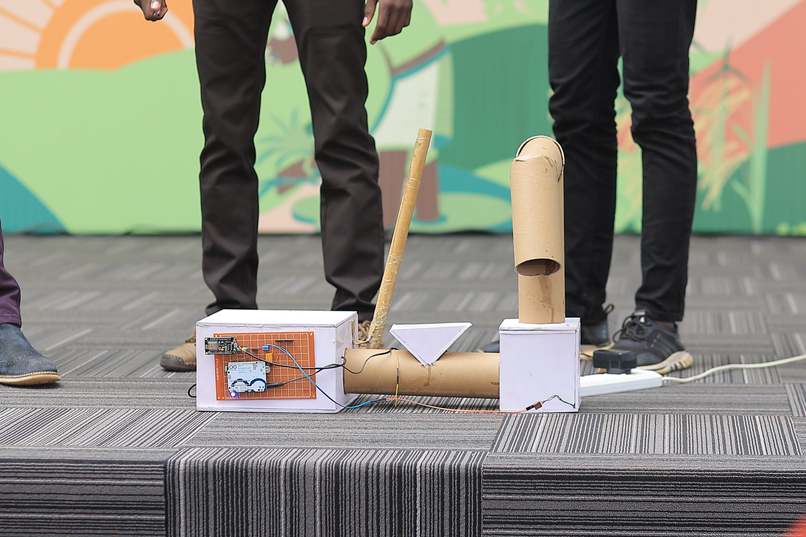
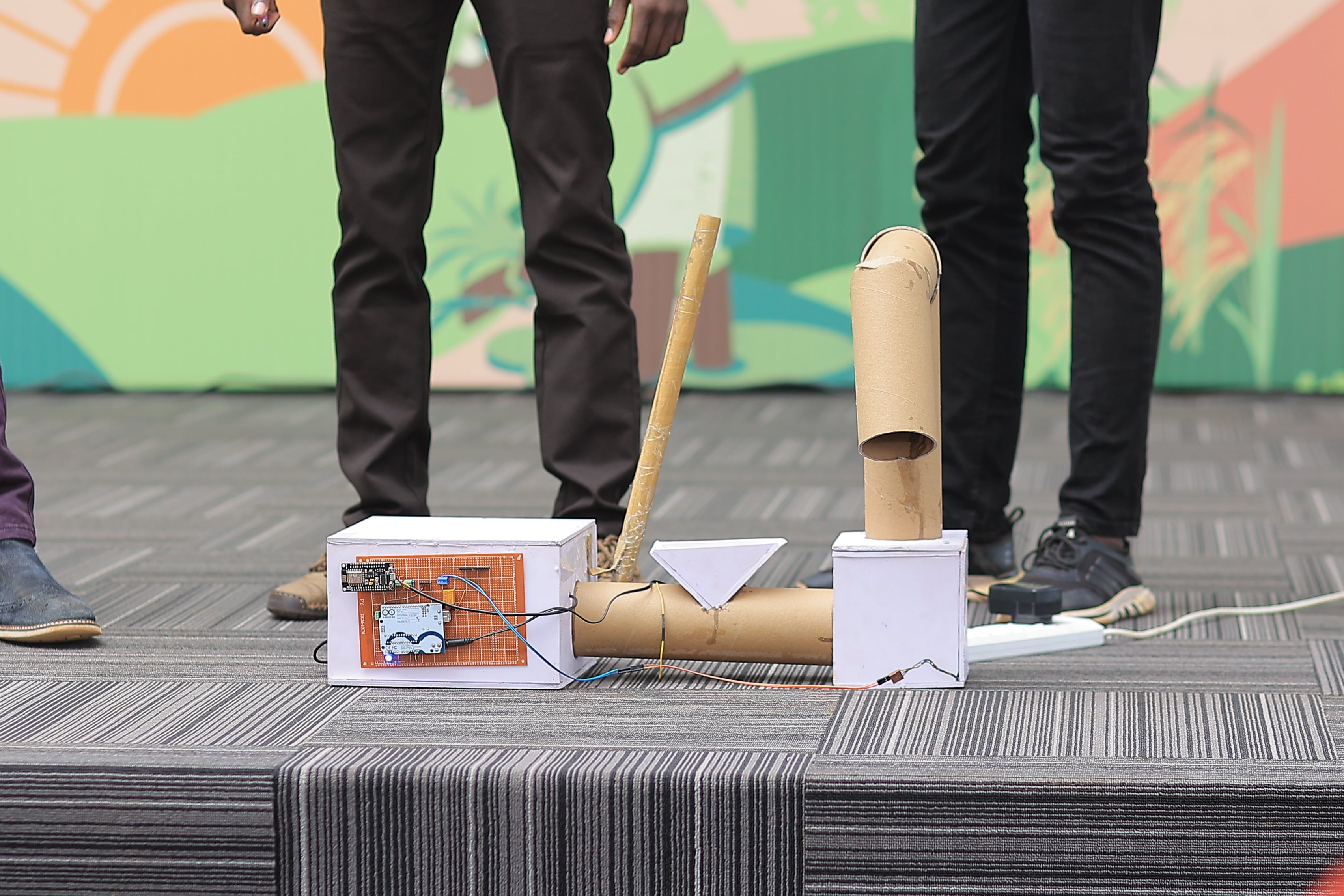
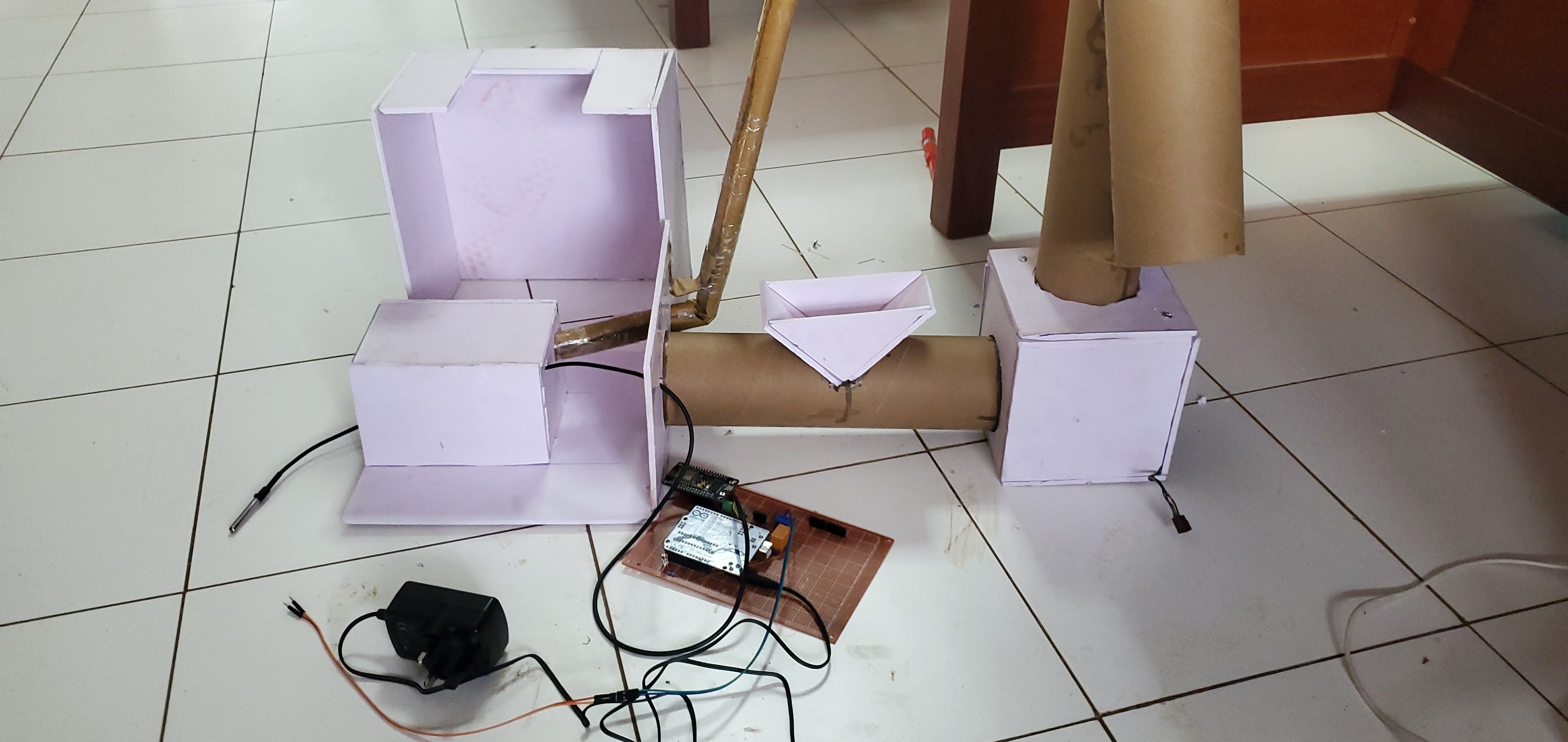
Picture of our eco solar flash dryer front view
-
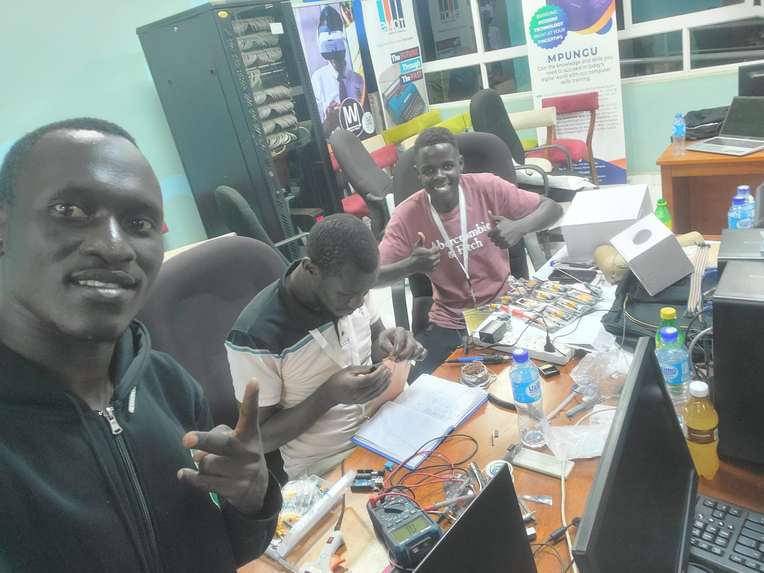
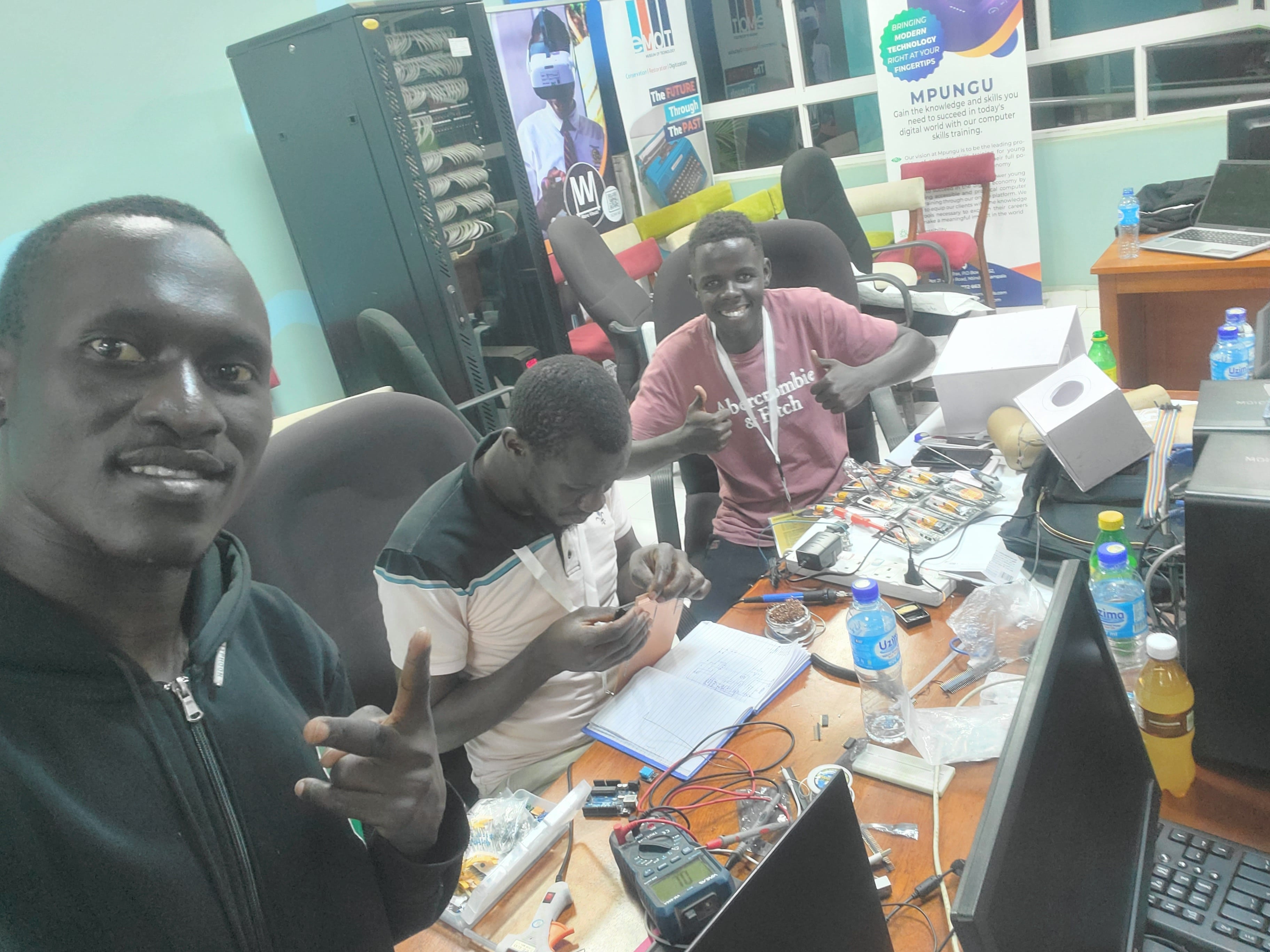
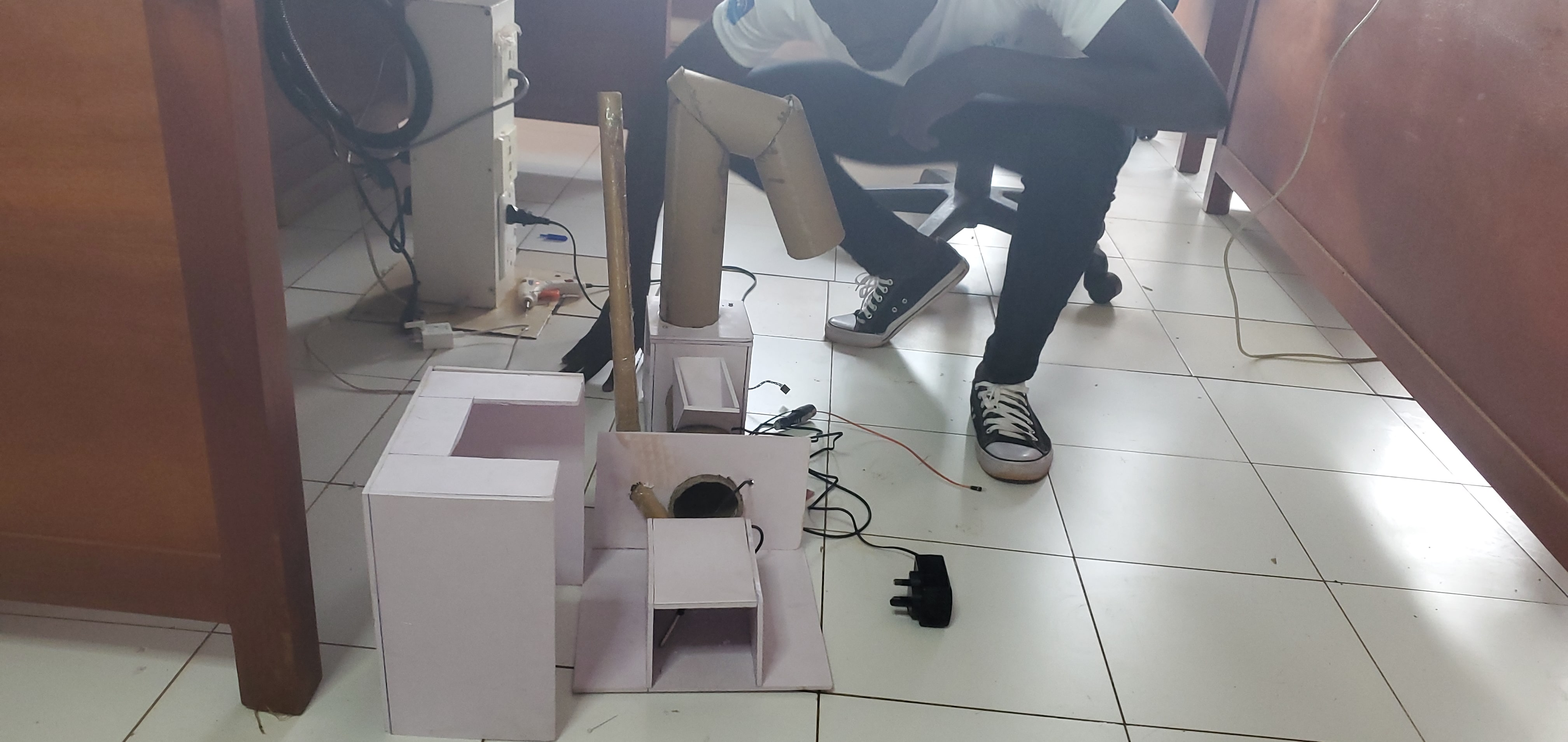
Picture of team members working on project
-
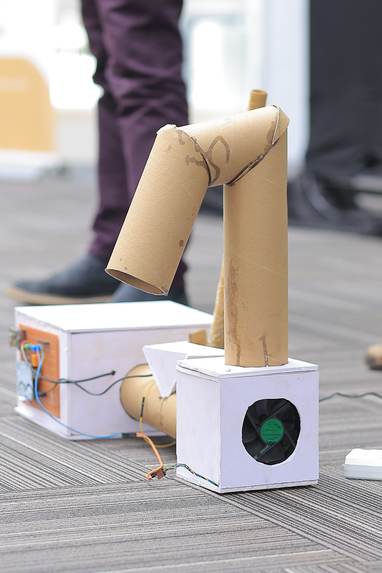
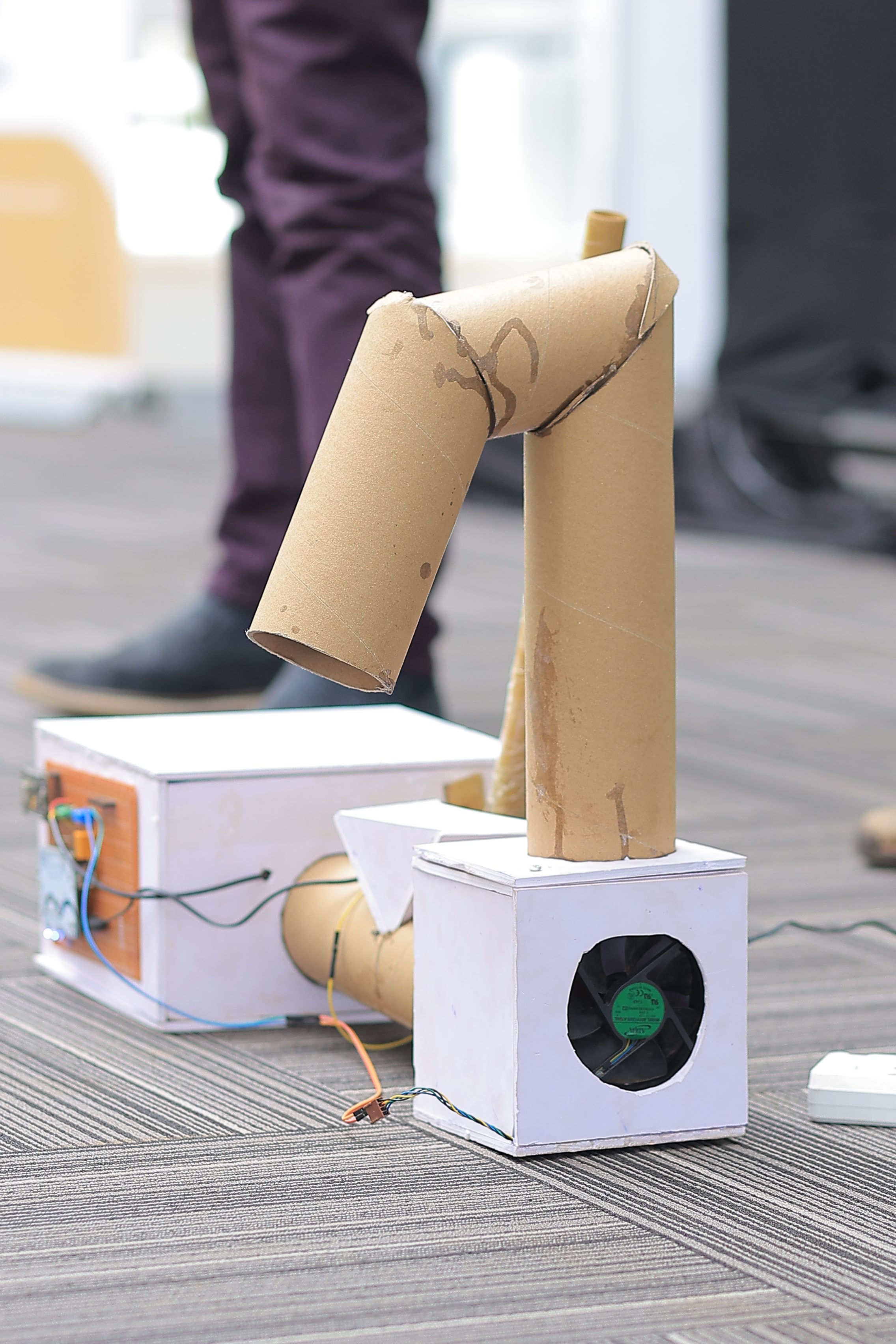
Side view of our project showing fan section and cyclone
-
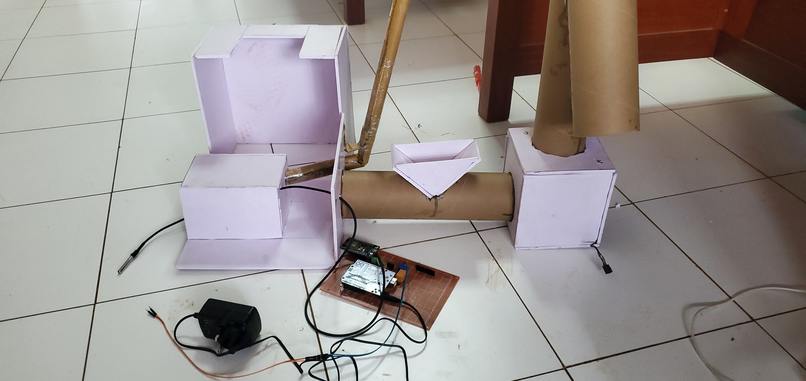
Inside component of eco solar flash dryer
-
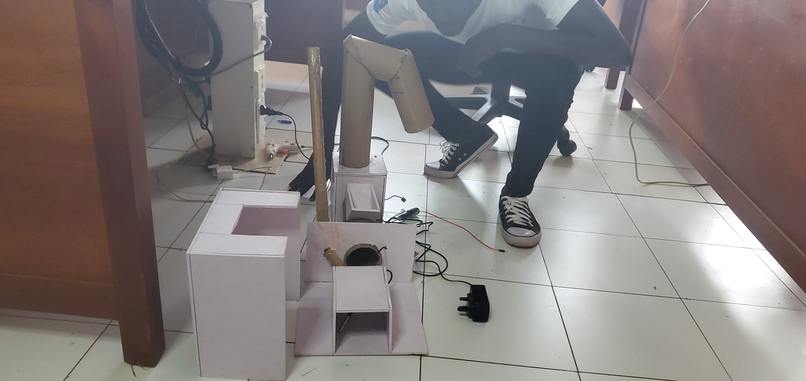
Heat exchanger section
Inspiration
The Eco Solar Cassava Flash Dryer project was inspired by the need to address significant post-harvest losses in cassava production due to inefficient traditional drying methods. Cassava is a crucial crop in Uganda, providing food security and income for many rural households. Observing the challenges faced by smallholder cassava farmers, we recognized the potential of renewable energy sources, like solar power, to provide a sustainable solution for drying cassava. Additionally, the inefficiencies of kerosene flash dryers, which are not environmentally friendly and consume about 17 litres of kerosene per hour, motivated us to develop a more sustainable and cost-effective alternative.
What it does
The Eco Solar Cassava Flash Dryer is designed to enhance the efficiency and quality of cassava drying. It uses solar energy and briquetted cassava waste to generate heat in a combustion chamber. This heat is transferred by a suction fan from the heat exchanger to the flash dryer, ensuring efficient indoor drying of cassava. The system includes a solar combustion chamber, heat exchanger, automated feeder, and temperature sensors to maintain consistent drying conditions. It operates without the need for an internet connection, making it suitable for rural areas with limited connectivity.
How we built it
The project was built through a collaborative effort involving team members with expertise in civil and electrical engineering. We designed the system to use solar energy and briquetted cassava waste to generate heat. The heat exchanger supports two-way heating, utilizing both solar energy and cassava waste. We programmed the automation system using Arduino microcontrollers to manage various components of the dryer, ensuring precise control and efficiency. The code was written in the Arduino Integrated Development Environment (IDE), using libraries for sensor data handling and motor control.
Challenges we ran into
One of the main challenges we faced was ensuring the system's affordability and accessibility for smallholder farmers. We had to carefully select materials and design components to keep costs low while maintaining efficiency. Optimizing the automation system to regulate the drying process based on available solar heat was another challenge, as was integrating cassava waste as a supplementary fuel source. Additionally, ensuring the system could operate effectively without an internet connection required robust programming and testing.
Accomplishments that we're proud of
We are proud of developing a sustainable and efficient drying solution that addresses the needs of smallholder cassava farmers. The dual heating capability of the heat exchanger, which uses both solar energy and cassava waste, is a significant achievement. The automation system, which operates independently without the need for internet connectivity, ensures reliable and consistent drying. We are also proud of the potential economic and environmental benefits our system offers, including reduced reliance on non-renewable fuels and lower operational costs.
What we learned
Throughout the project, we learned the importance of integrating renewable energy with agricultural practices. We discovered that solar energy, combined with innovative engineering, can significantly reduce reliance on non-renewable fuels like kerosene. We also learned about the complexities of designing a system that is both efficient and affordable for smallholder farmers. The experience taught us valuable lessons in collaboration, problem-solving, and the practical application of engineering principles.
No Internet Requirement
One of the key advantages of the Eco Solar Cassava Flash Dryer is that it does not require an internet connection to operate. This is particularly beneficial for smallholder farmers in rural areas where internet access may be limited or unreliable. The Arduino-based automation system operates independently, using pre-programmed instructions to control the drying process. This ensures that the dryer can function effectively in remote locations without the need for continuous internet connectivity.
What's next for Eco Solar Cassava Flash Dryer
Moving forward, we plan to conduct pilot tests in key cassava-producing regions to gather user feedback and further refine the design. We aim to scale up production and establish a robust distribution network. Launching awareness campaigns and partnering with cooperatives, NGOs, and government agencies will be crucial for promoting the dryer and facilitating its adoption among smallholder farmers and SMEs. We will continue to invest in research and development to enhance the system's efficiency and sustainability, ensuring long-term success and impact.
Built With
- arduino
- c
- c++:
- css
- html
- ide
- javascript


Log in or sign up for Devpost to join the conversation.