-
Dual-Compartment Peanut Packaging
-
Impact & Feasibility
-
Four-Phase Implementation Roadmap
-
Solution: Integrated Collection
-
Problem: Tourist Litter
Inspiration
At Laboni Point in Cox’s Bazar, Bangladesh, roasted peanuts are a familiar beach snack. But what happens to the shells after people finish eating?
Organic waste can be overlooked because it appears harmless or biodegradable. When people eat while walking, disposing of shells responsibly may also be inconvenient: one hand holds the packet while the other removes the shells, leaving no easy way to collect the waste.
This inspired Eco-Peanut Solutions: an attempt to rethink the packaging itself so that responsible disposal becomes easier at the moment waste is created.
What it does
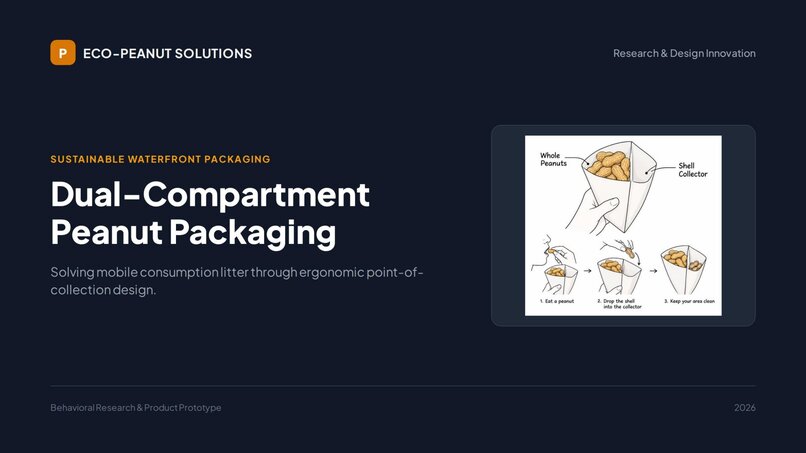
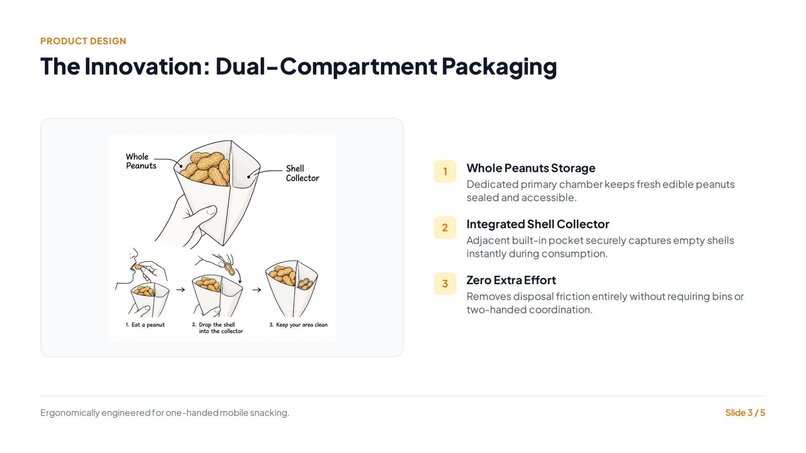
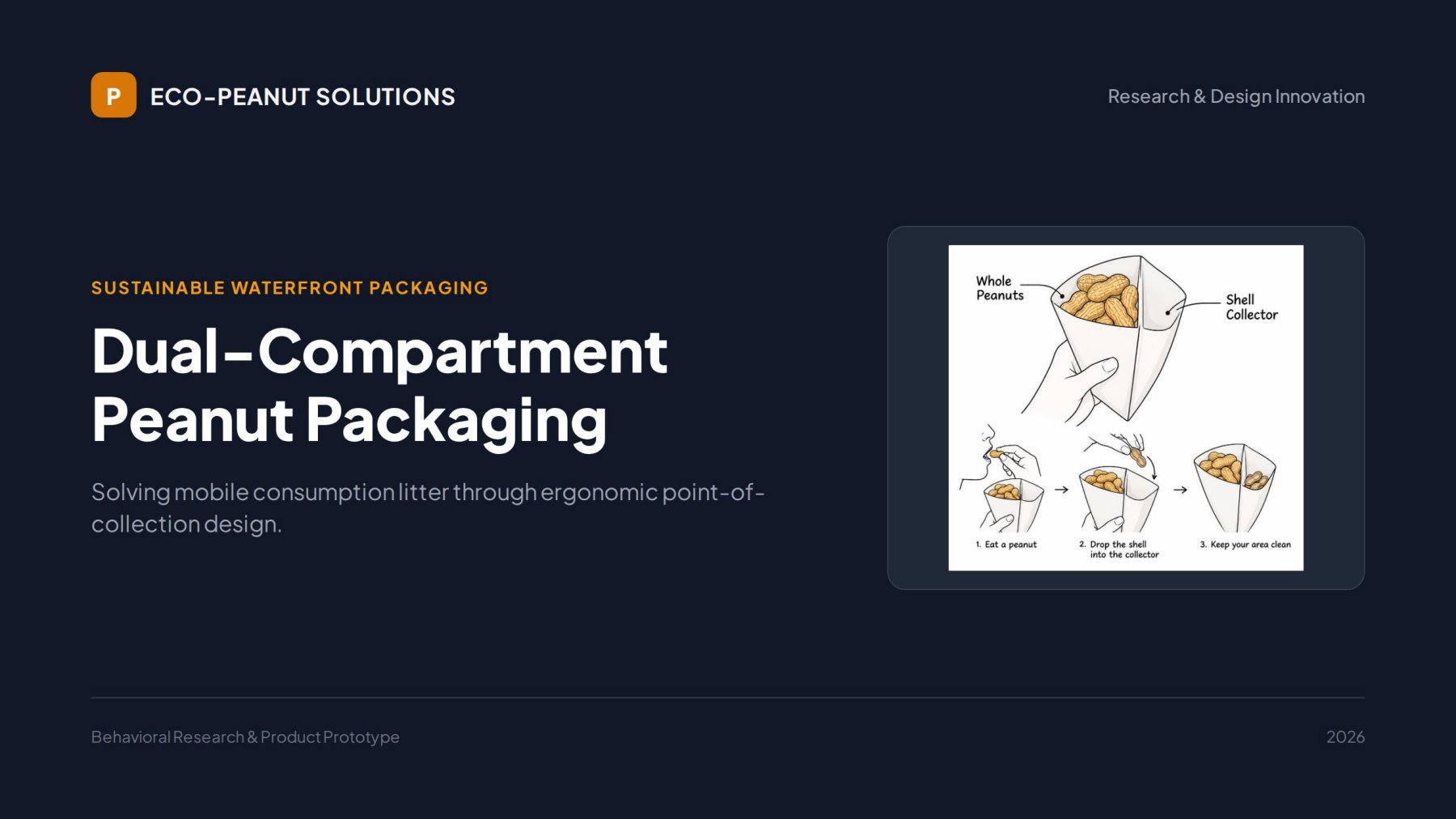
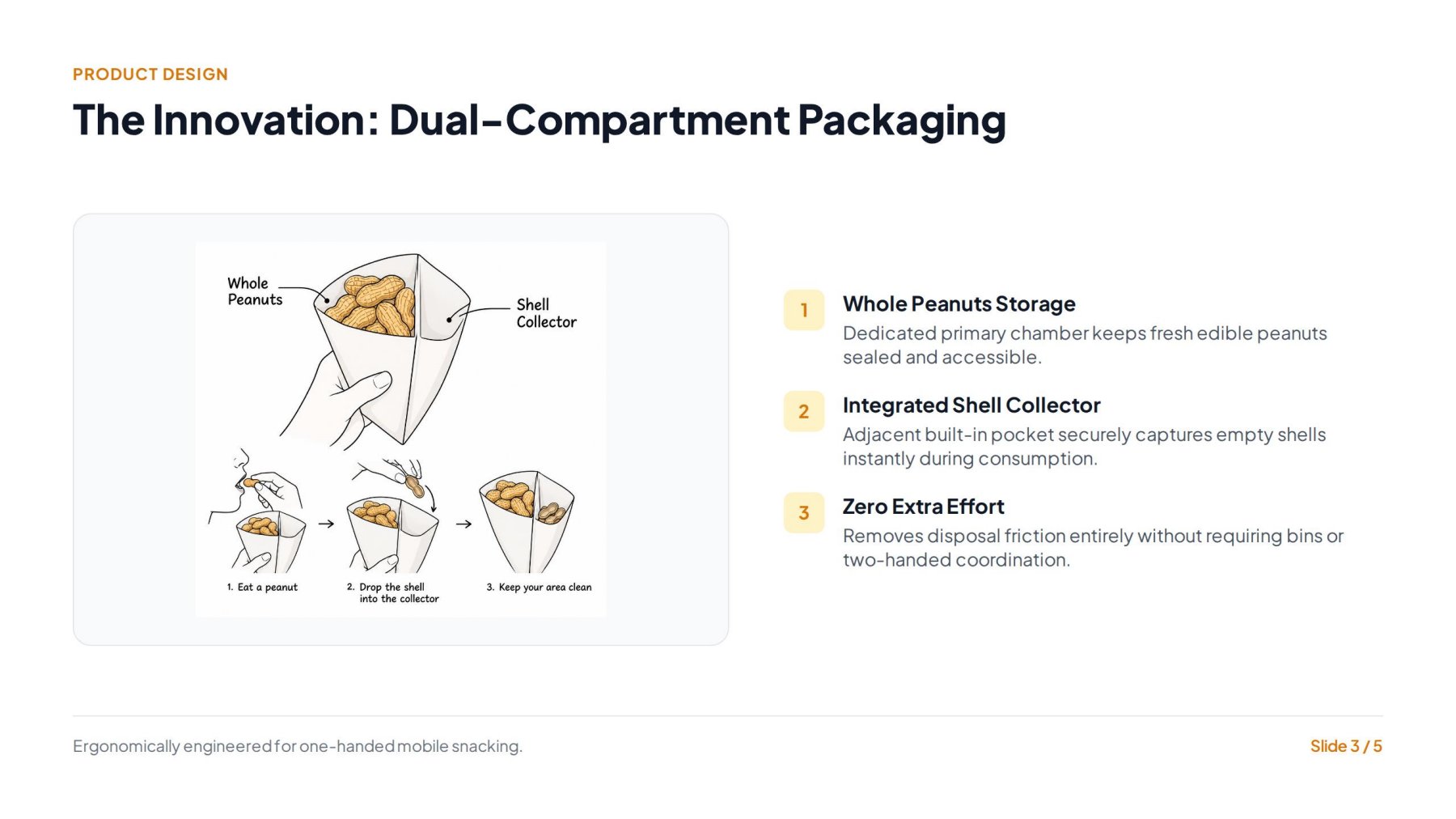
Eco-Peanut Solutions proposes a low-cost, dual-compartment paper cone for roasted-peanut vendors.
The concept includes:
- A peanut compartment to hold the snack.
- A built-in shell-collection pocket to temporarily store discarded shells.
- A point-of-consumption approach that makes waste collection part of the eating experience rather than relying entirely on nearby bins.
The project also introduces the concept of disposal friction—the physical inconvenience that can make responsible disposal difficult during mobile consumption.
The goal is to investigate whether a small packaging change can improve shell retention and reduce ground disposal at busy beach destinations.
How we built it
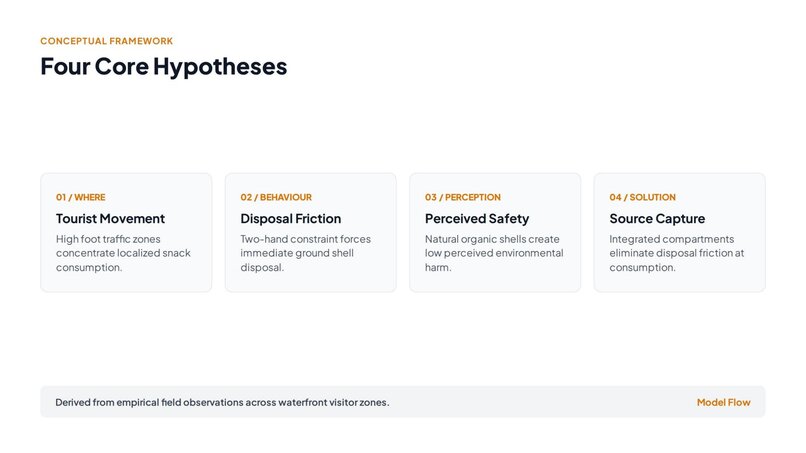
Eco-Peanut Solutions began with a problem-focused research framework based on the everyday experience of beach snacking and the potential relationship between visitor movement, disposal behaviour, and litter accumulation.
The project brings together three elements:
- Problem analysis: Identifying mobile consumption and the lack of a convenient shell-disposal action as potential contributors to littering.
- Concept development: Proposing a dual-compartment paper cone that integrates a temporary shell collector into conventional snack packaging.
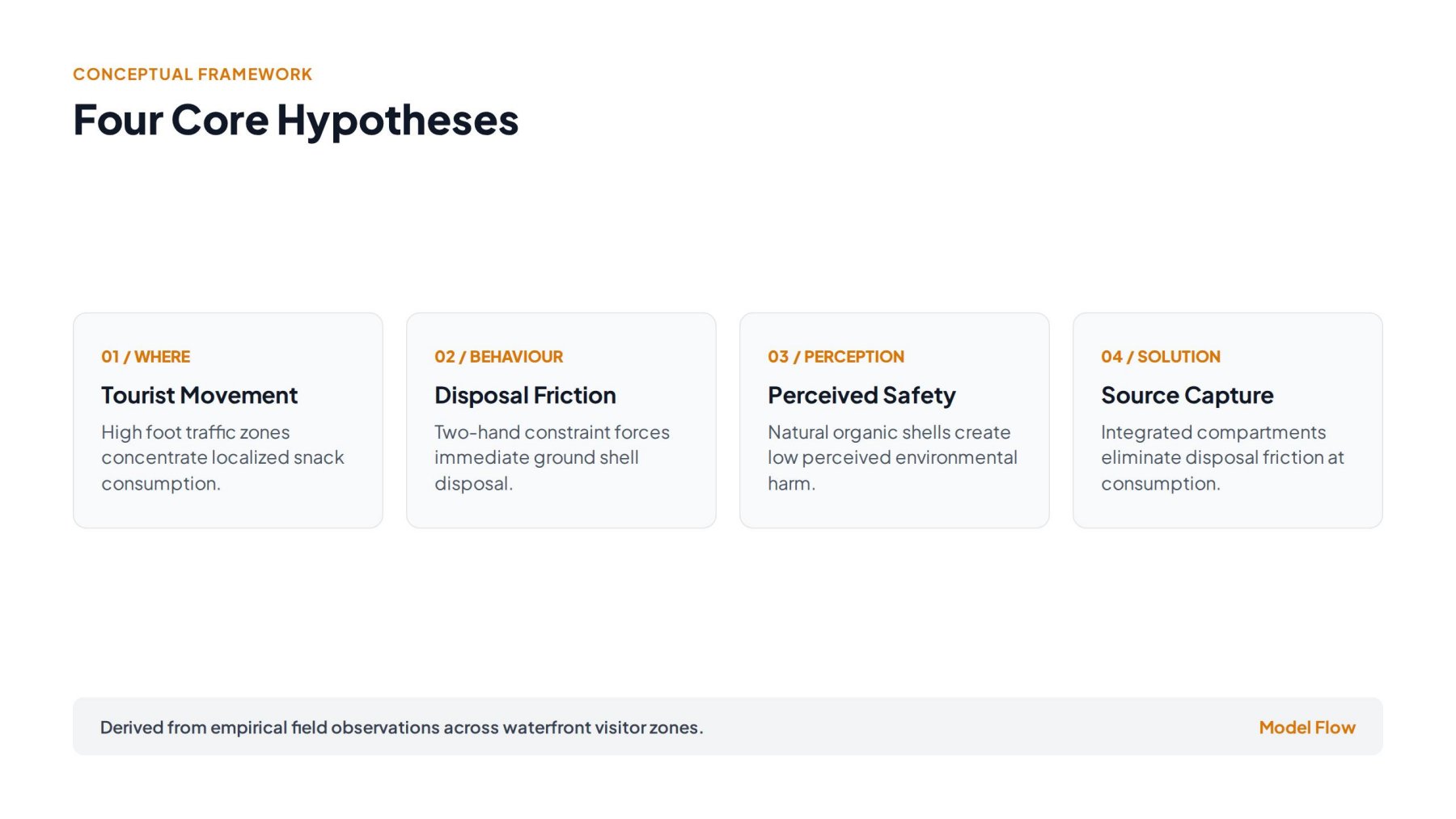
- Research and evaluation planning: Developing four testable hypotheses covering spatial distribution, consumption behaviour, perceived harmlessness, and packaging effectiveness.
A proposed experimental plan outlines how future field observations, visitor surveys, and controlled packaging comparisons could evaluate the concept.
The project is currently a proposed research framework and packaging concept. Field data collection and empirical testing have not yet been completed.
Challenges we ran into
One major challenge was looking beyond the assumption that biodegradable waste is automatically harmless. The environmental persistence and transport of peanut shells at Laboni Point have not yet been established through site-specific measurements.
Another challenge was identifying a practical intervention that addresses littering where it begins. Adding more bins may help, but a person eating while walking may still find it inconvenient to use them.
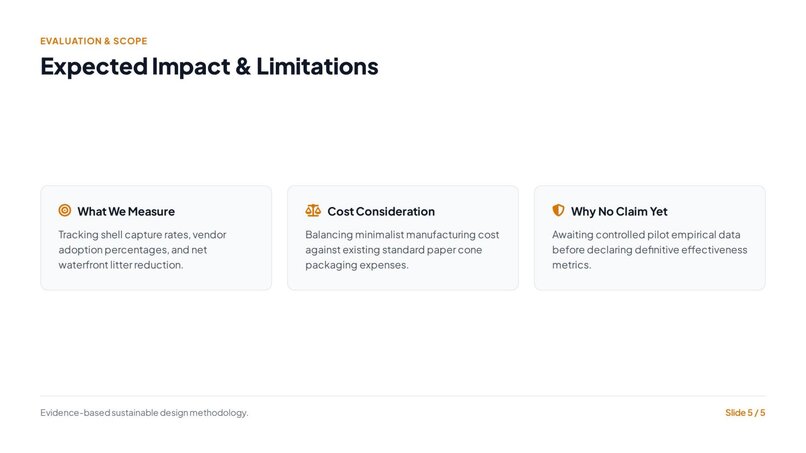
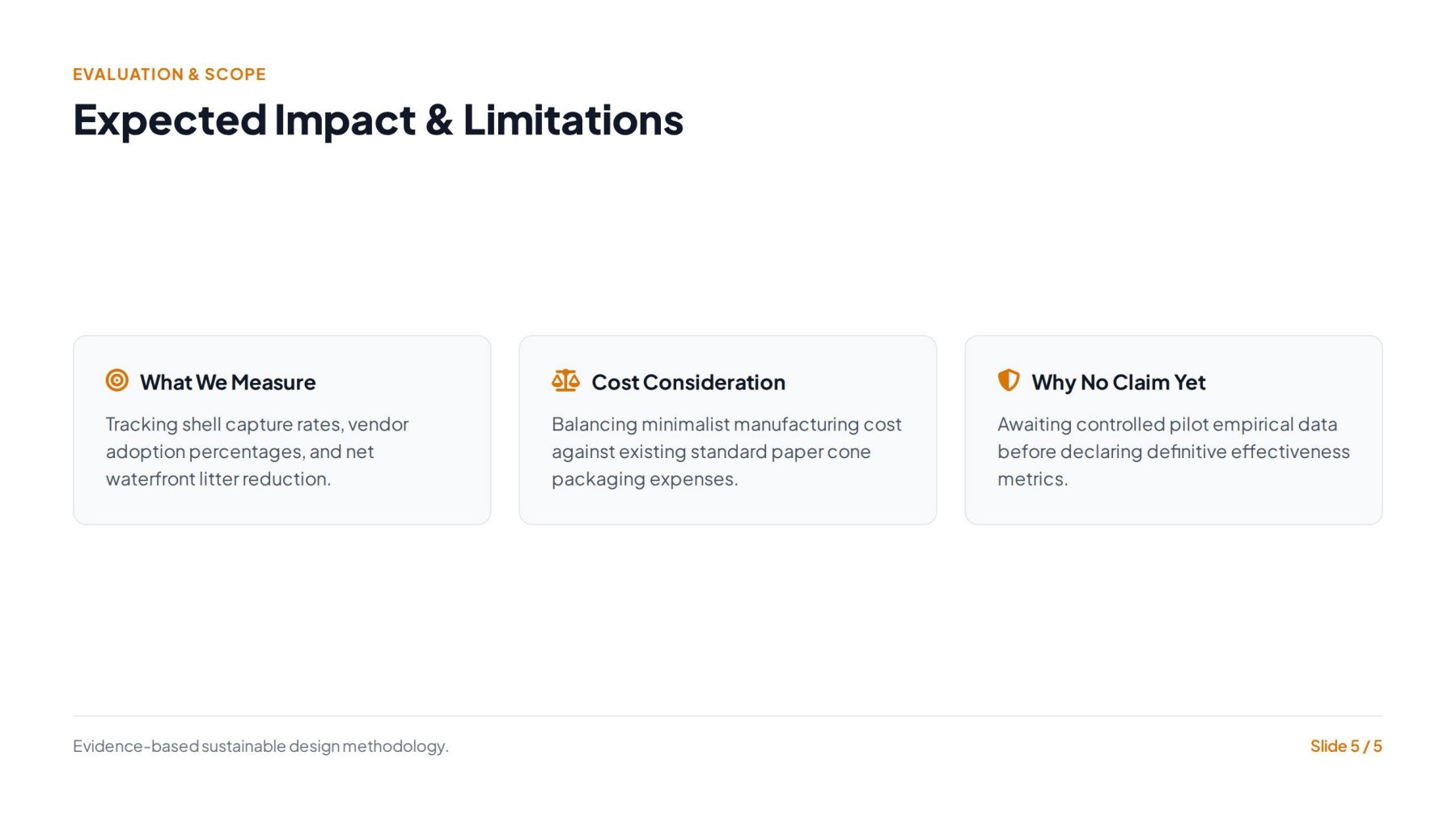
The packaging concept also raises questions that require testing: Will the shell pocket be easy to use? Can it hold enough shells? Will the packet remain stable during consumption? Can vendors adopt it without significant additional cost?
Rather than treating these questions as solved, the project identifies them as priorities for future evaluation.
Accomplishments that we're proud of
- Developed a focused sustainability concept around an everyday but potentially overlooked form of beach litter.
- Proposed disposal friction as a way to describe the physical inconvenience of disposing of shells during mobile consumption.
- Connected a local coastal problem to a practical, vendor-level packaging intervention.
- Formulated four testable hypotheses and a future evaluation plan.
- Established criteria for assessing the intervention, including shell retention, ground-disposal rate, usability, and cost.
We are proud that the project does not stop at identifying a problem: it proposes a design direction and a structured way to investigate whether that design could help.
What we learned
We learned that a sustainability solution does not always need to begin with a complex technology. Sometimes, reconsidering the design of an everyday object can reveal an opportunity to reduce waste.
We also learned to distinguish a plausible explanation from a proven finding. Peanut-shell accumulation, tourist behaviour, and tidal transport may interact, but their relationships at Laboni Point need empirical investigation.
Most importantly, a promising design is not automatically an effective solution. Usability, affordability, environmental conditions, and user behaviour must all be considered before recommending wider adoption.
What's next for Eco-Peanut Solutions
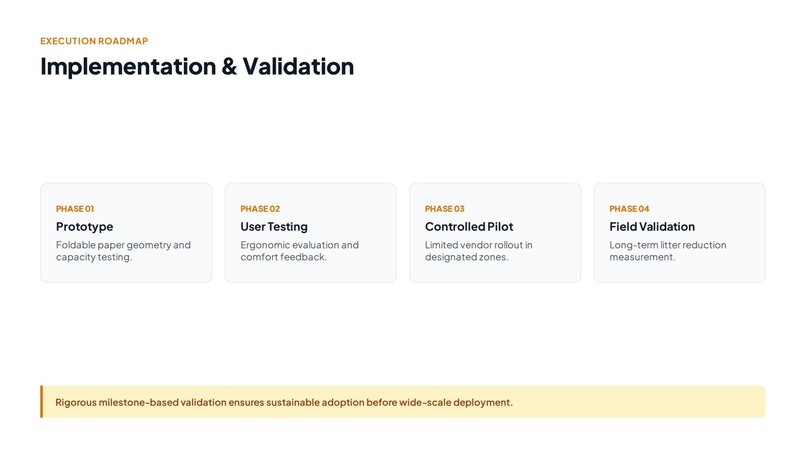
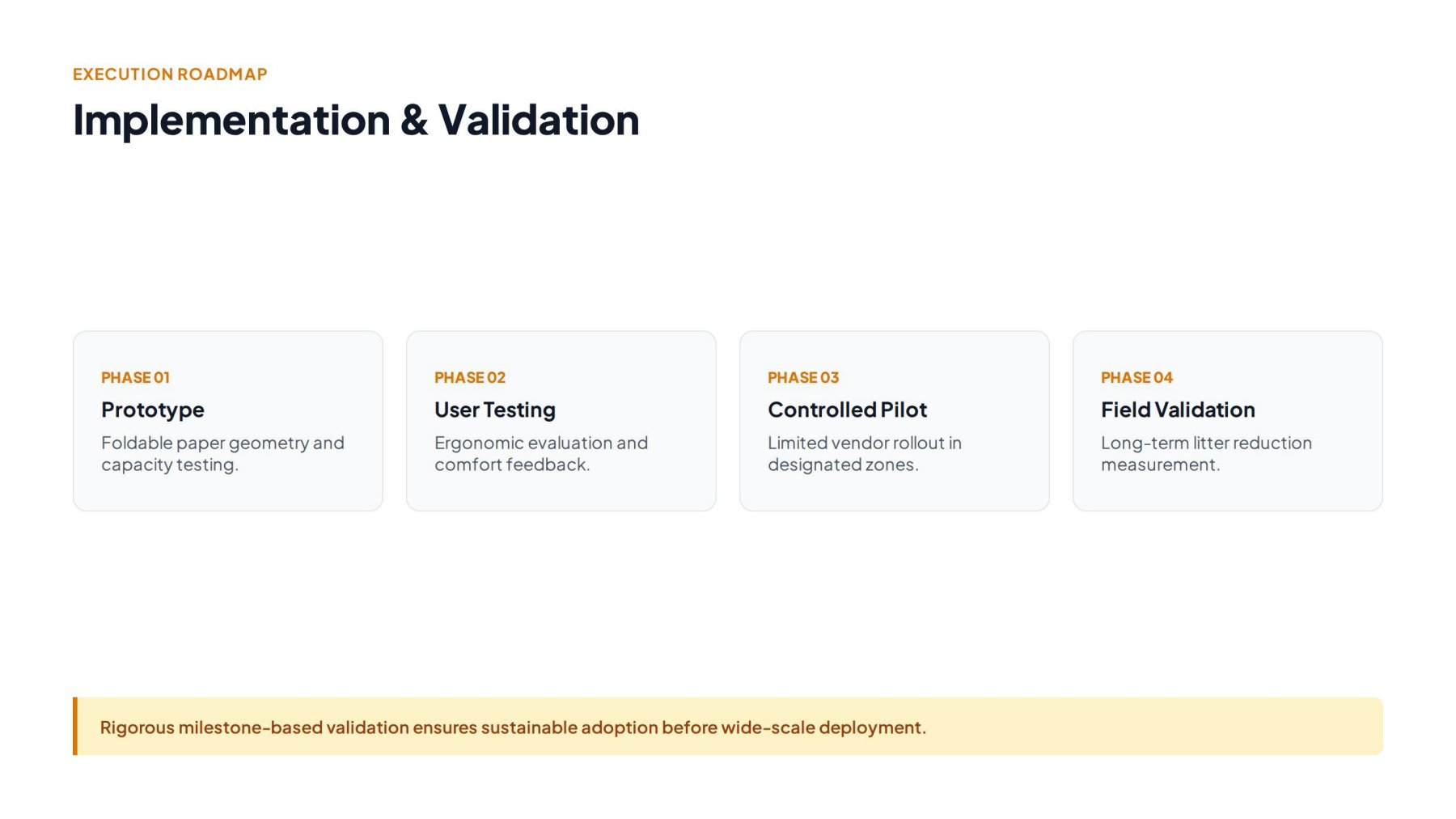
The next stage is to turn the proposed concept into a testable prototype.
Our planned next steps are:
- Develop a low-cost paper cone with an integrated shell-collection pocket.
- Assess its capacity, structural stability, ease of use, and material requirements.
- Gather voluntary feedback from potential users and peanut vendors, subject to appropriate permissions.
- Conduct a controlled comparison with conventional packaging to measure shell retention and ground disposal.
- Undertake the proposed beach observations and visitor survey at Laboni Point, with appropriate permissions and ethical safeguards.
- Evaluate additional packaging costs, vendor practicality, and the potential for wider use.
The long-term goal is to determine whether a simple packaging redesign can make responsible disposal more convenient and contribute to cleaner recreational coastlines.
Eco-Peanut Solutions is a starting point for investigation—not a claim that the problem has already been solved. Its success will depend on what future testing demonstrates.
Built With
- behavioural-science
- coastal-sustainability
- design-thinking
- kraft-paper
- research
- sustainable-packaging

Log in or sign up for Devpost to join the conversation.