-
-

Transportation
-

Greenhouse Gas Emissions Removal
-

Manufacturing
-

Building
-

Electricity
-

Food, Agriculture, and Nature
-
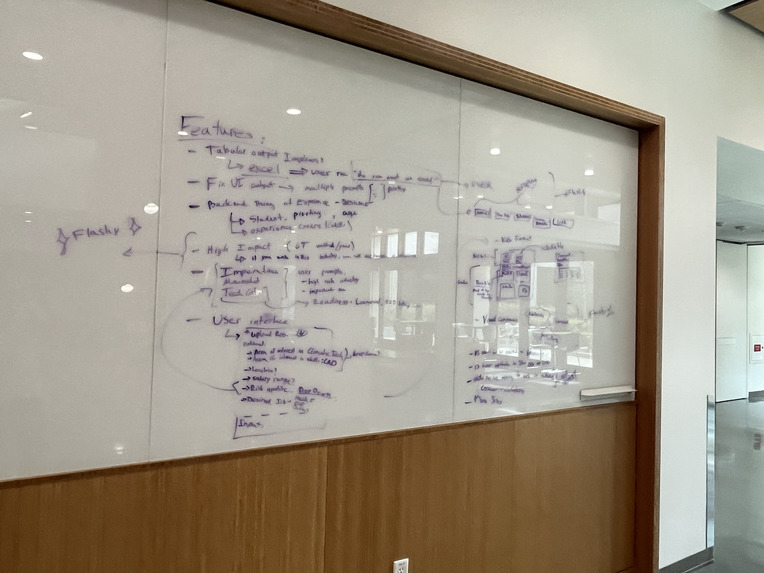
Developed plan
-
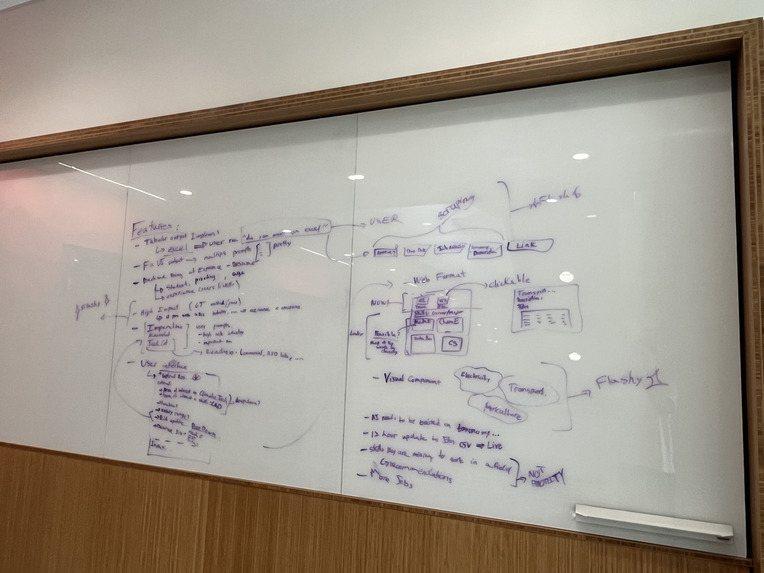
Plan initial creation
-
#Coding
-
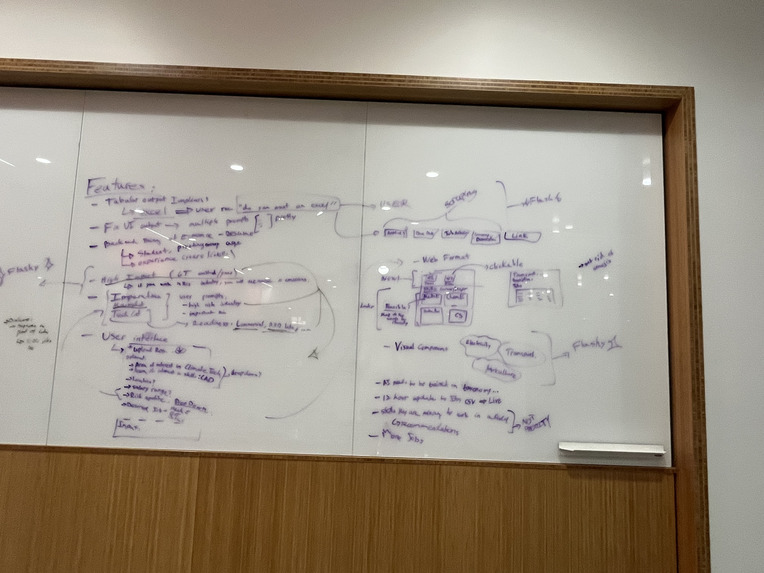
Feature mapping
-

Llama
-
Feature adddition








Inspiration
This TreeHacks team first began to take shape at one of the earliest meetings of Stanford Climate Week, where Martin and Aarush, ironically enough, bonded over a shared frustration: they were deeply motivated to fight climate change, yet unsure how their respective interests in mechanical engineering and data science fit into the vast, overwhelming landscape of climate tech. From that simple conversation, they decided to form a TreeHacks team with Grant Conroy later joining their team.
Motivation
At their first official brainstorming session, they stumbled upon the seventh challenge of the TreeHacks Sustainability Track: building a tool to help aspiring climate professionals navigate the climate tech job market, a solution to the shared standpoint that brought the group together in the first place.
As a team of motivated entrepreneurs who had personally struggled to explore climate-tech careers in a clear and structured way, we transformed that frustration into inspiration. We decided to build Eco-Match, a platform designed to give students searching for internships, professionals looking to pivot into sustainability, and anyone passionate about climate action the clarity, direction, and tools we once wished we had.
What it does
We offer a resume parser, an interactive chatbot, and a curated set of resources to help users explore the climate-tech landscape. Users can upload a PDF of their resume, which we analyze to identify their skills and recommend relevant sectors and roles that align with their background. From here, the user can input any additional preferences they have about the user’s areas of interest, risk appetite, and years of experience. Our chatbot enhances this experience by enabling users to explore real job opportunities and gain insight into different areas of climate tech. It can provide clear overviews of the various areas of climate tech, generate personalized job recommendations based on a user’s interests and skills, and suggest actionable steps to build the qualifications needed for targeted roles.
In addition, users can navigate the broader climate-tech landscape through structured sector overviews, helping them understand how different parts of the industry connect. The platform also highlights which roles align with specific academic backgrounds and how those roles map across sectors, making it easier for users to identify relevant and realistic career pathways.
How we built it
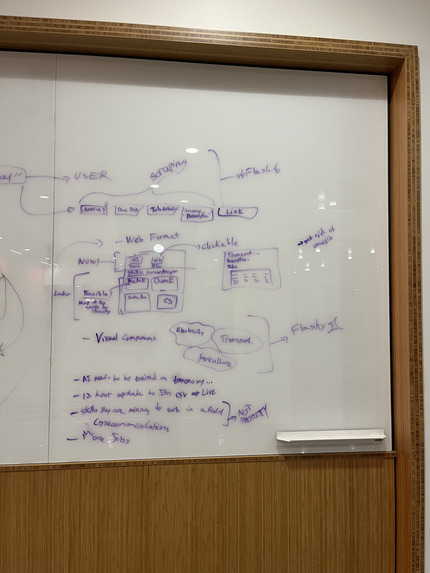
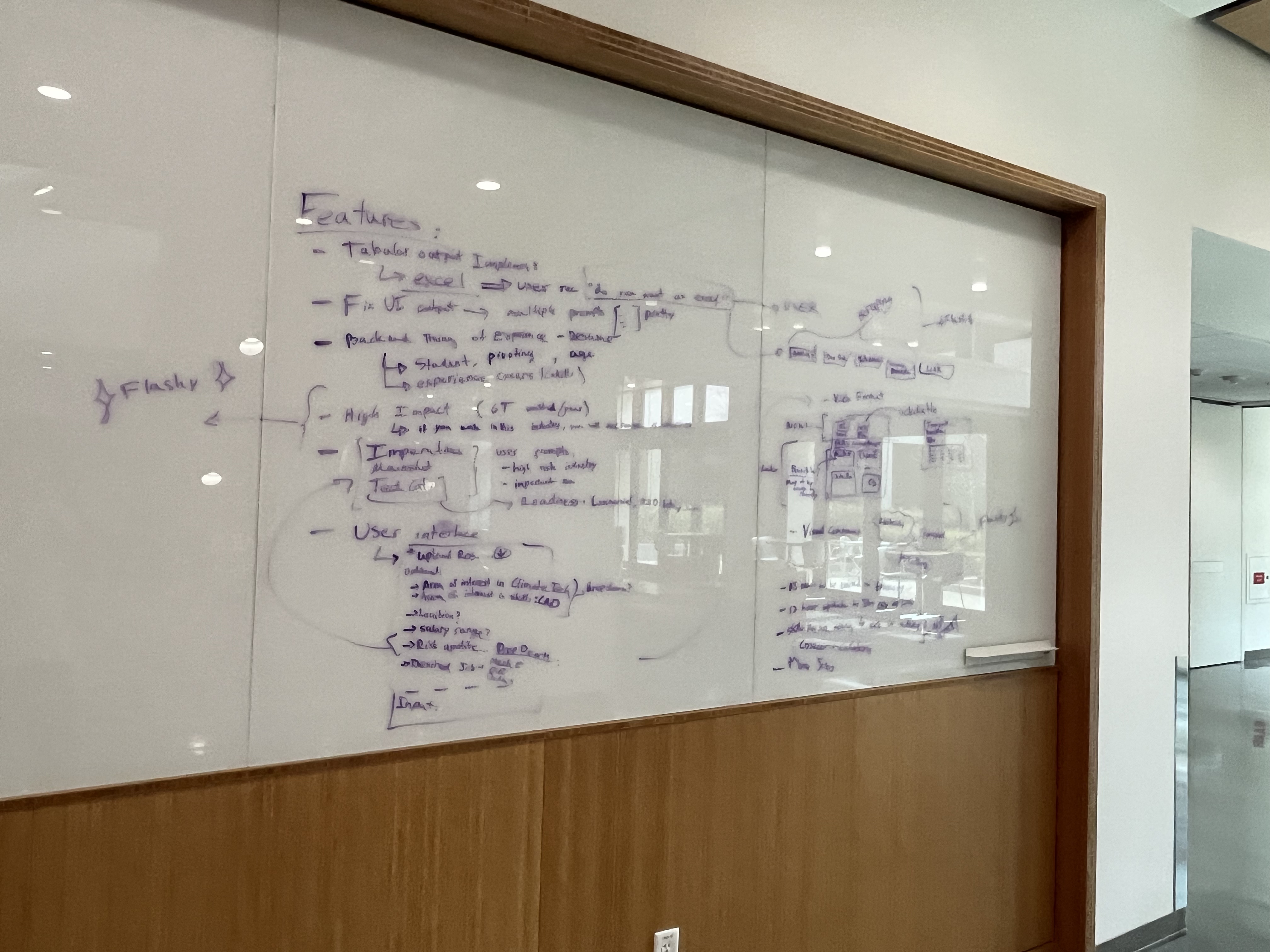
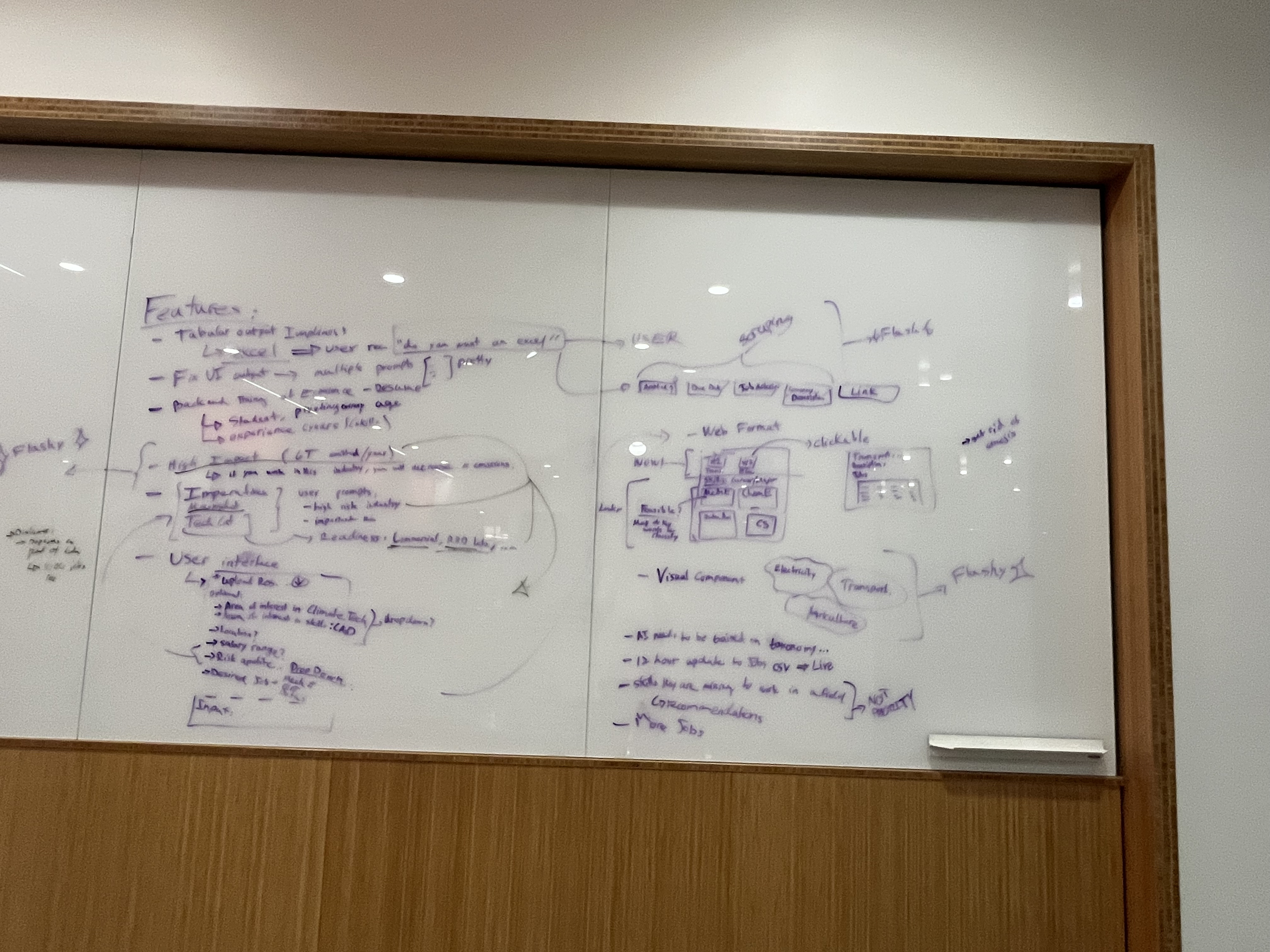
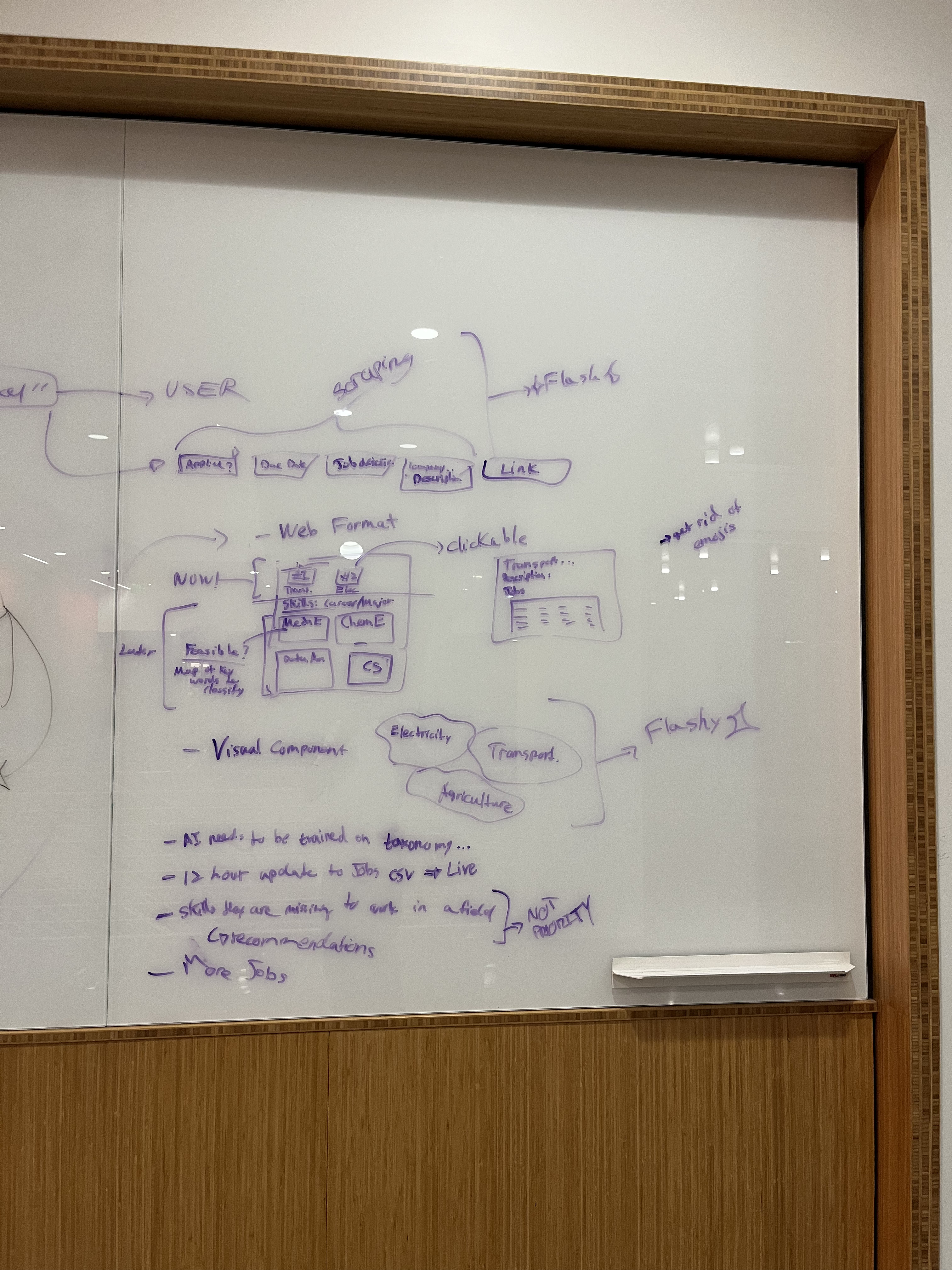
We built this platform through a combination of deep curiosity, sustained effort, and a shared commitment to making climate-tech careers more accessible. What began as whiteboard sketches and long conversations about possible features evolved into a fully integrated system. We developed the core components from the ground up, including a job scraper, a resume parser, and an intelligent chatbot. Then we carefully brought them together into a cohesive experience. Throughout the process, we wanted to focus not just on functionality but on usability, so we refined every element of the interface to ensure the platform is intuitive, responsive, and genuinely helpful to users navigating a complex and unfamiliar space.
Challenges we ran into
The development process was far from straightforward. We encountered a range of unforeseen challenges that required both technical problem-solving and careful decision-making. For example, limitations imposed by the company's Terms of Service constrained our ability to scrape job data, forcing us to rethink how we sourced and structured information. On the modeling side, early versions of our filtering and recommendation systems proved ineffective, requiring extensive iteration and tuning to produce meaningful, relevant results. We also faced the nontrivial task of integrating and navigating the taxonomy from climatetechmap.com, which involved distinguishing between closely related categories and ensuring that our system could interpret and present them without confusion. However, these difficulties actually became the perfect opportunities for us. They encouraged us to persevere through the adversity, to think inventively and collaboratively to fix the issues. Ultimately, they lead to a more robust, thoughtful, and reliable platform.
Accomplishments that we're proud of
Despite the challenges along the way, we accomplished a functional AI-backed UI and career coach that helps users find their place in the climate-tech sector. Not only was it exciting to provide a solution to such a commonly faced problem (even putting in our own resumes and finding job postings for ourselves!), but most importantly, it was inspiring to see how much we could learn about UI development, backend programming, teamwork, and nimble problem-solving in 36 hours.
What we learned
As this was our first hackathon, the experience also reshaped our understanding of what it means to be a software engineer. We came to see that it extends far beyond writing code or using tools, actually requiring careful planning, constant communication, and the ability to adapt quickly when things don’t go as expected.
What's next for Eco-Match
What’s next for Eco-Match? More jobs. Improved Retrieval Augmented Generation. Grow our software. Become a job board. Expanding across geographies. Motivating people across all sectors to join the climate tech space.

Log in or sign up for Devpost to join the conversation.