-
-
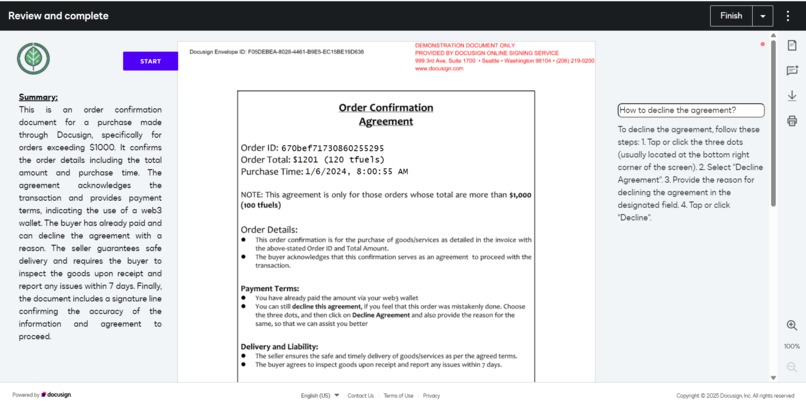
On-browser AI (works for any person, need not to be registered)
-
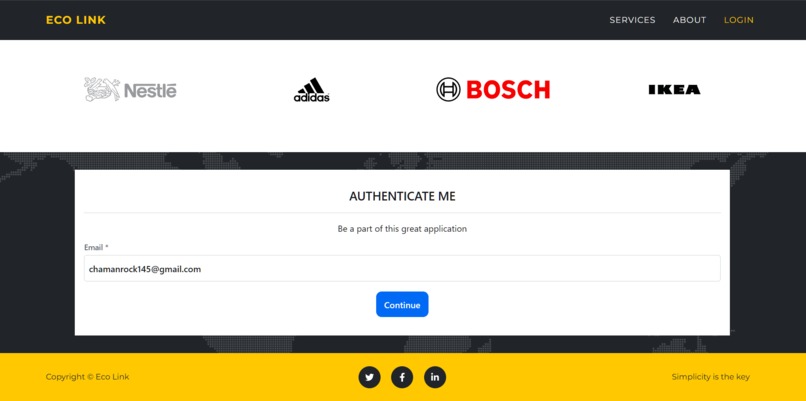
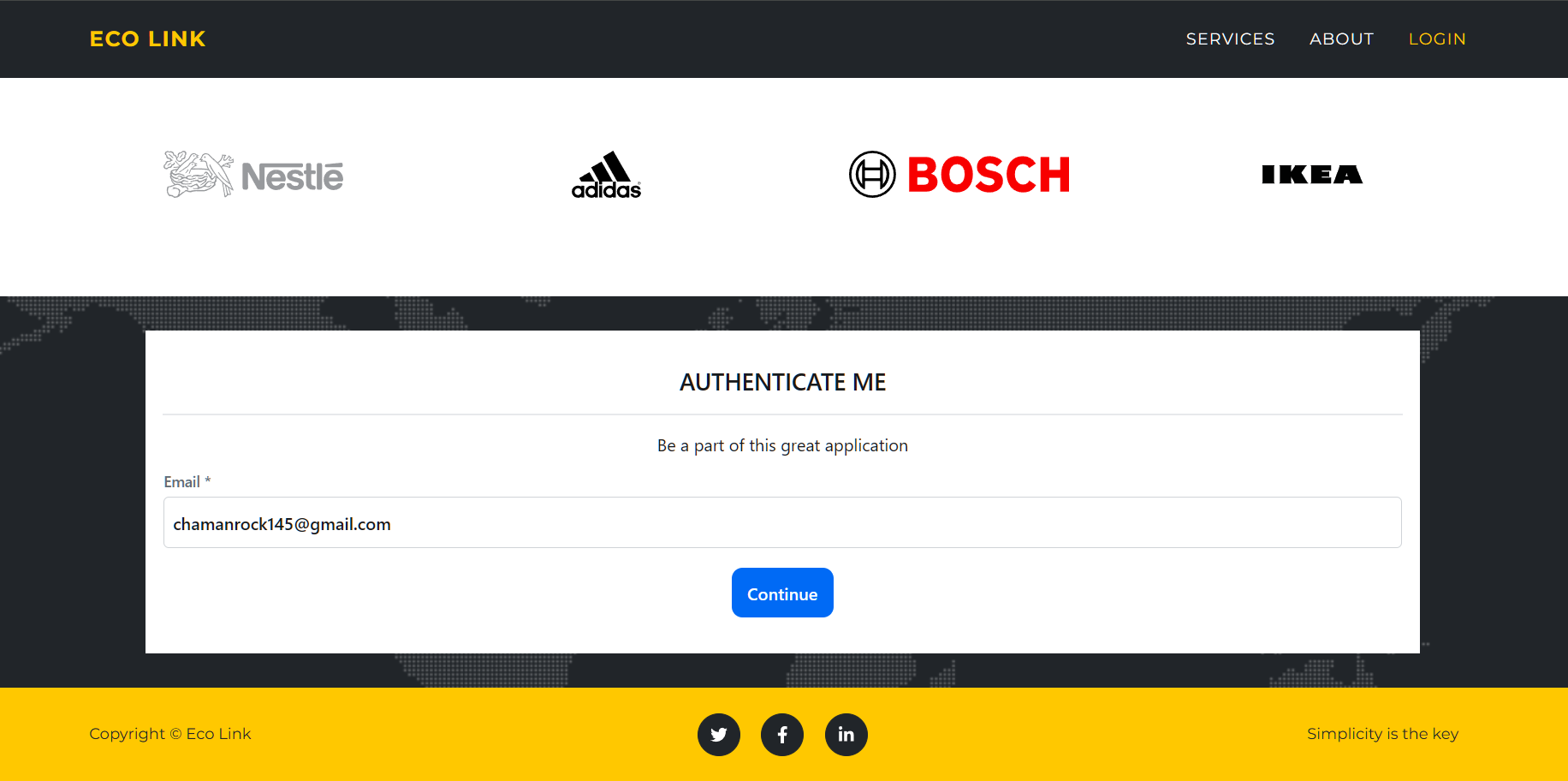
Website for sellers
-
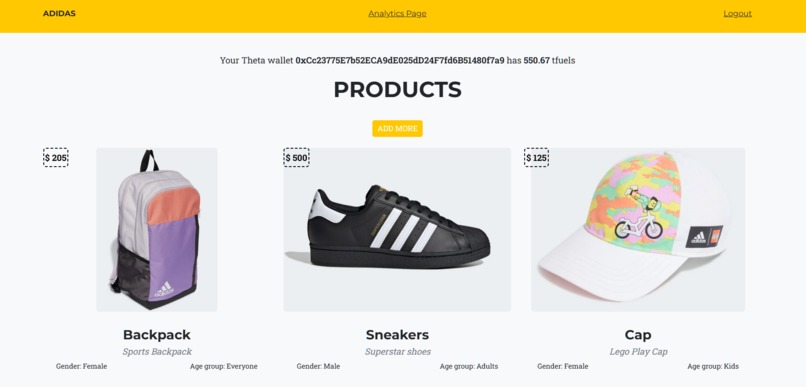
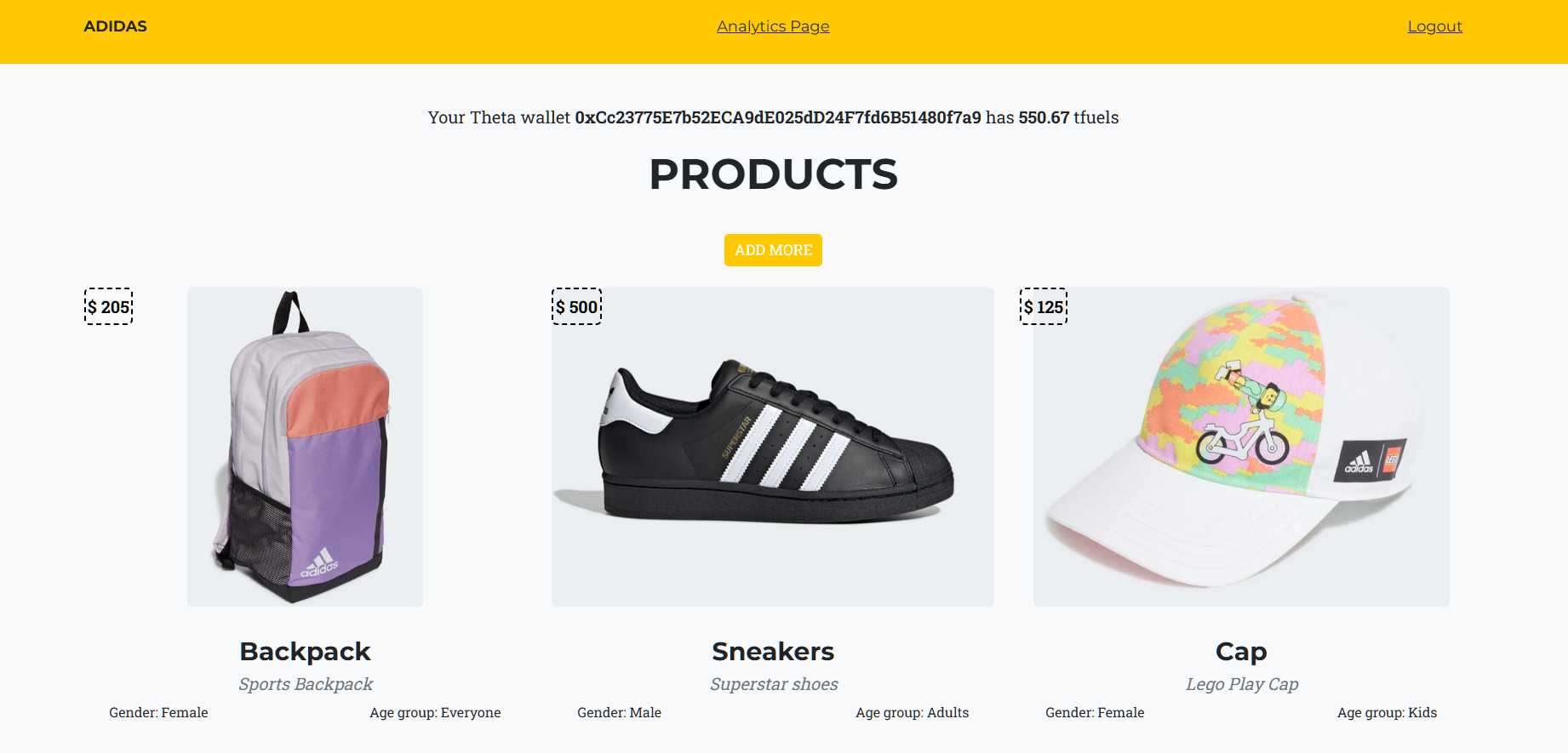
Product inventory page
-
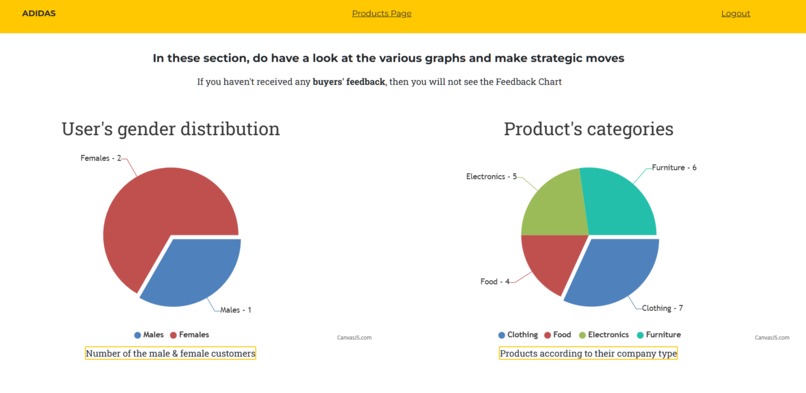
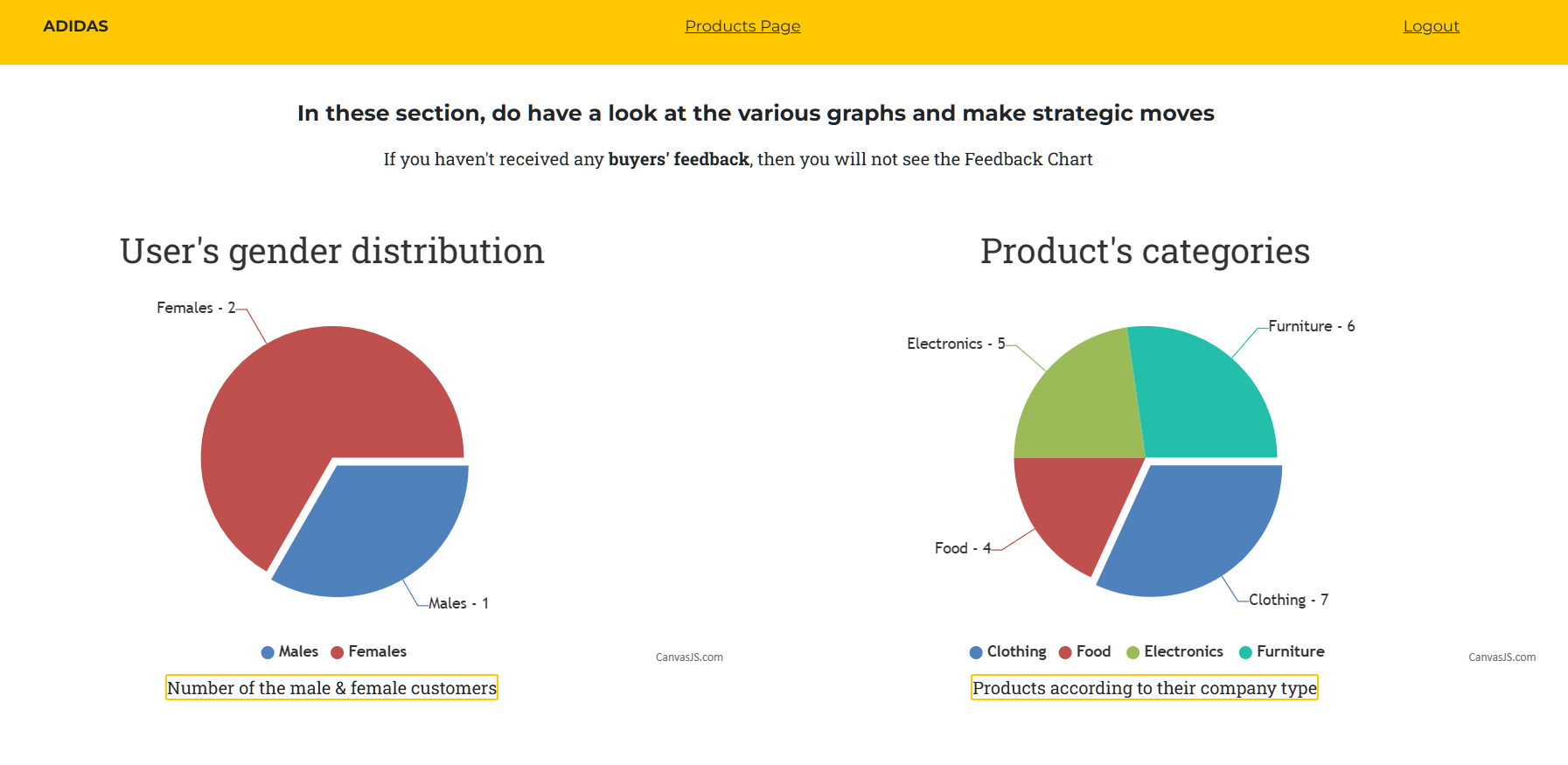
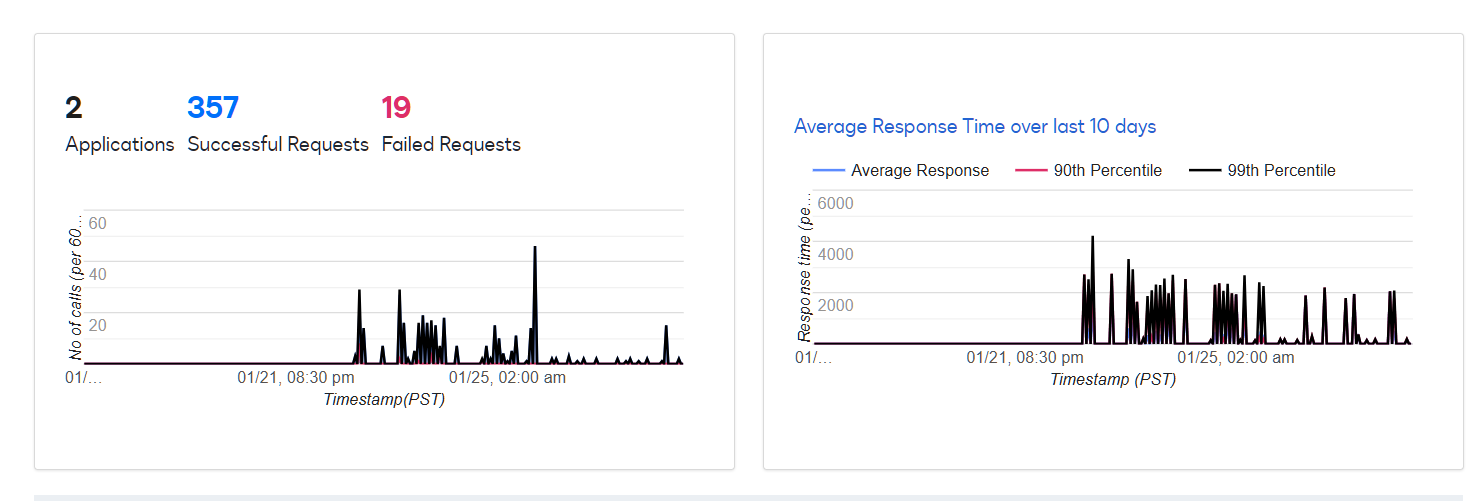
Analytics page
-
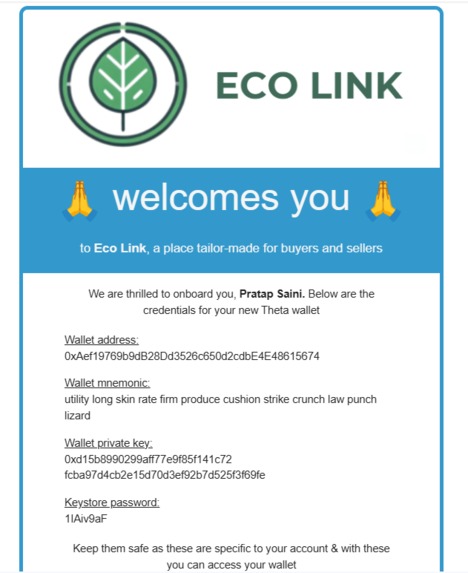
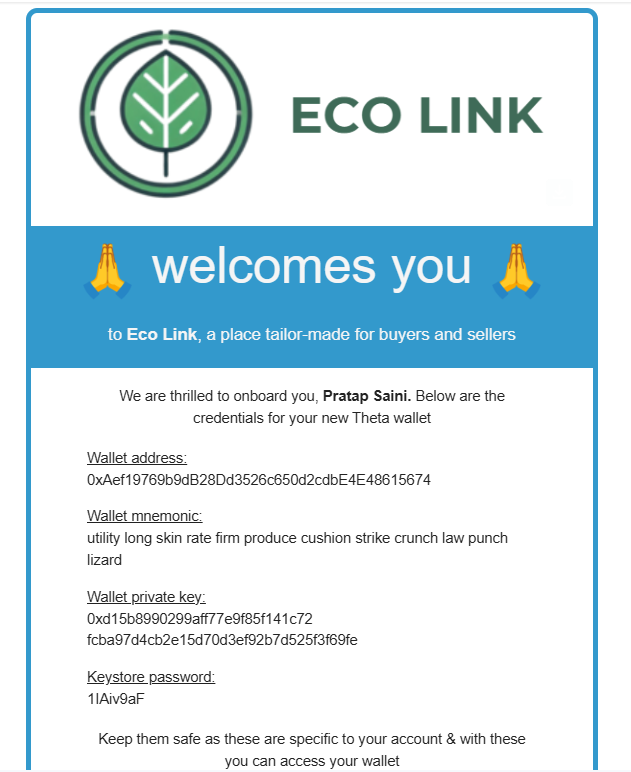
Account creation intimation email
-
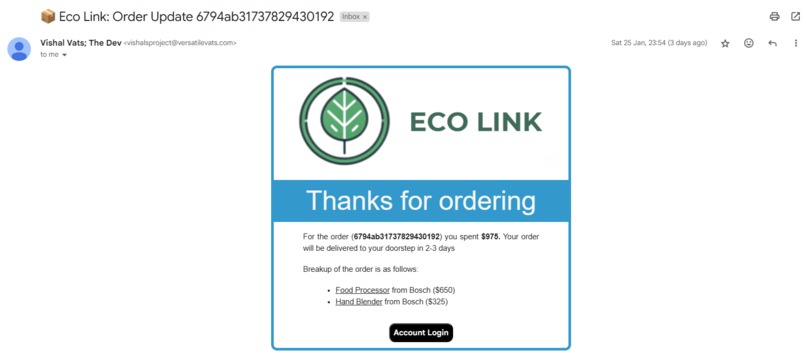
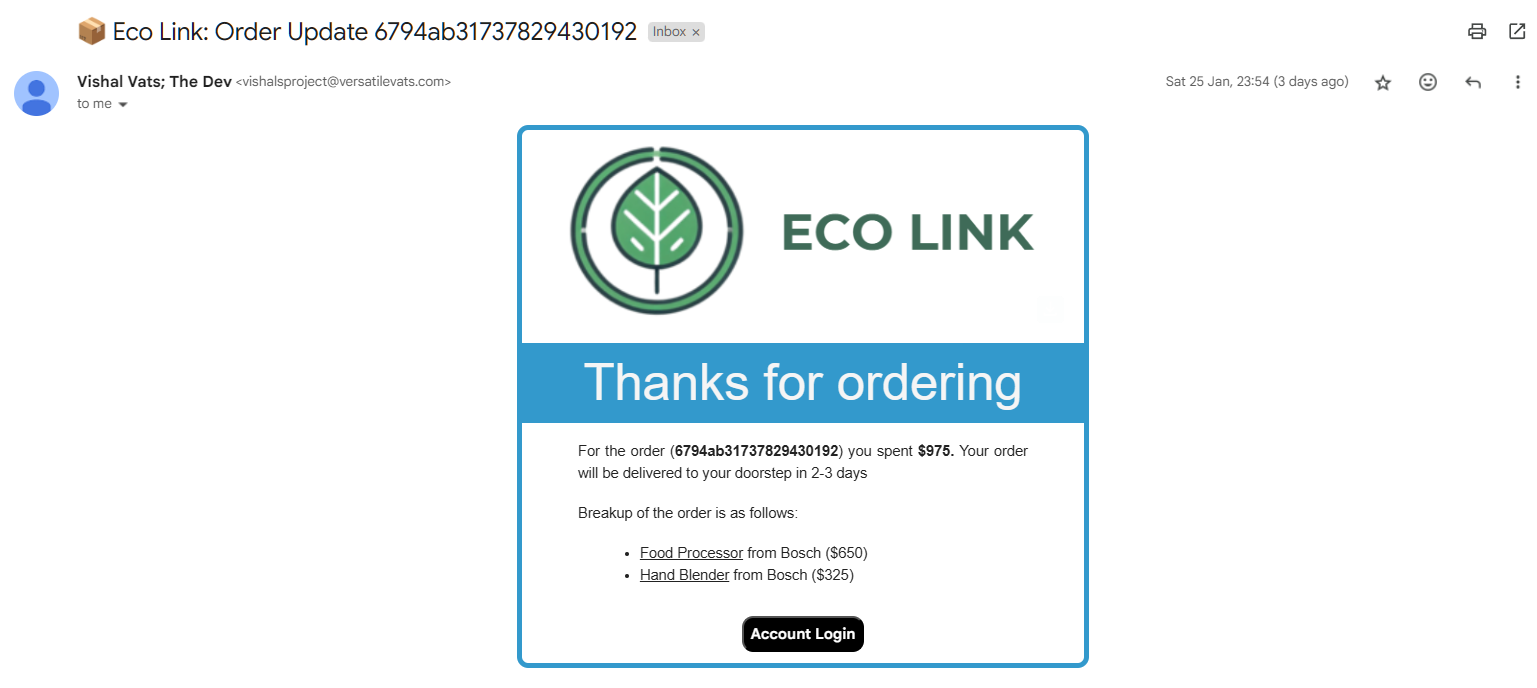
Email sent after paying for the order
-
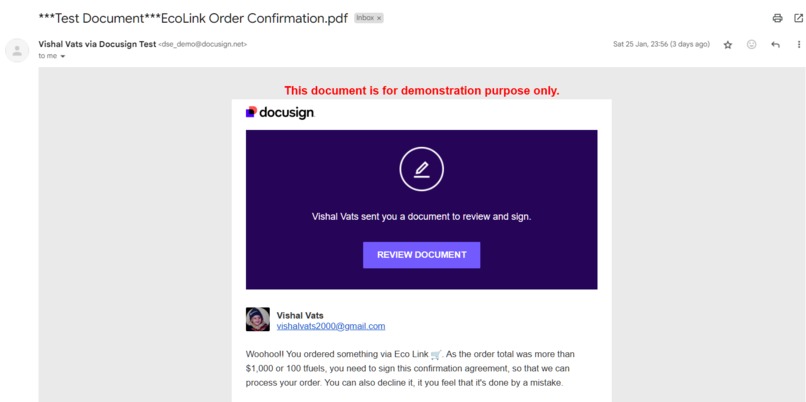
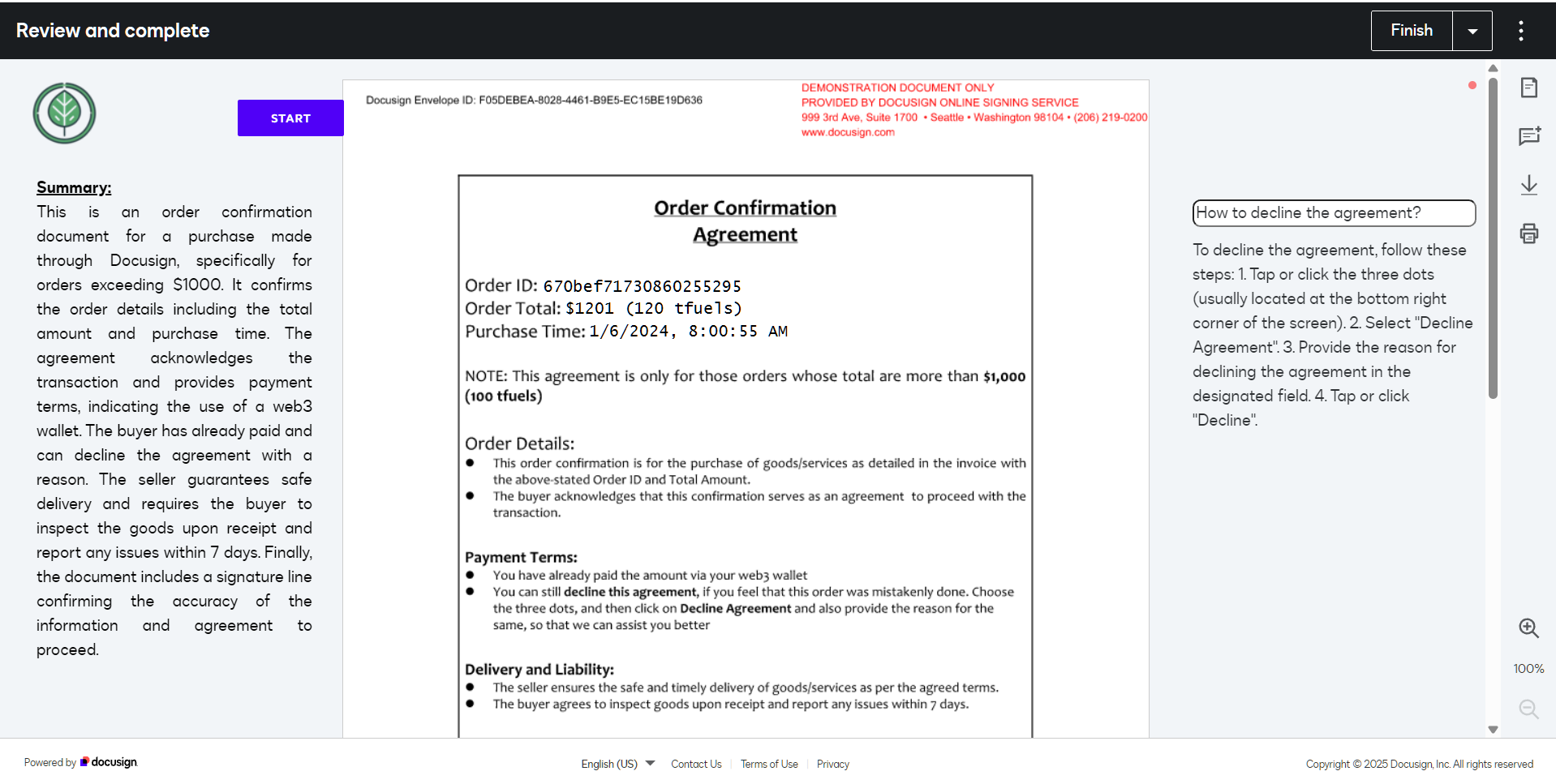
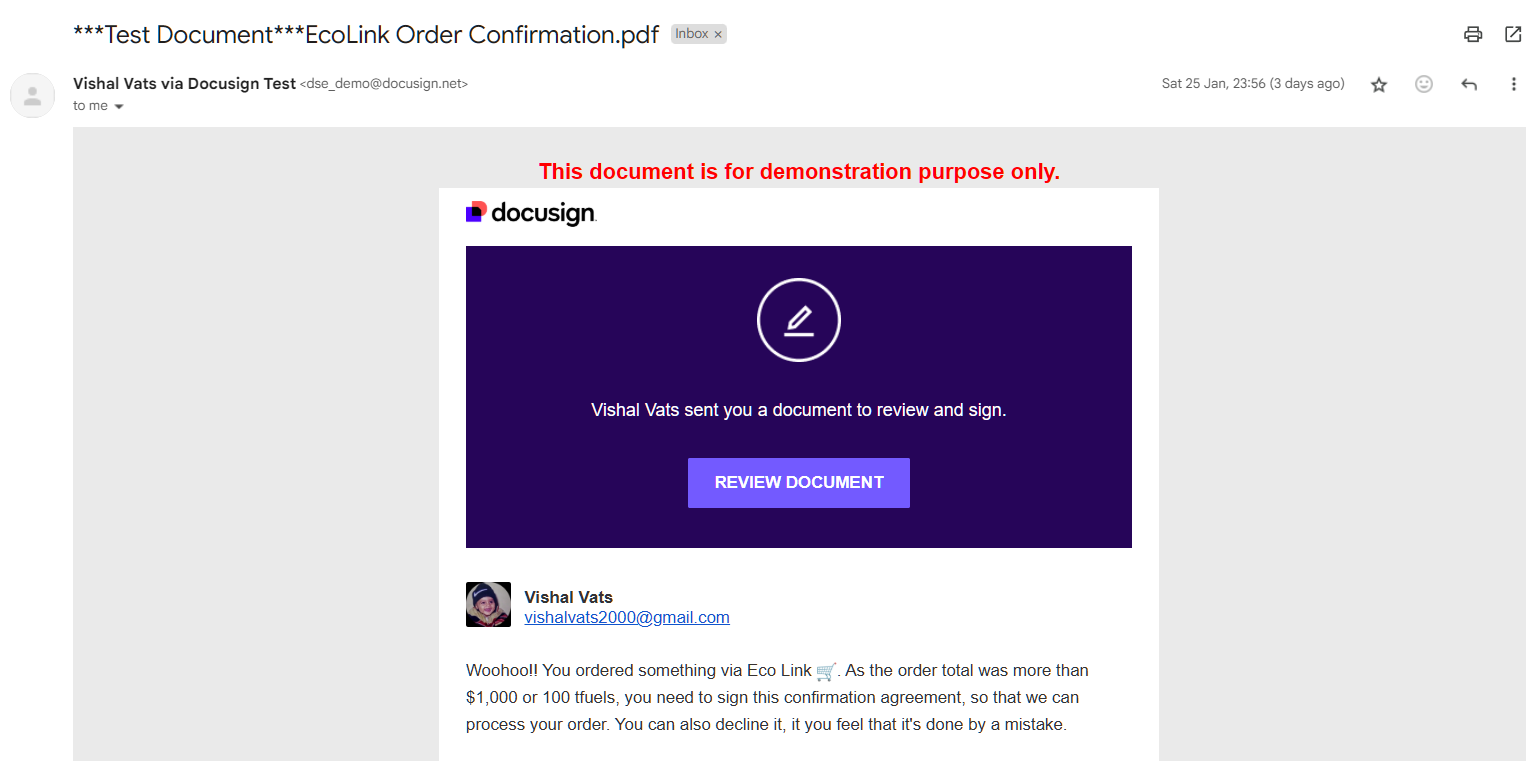
Order confimation docusign esign request for orders more than $1000
-
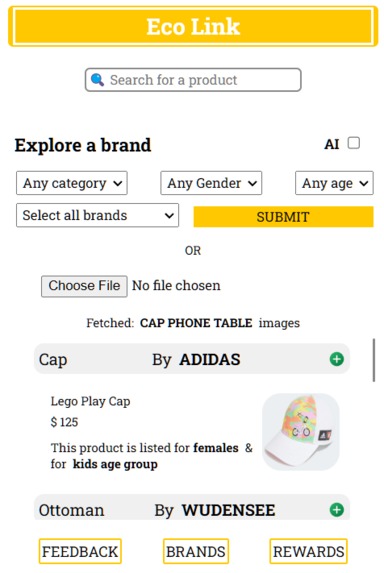
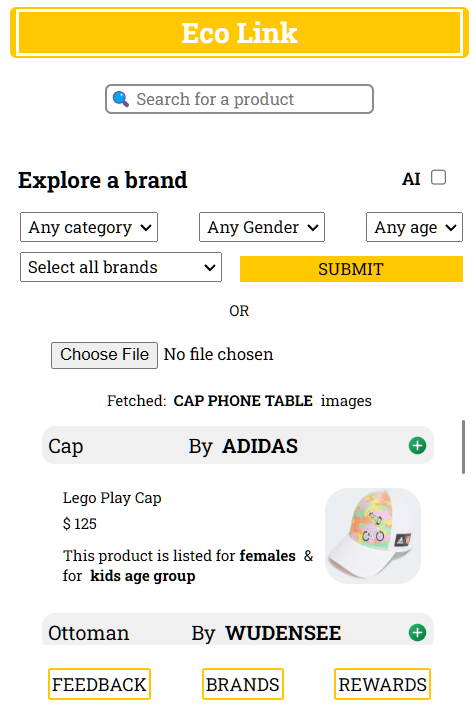
ML model in action for the buyer (showing the items extracted from image)
-
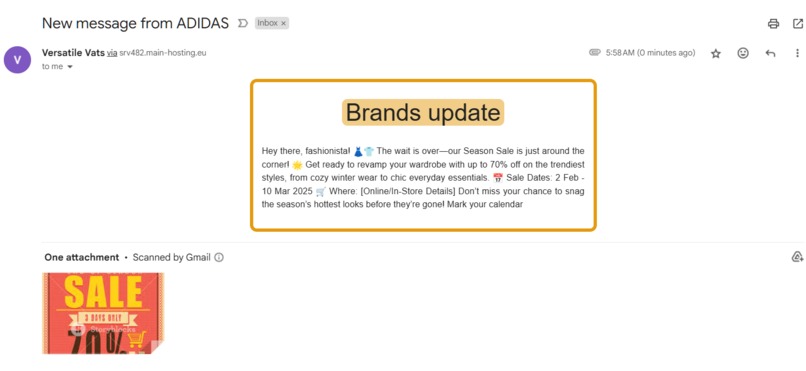
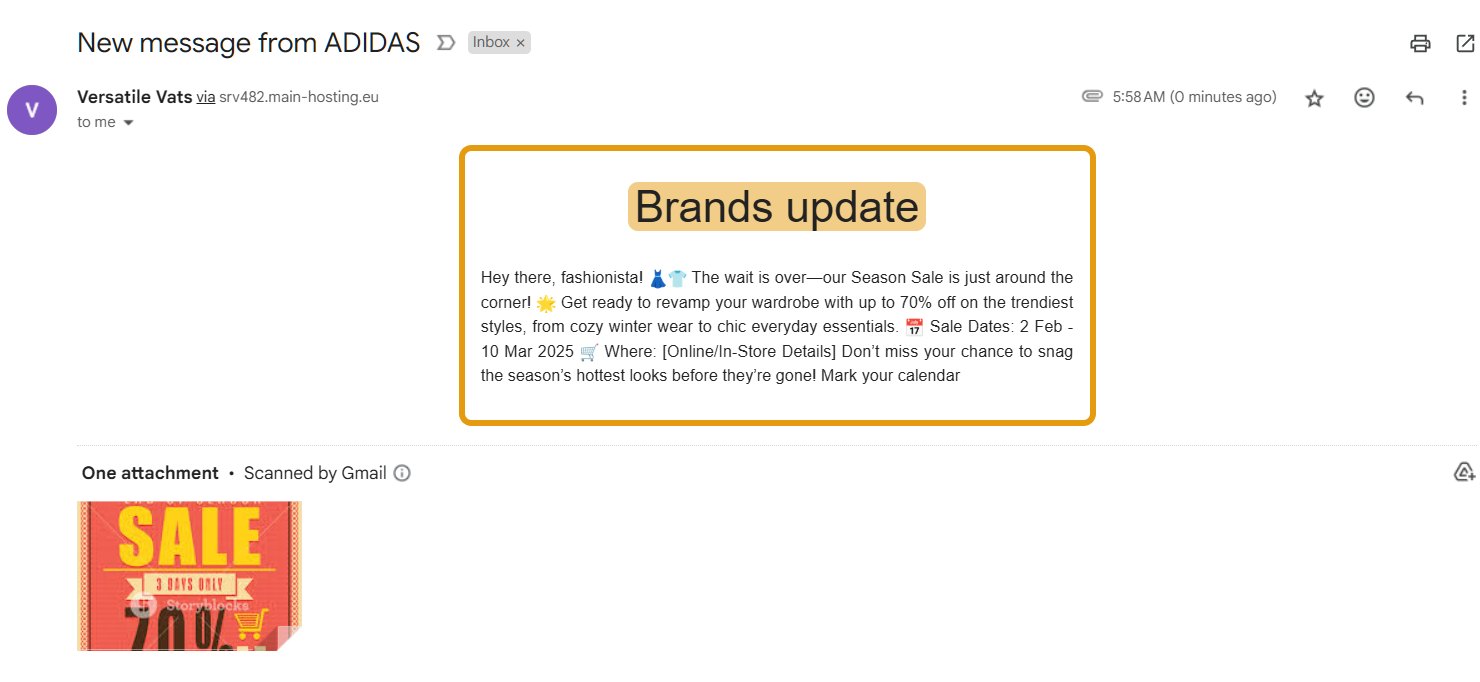
Marketing email sent to a buyer from the website via a seller/brand
-
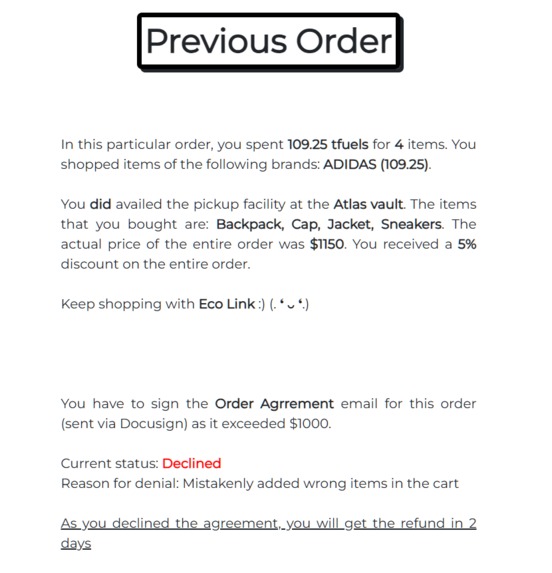
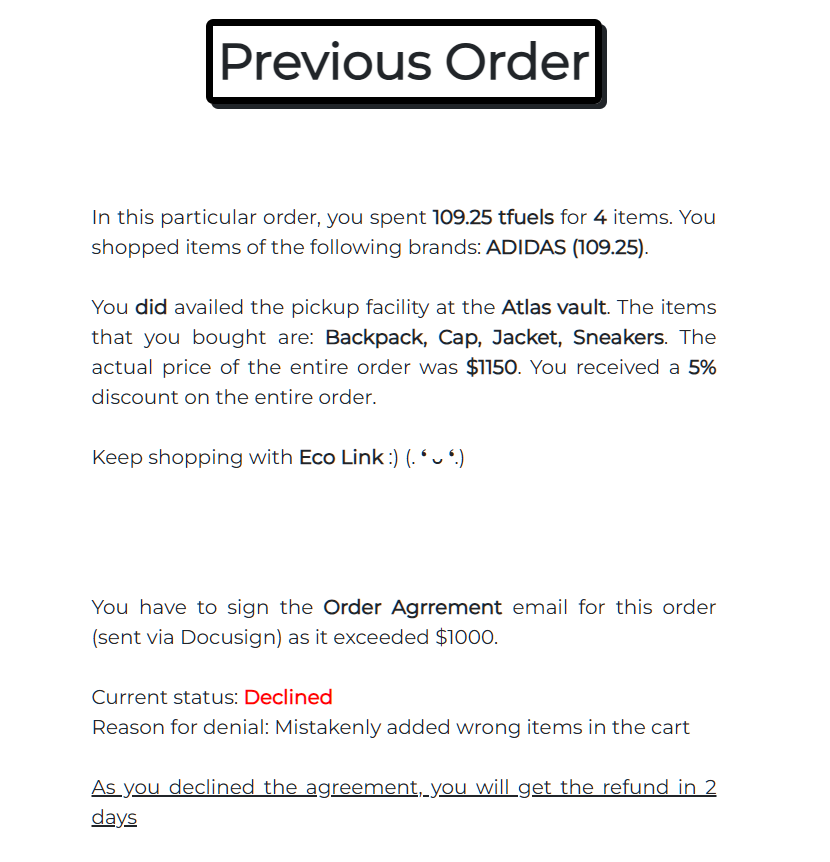
Tracking a past order (this will be dropped at a vault location)
-
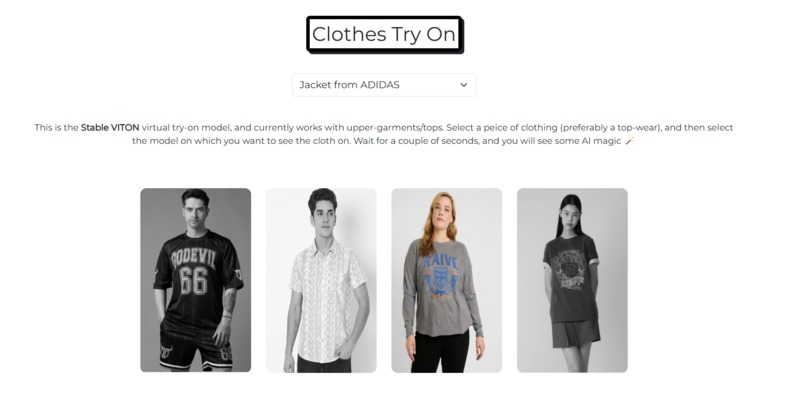
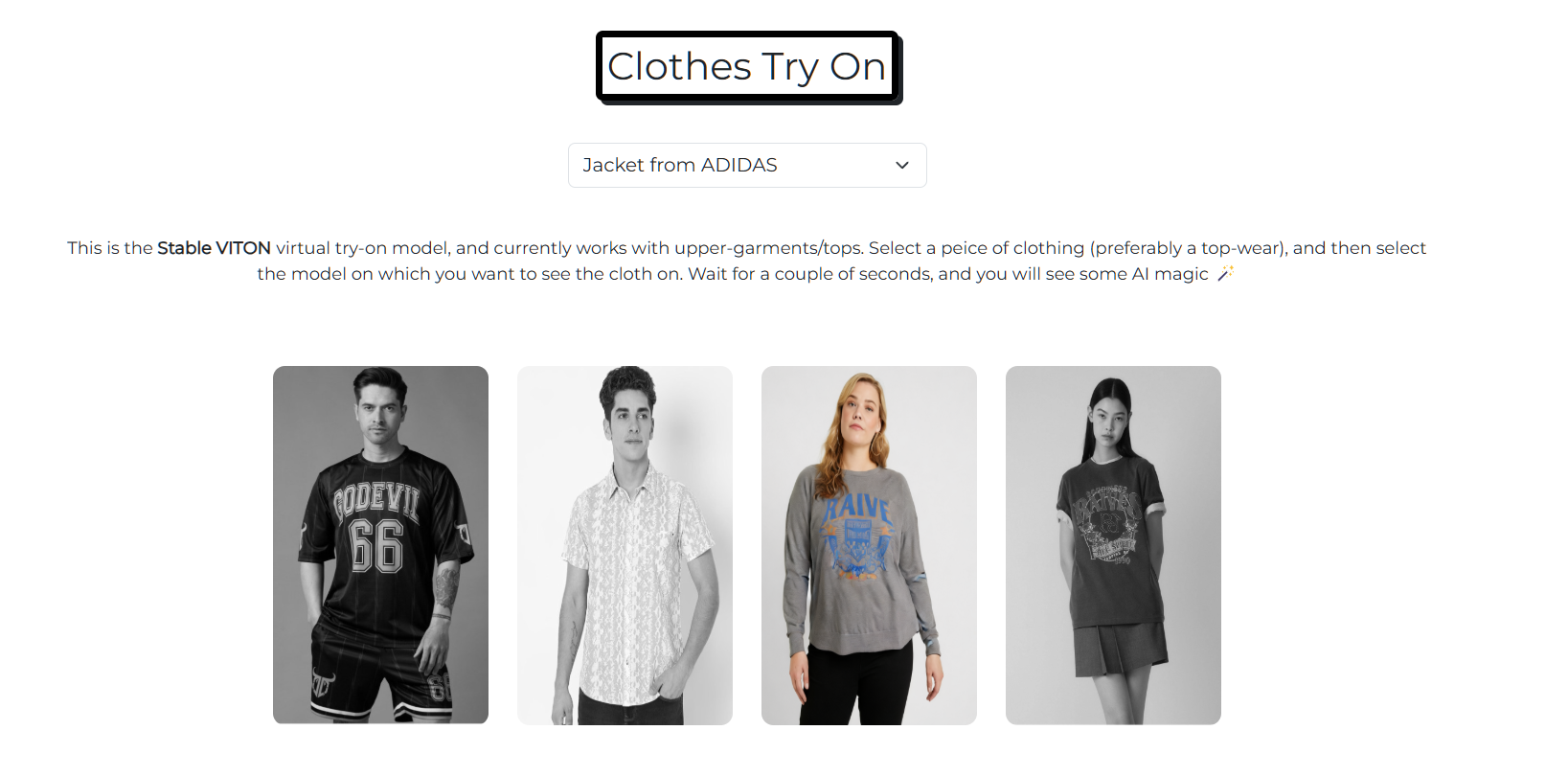
Clothes try on model in action
-
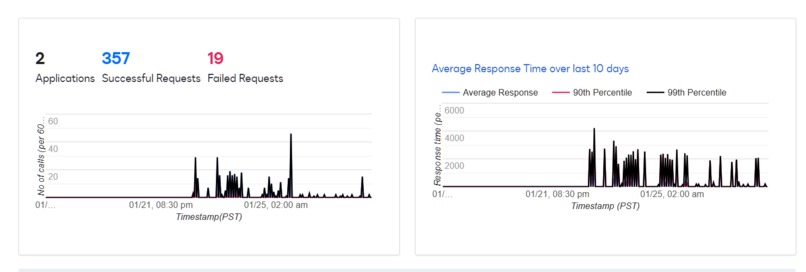
Docusign dashboard
Note: In the video, I have said "sellers" & "buyers" interchangeably in the wrong places a couple of times. So, just to be sure, I am reiterating that the "buyers will use the extension", whereas the "sellers/brands will use the website"
The Issue I'm Hoping to Solve
As we move into the Web3 era, the promises of decentralization, security, and transparency have created a lot of excitement. Web3 advantages such as:
- Security: Transactions are secure and immutable
- Transparency: Blockchain technology ensures transparency in operations
- Decentralization: No central authority controlling the data or processes.
Despite these immense advantages, Web3 applications today predominantly focus on minting cryptocurrencies, NFTs, and other speculative uses. While these may appeal to a niche audience, there is a severe lack of practical, real-world applications that cater to the everyday needs of global consumers. About 99% of users remain in the Web2 ecosystem, with no meaningful incentive to transition into Web3.
Trade and e-commerce are significant global activities that touch everyone’s lives, regardless of geography. With the increasing digitization of businesses, buying and selling are at an all-time peak. However, despite this boom, no robust e-commerce solution integrated with Web3 technology caters to buyers and sellers.
Another overlooked issue is the carbon emissions generated by traditional delivery systems. Packages often travel the same route that buyers will be commuting on later, leading to redundant travel and unnecessary carbon emissions. The environmental impact of these inefficient systems is substantial and needs to be addressed with innovative solutions.
How My Technology Solution Can Help
Eco Link was conceptualized as a solution that leverages the power of Web3 while addressing the everyday e-commerce needs of buyers and sellers. It’s not just another project, but a project that focuses on providing meaningful, real-world value. Here’s how:
Empowering small sellers: The project allows small sellers to expand beyond their local markets and reach international buyers. By integrating their products on a decentralized platform, sellers can exponentially expand their reach, turning local shops into global brands.
Reducing carbon emissions: The project also tackles the environmental impact of traditional e-commerce delivery systems. Our research showed that nearly 99% of the time, packages and buyers commute similar routes. Delivering packages directly to buyers results in unnecessary commutes, adding to carbon emissions.
Enabling meaningful Docusign integration: DocuSign has been meaningfully added to the project so that the new registrants and the high-spend buyers could be put behind an agreement wall so that only legitimate users and orders make it to the blockchain ledger.
My Idea
To address the issues mentioned, Eco Link introduces a dual solution that combines Web3 technology with a hardware component to create a more efficient, environmentally friendly, and secure delivery system:
Empowering Sellers & Buyers: I provide small, local sellers with the opportunity to transcend their local presence by tapping into the global market through blockchain technology. The platform allows sellers to list their products on a decentralized marketplace and securely interact with buyers through verified, transparent transactions. By using blockchain, the sellers gain trust, and buyers are assured of a secure purchase process. Sellers can now turn their local shops into global brands, enhancing both visibility and revenue opportunities. Buyers, on the other hand, are granted access to a wide variety of products, with the added security of blockchain’s immutable transaction records.
Reducing carbon emissions via smart vaults: Traditional e-commerce delivery methods often involve inefficient delivery routes, contributing to carbon emissions. My solution to this is the introduction of vaults, which are strategically placed, RFID-accessible hardware vaults. These vaults serve as delivery points for buyers to collect their packages, significantly reducing redundant delivery trips and cutting down emissions. By enabling buyers to pick up their packages when it’s most convenient for them, we further decrease the environmental impact of last-mile deliveries. This project goes beyond simple order and delivery — it redefines how e-commerce can operate by integrating green logistics with a focus on sustainability. As trade and shopping will continue indefinitely, our solution is designed to be a future-proof method of streamlining logistics while benefiting both sellers and buyers, ultimately contributing to a greener planet.
Integration with Web3: Instead of sticking to traditional Web2-based applications, I leverage the security and transparency of Web3 technology. By using blockchain, all transactions and deliveries are securely tracked, providing a robust layer of trust between buyers and sellers. This decentralization ensures that data integrity is maintained while reducing the risk of fraud or tampering. Through Web3, we offer a multi-point access experience via a browser extension, and physical vaults, providing users with flexible, seamless touchpoints regardless of their comfort level with technology.
Sustainability & scalability: Built using IBM’s RedHat OpenShift Container Platform, my infrastructure scales effortlessly as the user base grows. OpenShift provides us with the power to maintain high performance, ensuring that our platform remains operational even as demand increases.
Docusign integration 📝
Let's understand how I integrated Docusign with the project (for the sellers, and buyers): I have primarily used the eSignature API (via the node js SDK). As all of the entities in my application do not need to have their own DocuSign account, I used JWT Grant to get the access token and authenticate the calls.

One of the first DocuSign templates is the Terms & Conditions template that is sent to each new registrant (seller, or buyer). Only after signing it, the users can either use the website/extension. It only includes a "signature" field
The second template is the Order Confirmation one, which is sent to buyers who purchase for more than $1,000 in a single go. In this template, the 3 data fields (orderID, timestamp, & total) are pre-populated via the SDK call so that the buyer cannot edit it at his/her end.

On the checkout page, for orders (more than $1,000) the particular order page will tell the current status of the signing process, and if the same has been declined, then its reason is also mentioned there.
Therefore, for the project-specific use case, only template-sending calls have not been made. DocuSign calls to change the JWT for the access token, check the status of the envelope, the reason for denial of the declined agreements, and other calls are also made
Now, let's dive deep into how else the project is using DocuSign. This feature is the on-browser AI feature that lets any signer (who has to sign a document) use AI to get an instant summary of the document and even ask questions related to it.
As I have to do the OCR of the agreement pages, I am only using the first page of the agreement to do the AI analysis. It is only because of the reason that I wanted to off-load my server, as I have many other services running. But doing this for all of the pages in an agreement, is no big deal 😉

Using on-browser AI to summarize DocuSign agreements and provide quick, context-based answers is highly advantageous because on-browser AI is significantly better than AI running on a remote server:
Data Privacy: On-browser AI ensures sensitive information never leaves the user's device, eliminating the risk of data breaches or unauthorized access, which is a common concern with server-based AI.
Speed: On-device AI processing bypasses the latency associated with network communication to a remote server, delivering real-time performance for summarization and question-answering.
Offline Availability: On-browser AI can function without an internet connection, ensuring usability even in low-connectivity scenarios, unlike server-based AI which requires a constant connection.
Compliance: Sensitive industries (e.g., legal, healthcare) can confidently use this feature while adhering to privacy regulations like GDPR or HIPAA, as no sensitive data is transmitted to external servers.
Improved User Experience: Most of the time, signers outnumber senders, and many signers may not be registered DocuSign users. Providing an AI feature to each signer enhances their experience by simplifying complex agreements and enabling informed decisions.
Conversion Potential: This feature can attract new users by showcasing the added value of DocuSign's ecosystem, encouraging potential signers to register and use the platform for their agreements.
By combining privacy, speed, compliance, and enhanced UX, on-browser AI strengthens DocuSign's value proposition, while serverless operation adds a layer of trust and efficiency, making it a compelling tool for both signers
Accomplishments that I'm proud of
Working with Docusign, and web3 were some of the firsts for me. And I truly enjoyed that. This project has a lot of components, let's have a look at them:
| Service name | Description |
|---|---|
| Clothes try on flask server | Lets the buyer virtually try a clothing item on one of the models |
| ML flask server | Zero shot image classification model that allows the entities to extract the objects provided in the image |
| Descope authentication express server | To provide functional signup/login features for the users, I used Descope |
| Node server | This is the main server interacting with the database & keeping the data synced up |
| Theta express server | As the project is on the web3 domain, theta serves as the blockchain provider, and does a lot |
| eSign express server | The Docusign server that handles all of the stuff from sending templates, to tracking them, & even doing OCR on the signing pages |
It has a ton of lines, and I enjoyed every bit of the project.
This project represents the perfect fusion of e-commerce innovation, blockchain security, and seamless user interaction. By integrating Web3 technologies, advanced machine learning, and DocuSign’s trusted e-signature capabilities, it creates a transparent, secure, and user-centric ecosystem. Whether you’re a seller looking to scale your business or a buyer seeking a cutting-edge shopping experience, this platform delivers unparalleled efficiency, trust, and modernity, setting a new standard for the future of online commerce.


Log in or sign up for Devpost to join the conversation.