-
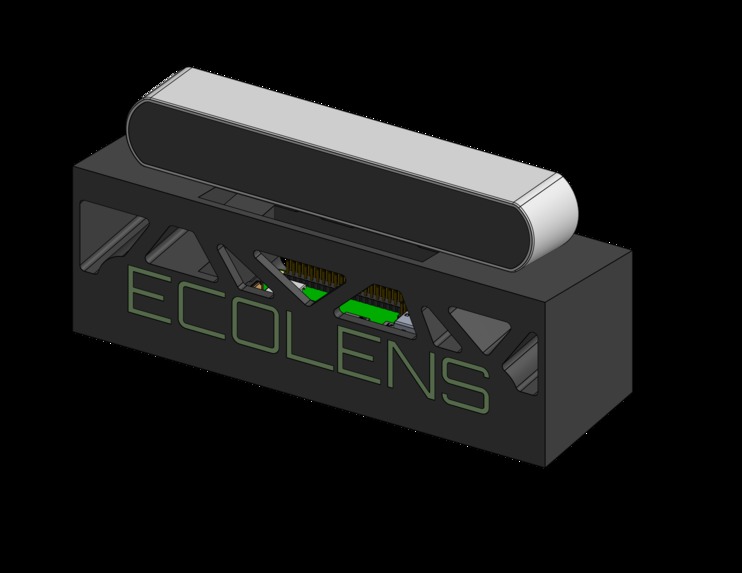
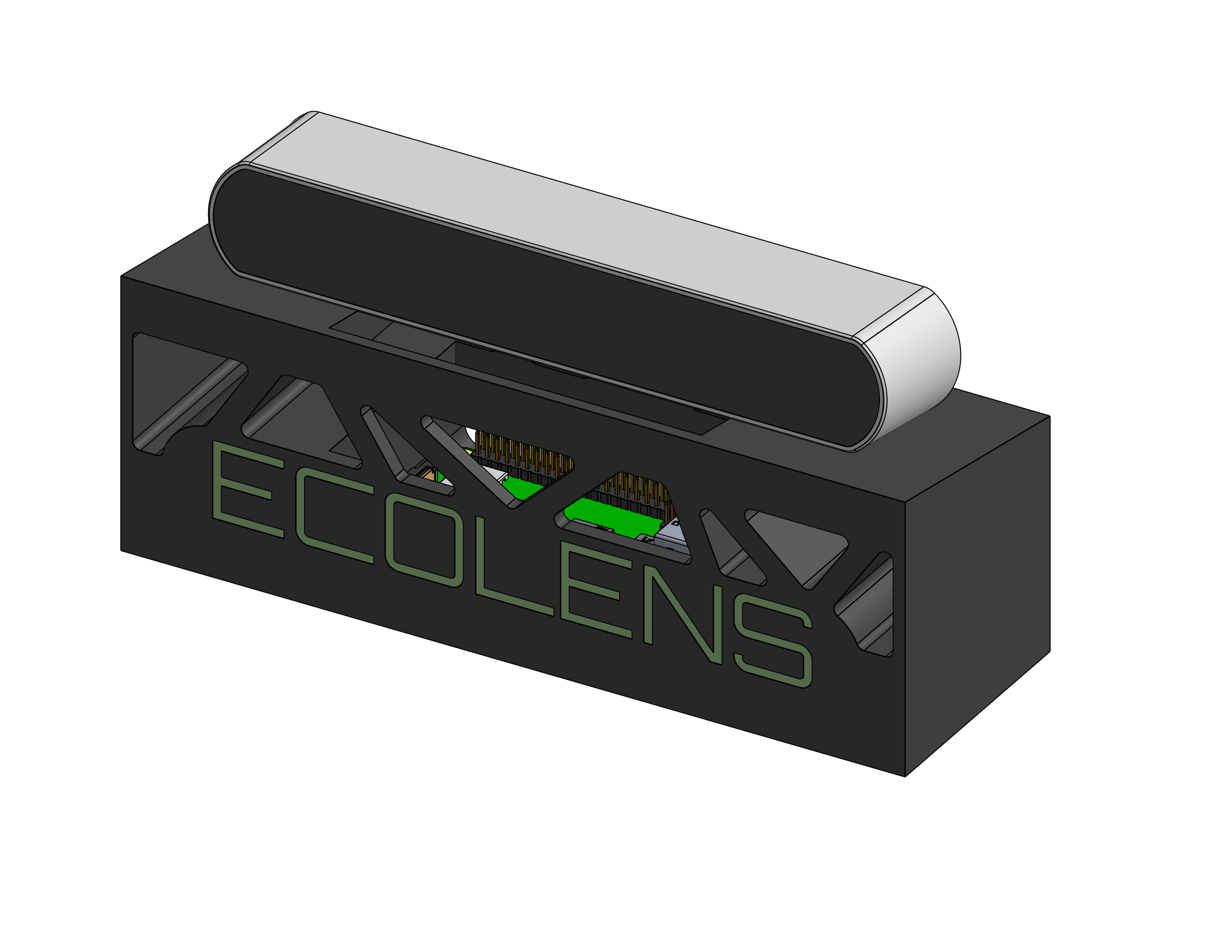
Hardware of the Ecolens isolated system
Inspiration
While looking for genuine problems that we could solve, it came to our attention that recycling is actually much harder than it should be. For example, when you go to a place like Starbucks and are presented with the options of composting, recycling, or throwing away your empty coffee, it can be confusing and for many people, it can lead to selecting the wrong option.
What it does
Ecolens uses a cloud-based machine learning webstream to scan for an item and tells the user the category of item it is that they scanned, providing them with a short description of the object and updating their overall count of consuming recyclable vs. unrecyclable items as well as updating the number of items that they consumed in that specific category (i.e. number of water bottle consumed)
How we built it
This project consists of both a front end and a back end. The backend of this project was created using Java Spring and Javascript. Javascript was used in the backend in order to utilize Roboflow and Ultralytics which allowed us to display the visuals from Roboflow on the website for the user to see. Java Spring was used in the backend for creating a database that consisted of all of the scanned items and tracked them as they were altered (i.e. another item was scanned or the user decided to dump the data).
The front end of this project was built entirely through HTML, CSS, and Javascript. HTML and CSS were used in the front end to display text in a format specific to the User Interface, and Javascript was used in order to implement the functions (buttons) displayed in the User Interface.
Challenges we ran into
This project was particularly difficult for all of us because of the fact that most of our team consists of beginners and there were multiple parts during the implementation of our application that no one was truly comfortable with. For example, integrating camera support into our website was particularly difficult as none of our members had experience with JavaScript, and none of us had fully fledged web development experience. Another notable challenge was presented with the backend of our project when attempting to delete the user history of items used while also simultaneously adding them to a larger “trash can” like a database.
From a non-technical perspective, our group also struggled to come to an agreeance on how to make our implementation truly useful and practical. Originally we thought to have hardware that would physically sort the items but we concluded that this was out of our skill range and also potentially less sustainable than simply telling the user what to do with their item digitally.
Accomplishments that we're proud of
Although we can acknowledge that there are many improvements that could be made, such as having a cleaner UI, optimized (fast) usage of the camera scanner, or even better responses for when an item is accidentally scanned, we’re all collectively proud that we came together to find an idea that allowed each of us to not only have a positive impact on something we cared about but to also learn and practice things that we actually enjoy doing.
What we learned
Although we can acknowledge that there are many improvements that could be made, such as having a cleaner UI, optimized (fast) usage of the camera scanner, or even better responses for when an item is accidentally scanned, we’re all collectively proud that we came together to find an idea that allowed each of us to not only have a positive impact on something we cared about but to also learn and practice things that we actually enjoy doing.
What's next for Eco Lens
The most effective next course of action for EcoLens is to assess if there really is a demand for this product and what people think about it. Would most people genuinely use this if it was fully shipped? Answering these questions would provide us with grounds to move forward with our project.


Log in or sign up for Devpost to join the conversation.