-
-
Bakground of the Title section of some of our pages
-
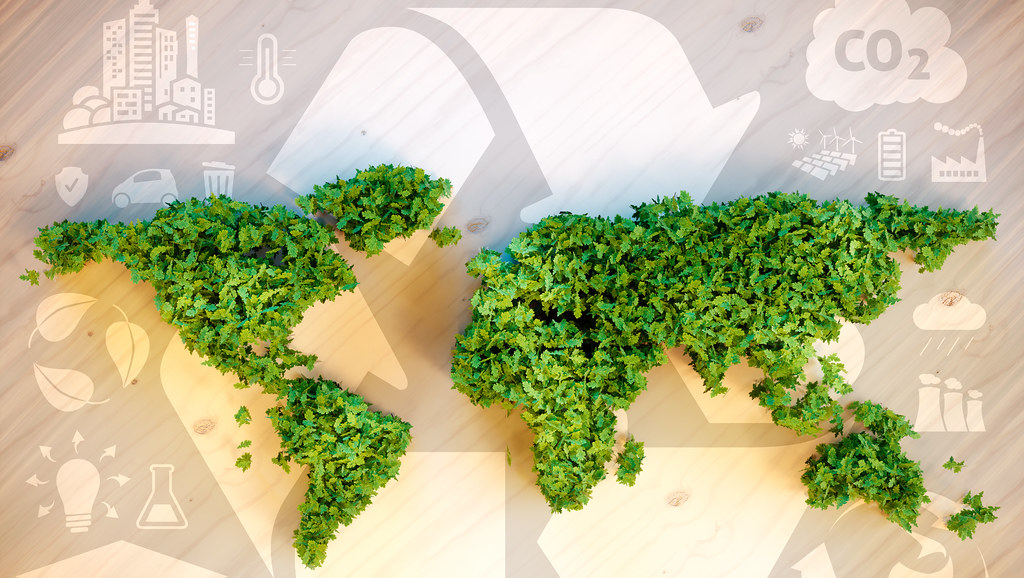
Image we used when explaining environmental sustainability
-
Background of volunteer hub
-
Our logo designed by us through Canva
-
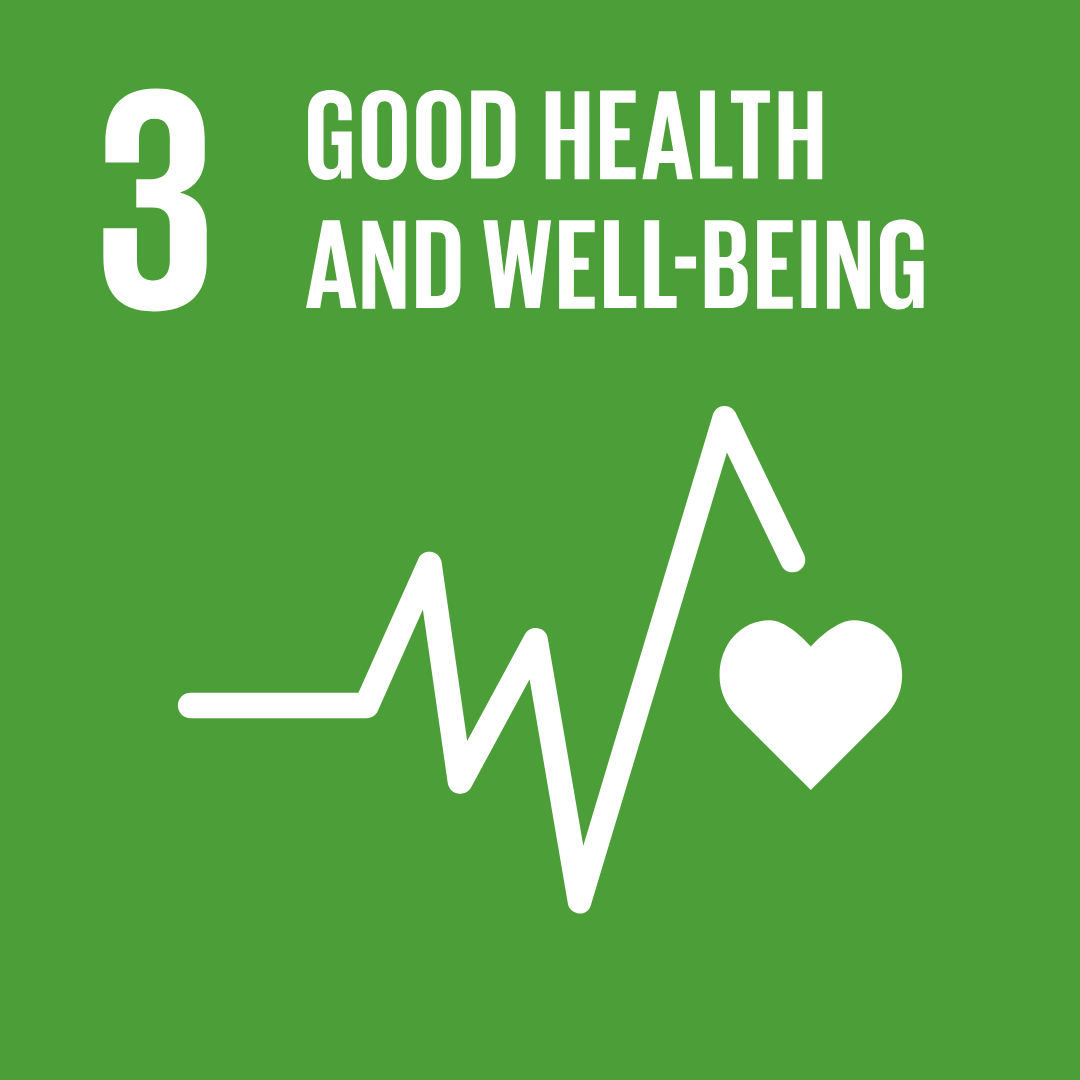
An example of one of our UN Goals cards
-
An example of one of our UN Goals cards
-
An example of one of our UN Goals cards
-
An example of one of our UN Goals cards
-
Inspiration
We were primarily inspired by the Model UN’s sustainable development goals, which gave us basic standards that must be achieved for humanity to exist.
What it does
The main feature of our website is the volunteering network page, which allows people who visit our site to sign up for volunteering opportunities that benefit the environment. However, we also want to encourage people to learn about their impact on the environment by using our electricity consumption calculator, which shows the correlation between a person’s electricity consumption and its effect on the environment.
How we built it
We built this site using HTML, CSS, and Javascript. We used repl.it to collaborate with each other live while coding. Additionally, we used vscode to organize the files, make final changes, and upload them to GitHub. Github was very crucial because creating the repository there allowed us to host the site, making it public for people to see.
Challenges we ran into
One of our biggest challenges was making the website both engaging and responsive. We didn’t want users to simply browse through the content; we wanted them to truly experience it. To achieve this, we incorporated interactive features like flip card animations for the UN goals, which took some time to get perfect, but ultimately added a dynamic touch to the site. Another challenge was ensuring the website was fully responsive, allowing users to access it across different devices. This was our first attempt at creating a completely responsive website, so it required us to troubleshoot and problem-solve. Despite the difficulties, we successfully enhanced the site’s accessibility and user experience.
Accomplishments that we're proud of
The home page is the biggest accomplishment we’re proud of because it looks very nice and professional after redesigning the colors and layout. Specifically, our display of the UN Sustainable Development Goals is very pleasing because of the smooth animations and organization of the tiles.
What we learned
Through this experience, we learned more about how to create a visually appealing website which is crucial because designing has been a challenge for us in the past. Furthermore, we learned how to adapt and persevere. Even though we faced challenges such as the SQL database and repl.it’s limit on development time, we found face to work around them. For example, we sent responses to our email and we moved to vscode after we exceeded repl.it’s development time.
What's next for Eco Hub
In the future, we plan to integrate MySQL to run data on an SQL server instead of within the website. This will automate the creation process for volunteering events and allow the website to pull events directly from the database, making it more efficient. We also prioritize security, so we aim to implement an AI algorithm to automatically verify events before they are added to the database.
Built With
- canva
- css
- github
- google-fonts
- html
- javascript
- mysql
- php
- replit
- vs-code


Log in or sign up for Devpost to join the conversation.