-
-
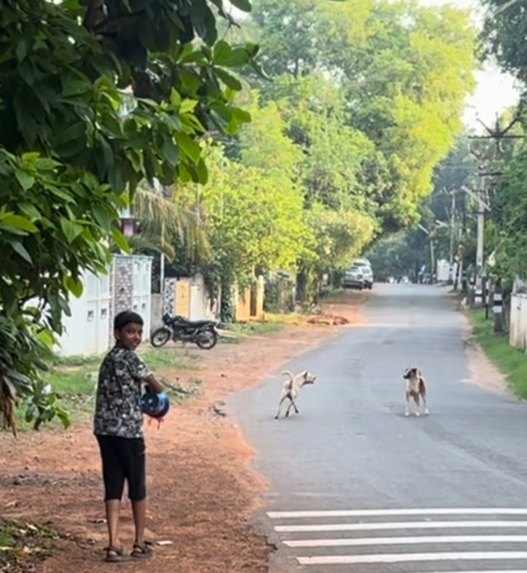
Demo Photo
-
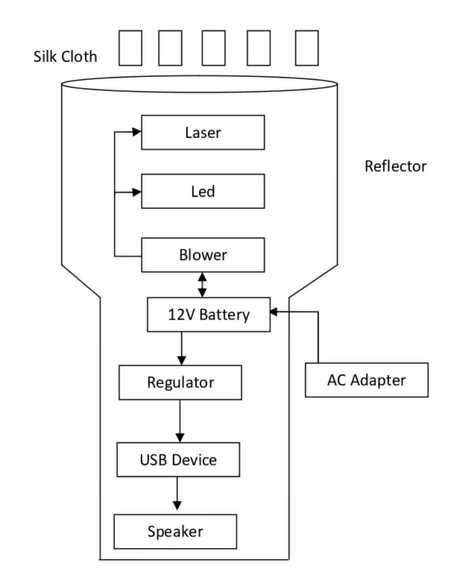
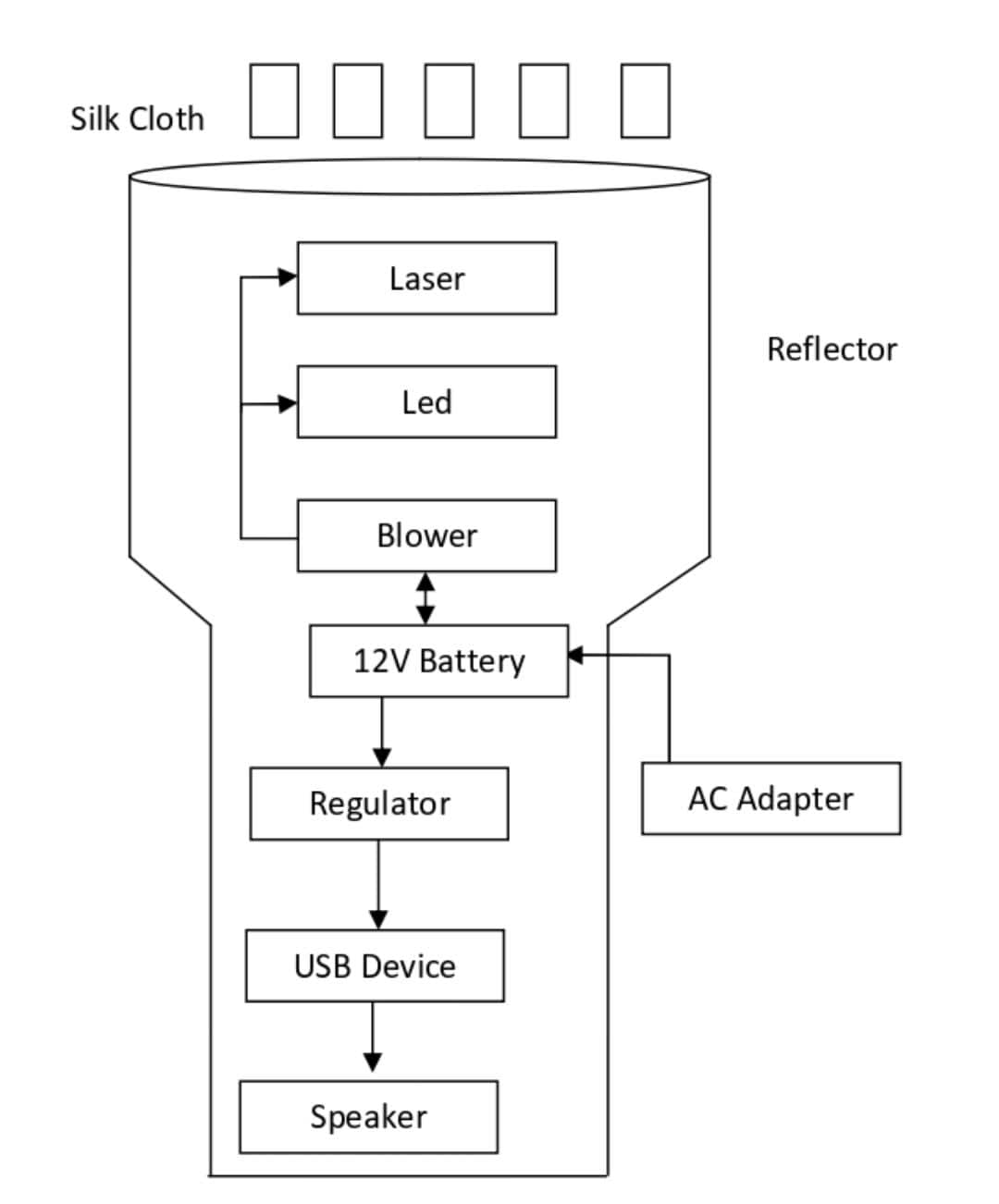
Device diagram
-
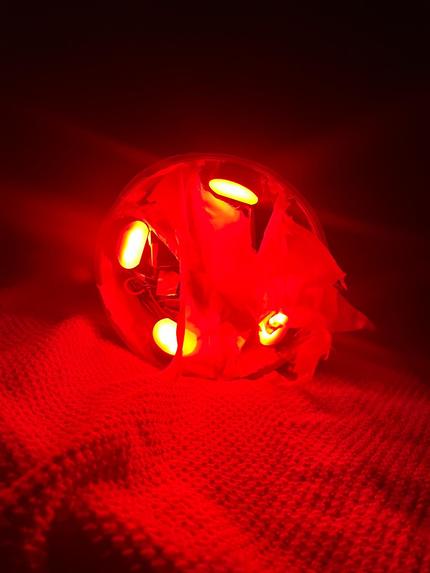
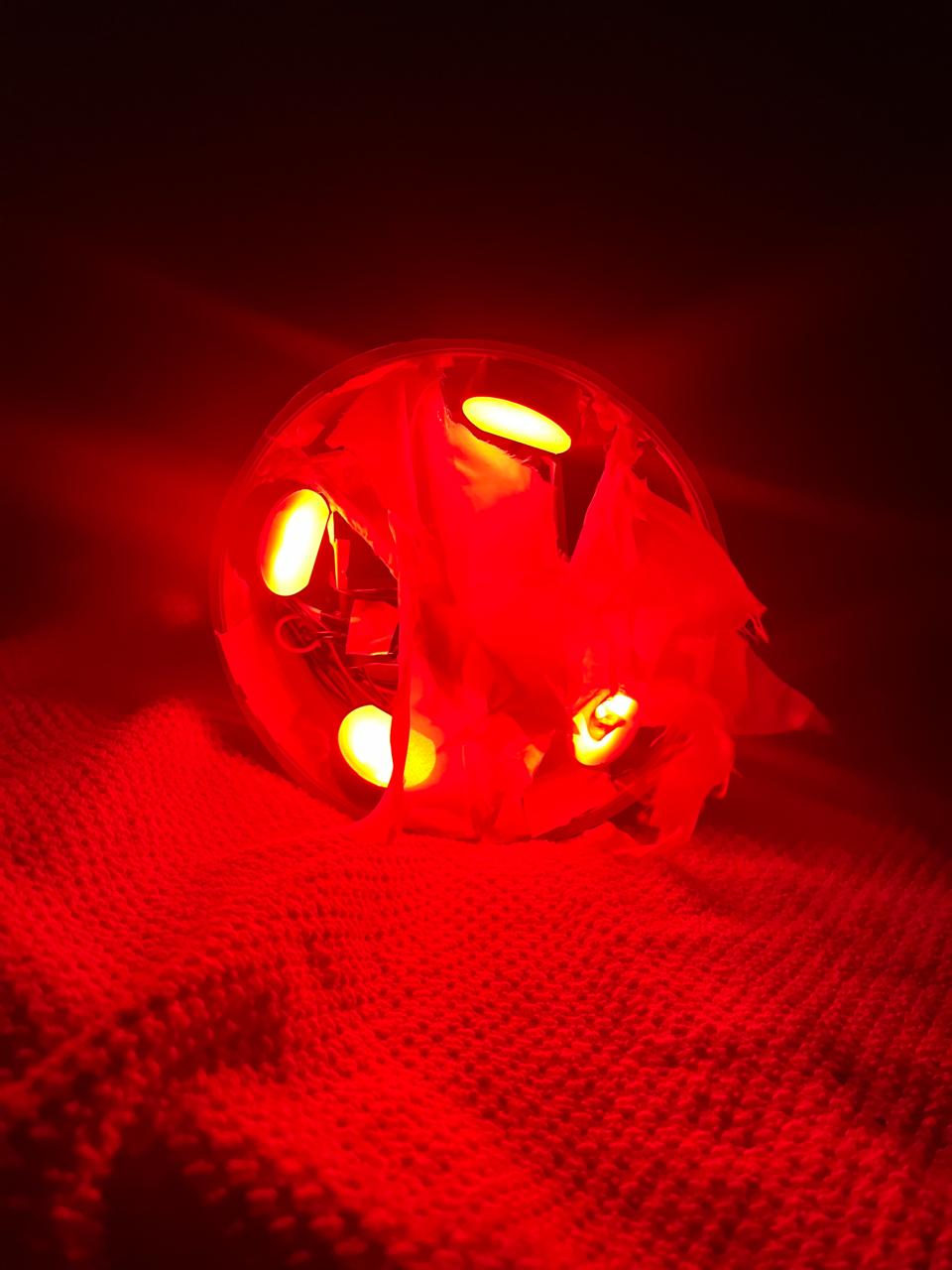
prototype 1
-
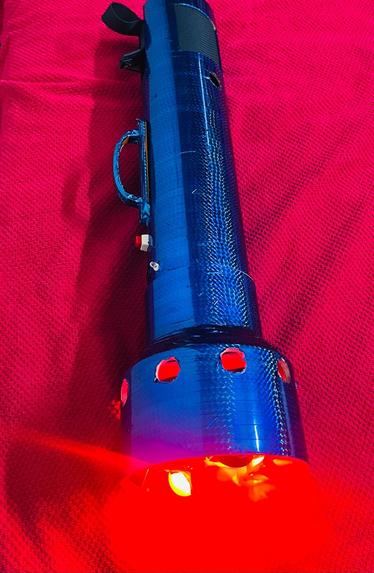
prototype
-
Chrisbin Jaedon ID
-

Chrisbin Liana ID
-
Johan Danieo ID



Inspiration
Communities living near forest borders often face unexpected encounters with wildlife—especially at night. Traditional methods like burning firewood or using crackers are unsafe, polluting, and can even lead to forest fires. We wanted a safe, eco-friendly, low-cost, student-designed solution that protects people without harming animals. Our inspiration came from understanding how animals react to strong light, patterns, and alarming sounds—but redesigning these elements through STEM in a harmless, sustainable way. This led us to create the Eco-Alert Torch, a clean-tech innovation for night-time protection and awareness.
What it does
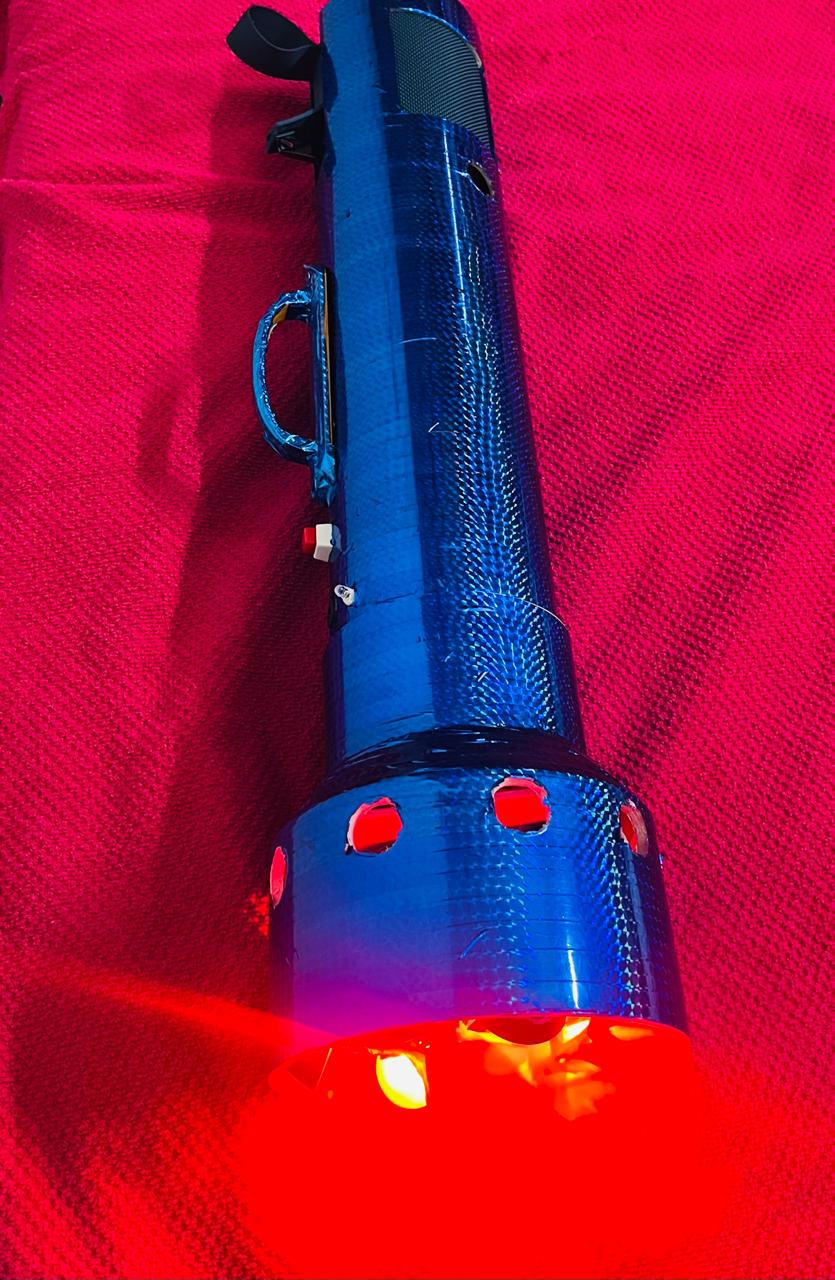
The Eco-Alert Torch is a portable, safety-enhancement torch designed for rural and forest-fringe communities. It provides: • High-intensity red strobe light to alert or deter wildlife from approaching • Simulated flame effect using LEDs (no real fire, no smoke) • Safe alarm sound patterns that make animals hesitate, giving people time to stay safe • Eco-friendly operation with rechargeable power • Optional add-on IoT mode to detect movement and send simple alerts to a phone or dashboard It enhances night-time visibility, personal safety, and environmental protection—all without harming any animals.
How we built it
We used STEM principles to design a solution that is effective, safe, and easy to use:
- Research Phase o Studied human–wildlife interactions o Identified safe deterrent patterns (light + sound) o Collected feedback from forest-fringe residents
- Hardware Development o High-power LEDs for strobe and flame effects o Microcontroller to control light patterns o Speaker for short-range safe alert sounds o Rechargeable Li-ion battery pack
- Prototype Assembly o Designed the torch body o Wired the LED panels and speaker o Programmed light/sound sequences
- STEM Extension o Added optional motion sensing o Basic IoT connectivity using ESP32 module The result is a lightweight, affordable torch that combines electronics, coding, and user-centered design.
Challenges we ran into
• Finding the correct intensity of light that deters wildlife but remains safe • Avoiding anything that might stress or harm animals • Designing a torch that works in rainy and foggy conditions • Managing battery performance for long-night usage • Making the device simple enough for anyone to operate instantly • Ensuring components stay cool and efficient during extended use Each challenge pushed us to improve usability, safety, and durability.
Accomplishments that we're proud of
• Creating a zero-pollution alternative to fire and crackers • Designing a safe wildlife-friendly solution that doesn’t injure or disturb ecosystems • Using STEM (electronics, coding, design) to build a working prototype as school students • Making a device that villagers, farmers, and forest volunteers can use immediately in real-life situations • Developing optional IoT features to modernize safety in rural areas • Keeping the project low-cost, replicable, and student-friendly
What we learned
• Real-world problems need simple solutions that people can use easily • Wildlife safety requires respect, understanding, and non-harmful methods • Electronics + coding + sensors can solve many local problems innovatively • How to balance effectiveness, safety, and sustainability • Teamwork, iteration, and testing are essential to build a working prototype • STEM can create impact beyond the classroom
What’s next for Eco-Alert Torch STEM-Based Wildlife Safety Solution
• Build a stronger enclosure for all-weather outdoor use • Add solar charging for complete energy independence • Improve IoT features with real-time dashboards • Integrate basic AI classification (animal / human detection) • Develop a community alert network linking multiple torches • Create a school STEM kit version so students everywhere can learn from and replicate the project • Conduct small pilot testing in forest-fringe communities with supervision
Safety, Ethics, and Wildlife Protection
To ensure complete safety, the Eco-Alert Torch system is designed around strict animal-welfare and ethical guidelines: Uses only non-harmful deterrence—no real fire, no explosives, no traps, and no electric fencing. Light and sound patterns are chosen to stay within wildlife-safe limits, avoiding pain or long-term stress. Planned AI features focus on reducing false alarms, helping distinguish typical animal movement from normal human activity. Community consent and privacy are respected through anonymised data and secure storage of any images or alerts. Deployment at scale will be guided by wildlife experts and forest officials to ensure it remains responsible, legal, and ethical. This approach is: ✔ Non-harmful and ethically responsible ✔ Based on scientific understanding of animal behaviour ✔ Much safer than crackers, open flames, or electric fencing ✔ Ready to be fully automated using AI + IoT in future versions
Today, there is still no dedicated, humane safety device designed specifically for people working inside forests, forest-fringe communities, or for tracking people during wildlife-related emergencies. The Eco-Alert Torch aims to fill this long-standing gap in safety technology—offering a practical, STEM-powered solution that protects both humans and wildlife.
UN Sustainable Development Goals (SDG) Alignment
Our project aligns strongly with 6 major SDGs, and partially with several others. Here is a clear, judge-friendly SDG mapping:
SDG 3 — Good Health & Well-Being How your project aligns: • Protects people in forest-fringe areas from dangerous wildlife encounters. • Reduces night-time fear, stress, and accidents. • Eliminates unsafe traditional methods like fire, crackers, or makeshift traps. • Provides a safe, non-harmful way to increase community safety. ✔ Promotes mental and physical safety ✔ Reduces injuries and harmful practices SDG 11 — Sustainable Cities & Communities How your project aligns: • Supports rural and forest-edge communities with smart safety technology. • Strengthens community resilience during wildlife emergencies. • Encourages safer coexistence between humans and nature. ✔ Builds safer, more resilient villages ✔ Enhances local disaster risk reduction SDG 13 — Climate Action How your project aligns: • Replaces fire-based deterrence methods—reducing smoke, forest fire risk, and carbon emissions. • Uses rechargeable batteries, low power consumption, and can integrate solar charging. • Reduces need for crackers that cause heavy CO₂ release. ✔ Prevents forest fires ✔ Environmentally low-impact safety tool SDG 14 — Life Below Water (Indirect) While not directly related, reducing forest fires and pollution prevents ash and toxins from reaching water bodies and aquatic ecosystems. ✔ Supports healthier ecosystems indirectly
SDG 15 — Life on Land (Strongest Match) How your project aligns: • Protects wildlife by using 100% non-harmful deterrence methods. • Reduces animal stress, injury, and retaliation from humans. • Helps avoid conflict behaviors that can harm elephants, deer, wild boars, and community animals. • Introduces AI-based detection to prevent unnecessary disturbance. ✔ Prevents harm to wildlife ✔ Supports biodiversity ✔ Enables peaceful coexistence SDG 9 — Industry, Innovation & Infrastructure How your project aligns: • Built using STEM principles (electronics, sensors, logic, mechanical design). • Uses innovation (LED flame simulation + blower + safe sound patterns). • Offers a replicable, scalable model for community-level safety tech. ✔ Promotes student-led innovation ✔ Demonstrates affordable engineering solutions Additional SDG Connections SDG 1 — No Poverty (Indirect) • Prevents crop damage and financial loss caused by wildlife. • Protects livestock and avoids economic loss for low-income families. SDG 4 — Quality Education • Created by school students using STEM learning. • Can be turned into a STEM learning kit for other students. SDG 7 — Affordable & Clean Energy • Uses rechargeable battery and can integrate solar charging.
https://github.com/chrisbinliana2009/IngeniumSTEM-Hack4Life.git
Built With
- api
- iot
- stem


Log in or sign up for Devpost to join the conversation.