Inspiration
Our inspiration came from a simple yet powerful idea: what if blind individuals could hear the world in a way that paints a picture in their mind? We wanted to go beyond just navigatio. We wanted to help them experience the world. By translating visuals into sounds and music, our goal is to awaken the imagination, create emotional connections, and offer a new form of perception for those who can’t see.
⸻
What It Does
Our prototype is a pair of smart glasses equipped with sensors, processors, and a small speaker. It captures images and uses AI to convert them into descriptive sound effects and ambient music, helping blind individuals interpret and emotionally connect with their surroundings. It’s not just functional, it’s immersive. The blind can now “see” a sunny day, a busy street, or a peaceful park through sound.
⸻
How We Built It
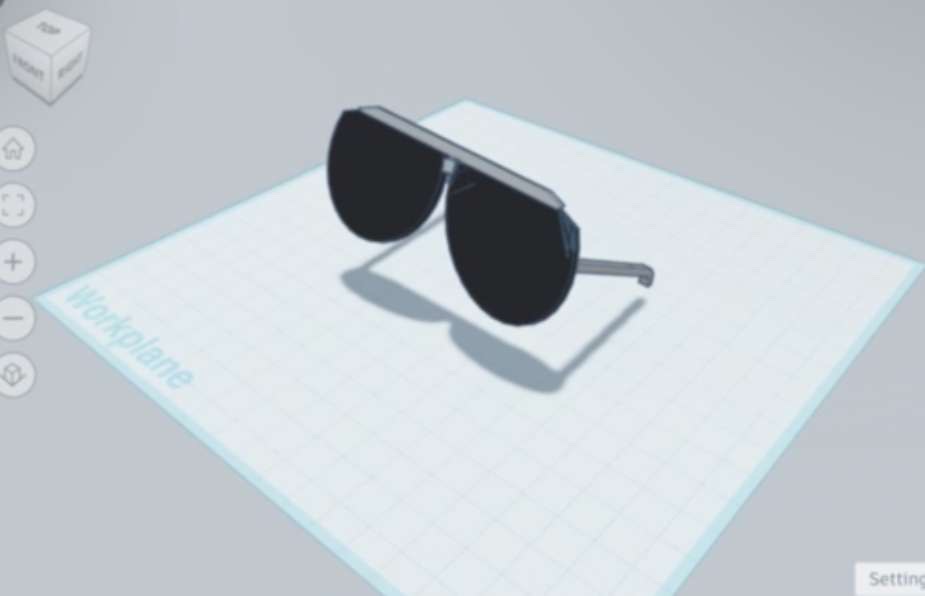
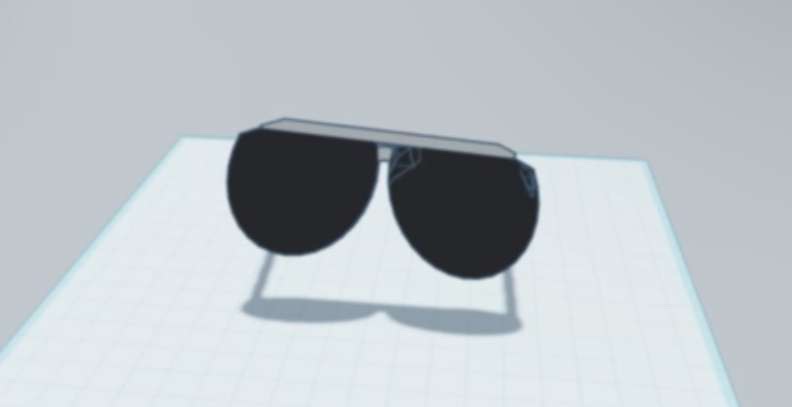
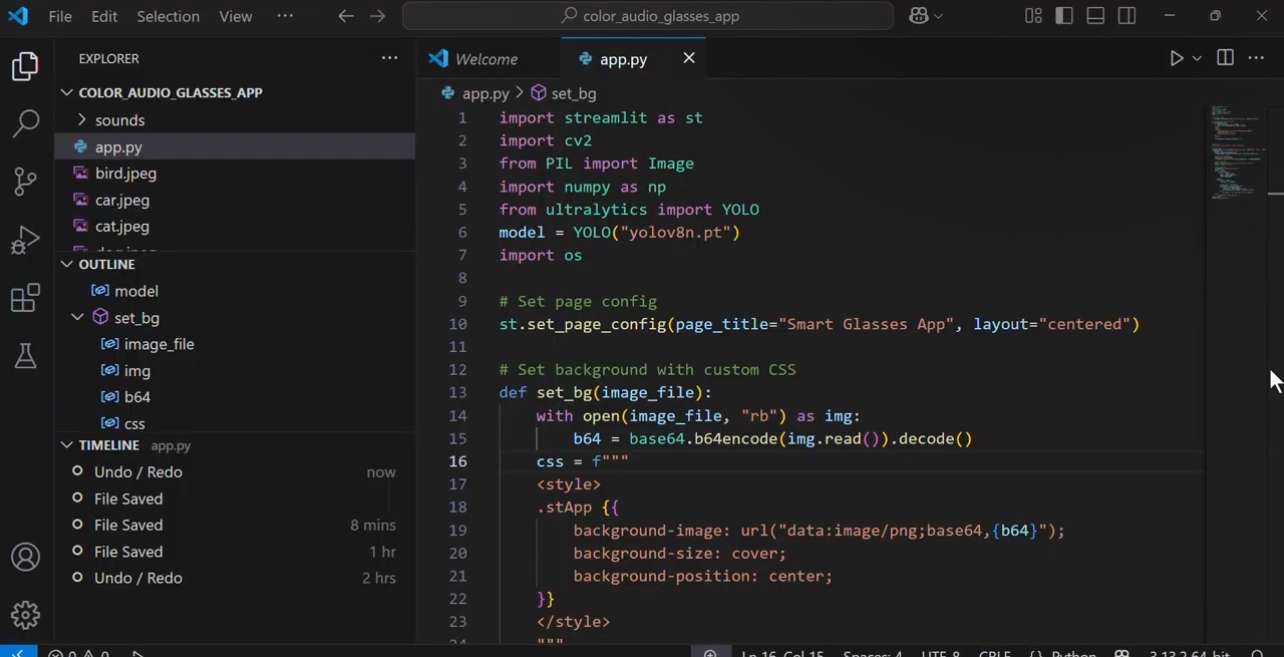
We started with a 3D model design that integrates all the essential components: a front-facing camera, a processor to handle image analysis, and a speaker to deliver audio feedback. The software side involved experimenting with AI models that match visual elements to specific sounds and tones. Every detail was crafted with accessibility, simplicity, and elegance in mind.
⸻
Challenges
One of the toughest challenges was building a realistic and ergonomic 3D model that could actually house all the necessary tech without being bulky or uncomfortable. Another major hurdle was finding and fine tuning sound effects that matched visual elements in a way that’s intuitive and not overwhelming. Balancing technical function with emotional depth was key.
⸻
Accomplishments We’re Proud Of
We’re incredibly proud of the functionality and creativity behind the glasses. This isn’t just a tool, it’s a way to bring joy, confidence, and imagination back into the lives of people who are often overlooked. Creating a working prototype that feels meaningful and human centered is a huge accomplishment for our team.
⸻
What We Learned
We learned that empathy is the foundation of innovation. Building for accessibility isn’t about simplifying but rather about understanding. We also gained hands on experience in combining hardware, software, and emotional design to solve real-world problems. It taught us teamwork, resilience, and the importance of thoughtful design.
⸻
What’s Next
Next, we want to take this beyond a prototype. We plan to refine the sound database, make the design more compact and wearable, and explore machine learning models that can adapt to each user’s preferences. Eventually, we hope to partner with accessibility organizations to bring these glasses to real users, because everyone deserves to experience the world in their own way.
Built With
- github
- melobytes
- tinkercad
- visual-studio


Log in or sign up for Devpost to join the conversation.