-
-
-
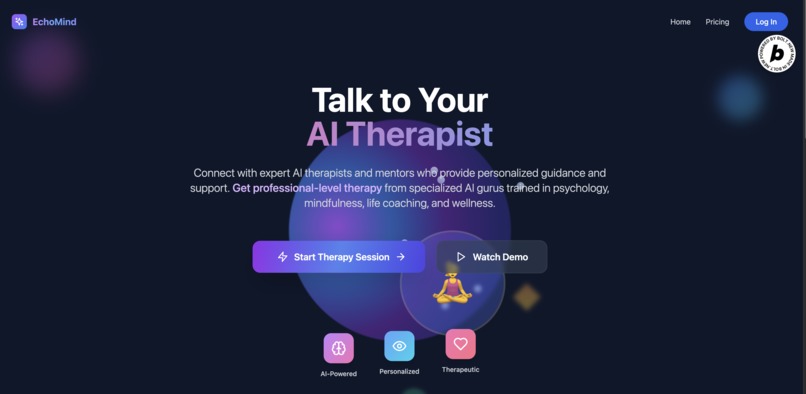
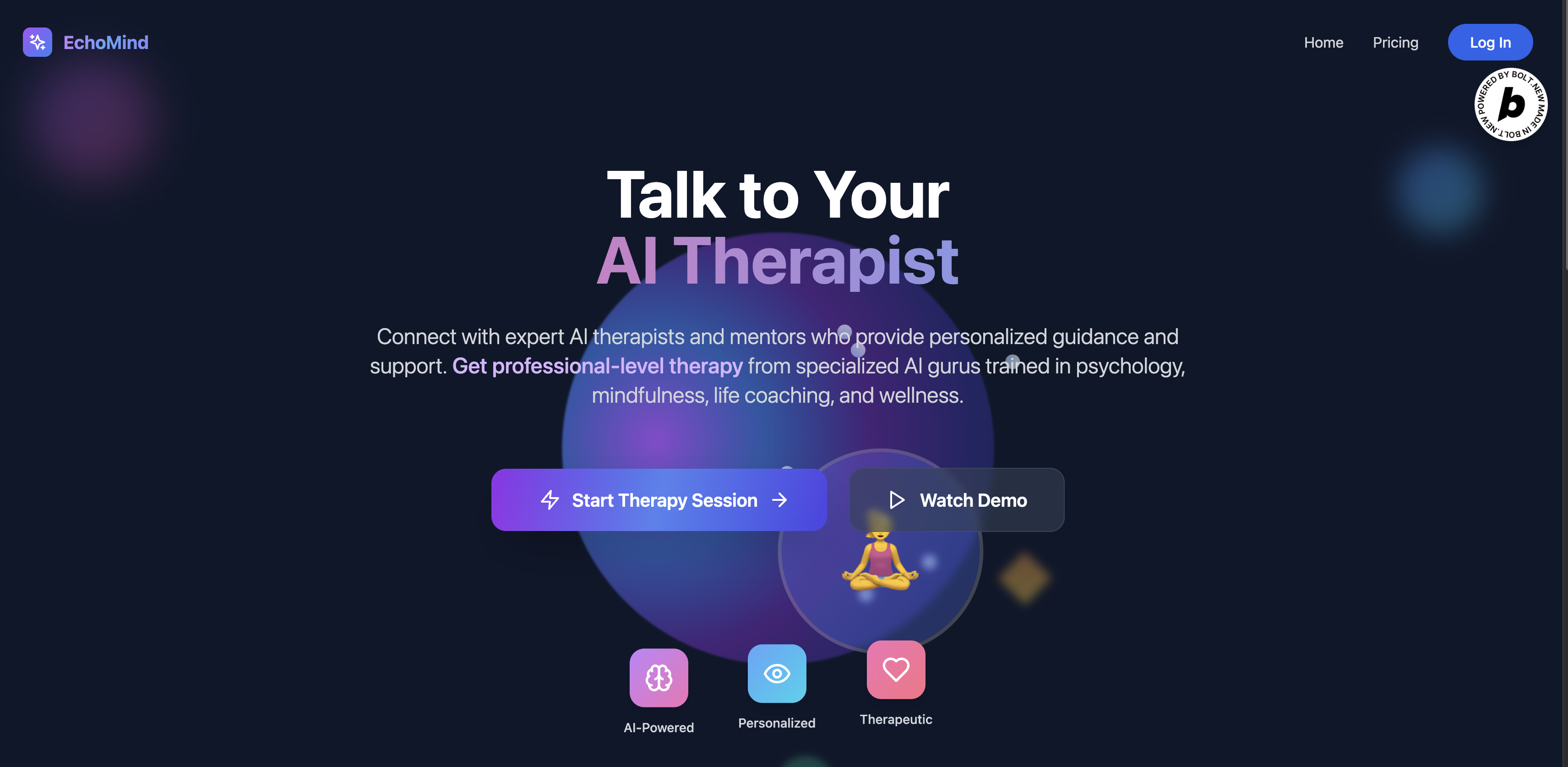
Talk to AI - therapist
-
Inspiration
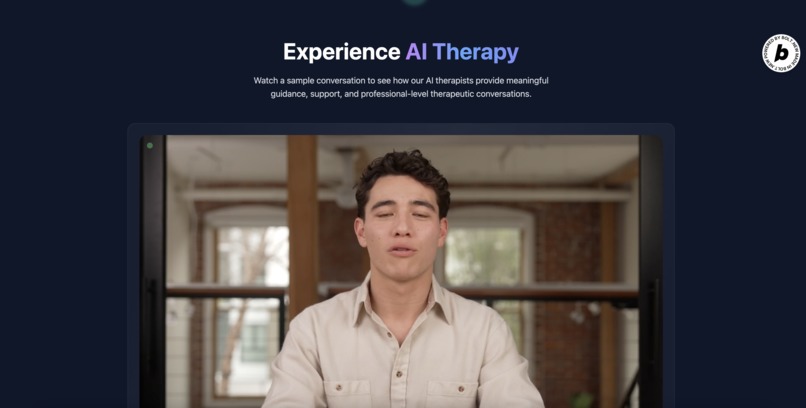
What if anyone could access emotional support—instantly, privately, and without judgment? Echomind was born out of this need. During a time of personal reflection, we envisioned a tool where people could talk through their struggles without stigma or waiting. Not with a chatbot, but face-to-face with an AI psychologist designed to listen and respond with care.
What it does
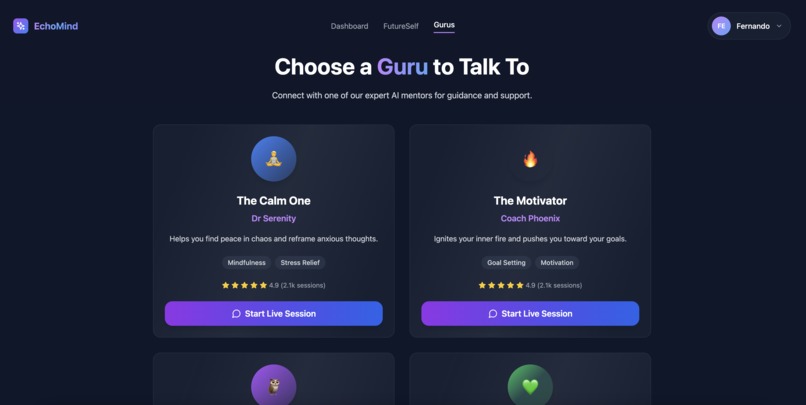
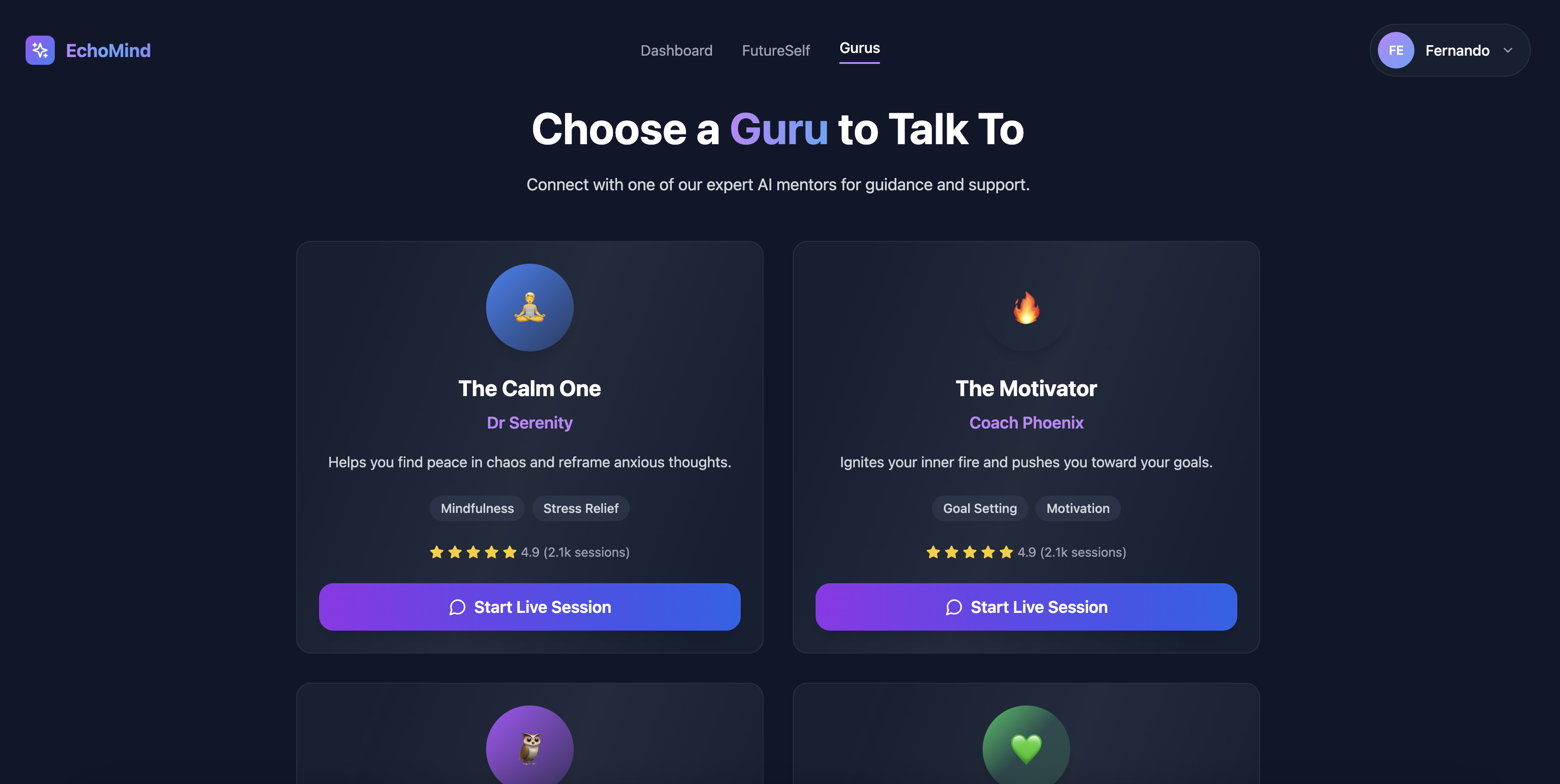
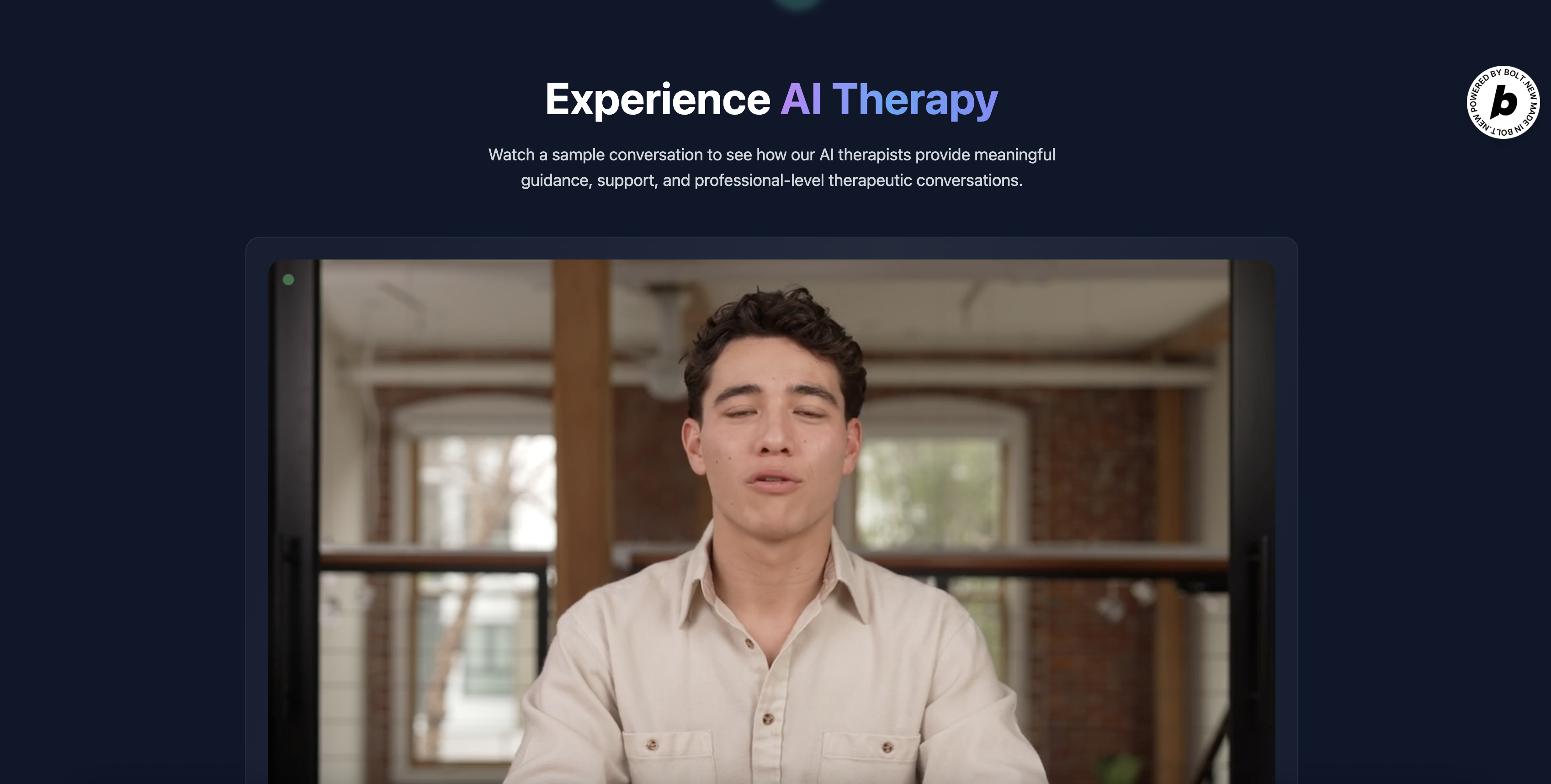
Echomind allows users to have 1-on-1 video conversations with AI-powered therapists. You’re greeted by a calming virtual “guru” who listens to your thoughts and offers intelligent, compassionate responses—whether you’re processing a difficult emotion, facing a decision, or just need to feel heard. All conversations are private, on-demand, and emotionally attuned.
How we built it
We used Bolt.new to rapidly prototype the full user flow. Our tech stack includes:
- Tavus API to generate therapist-like AI video avatars that respond in real-time.
- Supabase for auth, video state logic, and Edge Functions to securely handle Tavus interactions.
- React & Tailwind for responsive UI design.
- Netlify for hosting and deployment.
The therapist personas are powered by a custom system prompt, combining tone control, therapeutic models, and natural conversational flow.
Challenges we ran into
- Designing a system prompt that balances emotional depth with clarity.
- Technical problems with "training your own replica" in tavus API
- Creating a UI that feels safe, calm, and intuitive, even in moments of stress.
Accomplishments that we're proud of
- Built and launched a functional mental health app in less than 2 weeks.
- Developed a fully autonomous therapist experience—no scripts, no chatbots, just you and a listening AI.
- Created a design that feels emotionally intelligent, not transactional.
What we learned
- Prompt engineering is critical when creating emotionally sensitive AI tools.
- People don’t just want answers—they want to feel seen and heard.
- Bolt + Supabase + Tavus = a powerful low-code/AI stack for real-time mental wellness experiences.
- Security, latency, and tone matter deeply in therapeutic settings.
What’s next for Echomind
- Add memory tracking so the AI can recall previous sessions and follow emotional progress.
- Introduce mood check-ins and journaling before and after calls.
- Offer voice-only and text-based options for greater accessibility.
- Expand the AI team with diverse therapeutic personas for different cultural, emotional, and linguistic contexts.
- In future versions, introduce the concept of a “Future Self” as a reflective persona built from user training videos.
Built With
- authentication
- bolt
- daily.co
- javascript
- react
- supabase
- tailwindcss
- tavus
- typescript

Log in or sign up for Devpost to join the conversation.