
Inspiration
On March 7, 2025, a tragic incident occurred in Bangladesh that deeply impacted the nation. An 8-year-old girl was assaulted by her sister’s husband and in-laws, resulting in her untimely death (Rest In Peace). This heartbreaking incident highlighted yet again how vulnerable women and children are in our society. The event left me wondering:
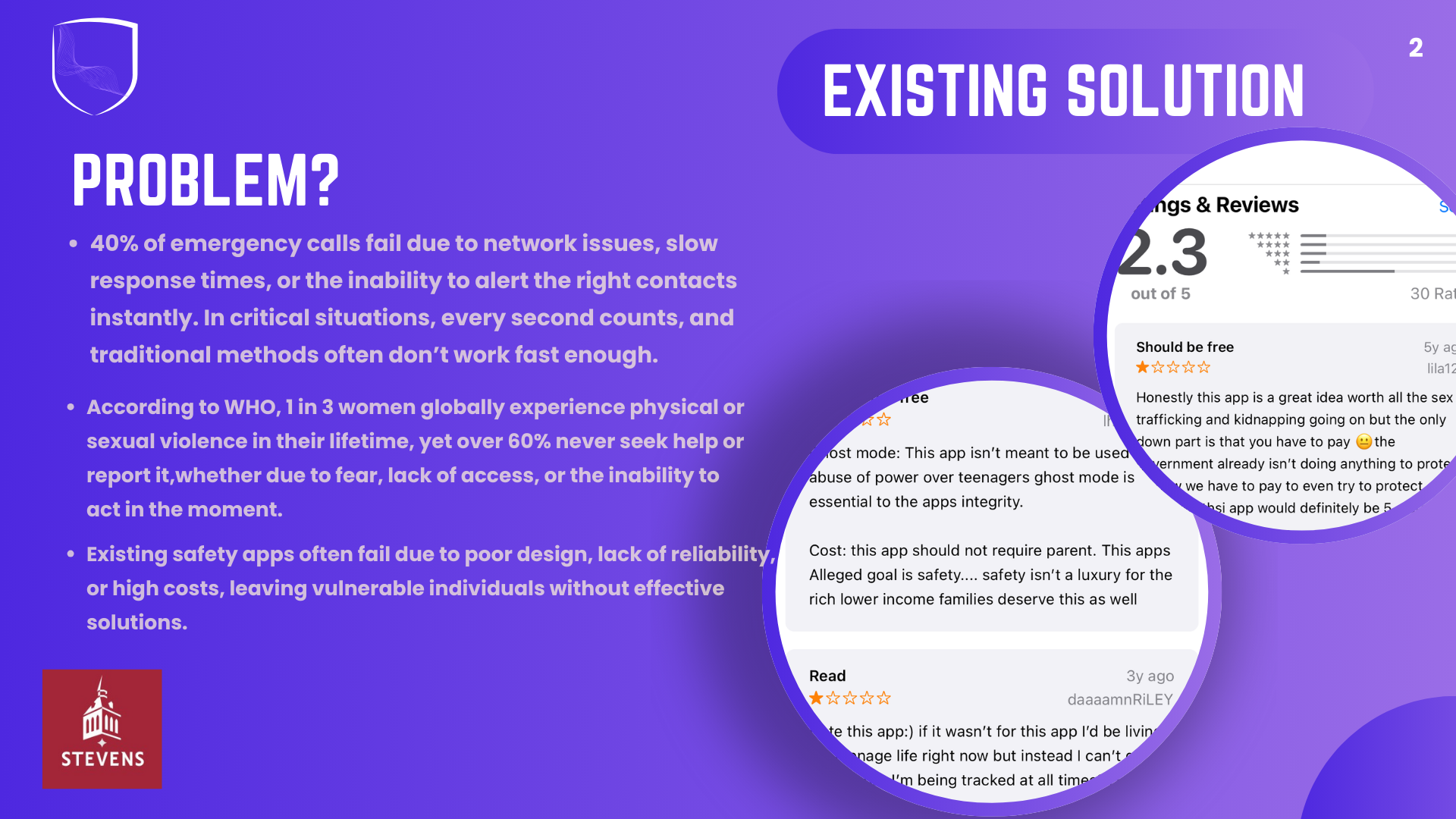
Could there have been a way to save her? What if she had a discreet way to alert someone for help? During my research, I discovered that the top SOS apps available on the App Store had an alarmingly low average rating of 1.3 stars, showing that many existing solutions were unreliable and ineffective. This sparked the idea to build a better solution—a system where a user’s live location can be shared with emergency contacts through just their voice, ensuring they can seek help even in the most dangerous situations.
What It Does
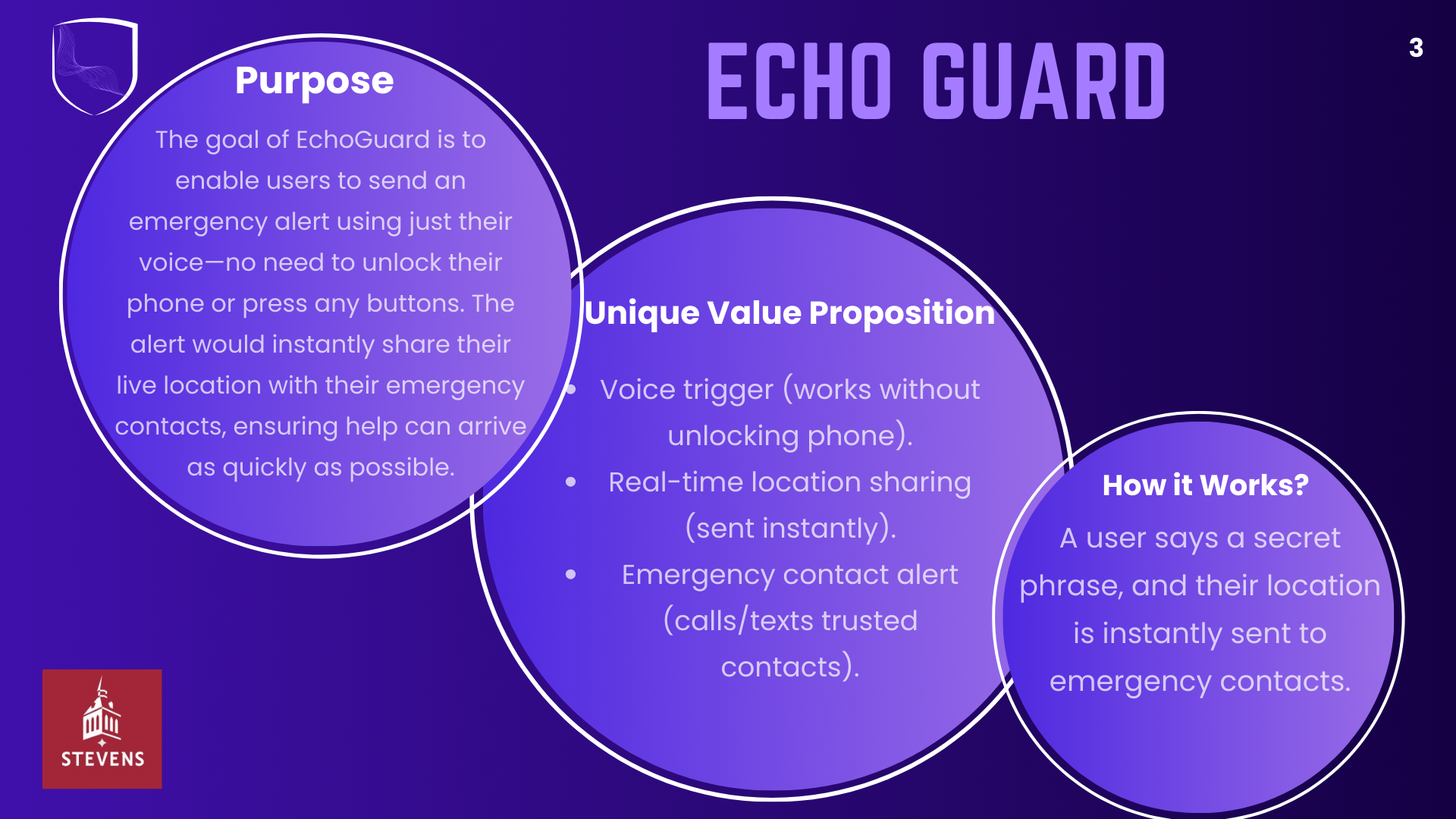
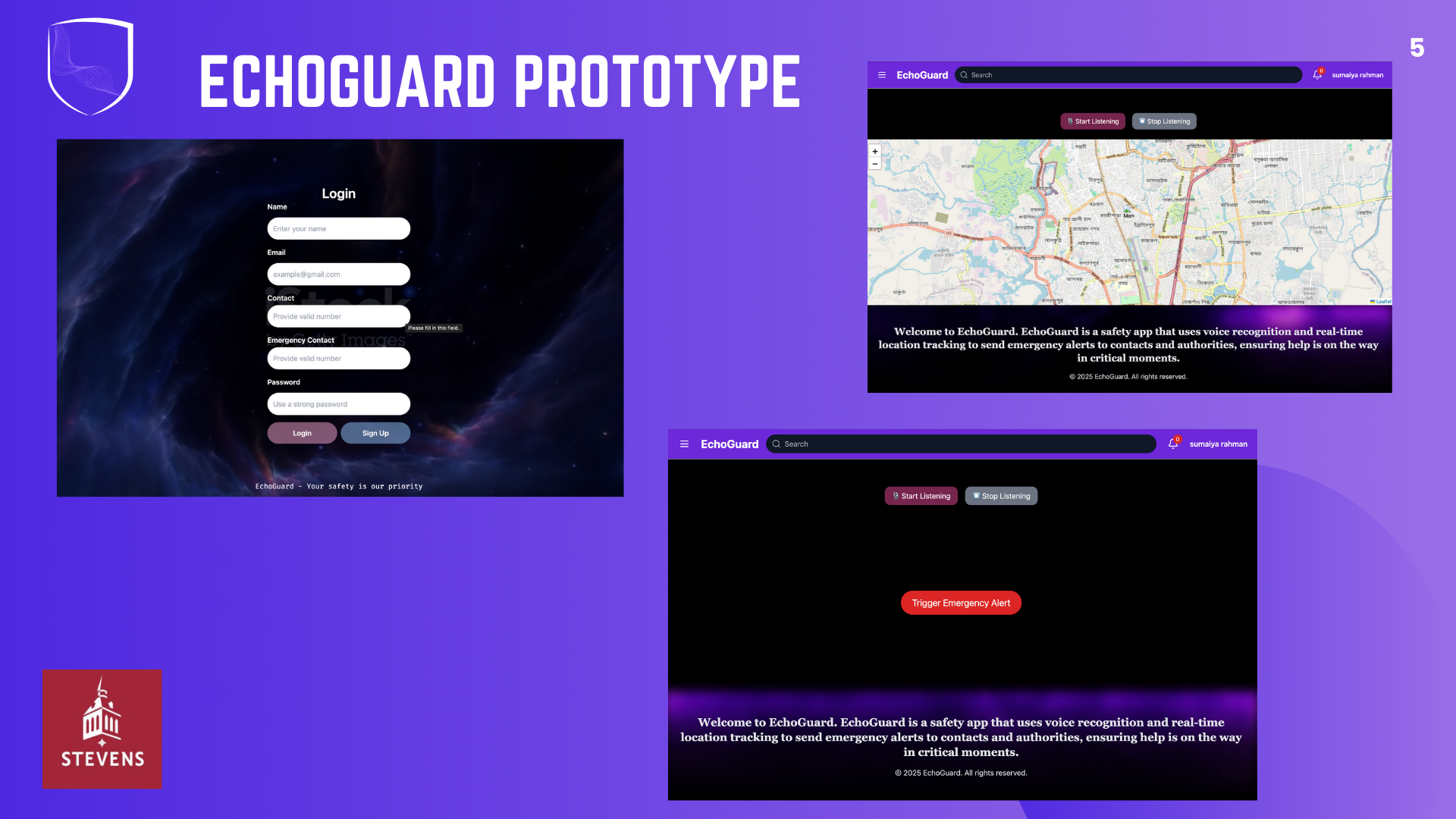
This SOS (Save Our Souls) system is designed to provide a discreet and reliable way for users to alert their emergency contacts in case of danger. Here’s how it works:
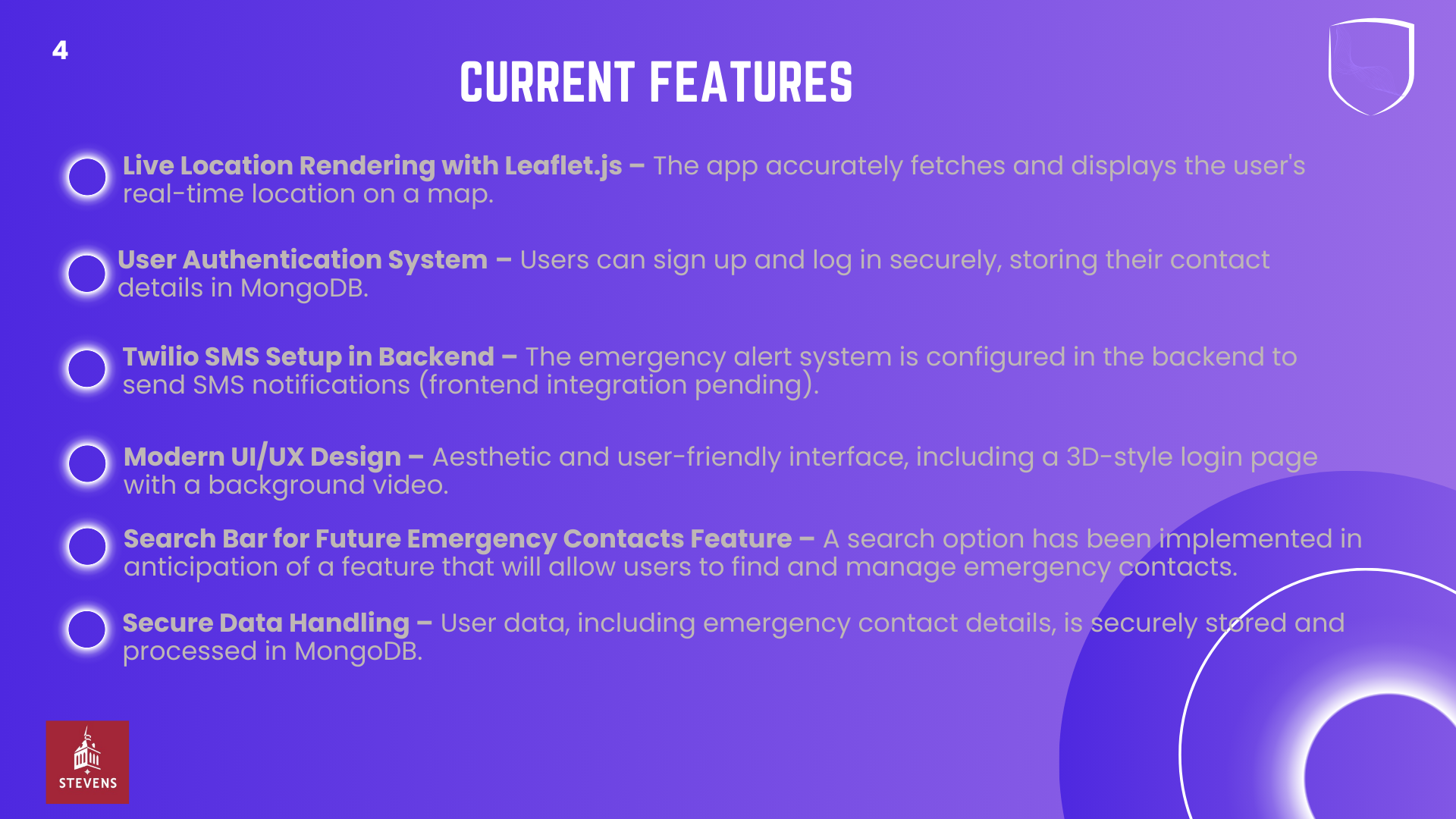
Voice Activation: The user can trigger the alert by simply saying a predefined emergency phrase, such as "Help me!". This eliminates the need for manual interaction, making it useful in situations where the user cannot use their hands or is in a compromised position. Real-time Location Sharing: Once the emergency phrase is detected, the app shares the user’s live location in real-time with their emergency contacts. The location is sent instantly via SMS, ensuring the contact knows exactly where the user is located.
How We Built It
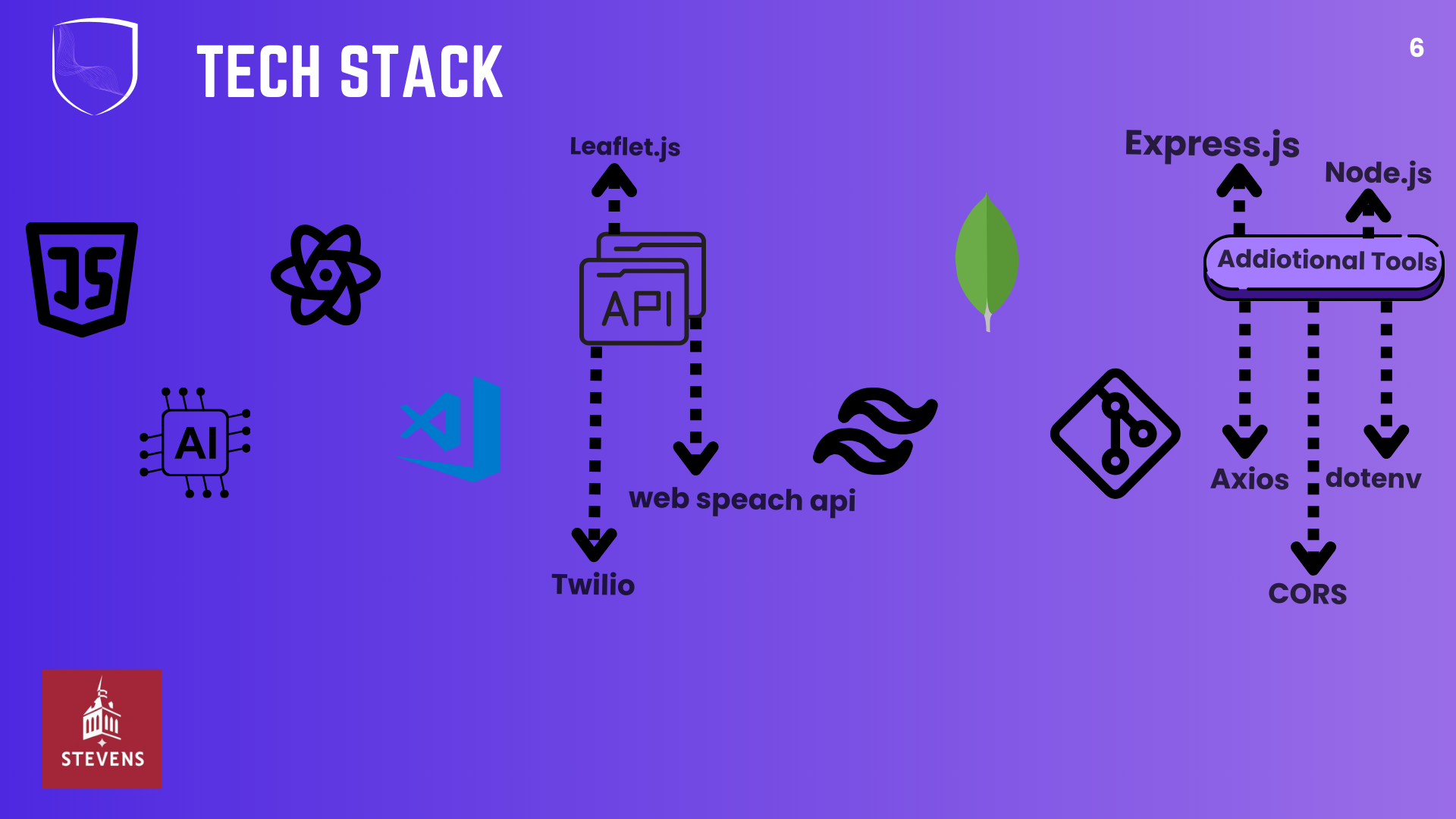
Tech Stack: Languages & Frameworks: JavaScript, React, Node.js, Express Frontend: React, Tailwind CSS Backend: Node.js, Express Voice Recognition: Web Speech API (for voice detection) Twilio: For sending SMS alerts to emergency contacts Real-time Location: Using the browser’s geolocation API(leaftlet.js) Database: MongoDB (if needed for storing user data) Key Features Implemented: Integrated voice recognition to detect a pre-set emergency phrase such as "Help me!" Enabled real-time location sharing with emergency contacts using GPS and mobile data. Designed a simple and intuitive UI that makes it easy for the user to activate the SOS system discreetly in any situation.
Challenges We Faced
1.Voice Accuracy: Ensuring the voice recognition system correctly identifies the emergency phrase without false triggers. Fine-tuning the algorithm to accurately detect specific keywords was a key challenge. 2.Latency Issues: Ensuring that the location is shared instantly with emergency contacts without significant delays, especially during high-pressure situations, was tricky.
Accomplishments that we're proud of
Successfully developed a voice-activated SOS system that reliably detects emergency phrases. Implemented real-time location sharing so emergency contacts receive immediate alerts with the user’s precise location. Overcame challenges with voice recognition accuracy to improve trigger reliability. Designed an easy-to-use interface that allows users to discreetly activate the SOS alert in urgent situations. Built a fully functional prototype within the limited time frame of the hackathon. Gained hands-on experience with new technologies and frameworks while problem-solving under pressure.
What We Learned
Researching existing SOS solutions showed us that many apps fail when users need them the most—particularly in high-stress environments. We learned about voice recognition technology and its potential applications in emergency situations, along with the challenges it poses in terms of accuracy. Working on a hackathon project emphasized the importance of rapid prototyping and efficient problem-solving when faced with limited resources and time constraints.
What's next for EchoGuard
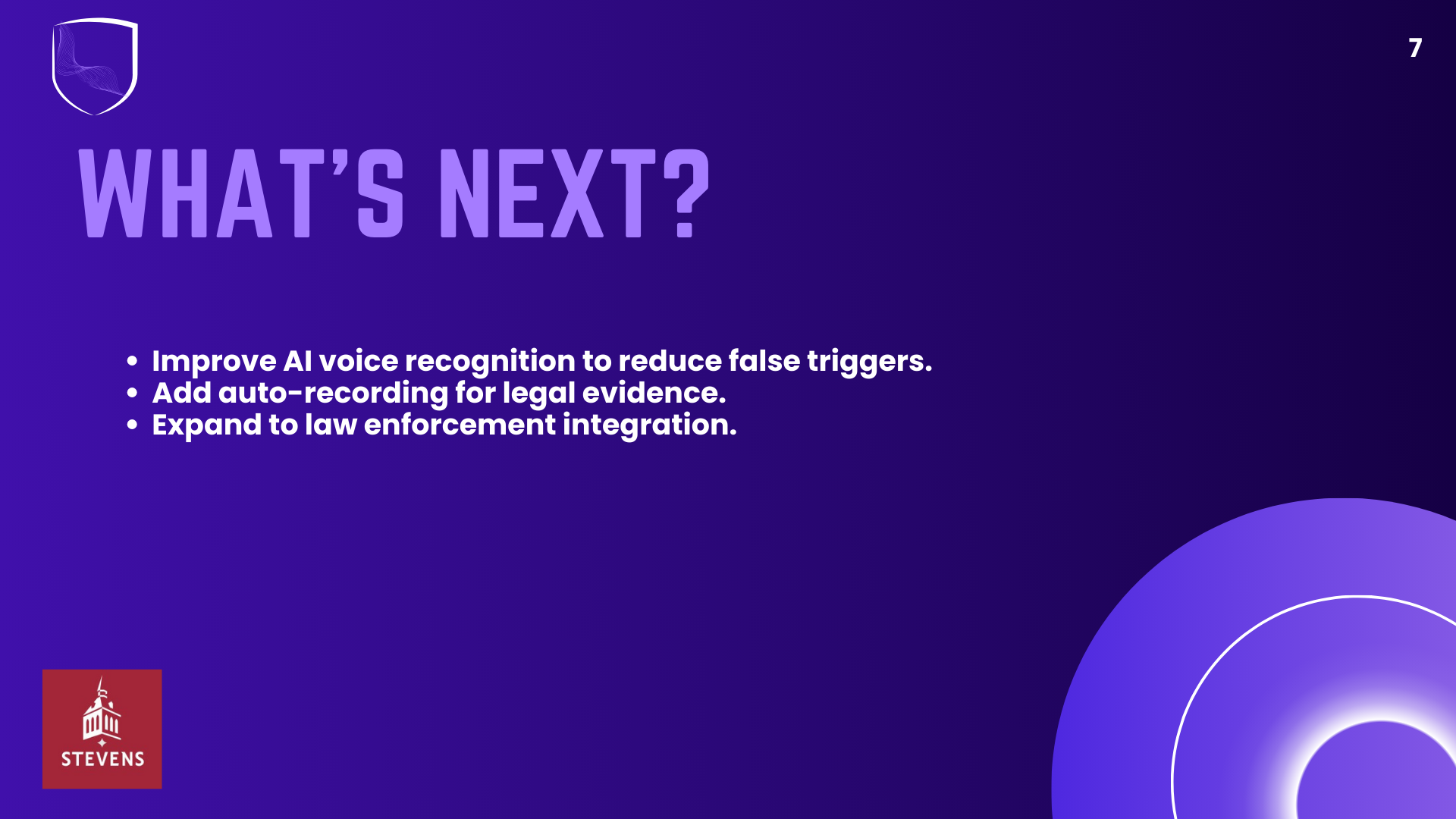
Improve AI-based Voice Recognition: Enhance the accuracy of voice recognition to reduce false triggers, making the system even more reliable. Auto-Recording Feature: Add an auto-recording feature that starts capturing audio as soon as the SOS alert is activated. This could provide crucial evidence in case of an emergency. Expand Emergency Contacts and Integrate Law Enforcement: Support multiple emergency contacts and potentially integrate with law enforcement systems for a more holistic emergency response system.
Built With
- express.js
- javascript
- leaflet.js
- mongodb
- node.js
- react
- tailwind
- twilio
- webspeachapi


Log in or sign up for Devpost to join the conversation.