-
-
-
-
-
-
-

logo
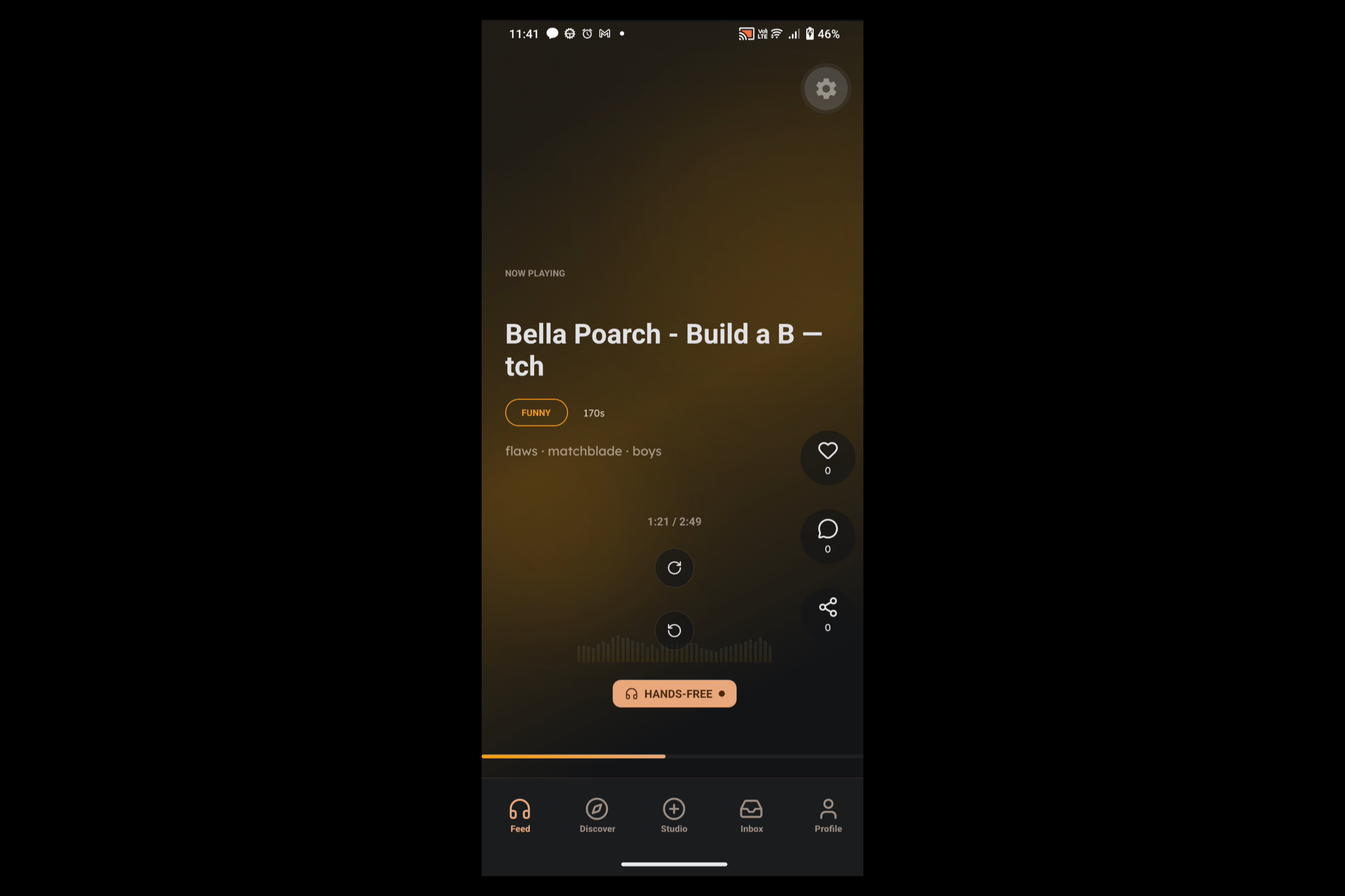
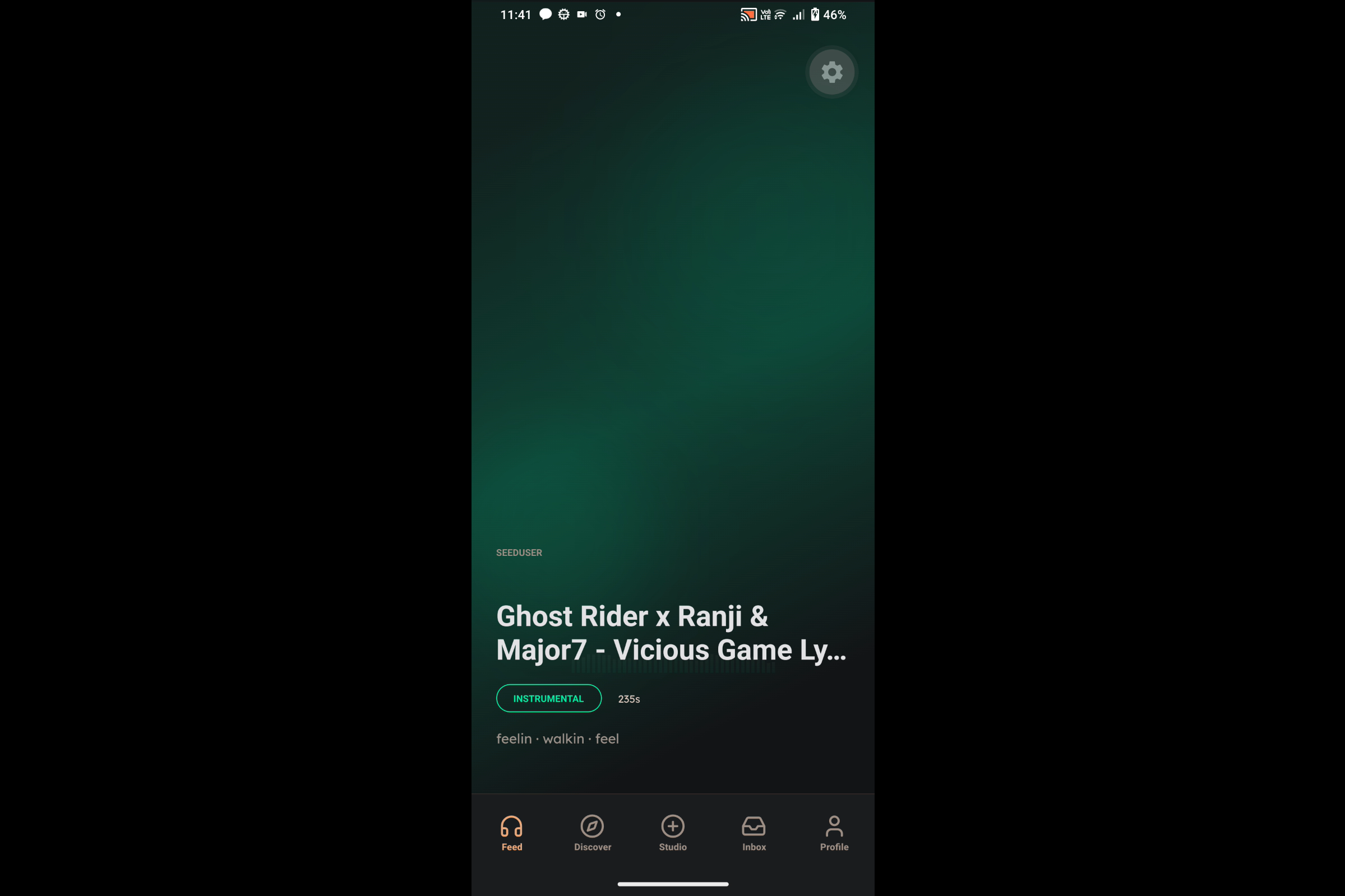

Inspiration: The starting frustration was real: people want short-form social content while their eyes or hands are busy (driving, working, commuting, gym), but Instagram/TikTok require visual attention and do not support true background scroll. Existing audio (music, podcasts, serial fiction) already occupies those windows but lacks the low-commitment, variable-reward feed mechanic that makes short-form video addictive.
The deeper inspiration, however, is incomplete. Multiple prior attempts (Pundit, Riffr, SOLVV, Shuffle, SoundByte-style products, and adjacent social-audio experiments) already chased the same “audio TikTok / micro-podcasting / voice-first social feed” framing between 2016–2025. None reached meaningful scale. The only large audio successes (Pocket FM, Kuku FM) used the opposite loop: long-form serialized narrative + cliffhangers + micro-payments. Both later added short-form video. The inspiration is therefore less “untapped need” and more “repeatedly tested form with structural headwinds that has not yet been killed or proven by this team.”
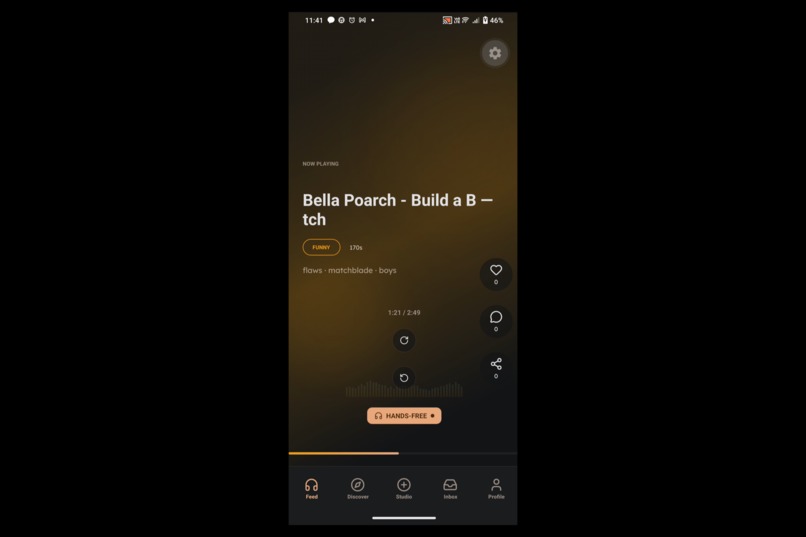
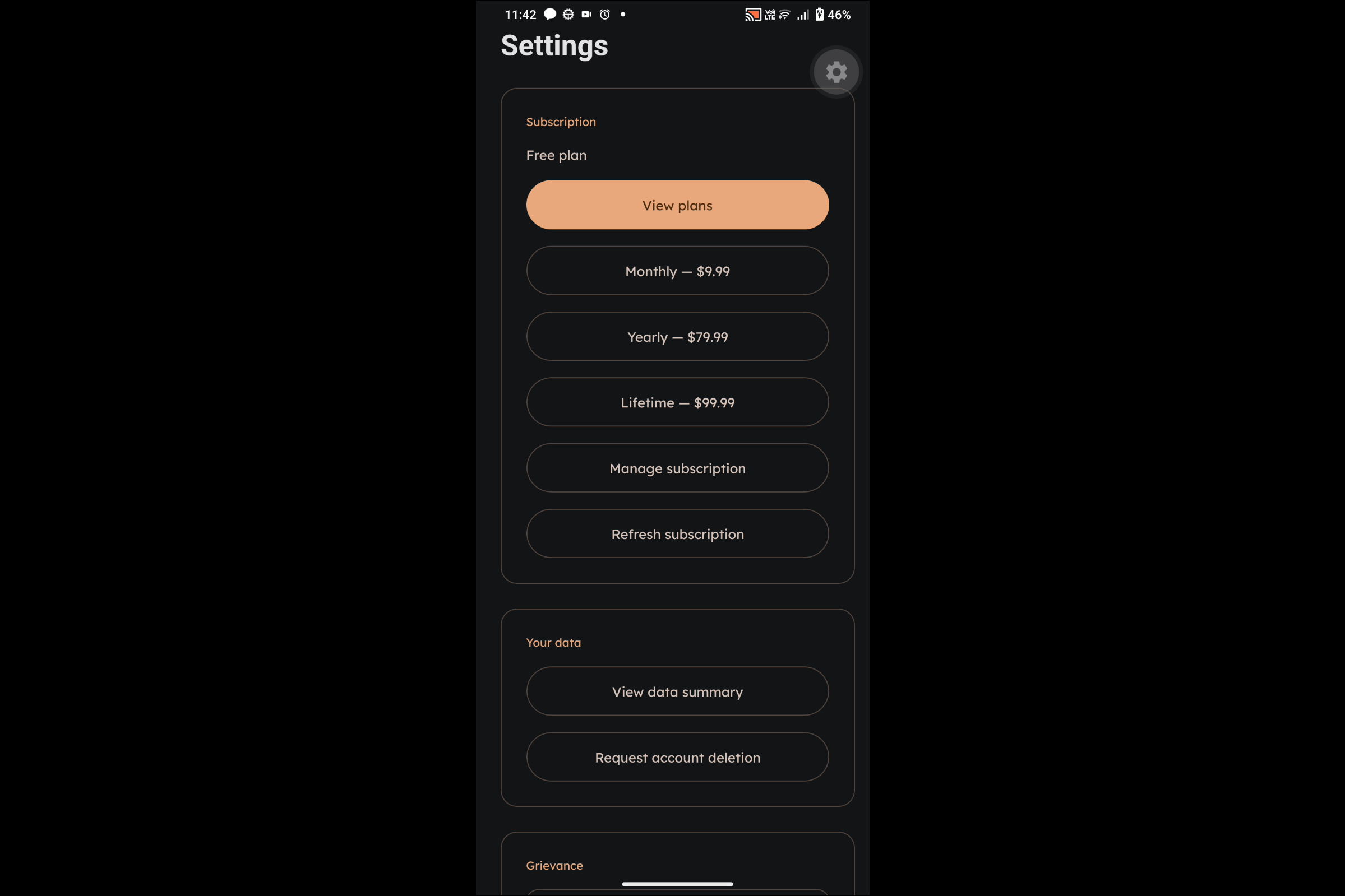
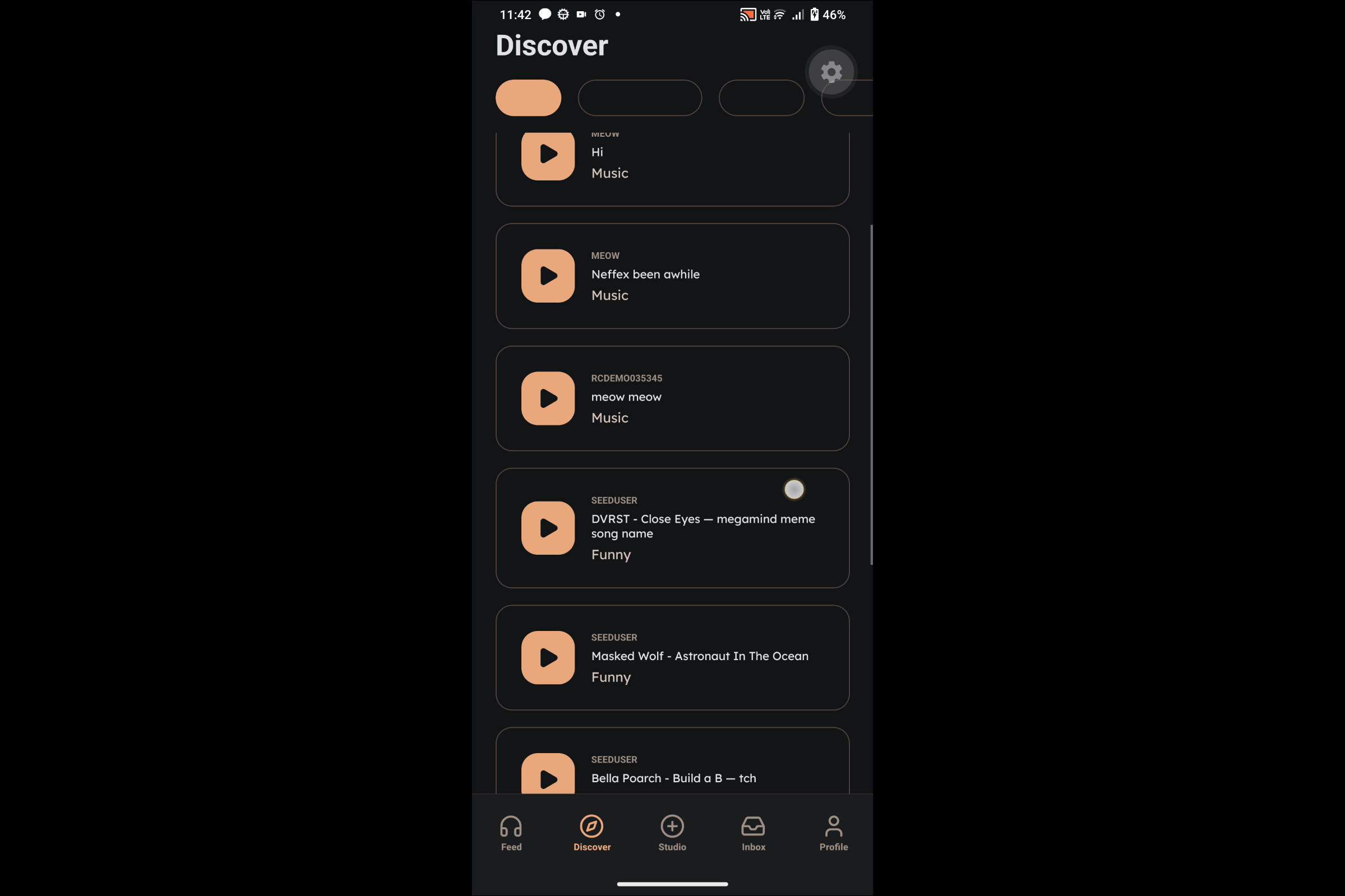
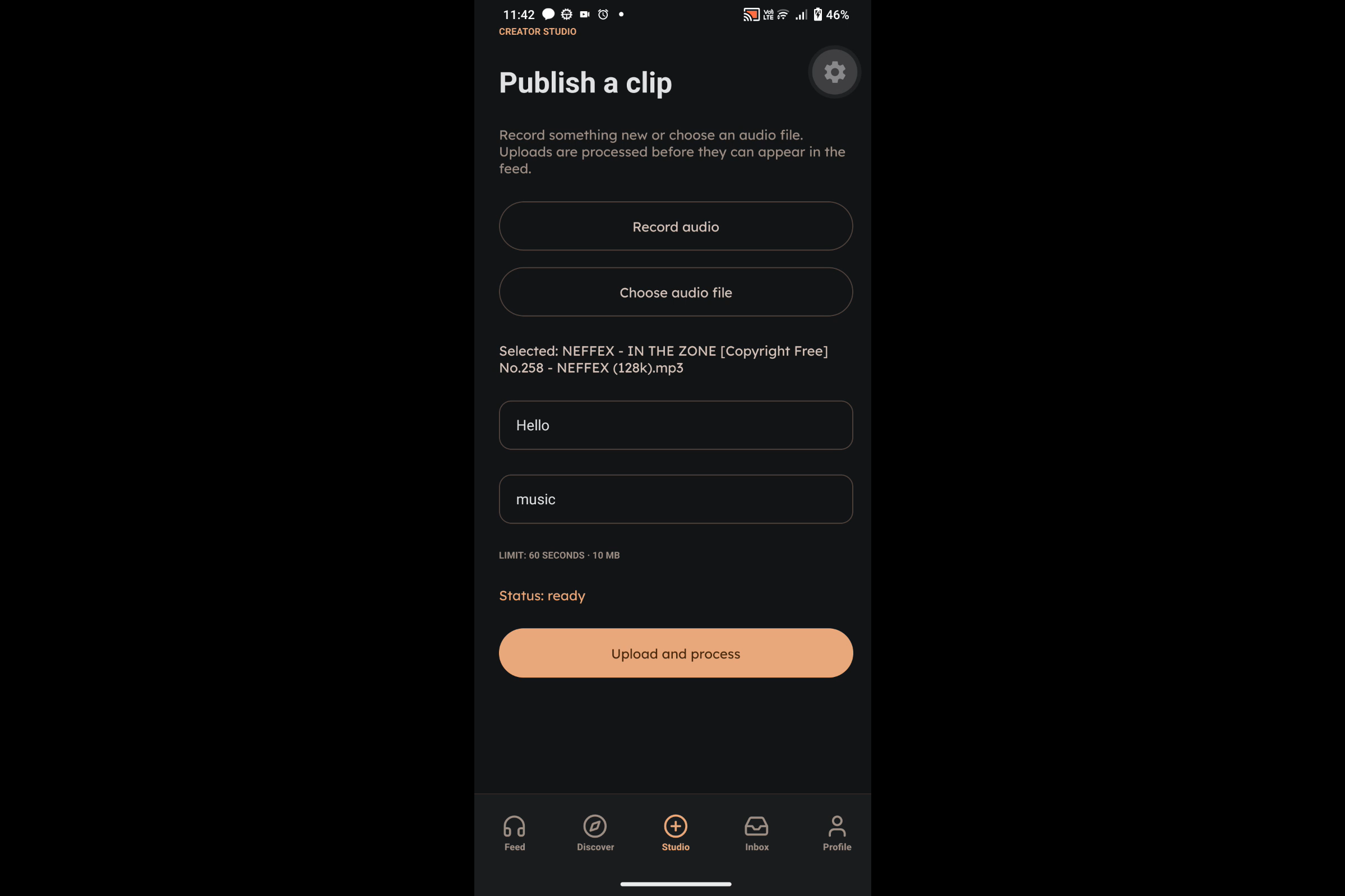
What it does: Echoflow is conceived as a short-form audio social feed (Twitter/TikTok-style scroll) for eyes-busy moments. Core proposed loop: creators post short audio clips; users consume via smart auto-scroll (hands-free) with optional visual thumbnails or small looped videos for preference learning and discovery; pure audio mode for true background use; audio hooks at the start of clips to reduce sampling cost; and a community layer that claims stronger human connection via voice intimacy.
In practice, the product still rests on an unvalidated assumption: that the scroll-and-skip dopamine mechanic transfers to pure (or mostly) audio at low cognitive cost. Optional visuals are a partial admission that pure audio discovery is hard. The “more human connection” claim has been the explicit thesis of several prior failed or stalled audio-social apps and has not yet been shown to produce retention or network effects at scale.
How we built it: We built Echoflow as an early prototype around the core short-form audio feed concept. The product was developed iteratively, exploring the main interaction ideas we identified during research: short audio clips, smart auto-scroll, optional visual elements, audio hooks, and a community layer.
We used the prototype and its development process to test and refine these ideas while continuously comparing them against what we learned from existing audio-social products and the broader market.
The current build should be treated as a prototype for validating the underlying product concept, rather than as a finished or fully validated product.
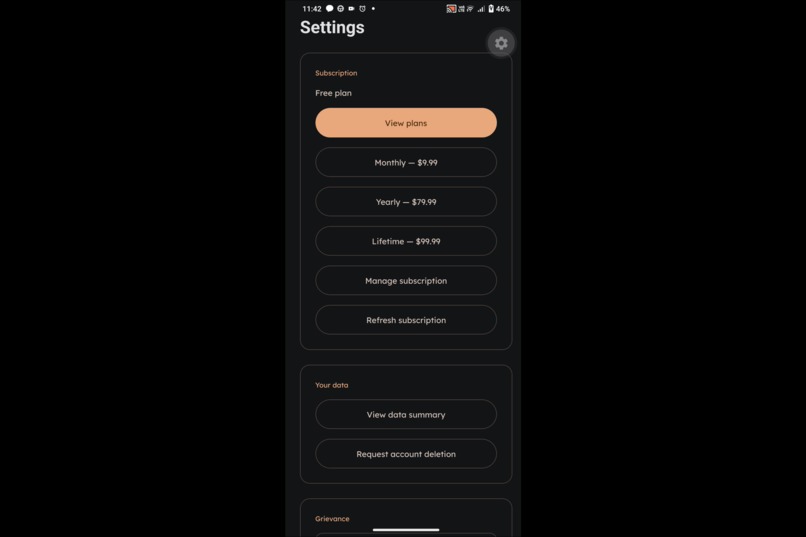
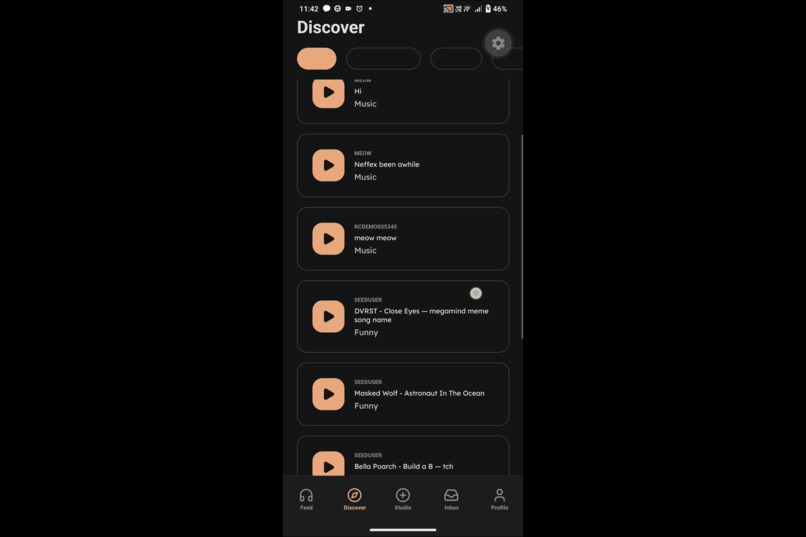
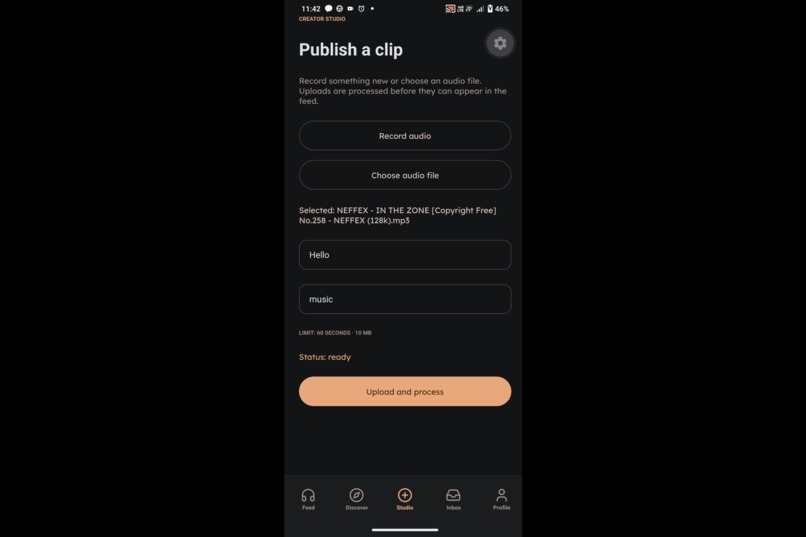
As the project stands, we have a deployed website with scrapped content for demo (https://app.echoflow.in). and an internal near finished android app prototype. You can see the code for the app in our repo (https://github.com/devansh1012007/EchoFlow), but it is still not available to real users.
Challenges we ran into: The primary challenge is not technical; it is epistemic.
- Structural discovery cost: audio lacks a cheap visual thumbnail equivalent. Users must listen before judging, raising decision cost versus video.
- Creator supply and vulnerability: raw voice is higher-stakes than filtered video; prior attempts never solved volume or quality.
- Growth and retention loops: network effects never formed in pure-audio short-form social; content libraries are copyable.
- Hybrid tension: adding optional thumbnails/loops/auto-scroll improves discovery for people who can look, but weakens the pure hands-free claim and creates a product that competes more directly with existing visual short-form.
- Moat illusion: “voice intimacy + better community” is not proprietary and is easily approachable by platforms that already own distribution and creator relationships.
- Safety/attention conflict if driving remains a flagship use case. Cognitive distraction research does not treat hands-free audio as risk-free.
These are not “execution challenges to overcome with better features.” They are pattern-level signals from the category’s history.
Accomplishments that we're proud of: Honest inventory: secondary market research and competitive mapping of the prior attempts; recognition that the idea sits in a latent/aspirational rather than hair-on-fire category; early articulation of 4Ms/SLIP/MVS language; and willingness to iterate on x-factors (auto-scroll, optional visuals, audio hooks, community).
What is missing, and therefore not yet an accomplishment: a cheap, dated, falsifiable test of the core mechanic; direct conversations with target users about existing eyes-busy behavior (not the pitch); a single clear flagship use case with its specific constraints; and a written kill criterion.
What we learned:
- Medium ≠ mechanic. Audio works for eyes-busy time. The short-form infinite-scroll dopamine loop has not been shown to transfer cleanly and has structural disadvantages relative to video.
- “Harder and more ambitious” is not the same as higher expected value. Choosing the form that multiple independent teams already stress-tested and failed to scale is often low-EV stubbornness, not courage.
- Starting with long-form for traction then switching to short-form is fragile: different user expectations, creator incentives, retention curves, and product identity.
- Feature creativity (smart auto-scroll, optional visuals, audio hooks, intimacy claims) is downstream of validating whether people can form fast, low-effort judgments on short audio at all. Optimizing a potentially broken base wastes time.
- Planning and feature lists feel like progress; they are not. The highest-leverage unknown remains untested.
What's next for Echoflow: Highest-leverage next action (do this before any further feature design or “cooking in the background”):
- Run the cheapest possible mechanic test. Shared folder of 20–30 short audio clips. Half with a simple spoken audio hook + pure audio; half with optional thumbnail or 2–3s looped visual. 10–15 people from the actual target demographic. Measure decision time, subjective effort, and whether pure-audio skip/continue ever feels automatic and compulsive. Stopwatch + structured observation is enough. No app required.
- Decide in advance: if pure (or mostly) audio judgment remains high-cost or non-compulsive, either kill the scroll hypothesis or radically reframe to a different mechanic (e.g., commit/binge narrative or a narrow high-ROI vertical). Write the date and the kill criterion down.
- Parallel: 15–20 short interviews focused only on current eyes-busy behavior and workarounds—no pitching. Look for whether any sharp, unmet friction exists that music/podcasts/serial audio do not already cover.
- Explicitly choose one flagship use case and its constraints (not “all eyes-busy moments”). Design only for that context’s safety, session length, and interaction limits.
Everything else—smart auto-scroll sophistication, community features, audio-hook tooling, visual preference learning—is premature until the base sampling cost is proven low enough to support an addictive loop. Continuing to stack features on an unfalsified assumption is the path prior attempts already walked. The disciplined path is to attack the assumption first.


Log in or sign up for Devpost to join the conversation.