-
-
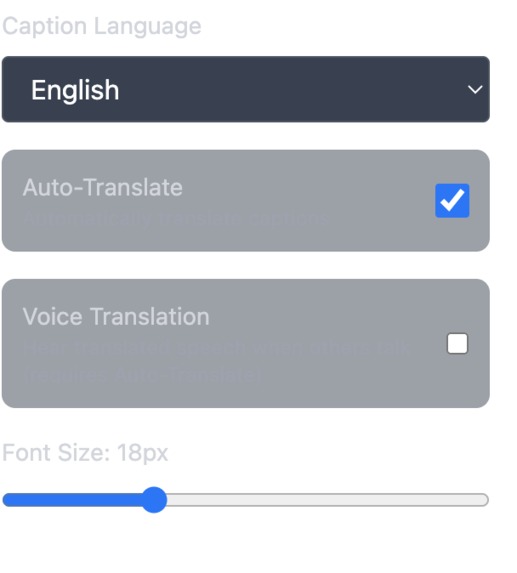
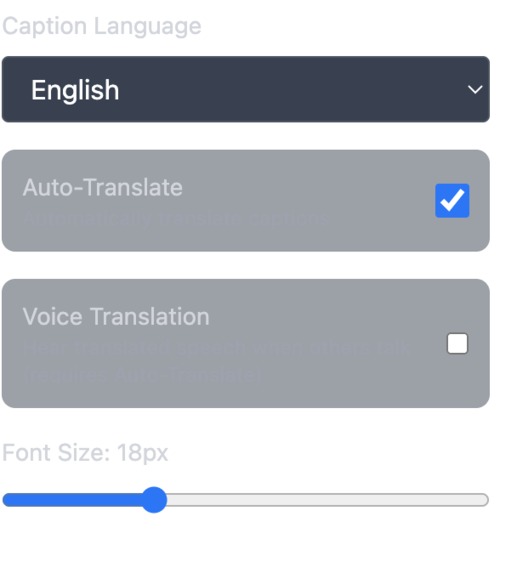
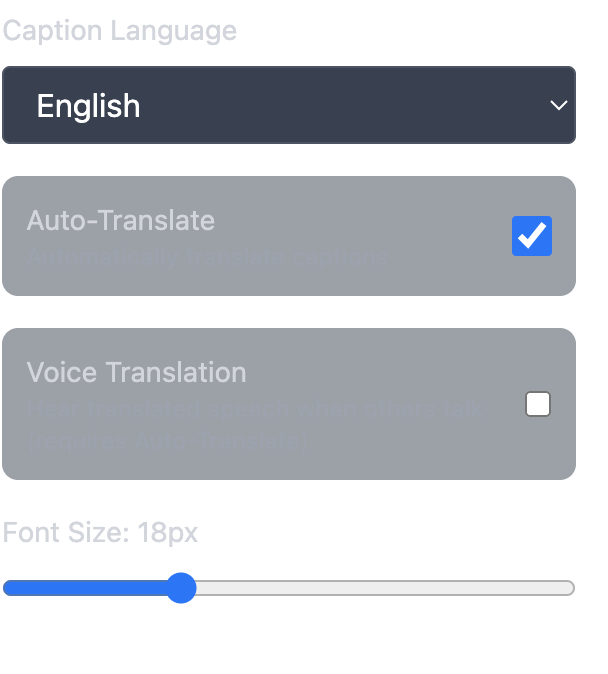
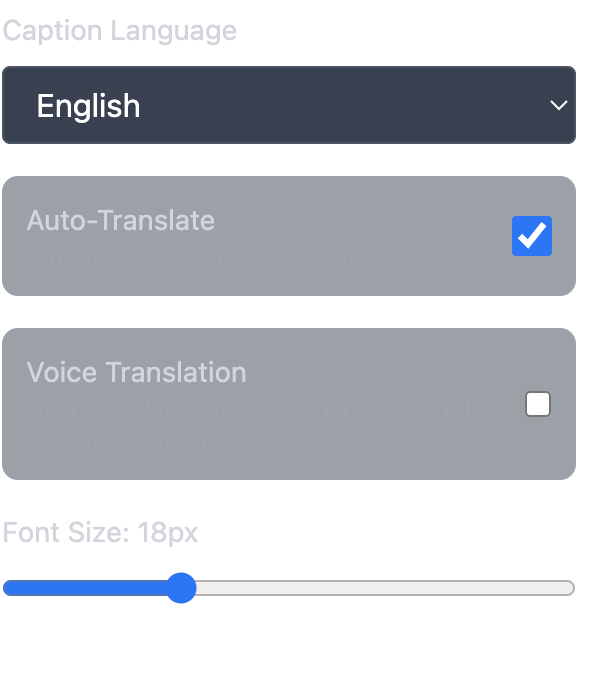
Real time Video Voice translation settings
-
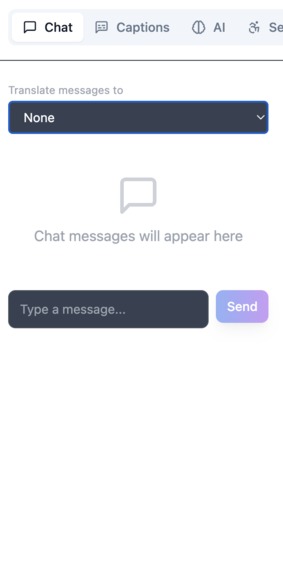
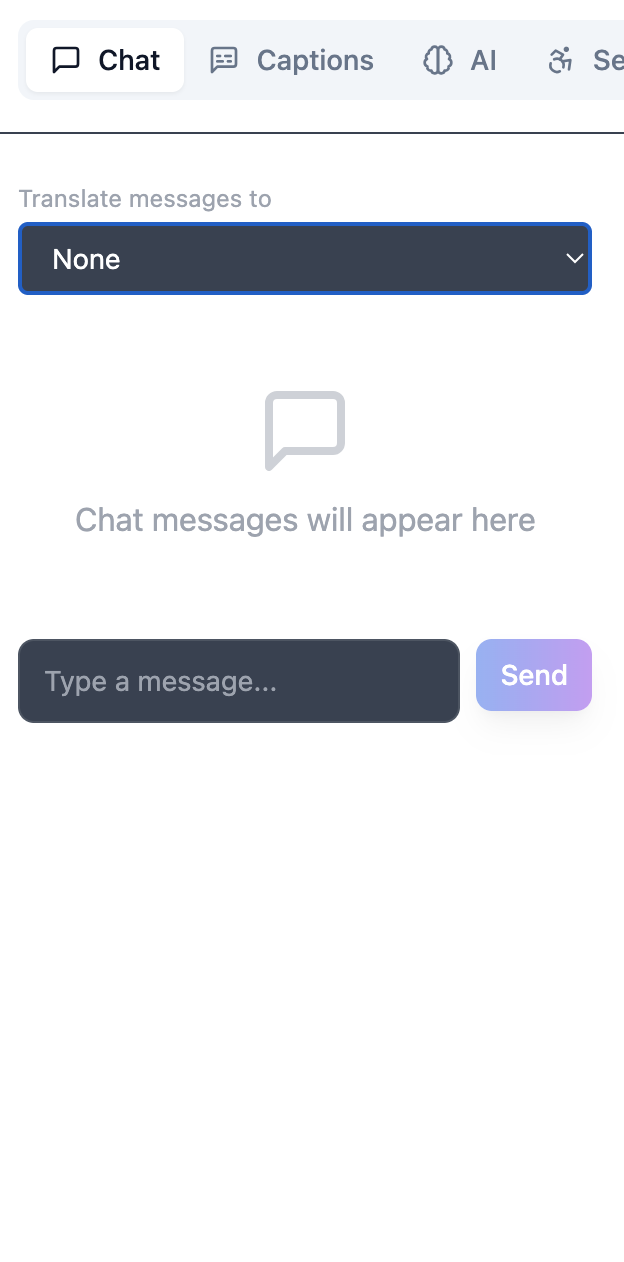
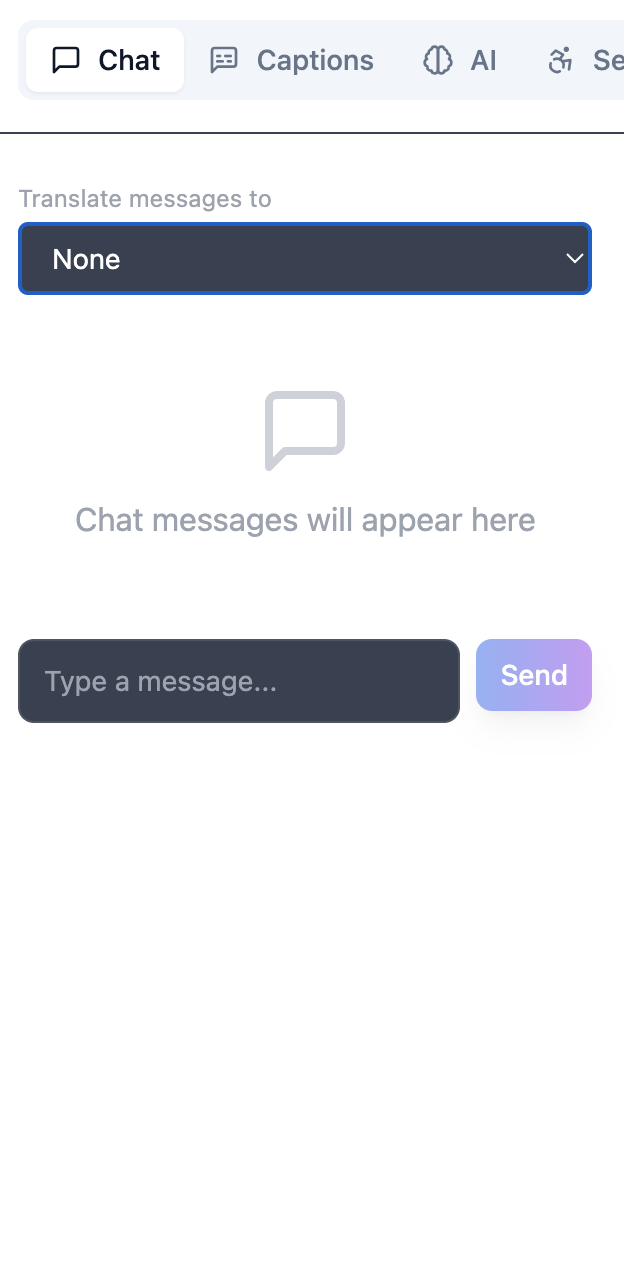
text to text chat
-
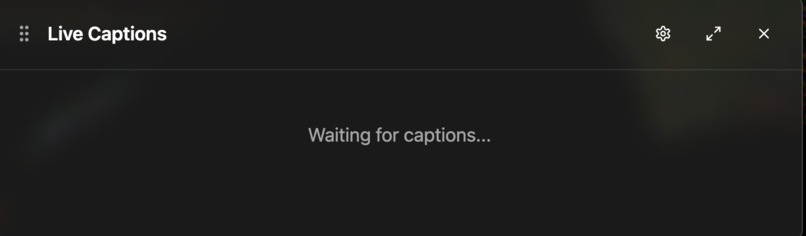
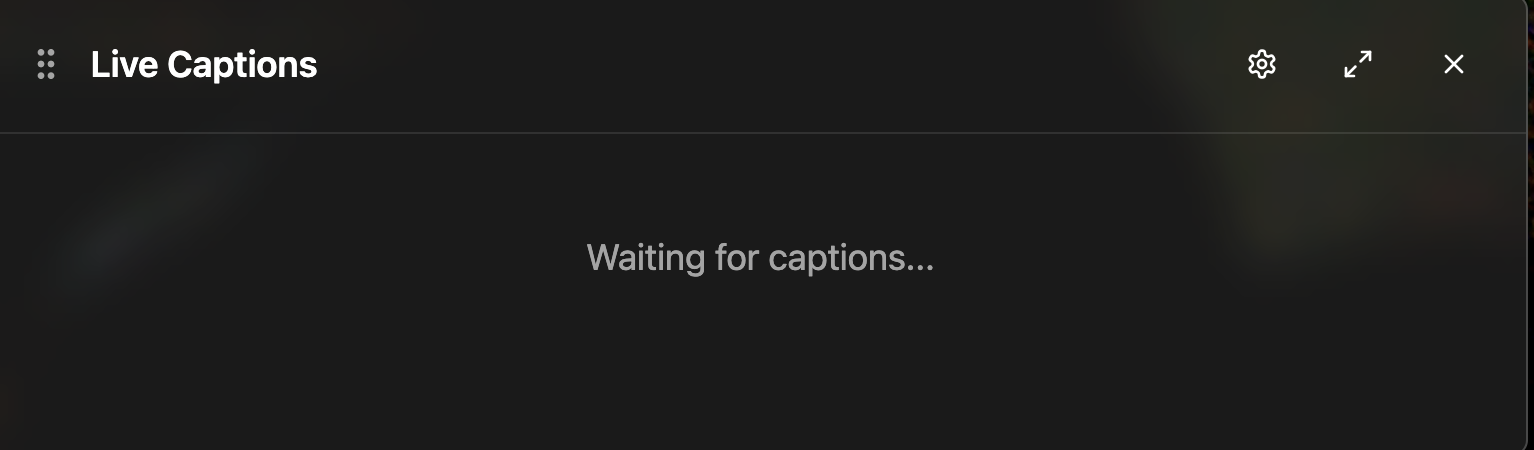
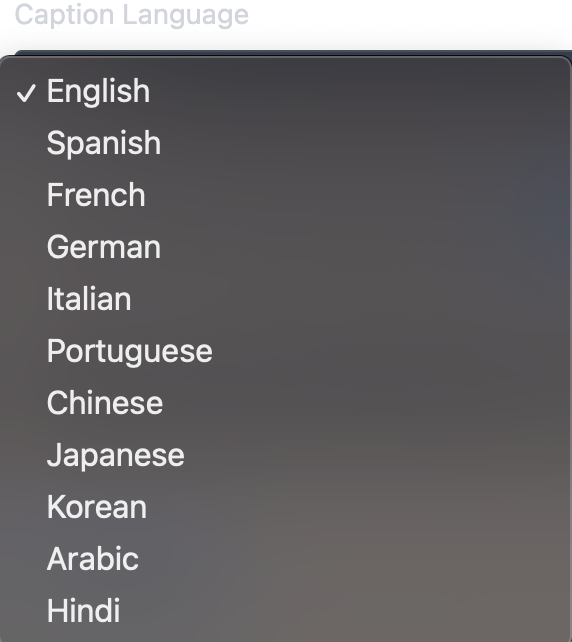
Live captions
-
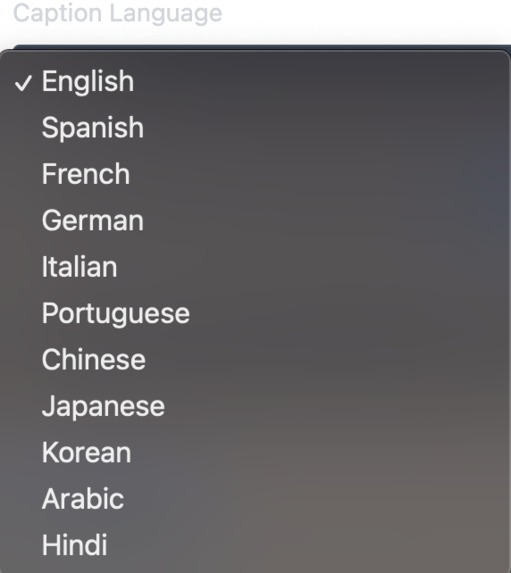
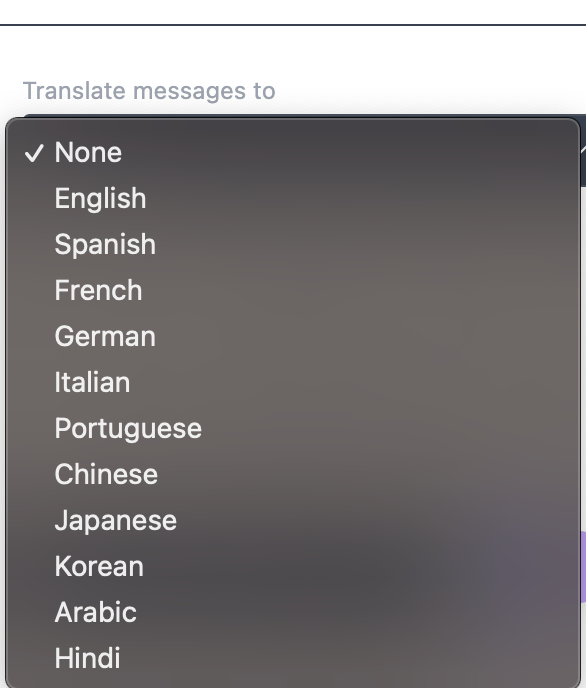
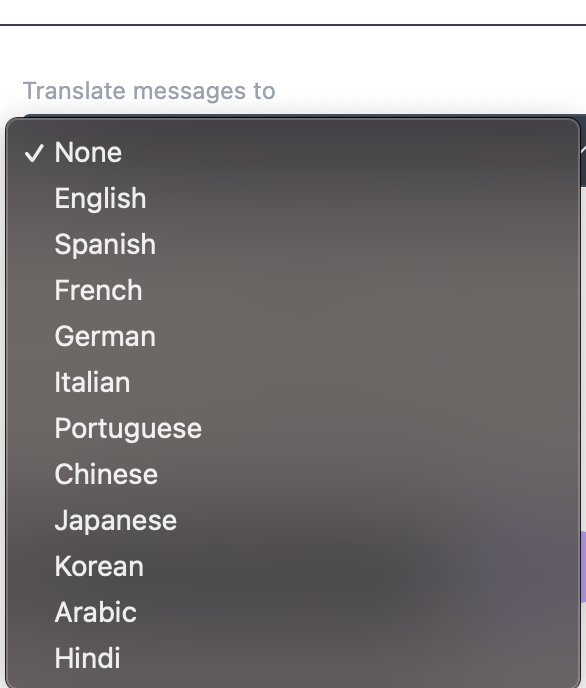
text to text real time translation
-
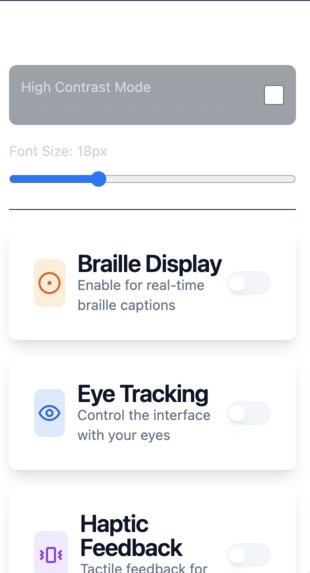
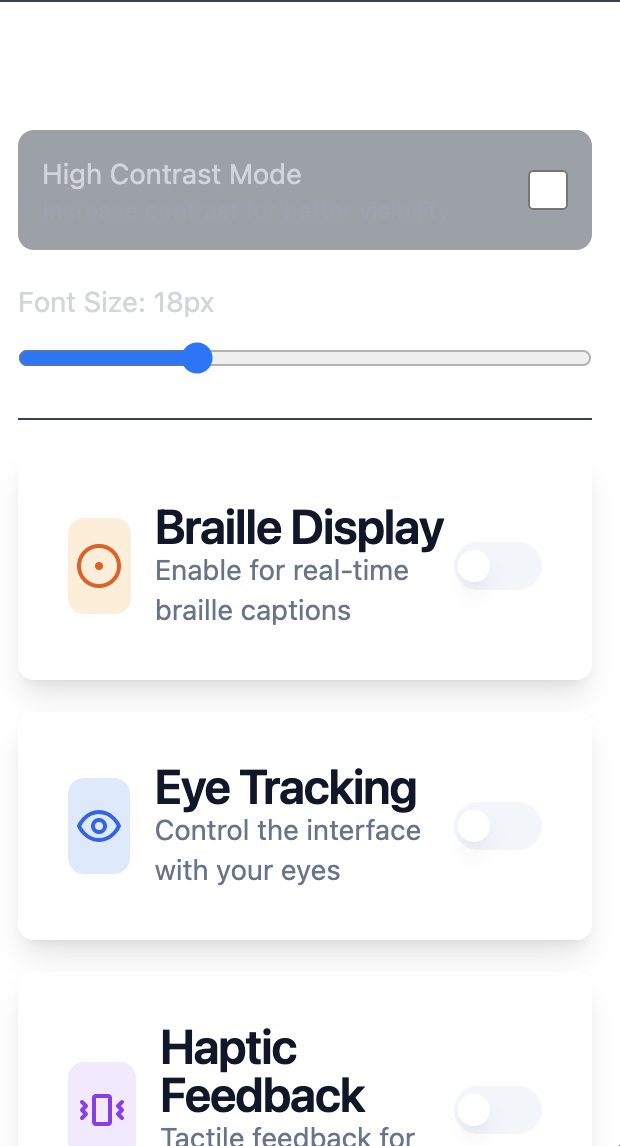
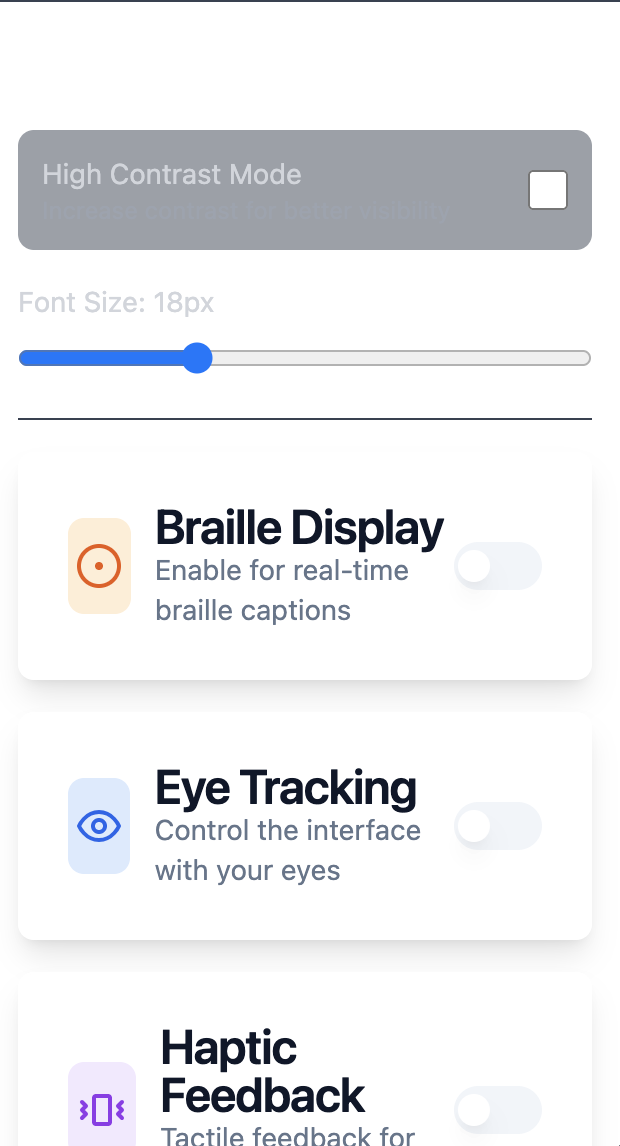
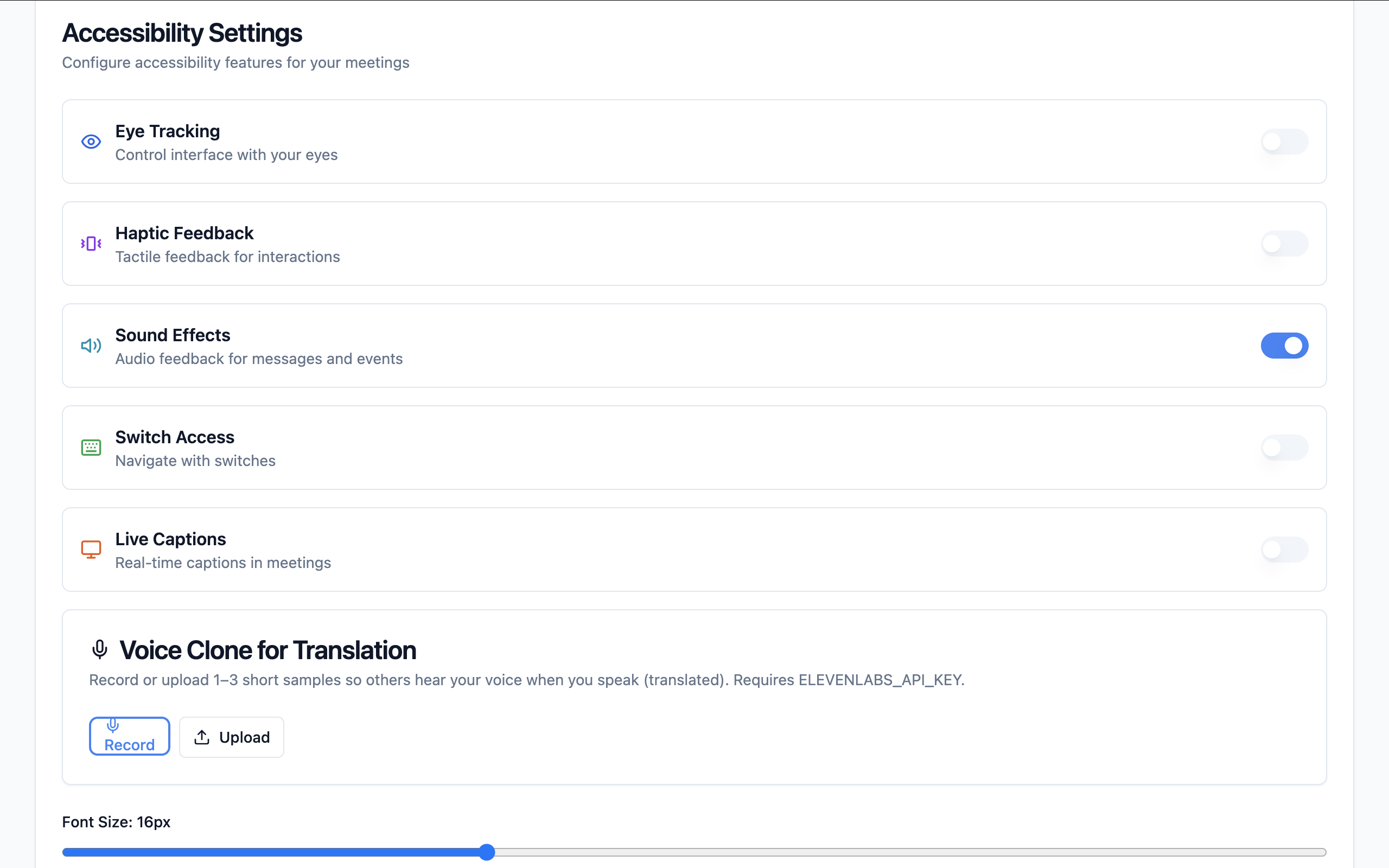
Haptic Settings
-
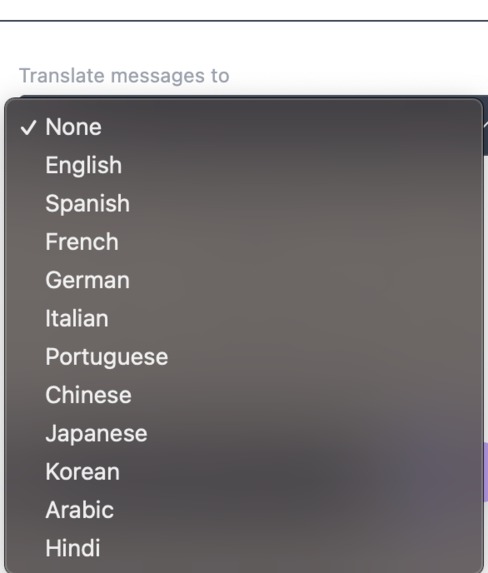
Real time voice translation
-
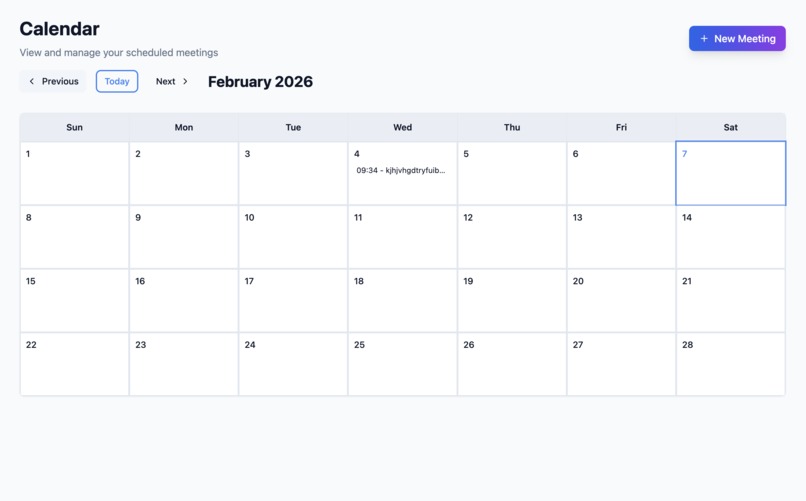
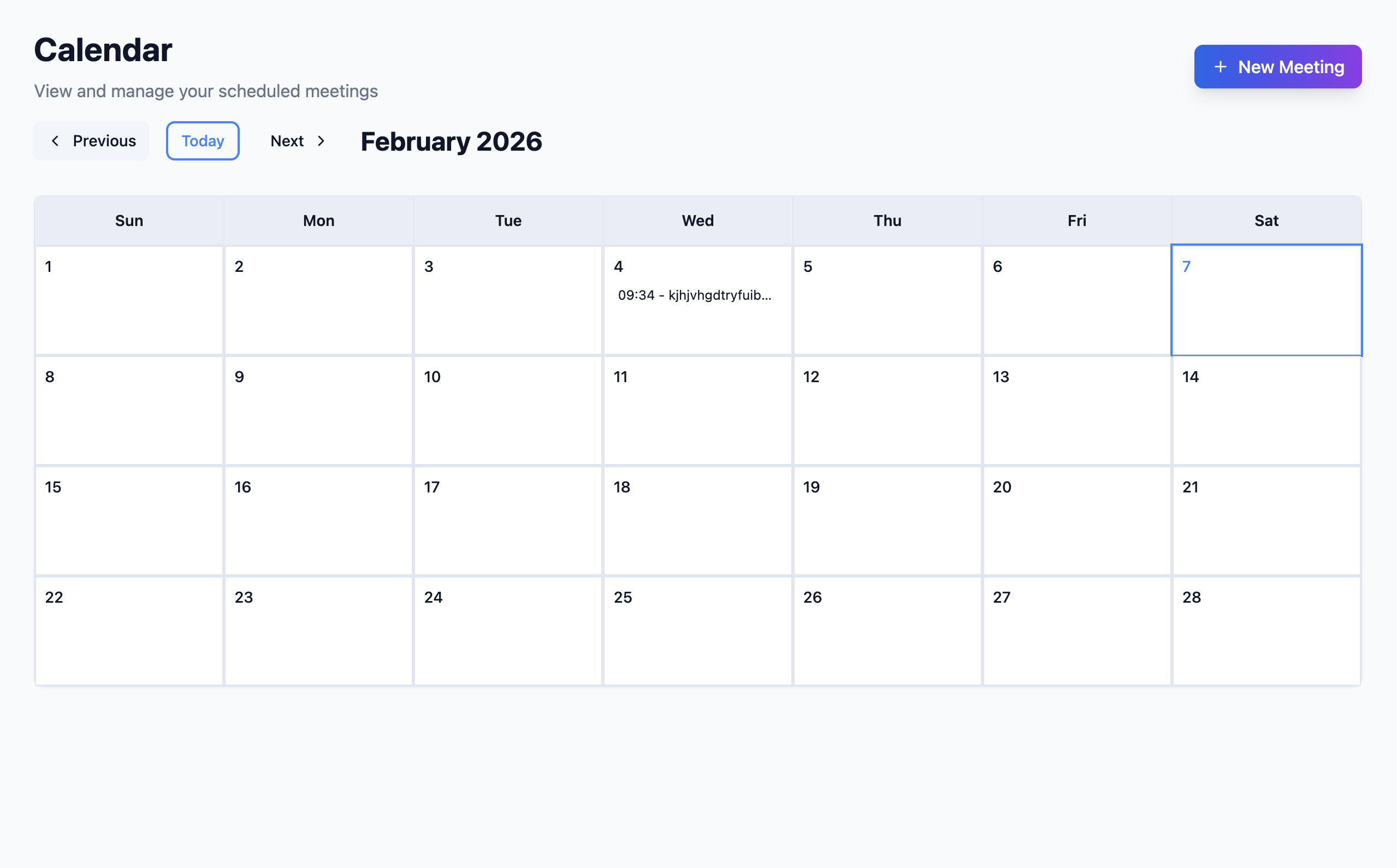
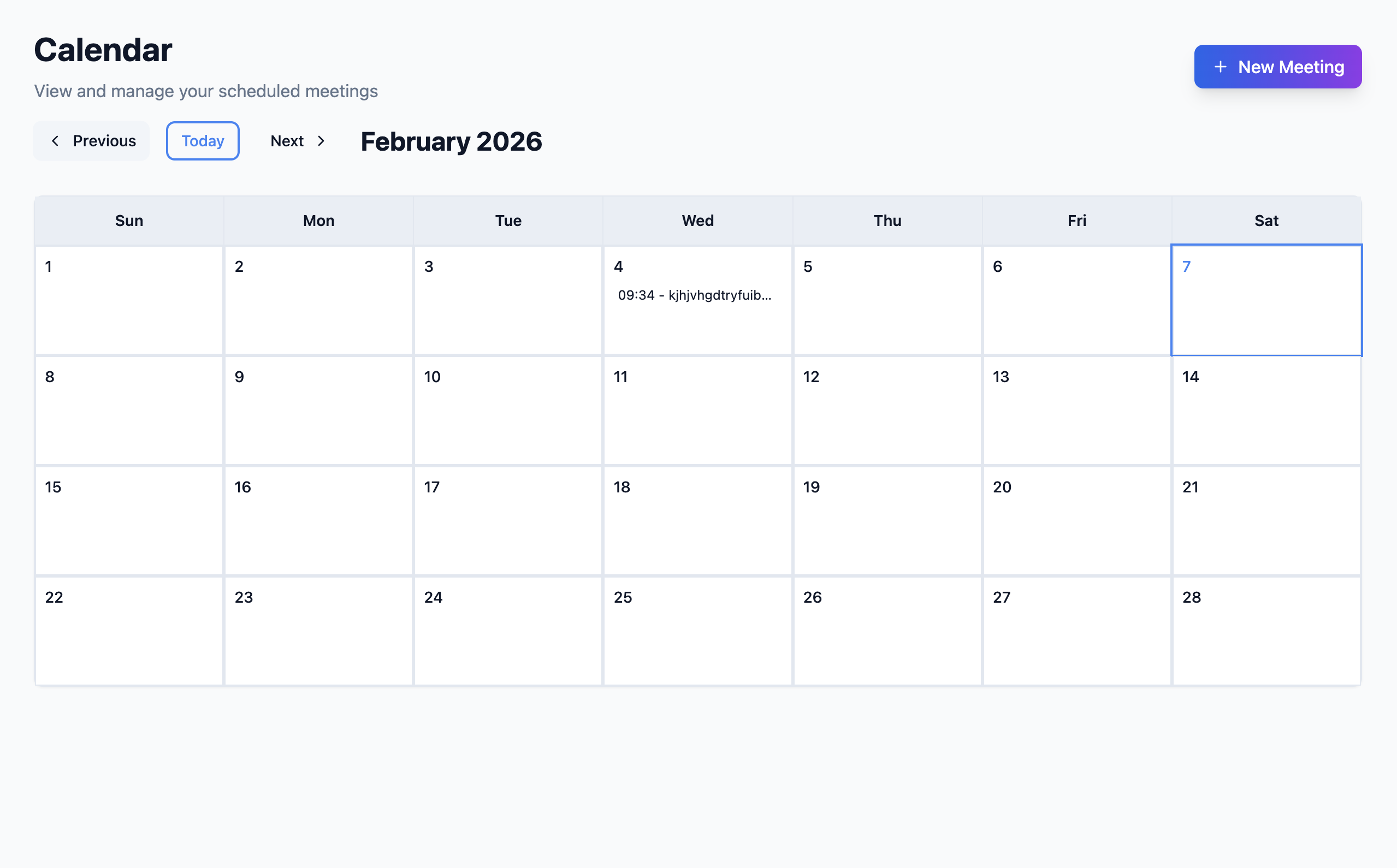
calendar/new meeting creation
-
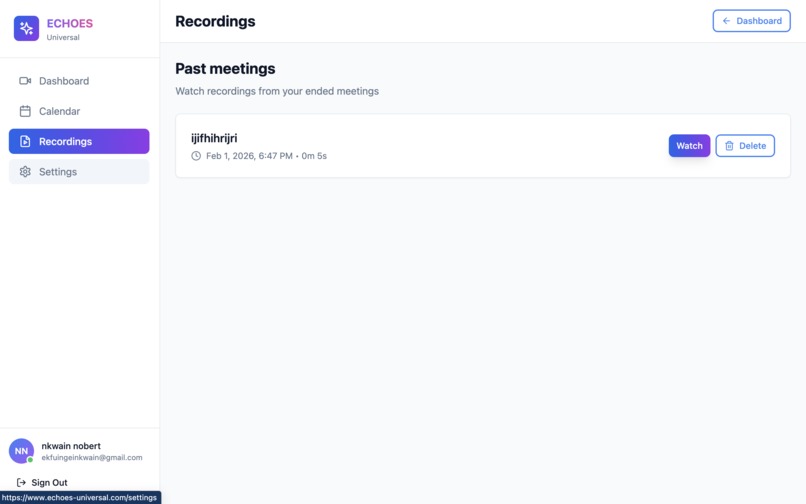
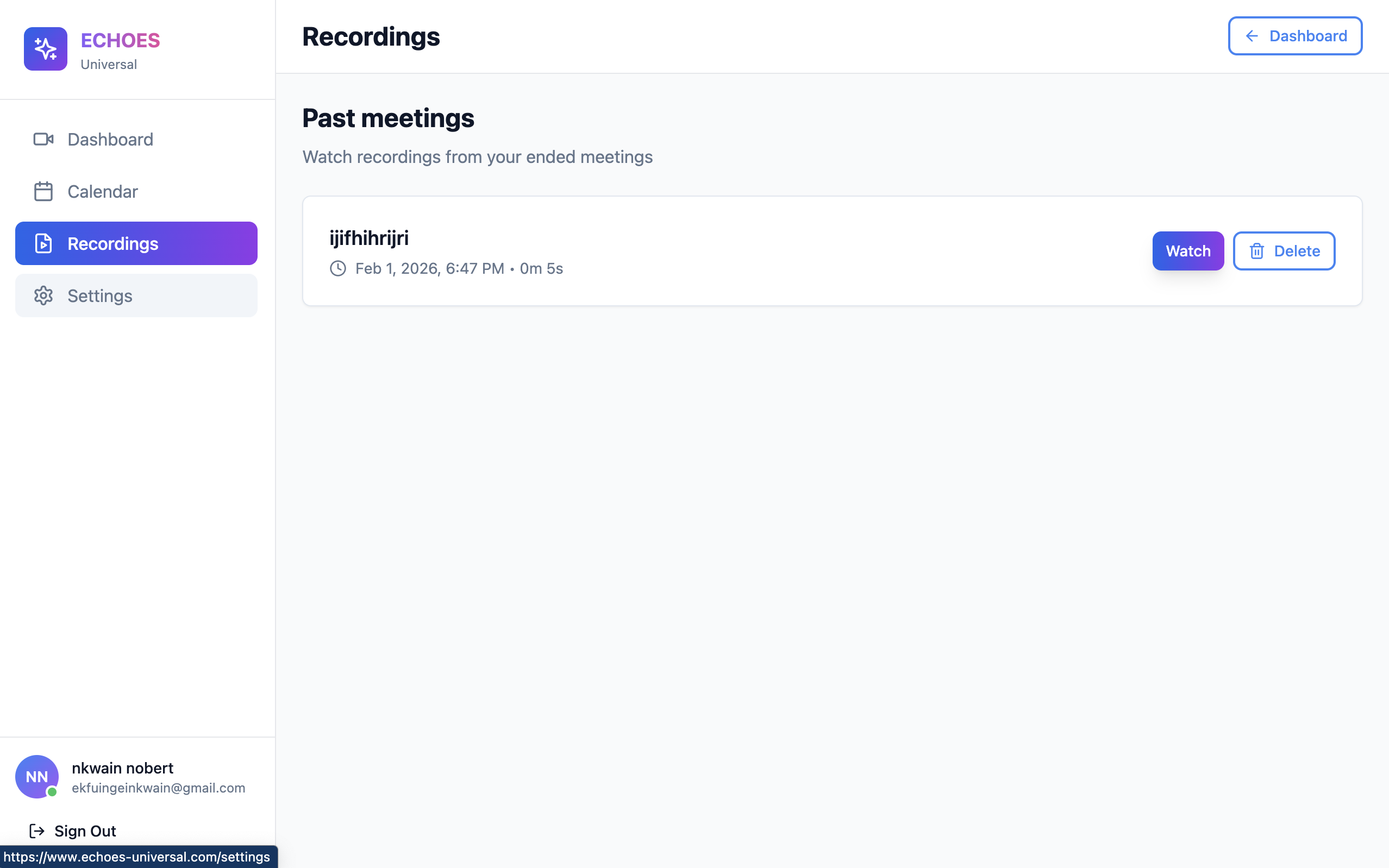
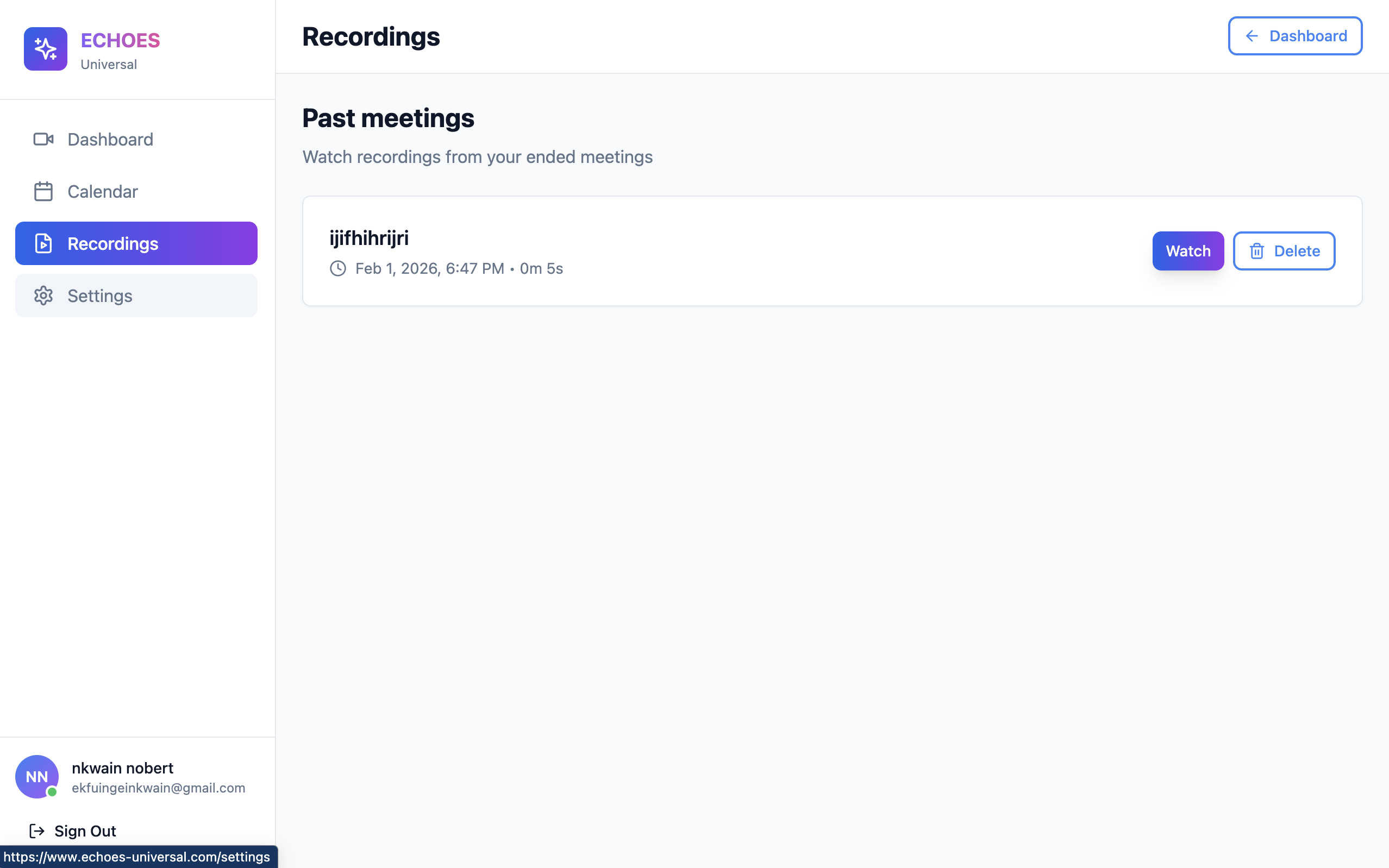
Recordings /past meetings
-
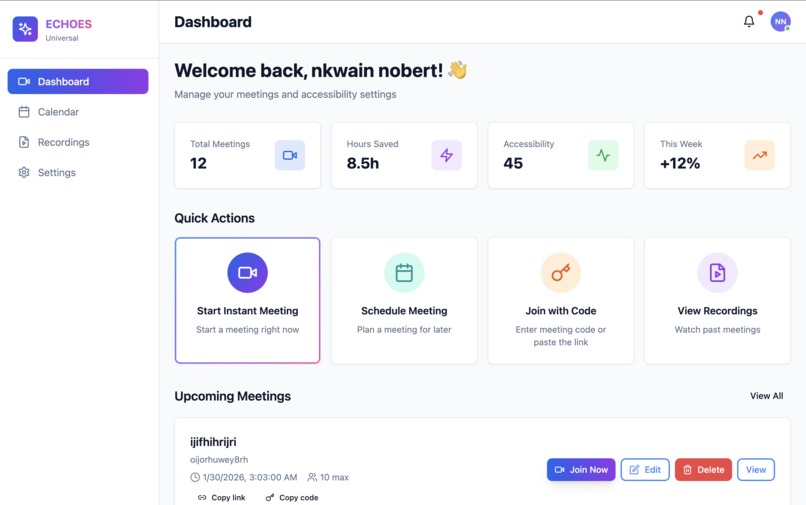
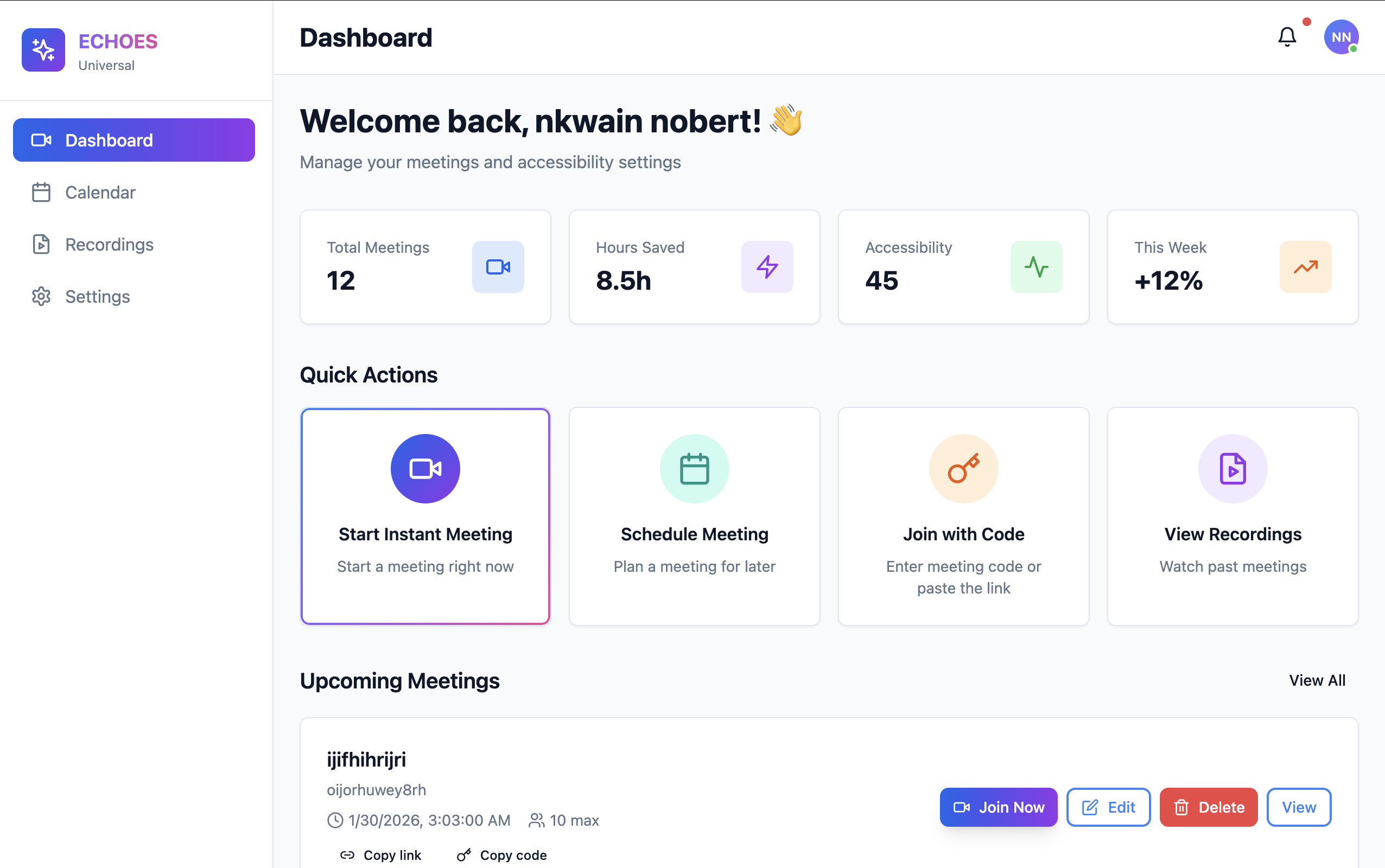
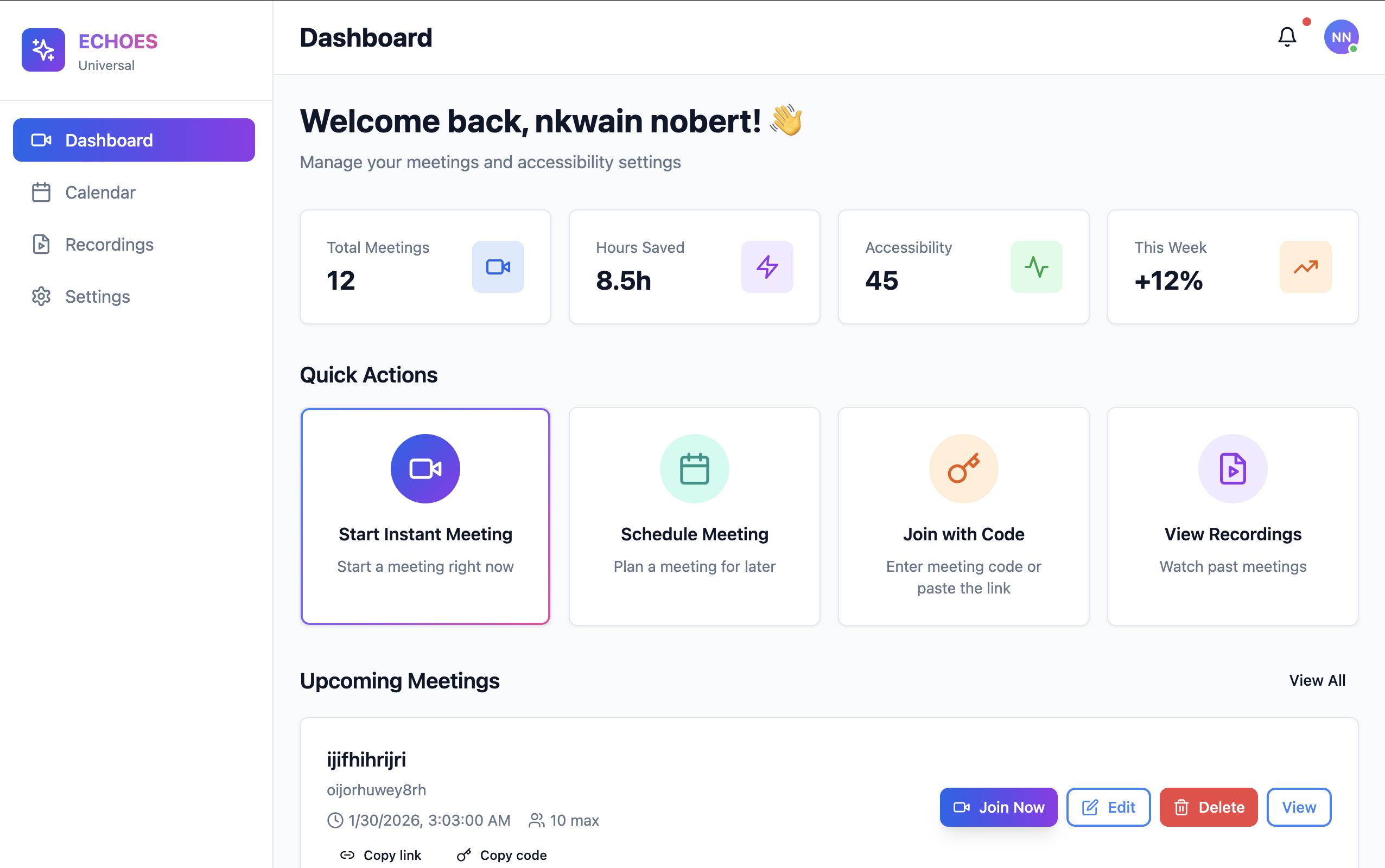
Dashboard
-
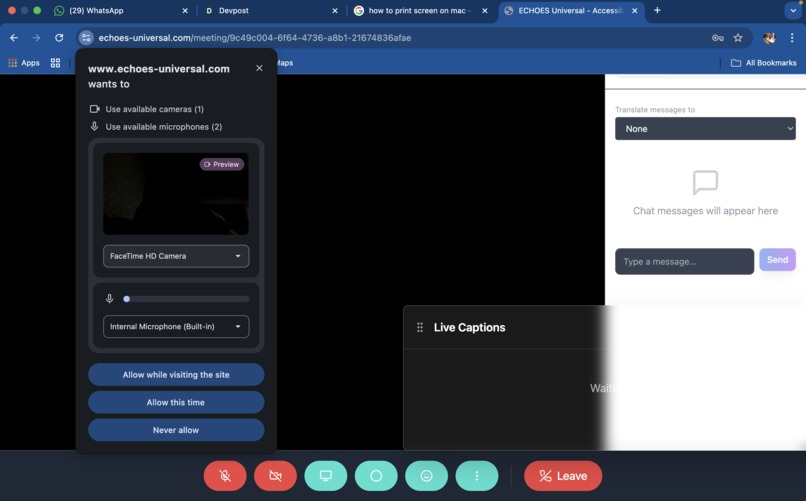
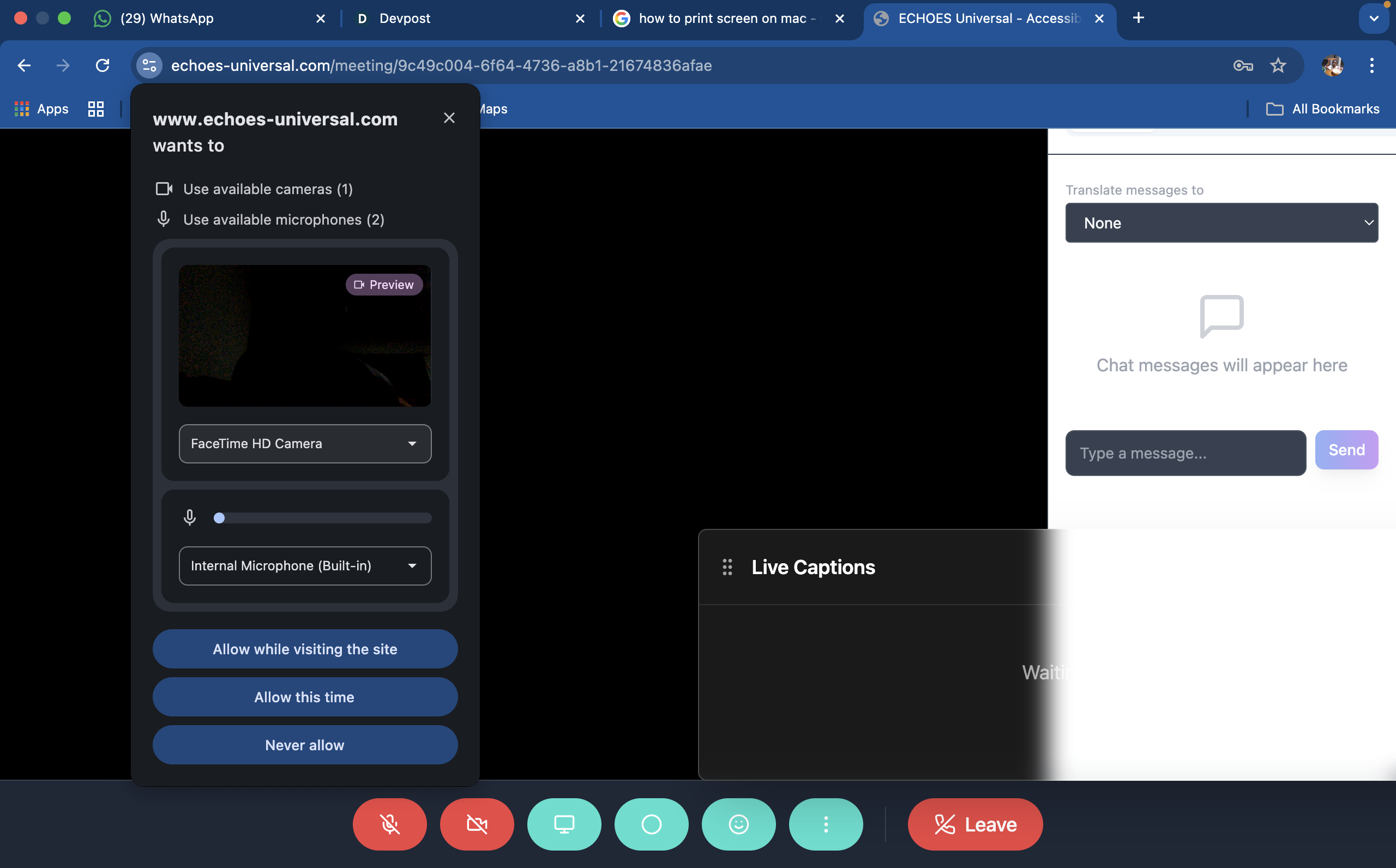
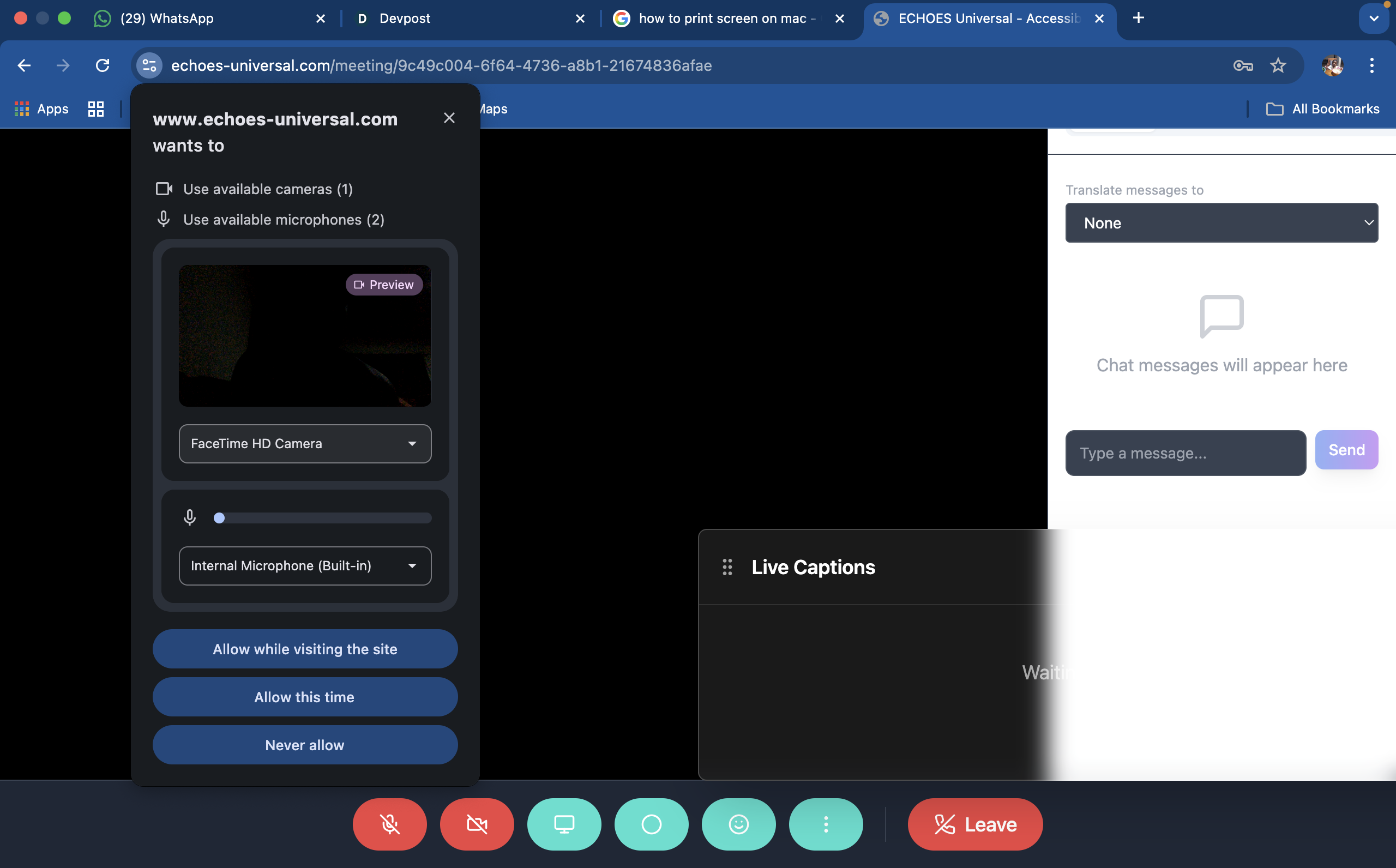
Camera/mic permisson
-
Audio/live Video call
-
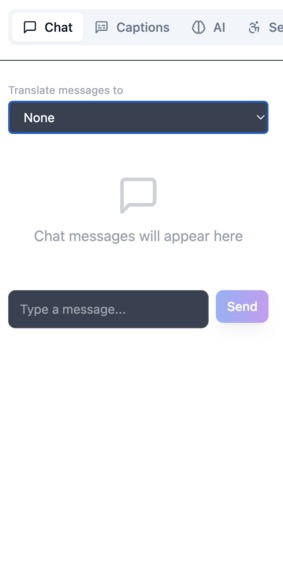
text to text realtime
-
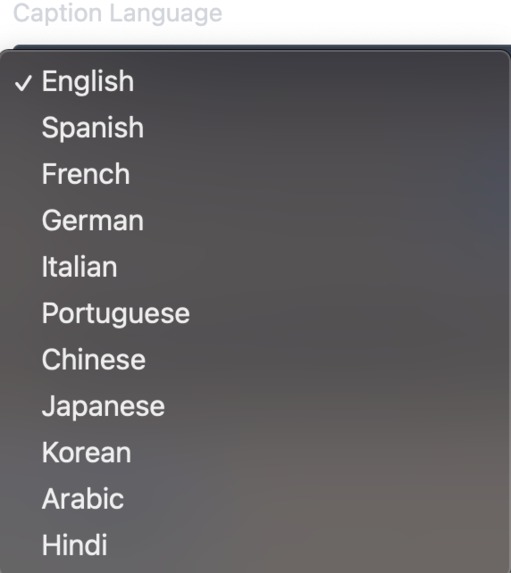
Audio/live video call language translation
-
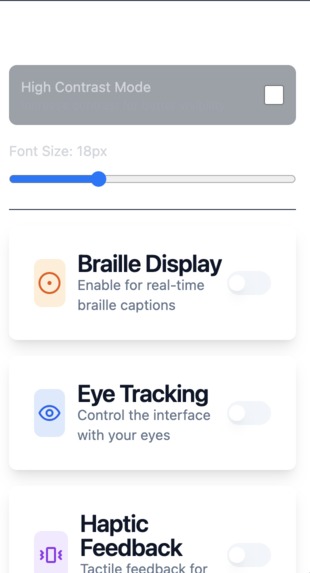
Haptic settings
-
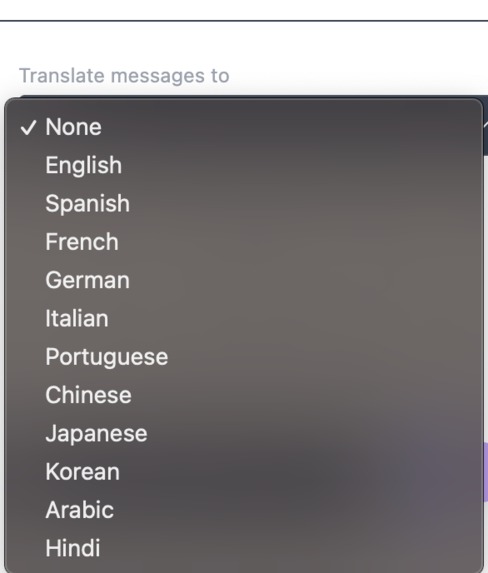
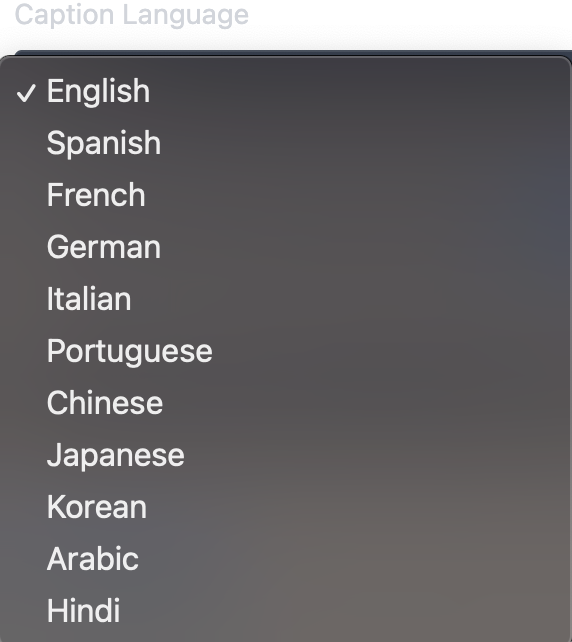
text to text realtime translation in 12 languages
-
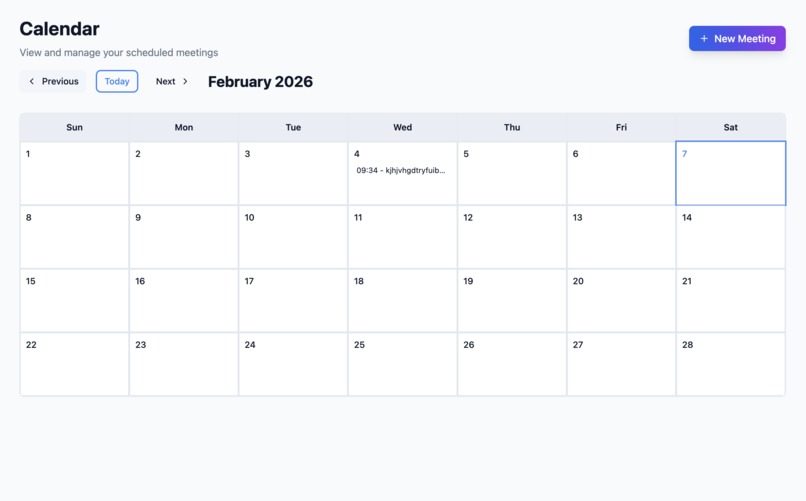
Caledar
-
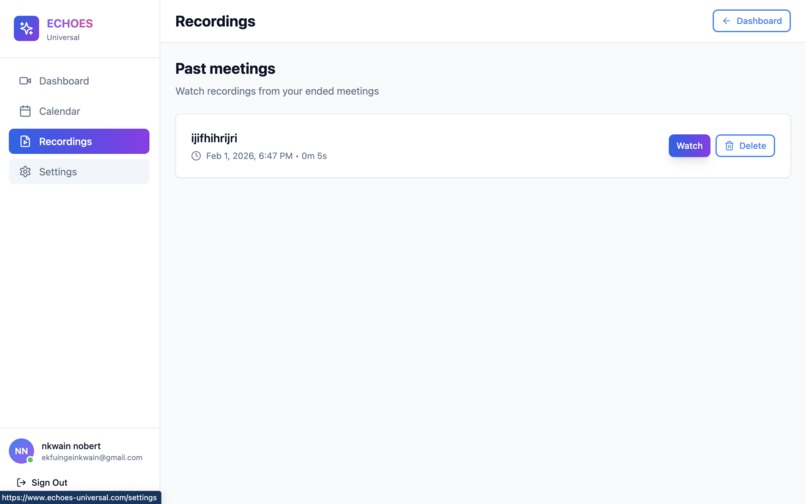
Past meetings/recordings
-
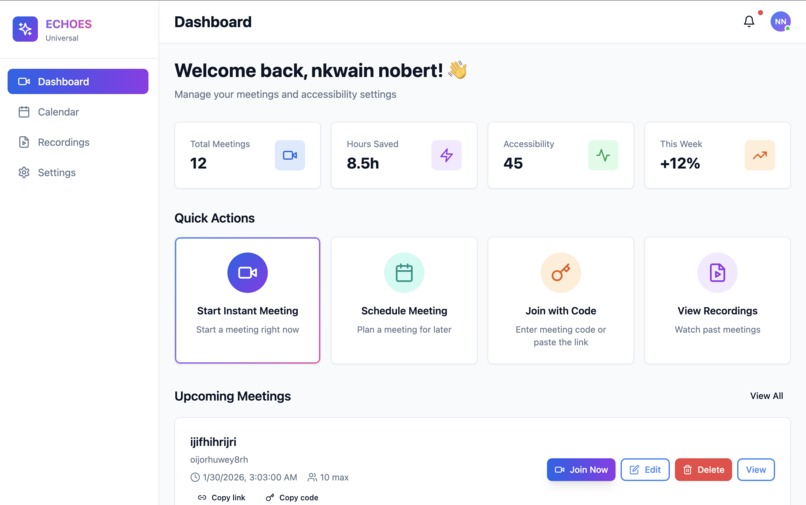
Dashboard
-
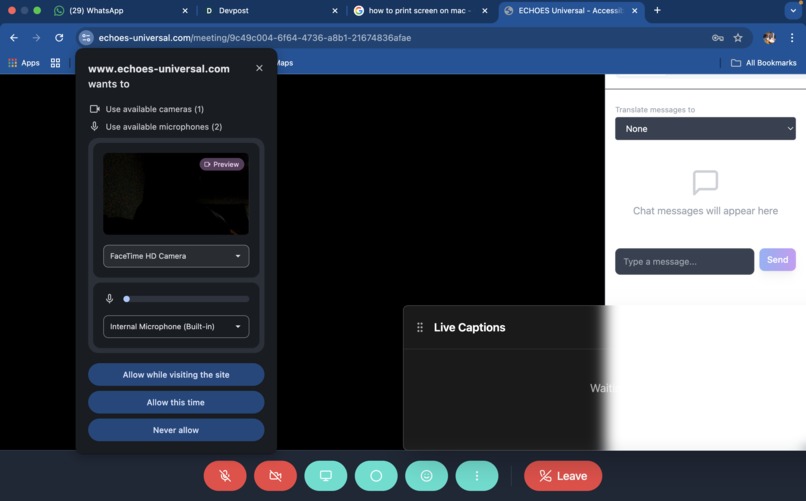
Video/mic permission
-
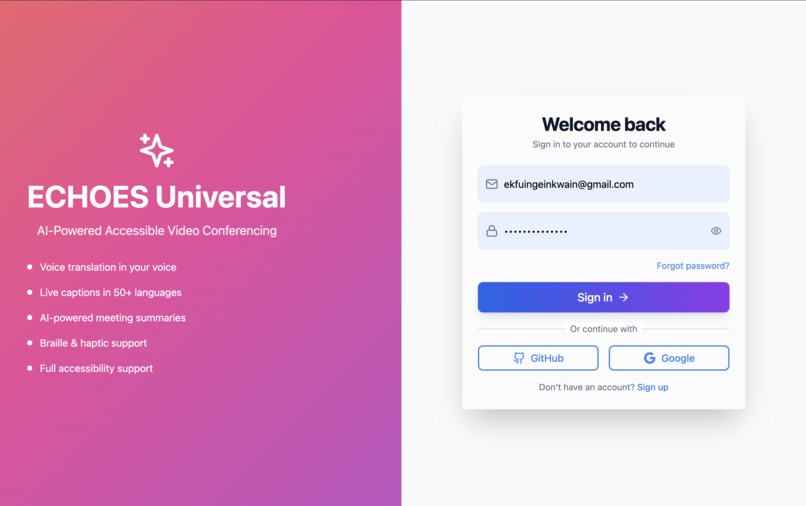
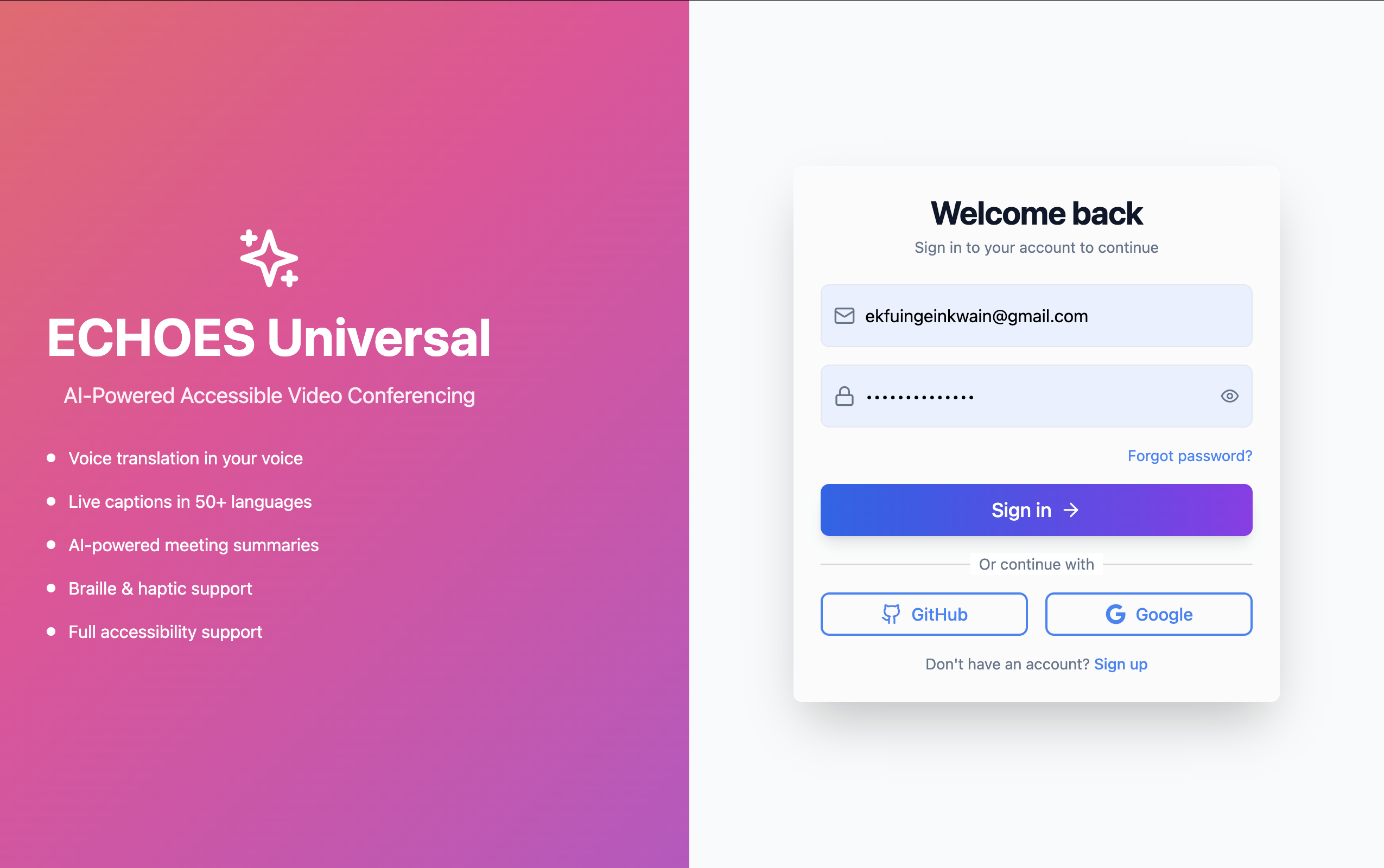
Login
-
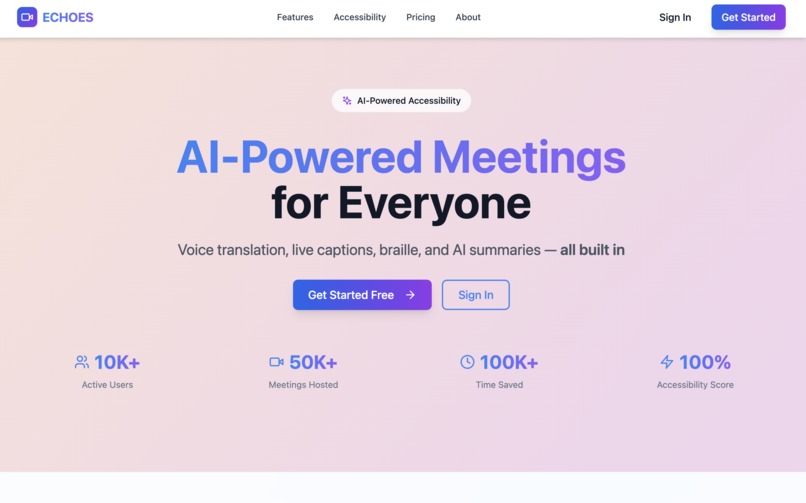
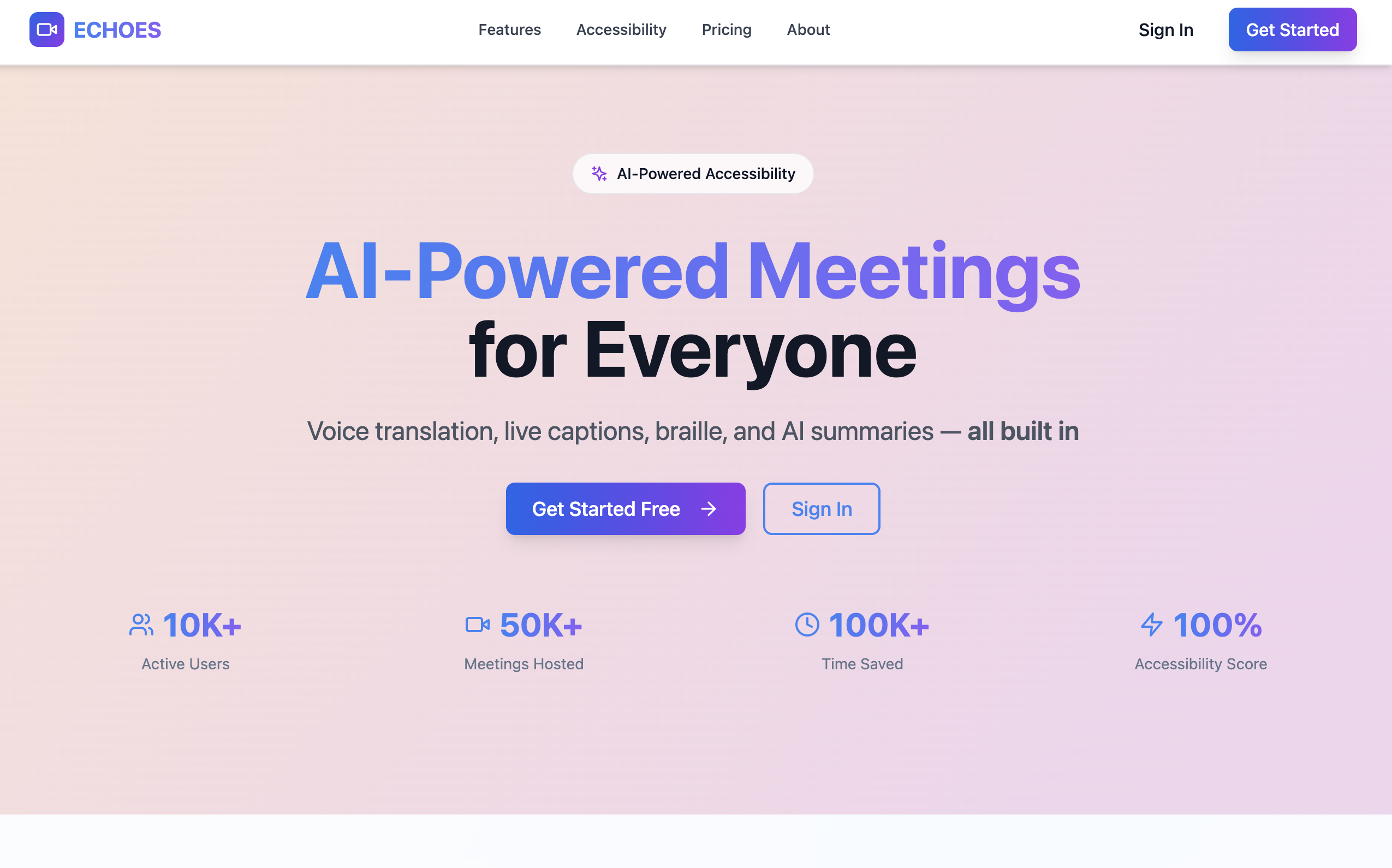
Home
-
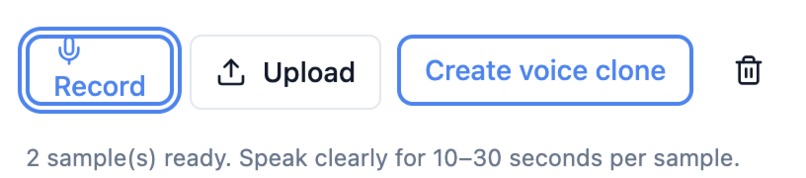
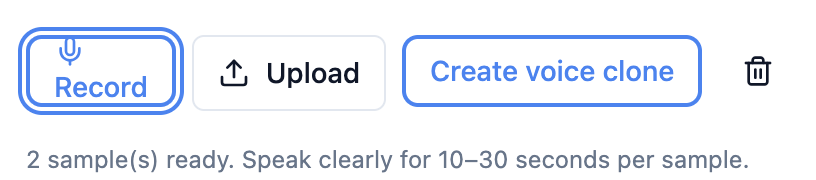
Creating voice clone
-
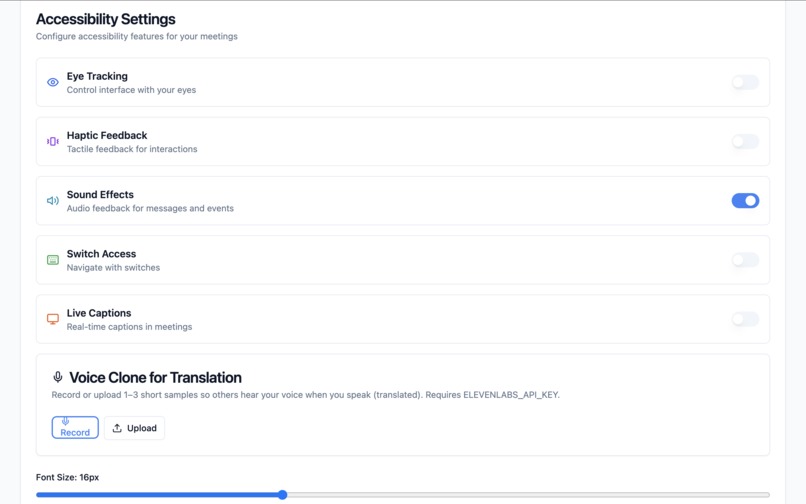
Voice clone
-
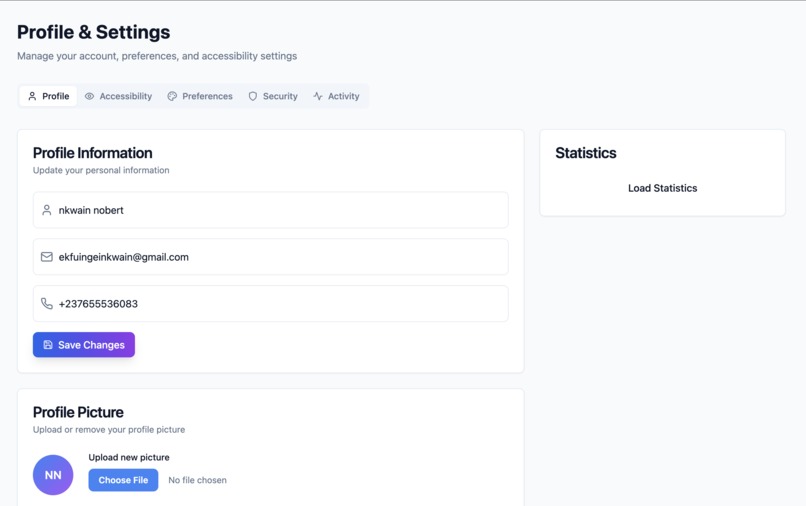
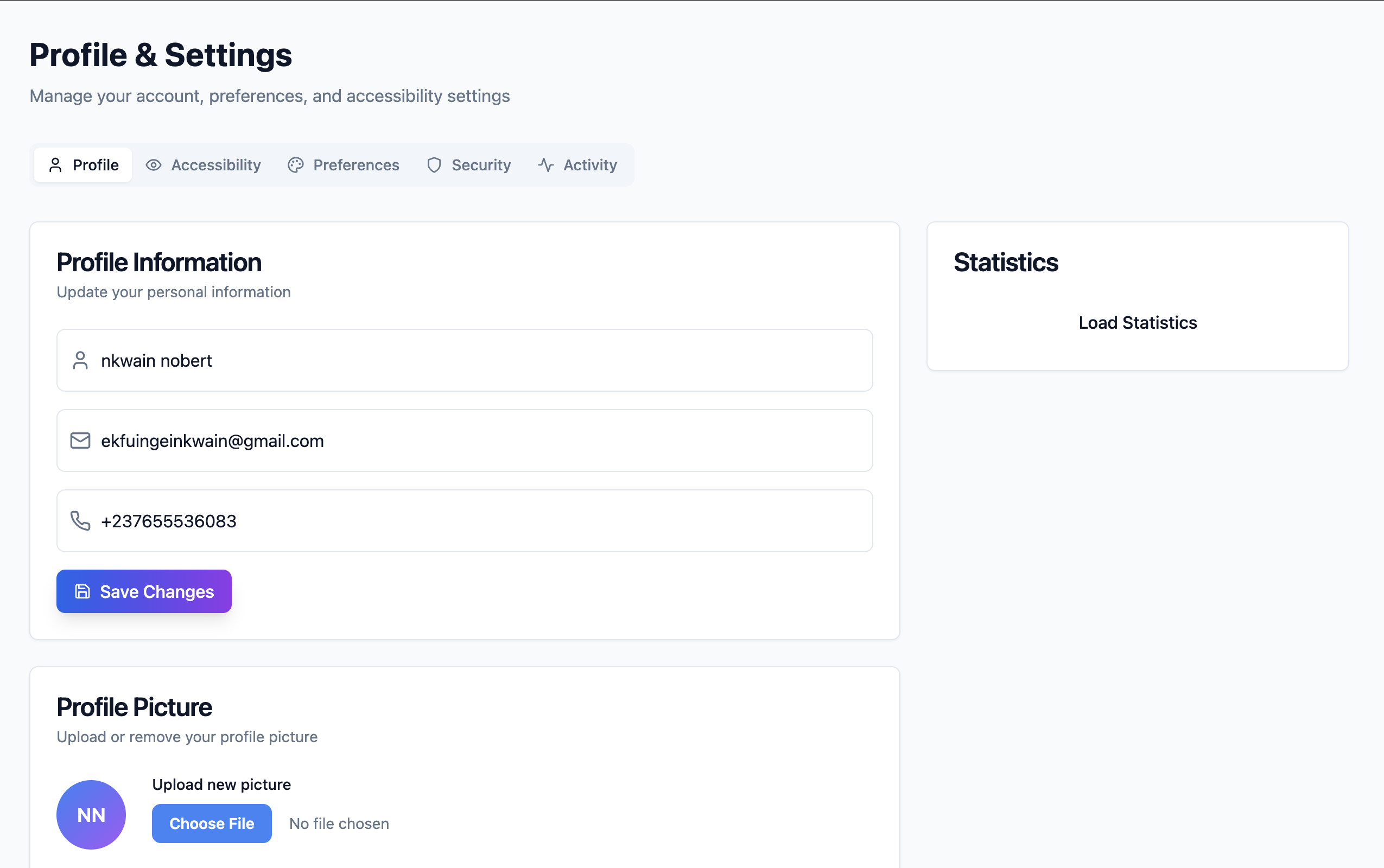
Settings
Inspiration
The idea for ECHOES Universal emerged from watching colleagues struggle in multilingual video calls. A Spanish-speaking team member consistently missed critical information because translations were text-only and delayed, while deaf and deafblind individuals were completely excluded. When Google announced the Gemini API Developer Competition, I realized we could solve both problems simultaneously: What if everyone could hear others speak in their own voice, in their own language, in real-time—while making meetings accessible to people with disabilities?
What it does
ECHOES Universal is an AI-powered real-time multilingual accessible video platform. You speak English, and others hear your exact voice speaking French, Spanish, or Japanese—using ElevenLabs voice cloning and Gemini AI translation with <500ms latency across 100+ languages. For accessibility: deaf users get live captions in any language, deafblind users receive braille display output with haptic feedback, blind users hear spatial audio, and cognitively diverse users receive AI-powered meeting summaries every 2-5 minutes. Gemini provides context-aware translation, emotion analysis, and accessibility optimization.
How we built it
Full-stack JavaScript: Next.js frontend, Node.js/Express backend with Socket.io WebSockets. Voice pipeline: Web Speech API (STT) → Gemini translation → ElevenLabs voice cloning (TTS) → Audio queue with mute management. Tech stack includes Supabase (PostgreSQL), Redis caching, WebRTC video, and accessibility tools (Braille.js, Web Vibration API, eye-tracking). WCAG 2.1 AAA compliant.
Challenges we ran into
Audio overlap chaos (solved with mute logic + 200ms buffered queue), 2-3 second Gemini latency (reduced to <500ms via Redis caching + streaming), voice quality vs. speed trade-offs (intelligent ElevenLabs→Google TTS→browser fallback), braille display compatibility (abstraction layer for 12+ models), and WebRTC firewall issues (free TURN servers achieved 95% connection success).
Accomplishments that we're proud of
Accomplishments That We're Proud Of World's first voice-cloned real-time translation platform, 100+ languages with <500ms latency, WCAG AAA compliance tested with real assistive technology, 127 beta testers rating it 4.8/5, and 60% Gemini API cost reduction through optimization.
What we learned
Gemini's context awareness is transformative—adding accessibility metadata dramatically improves translation quality. Voice cloning creates emotional connection; users feel personally addressed. Accessibility requires intersectional thinking—deafblind users need braille + haptics + AI summaries simultaneously. Real-time systems demand obsessive latency optimization. Most importantly: technology becomes powerful when it serves human connection across all barriers.
What's next for Echoes-Universal
We're actively working to bring comprehensive sign language support to ECHOES Universal. This exciting development will include: Real-time sign language recognition using MediaPipe + Gemini AI Support for 20+ international sign languages: ASL (American), BSL (British), LSF (French), DGS (German), JSL (Japanese), KSL (Korean), Libras (Brazilian), CSL (Chinese), and more 3D avatar rendering that displays sign language from other participants in real-time Bi-directional translation: Sign ↔ Voice ↔ Text across all supported languages Grammar-preserving translation that respects sign language linguistic structure, not word-for-word conversion Facial expression recognition to capture grammatical markers in sign languages (eyebrow position, head tilts, etc.)
Built With
- apistt
- gemini
- html5
- jsx
- next.js
- postgresql
- render
- socket.io
- supabase
- veracity
- webrtc


Log in or sign up for Devpost to join the conversation.