
Inspiration
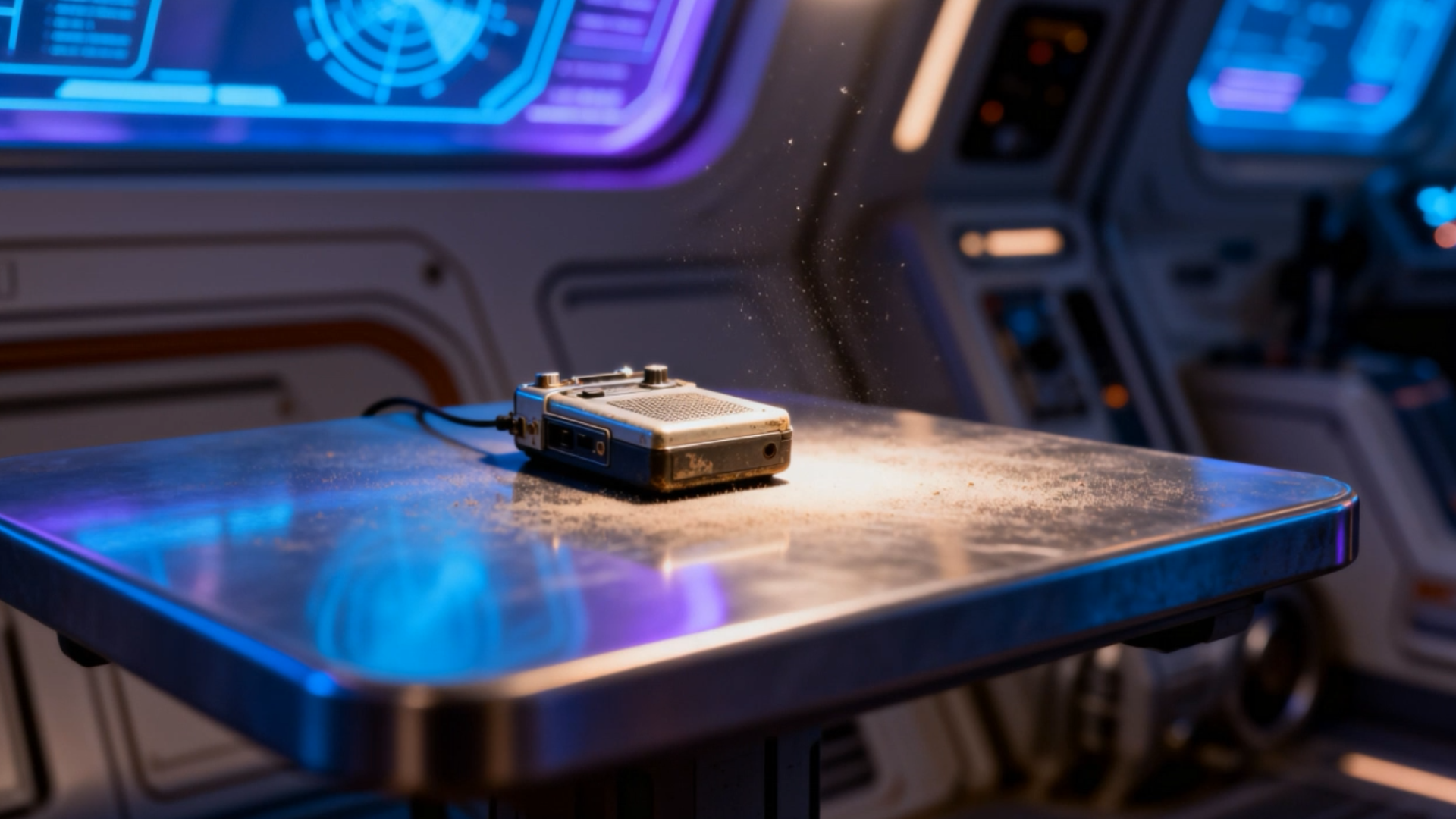
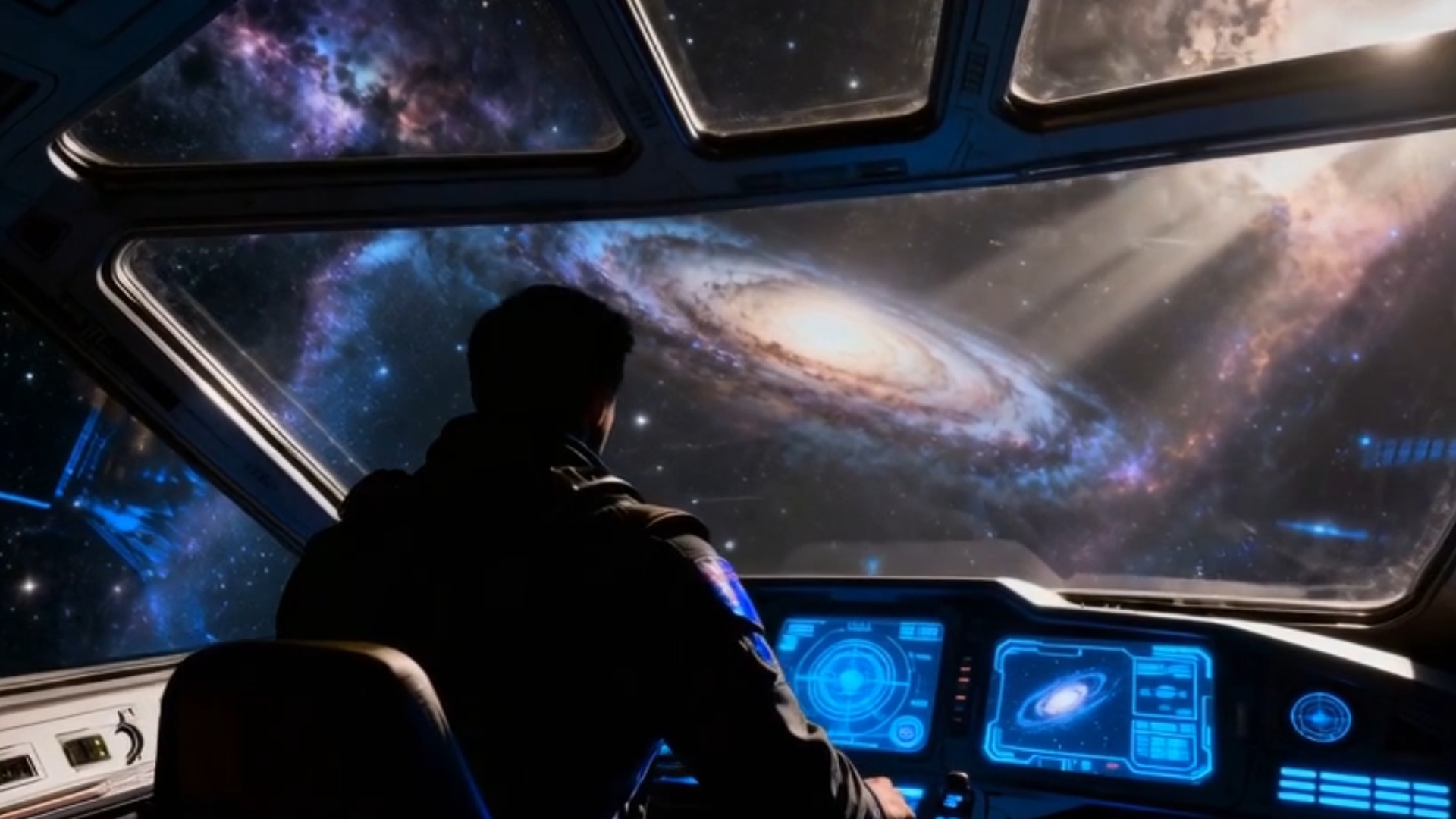
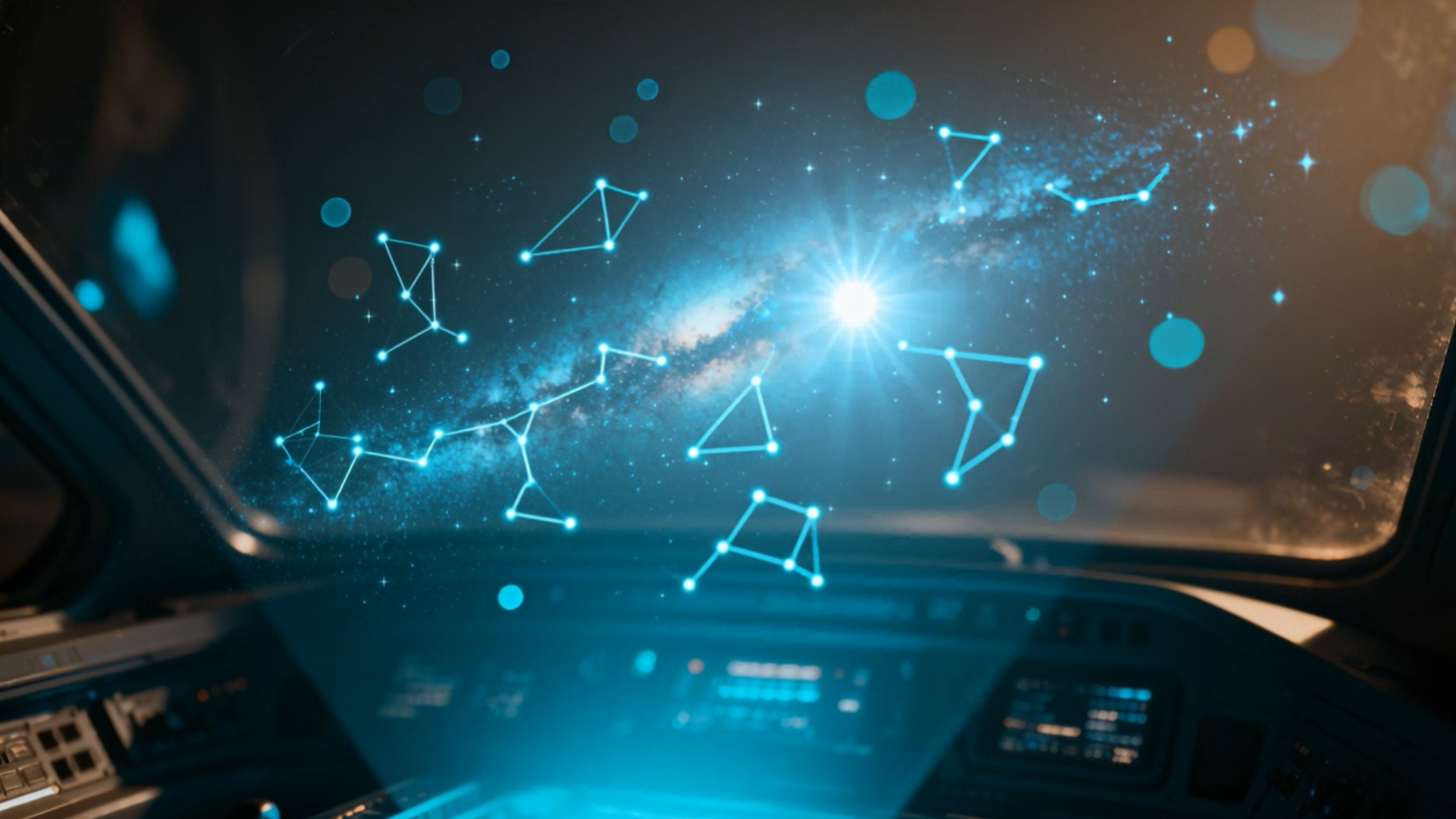
This project was born from a simple but powerful question: If humanity disappeared, what would remain of us? I wanted to explore the idea that our greatest discoveries may ultimately lead us back—not forward—to who we were. AI allowed me to visualize a future so distant that Earth becomes unrecognizable, reclaimed entirely by nature. The emotional core came from imagining a lone astronaut, the last human, waking up in a silent universe to find a message… from us. A message that outlived its creators.
What it does
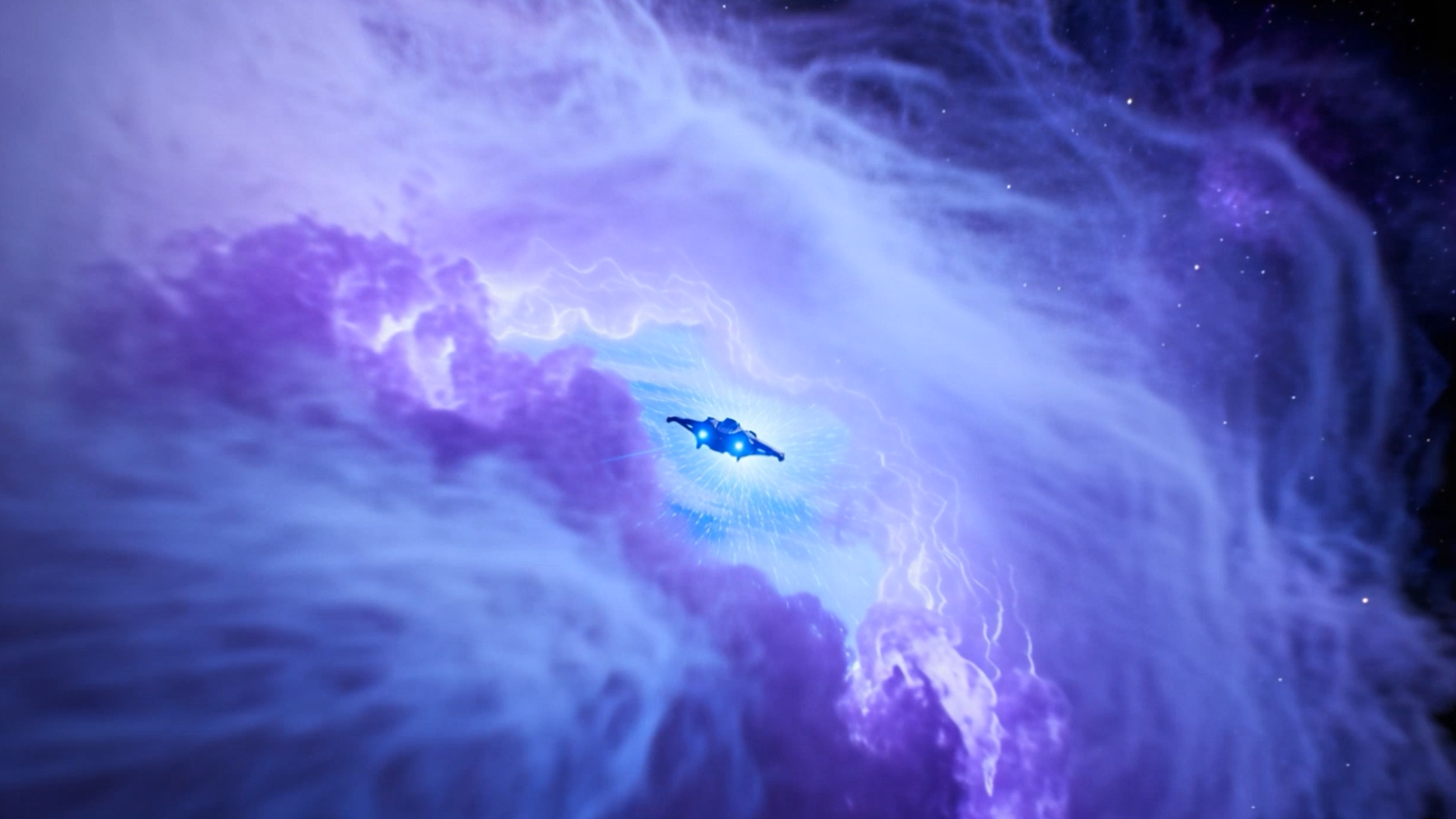
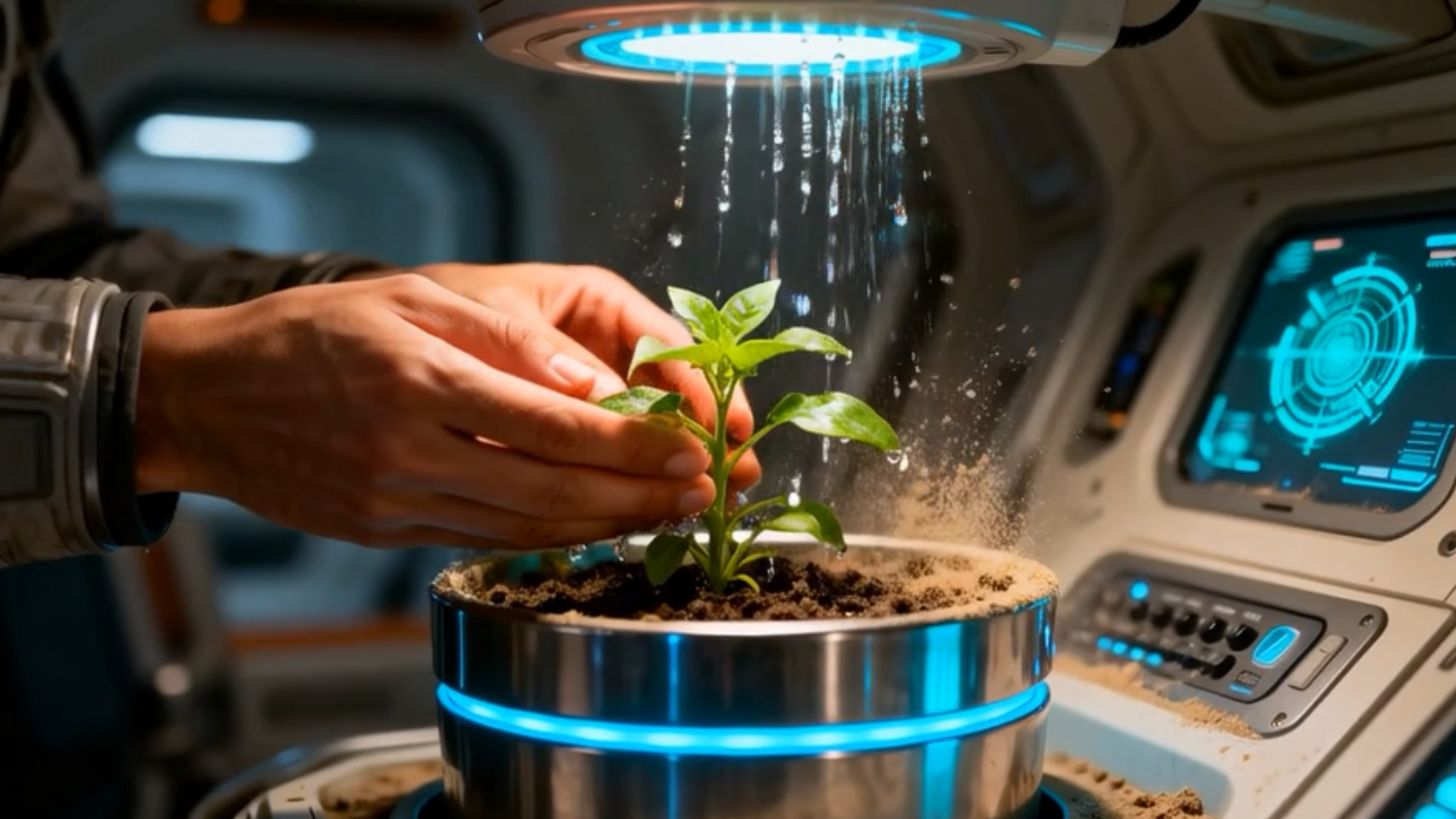
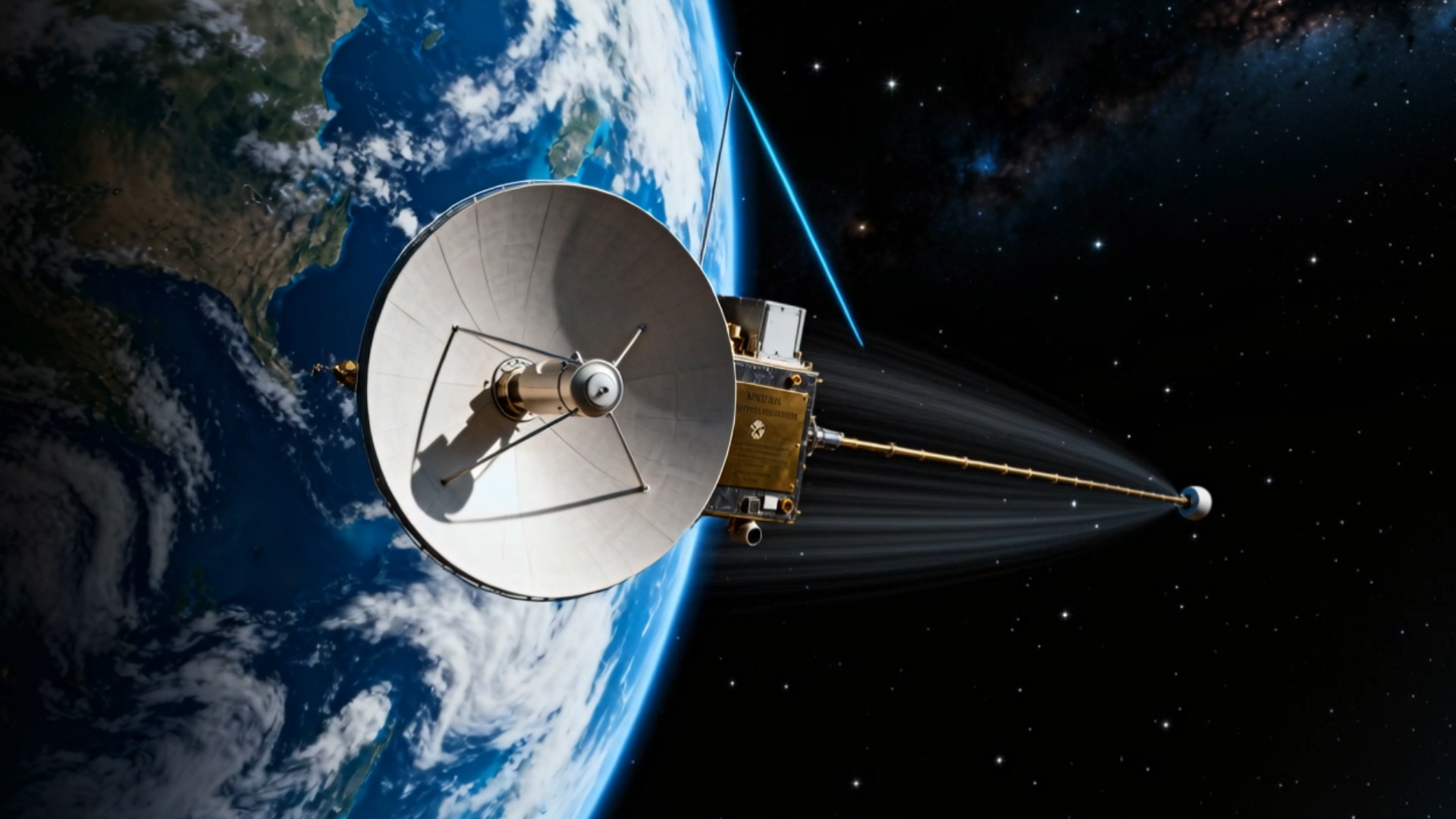
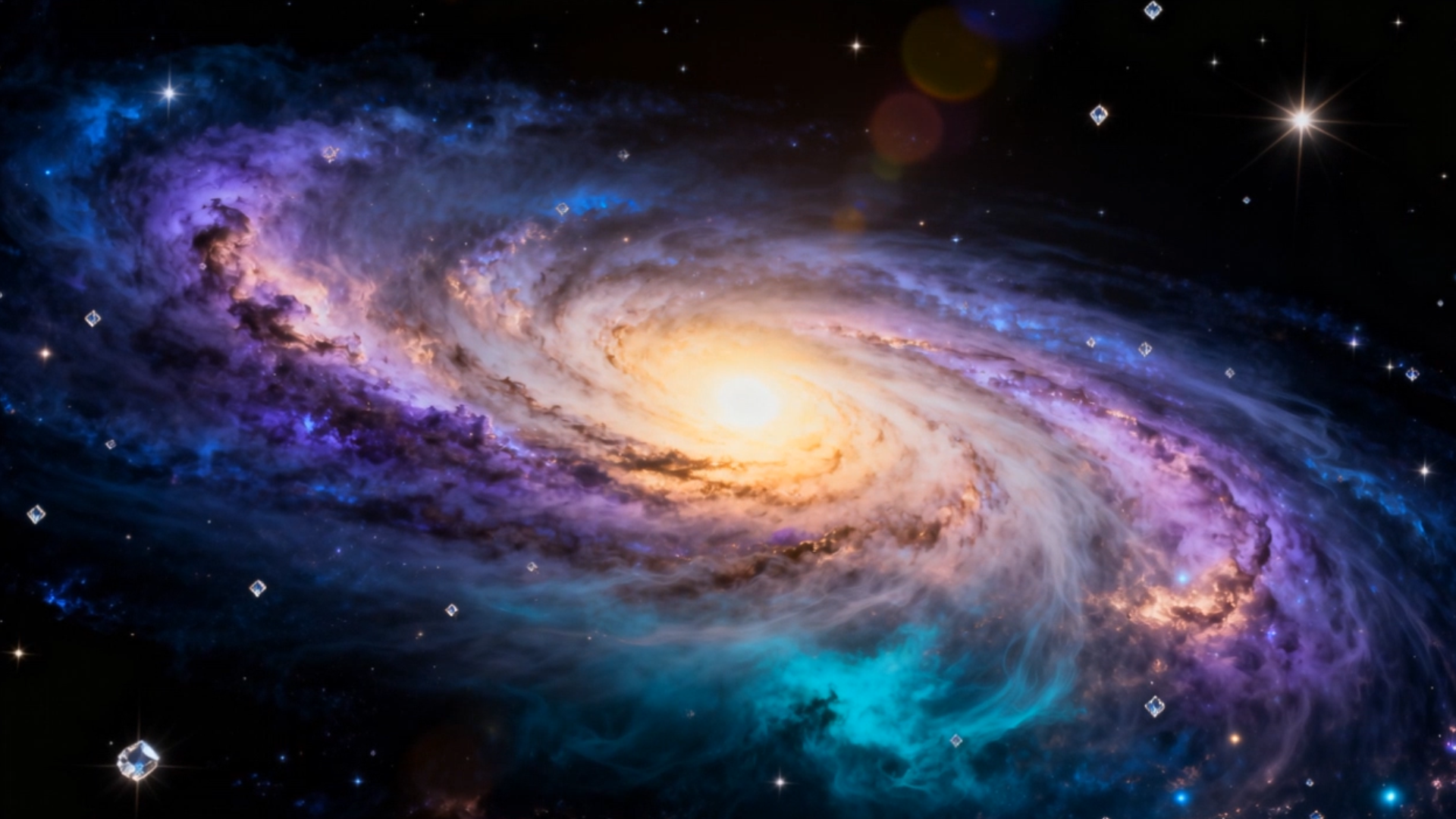
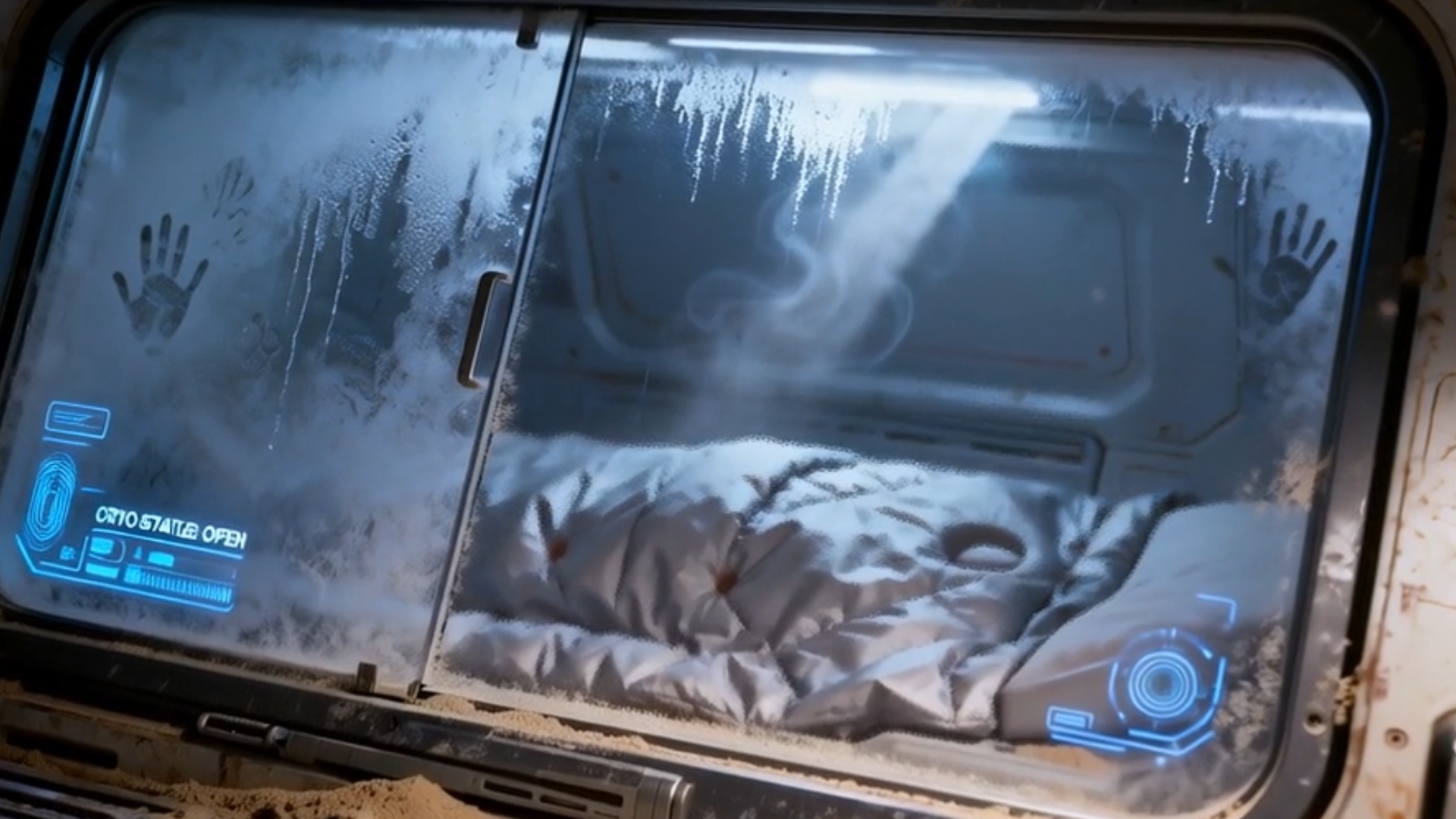
Echoes of Us is a cinematic AI-generated short film that blends narrative storytelling, voice acting, music, and visual world-building. It follows a solitary astronaut who discovers a signal identical to humanity’s first message to the stars—originating from a long-dead Earth. The film aims to evoke reflection, nostalgia, and awe through a combination of immersive visuals and intimate narration.
How we built it
The project was created using a full AI-assisted pipeline:
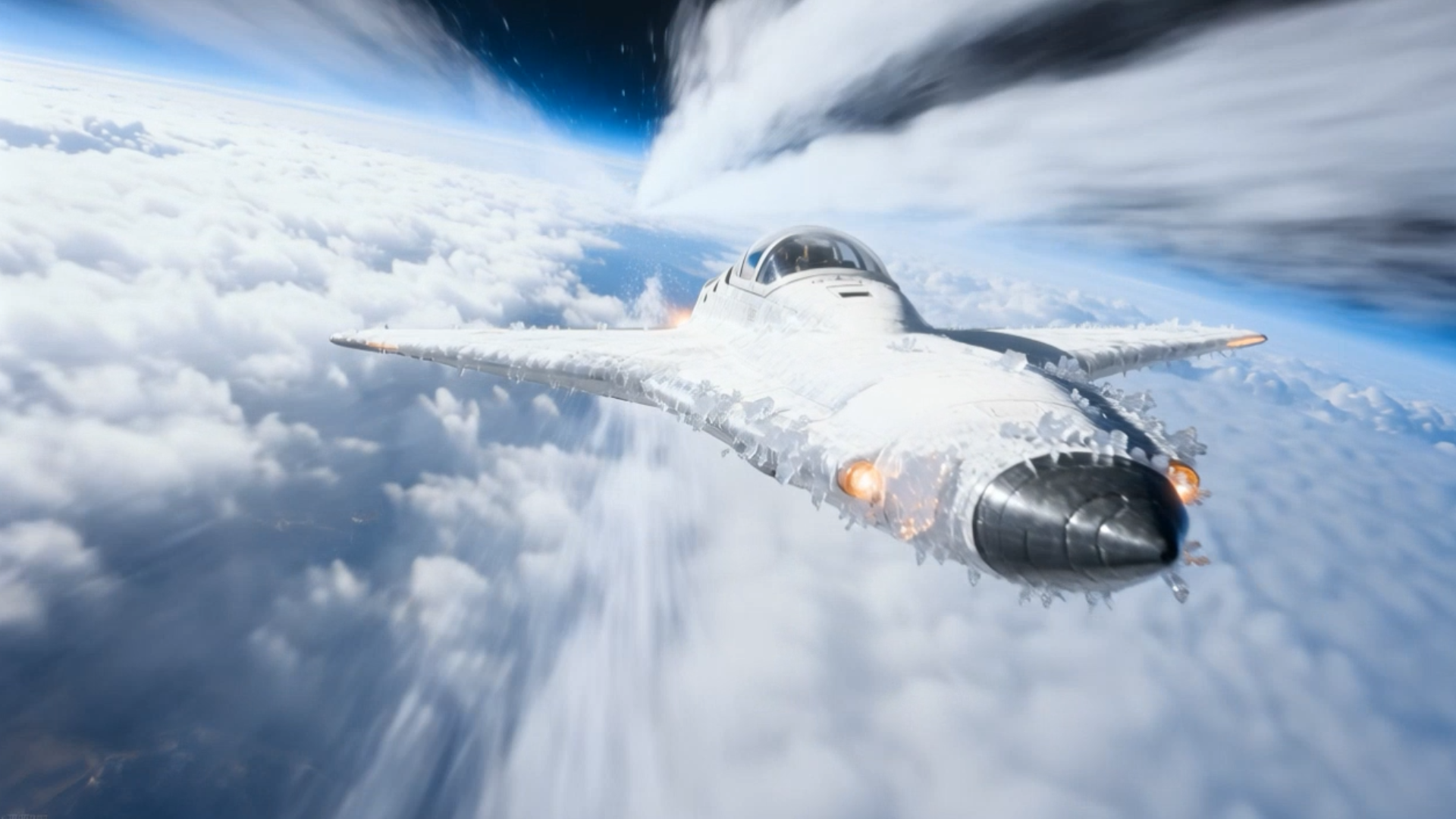
Image Generation with tools like Freepik’s AI and iterative prompt-engineering to design futuristic spacecrafts, long-abandoned Earth landscapes, and emotional POV shots.
Video Generation with Kling 2.5 to animate key scenes and transitions.
Sound Design & Voice Over The heart of the film lies in its voices. Using ElevenLabs, we crafted two distinct performances from the same character:
a calm, omniscient narrator speaking with emotional weight,
and a raw, fragile voice recording from the astronaut's log entry, complete with subtle tape textures, breaths, and expressive vocal cues.
This dual-voice approach became central to the emotional reveal.
Editing & Grading done in After Effects, stitching AI shots into a cohesive cinematic visual language and ensuring consistent color, lens style, and emotional rhythm.
The film was constructed frame-by-frame, balancing AI outputs with traditional filmmaking techniques such as pacing, structure, and cross-scene audio continuity.
Challenges we ran into
One major challenge was maintaining visual consistency across models and prompts. Getting the astronaut, ship, landscapes, and lighting to feel like the same universe required dozens of iterations. Another challenge was coherent storytelling within AI limitations—communicating that humanity was extinct without showing ruins took precision in framing and narrative timing. Balancing two voices from the same character—his narration and his recorded log—also required nuanced audio design so the audience could intuitively distinguish them. Finally, creating meaningful emotional weight in a 2-minute runtime required careful editing and restraint.
Accomplishments that we're proud of
I'm proud of achieving a film that feels cinematic, emotional, and technically polished. The final landing sequence, the desolate Earth landscapes, and the astronaut’s first step stand out as moments where technology and storytelling truly clicked. I’m especially proud of the narrative structure: the reveal that the signal comes from Earth, and the realization that the journey was never about exploration but about memory.
What we learned
I learned how far AI can go when treated as a creative partner instead of a shortcut. I discovered how to: maintain visual continuity with prompt engineering, build pacing with AI-generated video tools, blend emotional voice acting with synthetic sound design, and craft a sci-fi narrative that invites interpretation without over-explaining.
Most importantly, I learned how to trust ambiguity—giving viewers space to imagine the missing pieces.
What's next for Echoes of Us
I want to expand the universe. Potential next steps include: A longer version exploring the astronaut’s return to a wild, untouched Earth, A companion short showing the moment humanity originally sent the message, An extended soundtrack.
My goal is to keep pushing the boundaries of AI-driven filmmaking and explore how stories about humanity’s absence can teach us about its value.
Built With
- elevenlabs
- freepik
- kling

Log in or sign up for Devpost to join the conversation.