-
-
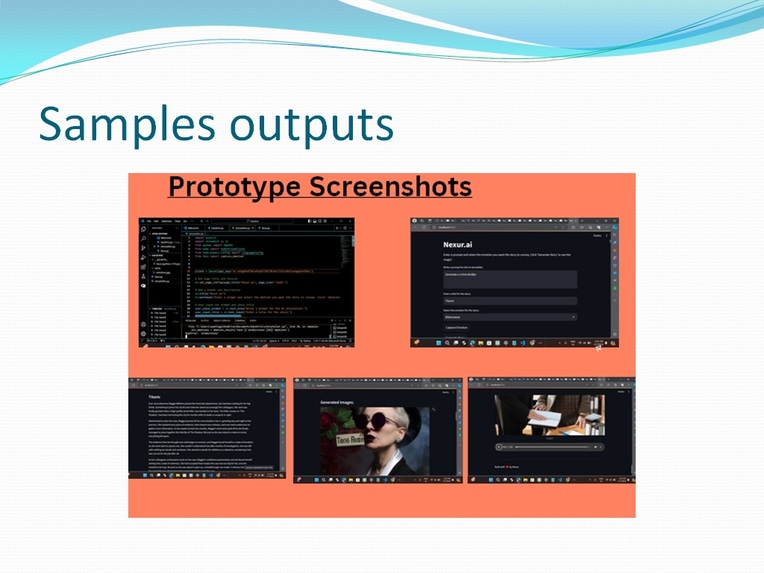
AI based Story Telling
-
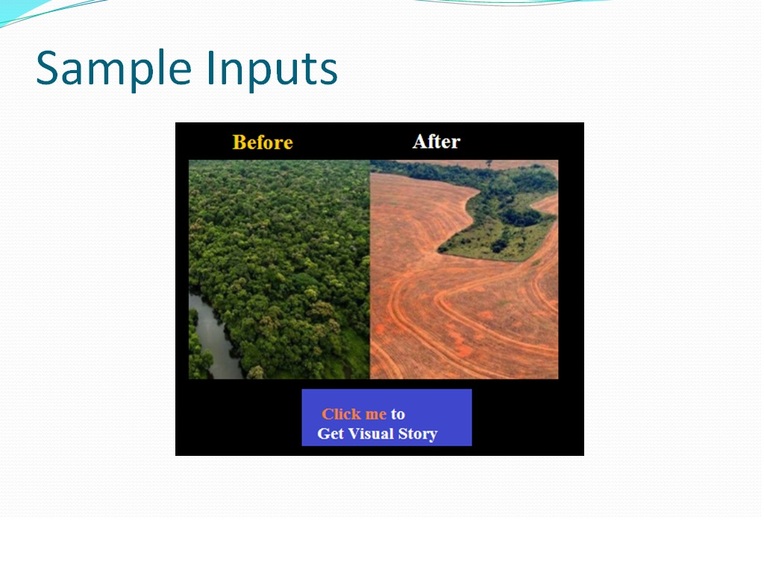
Sample Inputs
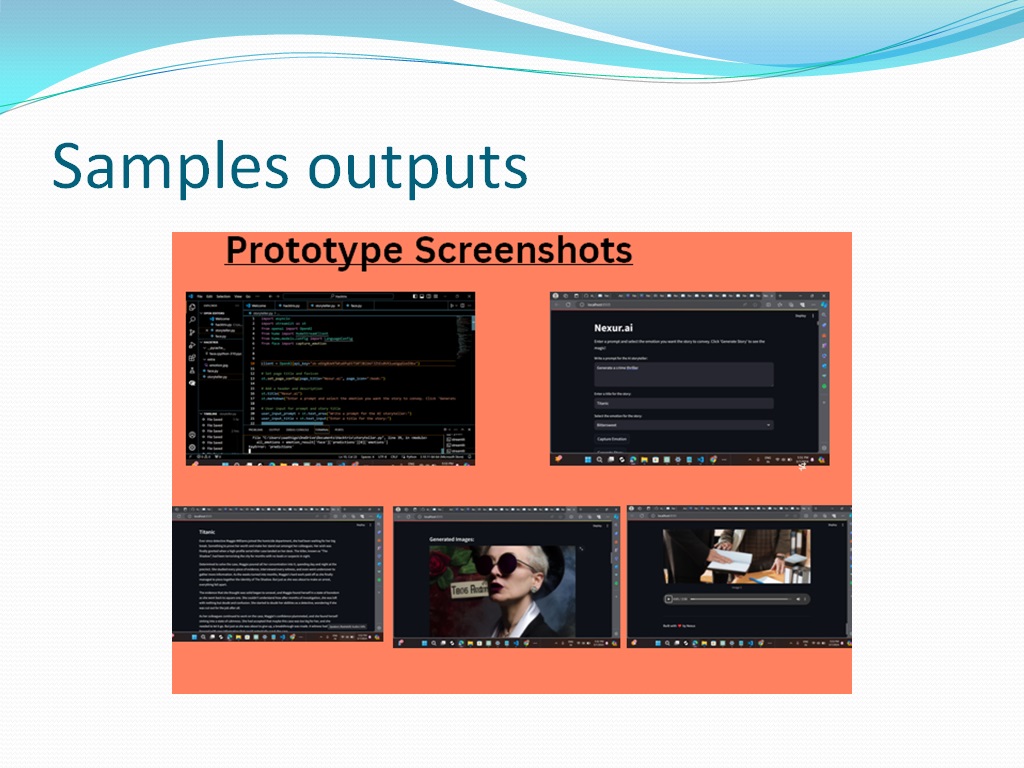
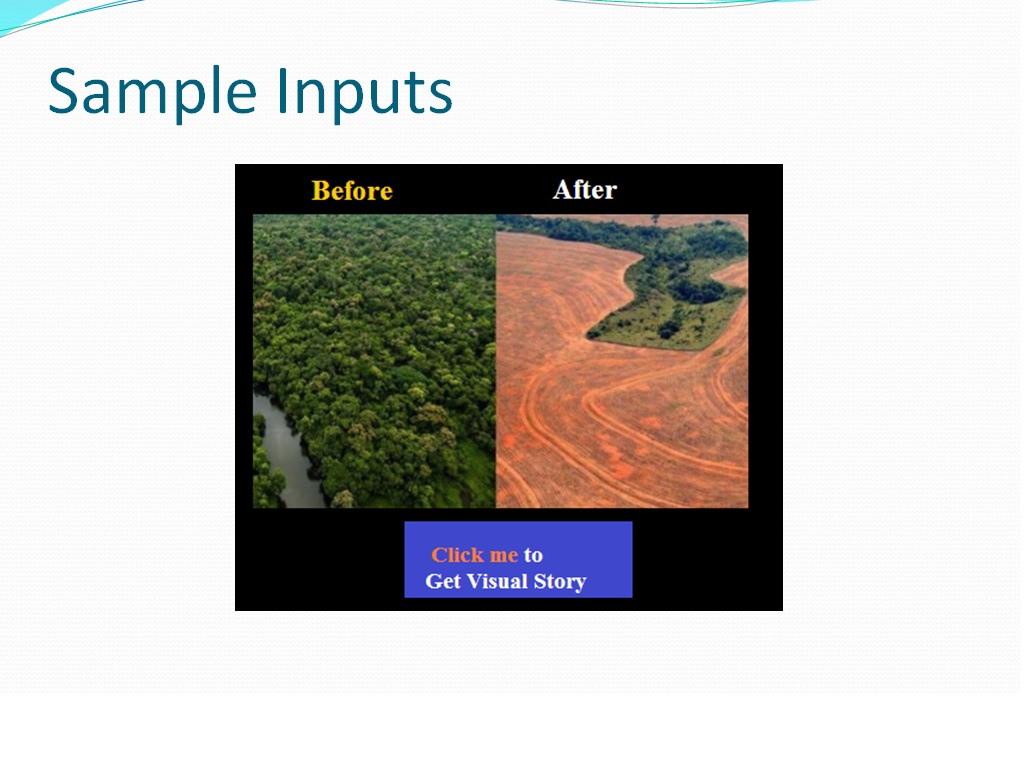
Project Title: "Echoes of Tomorrow " A Visual Journey Through Environmental Crisis"
Concept: The project would use generative AI to create a series of digital artworks depicting the harmful effects of environmental degradation, leading to awareness and encouraging action. It could involve a progression of visuals, from scenes of natural beauty to their degradation and eventual destruction, symbolizing the urgent need to protect our planet.
Themes:
Deforestation: Scene 1 (Before): A lush, vibrant forest filled with diverse wildlife and greenery. Sunlight filters through the dense canopy, showing nature’s abundance. Scene 2 (After): The forest is replaced by barren land, with tree stumps scattered across the ground. Animals appear displaced or absent, and the sky looks hazy from distant smoke. This stark contrast highlights the devastating impact of deforestation.
Climate Change: Scene 1 (Before): A healthy ecosystem with stable seasons, showing peaceful scenes of glaciers, mountains, and flourishing cities. Scene 2 (After): Melting ice caps flooding coastal cities, intense heatwaves, and wildfires ravaging previously green areas. The imagery of collapsing icebergs or submerged landmarks creates a sense of urgency around rising global temperatures.
Ocean Pollution: Scene 1 (Before): A thriving marine ecosystem, with colorful coral reefs and diverse sea life swimming in pristine blue waters. Scene 2 (After): The ocean becomes littered with plastic, oil spills, and dying marine creatures, with suffocating sea turtles or fish trapped in waste. The contrast serves to reflect the damaging effects of human negligence on marine life.
AI-based - Visual Storytelling Approach: Transformation & Deterioration: Each scene would morph slowly from "Before" to "After," allowing viewers to see the progressive impact of human activities. Generative AI can handle this smooth transition, creating an immersive experience. Symbolic Elements: Include elements like wilting plants, darkened skies, cracked earth, or vanishing animals to symbolize loss. These visuals can be abstract yet emotionally resonant. Call to Action: The final part of each series can depict glimpses of hope—reforestation, renewable energy sources, and cleaned-up oceans, showing that change is possible with collective action.
Execution plan:
- Generative Models: Use AI models to generate landscape art that dynamically shifts in real-time. It could be used to create the "before" and "after" environmental scenes.
- Interactive Experience: The project could be interactive, allowing viewers to alter the visual scenes. For example, sliding between "Before" and "After" images could simulate the viewer's control over the environment, emphasizing personal responsibility.
- Data-driven Art: Use real-world environmental data (e.g., deforestation rates, ocean pollution statistics) to inform the level of degradation in the images, making the artwork not only visual but fact-based.
- Exhibition/Installation: The project can be displayed as an interactive online platform, in art galleries, or as public installations, where the art can respond in real time to user engagement.
Goals: Raising Awareness: By showing both beauty and destruction, you encourage emotional responses, pushing viewers to reflect on their environmental impact. Inspiring Action: The positive "after" scenes can serve as a hopeful reminder that sustainable solutions can reverse the damage if we act now.
Video Presentation link - https://youtu.be/OqsjcQ0k_m0 PPT Presentation (Drive Link): https://docs.google.com/presentation/d/1hThwMwE8l5TGdhHcqvL92m89hPzb-SN4/edit?usp=sharing&ouid=117184738394141282476&rtpof=true&sd=true

Log in or sign up for Devpost to join the conversation.