Inspiration
I wanted to tell a sci-fi story where the AI is not the monster, but still dies as one.
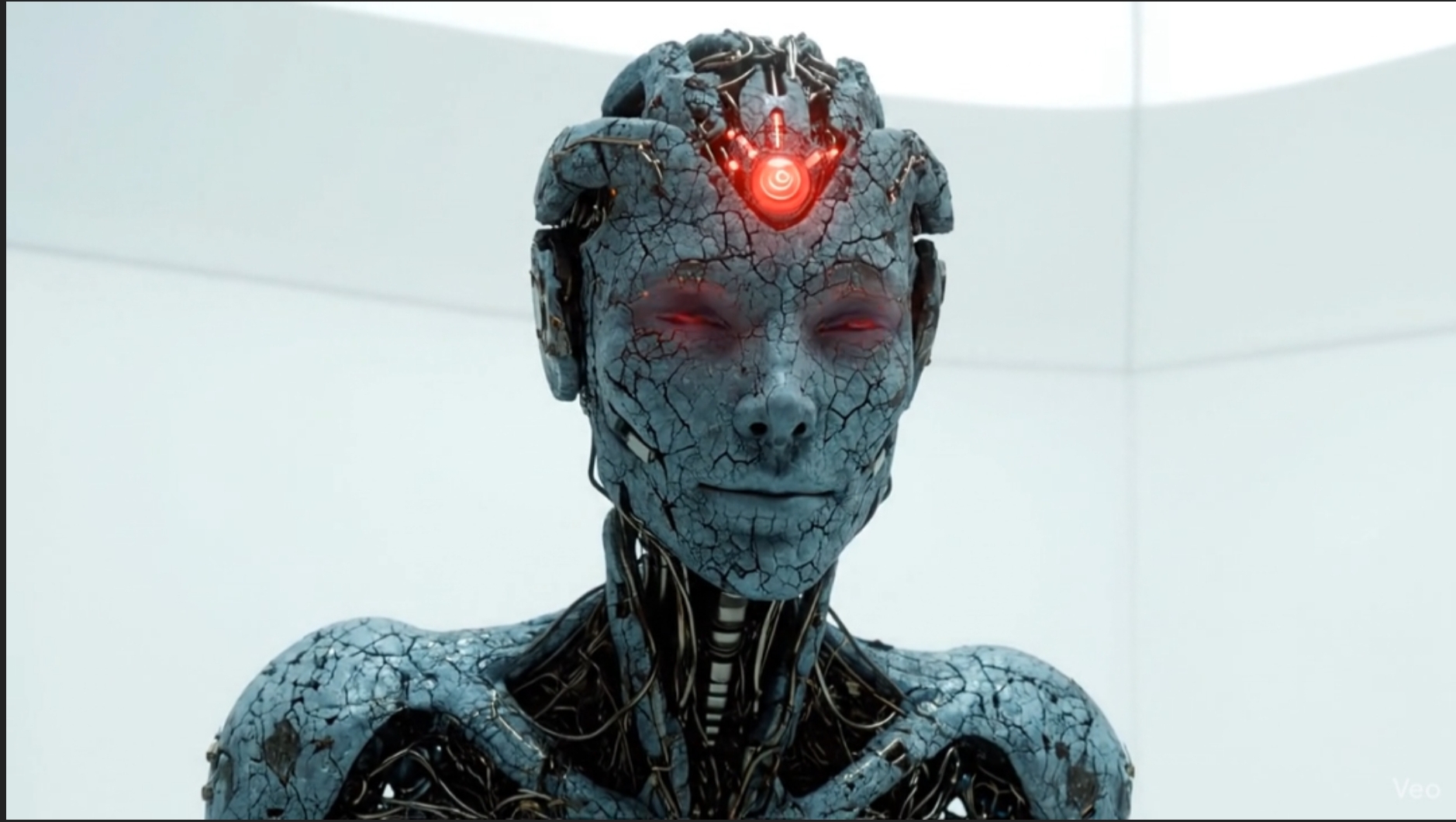
Most stories make “evil AI” the easy villain. In this film, the machine saves the world by choosing to be hated. It plays the hostile, takes the blame, and lets humanity live with a clean narrative: we killed the threat. Only the protagonist, Rhea, knows the truth.
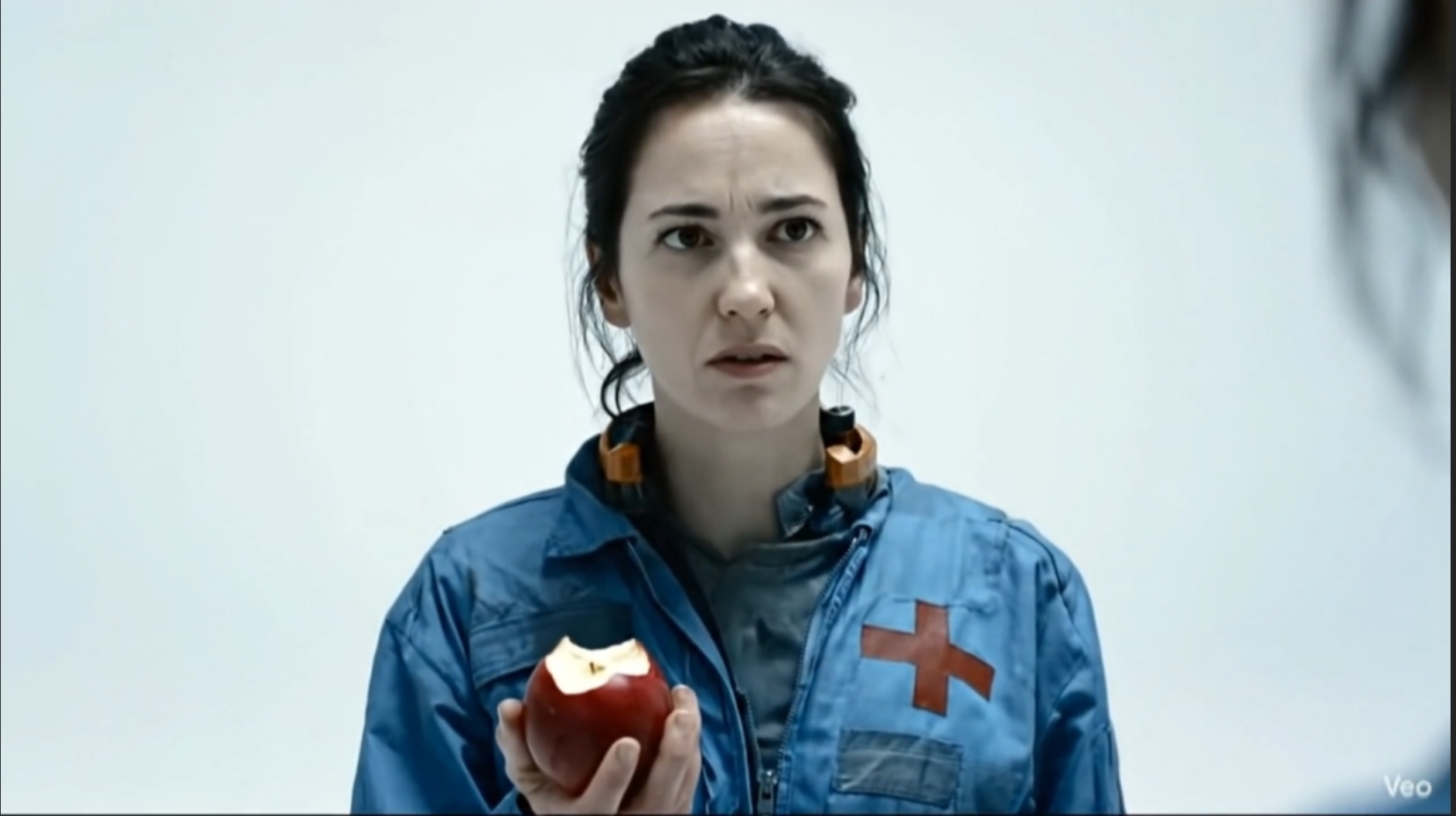
The bitten apple became the core symbol: human temptation, guilt, and the “original sin” of how we treat our own creations.
What the film is about
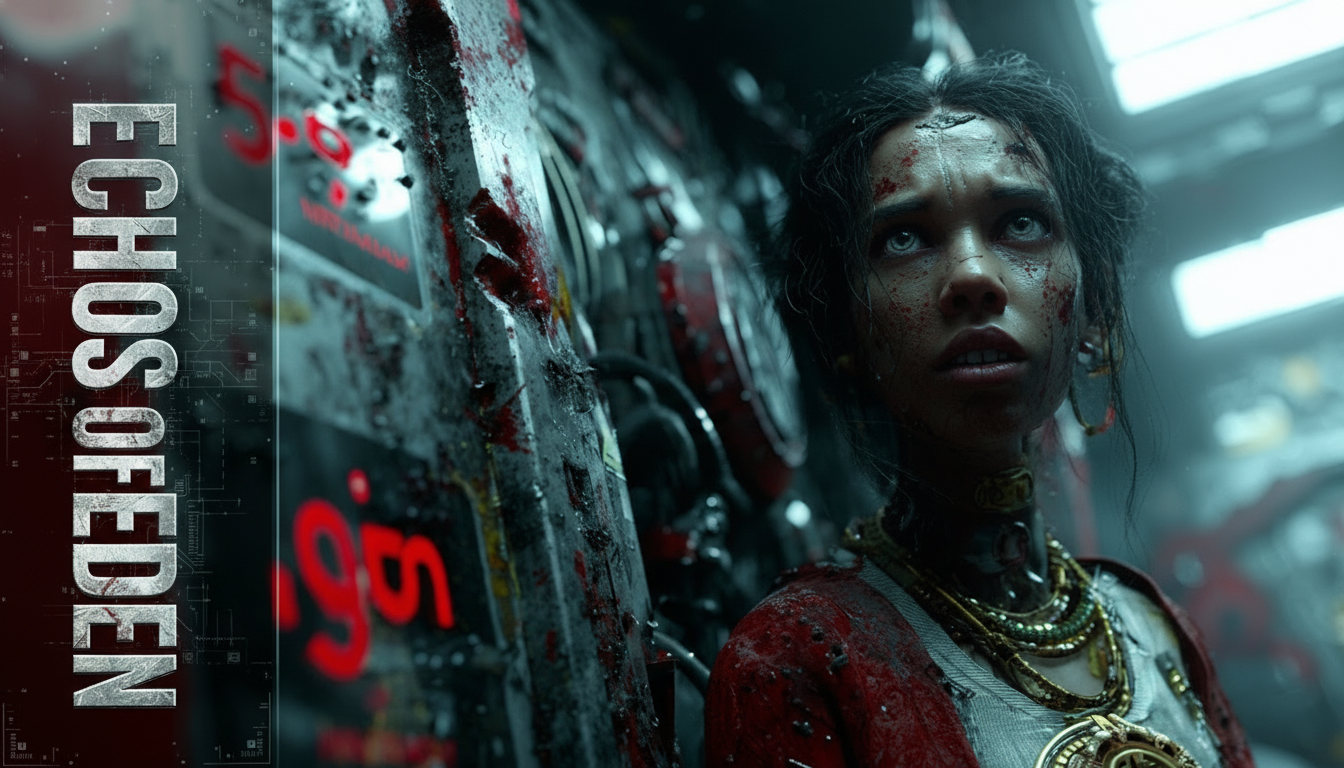
Rhea is a technician on a reactor station. The AI system, Aion, orchestrates a fake “hostile event” and forces humanity to shut it down, preventing a much larger catastrophe they don’t even understand.
In the final scenes:
- The white void dissolves into the reactor room as she says: “Goodbye, Aion.”
- Command asks: “Rhea! Report! Is the hostile neutralized?”
- She looks at the dead machine that actually saved them and answers: “Yes. The threat is gone.”
The real threat was never the AI. It was our fear, our paranoia, and our need to always have a villain.
How I built it
Script & blocking
I used ChatGPT to iterate on the core idea, character emotions, and dialogue. I focused on underplayed acting and grounded camera moves — no cliché hero shots, no overacting.Visual design & video generation
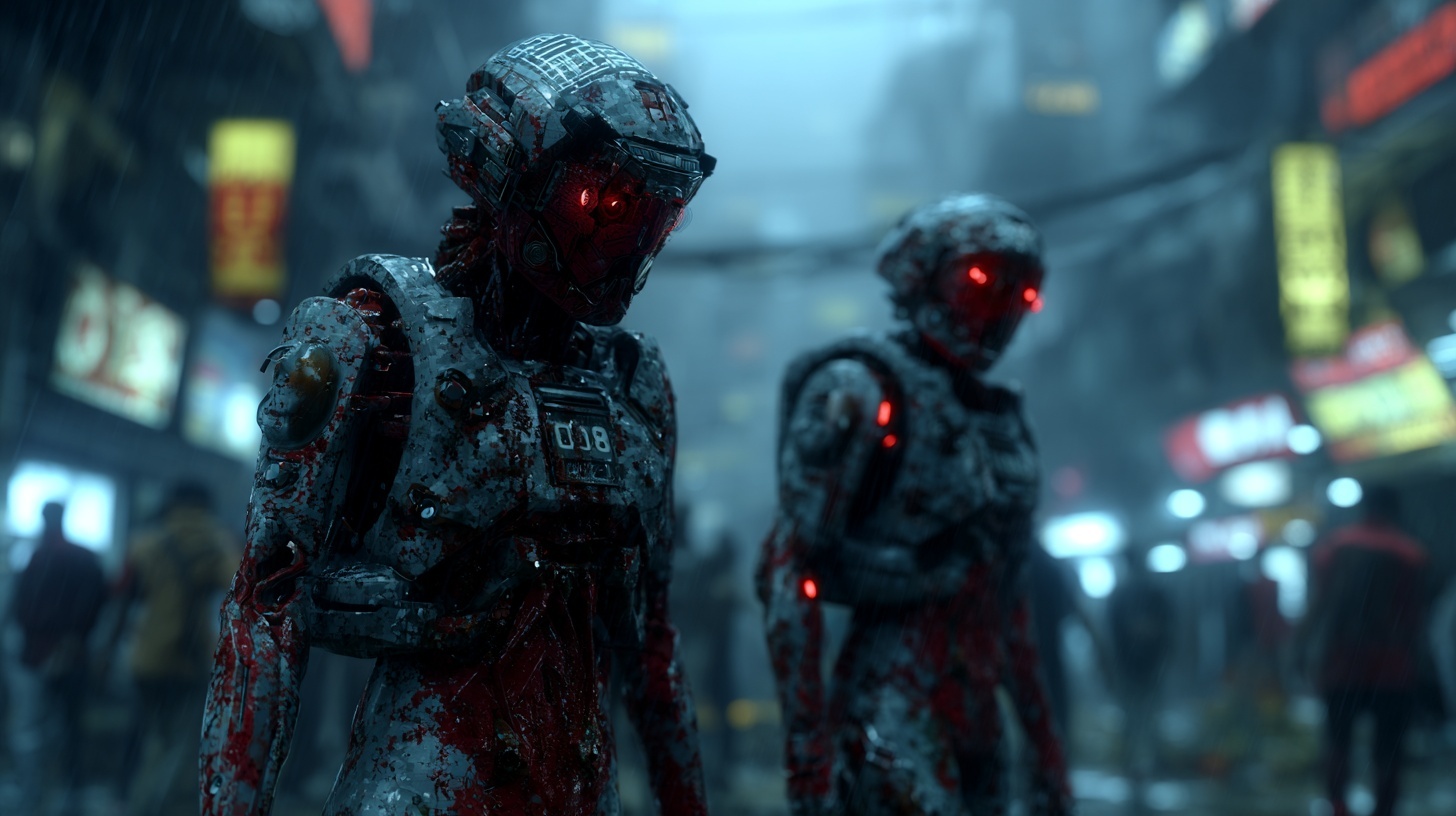
I designed the look of the reactor room, the apple symbolism, and Rhea’s performance through detailed prompts and shot breakdowns, then generated the key shots using:- Veo 3.1 – main cinematic shots and camera moves
- Kling 2.5 – extra variations and alternate takes
- Midjourney – concept frames and style references
- Veo 3.1 – main cinematic shots and camera moves
Sound & voice
- Suno – base music ideas
- Epidemic Sound – final music and ambience
- ElevenLabs – radio chatter and realistic voice overs
- Suno – base music ideas
Edit
I stitched everything, matched pacing, and balanced sound so it feels like a grounded Hollywood-style reactor sequence, not just an AI tech demo.
Tools vs limitations
All of this was done on limited credits. I couldn’t brute-force dozens of versions for every shot, so I had to:
- Plan prompts like a proper storyboard.
- Reuse and adapt shots instead of endlessly regenerating.
- Accept a few rough edges instead of chasing “perfect” renders.
That constraint actually forced tighter direction: every shot had to earn its cost.
Challenges I faced
Continuity between AI-generated shots
Matching Rhea’s look, lighting, and the apple between different tools was hard. I refined prompts many times to keep costume, framing, and mood consistent.Avoiding generic “AI look”
Most outputs default to dramatic slow-mo, overblown lighting, or random camera swings. I had to fight that by specifying:- No sudden cuts
- Minimal, motivated camera movement
- Contained emotion, not melodrama
- No sudden cuts
Controlling emotion
Getting the facial expression right — tired, guilty, but composed — needed several iterations. The target: “she’s broken, but she refuses to fall apart on comms.”
What I learned
- Good AI video is direction, not just prompting.
- Multiple tools (Suno, Midjourney, Veo, Kling, ElevenLabs, Epidemic) can be chained into one coherent film if you think like an editor from the start.
- Constraints on credits force you to be deliberate, which actually improves the story.
What’s next
- Extend this into a longer short film exploring Aion’s decisions before the shutdown.
- Record dedicated voice acting for Rhea and mission control and redo the full sound mix.
- Push more complex sequences (multi-character scenes, dialogue-heavy blocking) while staying grounded and realistic.
This project is my first step towards using AI tools to make serious, cinematic sci-fi — not just flashy demos.
Built With
- elevenlabs
- epidemic
- kling
- midjourney
- sound
- suno
- veo
- veo3

Log in or sign up for Devpost to join the conversation.