Inspiration
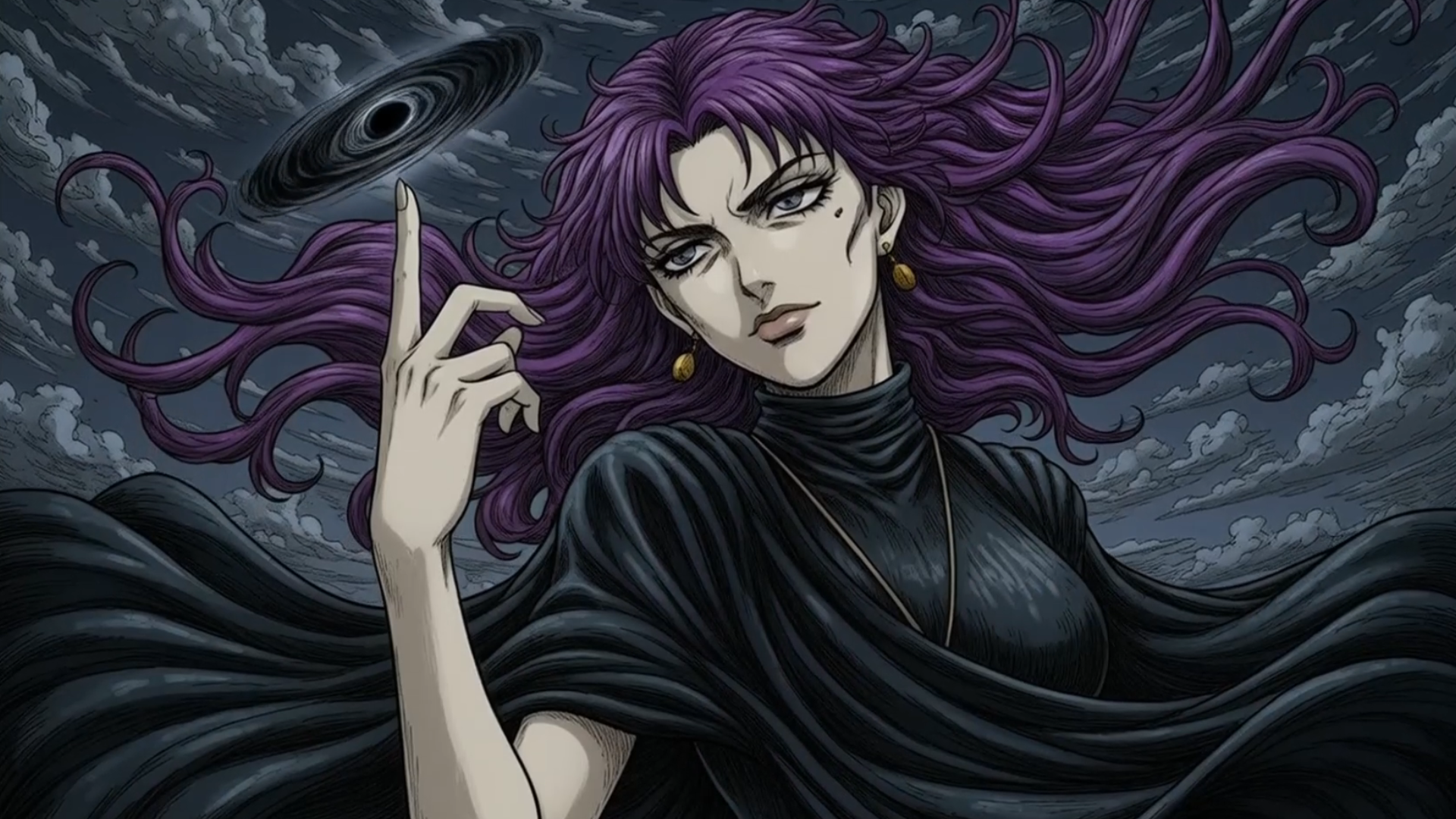
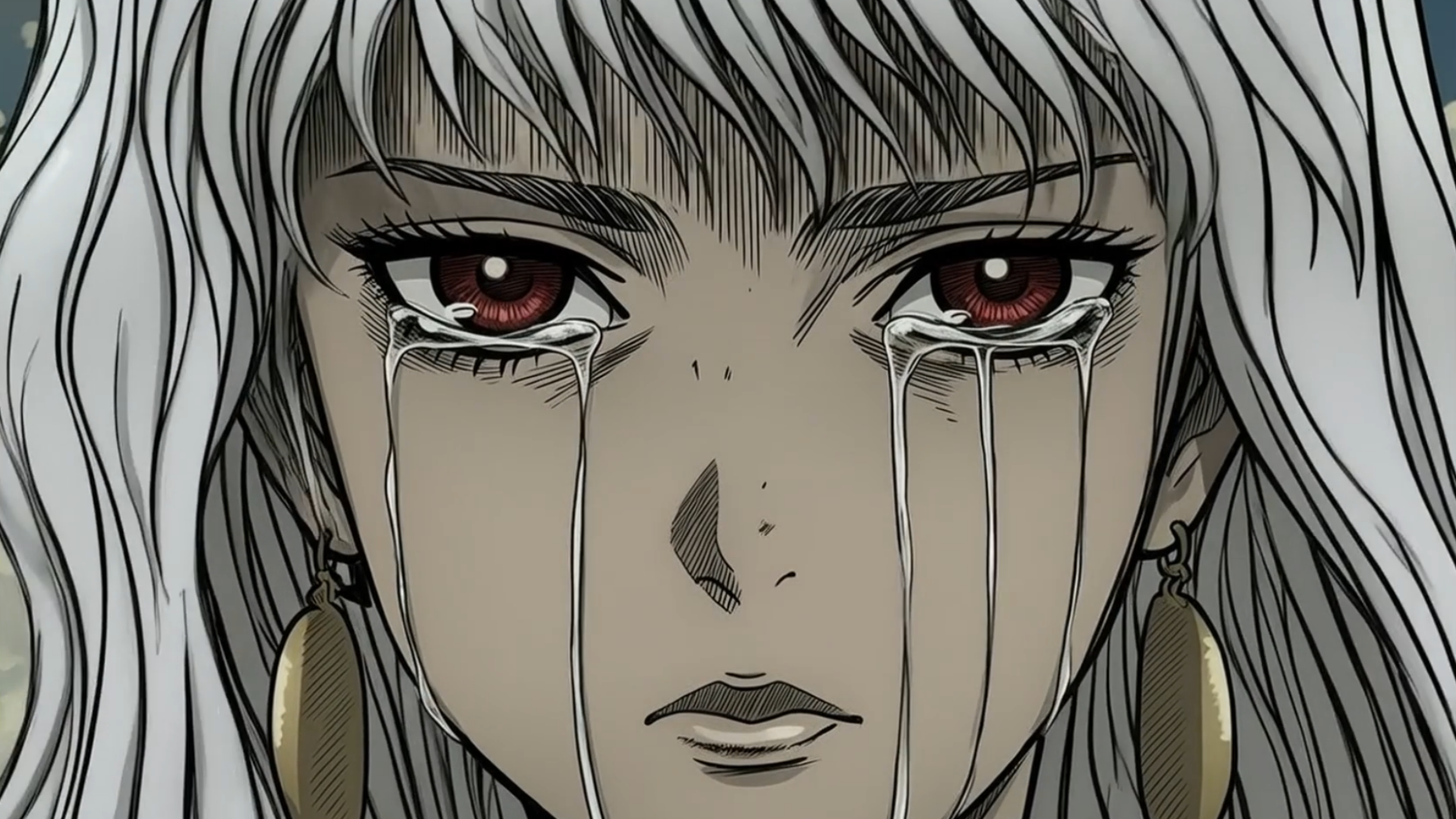
EchoCell was born from the stark contrast between the safe worlds we build online and the brutal ones we endure offline. We watched countless news stories about school bullying where bystanders filmed instead of intervened. The question haunted us: what if the monsters we fight in games were just encrypted versions of real trauma? We drew from the nostalgic manga aesthetics of Sailor Moon and Neon Genesis Evangelion—those hand-drawn frames where transformation sequences promised power to the powerless. The white-haired heroine isn't a fantasy; she's a coping mechanism. We wanted to weaponize nostalgia, forcing viewers to realize that the pixelated demons they cheered on were standing on real necks.
What It Does
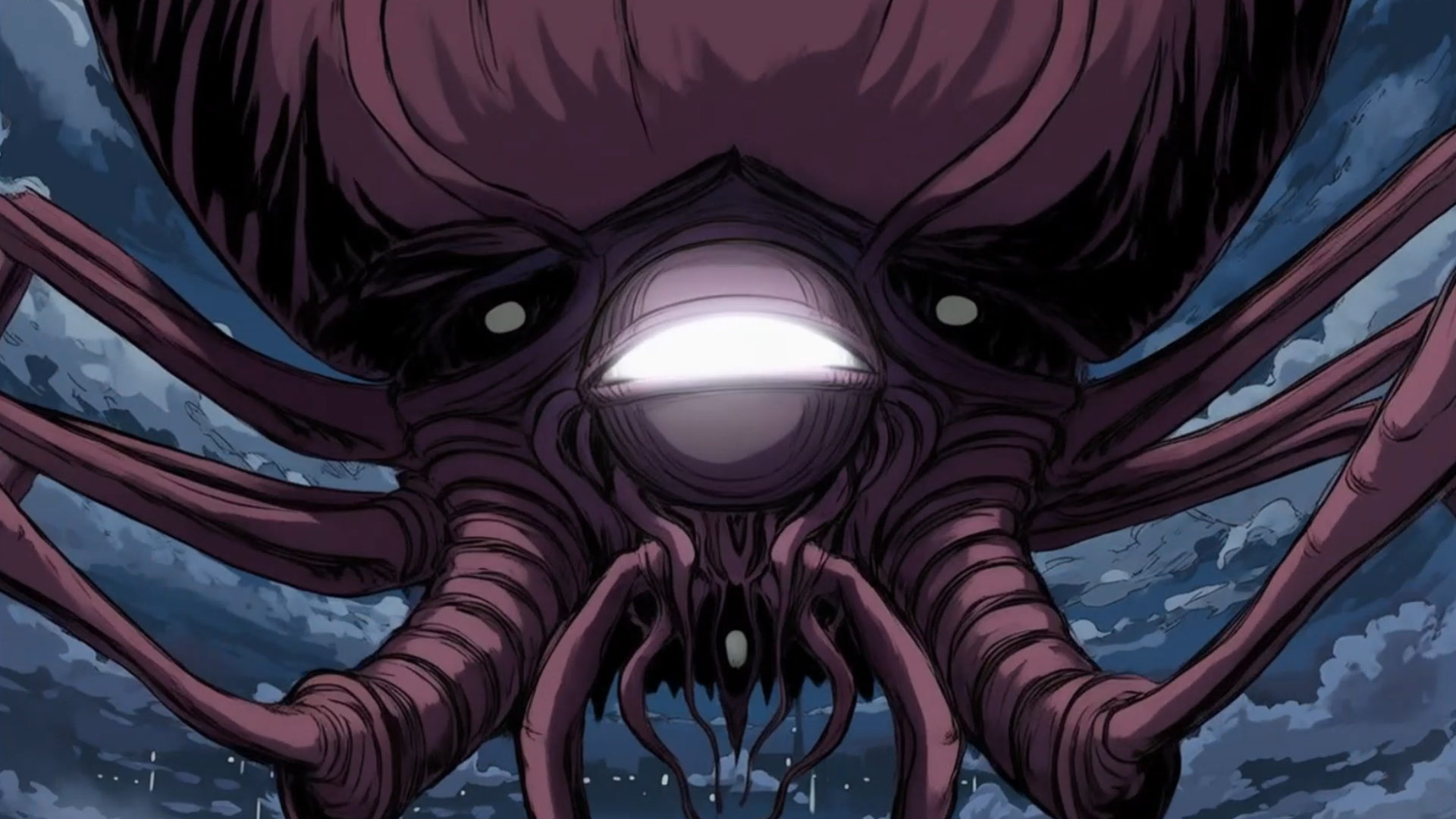
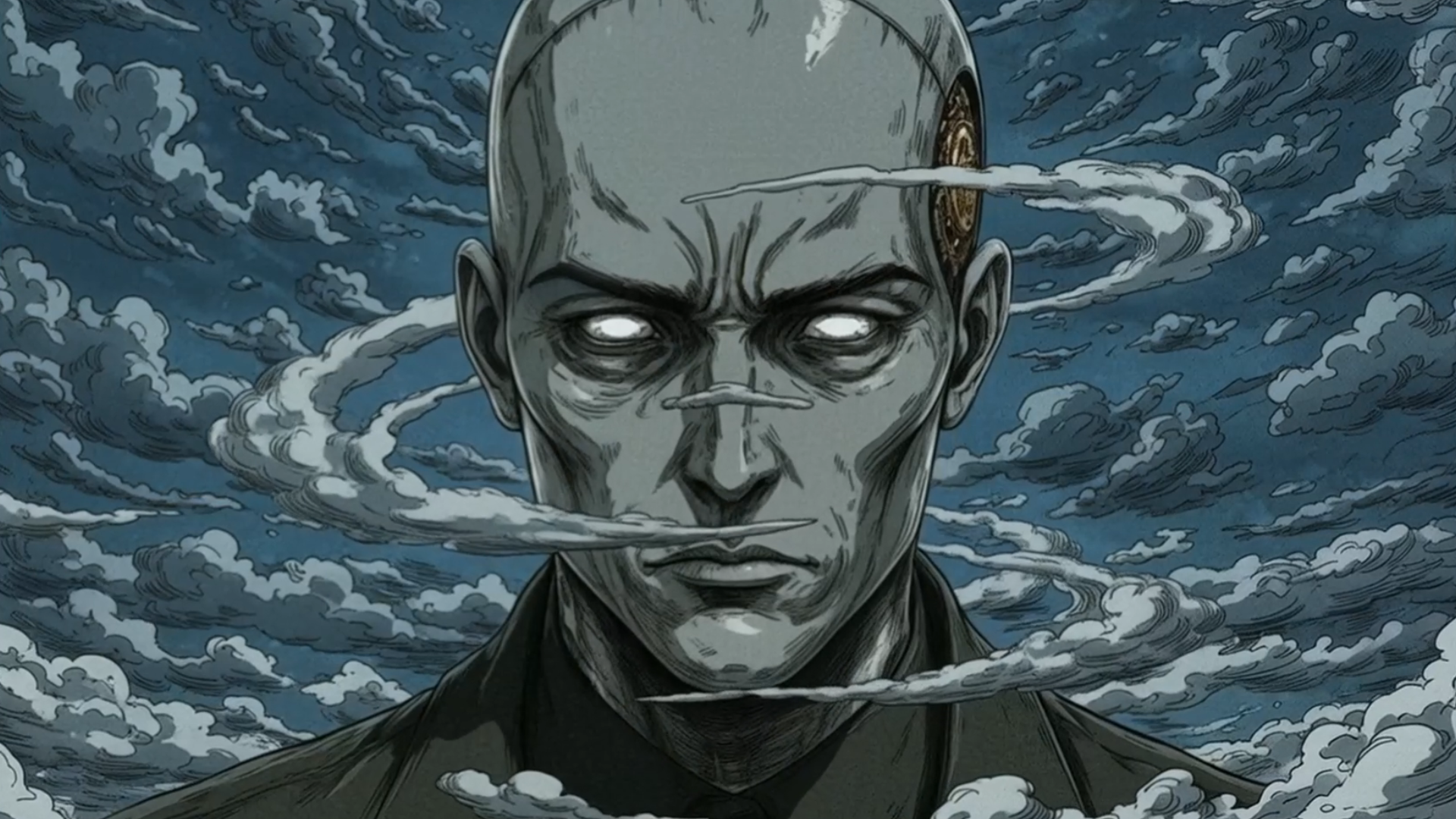
It's a 7-minute AIGC short that surgically layers two narratives frame-by-frame: ZI's side-scrolling boss battles (spider/witch/principal) and the unglamorous cruelty of her school corridors. Each monster's attack pattern maps 1:1 to a bullying tactic—the spider's venom is rumors, the witch's mirror is body-shaming, the principal's hammer is institutional silence. The film begins in lush 1980s manga watercolor, but every time ZI "wins" a level, the art degrades: pixels fray, lines wobble, color bleeds. By the final boss, the manga skin tears completely, revealing raw live-action footage of her crying in a bathroom stall. The post-credits interactive question ("Will you HELP?") isn't rhetorical; it's a tracked metric. If 51% of viewers let the auto-cursor slide to Yes, we unlock real resources for bullying victims. It's not just a film—it's a litmus test for human decency.
How We Built It
We started by training a custom LoRA on 500+ hand-selected frames from 1980s shoujo manga, capturing not just the aesthetic but the specific line weight and emotional punctuation of that era. This became ZI's visual DNA. Tapnow then didn't just storyboard—it animated the boards, creating rough motion tests that let us time each boss attack to a real-world bullying moment before we committed to full rendering. For the monsters' fluid, unsettling movements (the spider's legs morphing into texting fingers, the principal's hammer becoming a disciplinary paddle), HailuoAi processed our Tapnow sequences through a trauma-response motion model we fine-tuned on archival footage of startle reflexes. Suno handled all voice work. Finally, CapCut assembled the pipeline, where we manually keyed the interactive cursor's auto-slide curve to match the average viewer's heartbeat delay.
Technical Stack:
LoRA Training→Tapnow→HailuoAi→Suno→CapCut
Challenges We Ran Into
Expression: How to Use Animation to Spark Societal Attention on Youth Mental Health
We didn't want EchoCell to become another preachy public service announcement that only reaches those already listening. The real challenge was leveraging animation—a medium often seen as escapist or childish—to confront audiences with the weight of teen psychological trauma. We had to find a visual language where the manga aesthetic felt both inviting and unsettling, drawing viewers in with nostalgia before forcing them to face uncomfortable truths.
Production: Maintaining Character Consistency
ZI's white-haired avatar appears across multiple game levels and art styles, each representing a different stage of her psychological breakdown. Ensuring she remained recognizably "ZI" while visually deteriorating was technically grueling. Every scar, jitter, and line-weight shift had to be tracked across hundreds of frames. Our custom LoRA model kept trying to "correct" her back to a pristine hero form, so we had to manually inject permanent degradation markers—thinning outlines, fragmented hair strands—while maintaining core facial identifiers. One misaligned frame and the metaphor of "visible trauma" collapsed into a simple animation error.
Interaction: Designing Ethical Prompts for Deep Reflection
The final interactive question—"Will you HELP?"—needed to do more than just ask. We had to engineer a moment where inaction felt like a choice, and action felt earned. The auto-sliding cursor wasn't a gimmick; it was a narrative device designed to make viewers ask themselves: "Do I have the right to stop this?" The challenge was calibrating the friction: too subtle and the point is missed, too aggressive and it feels manipulative. We needed the interaction to linger, to create a silent space where the audience sits with their own hesitation.
Accomplishments We're Proud Of
We proved AI comics can be a Trojan horse for youth mental health conversations. By wrapping trauma in manga armor, EchoCell slipped past the usual defenses—kids thought they were watching anime, not a mirror. The result? Conversations started where silence reigned.
What We Learned
AI doesn't do subtext; you must jailbreak it. We had to prompt with clinical psychology papers on bullying to get monsters that felt like symptoms, not villains.
Interactivity is a narrative tool, not a gimmick. The cursor isn't the point—the choice to watch it move is. That micro-moment of indecision is where empathy germinates.
Style is story. The manga aesthetic wasn't retro-candy; it was a lie we told the audience (and ZI) about escape. When it shatters, the betrayal is the message.
What's Next for EchoCell
Phase 1: The Trauma Codex – A Series of Echoes
We’re expanding EchoCell into a growing anthology, each short a new protagonist’s psychological battlefield. The rhythm-game boss becomes a panic-attack spiral; the puzzle level erodes as depression removes vital pieces. Every story follows the same arc—manga nostalgia fracturing into raw reality—but the monsters morph to match each trauma's unique fingerprint. We’ll open-source our LoRA training protocol so survivors can storyboard their own bosses, turning personal pain into a visual language others can finally see.
Phase 2: Decentralized Storytelling
We’re developing a creator framework where anyone can feed their script into our adapted pipeline to generate trauma-informed shorts. The workflow remains consistent: storyboarding, motion generation, voice layering, and interactive editing—all accessible through a unified interface. Each episode still asks "Will you HELP?" but the call-to-action auto-populates with local resources—school counselors, crisis lines, peer support networks. The series becomes a global chorus, not a single voice.
The Real Goal: Armor, Not Awareness
We don’t want viewers to understand bullying; we want them to recognize its silhouette in their own halls. If a teenager can render their personal Gaslight Gorgon and show it to their parents, we’ve turned a short film into protective equipment. The series isn’t content—it’s a vaccine, administered one frame at a time.
Built With
- capcut
- hailuoai
- lora
- suno
- tapnow


Log in or sign up for Devpost to join the conversation.