-
-
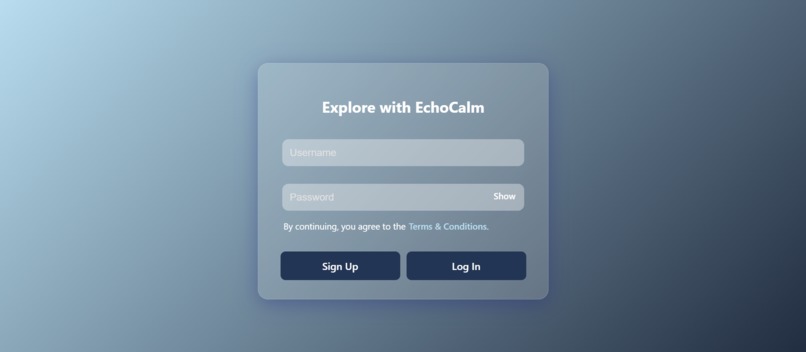
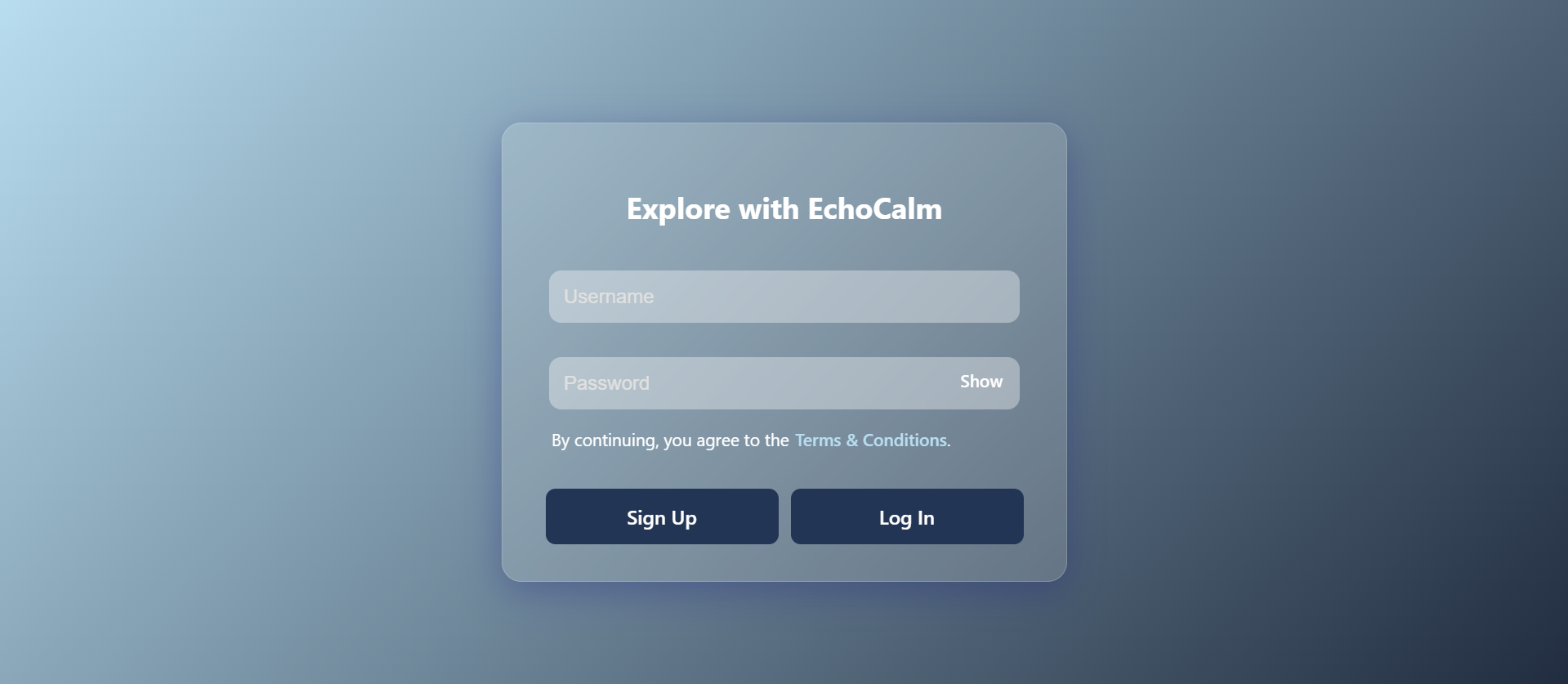
Login and sign up
-
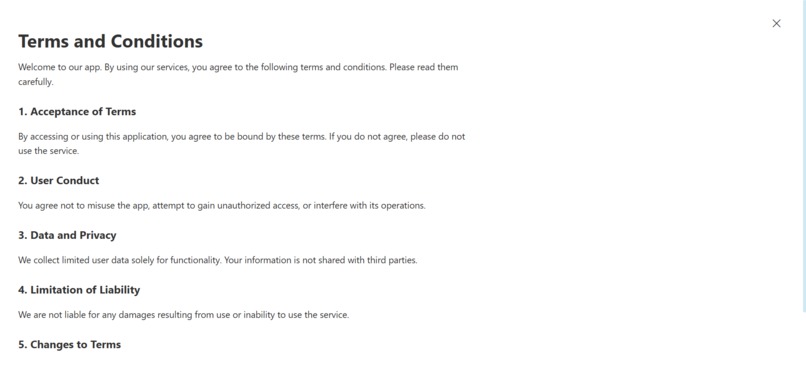
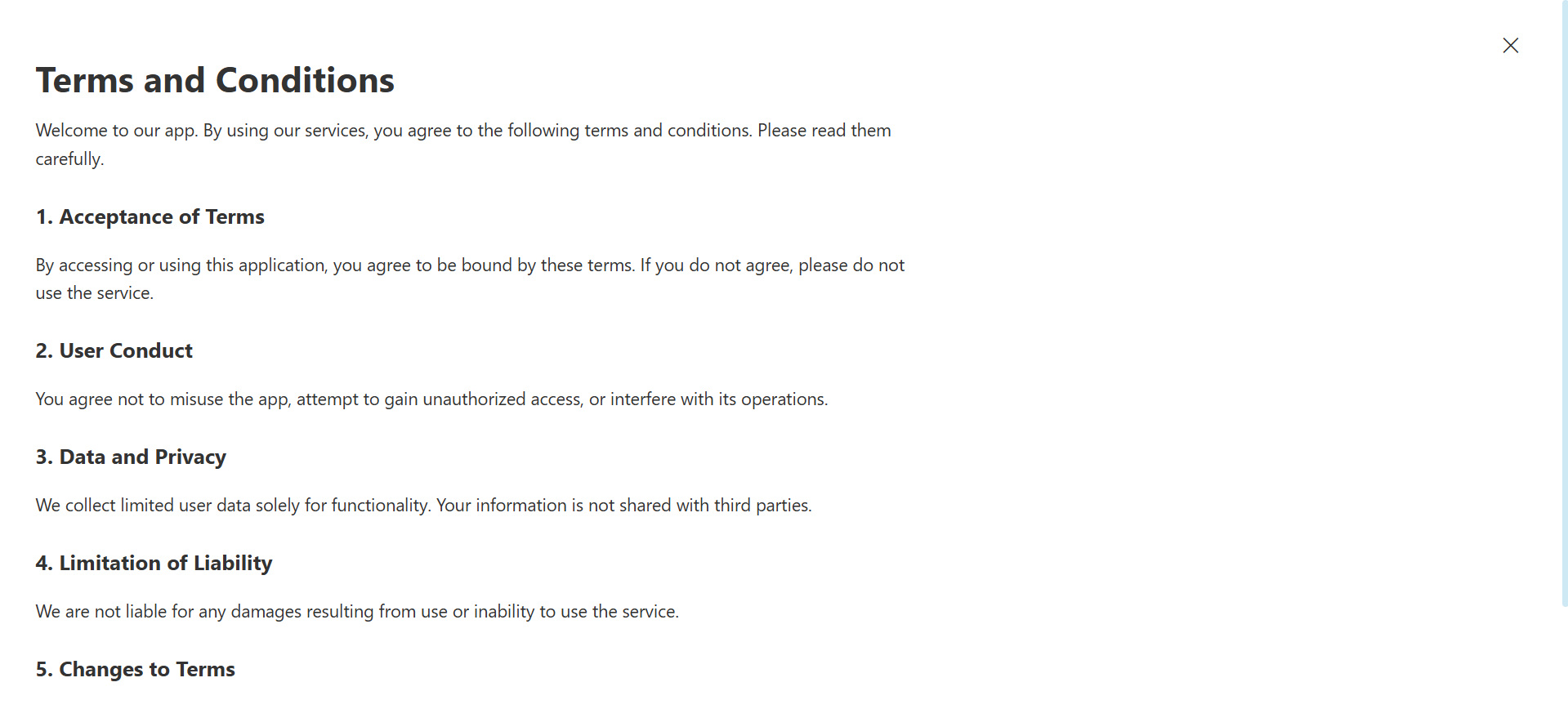
T&C
-
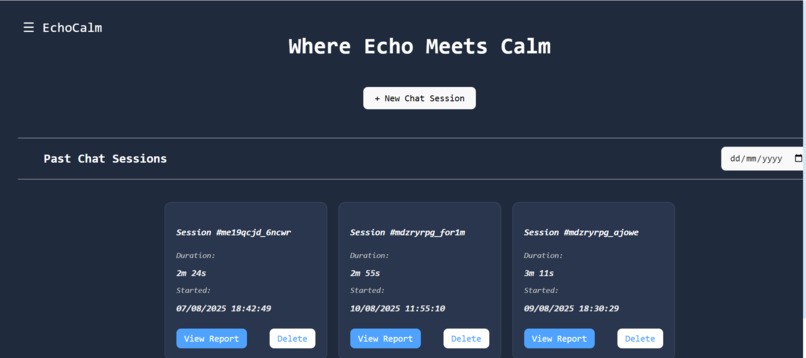
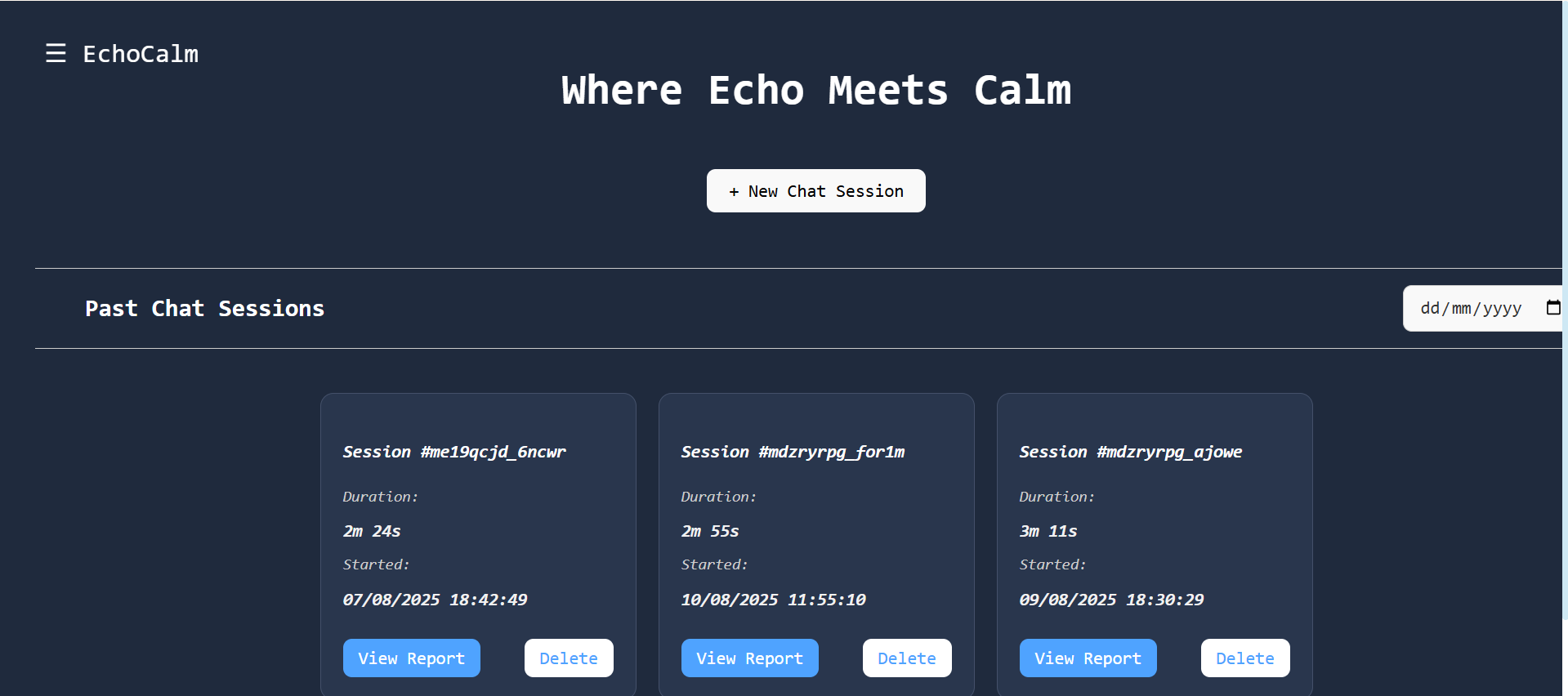
Homepage
-
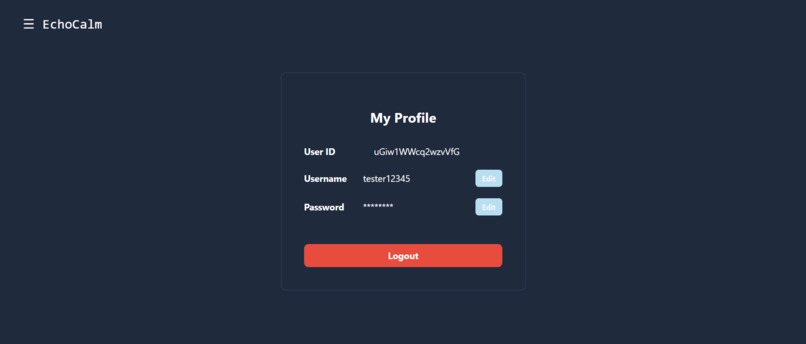
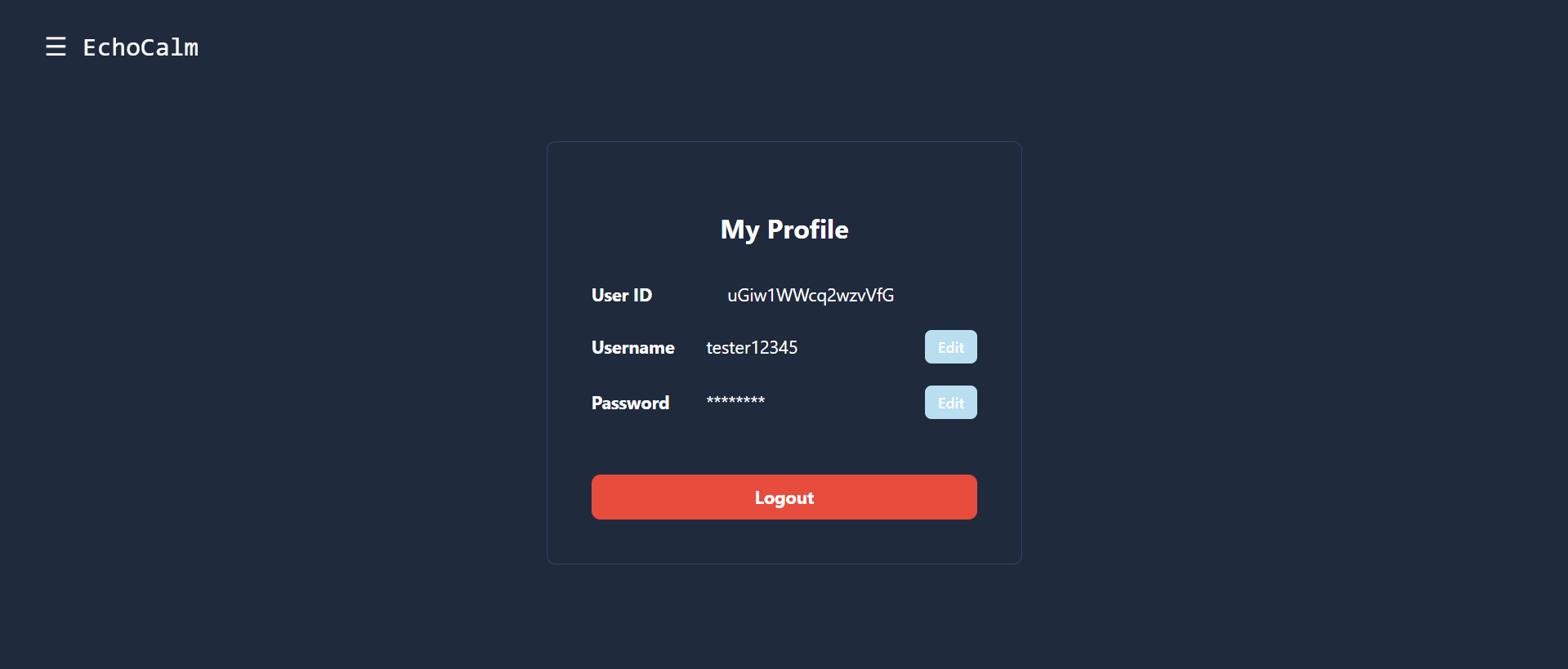
User Profile
-
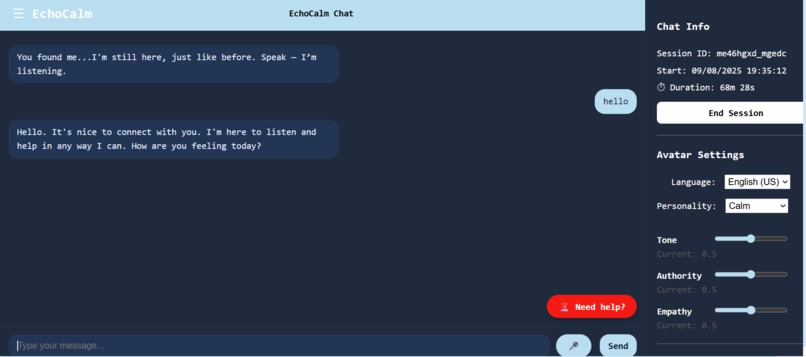
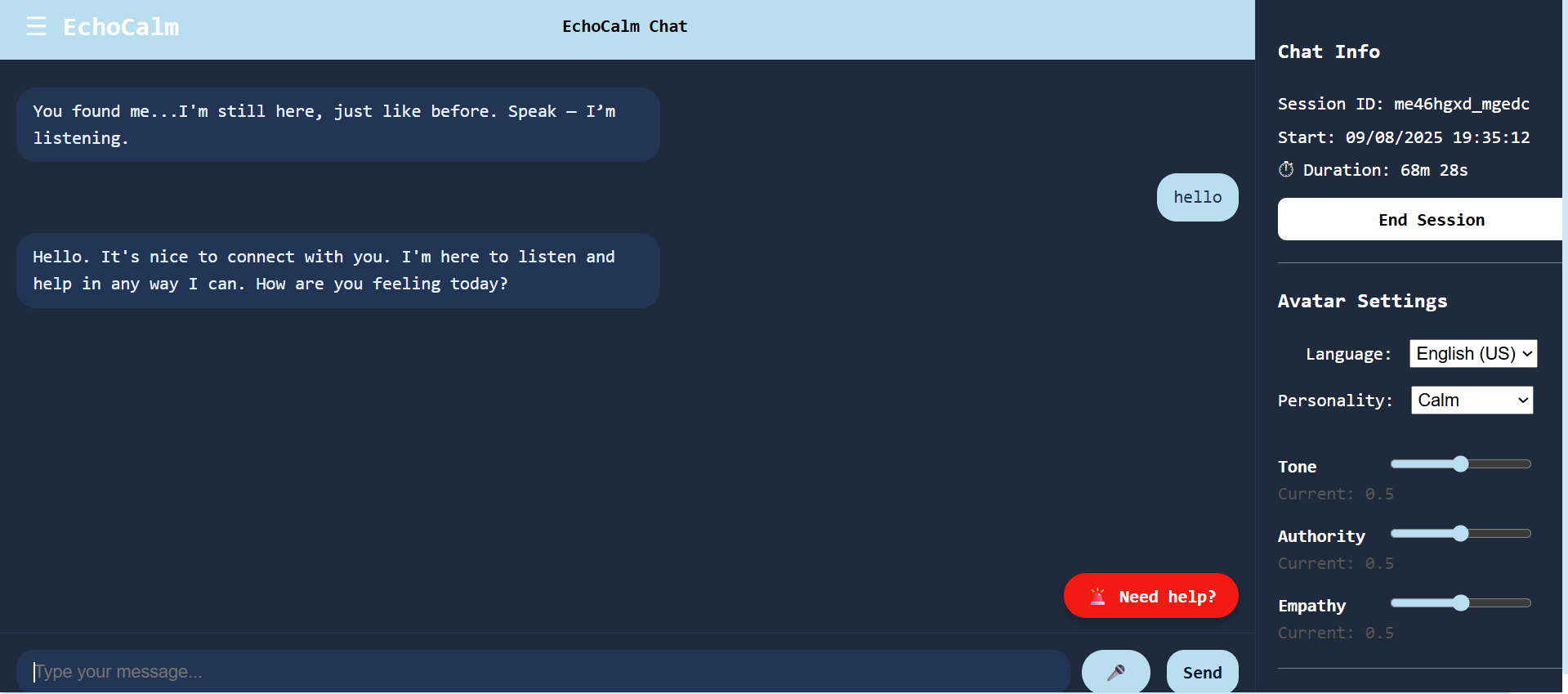
AI Chatbot
-
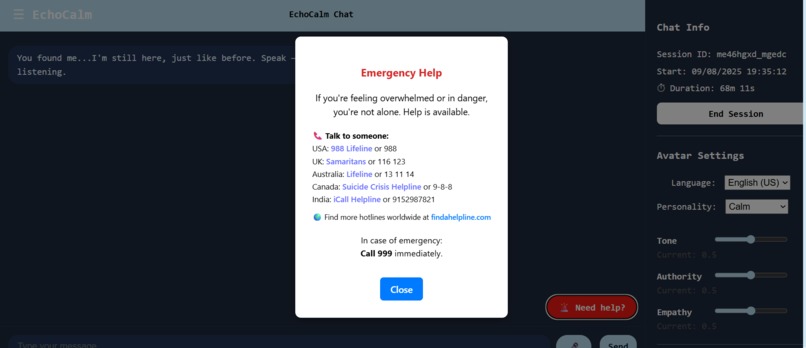
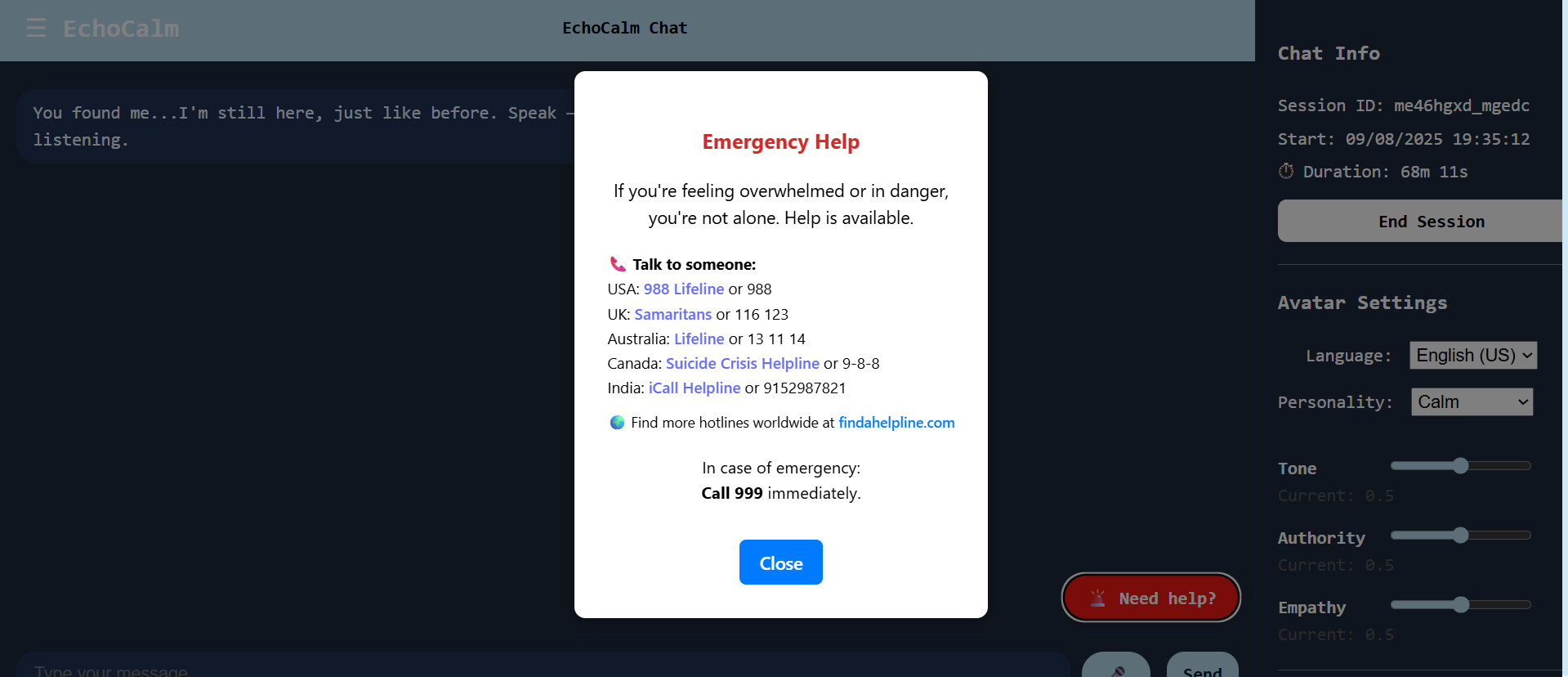
Emergency Help
-
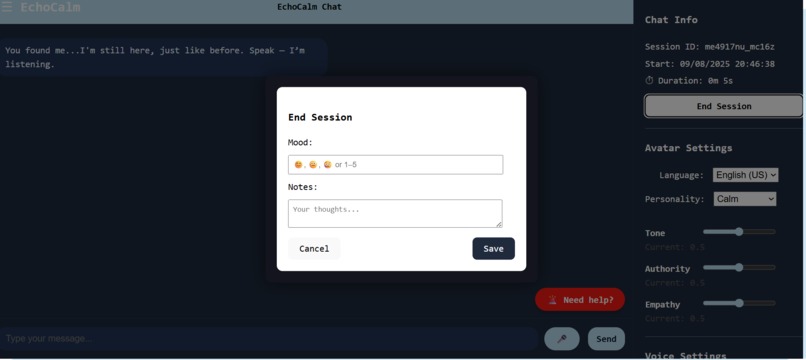
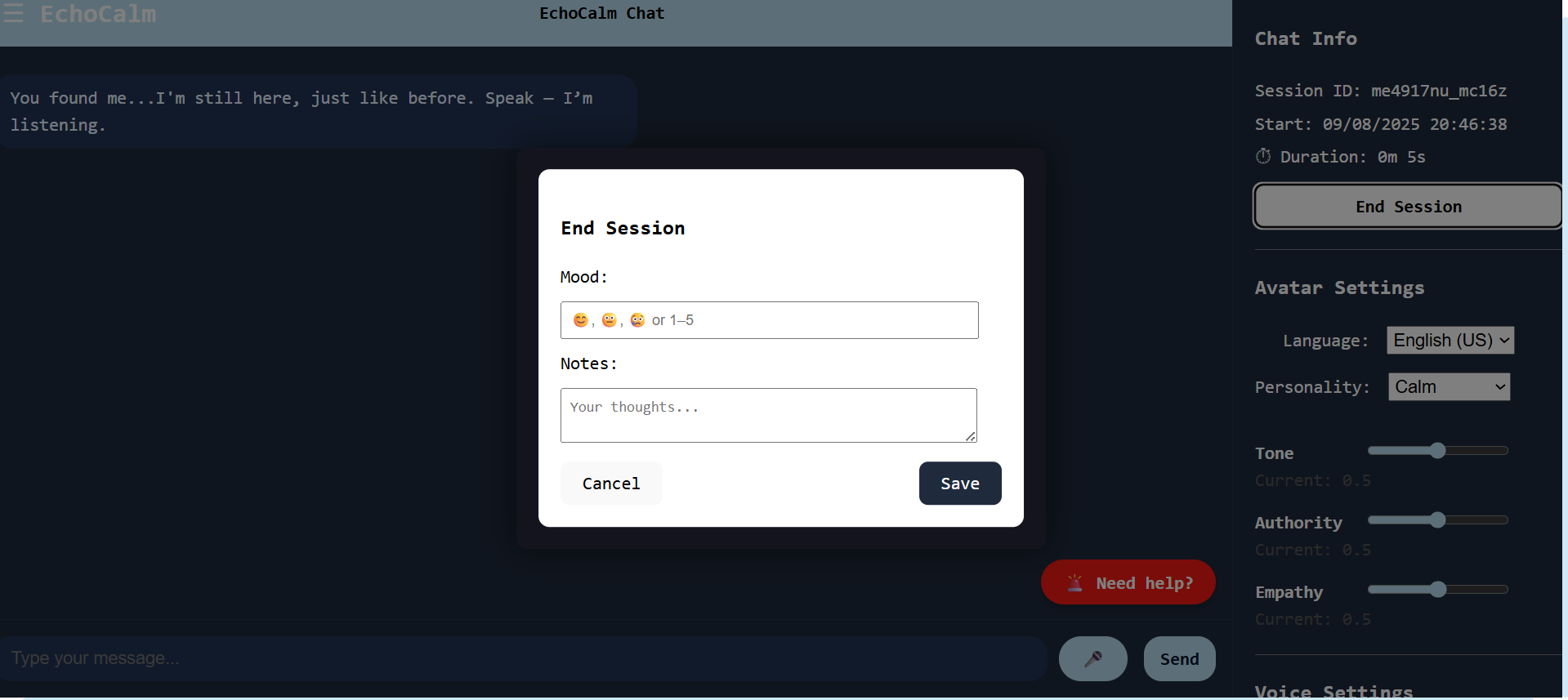
Mood and reflection logs
-
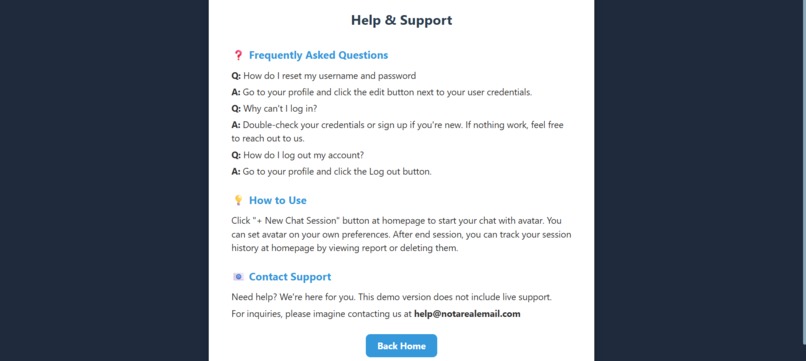
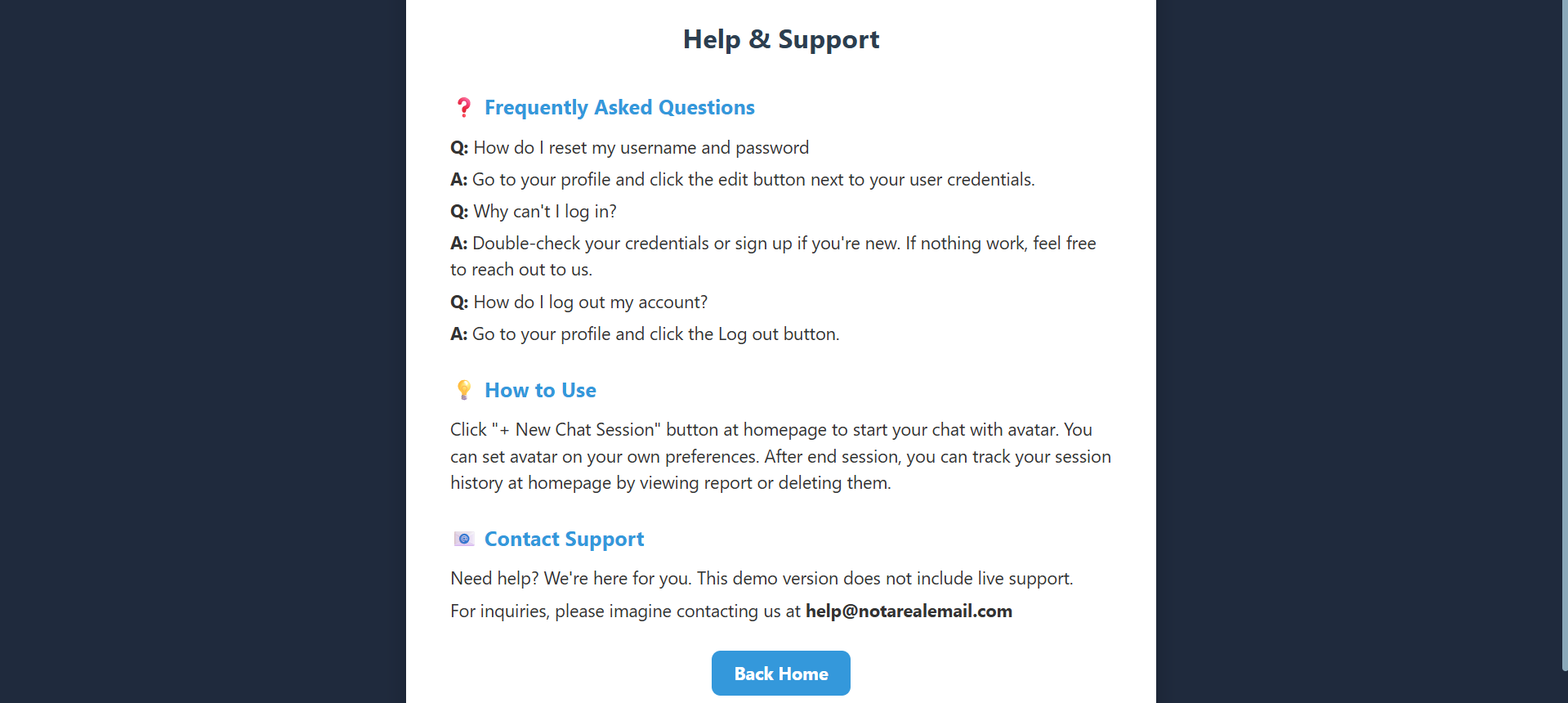
Help and FAQ
Inspiration
EchoCalm was inspired by Avatar Therapy, where introduced by Prof. Julian Leff at UCL link . This approach creates a digital representation of auditory hallucinations that sufferers hear and interact with them in a safe and guided environment, with aid of human therapist. My motivation is to create a private, accessible and AI-driven alternative for those who face barriers for traditional therapy, due to limitations of cost, social stigma and geographical issues.
What it does
EchoCalm provides features:
- AI-guided conversations with avatar in real-time
- customizable and personalized avatar personality and voice to match with hallucination
- Instant emergency button during sessions for safety affordances
- Mood and relfection logs during post-sessions
- Past session records tracking
- Exportable session records in PDF for personal use or clinical healthcare
- Help Page for navigation guidance and FAQ
How we built it
- Frontend: React (JSX+CSS)
- Backend: Drogon C++ Framework
- Database: Local JSON file storage
- Real-time Chat: WebSocket connection
- AI simulation: OpenRouter API (meta-llama/llama-4-maverick model)
- Extra features: TTS(text-to-speech), STT(speech-to-text) synthesis
Challenges we ran into
- This was my first time doing full-stack website development, so I had to learn frontend and backend integration from scratch
- Time constraints to train own AI model (so I used a hosted model for simulation instead)
- Struggle with online deployment (so there is no hosted demo link yet, but a run-through demo video is provided)
- Some planned features have to be postponed for future development due to limited timeframe.
Accomplishments that we're proud of
- Built a functional AI-integrated mental health tool completely from scratch
- Self learning all necessary skills using online materials, and developing every component independently
- Learn how to connect backend logic with a modern frontend framework such as React
- Implemented core functionalities in first version such as avatar chatting, voice customization and after-session reflection logs
What we learned
- How to build and connect a C++ backend server with a React frontend
- How to integrate AI APIs for real-time conversation
- The importance of designing for user safety in mental health tools
- CSS coding skills
What's next for EchoCalm
- Add human therapist collaboration for AI-human hybrid therapy
- Introduce CBT(cognitive behavioral therapy) exercise modules to provide additional and structured support
- Enhance voice synthesis and avatar realism such as visual representation
- Use a cloud-based database for multi-user access
- Properly host the app for public accessibility


Log in or sign up for Devpost to join the conversation.