-
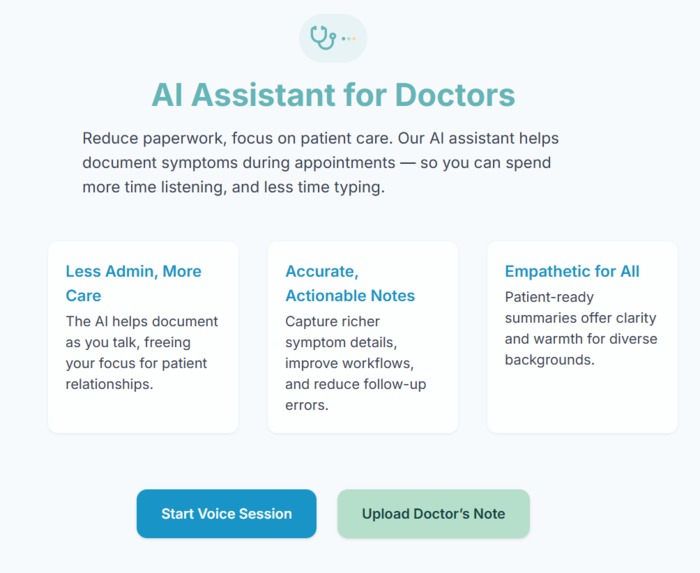
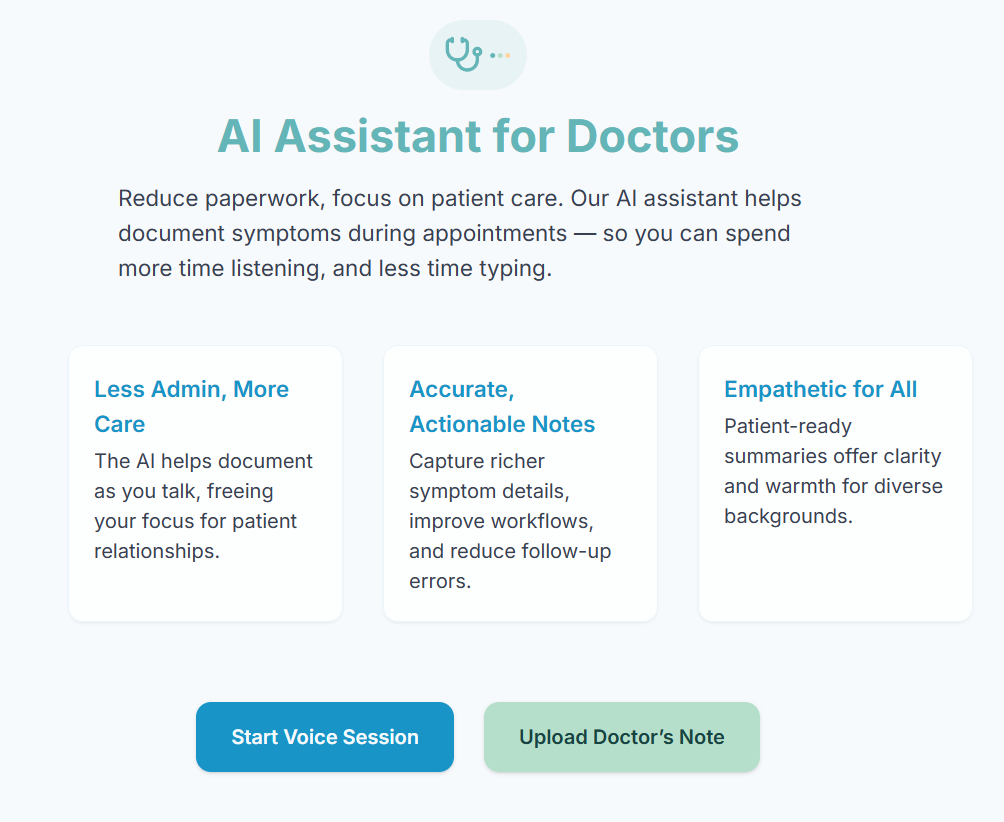
Homepage
-
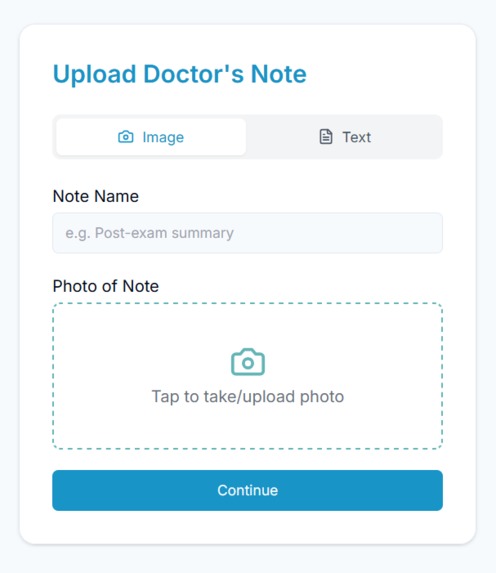
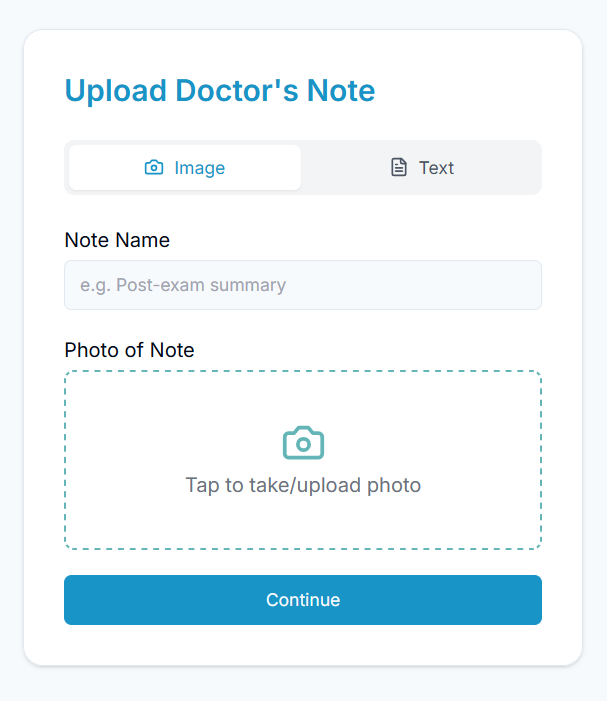
Upload note tool
-
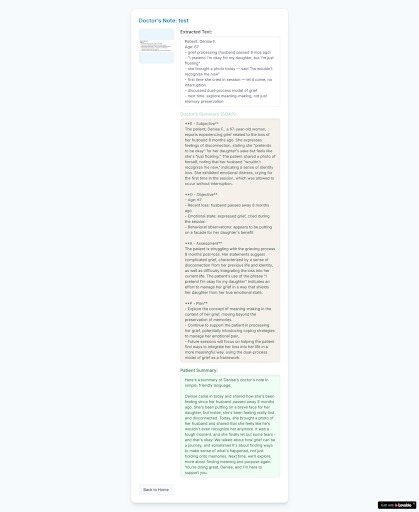
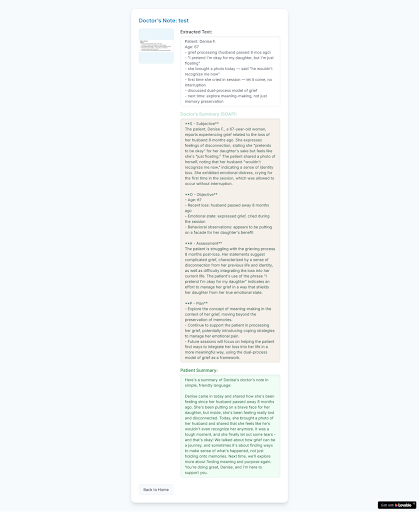
AI-generated doctor's and patient summary
🔍 Inspiration
Doctors and therapists often take quick, messy notes — hard to read, hard to share, and hard for patients to understand. We wanted to create a tool that bridges that gap: one that understands scratch-style notes and turns them into clear, useful summaries for both patients and providers. Especially in mental health, tracking progress across sessions is key — but it's rarely done well. We built Echo to change that.
💡 What it does
Echo is an AI-powered tool that takes unstructured clinical notes (like those scribbled during therapy or doctor visits) and turns them into:
- Patient-friendly explanations in plain language
- Structured summaries for providers (for EMRs, handoffs, referrals)
- A timeline of sessions showing changes and recurring issues over time
It works with both physical and psychological health notes.
🛠️ How we built it
We used:
- Groq API (Llama) for language understanding and summarization
- A custom note parser for shorthand & medical phrases
- Lovable for frontend, Supabase for backend
🧱 Challenges we ran into
- Parsing messy, shorthand notes that lack grammar or structure
- Separating physical from psychological content accurately
- Making summaries both medically accurate and patient-friendly
- Avoiding hallucinations or oversimplification in sensitive cases
🏆 Accomplishments that we're proud of
- Built a working prototype in less than 3 hours
- Generated both patient and doctor summaries from examples
- Simulated timeline view of therapy session notes
- Maintained tone-sensitive output (empathy in mental health, clarity in physical care)
📚 What we learned
- Medical AI needs both accuracy and emotional intelligence
- Lovable can do backend and integrate with AI APIs with natural language
🚀 What's next for Echo
- Add support for image-to-note input (real-time dictation)
- Expand timeline analytics for long-term care tracking
- Pilot with small clinics or mental health startups
Built With
- groq
- llama
- lovable


Log in or sign up for Devpost to join the conversation.