-
-
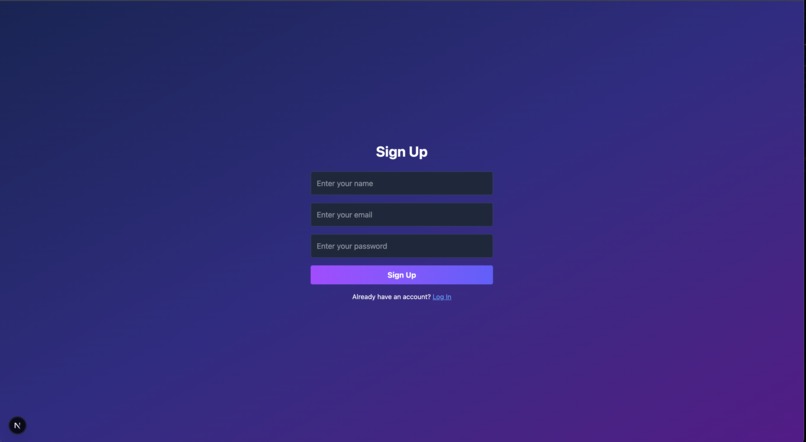
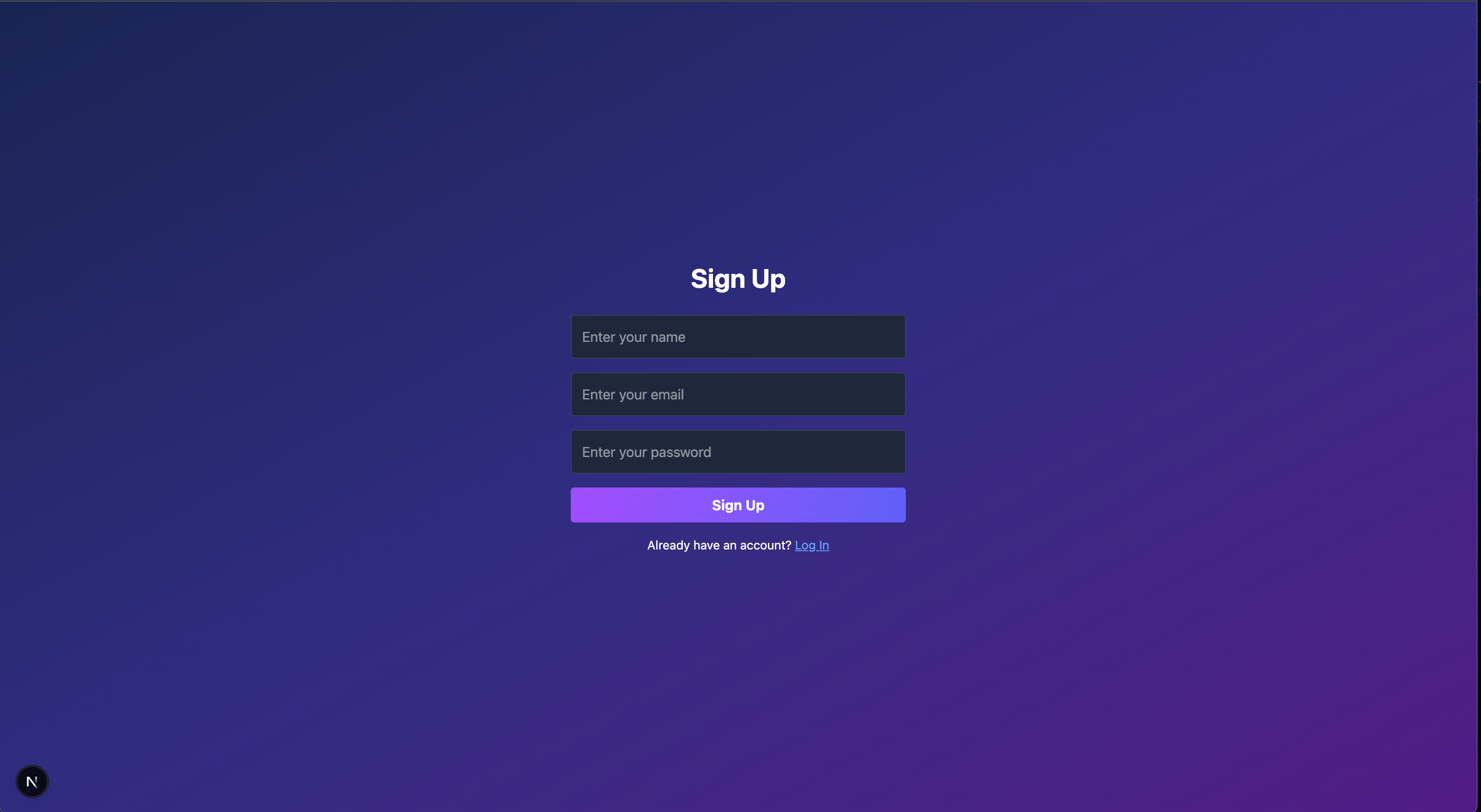
sign up
-
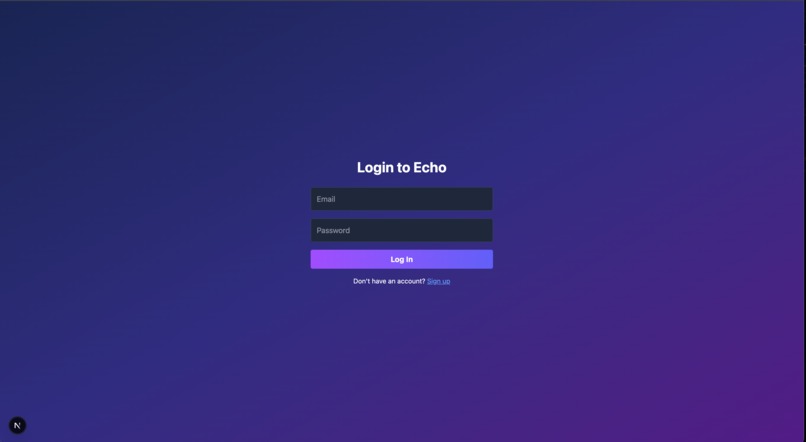
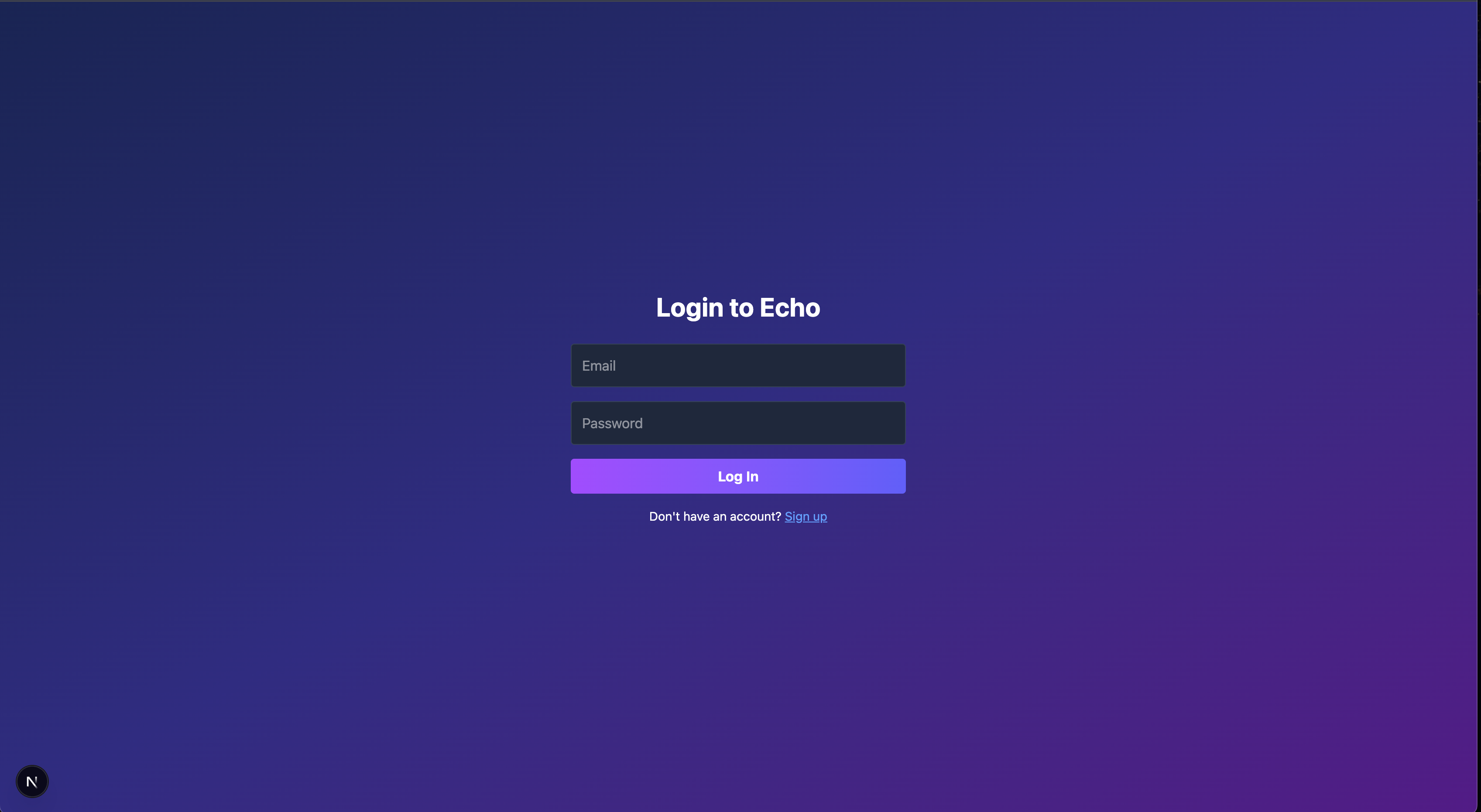
Login
-
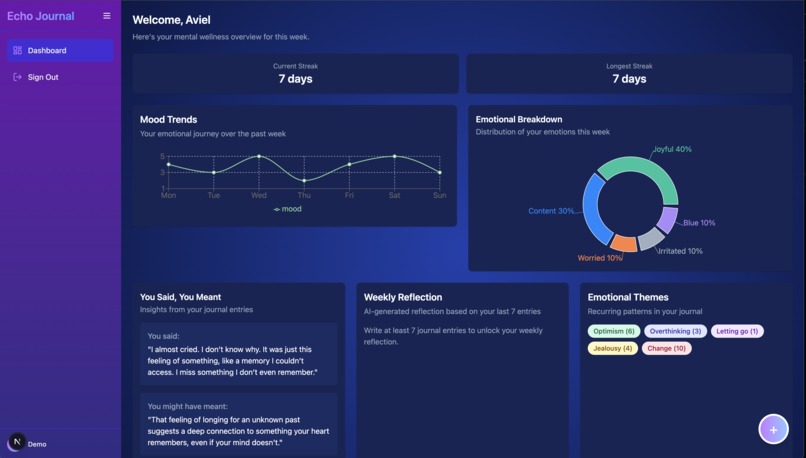
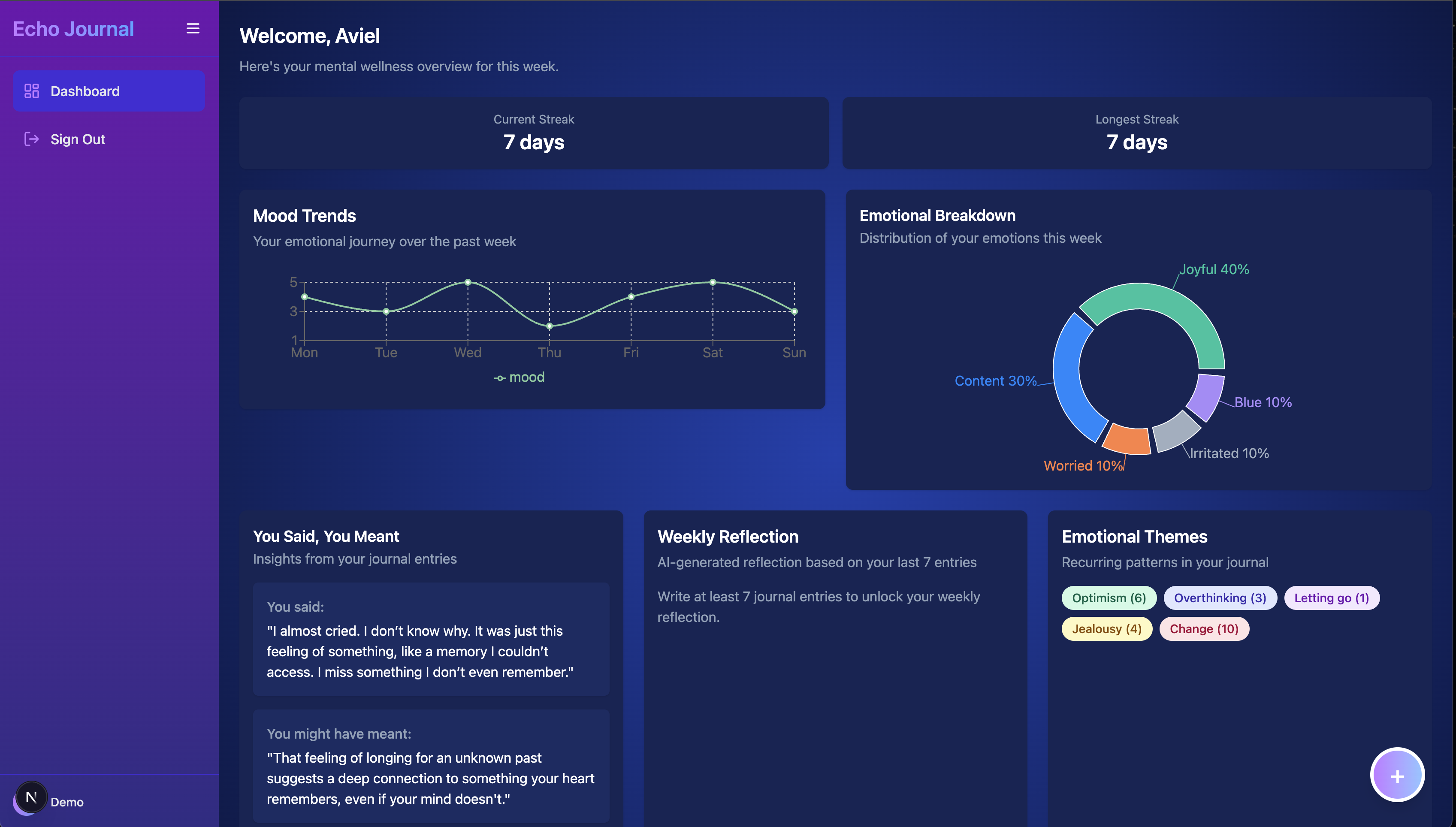
Dashboard
-
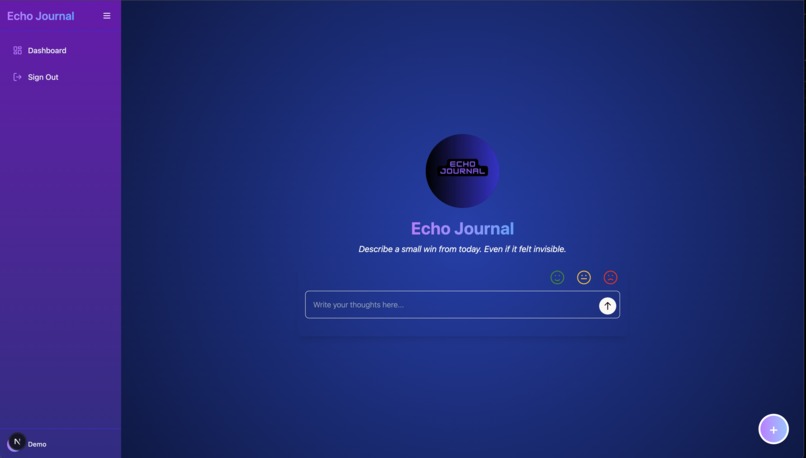
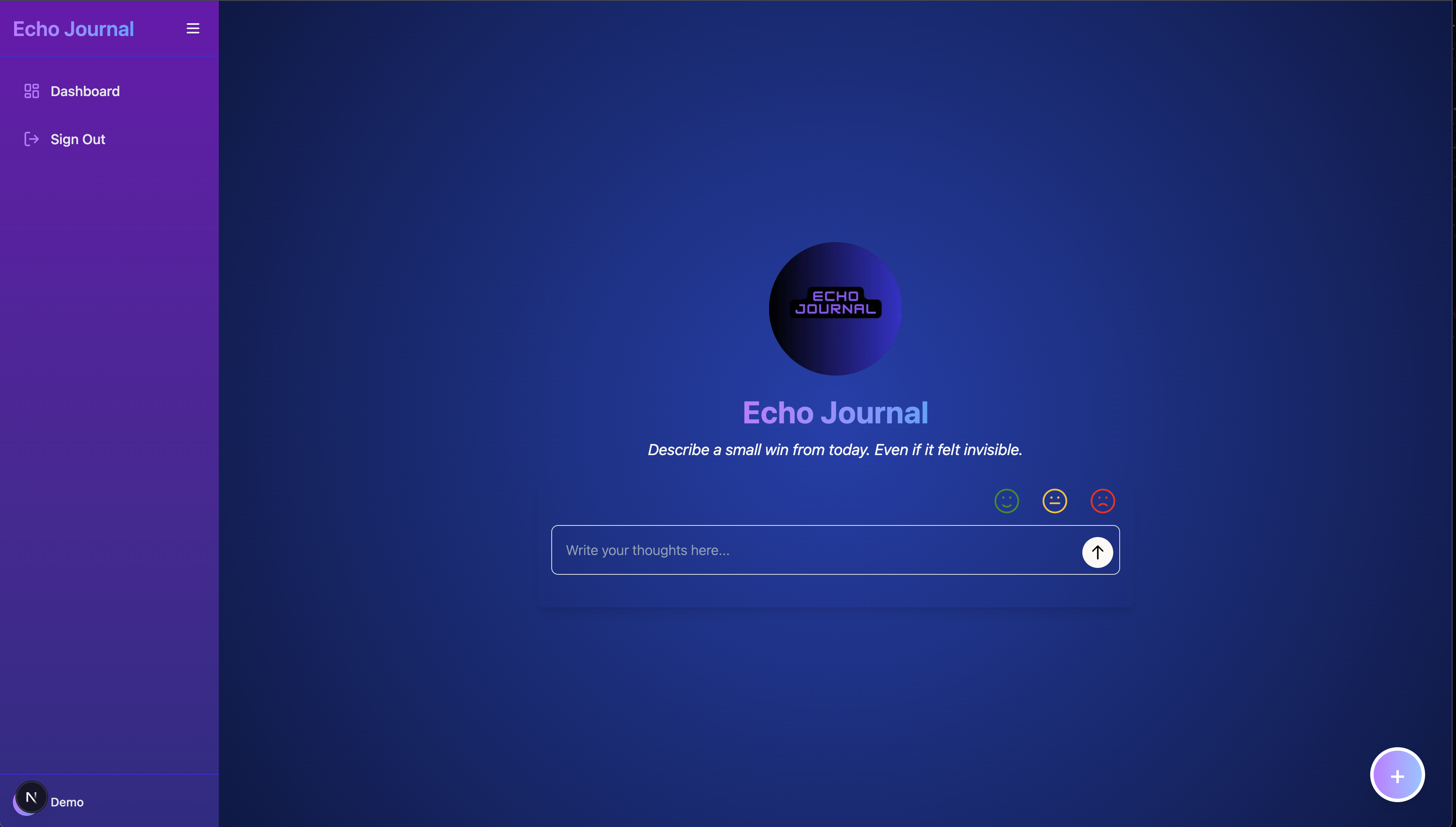
Journal entry
Inspiration
EchoJournal was created to help users build self-awareness, process their emotions, and recognize thought patterns over time, transforming journaling into a powerful feedback loop for emotional growth. Before this project, I had heard about the mental health benefits of journaling, but I often found it unfulfilling and repetitive. I wanted to use technology to enhance the experience, turning journaling into a tool for personal insight and reflection.
What It Does
EchoJournal makes journaling more interesting to those who otherwise wouldn’t do it. The site prompts users to write about their feelings, thoughts, and experiences. These entries are processed through Google’s Gemini LLM, which provides constructive insights that would typically be unavailable during traditional journaling. One key feature we built is “You Said, You Meant,” which helps identify deeper emotions, beliefs, or fears behind what the user wrote. Additional features include personalized reflections, mood trend visualization, and emotional theme detection.
How We Built It
Frontend: Next.js, Tailwindcss,
Authentication: Firebase Authentication
Database: MongoDB Atlas
AI Processing: Python server (FAST API) running entries through Gemini’s LLM API to return insights and suggestions
Challenges We Faced
One of the biggest challenges was connecting the frontend to the backend API routes and managing user data across multiple services. Handling metadata and post request formats between Firebase, MongoDB, and FastAPI was particularly tricky, and combined with this being one of the most complex projects we’ve built, this led to several debugging sessions.
What We Learned
As a team, we grew significantly — learning to work with React, Next.js, and Tailwind CSS for the first time, while also exploring routing, protected routes, and API integration using FastAPI. We also gained valuable experience with cloud deployment and managing cross-service communication between frontend, backend, and database layers.
What’s Next for EchoJournal
EchoJournal has several potential directions for growth — both in terms of user features and monetization. Some ideas we hope to implement in the future include:
- More advanced emotion and tone analysis
- A mobile-first version
- Therapist-mode: shareable insights for mental health professionals
- Personalized affirmations and goal tracking
- Journaling streak rewards and social integrations
- Voice-to-text Audio Journaling.
- Possible modes for those with Neurodivergence or mental illness to help with emotion control


Log in or sign up for Devpost to join the conversation.