Inspiration
In my chemical engineering internship, I learned a lot about how different chemicals from refineries are produced and how they are emitted into the atmosphere. VOC (volatile organic compounds) is one of the main emission categories and imposes severe health risks on humans. We come into contact with VOC contents through various activities, such as gasoline, paints, and spray cans. They all contain chemicals like benzene, xylene, and toluene, which are all under the family of VOC and are carcinogenic.
What it does
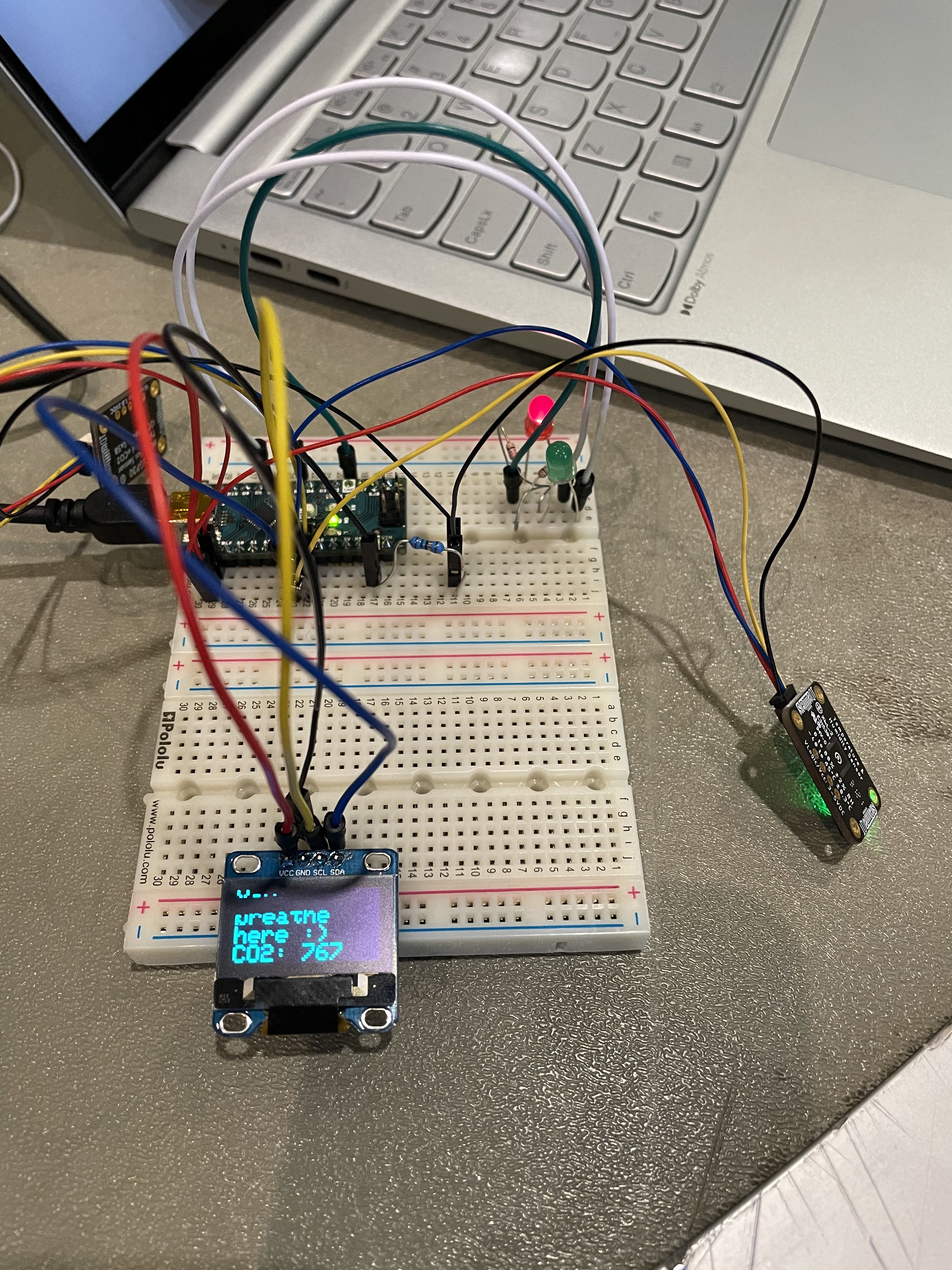
Our project will detect VOC and CO2 contents in ppm (parts per million) in the surrounding air and alert the user that the environment is not safe to stay in for a prolonged period.
How we built it
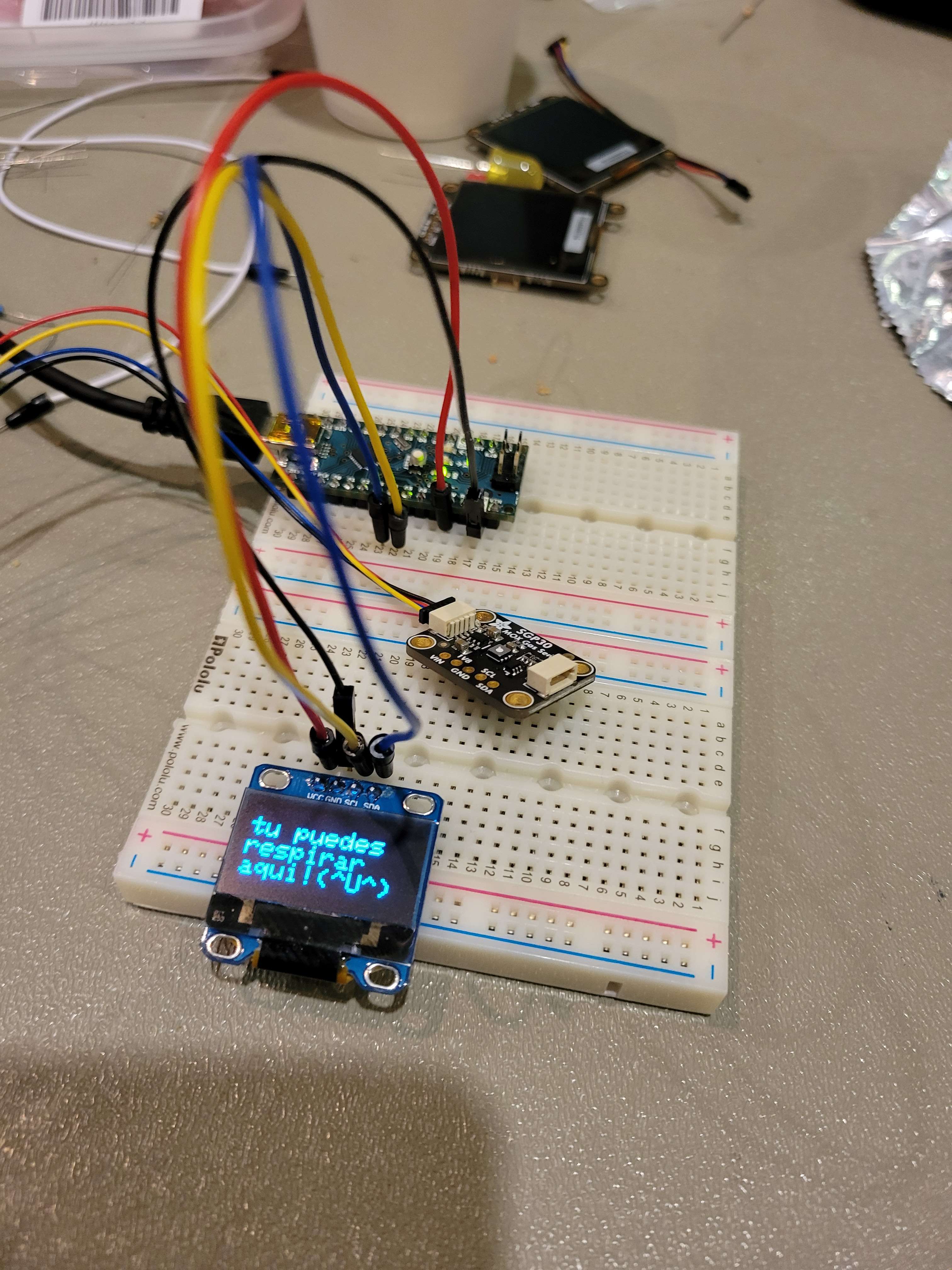
We built the pollutant detector with Arduino Nano, SGP30 VOC & eCO2 sensor, and temperature & humidity sensor. We coded the circuit through Arduino IDE. We also included an OLED screen to display the necessary information.
Challenges we ran into
One challenge we ran into was trying to get the OLED display to turn on. Another one was to have the SGP30 sensor to display VOC contents.
Accomplishments that we're proud of
We are proud of being able to solve the turning on OLED display issue.
What we learned
We learned new pins such as SDA and SCL and terms like I2C.
What's next for ECCPD
The next thing for ECCPD is to use an Arduino MCU that can connect to the internet and upload areas where it detects a high concentration of VOC and people can have access to it in real time.

Log in or sign up for Devpost to join the conversation.